Hawaii Fishing Seasons by Month
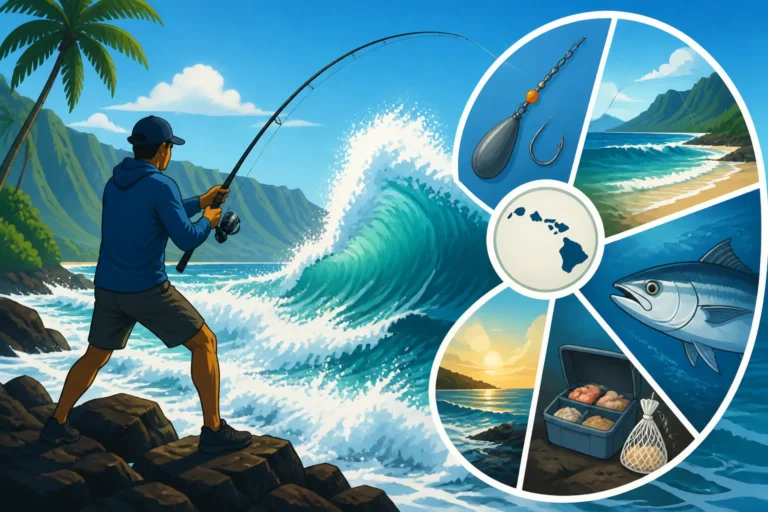
It can be incredibly tricky trying to plan a fishing trip to Hawaii, especially when you're used to distinct "seasons" back home. The islands offer such a diverse, year-round fishery that knowing what's biting, and where, each month feels like trying to crack a secret code. This comprehensive guide is here to demystify Hawaii's fishing calendar, breaking down what you can realistically expect to catch across the islands, month by month, whether you're targeting offshore giants, inshore reef dwellers, or even freshwater trout.
Understanding Hawaii's Unique Fishing Calendar
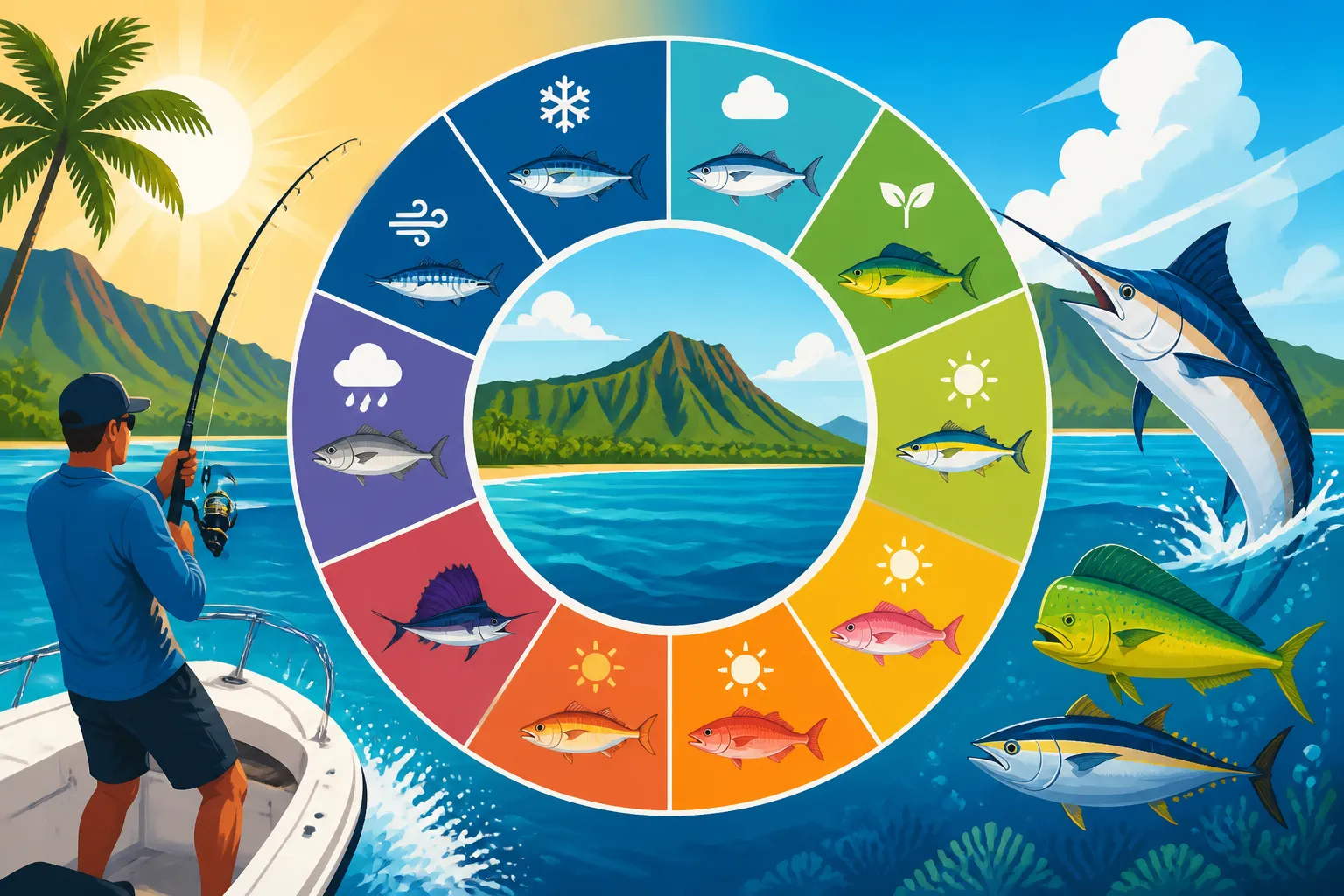
Unlike many mainland destinations that have very clear-cut "hot" and "cold" seasons dictating fish activity, Hawaii operates on a much more subtle, year-round cycle. The warm, tropical waters that surround our islands mean that most pelagic (open ocean) and reef fish species are present throughout the year, but their activity levels, migratory patterns, and abundance can definitely fluctuate. It’s less about fish leaving and more about where they are concentrating, what they’re feeding on, and how that interacts with local conditions.
No "Traditional" Seasons
Forget what you know about bass spawning in spring or salmon runs in fall from temperate climates. Here in Hawaii, while some species might have particular spawning cycles, the overall fishing isn't dictated by dramatic temperature shifts. Instead, we look at things like ocean currents, baitfish movements, and even lunar phases. For instance, you can find marlin virtually any day of the year off the Kona Coast, but certain months might offer a higher chance of encountering the really big ones, or a more consistent bite. It’s all about subtle changes that seasoned local anglers and charter captains learn to read.
This consistent availability is both a blessing and a curse for anglers. It means there's always something to catch, which is fantastic! But it also means you can't just pick a "best" month for all fishing. You need to narrow down your target species or preferred fishing style, then align that with the times of year when those specific opportunities are peaking. It takes a little more planning, but the rewards are absolutely worth it when you hook into that dream fish.
Impact of Weather and Ocean Conditions
While air temperatures remain fairly stable year-round, ocean conditions are the true drivers of Hawaii's fishing seasons. We look closely at things like sea surface temperatures, current lines, and prevailing winds. For example, the trade winds are generally consistent but can strengthen or weaken, directly impacting offshore comfort and inshore clarity. A strong north swell in winter can make the North Shores of Oahu or Maui unfishable from shore, while simultaneously creating amazing surf.
Rainfall also plays a role, especially for freshwater and nearshore anglers. Heavy rains can muddy up stream mouths and nearshore areas, pushing fish further out. Conversely, the runoff can carry nutrients and bait, sometimes creating feeding frenzies once the water clears. Understanding these patterns, often with the help of weather forecasts and local reports, is far more crucial than simply looking at a calendar date. For anyone serious about hitting the water, keeping an eye on the local weather patterns is a non-negotiable step.
Lunar Cycles and Tides for Shore Anglers
Beyond the monthly calendar, shore anglers in Hawaii pay very close attention to lunar cycles and tides. The moon's gravitational pull significantly affects our tides, creating stronger currents during new and full moons (spring tides) and weaker currents during quarter moons (neap tides). These tidal movements can dictate when baitfish are most active and, consequently, when predatory fish like papio and ulua are on the hunt.
Many local fishermen swear by fishing the incoming or outgoing tide, especially around changes in current or when water levels are pushing over shallow reefs or ledges. The "dawn bite" and "dusk bite" are legendary, often coinciding with tide changes, and are prime times for targeting a variety of species from the shore. The bigger fish, like ulua, are particularly known for coming into shallower waters under the cover of darkness, often during strong night tides. Learning to read these local currents and conditions, rather than just the time of day, will drastically improve your success.
January and February: Kicking Off the Year
As the new year begins, many anglers elsewhere might be bundled up, but here in Hawaii, the fishing never truly stops. January and February offer a fantastic start, particularly if you're looking for offshore action or want to target some of our impressive bottomfish. While some species might be less aggressive than in the warmer summer months, the potential for trophy catches is still very much alive. Don't let the "winter" label fool you; it's still paradise out on the water.
Offshore Opportunities
The beginning of the year is an excellent time for offshore enthusiasts, especially for those seeking marlin. While the Kona Coast is famous for its year-round marlin fishery, January and February can be prime for larger blue marlin and striped marlin. The slightly cooler water temperatures often concentrate baitfish, leading to more aggressive feeding behavior from these apex predators. Charter boats departing from Honokohau Harbor often find success trolling skirted lures or live bait along current lines and FADs (Fish Aggregating Devices).
Beyond marlin, you might also encounter spearfish, which are more prevalent in the cooler months. These smaller billfish are a fantastic fight on lighter tackle and offer a different challenge. Schooling ahi (yellowfin tuna) can also be found, particularly around the buoys, though they might be scattered. If you're planning a trip, consider booking a full-day charter to maximize your time on the water and give you the best chance at one of these pelagic giants. A good guide will know the patterns and where to look.
Inshore and Bottomfishing Prospects
For those who prefer to stay closer to shore, January and February offer solid bottomfishing opportunities. The deep-water 'opakapaka (pink snapper) and 'onaga (ruby snapper) are often found in good numbers during these months, making it a favorite time for commercial and recreational anglers alike. These delicious fish inhabit depths from 300 to over 1,000 feet, requiring specialized gear like electric reels or strong conventional setups. Many local charters specialize in bottomfishing, providing all the necessary heavy tackle.
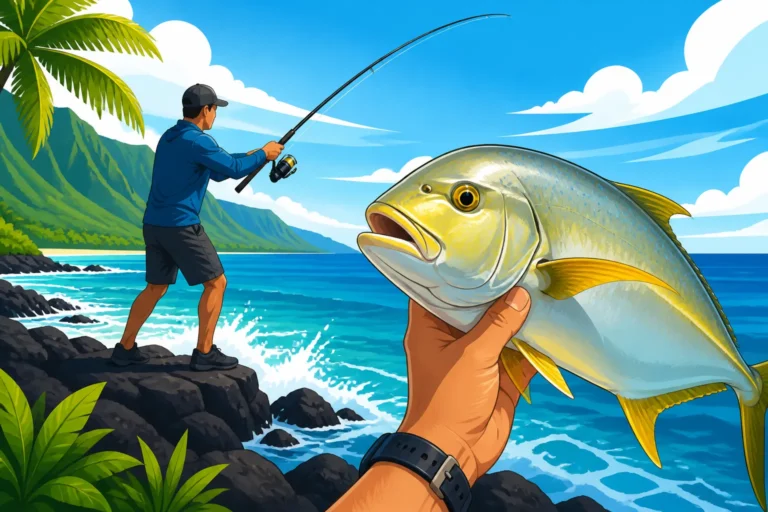
Shore anglers can still find plenty of action too. While the bigger ulua might be a bit more elusive, papio (juvenile trevally) are plentiful on the reef flats and around harbor entrances. Whipping or casting small lures and baits can yield consistent catches. Just remember to check the current Hawaii Bag and Size Limits by Species before you head out, as regulations can vary. Calm days can also present good opportunities for spearfishing in sheltered areas, targeting species like uhu (parrotfish) and kumu (goatfish).
Freshwater Action
If you're looking for a change of pace from the salty ocean, January and February are excellent months for freshwater fishing, especially on Kauai. The Kokee Public Fishing Area is home to Hawaii's only significant rainbow trout fishery, and while the official season usually runs from June to September, these early months can still offer holdover trout for dedicated anglers. The streams in Kokee State Park, like the Mohihi and Waimea rivers, flow strong during the wetter winter season, creating ideal conditions for trout.
A freshwater fishing license is required for this unique experience, and it's best to check with the Hawaii Department of Land and Natural Resources (DLNR) for the latest stocking schedules and specific regulations for the Kokee area. Fly fishing or light spinning tackle with small lures or baits can be effective. It’s a completely different vibe from the ocean, offering tranquil surroundings and a chance to explore Kauai's stunning interior. Plus, a fresh trout dinner after a day in the mountains is a delightful Hawaiian culinary experience.
March to May: Springtime Bounty
As Hawaii transitions into spring, the fishing scene really heats up, especially offshore. These months are often considered some of the best for targeting a wide variety of pelagic species, thanks to strengthening currents and increasing baitfish activity. The energy on the water is palpable, with boats heading out early, eager to capitalize on the prime conditions. For many, this is the sweet spot of the Hawaii fishing calendar.
The Peak of Marlin Season
While Kona boasts a year-round marlin fishery, March through May marks a distinct peak, particularly for blue marlin and especially the highly sought-after striped marlin. The waters off the Big Island, and even other islands like Maui, become a hotspot for these powerful billfish. Anglers often report a higher frequency of hookups and an increased chance of encountering "grander" sized blue marlin during this period. The influx of baitfish, like skipjack tuna and mackerel scad, draws these predators closer to the fishing grounds.
Charters typically employ a combination of trolling large lures and sometimes live baiting to entice strikes. If you're dreaming of a true Hawaii big game experience, this is the time to book your Marlin Fishing off the Kona Coast charter. The captains and crews are at the top of their game, reading the ocean for signs of activity, like working birds or subtle temperature breaks. It's an adrenaline-fueled hunt that can last hours, but the reward of battling one of these magnificent fish is truly unforgettable.
Mahimahi and Ono Surges
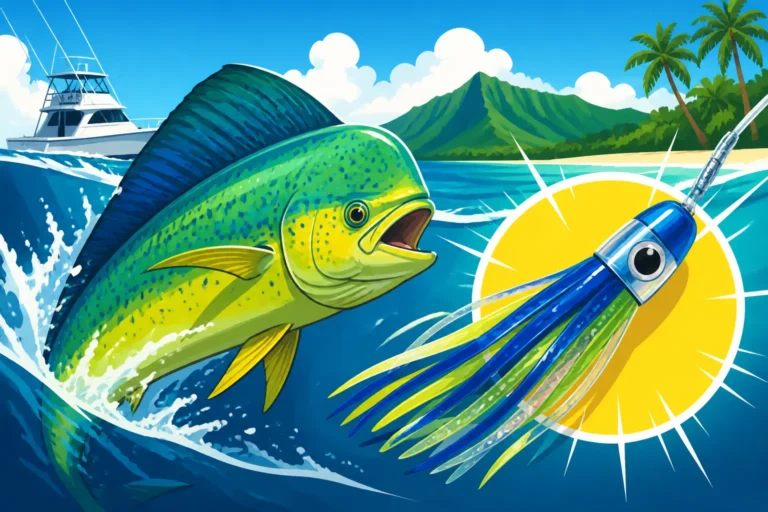
Spring is also a phenomenal time for mahimahi (dolphin fish) and ono (wahoo). These vibrant, fast-swimming pelagics are often found offshore, congregating around FADs, floating debris, and current lines. Mahimahi, with their brilliant colors and acrobatic leaps, are a joy to catch and provide excellent table fare. They tend to travel in schools, so where there's one, there are often more. Trolling with small to medium-sized lures is a common and effective technique, often yielding multiple hookups.
Ono, known for their incredible speed and razor-sharp teeth, are also very active. They patrol the same offshore waters as mahimahi and often strike trolled lures with explosive force. Many anglers specifically target ono for their delicious white meat, which is prized for sashimi and grilling. Fishing for mahimahi and ono often goes hand-in-hand, as they inhabit similar environments. If you’re looking to fill the cooler with some of Hawaii’s finest eating fish, late spring is an excellent bet.
Reef and Nearshore Highlights
Closer to shore, the warming waters and increased daylight hours stimulate activity on the reefs. Papio and ulua become more active, especially during strong tides around reef edges and sandy channels. Shore casters might find success whipping small metal jigs or soft plastics during dawn and dusk. Night fishing for ulua can also be very productive, using large sliding baits off rocky points. You can learn more about How to Catch Ulua from Shore in our dedicated guide.
Spearfishing conditions also tend to improve, with clearer waters and more abundant reef fish. Divers target a variety of species, including goatfish, triggerfish, and various snappers. However, it's crucial to be aware of Hawaii Spearfishing Regulations and any Marine Life Conservation Districts (MLCDs) where spearfishing is prohibited. Always prioritize safety and sustainability when engaging in any inshore fishing activity. This time of year offers a great balance for both boat and shore-based anglers.
June to August: Summer's Abundance
Summer in Hawaii brings consistently warm weather, calm seas (though trades can still kick up), and a vibrant fishery across the board. For many, these are the quintessential fishing months, offering a wide array of opportunities from epic offshore battles to relaxed shoreline casting. The longer daylight hours mean more time on the water, and the overall atmosphere is one of abundance and excitement.
Continued Pelagic Dominance
While spring might see the peak of striped marlin, blue marlin remain a dominant force throughout the summer, especially off the Kona Coast. The "grander" season for blue marlin can extend well into these warmer months, attracting anglers from around the globe hoping to land a fish of a lifetime. Ahi (yellowfin tuna) also become a major target, with schools often found offshore around FADs, porpoise pods, and current lines. Large yellowfin can push well over 100 pounds, providing a serious test for any angler.
Ono (wahoo) and mahimahi also continue their strong presence. The consistent warm water and ample bait mean these species are actively feeding. Trolling for these fast-swimming fish is highly effective, and it's not uncommon to land several in a single outing. Many charters during this period will be targeting a mixed bag of pelagics, offering a thrilling experience for those seeking diverse offshore action. If you're planning a trip, be sure to check out our list of the Best Fishing Charters in Hawaii to find a reputable guide for your summer adventure.
Ulua and Papio Activity
Summer's warm, clear waters are also excellent for targeting ulua and papio from shore and inshore boats. The increased water temperature often translates to higher metabolism for these trevally species, making them more aggressive feeders. Anglers using traditional slide baiting techniques with live or dead bait often report good success for ulua, particularly during nighttime high tides. Casting artificial lures, like poppers and stickbaits, can be incredibly effective for papio during dawn and dusk hours along rocky points and sandy beaches.
The shallow reef flats and estuaries also become teeming with activity. Bonefish (oio), while present year-round, can be particularly active during summer's calmer mornings. Fly anglers and light tackle enthusiasts often wade these flats, sight casting to cruising schools of these incredibly strong fighting fish. You'll want to ensure you have the right gear for this; a good pair of polarized sunglasses and durable wading boots from a brand like Amazon can make all the difference in spotting and pursuing bonefish on the flats.
Diverse Shoreline Options
With generally calmer seas and longer days, summer opens up a wide range of Shore Fishing Techniques for Hawaii for anglers who prefer to keep their feet on solid ground. Sandy beaches become prime spots for surf casting for papio, weke (goatfish), and even small ulua. Rocky points and jetties offer access to deeper water and structure, attracting a variety of reef fish. You might try whipping with small jigs or lures, or simply soaking bait with a two-hook bottom rig.
Family fishing trips are particularly popular in summer. Many public piers and accessible shoreline areas offer safe and easy access for kids and beginners to catch smaller reef fish, providing a fun introduction to fishing in paradise. Just be mindful of crowds, especially on popular beaches and fishing spots. Always clean up after yourself and respect the local environment, ensuring these beautiful fishing grounds remain pristine for future generations.
September to November: Fall Transitions
As summer slowly gives way to fall, Hawaii's fishing scene undergoes a subtle but exciting transition. While the weather remains warm, subtle changes in current and baitfish movements bring new opportunities, particularly for certain pelagic species and our deep-water bottomfish. For many seasoned anglers, these months offer a fantastic balance of comfortable conditions and productive fishing.
The Ahi Run and Other Pelagics
Fall is often hailed as a prime time for ahi (yellowfin tuna), especially around the Big Island. The "fall ahi run" is a much-anticipated event, with large schools of yellowfin moving through the waters, often accompanied by porpoise pods or congregating around bait balls offshore. Anglers employ various techniques, including trolling, chunking, and even greenstick fishing, to target these powerful tuna. Landing a large ahi is a testament to skill and endurance, offering incredible fillets for sashimi or searing. For a deeper dive, check out our guide on How to Catch Ahi in Hawaii.
Beyond ahi, mahimahi and ono continue to be present in good numbers, providing excellent sport and table fare. Spearfish also become more active again as the water temperatures begin a very gradual descent from their summer highs. While blue marlin are still around, the sheer numbers might not be as concentrated as in late spring, but the potential for a trophy fish is always there. Fall often sees a slightly quieter offshore scene than the busy summer, which can be appealing for those seeking a more relaxed charter experience.
Prime Bottomfishing
For bottomfishing enthusiasts, fall is one of the absolute best times to hit the deep waters. The calm seas often associated with these months create ideal conditions for anchoring or drifting over deep-water structure, targeting prized species like 'opakapaka, 'onaga, ehu (red snapper), and kalekale (gold-flake snapper). These fish are highly valued for their delicate flavor and are a staple of fine dining in Hawaii. Many local fishermen rely on these months for consistent catches.
Specialized deep-dropping techniques are employed, often using electric reels and heavy leaders to withstand the pressure and retrieve fish from depths of several hundred to over a thousand feet. It’s a completely different style of fishing than trolling, focusing on precision and patience. If you're looking for a unique culinary experience combined with a challenging fishing adventure, a fall bottomfishing charter is highly recommended. You can learn more about Bottomfishing in Hawaii in our comprehensive article.
Cooler Water Inshore Species
As fall progresses, the subtle drop in water temperature can bring some changes to the inshore fishery. While papio and ulua remain active, some reef species that prefer slightly cooler conditions might become more accessible. Moi (Pacific threadfin), a highly prized fish that was once reserved for Hawaiian royalty, often becomes more active in the fall. They are typically found in sandy areas near reef edges and are notoriously wary, requiring a stealthy approach and light tackle.
Shoreline baitcasters and waders can still find plenty of action. The beaches might be less crowded, offering a more peaceful experience. Anglers often experiment with different baits and lures as baitfish patterns shift. Keep an eye on local reports; sometimes late-season swells can push baitfish closer to shore, creating fantastic opportunities for shore-based predators. Having a versatile tackle box with various lures and weights, perhaps stocked through a reliable online retailer like Amazon, can be very beneficial during these transitional months.
December: Winter Fishing Wonderland
December, often associated with cold and snow in many parts of the world, offers a surprisingly vibrant and diverse fishing scene in Hawaii. While the holiday season buzz fills the air, the ocean continues to provide incredible opportunities for anglers. From persistent billfish action to booming bottomfish runs, and even some unique freshwater prospects, December is far from a quiet month for fishing.
Kona Marlin Action Persists
Even as winter officially begins, the legendary Kona Coast continues to deliver fantastic marlin fishing. Blue marlin are still present and can be caught, though the focus might shift slightly to striped marlin and spearfish, which tend to prefer the slightly cooler water temperatures. Charter captains who know these waters intimately will be out daily, trolling lures and looking for signs of life. The consistent deep-water access just offshore means that you don't have to travel far to get into prime marlin territory, making even half-day charters potentially productive.
For those dreaming of a billfish for the Christmas holidays, a December trip to Kona can certainly make that dream a reality. The atmosphere on the water is generally a bit calmer than the peak summer months, offering a more serene fishing experience while still providing the chance for an epic battle. Consider checking out our detailed guide on the Best Marlin Charters off the Kona Coast if this is your target species.
Deepwater Bottomfish Bonanza
December often marks the true start of prime deep-water bottomfishing season. The cooler, stable ocean conditions are often ideal for targeting the highly sought-after 'opakapaka, 'onaga, and other deep-water snappers. Commercial fishermen and dedicated recreational anglers flock to their secret spots (and some not-so-secret ones) to drop lines hundreds of feet down. The calm winter swells can make the long boat rides to the deep-water grounds much more comfortable, allowing for extended fishing sessions.
This time of year, it's not uncommon for bottomfishing charters to return with coolers full of these delicious, ruby-red fish, providing an incredible bounty for holiday feasts. The patience required for this type of fishing is amply rewarded with some of the finest eating fish found in Hawaiian waters. If you're looking to fill your freezer with premium fillets, December bottomfishing is an excellent choice.
Seasonal Freshwater Stocking
While primarily known for its ocean fishing, December on Kauai brings a unique opportunity for freshwater anglers: the seasonal stocking of rainbow trout in the Kokee Public Fishing Area. While the official season opens in June, the Department of Aquatic Resources often conducts stocking efforts in late fall or early winter, preparing the streams for the next year's season. This can mean excellent catch-and-release opportunities for anglers who secure the necessary Hawaii Freshwater Fishing License and Rules and venture into the cool, misty mountains.
The Waimea and Mohihi streams become alive with trout, offering a peaceful and beautiful alternative to saltwater angling. It’s a completely different experience, requiring lighter tackle and a keen eye for reading stream currents. While you won't be battling a marlin, the thrill of landing a beautiful rainbow trout in such a unique tropical setting is truly special. Make sure to consult the DLNR's website for specific dates and regulations before planning your Kokee trout adventure.
Key Factors Influencing Monthly Success
Understanding the general trends of Hawaii's fishing seasons is a great start, but real success comes from knowing the underlying factors that drive fish behavior. The ocean is a dynamic environment, and while the calendar gives us a framework, paying attention to specific conditions on any given day or week can make all the difference. It's like having the recipe but needing to adjust for the humidity in the kitchen – small tweaks can lead to big results.
Water Temperature and Currents
Hawaii’s waters are famously warm, but even subtle shifts in ocean temperature can significantly impact fish activity. Pelagic species like marlin and tuna often follow specific temperature breaks, which are areas where cooler and warmer water masses meet. These breaks create nutrient-rich upwellings that concentrate baitfish, drawing in the predators. Experienced captains constantly monitor sea surface temperature (SST) charts to locate these productive zones.
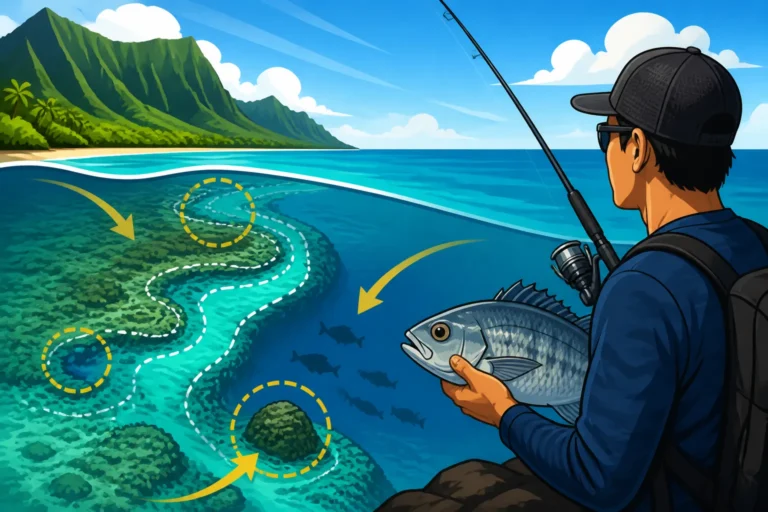
Ocean currents also play a massive role. Strong currents can concentrate baitfish, create favorable feeding lanes, or push fish into specific areas. Conversely, slack currents might mean a slower bite. For shore anglers, understanding local currents and how they interact with tides and underwater structure is crucial. A strong rip current might seem daunting, but it could be exactly where a big ulua is waiting to ambush bait. Knowing how to read the water is often more valuable than any specific bait or lure.
Baitfish Presence
The old adage "find the bait, find the fish" holds especially true in Hawaii. The presence and abundance of baitfish — such as opelu (mackerel scad), akule (bigeye scad), skipjack tuna, and various schooling reef fish — are critical indicators of where game fish will be. When baitfish schools are plentiful, pelagics like ahi, ono, and mahimahi will be in a feeding frenzy. Offshore, this often means looking for diving birds, which signal bait being pushed to the surface.
Nearshore, schools of akule or opelu can attract papio and ulua. Local anglers often use cast nets or sabiki rigs to catch live bait, knowing that fresh, locally caught bait is often the most effective. Without a healthy population of baitfish, the larger predators simply won't stick around. Monitoring reports of baitfish movements, often shared through local fishing communities or even social media, can give you a significant edge.
Local Knowledge and Experience
Ultimately, no monthly guide or scientific data can completely replace local knowledge and experience. Hawaiian waters are incredibly complex, with countless microclimates, currents, and fish behaviors unique to specific islands or even certain coastlines. What works brilliantly off the Kona Coast might be completely different from what's effective nearshore on Oahu, or in the freshwater streams of Kauai.
Talking to local anglers, visiting tackle shops, and observing what experienced fishermen are doing are invaluable resources. Charter captains, having spent thousands of hours on the water, possess a wealth of knowledge about seasonal patterns, specific hotspots, and the subtle cues that indicate a good bite. Don't be afraid to ask questions, but always be respectful of local traditions and privacy regarding specific fishing spots. A good charter, like those listed in How to Choose a a Hawaii Fishing Charter, will not only put you on fish but also share insights into the local fishery.
Preparing for Your Monthly Hawaii Fishing Trip
Getting ready for a fishing trip in Hawaii is about more than just packing your bags; it's about understanding the unique aspects of fishing in this tropical paradise. From the gear you'll need to the permits you'll carry, a little preparation goes a long way in ensuring a successful and stress-free adventure.
Essential Gear Considerations
While a good charter will provide all the necessary tackle for offshore excursions, shore anglers and freshwater enthusiasts will need to bring or acquire their own gear. For saltwater shore fishing, a sturdy surf rod (8-12 feet) capable of casting heavy weights is often essential, especially for targeting ulua. Pair this with a robust spinning reel spooled with at least 50-80 lb braided line. For lighter action like papio or bonefish, a medium-heavy spinning rod (7-9 feet) with 20-30 lb braid will suffice. Don't forget a variety of lures, including metal jigs, poppers, and soft plastics.
Freshwater fishing for trout in Kokee requires much lighter gear: a sensitive spinning rod (6-7 feet) with a small reel spooled with 4-8 lb monofilament or fluorocarbon. Small spinners, spoons, and flies are effective. Regardless of where you fish, a good pair of pliers, a sharp knife, a small cooler, and sun protection (hat, sunglasses, long-sleeve shirt) are non-negotiable. You can find a vast selection of these items from reputable online retailers. For instance, Amazon offers a wide array of fishing gear, from basic hooks and lines to specialized surf rods, making it convenient to stock up before your trip or even after you arrive.
Checking Regulations and Licenses
This is absolutely crucial. Hawaii has specific and often complex fishing regulations designed to protect its unique marine and freshwater ecosystems. These rules cover everything from minimum size limits, daily bag limits, seasonal closures (like the Hawaii Moi Closed Season Explained), and restricted fishing methods. For instance, the take of certain species, like uhu (parrotfish), might have specific restrictions or a closed season, especially for larger individuals.
For freshwater fishing, a Hawaii Fishing License Guide for 2026 is mandatory for anyone over the age of 18, and specific rules apply to the Kokee Public Fishing Area. While recreational ocean fishing in Hawaii does not currently require a statewide license for residents or non-residents, some activities or protected areas might have their own requirements. Always consult the Hawaii Division of Aquatic Resources (DAR) website for the most up-to-date information before you cast a line. Ignorance of the law is not an excuse, and penalties for violations can be significant.
Choosing the Right Charter or Guide
If you're not intimately familiar with Hawaii's waters, booking a charter or guide is arguably the best investment you can make for a successful fishing trip. A good captain brings not only a boat and gear but also years of invaluable experience, local knowledge, and an understanding of current conditions. When choosing, consider what you want to catch: are you looking for a grander marlin, a delicious bottomfish dinner, or an inshore papio on light tackle?
Research different charters and guides, read reviews, and ask about their specialties. Some focus heavily on big game trolling, while others might offer specialized bottomfishing or even guided shore fishing trips. Be clear about your expectations, and don't hesitate to ask questions about their catch-and-release policies, what's included in the price, and any recommended items to bring (like seasickness medication if you're prone to it!). A well-chosen guide can transform a good fishing trip into an unforgettable adventure.
| Month | Primary Offshore Targets | Primary Inshore/Bottom Targets | Freshwater Notes |
|---|---|---|---|
| January | Marlin (Blue, Striped), Spearfish, scattered Ahi | Bottomfish (Opakapaka, Onaga), Papio, seasonal Moi | Holdover Rainbow Trout (Kokee – requires license) |
| February | Marlin (Blue, Striped), Spearfish, scattered Ahi | Bottomfish (Opakapaka, Onaga), Papio, seasonal Moi | Holdover Rainbow Trout (Kokee – requires license) |
| March | Blue Marlin, Striped Marlin (peak), Mahimahi, Ono, Spearfish | Papio, Ulua, Reef Fish, increasing spearfishing conditions | Holdover Rainbow Trout (Kokee – requires license) |
| April | Blue Marlin, Striped Marlin, Mahimahi, Ono | Papio, Ulua, Reef Fish, good spearfishing conditions | Holdover Rainbow Trout (Kokee – requires license) |
| May | Blue Marlin, Mahimahi, Ono | Papio, Ulua, Bonefish (Oio), Reef Fish, excellent spearfishing | Holdover Rainbow Trout (Kokee – requires license) |
| June | Blue Marlin (Grander season), Ahi, Mahimahi, Ono | Ulua, Papio, Bonefish (Oio), Reef Fish, consistent spearfishing | Rainbow Trout (Kokee – season opens), Largemouth Bass, Tilapia |
| July | Blue Marlin, Ahi, Mahimahi, Ono | Ulua, Papio, Bonefish (Oio), Reef Fish, consistent spearfishing | Rainbow Trout (Kokee), Largemouth Bass, Tilapia |
| August | Blue Marlin, Ahi, Mahimahi, Ono | Ulua, Papio, Bonefish (Oio), Reef Fish, consistent spearfishing | Rainbow Trout (Kokee), Largemouth Bass, Tilapia |
| September | Ahi (Fall run), Mahimahi, Ono, scattered Marlin | Bottomfish (Opakapaka, Onaga), Ulua, Papio, Moi | Rainbow Trout (Kokee), Largemouth Bass, Tilapia |
| October | Ahi, Mahimahi, Ono, Spearfish | Bottomfish (Opakapaka, Onaga), Ulua, Papio, Moi | Rainbow Trout (Kokee), Largemouth Bass, Tilapia |
| November | Ahi, Spearfish, Mahimahi, Ono | Bottomfish (Opakapaka, Onaga), Ulua, Papio, Moi | Holdover Rainbow Trout (Kokee), Largemouth Bass, Tilapia |
| December | Blue Marlin, Striped Marlin, Spearfish, Bottomfish | Bottomfish (Opakapaka, Onaga – prime), Papio, seasonal Moi | Seasonal Freshwater Stocking (Kokee – check DLNR) |
Disclaimer
The information provided in this guide is for general informational purposes only. Fishing conditions, regulations, and fish behavior can change rapidly. Always consult the official Hawaii Department of Land and Natural Resources (DLNR) Division of Aquatic Resources (DAR) website for the most current and accurate regulations, licensing requirements, and fishery updates before engaging in any fishing activity. Always prioritize safety, practice responsible angling, and respect Hawaii's natural resources and local customs.