Best trolling lure for mahimahi
Chasing mahimahi in the vast expanse of Hawaii's ocean can feel like searching for a needle in a haystack, especially when you're trying to figure out which lure will actually get their attention. It's frustrating to spend hours trolling, seeing nothing, and wondering if your spread is all wrong. This guide aims to clear up that confusion, diving deep into the characteristics that make a trolling lure irresistible to mahimahi, helping you choose the best options to entice those vibrant, acrobatic fish.
Understanding Mahimahi and Their Behavior
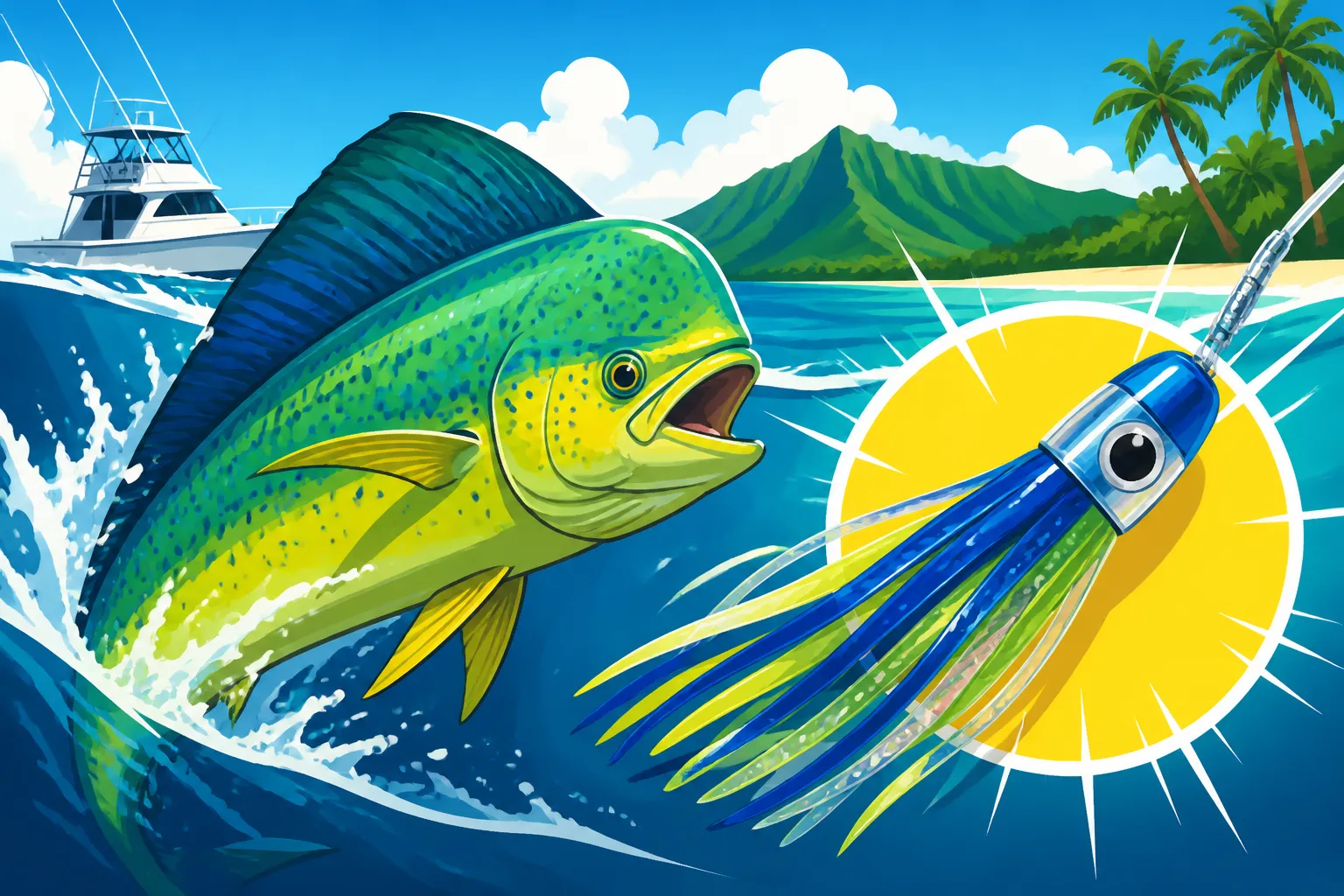
Before we even talk about specific lures, it’s crucial to understand the fish we’re targeting. Mahimahi, often called dolphin fish (though unrelated to marine mammals) or dorado, are true pelagic predators. They're built for speed and aggression, spending their lives in the open ocean, constantly on the hunt. Knowing their habitat and feeding habits gives us a massive advantage in lure selection and presentation.
Where Mahimahi Hang Out: Pelagic Predators
Mahimahi are quintessential open-ocean dwellers, meaning you'll rarely find them hugging the shorelines or deep bottom structure. They prefer the blue water, often congregating around floating debris, FADs (Fish Aggregating Devices), current lines, or temperature breaks. These areas act like miniature ecosystems, attracting smaller baitfish, which in turn attract mahimahi. Think of a lonely log or an old pallet drifting far offshore—that's prime mahimahi territory, as it offers shade and shelter for their prey. They're constantly on the move, following these mobile food sources.
Their pelagic nature also means they aren't tied to any specific geographic point for long, except for maybe the prominent FADs maintained by the Hawaii Division of Aquatic Resources (DAR). When you're out there, keep an eye out for anything floating, even a small piece of rope or a patch of seaweed, as mahimahi could be lurking underneath. This behavior is key when you're considering your Best Deep Sea Fishing Spots in Hawaii and how to approach them.
What Mahimahi Eat: Their Forage Preferences
Mahimahi are opportunistic feeders with a varied diet, but they predominantly prey on smaller baitfish and squid. In Hawaiian waters, this can include juvenile tunas, opelu (mackerel scad), flying fish, various types of squid, and even smaller mahimahi. They have a keen eyesight and a strong drive to feed, often slashing through schools of baitfish with incredible speed.
Their diet heavily influences the characteristics of an effective trolling lure. If they’re accustomed to seeing slender, silver-sided opelu, then a lure that mimics that profile and flash will naturally be more appealing. Conversely, if squid are prevalent, a lure with more tentacles and a softer, fluttering action might be the ticket. It's less about matching one specific bait exactly, and more about imitating the general size, color, and movement of common prey in the open ocean.
How Mahimahi Hunt: Aggressive Feeders
These fish are incredibly aggressive. Unlike some species that might subtly ambush their prey, mahimahi are known for their explosive strikes. They're often seen leaping and thrashing at the surface when hooked, a testament to their predatory intensity. This aggression means that a lure doesn't always need to be perfectly realistic; sometimes, a highly erratic, flashy, or noisy presentation can trigger a "reaction strike" even if the fish isn't actively feeding.
They also hunt in schools, especially the smaller "schoolie" mahimahi. When one fish gets excited by a lure, it often triggers a competitive feeding frenzy among the others. This is why a successful trolling pass might result in multiple hook-ups, or you might see several fish follow a hooked mahimahi right up to the boat. This competitive nature is something we can exploit with our lure selection and trolling strategy.
Key Characteristics of Effective Mahimahi Trolling Lures
Now that we understand the mahimahi's world, let's translate that into what makes a trolling lure truly shine in Hawaiian waters. It's not just about one factor; it's a combination of elements that work together to create an irresistible presentation.
Color and Skirt Design: Mimicking Baitfish
The visual appeal of a lure is paramount for mahimahi. They have excellent vision and will often track a lure for a distance before committing to a strike.
- Natural Colors: For clear Hawaiian waters, natural baitfish colors often work wonders. Shades of blue, green, silver, and black are excellent choices as they mimic the backs of small tunas, mackerel scad, or flying fish. These colors blend well with the blue ocean yet offer enough contrast to be seen. Many successful lures on Amazon feature these tried-and-true combinations.
- Bright and Contrasting Colors: Don't be afraid to experiment with brighter, more aggressive colors, especially when targeting larger bull mahimahi or in low-light conditions (dawn, dusk, or overcast days). Chartreuse, pink, and purple, often mixed with silver or black, can create a strong silhouette and provoke an aggressive strike. A popular combination for mahimahi is often called "green over yellow" or "blue over pink," mimicking the iridescent hues of their own bodies or common bait.
- Skirt Materials: The skirt of a trolling lure creates the illusion of movement and body. High-quality vinyl or Mylar skirts that shimmer and pulse in the water are highly effective. Many lures also incorporate reflective foil or holographic inserts within the skirt for added flash. The way the skirt "breathes" or contracts and expands as the lure moves through the water is a crucial element that imitates a living baitfish.
Size and Profile: Matching the Hatch
"Matching the hatch" is an old angler's adage, and it applies well to mahimahi. While they are opportunistic, a lure that closely resembles the size and shape of their typical prey will often get more attention.
- Optimal Length: For general mahimahi trolling in Hawaii, lures ranging from 6 to 10 inches are usually a sweet spot. This size range is perfect for both schoolie mahimahi and larger bulls. If you're specifically targeting trophy-sized mahimahi, you might go up to 12-14 inches, but remember, bigger lures might deter smaller fish.
- Slender vs. Chugger Profile: Lures with a slender, bullet-like profile excel at mimicking fast-moving baitfish like opelu or small tunas. These lures track straight and fast. Chugger or cupped-face lures, on the other hand, create a lot of commotion—splashing, popping, and leaving a smoke trail. This aggressive action can be incredibly effective at grabbing attention, especially from a distance. The choice often depends on the water conditions and the desired action. When learning Trolling Techniques for Hawaii Pelagics, you'll find that having a mix of profiles in your spread is key.
Action and Movement: Enticing the Strike
A lure's action is arguably its most critical attribute. It needs to look alive, even at trolling speeds.
- Erratic Action: Mahimahi love a lure that darts, weaves, and occasionally breaks the surface. This erratic movement mimics a wounded or fleeing baitfish, triggering their predatory instincts. Lures with offset towing eyes or those designed with specific head shapes create this unpredictable motion.
- Bubble Trail (Smoke Trail): Many successful trolling lures create a visible "smoke trail" of bubbles as they move through the water. This trail is incredibly effective for two reasons: it mimics the turbulence created by a fleeing baitfish, and it makes the lure easier for the mahimahi to track from a distance, even in slightly choppy conditions.
- Surface Activity: Mahimahi often feed near the surface, so lures that create splashes, pops, or skip across the waves are highly effective. These lures draw attention and make the fish believe a frantic baitfish is struggling at the surface. This type of action is particularly good for attracting mahimahi from deeper water or when they are scattered.
Top Trolling Lures for Mahimahi in Hawaii
With countless options available, narrowing down the best mahimahi trolling lures can be overwhelming. However, some styles and brands have consistently proven their worth in Hawaiian waters, standing the test of time and countless successful catches.
Pushead and Chugger Style Lures
These are perhaps the most iconic and widely used trolling lures for mahimahi, as well as other pelagic species like marlin and ono. Their effectiveness lies in their ability to create significant surface disturbance and a captivating bubble trail.
- Pushead Lures: Characterized by a concaved, sometimes angled face, pushead lures are designed to "push" water, creating a distinct commotion and a persistent bubble trail. They often run just below the surface, popping and diving erratically. Their action is highly erratic, mimicking a frantic baitfish. Brands like Black Bart, particularly their "Cabo Prowler" or "Wahoo Candy," are incredibly popular among seasoned Hawaiian anglers. You can often find a good selection of these on Amazon, making it easy to experiment with different sizes and colors.
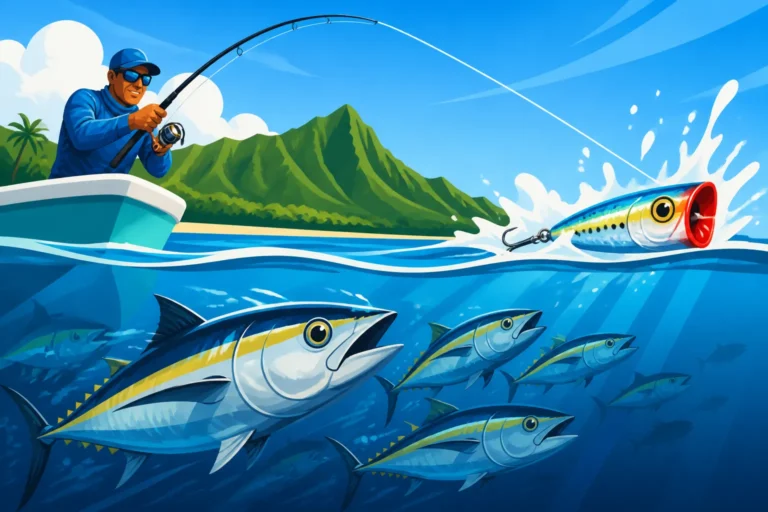
- Chugger Lures: Similar to pusheads but typically with a more aggressive, deeply cupped face, chuggers are designed to create a louder "chug" or "pop" when they break the surface. They spray water, mimicking a struggling baitfish, and leave a substantial smoke trail. This can be a huge attractor, especially on choppier days when you need to get noticed. The "Joe Yee Apollo" is a legendary chugger, though many excellent replicas exist. These lures are often deployed in the short rigger or flat line positions, closer to the boat, where their commotion is most visible.
Both pushead and chugger lures are excellent for attracting mahimahi from a distance due to their noise and splash. Their varied action often prevents fish from getting "used" to a predictable pattern.
Jet Head and Bullet Lures
For anglers seeking a faster, more stable retrieve, or when mahimahi are being a bit more selective, jet head and bullet lures are fantastic choices. These lures generally run straighter and faster, often producing a tight, seductive wobble.
- Jet Head Lures: These lures feature small holes or jets on their heads that allow water to pass through, creating a unique bubble trail and often a subtle vibration. This effect is thought to mimic the gills of a baitfish or the distress signals of fleeing prey. Jet heads are known for their consistent swimming action, even at higher trolling speeds, making them ideal for covering a lot of water. They come in various shapes, from more rounded profiles to slender designs. Companies like Pakula Tackle or Fathom Offshore produce excellent jet head lures that perform exceptionally well for mahimahi.
- Bullet Lures: True to their name, bullet lures have a streamlined, cylindrical head that cuts through the water with minimal resistance. They are designed for speed and stability, running straight and deep in the prop wash, or skipping across the surface depending on their weight and rigging. Bullet lures often have a more subtle, shimmering action, relying on their natural baitfish profile and flash to attract strikes. These are perfect for when mahimahi are feeding on smaller, faster bait. They are often run further back in the spread, giving them time to drop back into the "clean" water behind the prop wash. When fishing for How to Catch Ahi in Hawaii, bullet lures are also a common choice, and since mahimahi often school with tuna, having these in your spread can be a double-threat.
Soft Plastic and Cedar Plug Alternatives
While hard-bodied lures dominate the offshore trolling scene, don't overlook the effectiveness of soft plastics and classic cedar plugs, especially when mahimahi are keyed in on natural-looking baits.
- Soft Plastic Skirts/Bait: Modern soft plastics have come a long way, offering incredibly lifelike profiles and actions. Large soft plastic lures, often rigged over a weighted head or within a chugger body, provide a very natural swimming motion. Their softer texture might also encourage mahimahi to hold on longer, leading to a better hook set. Brands like Z-Man or Yum offer durable soft plastics that can be effective. The key is finding ones with good swimming action that can withstand the rigors of offshore trolling. These can be particularly effective when you want to present a more natural, less aggressive option in your spread.
- Cedar Plugs: The humble cedar plug is a timeless classic for a reason. Made from wood, usually cedar, these lures have an erratic, swimming, and darting action that perfectly mimics a frantic baitfish. They are particularly effective for tuna and mahimahi. The natural wood grain and simple design belie their effectiveness. They don't have fancy skirts or intricate heads, but their unique action and vibration are hard for pelagic predators to resist. Cedar plugs are often trolled naked (without a skirt) or with a simple leader, making them very easy to rig. They are especially good in rougher conditions where their stability and action truly shine. You can find packs of reliable cedar plugs on Amazon that are pre-rigged and ready to go.
Ultimately, the best approach is to have a variety of these lure types in your spread. Mahimahi can be finicky, and what worked yesterday might not work today. A varied spread allows you to cover different presentations and figure out what the fish are responding to on any given day.
Rigging and Trolling Techniques for Success
Having the best lures is only half the battle. Proper rigging and strategic trolling techniques are what truly transform a good lure into a fish-catching machine. Many anglers meticulously study How to Catch Mahimahi in Hawaii, and these rigging details are often the secret sauce.
Leader Material and Hook Selection
The components that connect your lure to your main line are critical. Mahimahi have sharp teeth and are powerful fighters, so your terminal tackle needs to be up to the task.
- Leader Material: For mahimahi, a fluorocarbon leader is highly recommended. Its low visibility in water makes it nearly invisible to keen-eyed fish, and its abrasion resistance helps against those sharp teeth. A typical leader strength for mahimahi in Hawaii ranges from 80 lb to 150 lb test, depending on the size of fish you expect and the lure you're pulling. For smaller schoolie mahimahi, 80-100 lb might suffice, but if there's a chance of a trophy bull, or other toothy pelagics like ono (wahoo), stepping up to 130 lb or even 150 lb is a wise move. The length of the leader can vary, but generally, 6-10 feet is a good starting point, providing enough stretch and protection.
- Hook Selection: Single hooks are generally preferred for trolling lures for several reasons. They are easier to remove, safer for both the fish and the angler, and often result in a better hook-up ratio by piercing the corner of the mouth more effectively. For mahimahi, a strong, sharp, large-gap single hook (e.g., 8/0 to 12/0, depending on lure size) is ideal. Offset hooks can increase the chances of a solid hook-up. Ensure your hooks are incredibly sharp; a dull hook will miss more strikes than it catches. Some lures come pre-rigged, but many experienced anglers prefer to rig their own hooks to match their preferences and ensure quality.
Trolling Speed and Spreads
The way you present your lures, including speed and placement, dramatically affects their action and attractiveness.
- Optimal Trolling Speed: For most mahimahi trolling lures, a speed between 6 and 9 knots is generally effective. However, this can vary based on water conditions (choppy vs. calm), lure type (some lures perform better faster, some slower), and the apparent activity of the fish. Sometimes speeding up or slowing down briefly can trigger a strike from a hesitant fish. Watch your lures; they should be swimming with lively, enticing action, not spinning or tumbling awkwardly. Experimentation is key to finding the sweet spot on any given day.
- Lure Spreads: A well-designed trolling spread is crucial for covering different depths, profiles, and actions, maximizing your chances. A common spread includes a mix of lures:
- Short Corner: Closest to the boat, often a noisy chugger or pushead to draw attention, creating a big splash and bubble trail.
- Long Corner: A bit further back, another chugger or a jet head.
- Short Rigger: Often a bullet or jet head, running in the second or third wake.
- Long Rigger: The longest line out, typically a bullet or slender jet head for a subtle, fast presentation.
- Shotgun (Way Back): The longest line, often a single, smaller bullet or cedar plug, running far behind the boat where it might surprise a trailing fish.
This varied spread gives mahimahi multiple targets to choose from and helps identify what they're hitting on that particular day. For more insights, refer to Best Trolling Lures for Marlin Trolling off Kona, as many concepts of lure spreads apply to both species.
Locating Mahimahi: Structure and Debris
While mahimahi are pelagic, they are not randomly distributed. They actively seek out areas that provide feeding opportunities.
- FADs (Fish Aggregating Devices): These are buoys strategically placed by the Hawaii DAR and private entities to attract baitfish, and consequently, larger pelagics like mahimahi. Trolling around FADs, making multiple passes at varying distances and speeds, is a highly effective strategy. Always be mindful of other boats and local etiquette around these popular spots.
- Floating Debris: As mentioned earlier, anything floating—logs, pallets, derelict fishing gear, even large patches of seaweed—can hold mahimahi. These act as miniature ecosystems, providing shelter and food for smaller baitfish. Trolling slowly and making several passes around these objects is often incredibly productive.
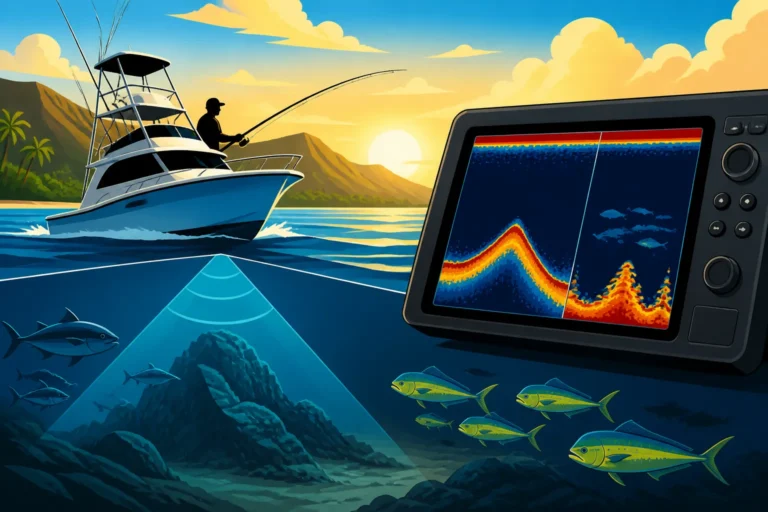
- Current and Temperature Breaks: Where different ocean currents meet, or where cold and warm water masses converge, baitfish often stack up. These "breaks" are visible as color changes in the water, foam lines, or temperature shifts on your fishfinder. Trolling along these breaks can put your lures right in front of actively feeding mahimahi.
- Bird Activity: Keep a keen eye on the sky. Diving birds, especially terns and boobies, are often a dead giveaway that there's baitfish activity below, and where there's bait, there are usually predators like mahimahi, ahi, or ono. Speed up to the birds, and then troll through and around the feeding frenzy.
By combining the right lures with smart rigging and tactical trolling, your chances of a successful mahimahi trip in Hawaii will dramatically increase. Understanding their habitat and behavior, choosing lures that mimic their prey, and presenting them effectively are all key components to bringing those iridescent beauties to the boat.
Disclaimer
The information provided in this guide is for general informational purposes only. Fishing regulations, license requirements, and local conditions in Hawaii can change frequently. Always consult the most current Hawaii Department of Land and Natural Resources (DLNR) Division of Aquatic Resources (DAR) regulations before fishing. Adhere to all bag limits, size limits, and protected species guidelines, such as those detailed in the Hawaii Pelagic Species Bag Limits document, to ensure sustainable fishing practices. Safety on the water is paramount; always check weather conditions and inform others of your float plan.