How to euro-style drift for ahi
Ah, the pursuit of ahi, the mighty yellowfin tuna, in Hawaiian waters – it's a dream for so many anglers. But often, the frustration sets in when traditional trolling or bait-and-wait methods don't quite cut it, especially when these smart fish are being finicky. You've heard whispers about "Euro-style drifting," a technique that promises a more natural presentation and, hopefully, more hook-ups. This guide is all about demystifying this effective strategy, helping you understand its nuances and giving you the actionable steps to implement it successfully right here in Hawaii.
Understanding Euro-Style Drifting for Ahi
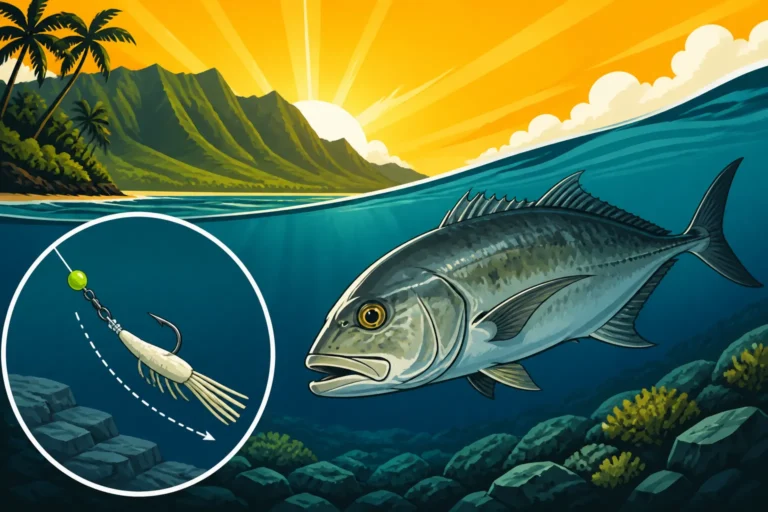
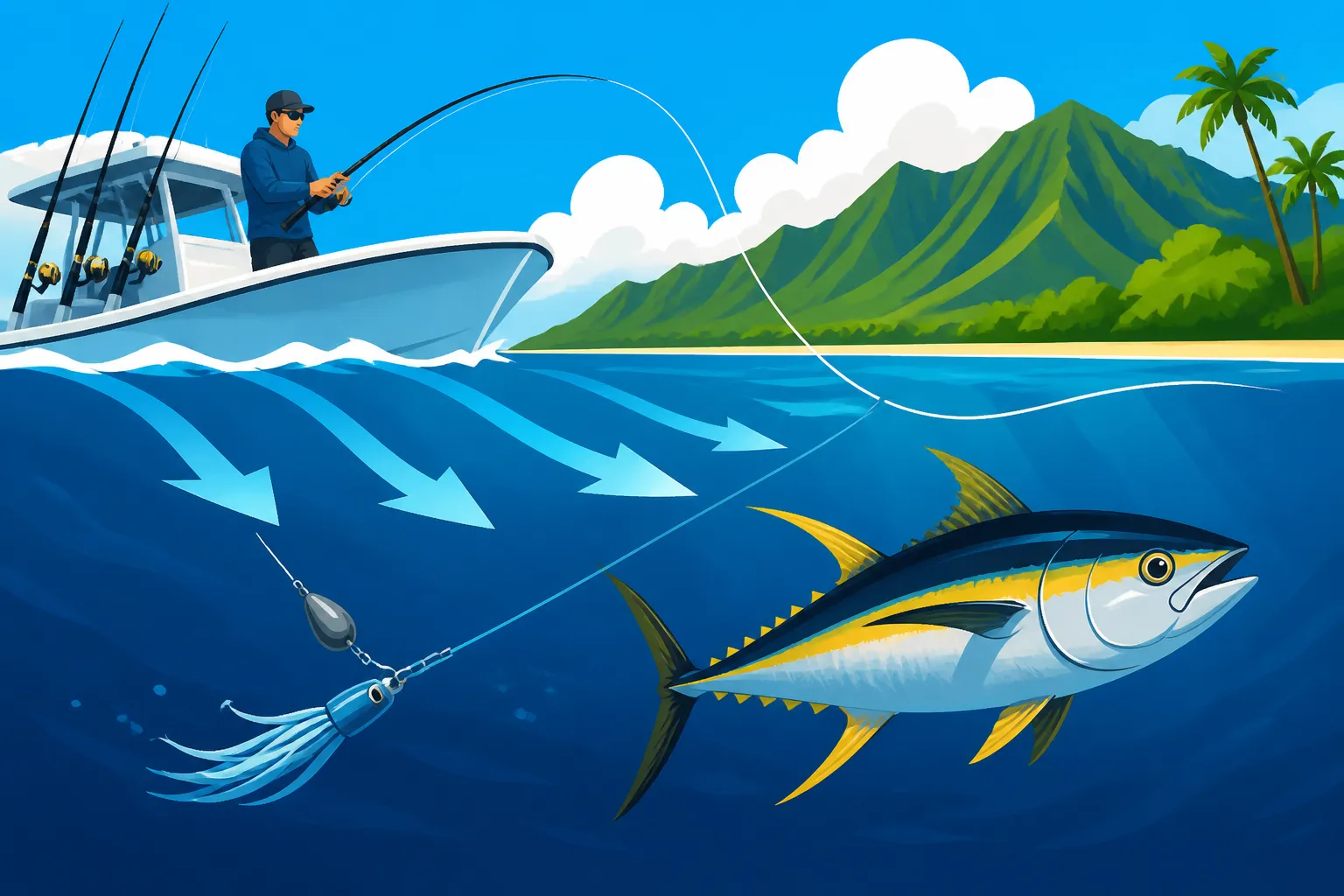
Euro-style drifting, while perhaps sounding exotic, is essentially a refined and highly specialized form of natural bait fishing that capitalizes on a subtle presentation. Unlike the aggressive, high-speed trolling often associated with targeting pelagic species like marlin or even some ahi, this technique focuses on mimicking a wounded or stunned baitfish slowly sinking through the water column with minimal resistance. It's about letting the ocean currents and your boat's drift do most of the work, presenting your bait in the most natural way possible to finicky tuna.
The core principle here is stealth and naturalness. Ahi, particularly the larger, wiser ones, can be incredibly wary of boat noise, heavy lines, or baits that look unnaturally tethered. Euro-style drifting aims to eliminate these red flags. By using specific tackle and precise boat handling, you're essentially creating a wide, slow-moving "chum line" effect where your baits appear as easy meals without obvious connections to your vessel. This is a game of patience, observation, and an understanding of how ahi behave in their environment. It’s particularly effective when ahi are feeding deeper, or when they are wary of the boat and not responding to surface presentations. Think of it as a sophisticated dance with the currents, where your bait is the prima ballerina, gently swaying to entice a strike.
What Makes it "Euro-Style"?
The "Euro-style" moniker often refers to several key elements that distinguish it from more conventional drifting methods. Firstly, it emphasizes lighter, longer, and more sensitive rods combined with highly castable reels, allowing for exceptional control over the bait's descent and feel for subtle bites. This isn't about brute force; it's about finesse. Secondly, it often involves a very precise and consistent chumming strategy, using small, continuous amounts of bait to draw fish to your spread without overfeeding them. This creates a feeding frenzy, or at least a sustained interest, without making them full.
Another critical aspect is the use of minimal weight, often just enough to get the bait to the desired depth without impeding its natural movement. This means meticulously matching your weight to the current and the bait's natural buoyancy. The goal is a truly "free-falling" presentation. Finally, it involves constant monitoring of your lines, not just for bites, but for how the current is affecting your bait's depth and drift. You're always adjusting, always feeling, always trying to keep that bait in the strike zone as naturally as possible. This approach is rooted in techniques honed in various European fisheries, where presenting natural baits in challenging conditions has become an art form. It's less about covering vast amounts of water quickly and more about methodically working a specific zone where ahi are known to congregate.
Why It Excels for Hawaii's Ahi
Hawaii's waters present unique challenges and opportunities for ahi fishing. We often have deep drop-offs, strong currents, and baitfish schools that fluctuate with the seasons. Ahi here can be incredibly migratory, but they also hold around seamounts, FADs (Fish Aggregating Devices), and temperature breaks. The sheer clarity of our waters also means fish have excellent visibility, making them more prone to spooking from unnatural presentations.
Euro-style drifting addresses these factors beautifully. When ahi are scattered or holding at depths below the thermocline, this method allows you to slowly and effectively present baits right into their strike zone. The natural drift prevents them from associating the bait with a boat, especially crucial on crowded days or when the fish are pressured. Furthermore, our strong currents, which can be a hindrance for some techniques, become an asset here, spreading your chum and baits over a wider area, drawing fish from a distance. The natural movement of the bait in the current, paired with a consistent chum slick, is often irresistible to a hungry ahi that might ignore a trolled lure or a stationary dead bait. This technique is also less physically demanding than constant casting or heavy jigging, making it a sustainable option for a long day on the water when you're targeting big tuna. It's particularly effective for large, solitary ahi that might not chase a fast-moving lure but will readily pick off an easy meal. For anglers looking to expand their toolkit beyond simply knowing how to catch Ahi in Hawaii, this method offers a compelling alternative.
Essential Gear and Rigging for Success
Getting the right gear for Euro-style drifting is paramount. This isn't a technique where you can just make do with your standard trolling setup. It requires a specific finesse that starts with the rod and reel and extends all the way down to your terminal tackle. Investing in the proper equipment will make a significant difference in your ability to detect subtle bites and effectively fight a powerful ahi.
Rods and Reels for Sensitive Detection
When we talk about Euro-style drifting, we're focusing on sensitivity and control. For rods, think long and light, but with enough backbone to handle a serious tuna. A 7 to 8-foot rod, rated for 20-50 lb line, is often ideal. Graphite composites are popular choices because they offer excellent sensitivity, allowing you to feel every bump, current change, and, most importantly, the faintest tap of an ahi. The longer length helps spread your lines, absorb shocks, and maintain better control over the bait's drift.
For reels, you'll want something that can handle a substantial amount of line and has a smooth, reliable drag system. High-speed conventional reels, often in the 16-30 size range (e.g., a Shimano Talica 20 or an Accurate Boss Valiant 500) are excellent choices. They offer the cranking power needed for big fish while still being light enough for prolonged holding. However, many anglers are increasingly turning to high-capacity spinning reels (like a Shimano Stella 18000 or a Daiwa Saltiga 8000) for their superior casting ability and smooth drag, especially if you plan on casting lighter baits or need to quickly retrieve and redeploy. The key is a strong, smooth drag that won't falter under the sustained pressure of a tuna run. If you're looking for good deals on these specific brands, or even comparable alternatives, checking online retailers like Amazon can often yield competitive prices and a wide selection.
Line, Leader, and Terminal Tackle Precision
Your line choice is critical for Euro-style drifting. Start with a high-quality braided mainline, typically 50-80 lb test. Braid offers superior sensitivity, minimal stretch, and a thinner diameter compared to monofilament, which helps your bait sink more naturally and reduces drag in the water. Plus, it gives you a direct connection to the fish, making those subtle bites much more noticeable.
Connected to your braid will be a long top shot of monofilament, usually 30-50 lb test, about 50-100 feet long. This serves as a shock absorber during the fight and provides some invisibility in the water. Then comes your leader, and this is where the "invisible" aspect really comes into play. Fluorocarbon leader material, known for its near-invisibility underwater and abrasion resistance, is a must. You'll typically want a leader ranging from 60-100 lb test, depending on the average size of the ahi you're targeting and the presence of toothy critters like ono (wahoo). The length of your leader can vary, but anywhere from 10 to 20 feet is common, again, to maximize stealth.
For hooks, sharp, strong, and corrosion-resistant circle hooks are the standard. Sizes range from 7/0 to 11/0, matched to your bait size. Circle hooks are fantastic because they promote lip-hooking, which is healthier for the fish if you plan on releasing it, and they rarely pull out during a prolonged fight. Finally, minimal weight is key. Often, a small egg sinker or a split shot, just heavy enough to get your bait down and maintain contact, is all you need. Sometimes, no weight at all is preferred. The goal is for the bait to look as natural as possible, almost as if it's just a free-swimming or dying fish in the current. Always inspect your knots and leader for nicks and abrasions, especially after a fight or if you've been fishing around structure. You don't want to lose a trophy ahi due to a preventable gear failure.
Here's a quick reference for common gear components:
| Component | Recommendation | Purpose |
|---|---|---|
| Rod | 7-8 ft, 20-50 lb rated, graphite composite | Sensitivity, shock absorption, control |
| Reel | High-speed conventional (16-30 size) OR large capacity spinning (8000-18000 size) | Line capacity, smooth drag, casting ability |
| Main Line | 50-80 lb braided line | Sensitivity, low stretch, thin diameter |
| Top Shot | 30-50 lb monofilament (50-100 ft) | Shock absorption, slight invisibility |
| Leader | 60-100 lb fluorocarbon (10-20 ft) | Invisibility, abrasion resistance |
| Hooks | 7/0-11/0 circle hooks | Lip-hooking, secure hold, corrosion-resistant |
| Weight | Minimal egg sinker/split shot, or no weight | Natural bait presentation, depth control |
Mastering the Drift: Boat Control and Bait Presentation
The real artistry of Euro-style drifting comes down to how you manage your boat and present your baits. It's a dynamic technique that requires constant attention and adjustments to ocean conditions. This isn't a "set it and forget it" kind of fishing; it's an active engagement with the environment.
Strategic Boat Positioning and Current Reading
Your boat's position and speed are absolutely critical. The goal is to drift over productive areas while maintaining a consistent and natural presentation of your baits. This often means running upcurrent or upwind of your target zone, then letting the boat drift back over it. Using your boat's engines (outboards or even a powerful trolling motor) in reverse or in short bursts to slow your drift, or even subtly alter its direction, is common. This is called "finessing the drift." You want to match the speed of your chum and baits as closely as possible to the speed of the current. This makes everything appear as one natural food source.
Understanding how the current moves at different depths is also crucial. Surface currents might be different from subsurface currents, and a good fish finder with water current mapping capabilities can be invaluable here. Always observe the movement of your chum. Is it dispersing naturally? Are your lines flowing with it, or are they being dragged unnaturally? Pay attention to any current breaks, eddies, or convergences you might encounter. These are often prime feeding zones for ahi. On the Big Island, especially off the Kona Coast, the currents can be quite complex, influenced by topography and offshore eddies, so being able to read the subtle signs on the water is a skill developed over time. This kind of attention to detail helps you keep your baits in the most productive zones, maximizing your chances when you're targeting ahi in Hawaii.
The Art of Chumming and Bait Delivery
Chumming is the heartbeat of Euro-style drifting for ahi. It's not about dumping a bucket of bait overboard all at once; it's about a consistent, slow, and steady trickle that creates a long, enticing scent and visual trail. Fresh, oily baits like skipjack tuna (aku), mackerel scad (opelu), or even finely ground pilchards or sardines work exceptionally well. Many anglers use a specialized chum grinder to create a consistent slurry, or simply cut bait into small, manageable pieces.
As you drift, you should be continuously deploying small handfuls of chum, adjusting the quantity based on current strength and fish activity. The chum should sink slowly, mirroring the descent of your hooked baits. Your hooked baits should then be deployed into this chum slick, often at varying depths. Some lines might be freelined near the surface, while others might have a small amount of weight to reach deeper. The key is to have your baits blend seamlessly with the free-floating chum. When deploying your baits, let them peel off the reel smoothly, using thumb pressure to control the descent rate. Avoid any sudden jerks or stops that could make the bait look unnatural. Imagine your bait is just another piece of chum, drifting freely with the current. This technique works wonders for how to euro-style drift for ahi because it brings the fish to you and presents an irresistible, natural offering.
Locating Ahi and Reading the Ocean
Finding ahi is often half the battle, and it's where an understanding of ocean conditions, baitfish behavior, and a keen eye for subtle signs truly pays off. While Euro-style drifting emphasizes a natural presentation, you still need to be in the right neighborhood.
Spotting Activity and Subsurface Clues
Ahi are highly mobile predators, constantly on the hunt for food. The most obvious sign of their presence is often bird activity. Frigatebirds, boobies, and especially terns diving into the water or hovering intently can indicate a bait ball being pushed to the surface by predatory fish, often ahi or aku. If you see this, approach cautiously from upwind or upcurrent, cut your engines, and begin your drift into the zone.
Below the surface, your electronics are your best friend. Look for large schools of baitfish, often appearing as dense clouds or arches on your sonar. Ahi will often be lurking beneath or around these bait schools. Also, pay close attention to significant changes in water temperature (thermoclines), depth contours, and underwater structure like seamounts, ledges, or pinnacles. These features often concentrate baitfish and, consequently, ahi. For instance, the waters off Kona Coast Fishing Guide are famous for their deep water access and offshore structures that hold bait and pelagics. Keep an eye on your water temperature gauge; ahi often prefer specific temperature bands.
Weather, Tide, and Time of Day Considerations
While ahi can be caught at any time, certain conditions tend to be more productive for Euro-style drifting. Early mornings and late afternoons, when light levels are lower, often see increased feeding activity. The change of tides, particularly incoming or outgoing tides around structure, can create current eddies and upwellings that concentrate bait, making these prime times.
Weather conditions also play a role. A moderate chop can actually be beneficial, as it breaks up the surface and provides cover for your lines, making it harder for ahi to spot your boat or tackle. However, overly strong winds can make boat control and maintaining a natural drift incredibly challenging. Overcast days can also be productive, as the diffused light encourages ahi to feed higher in the water column. Always check the forecast and sea conditions before heading out. Understanding when and where ahi are likely to be found, combined with the right approach, is key to successful Ahi (Yellowfin Tuna) Fishing in Hawaii. While many factors are beyond your control, being prepared for the conditions you encounter will significantly improve your chances.
Troubleshooting Common Issues and Refining Your Technique
Even with the best gear and intentions, Euro-style drifting can present its own set of challenges. Learning to identify common problems and adapt your approach is crucial for consistent success. This technique demands an analytical mind and a willingness to constantly refine your methods.
When the Ahi are Finicky or Absent
Perhaps you've set up a perfect drift, your chum slick is inviting, and your baits are presented beautifully, but the ahi just aren't biting. This is where patience and observation come into play. First, reconsider your depth. Are the fish deeper or shallower than you anticipate? Use your electronics to confirm their location and adjust your weights accordingly. Sometimes, just a slight increase or decrease in weight can put your bait right into the strike zone. If you're using no weight, try adding a small split shot. If you're weighted, try going completely unweighted for a truly free-fall presentation.
Another factor could be bait type. While fresh skipjack is often king, sometimes ahi develop a preference for a different baitfish found in their area. Experiment with different types or sizes of bait. If you have multiple lines out, try rigging them differently: one completely unweighted, one with minimal weight, and one perhaps a bit deeper with a slightly heavier sinker. If you suspect the fish are extremely wary, try extending your fluorocarbon leader length to its maximum practical limit to increase invisibility. Sometimes, they're just not there, or they've moved on. If after an hour or so of diligent effort in a promising area, you're not seeing any signs, it might be time to move to a new spot. Referencing resources like Ahi Migration Patterns Around Hawaii can help you anticipate where the fish might be moving throughout the year.
Dealing with Unwanted Bycatch and Currents
One challenge with any natural bait fishing, especially when chumming, is unwanted bycatch. Sharks, smaller opportunistic species, or even other pelagics like mahimahi can be drawn into your slick. If you're consistently catching unwanted species, it might indicate that your baits aren't getting past them to the ahi, or that the ahi simply aren't in the area. Try increasing the size of your bait or letting it sink deeper, past the immediate feeding zone of these shallower predators. Sometimes, increasing your leader strength can help if toothy critters are cutting you off, though this can also decrease stealth.
Strong or erratic currents can also pose a significant problem for maintaining a natural drift. If your boat is drifting too fast, or if the current is swirling, your baits won't look natural, and your lines might tangle. In these situations, you'll need to use your engines more actively to "paddle" the boat, slowing your drift or correcting its course. Don't be afraid to pull your baits up, reposition the boat, and restart your drift if the current isn't cooperating. It's better to reset and have a good presentation than to stubbornly fish a bad one. In extreme current, sometimes a traditional anchor or a drift sock (also available on Amazon) can help slow your vessel and stabilize your drift, though this can also impede your ability to chase a running fish. It's a balance. Remember to always be aware of local regulations, such as Hawaii Pelagic Species Bag Limits, for all species you might encounter.
Final Thoughts on Your Ahi Quest
Euro-style drifting for ahi in Hawaii is more than just a technique; it's an immersive approach to fishing that demands patience, an understanding of the ocean, and a willingness to adapt. It might not be the flashiest method, but for those who master it, the rewards can be incredible – a powerful ahi on the end of a line, fooled by a perfectly presented, natural bait.
The journey to becoming proficient in this method is a continuous learning process. Every time you're on the water, you'll learn something new about the currents, the fish, and your own gear. Pay attention to the details: the subtle twitch of a rod tip, the way your chum disperses, the behavior of the birds. These seemingly small observations will accumulate into a wealth of knowledge that will significantly improve your success rate.
Remember, fishing is as much about the experience as it is about the catch. Embrace the quiet intensity of the drift, the anticipation as your lines disappear into the deep blue, and the explosive power when an ahi finally commits. With dedication to these refined techniques, you're not just fishing; you're truly connecting with the ocean and its incredible inhabitants. This method might just become your favorite way to hook into those elusive, magnificent yellowfin tuna that grace our Hawaiian waters. And who knows, maybe you'll even break your personal best with a true trophy ahi, caught on a setup you've meticulously honed.
Disclaimer
Fishing regulations, license requirements, and bag limits are subject to change. Always consult the most current Hawaii Department of Land and Natural Resources (DLNR) Division of Aquatic Resources (DAR) regulations before heading out on your fishing trip. This guide is for informational purposes only and does not constitute legal advice.