How to fish a jerkbait for shore-based papio
Many shore anglers in Hawaii dream of landing a feisty papio, but sometimes artificial lures feel like a hit-or-miss game, leaving you wondering if you're doing something wrong. It can be frustrating to see others succeed while your efforts yield nothing, especially when you're trying to master a new technique. This guide is here to break down exactly how to fish a jerkbait effectively from shore for papio, transforming those frustrations into successful hook-ups and the thrill of the catch.
Understanding Papio Behavior and Their Shoreline Haunts
Before you even think about casting, it's crucial to get inside the head of a papio and understand where they live and what makes them tick. These young trevally are incredibly opportunistic feeders, and knowing their habits will give you a significant advantage. It's not just about throwing a lure; it's about presenting it where they're most likely to be ambushing their next meal.
Why Papio Are Drawn to Nearshore Structure
Papio, like many predatory fish, are masters of using their environment to their advantage. Nearshore structures aren't just pretty backdrops; they are vital hunting grounds and safe havens. Think of them as underwater supermarkets and fortresses all rolled into one. For us anglers, this means these areas are prime real estate for targeting papio.
They're constantly on the lookout for smaller baitfish, crustaceans, and squid that seek refuge or forage around these structures. A rocky point jutting out into the ocean, for instance, creates current breaks and eddies where baitfish often congregate. Papio will patrol the edges of these currents, waiting for an unsuspecting meal to be swept their way. Similarly, the jagged edges of a lava rock shoreline provide countless nooks and crannies where papio can hide, darting out with explosive speed to snatch prey. Beyond food, these structures offer protection from larger predators and strong ocean currents, making them comfortable hangouts for these energetic fish.
Reading the Water for Papio Hotspots
Reading the water is a skill that separates consistent anglers from those who merely cast and hope. When targeting papio with jerkbaits from shore, you're looking for subtle clues that indicate their presence or potential feeding lanes. It's like deciphering a secret map that the ocean lays out for you every day.
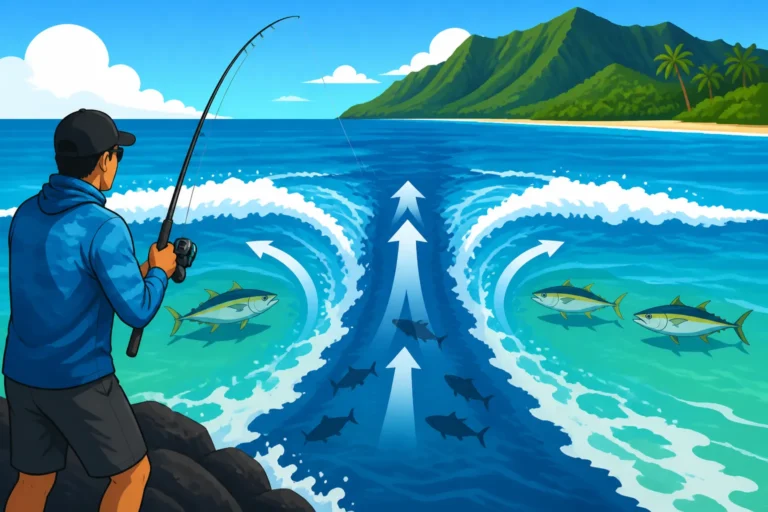
Keep an eye out for any kind of current line, which often appears as a seam where two different currents meet, or where current flows around a point or reef. These lines are conveyor belts for baitfish and, consequently, papio. Also, observe the color and clarity of the water. Papio often favor areas where the water is a bit murky, offering them better camouflage for ambush, but they'll also feed in clearer water, especially at dawn or dusk. Look for darker patches in the water that indicate reef structure or deeper channels near the shore. These darker areas often signify a sudden drop-off or a coral head, providing excellent ambush points. Areas with scattered rocks and sand patches also tend to hold papio, as they can quickly move between cover and open hunting grounds. If you see any signs of baitfish, like nervous water, splashing, or even birds diving, you’ve hit a potential jackpot. Even small variations in depth or bottom composition can create a hotspot for papio. For a deeper dive into productive areas, you might find our guide on Best Shore Fishing Spots in Hawaii particularly helpful.
Selecting the Right Jerkbait for Hawaii's Papio
Once you've identified a promising spot, the next step is choosing the right tool for the job. Not all jerkbaits are created equal, and selecting one tailored for papio in Hawaii's diverse inshore environments can make a huge difference in your success rate.
Key Features of an Effective Papio Jerkbait
When it comes to papio, presentation is everything. They are aggressive, but they can also be surprisingly wary, especially in clear, shallow water. The right jerkbait will mimic their natural prey perfectly. Generally, you're looking for smaller, slender profiles. Papio often feed on small baitfish, so a jerkbait that’s between 3 to 5 inches long is usually ideal. Anything much larger might intimidate smaller papio, though a bigger bait could entice a trophy-sized one.
Dive depth is another critical factor. Since you're fishing from shore, often over shallow reefs or along coastlines, you'll want a jerkbait designed to run shallow, typically in the 1 to 4-foot range. A suspending jerkbait, which stays at a certain depth when paused, can be deadly for papio as it mimics a dying baitfish. Floating models that slowly rise to the surface on the pause can also be effective, especially over very shallow, rocky areas where you want to avoid snags. As for color, natural patterns like sardine, mackerel, or silver/blue are often excellent choices, especially in clear water. However, don't shy away from brighter, more flashy colors like chartreuse or fire tiger on overcast days or in murkier conditions, as they can provide that extra visibility needed to grab a papio's attention. You can find a huge variety of effective jerkbaits for papio on platforms like Amazon, offering different sizes, colors, and dive depths to match any condition.
Essential Gear for Jerkbait Fishing from Shore
Having the right rod, reel, and line setup can significantly enhance your jerkbait presentation and your ability to fight a strong papio from shore. You don't need a heavy deep-sea rig; subtlety and sensitivity are your friends here.
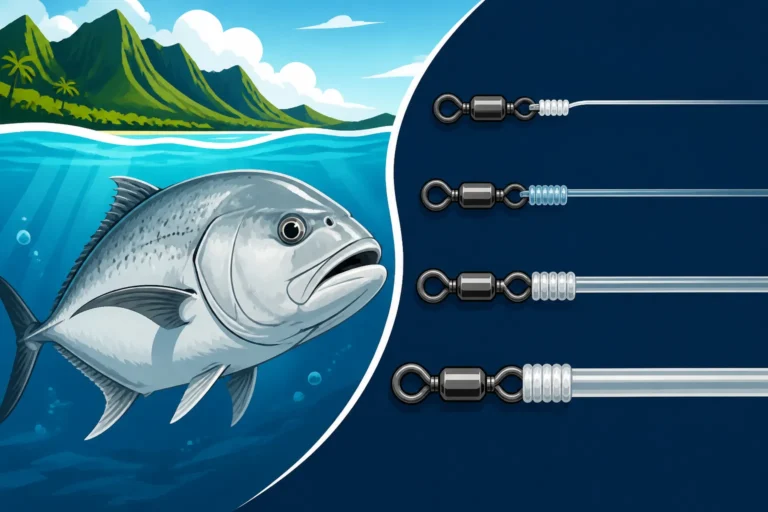
A medium-light to medium power spinning rod, typically 7 to 9 feet in length, is a fantastic choice. The longer length helps with casting distance, which is often crucial from shore, and provides better line control. The medium-light action allows for snappy twitches to make the jerkbait dance, yet still has enough backbone to handle a hard-fighting papio. Pair this with a reliable spinning reel in the 2500 to 4000 size range. Look for a reel with a smooth drag system, as papio can make powerful runs. Spool your reel with 10 to 20-pound braided line. Braid offers superior casting distance and incredible sensitivity, allowing you to feel every bump and twitch of your lure, as well as the subtlest bites. To complete your setup, attach a 15 to 25-pound fluorocarbon leader to your braid using a strong knot like an FG or Albright. Fluorocarbon is nearly invisible in water, providing stealth, and its abrasion resistance is crucial when fishing around sharp reef and rocks. Using a small, strong snap swivel at the end of your leader can also make changing jerkbaits quick and easy, which is great for experimenting. Many anglers ensure they have a selection of leader materials and swivels readily available from suppliers like Amazon before heading out.
Mastering the Jerkbait Retrieve for Papio Success
This is where the magic happens – bringing your lure to life in a way that’s irresistible to a papio. A jerkbait isn’t meant to be reeled in like a crankbait; it’s all about creating erratic, lifelike movements.
The Classic Twitch-Twitch-Pause Technique
The bread and butter of jerkbait fishing for papio is the "twitch-twitch-pause" retrieve. This technique mimics a wounded baitfish, darting erratically and then struggling before going completely still – a vulnerable target that predators like papio can't resist.
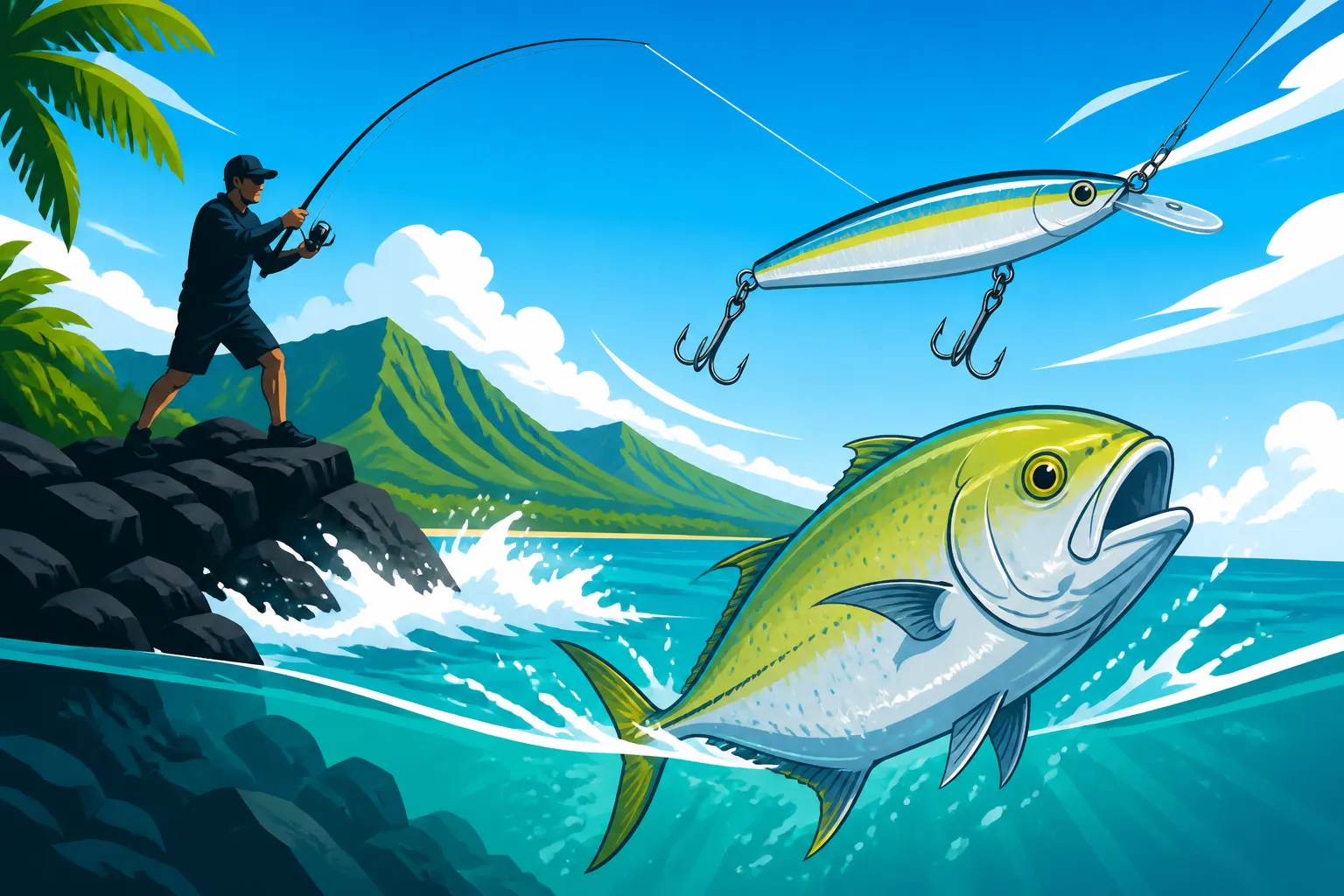
Start by casting your jerkbait out to your target area, perhaps along a current line or near a visible piece of structure. Once it hits the water, let it settle for a moment, allowing any ripples to dissipate. Then, point your rod tip towards the water, usually around the 8 o'clock or 9 o'clock position. With a quick, sharp twitch of your wrist, pull the rod tip down a foot or two. This "jerks" the bait forward, making it dart to the side. Immediately follow with a second, similar twitch. After these two twitches, pause. This pause is absolutely critical; it's often when the papio will strike, thinking the baitfish is dying or disoriented. The duration of your pause can vary from a quick 1-2 count to a longer 5-10 count, depending on the mood of the fish and water conditions. During the pause, reel in any slack line, but don't move the bait. After the pause, repeat the twitch-twitch-pause sequence all the way back to shore. It's a rhythm you'll get a feel for, and the key is to make those twitches sharp and the pauses distinct. This technique is often more effective than a steady retrieve when you’re learning How to Catch Papio on Hawaii's Shoreline.
Adapting Your Retrieve to Conditions and Papio Mood
While the twitch-twitch-pause is a fantastic starting point, truly successful jerkbait fishing for papio involves adaptation. The ocean is dynamic, and papio moods can change by the minute. Being able to adjust your retrieve is a game-changer.
On a calm, clear morning, when the water is pristine and the fish might be a bit more cautious, a slower, more subtle retrieve might be more effective. Think softer twitches and longer pauses, giving the papio more time to inspect the lure and commit to the strike. In contrast, if you're fishing in choppier water, or if you notice a lot of baitfish activity and the papio seem aggressive, you might want to try harder, more erratic jerks with shorter pauses. This faster, more aggressive retrieve can trigger a reaction strike from hungry papio. Water clarity also plays a role; in murky water, more aggressive twitches and a faster retrieve can help fish locate your lure. Pay close attention to what the fish are telling you. If you're getting short strikes or follows but no hook-ups, try changing your retrieve. A slight alteration in the length of your pause or the intensity of your twitch can often be the difference between a missed opportunity and a landed fish. Experimentation is key – don't be afraid to try different rhythms until you find what works on a given day. This adaptive mindset applies to many types of shore fishing, and understanding Shore Fishing Techniques for Hawaii will help broaden your approach.
Common Mistakes and How to Avoid Them
Even seasoned anglers can fall into traps when trying a new technique or facing tough conditions. Being aware of common jerkbait fishing mistakes can help you sidestep frustration and increase your chances of success.
Not Varying Your Retrieve or Location
One of the biggest pitfalls in fishing, especially with artificials, is falling into a repetitive rut. It’s easy to get comfortable with one retrieve pattern or to keep casting to the same spot, even if it’s not producing. Papio are smart, and their behavior can be incredibly unpredictable.
If you’ve been twitching and pausing at the same rhythm for 15 minutes without a bite, it’s time to change things up. Try a longer pause, then a shorter one. Speed up your twitches, then slow them down. Combine single jerks with triple jerks. The goal is to present something new and enticing. Perhaps today the papio want a really slow, struggling bait, or maybe they’re just waiting for a super-fast, fleeing one. The same goes for your casting location. While a spot might look promising, if it's not producing, move down the shoreline a bit. Even a few feet can make a huge difference. Papio often hold in very specific ambush points, and if your lure isn’t passing through that strike zone, you won’t get bit. Keep your eyes peeled for changes in water depth, current, or bottom structure as you move. Don’t be afraid to cast parallel to the shore, or at a sharper angle, to cover more water and different potential holding zones. Sometimes, just changing the angle of your cast into a rip can be enough to trigger a strike.
Using Too Heavy Gear or Incorrect Leader
Another common mistake, particularly for those transitioning from heavier offshore or bottom fishing, is using gear that’s simply too bulky for finesse jerkbait fishing from shore. While Hawaii's fish are powerful, finesse can sometimes be more important than brute strength when chasing papio.
Using too heavy a rod or line can hinder your ability to impart the subtle, erratic action that makes a jerkbait so effective. A stiff, heavy rod won't allow the lure to dart and suspend naturally; instead, it might just drag it. Similarly, heavy braided line, especially without a proper fluorocarbon leader, can be highly visible in clear Hawaiian waters, spooking wary papio. The whole point of a jerkbait is to trick the fish into thinking it's an easy meal, and a visible line or an unnatural retrieve defeats that purpose. Always ensure your fluorocarbon leader is long enough – at least 3-6 feet – to provide that stealth factor. Also, make sure your leader strength matches your main line and the expected size of the papio; too heavy, and it's visible; too light, and you risk a break-off on a strong fish. If you're getting tired of break-offs due to sharp reef, you might need to adjust your leader and consider the specific challenges of different species. For example, understanding Hawaii Uhu (Parrotfish) Size and Bag Limits shows how different fish require different considerations.
Top Jerkbaits for Hawaii Papio: A Quick Reference
To help you get started, here's a handy overview of some common jerkbait characteristics that work well for papio in Hawaii. Remember, experimentation is always key!
| Jerkbait Type | Typical Size (Inches) | Ideal Dive Depth (Feet) | Recommended Colors | Best Conditions | Notes |
|---|---|---|---|---|---|
| Suspending | 3-5 | 1-4 | Silver/Blue, Green/Silver, Pearl | Clear to moderately clear water, calm to choppy | Excellent for mimicking wounded baitfish on the pause. |
| Floating | 3-5 | 0-2 | Natural baitfish, chartreuse, white | Very shallow water, rocky areas, calm conditions | Good for working over submerged rocks, less snagging. |
| Shallow-Diving Minnow | 3-6 | 2-5 | Chrome, natural patterns, fire tiger | Murky water, slightly deeper channels, active fish | More aggressive action, good for triggering reaction strikes. |
| Lipless Crankbait | 2-4 | Variable (fast sink) | Gold, silver, natural baitfish | Deeper channels, areas with strong current | Not a true jerkbait, but can be jigged like one for papio. |
Advanced Tips for Consistent Papio Catches
Once you've got the basics down, there are always ways to refine your technique and improve your catch rate. Papio fishing from shore is a continuous learning experience, and these advanced tips can help you unlock even more success.
Working with the Tide and Current
In Hawaii, the ocean is a dynamic environment, constantly moving with the tides and currents. Ignoring these forces is like trying to swim upstream – you're working against nature instead of with it. For papio, tides and currents are often the key to unlocking consistent bites.
Papio are highly attuned to changes in current, as it often dictates where their food sources will be. Incoming tides, for example, often push baitfish closer to shore and into shallower areas, making them easier targets for papio. During an outgoing tide, current lines around points or the mouths of channels can become highly productive, as baitfish are swept out. Pay attention to how the current affects your jerkbait. Ideally, you want your lure to be swept naturally with the current while you impart the twitching action. Casting slightly up-current and retrieving with the flow can often create a more natural presentation. Conversely, sometimes casting directly into a rip and working the lure aggressively through the turbulent water can trigger reaction strikes from papio waiting in ambush. The ebb and flow of the ocean also influences other species, like when Hawaii Moi Closed Season, Explained becomes a critical piece of knowledge for responsible anglers. Always observe the water for any swirling eddies, current breaks, or areas where water flows faster – these are prime hunting zones for papio.
The Importance of Stealth and Presentation
While papio can be aggressive, they are also incredibly visual predators, and in Hawaii's often clear waters, they can be surprisingly wary. This means that stealth and the quality of your presentation are paramount. You're not just casting; you're attempting to deceive a sharp-eyed hunter.
Approach your fishing spot quietly, avoiding heavy footsteps on rocky shores that could send vibrations through the water and spook fish. If you can, keep a low profile, especially when fishing very shallow flats or clear areas. Wearing neutral-colored clothing can also help you blend in. When casting, aim for smooth, controlled motions rather than wild, splashing casts that can alarm fish. The entry of your jerkbait into the water should be as subtle as possible. And once your lure is in the water, every twitch, every pause, and every retrieve should mimic the natural movements of a distressed baitfish. A good presentation means your leader is not visible, your knots are strong and clean, and your lure is moving in a lifelike, erratic manner that screams "easy meal!" Practicing your casting and retrieve in different conditions will build your confidence and refine your ability to present your jerkbait perfectly. For more on maximizing your chances, understanding Best Techniques for Whipping for Papio could be quite helpful, as whipping shares some similarities in terms of lure presentation.
Night Fishing for Papio with Jerkbaits
When the sun sets, a whole new world of fishing opportunities opens up, and papio are often among the most active predators in the dark. Don't put your jerkbaits away just because it's nighttime; this can be an incredibly productive time for targeting bigger papio from shore.
Under the cover of darkness, papio often move into shallower water, becoming bolder as they hunt. The key difference when night fishing with jerkbaits is that visual cues are diminished, so you'll rely more on sound, vibration, and silhouette. Consider using jerkbaits with internal rattles to create more noise, or those with glow-in-the-dark or UV-enhanced finishes if allowed and available. Even subtle changes in water displacement from a jerkbait's action can be detected by their lateral line. Slow down your retrieve at night. Papio might need more time to locate your lure, so longer pauses and a more deliberate twitching action can be more effective. Focus your casts around areas that hold baitfish at night, often around harbor lights or areas with streetlights that illuminate the water. The low light conditions can often produce some of the largest papio, as the bigger fish feel more secure hunting under the cloak of night. This is a common strategy for many predatory species, much like some anglers employ specific tactics when Night Fishing for Ulua in Hawaii. Always be mindful of your footing and surroundings when fishing in the dark, and bring a reliable headlamp for safety.
Conclusion
Jerkbait fishing for shore-based papio in Hawaii is an incredibly rewarding technique that combines skill, observation, and a deep understanding of these powerful fish. It's not just about throwing a lure, but about actively mimicking their prey and understanding their behavior in their natural environment. By carefully selecting the right jerkbait, mastering the twitch-twitch-pause retrieve, and adapting your approach to varying conditions and fish moods, you'll be well on your way to consistent success. Remember, patience and persistence are your greatest assets, and every cast is an opportunity to learn something new about the incredible world of Hawaiian fishing. So grab your gear, head to the shoreline, and get ready to feel the exhilarating pull of a papio on your line.
Disclaimer
This article is for general informational purposes only and does not constitute professional advice. Laws, prices and regulations vary by location and change over time. Consult a qualified professional for guidance on your specific situation.