Best time to fish before a big swell
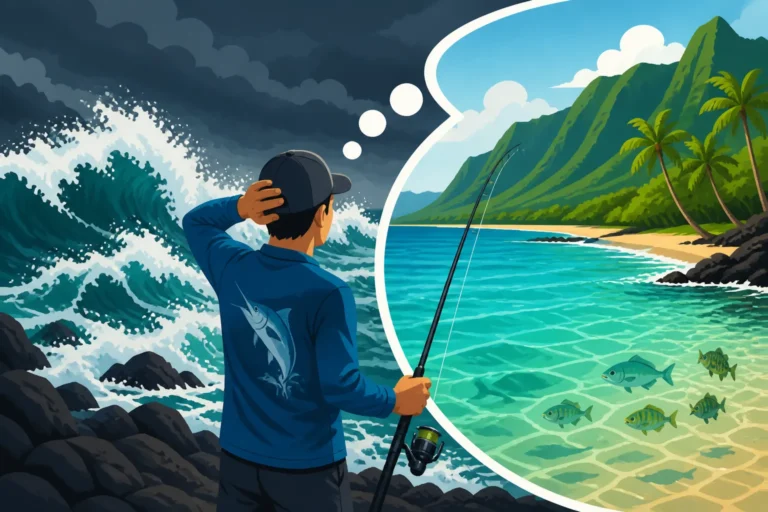
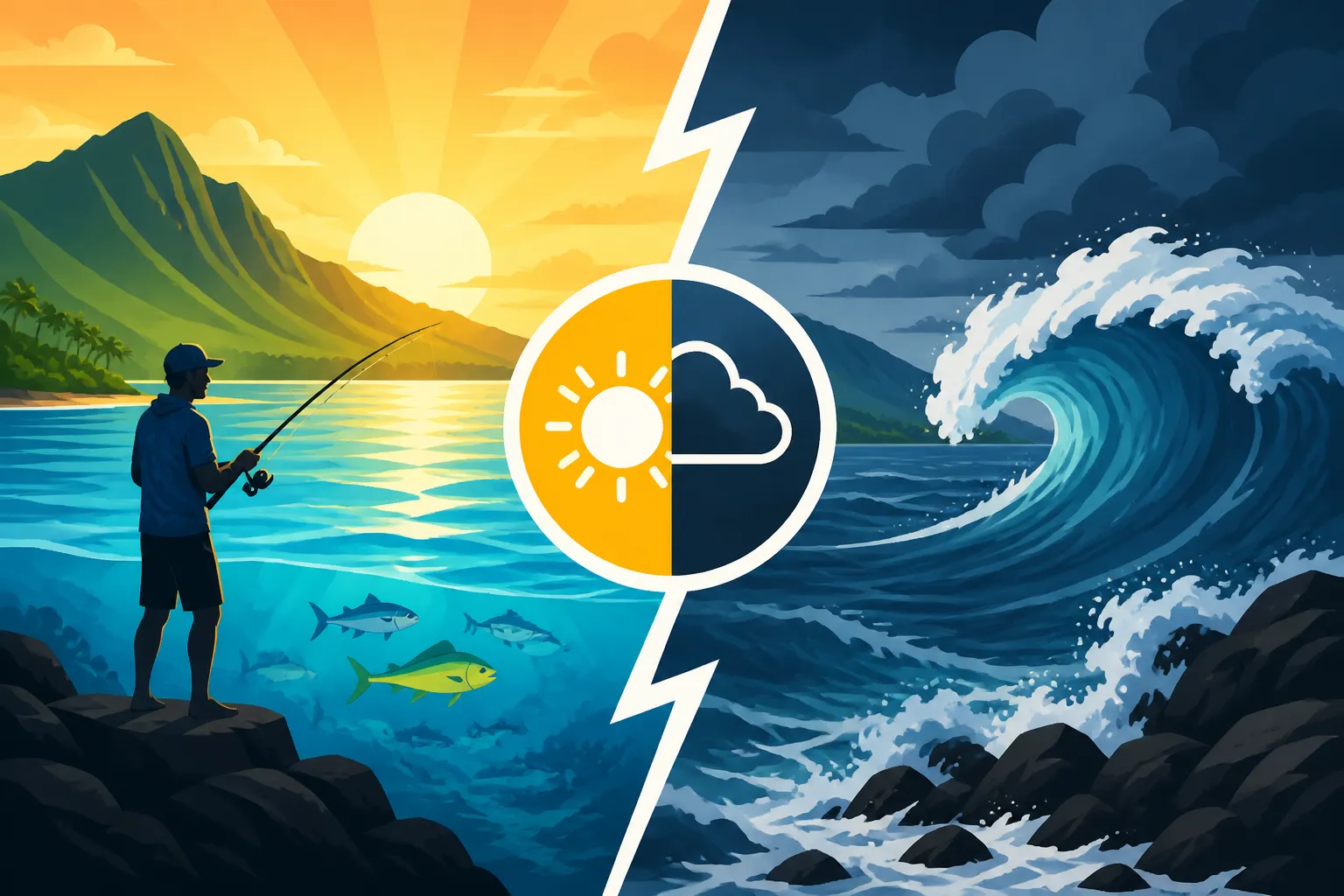
If you've ever found yourself gazing out at the ocean as a significant swell starts to build, you might feel a mix of excitement and apprehension. For many Hawaii anglers, especially those who love the challenge of shore fishing or nearshore expeditions, the period right before a big swell hits can be one of the most productive times to wet a line. This guide will walk you through understanding why fish behave differently, what species to target, and how to safely maximize your chances during these unique, often fleeting, windows of opportunity.
Understanding Swell Dynamics and Fish Behavior
Fishing before a major swell isn't just about getting lucky; it's about understanding the subtle, yet powerful, changes happening in the ocean and how they influence the feeding patterns and locations of our beloved Hawaiian fish. It’s a delicate balance of timing, observation, and knowing what to look for.
The Science Behind Pre-Swell Fishing
Before a large swell makes its grand entrance, several environmental factors start shifting, creating a ripple effect through the marine ecosystem. The most significant, often imperceptible to us, is the change in barometric pressure. As a low-pressure system associated with an approaching storm or distant swell moves in, the atmospheric pressure drops. Fish, particularly those with swim bladders, are highly sensitive to these changes. This drop in pressure can make them more active, sometimes even disorienting baitfish, which in turn signals to predatory fish that it's prime feeding time.
Think of it like this: on a perfectly calm, high-pressure day, fish might be lethargic or scattered. But as the pressure begins to fall, it’s almost as if a biological switch flips, urging them to feed more aggressively before the chaos of the full swell arrives. This increased activity isn't just about comfort; it's an instinctual drive to fuel up when conditions are favorable, anticipating that feeding might become harder once the massive waves start pounding the coastline. Stronger currents, even before the big waves break, can also dislodge food sources, making them more available.
Observing the Signs: Beyond the Forecast
While checking marine forecasts is crucial (and we'll get to that!), becoming a keen observer of your local environment will give you an edge. You'll want to pay attention to subtle shifts in conditions that tell you a swell is on its way, sometimes even before the apps update.
One of the first things you might notice is a slight increase in wave size or frequency, even if it's not yet hitting full force. The currents might start to pick up, and the water could appear a bit more agitated than usual. You might also notice more baitfish activity closer to shore or schooling in unusual patterns, reacting to the impending changes themselves. Sometimes, just the feel of the air, a certain humidity, or a change in wind direction can be a tell-tale sign that something big is brewing offshore. Looking at the horizon for distant wave sets or even the color of the sky can provide clues. For those who spend a lot of time on the water, these subtle changes become almost second nature.
Strategic Fishing During Pre-Swell Conditions
Once you've identified that sweet spot right before the main event, your strategy needs to adapt. This isn't the time for your usual laid-back fishing; it's about being efficient, targeting the right species, and using techniques that capitalize on the fish's heightened activity.
Target Species and Their Behaviors
Many of Hawaii's prized game fish become more aggressive just before a significant swell. Here are a few to consider and why they're good targets:
- Ulua (Giant Trevally) and Papio (Juvenile GT): These powerful predators thrive in turbulent waters and often move closer to shore to ambush disoriented baitfish or crabs dislodged by increasing surge. Look for them around rocky points, channels, and areas where strong currents converge. The increased water movement stirs up the bottom, making prey easier to find. Learning How to Catch Ulua from Shore is especially relevant here, as these conditions are ideal for it.
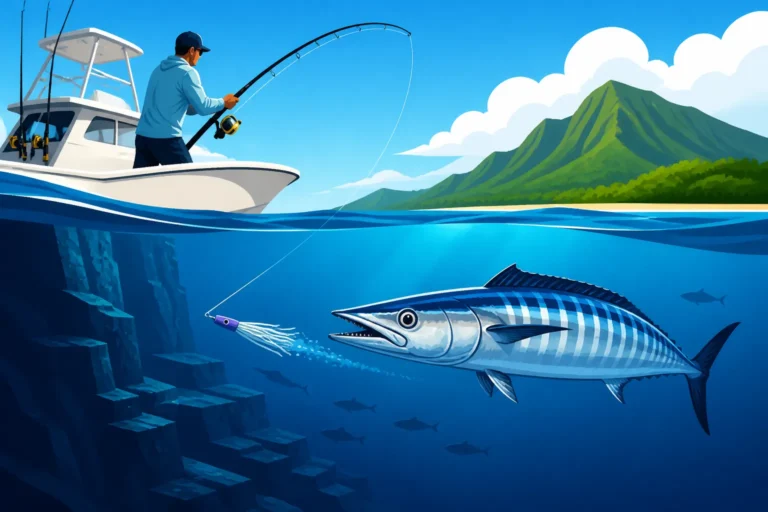
- Mahi-mahi (Dolphin Fish) and Ono (Wahoo): For offshore anglers, these pelagic species can become incredibly active, often feeding voraciously. They might be found patrolling the current lines that intensify before a swell, looking for smaller fish driven to the surface. Trolling with lures that mimic fleeing baitfish can be particularly effective.
- Uhu (Parrotfish): While not typically thought of as aggressive feeders, the increased surge can make them more active on the reefs, sometimes making them easier to target. However, they'll likely retreat to cover once the full swell hits. You might use different approaches than typical reef fishing, focusing on areas with strong water flow but still offering some structure.
- Bottomfish (Opakapaka, Onaga): While deeper water might seem immune, even bottomfish can react to atmospheric pressure changes. They might move to more productive feeding grounds or become more willing to strike before the conditions settle into a full storm. Deep dropping techniques might see increased success during this brief window.
Recommended Techniques and Lures
Your tackle box needs to be ready for action when fishing before a big swell. The increased water movement means you'll need gear that can handle the conditions and lures that stand out.
- Heavy Tackle for Shore Angling: For ulua and papio from shore, beef up your gear. You'll want heavy rods, reels with excellent drag systems, and strong braided line. Long casting rods are essential to get past the initial breakers. Sliding bait rigs with large, lively baits like akule or opelu are fantastic. You can find robust tackle for these conditions on Amazon, where many brands offer gear specifically designed for heavy surf and powerful fish.
- Trolling for Pelagics: If you're heading offshore, aggressive trolling with skirted lures or rigged baits can be very effective for mahi-mahi and ono. The fish are often in a feeding frenzy, so high-speed trolling or covering a lot of water can pay off. Make sure your lures are heavy enough to stay in the water despite increasing boat motion.
- Whipping and Casting: For papio closer to shore, whipping with Kastmasters, poppers, or various swimming plugs can be deadly. The agitated water provides excellent cover for these lures, making them look like distressed baitfish. Experiment with retrieve speeds – sometimes a fast, erratic retrieve is best when fish are aggressive. Checking out local tackle shops or browsing Amazon for durable, corrosion-resistant lures is a good idea.
- Live Bait: There's almost nothing better than live bait when fish are active. The struggle of a live baitfish or crab often proves irresistible to hungry predators. Ensure you have a good livewell system if boating, or a sturdy bait bucket if shore fishing, to keep your offerings fresh.
Safety First: Prioritizing Your Well-being
Fishing before a big swell is undoubtedly exciting, but it carries inherent risks. The conditions can deteriorate rapidly, turning a promising outing into a dangerous situation. Prioritizing safety is not just a suggestion; it's a necessity.
Monitoring Weather and Ocean Conditions
Never, ever head out without thoroughly checking the marine forecast. Look for swell height, period, and direction. Pay close attention to wind speed and direction, as onshore winds can quickly make shorelines unfishable and treacherous. Don't just check once; keep an eye on updates throughout your planned trip. Conditions can change faster than you anticipate in Hawaii.
It's also crucial to understand how wave height interacts with the swell period. A 6-foot swell with a 5-second period is a different beast than a 6-foot swell with a 15-second period. The longer period means more powerful, impactful waves, even if the height seems manageable. Always factor in the local topography of your fishing spot. What might be a calm harbor can become a washing machine with a specific swell direction. For boaters, understanding Hawaii Boating Laws for Anglers is paramount, especially regarding safety equipment and vessel limitations.
Essential Safety Gear and Practices
Even for a quick shore fishing trip before a swell, never cut corners on safety gear.
- Life Jackets: If you're on a boat, ensure everyone has a properly fitting life jacket and knows where it is. For shore anglers, especially those venturing near rocky points or areas prone to rogue waves, wearing an inflatable PFD (Personal Flotation Device) can be a lifesaver. You can find compact, comfortable options on Amazon.
- Communication: Always have a fully charged cell phone in a waterproof case. Consider carrying a marine radio if you're boating further offshore. Tell someone exactly where you're going and when you expect to return.
- Spike Boots or Rock Grips: For shore anglers navigating slippery lava rock or uneven coastline, footwear with excellent traction is non-negotiable. A slip and fall can lead to serious injury or being swept into the ocean.
- Buddy System: Never fish alone during potentially hazardous conditions. Having a partner means someone can call for help or offer assistance if you get into trouble.
- Awareness: Always keep an eye on the ocean. Never turn your back on the waves, especially when fishing from shore. Rogue waves are real and can sweep you off your feet in an instant. Be aware of your exit points and have a plan if conditions worsen rapidly.
- Know Your Limits: If the conditions look too rough, or you feel uncomfortable, it’s always better to err on the side of caution and pack it in. There will always be another day to fish. No fish is worth risking your life.
Preparing for Your Pre-Swell Fishing Trip
A successful and safe pre-swell fishing trip requires meticulous preparation. From your gear to your personal readiness, a little foresight goes a long way.
Gear Check and Maintenance
Before you even leave the house, give all your fishing gear a thorough once-over. This is especially critical when you're anticipating challenging conditions and potentially large, powerful fish.
- Rods and Reels: Inspect your rods for any cracks or loose guides. Test your reel's drag system to ensure it's smooth and set correctly. Re-spool with fresh line if there are any nicks, abrasions, or if it's been a while. The last thing you want is a line break on a trophy fish due to negligence.
- Terminal Tackle: Check all your knots, hooks, and swivels. Replace any rusty or bent hooks. Tie new leaders. In the stronger currents and increased wave action, weak points in your tackle will be exposed quickly.
- Tools: Make sure you have all necessary tools: pliers, line cutters, and a trusty knife. A good pair of long-nosed pliers is essential for hook removal, especially with aggressive fish or in choppy conditions.
- Cooler and Ice: If you plan on keeping your catch, ensure your cooler is clean and you have plenty of ice. Fish spoil quickly in Hawaii's heat, and the journey back might be rougher than expected. Consider a quality cooler you can find on Amazon that holds ice well, even on an open boat or exposed shoreline.
Personal Readiness and Emergency Plan
Beyond your fishing gear, your personal readiness is key. This includes what you wear, what you bring, and your mental state.
- Clothing: Dress for the conditions. Even if it's sunny, the wind can be brisk, and you'll likely encounter spray. Quick-drying clothing, a hat, and polarized sunglasses are always a good idea. A lightweight rain jacket or windbreaker can be a lifesaver.
- Hydration and Snacks: Always bring more water than you think you'll need. Fishing is strenuous, and combined with the Hawaiian sun, dehydration can set in quickly. Pack some snacks for energy.
- First Aid Kit: A basic first aid kit with band-aids, antiseptic wipes, pain relievers, and any personal medications is essential. Fishing often involves sharp hooks and slippery surfaces.
- Emergency Contacts: Ensure your phone is charged and you have emergency numbers readily available. As mentioned, tell someone where you're going and when you expect to return. Share your float plan if boating.
- Know When to Call It Quits: The most important part of your emergency plan is knowing when to abort the mission. If the waves are getting too big, the wind is too strong, or you feel unsafe for any reason, pack up and head home. The fish will still be there after the swell passes. There are plenty of other times to fish, including during various Hawaii Fishing Seasons by Month.
Pre-Swell Fishing Strategy Guide
:## Conquering the Swell: Your Pre-Swell Fishing Plan for Hawaiian Success
There's something uniquely exhilarating about fishing in Hawaiʻi when the ocean is about to change its mood. That specific window of opportunity, right before a big swell truly hits, can be absolutely golden for anglers. It’s a time when many fish species, from the mighty ulua patrolling the reef edges to the schooling pelagics offshore, seem to get a jolt of energy, becoming more aggressive and eager to feed. However, it's also a time that demands respect for the ocean and a keen eye for safety. Many local anglers will tell you stories of epic catches made just hours before the waves turned into monsters, but they'll also share warnings about how quickly conditions can deteriorate. It’s not just about luck; it's about understanding the subtle science, preparing wisely, and knowing when to call it a day. This guide will help you decipher those critical moments, pinpoint the best strategies, and ensure your pre-swell fishing adventure is both productive and safe.
Why Pre-Swell Conditions Spark a Feeding Frenzy
It might seem counterintuitive to head out when the ocean is gearing up for a rumble, but the period just before a significant swell or storm system arrives creates a unique set of circumstances that can trigger an intense feeding response in many fish. It's a prime example of nature's rhythm, and if you can learn to read it, you'll greatly increase your chances of a memorable catch.
Barometric Pressure: The Silent Trigger
One of the primary drivers behind pre-swell fish activity is the change in atmospheric pressure. As a low-pressure system moves over the islands, signaling an approaching swell or storm, the barometric pressure drops. Fish, especially those with sensitive swim bladders, can feel these subtle shifts. This drop in pressure often prompts them to feed more actively. It's almost as if they instinctively know that a period of rougher, less hospitable conditions is on its way, and they need to fuel up while the feeding is good and relatively easy.
Think about how you might feel before a storm – a little restless, perhaps. Fish experience something similar, but their response is often to increase their foraging behavior. This phenomenon isn't unique to Hawaiʻi, but in our dynamic ocean environment, where swells can roll in from thousands of miles away, these pressure changes can create predictable windows of opportunity. It's a delicate dance between the atmosphere and the ocean, directly influencing what's happening beneath the surface.
Increased Currents and Dislodged Prey
Even before the full force of a swell arrives, you'll often notice an increase in ocean currents and surge closer to shore. These stronger water movements play a huge role in stirring up the marine environment. Sand, debris, and, most importantly, various prey items like crabs, small baitfish, and invertebrates that were hiding in the reef or sandy bottom are dislodged and swept into the water column.
For opportunistic predators like ulua, papio, and even some reef fish, this is like a buffet being laid out before them. They'll actively patrol these agitated zones, ambushing anything that looks like an easy meal. This is why areas around rocky points, channels, and reef drop-offs become particularly productive. The increased turbidity also provides excellent cover for these predators, allowing them to hunt more boldly than they might on a calm, clear day. Anglers who understand this often focus their efforts on these key ambush points, knowing that the agitated water is working in their favor.
Top Species to Target During Pre-Swell Windows
When the ocean is showing early signs of a building swell, certain species tend to become more active and accessible. Knowing which fish are likely to be on the prowl can help you fine-tune your approach and increase your chances of success.
Ulua and Papio: The Shoreline Brawlers
Without a doubt, ulua (giant trevally) and papio (juvenile trevally) are prime targets when fishing before a big swell. These powerful jacks thrive in turbulent conditions and are often drawn closer to shore by the increased current and dislodged food. They are incredibly aggressive feeders, and the pre-swell period seems to ignite their hunting instincts.
- Behavioral Cues: Look for ulua and papio patrolling the edges of white water, around rocky points, and in channels where strong currents push bait. They might be ambushing smaller fish or crabs that are being tossed around by the building surge. This is a fantastic time for How to Catch Ulua from Shore, utilizing heavy tackle and large baits.
- Techniques: For ulua, heavy sliding bait rigs with live or fresh dead bait (like akule, opelu, or even squid) cast into deep channels or washouts are highly effective. For papio, whipping with metal jigs, poppers, or swimming plugs around turbulent reef edges can yield explosive strikes. Your retrieve should be varied, mimicking an injured or disoriented baitfish trying to escape the chaotic water.
Pelagic Hunters: Mahi-mahi, Ono, and Ahi
For those venturing offshore, the pre-swell period can also be phenomenal for pelagic species such as mahi-mahi, ono (wahoo), and even ahi (yellowfin tuna). These fish are highly migratory and sensitive to changes in the ocean's food chain and currents.
- Behavioral Cues: As currents strengthen, baitfish schools might consolidate or become more agitated, drawing in larger predators. Mahi-mahi are known for their voracious appetites, and ono often feed aggressively along current lines. Ahi might be found crashing bait schools closer to the surface.
- Techniques: Trolling is the go-to method for these species. Use a spread of colorful, skirted lures, or rigged baits like ballyhoo or akule. The increased boat motion from the pre-swell chop can actually enhance the action of your lures, making them even more enticing. Focus on areas where current lines converge or near floating debris that might be accumulating baitfish. Understanding How to Catch Ahi in Hawaii can guide your offshore strategy for these conditions.
Reef Dwellers: Kumu and Moi
While not as dramatic as the trevally bite, some reef fish can also become more active. Kumu (goatfish) are bottom feeders that might take advantage of stirred-up sediments to find food. Moi (Pacific threadfin), especially on shallower sandy flats adjacent to reefs, can also be caught if conditions aren't yet too rough.
- Behavioral Cues: Kumu might be seen rooting around in areas where sand and small invertebrates are being dislodged. Moi, which are often schooling in calm waters, might be slightly more aggressive as the current increases, though they will retreat quickly once the full swell arrives.
- Techniques: For kumu, bait fishing with small pieces of squid or shrimp on a ledger rig can work well in less turbulent areas. For moi, light tackle with small baits or even tiny artificials can be productive, but you need to be quick before the water gets too churned up. Remember to check local regulations for species like moi, as they often have specific Hawaii Moi Closed Season, Explained.
Essential Gear and Safety Considerations
Fishing before a big swell means you need to be even more diligent about your gear and, most importantly, your safety. The thrill of the bite can quickly turn to peril if you're unprepared for rapidly changing ocean conditions.
Gearing Up for the Surge
Your tackle needs to be robust and ready to handle both the environment and powerful fish.
- Heavy-Duty Rods and Reels: This is not the time for ultralight gear. For shore fishing, invest in long, powerful surf rods (10-14 feet) capable of casting heavy weights and baits. Pair them with large spinning or conventional reels loaded with 50-80 lb braided line and a strong monofilament or fluorocarbon leader. For offshore, sturdy trolling setups are critical. When choosing reels, ensure they have sealed drags to protect against salt and spray, which will be abundant. You can find a wide range of reliable, saltwater-specific fishing gear on Amazon that can withstand these conditions.
- Strong Terminal Tackle: Use heavy-gauge hooks appropriate for the size of your target species and bait. Swivels, snaps, and split rings should all be rated for significant pound test. Knots must be tied perfectly, as they will be tested to their limits. A good selection of heavy lead weights (pyramid sinkers for sand, breakaway sinkers for rocky bottoms) is essential to keep your bait in the strike zone against strong currents.
- Lures and Baits: Stock up on durable lures. For ulua and papio, metal jigs, poppers with heavy-duty treble hooks, and large swimming plugs are good choices. For offshore trolling, quality skirted lures in various colors are a must. Live bait, if you can source it, is often irresistible during a feeding frenzy. Ensure your bait is fresh and lively.
- Waterproof Everything: From your tackle box to your phone, assume everything will get wet. Invest in waterproof bags, boxes, and phone cases. A good dry bag, available from retailers like Amazon, can protect your essentials from spray and rogue waves.
Prioritizing Your Safety Above All Else
This cannot be stressed enough: fishing before a big swell demands heightened vigilance and an unwavering commitment to safety. Conditions can escalate from manageable to life-threatening in minutes.
- Constant Weather Monitoring: Do not rely on a single weather check. Consult multiple marine forecasts (local TV, online, weather apps) before you leave and regularly throughout your trip. Pay close attention to swell height, period, and direction, as well as wind speed and direction. Understand that "before" can quickly become "during," and be prepared to leave.
- Footwear and Stability: For shore anglers on rocky terrain, sturdy footwear with excellent grip is non-negotiable. Felt-soled boots or specialized rock-gripping shoes can prevent dangerous slips. Never turn your back on the ocean, and always be aware of your surroundings for rogue waves. Consider fishing with a partner, especially in areas with tricky access or unpredictable surf.
- Personal Flotation Devices (PFDs): If boating, ensure everyone on board is wearing or has immediate access to a PFD. For shore anglers fishing on exposed ledges or areas prone to being washed out, wearing an inflatable PFD is a smart, potentially life-saving precaution.
- Communication: Always let someone know exactly where you are going and your expected return time. Carry a fully charged cell phone in a waterproof case. For offshore trips, a marine radio is an essential piece of equipment.
- Know Your Limits: This is perhaps the most critical safety rule. If the conditions feel too rough, if you're uncomfortable, or if there's any doubt about your safety, pack it in. No fish is worth risking your life. There will always be other opportunities to fish, perhaps when learning Best Time of Year to Fish in Hawaii for calmer conditions.
Strategic Planning for Pre-Swell Success
Maximizing your chances during the pre-swell window requires more than just showing up with a rod. It demands thoughtful planning, attention to detail, and a readiness to adapt.
Timing Your Expedition
Timing is everything. You're looking for that sweet spot after the barometric pressure starts to drop and before the full fury of the swell makes fishing impossible or dangerously unproductive.
- Watch the Forecast: Start watching the long-range forecast several days out. Identify when a significant swell is predicted to arrive. The "before" window typically begins 12-24 hours prior to the peak of the swell, but this can vary.
- Early Bird Gets the Fish: Often, the best bite will be during the early morning hours or late afternoon just before sunset, regardless of the swell. Combining these peak feeding times with the pre-swell conditions can be explosive. Best Night Fishing Spots in Hawaii can be fantastic during pre-swell conditions too, as darkness provides extra cover for predators.
- Tide and Current: Factor in the tides. Stronger currents associated with incoming or outgoing tides often amplify the pre-swell effect, making bait more active and predators more opportunistic. Research the tidal charts for your specific fishing location.
Choosing Your Spot Wisely
Not all fishing spots will respond the same way to building swell conditions.
- Shore Fishing Hotspots:
- Rocky Points and Ledges: These are natural ambush points for ulua and papio, especially where currents funnel around them. The breaking waves create excellent cover and dislodge prey.
- Channels and Gutters: Look for areas where waves push water into and out of deeper channels close to shore. These are highways for hungry fish.
- Beaches with Drop-offs: Some sandy beaches have deeper drop-offs or holes just beyond the breakers where fish will gather to feed.
- Offshore Strategies:
- FADs (Fish Aggregating Devices) and Buoys: These often hold baitfish, which become even more attractive to pelagic predators as currents increase.
- Current Lines and Eddies: Look for visible current lines or areas where two currents meet. These are often rich feeding zones.
- Submerged Structure: Seamounts or other submerged structures can concentrate fish regardless of the surface conditions.
What to Bring and What to Expect
Beyond your fishing gear, consider these items for a comfortable and safe trip:
- Sun Protection: Even on a cloudy pre-swell day, the Hawaiian sun is potent. Bring a hat, polarized sunglasses, and reef-safe sunscreen.
- Hydration and Snacks: Always pack plenty of water and energy-boosting snacks. Fishing aggressively in these conditions can be tiring.
- First Aid Kit: A basic first-aid kit is essential for minor cuts, scrapes, or hook injuries.
- Trash Bag: Always pack out what you pack in, and perhaps a little extra. Let's keep Hawaiʻi beautiful.
- Expect the Unexpected: Be prepared for sudden changes in weather, larger-than-expected waves, and potentially dangerous conditions. Have an exit strategy for your fishing spot, whether it's a safe path off the rocks or a clear route back to the boat ramp.
Fishing before a big swell in Hawaiʻi is an experience unlike any other. It’s a chance to connect with the raw power of the ocean and potentially land the fish of a lifetime. By understanding the science, preparing your gear, and always, always prioritizing safety, you can turn these challenging conditions into some of your most rewarding angling adventures. Aloha and tight lines!
Disclaimer
This article is for general informational purposes only and does not constitute professional advice. Laws, prices and regulations vary by location and change over time. Consult a qualified professional for guidance on your specific situation.