Best line for surfcasting from a rocky shore
Oh, the sheer frustration of setting up for a perfect cast from a rocky Hawaiian shoreline, feeling that satisfying thunk as your weight hits the water, only to have your line fray or snap on the sharp lava or coral below. It's a common heartbreaker for anglers here, losing a good fish or, worse, your favorite rig to the unforgiving terrain. This guide is all about helping you pick the toughest, most reliable fishing line so you can focus on landing that next giant trevally (ulua) or hard-fighting papio without constant worry about your line giving out.
Understanding the Unique Challenges of Rocky Shore Surfcasting in Hawaii
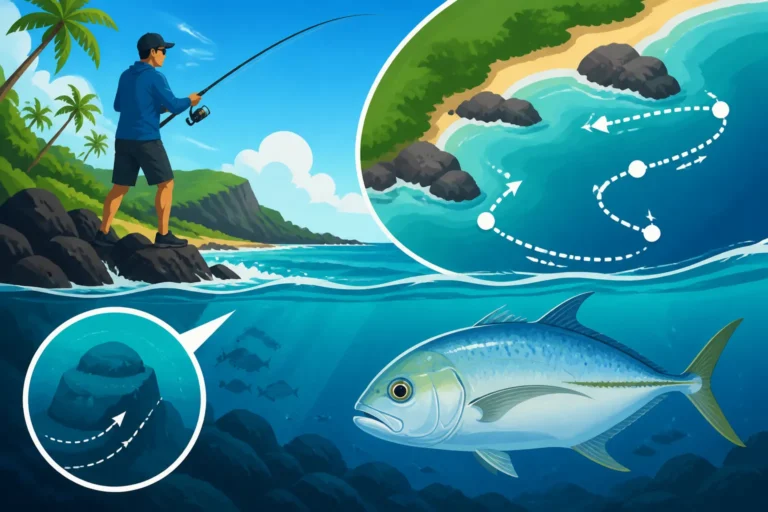
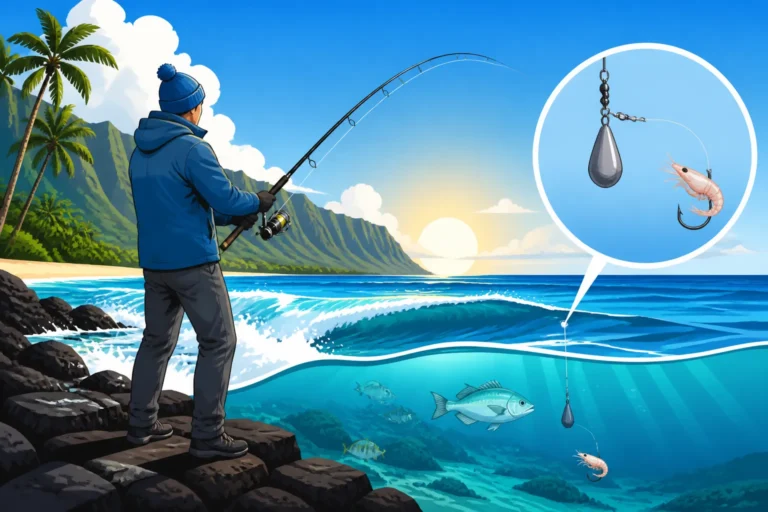
Surfcasting from Hawaii's rocky shores isn't your average beach stroll with a fishing rod. It’s a battle against powerful waves, relentless currents, and a notoriously abrasive environment. The very beauty that draws us to these spots—the dramatic lava flows, ancient coral formations, and rugged cliffs—are also the biggest threats to your fishing line. If your line isn't up to the task, you're going to be re-tying, re-rigging, and probably lamenting lost catches a lot more than you're celebrating them.
The Constant Threat of Abrasion
When you're casting into the Hawaiian surf from a rock ledge, your line is constantly rubbing against things it shouldn't. Think about it: the line runs over jagged rocks at your casting point, gets dragged across barnacle-encrusted ledges as you reel in, and, once a fish is hooked, it's often scraping against submerged coral heads or sharp volcanic rock on the ocean floor. This isn't soft sand we're talking about; it's like fishing with a cheese grater for a seabed. A line with poor abrasion resistance simply won't stand a chance, leading to frustrating snap-offs and lost tackle. You want something that can take a beating and keep on fighting, because the fish here don't give up easily, and neither should your line.
Navigating Powerful Waves and Strong Currents
Hawaii's shorelines are often exposed to significant wave action and strong currents, especially during big swells. Best time to fish after a big swell can often be productive, but it also means your line is under immense pressure. These forces can create a lot of tension on your line, and if you're hooked into a strong fish, that pressure multiplies. You need a line that has the tensile strength to withstand both the pull of the fish and the relentless drag of the ocean. Weak lines will stretch, weaken, and eventually fail under these combined forces. Plus, thicker, more robust lines tend to manage better in strong currents, preventing your bait from washing away too quickly or your line from getting tangled in the chop.
The Power of Hawaiian Game Fish
Let's not forget the incredible fish that call these waters home. From the lightning-fast papio to the monstrous ulua, the fish you're targeting from shore are often incredibly strong and can make blistering runs. They know every crevice and sharp edge on the reef, and they'll use it to their advantage to try and cut your line. Imagine hooking into a prime ulua, feeling that initial powerful surge, and then just poof – the line goes slack because it was no match for the fish's raw power combined with a quick rub against a sharp rock. It’s devastating. Your line needs to be tough enough to handle these powerful bursts and maintain its integrity when stretched to its limits against the brutal Hawaiian environment. How to Catch Ulua from Shore is a thrilling endeavor, and the right line is your best friend.
Key Line Properties for Rocky Shore Surfcasting
When you're battling the elements and powerful fish from Hawaii's rugged shorelines, your fishing line is arguably your most critical piece of gear. It's the only direct connection between you and the fish, and it needs to excel in several key areas to give you a fighting chance.
Superior Abrasion Resistance
This is probably the single most important factor for rocky shore surfcasting. As we discussed, your line will inevitably come into contact with sharp lava, rough coral, barnacles, and other abrasive structures. A line with high abrasion resistance is built to withstand this constant friction without fraying or snapping. Look for lines that boast a hard, durable outer coating or are inherently tough throughout their construction. This property is what allows your line to "bounce" off a sharp edge rather than immediately getting cut. When a big ulua tries to run you into a coral head, that abrasion resistance is your last line of defense. Without it, even the strongest knot won't save you from a cut-off.
High Knot Strength
What good is a strong line if your knots are the weak point? When you're fishing from shore, especially with heavier tackle, your knots are subjected to extreme stress. The knot strength refers to how much force a knot can withstand before failing. Some lines, particularly braided lines, can be notoriously difficult to tie knots with that retain their full strength. For mono and fluorocarbon, you want a line that allows for tight, secure knots without slipping or weakening the line material itself. Always practice a few reliable knots like the Palomar or improved clinch, and make sure your chosen line handles them well. A perfectly tied knot with a high-quality line can often be the difference between a triumphant catch and a frustrating loss.
Low Stretch for Sensitivity and Hooksets
Stretch refers to how much a line elongates under tension. For rocky shore surfcasting, generally, less stretch is better. Why? Because low-stretch lines offer superior sensitivity. You can feel every subtle bump, nibble, or change in the current, which is crucial when your bait is far out in the turbulent surf. This increased sensitivity allows you to detect bites quickly, even from smaller fish like papio, and react instantly. More importantly, low stretch translates to powerful, direct hooksets. When you rear back on your rod to set the hook, less stretch means more of that force is transferred directly to the hook, burying it firmly in the fish's mouth, rather than being absorbed by the line's elasticity. This is a game-changer when targeting hard-mouthed species.
Manageable Diameter and Castability
While strength and abrasion resistance are paramount, the line's diameter and how well it casts are also critical. A line that's too thick will limit your casting distance, especially with lighter lures or baits, and can lead to more wind knots. However, a line that's too thin might not have the breaking strength or abrasion resistance needed for the rocky Hawaiian environment. It’s a delicate balance. You want a line that's strong enough without being excessively bulky, allowing for smooth, long casts to reach those deeper pockets or distant reef edges. Good castability also reduces fatigue over a long day of throwing heavy weights and baits into the surf. This is where a smooth, uniform line with good memory (or lack thereof) really shines.
Types of Fishing Line and Their Suitability
Navigating the various types of fishing line can feel overwhelming, but for rocky shore surfcasting in Hawaii, each has its distinct advantages and disadvantages. Knowing these can help you make the best choice for your specific style and the conditions you're facing.
Braided Line: The Workhorse for Long Casts and Sensitivity
Braided line, often just called "braid," is made by weaving multiple strands of synthetic fibers together. It's incredibly popular for surfcasting, and for good reason.
Pros:
- Exceptional Strength-to-Diameter Ratio: Braid is incredibly strong for its diameter, meaning you can use a lighter, thinner line that still has substantial breaking strength. This thinner diameter significantly improves casting distance, which is often crucial when trying to reach deeper channels or distant structure from the shore.
- Zero Stretch: This is where braid truly shines. Its near-zero stretch provides unparalleled sensitivity. You'll feel every bump, every weed, and every subtle bite, even hundreds of yards out. This sensitivity is a huge advantage for detecting tentative takes from fish like papio or identifying when your sinker is snagged before it's too late. It also allows for incredibly powerful and instantaneous hooksets, driving the hook home effectively.
- Durability (Generally): While not as abrasion-resistant as fluorocarbon, high-quality braids are very durable and last a long time, resisting UV degradation better than monofilament. You'll find many anglers stocking up on bulk spools of braid on Amazon because of its longevity.
Cons:
- Poor Abrasion Resistance (on its own): This is braid's biggest weakness for rocky shore fishing. Despite its strength, individual braided fibers can fray and cut surprisingly easily when dragged across sharp rocks or coral. This is why a leader is absolutely essential when using braid as your main line in this environment. Without a strong leader, you're just asking for trouble.
- Visibility: Braid is highly visible in the water, which can spook wary fish. Again, a leader addresses this issue.
- Cost: Braid is generally more expensive than monofilament.
- Wind Knots and Dig-ins: If not spooled correctly or if you're not careful with your casting, braid can be prone to wind knots (tangles) or "digging in" on itself on the spool, which can lead to frustrating snags and break-offs.
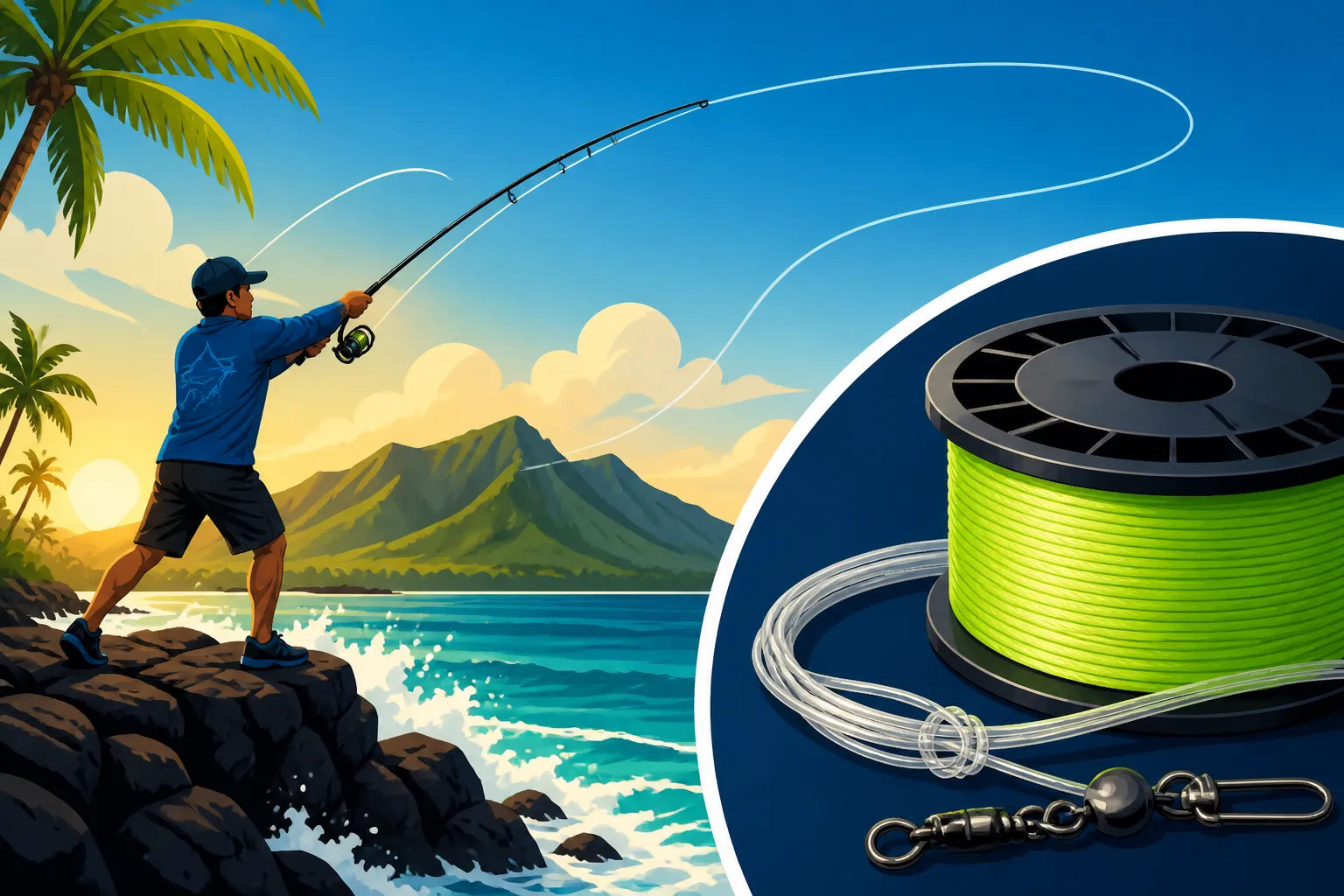
For surfcasting from rocky shores, braid is often used as the main line, but it must be paired with a strong, abrasion-resistant leader, usually fluorocarbon, to protect against the harsh environment and provide stealth.
Monofilament Line: The Classic, All-Around Performer
Monofilament, or "mono," is made from a single strand of nylon. It's the oldest and most widely used fishing line, and still has its place, even in challenging environments like Hawaii's rocky shores.
Pros:
- Good Knot Strength: Mono is generally very easy to tie strong, reliable knots with.
- Moderate Abrasion Resistance: While not as tough as fluorocarbon, good quality monofilament offers decent abrasion resistance, especially thicker lines. It has a bit of stretch, which can sometimes act as a shock absorber against sudden impacts.
- Inexpensive: Mono is typically the most affordable line option, making it great for anglers on a budget or those who re-spool frequently.
- Stretch: This can be a pro and a con. The stretch in mono acts as a shock absorber, which can be forgiving when a powerful fish makes a sudden run or when you're using light tackle. It also helps prevent hooks from tearing out of a fish's mouth.
Cons:
- High Stretch: The significant stretch in monofilament reduces sensitivity, making it harder to detect subtle bites or feel what's happening at the end of your line, especially at long casting distances. It also results in less powerful hooksets compared to braid.
- Larger Diameter for Equivalent Strength: To achieve the same breaking strength as braid, monofilament needs to be much thicker, which reduces casting distance and can be more affected by current.
- UV Degradation and Water Absorption: Mono can weaken over time due to exposure to UV light and can absorb water, which affects its strength and performance. It also tends to have more "memory," leading to coils and tangles.
While still viable for some situations, monofilament is often best suited for less extreme rocky shore conditions or when its shock-absorbing qualities are specifically desired. Many use it for leaders or as backing on reels.
Fluorocarbon Line: The Invisible, Abrasion-Resistant Champion
Fluorocarbon is a synthetic polymer that shares many qualities with monofilament but has distinct advantages, making it an excellent choice for leaders in Hawaii.
Pros:
- Exceptional Abrasion Resistance: This is where fluorocarbon truly excels. It is incredibly tough and highly resistant to cuts and nicks from rocks, coral, and even fish teeth. This makes it ideal for leaders in abrasive environments.
- Virtually Invisible Underwater: Fluorocarbon has a refractive index very similar to water, meaning it's nearly invisible once submerged. This stealth factor is crucial for targeting wary fish in clear Hawaiian waters.
- Low Stretch: While not as low as braid, fluorocarbon has significantly less stretch than monofilament, offering a good balance of sensitivity and shock absorption.
- Durable: It's resistant to UV light and doesn't absorb water, maintaining its strength and integrity over time.
Cons:
- Stiff and More Difficult to Knot: Fluorocarbon can be stiffer and have more memory than monofilament, especially in heavier pound tests, making it a bit more challenging to tie strong knots.
- Cost: It's generally the most expensive of the three line types.
- Not Ideal as a Main Line (in heavy tests): While excellent for leaders, using heavy fluorocarbon as a main line for surfcasting can be cumbersome. Its stiffness can lead to poor casting performance and more tangles on a spinning reel. It's often too dense to float well, which can be an issue in certain presentations.
Fluorocarbon is almost universally recommended for leaders when surfcasting from rocky Hawaiian shores, especially when using braid as your main line. Its invisibility and abrasion resistance are unmatched for this purpose.
Choosing the Right Line Weight and Leader System
Once you understand the different types of line, the next step is to decide on the appropriate line weight (pound test) and how to incorporate a leader system. This is where you truly customize your setup for the challenging conditions of Hawaii's rocky shores.
Selecting the Main Line Pound Test
The "pound test" of your main line refers to its breaking strength. For rocky shore surfcasting in Hawaii, you'll generally want to err on the heavier side compared to sandy beach fishing, because of the powerful fish and abrasive environment.
- For light to medium surfcasting (e.g., papio, smaller trevally): A braided main line of 20-40 lb test is a good starting point. This range offers excellent casting distance, sensitivity, and enough backbone to handle decent fish. Paired with a suitable leader, it's a versatile choice for many inshore species.
- For heavy surfcasting (e.g., ulua, larger predators): You might go up to 50-80 lb braided main line. This might sound like overkill, but when you're targeting trophy ulua from sharp lava ledges, that extra strength can be the difference between landing a fish of a lifetime and watching your line snap. Hawaii Ulua (Giant Trevally) Fishing in Hawaii is no joke, and neither should be your line. The thinner diameter of braid still makes these heavy tests manageable for casting.
- Monofilament as a main line: If you prefer monofilament, you'd be looking at 30-60 lb test for general rocky shore work, potentially heavier for serious ulua fishing. Remember that mono will be much thicker at these breaking strengths compared to braid, impacting casting distance.
Consider your target species and the specific spot you're fishing. If it's a super snaggy area with lots of sharp rocks, bumping up your main line strength slightly can provide a buffer, even if you primarily rely on your leader.
The Critical Role of the Leader
For rocky shore surfcasting, a leader isn't just a good idea; it's absolutely essential. The leader is a shorter section of line tied to the end of your main line, and then to your hook or lure. Its purpose is twofold: to provide superior abrasion resistance where it matters most, and to offer stealth in clear waters.
- Leader Material: Hands down, fluorocarbon is the best choice for leaders in this environment. Its incredible abrasion resistance and near invisibility underwater make it perfect for the business end of your setup. You can find bulk spools of high-quality fluorocarbon leader on Amazon to keep you well-stocked.
- Leader Pound Test: Your leader should almost always be heavier than your main line. For a 20-40 lb braided main line, a 40-80 lb fluorocarbon leader is common. For heavier braid (50-80 lb), you might use 80-150 lb (or even higher) fluorocarbon leader. The idea is that the leader is meant to take the brunt of the abuse from rocks and fish.
- Leader Length: This can vary, but generally 4-8 feet is a good starting point for rocky shore fishing. A longer leader provides more protection against abrasion further up the line, and gives more invisibility. However, too long, and it can become difficult to cast, especially with spinning gear, as the knot connecting your main line to your leader might get caught in your rod guides.
- Connecting Your Leader: A strong, reliable knot is paramount here. The FG knot is a favorite among many anglers for connecting braid to fluorocarbon because it's very strong and passes smoothly through rod guides. Other options include the uni-to-uni knot or the Albright knot, but practice is key to ensure maximum strength retention.
Shock Leaders: An Extra Layer of Protection
A shock leader is a length of heavier, more elastic line (often monofilament, but sometimes heavier fluorocarbon) tied to your main line before your fishing leader. Its primary purpose is to absorb the shock of a powerful cast, especially when using heavy weights, and to provide additional abrasion resistance closer to the terminal tackle.
- When to Use: If you're consistently casting heavy weights (e.g., 4-8 ounces) with a fairly light main line, a shock leader can prevent snap-offs during the cast. It also provides an extra buffer against unseen snags and the initial violent runs of large fish.
- Material: Heavy monofilament (e.g., 50-100 lb test) is often preferred for shock leaders due to its stretch and affordability.
- Length: A good rule of thumb is to have a shock leader that's 1.5 to 2 times the length of your rod, plus a few wraps around your reel spool. This ensures enough length to absorb the casting force.
- Connecting: Again, a strong knot like the FG knot or a modified Albright is crucial for connecting your main line to your shock leader.
| Line Type | Pros for Rocky Shore Surfcasting | Cons for Rocky Shore Surfcasting | Best Use in Hawaii |
|---|---|---|---|
| Braided | High strength-to-diameter, zero stretch (sensitivity), long casts | Poor abrasion resistance (needs leader), visible, prone to wind knots | Main line for power, sensitivity, distance |
| Monofilament | Good knot strength, moderate abrasion resistance, inexpensive, shock absorption | High stretch (less sensitivity), larger diameter, UV degradation | Backing, general purpose, short leaders |
| Fluorocarbon | Exceptional abrasion resistance, virtually invisible, low stretch | Stiffer, harder to knot, expensive, heavy for main line | Essential Leader Material for protection & stealth |
Choosing the right line and leader system is a nuanced decision that will directly impact your success and enjoyment while surfcasting from Hawaii's rugged shores. Invest in quality, understand the properties of each line type, and always err on the side of strength and abrasion resistance. Remember to regularly check your leader for nicks and abrasions, especially after reeling over rocky bottom or fighting a fish, and replace it promptly. A little vigilance goes a long way in preventing lost fish.
Tips for Maximizing Line Life and Performance
Even with the best line on your reel, the challenging environment of Hawaii's rocky shores demands a few extra precautions and practices to ensure your line performs optimally and lasts as long as possible. Neglecting these small steps can quickly degrade even the toughest line.
Regular Inspection and Replacement
This might seem obvious, but it's astonishing how many anglers overlook regular line maintenance. After every few casts, especially if you've been fishing over rough bottom or in areas with strong currents, take a moment to inspect the last few feet of your main line and your entire leader. Run your fingers gently along the line, feeling for any nicks, cuts, or abrasions. Even a small imperfection can compromise the line's integrity and lead to a break-off under pressure.
If you find any damage on your leader, cut off the compromised section and re-tie your hook or lure. If the damage extends further up the leader, replace the entire leader. For your main line, if you notice fraying or nicks on the working end, strip off several feet and re-tie your leader connection. It's much better to sacrifice a few feet of line than to lose a trophy fish. Consider a full re-spool of your main line at least once a season, or more frequently if you fish often. This is particularly important for monofilament, which can degrade with UV exposure.
Protecting Your Line While Casting and Retrieving
How you handle your line during casting and retrieval makes a significant difference. When you're casting from a rocky ledge, make sure your line isn't rubbing against any sharp edges on the rock itself. A quick check of your immediate surroundings before you cast can prevent a premature line snap. Sometimes, finding a smoother, worn-down section of rock to cast from, or even placing a piece of durable material (like a thick rubber mat) on the edge can help protect your line.
During retrieval, especially after a hookup, try to steer the fish away from known obstacles like submerged rocks or coral heads. This isn't always possible, especially with powerful fish, but a little rod work can guide them towards clearer water. Avoid dragging your line unnecessarily across rough surfaces when reeling in. If you feel your sinker or lure snag, apply steady pressure rather than yanking violently, which can cause the line to fray or snap. Sometimes, a slight change in angle or a slack-line technique can free a snag without damaging your line.
Utilizing Proper Knot Tying Techniques
As mentioned earlier, your knots are the weakest link in your entire setup if not tied correctly. For rocky shore surfcasting, where every component is under extreme stress, proper knot tying is non-negotiable.
- Practice, Practice, Practice: Become proficient in tying a few key knots that are suitable for the lines you're using. For braid-to-fluorocarbon connections, the FG knot is considered one of the strongest and most streamlined, but it takes practice. Other good options include the Alberto knot or the improved Albright.
- Moisten Your Knots: Always moisten your monofilament and fluorocarbon knots with saliva before tightening them. This lubricates the line, allowing the knot to cinch down properly without burning or weakening the line due to friction.
- Trim Tag Ends Neatly: After tying a knot, trim the tag ends closely but not so close that the knot can unravel. Excessively long tag ends can snag on seaweed or debris, or even weaken the knot itself.
- Check Your Knots: After tying, give the knot a firm, steady pull to ensure it's seated correctly and holds under pressure. It's better to find a faulty knot on the shore than when a big fish is on the line.
By consistently inspecting your line, protecting it from abrasion during use, and mastering your knots, you'll dramatically improve your line's performance and extend its life, leading to more successful hookups and fewer frustrating break-offs on Hawaii's challenging rocky shores. This means more time fishing and less time re-rigging, which is what we all want, right?
Conclusion
Choosing the best fishing line for surfcasting from Hawaii's rocky shores is a critical decision that can make or break your fishing day. It's not just about strength; it's about finding a balance of abrasion resistance, low stretch, castability, and stealth. Given the formidable power of Hawaiian game fish and the notoriously unforgiving volcanic and coral landscapes, a robust line and a well-thought-out leader system are your absolute best defense against lost tackle and broken dreams.
We've explored why braided line, paired with an abrasion-resistant fluorocarbon leader, often emerges as the top choice for many experienced local anglers. This combination leverages the braid's superior casting distance and sensitivity with the fluorocarbon's invisibility and toughness where it matters most. While monofilament still has its place, especially for shock absorption in specific scenarios, understanding the unique challenges of this environment will guide you toward making informed choices for your own setup.
Ultimately, your line is your connection to the ocean's bounty. By investing in quality, regularly inspecting your gear, and perfecting your knot-tying skills, you'll be well-equipped to tackle the rugged beauty of Hawaii's rocky shorelines and maximize your chances of landing that next incredible catch. So, gear up, choose wisely, and enjoy the thrill of the fight! Best Shore Fishing Spots in Hawaii are waiting for you.
Disclaimer
This article is for general informational purposes only and does not constitute professional advice. Laws, prices and regulations vary by location and change over time. Consult a qualified professional for guidance on your specific situation.