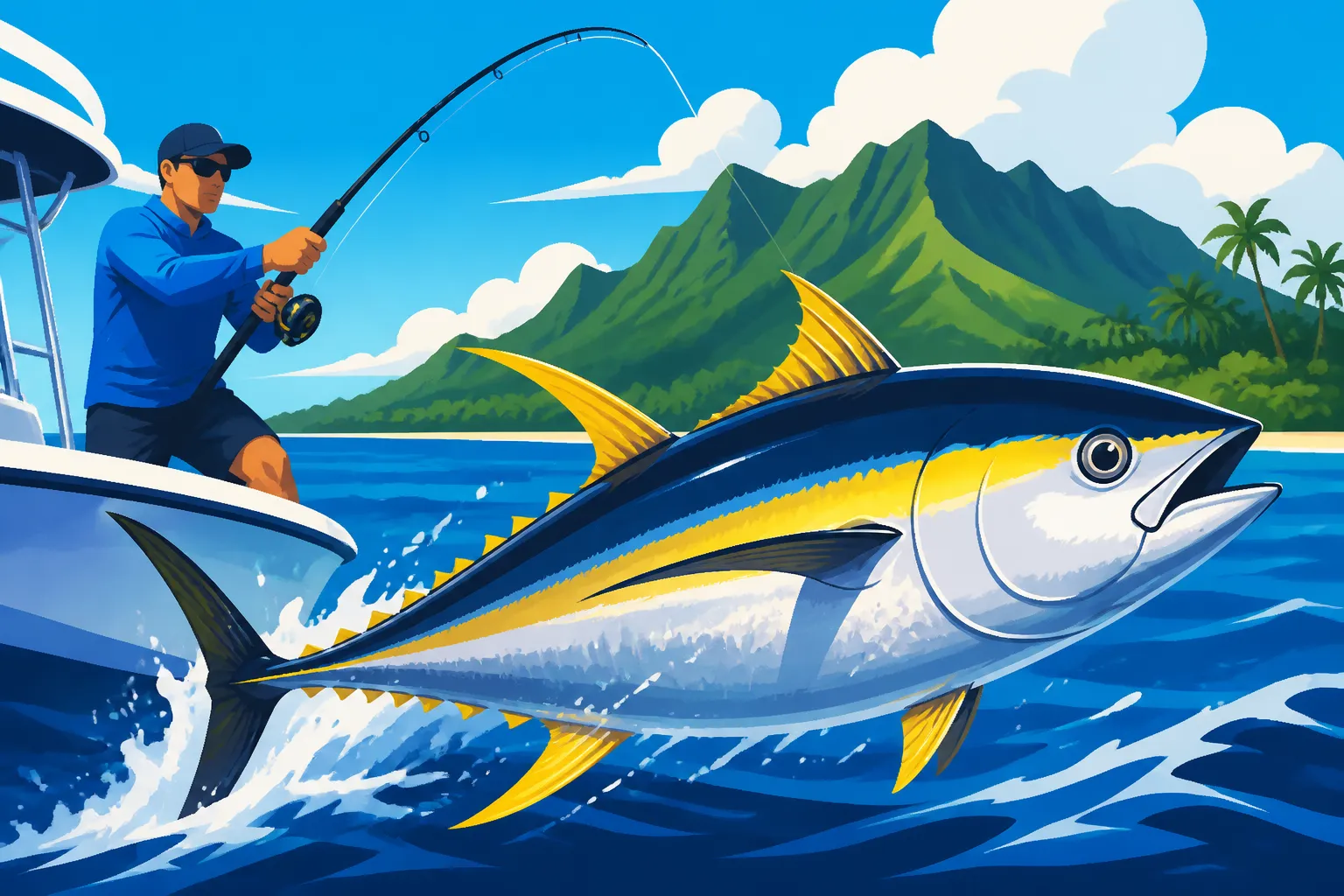
Ahi (Yellowfin Tuna) Fishing in Hawaii
Oh, the Ahi! There's a reason so many anglers, from seasoned locals to visiting enthusiasts, dream of hooking into one of these magnificent yellowfin tuna. Many folks come to Hawaii with a bucket list item: catching an Ahi, but they often underestimate the planning, the gear, and the sheer effort it takes. It's not just about luck; it's about understanding these powerful fish and their ocean environment. This comprehensive guide is here to demystify Ahi fishing in Hawaii, giving you the real scoop on how to target, hook, and land these incredible pelagic fighters.
Understanding the Elusive Ahi (Yellowfin Tuna)
Before we even think about dropping a line, it's crucial to get to know the star of the show: the Ahi. In Hawaii, "Ahi" specifically refers to yellowfin tuna, though it's sometimes used for bigeye tuna too. These aren't just any fish; they're apex predators, built for speed and power, and catching one is an experience unlike almost any other.
What Makes Ahi Such a Prized Catch?
The appeal of Ahi is multifaceted. First off, there's the sheer thrill of the fight. When an Ahi hits your line, it's not a subtle nibble; it's an explosion of raw power. They make blistering runs, often stripping hundreds of yards of line off your reel in seconds, testing both your tackle and your stamina. Many anglers describe the initial strike as akin to hooking a freight train – it's that intense. The battle can be a long, drawn-out affair, often lasting an hour or more for larger fish, requiring teamwork if you're on a charter, or sheer grit if you're fishing solo.
Beyond the adrenaline rush, Ahi are also renowned for their exceptional culinary value. They are among the most sought-after fish for sashimi and poke, famous for their vibrant red flesh and rich, clean flavor. There's a profound satisfaction that comes from bringing in a fish that you know will provide delicious meals for your family and friends, truly from ocean to table. The quality of Hawaiian Ahi is celebrated worldwide, making every catch a truly special bounty.
Finally, there's the mystique. Ahi are pelagic, meaning they live in the open ocean, often far from shore. This makes them challenging to find and even more challenging to consistently catch. They represent the wild, untamed spirit of the deep sea, and successfully targeting them feels like a true accomplishment, a testament to your skill and patience in reading the ocean's subtle clues.
Identifying Ahi: Yellowfin vs. Other Tunas
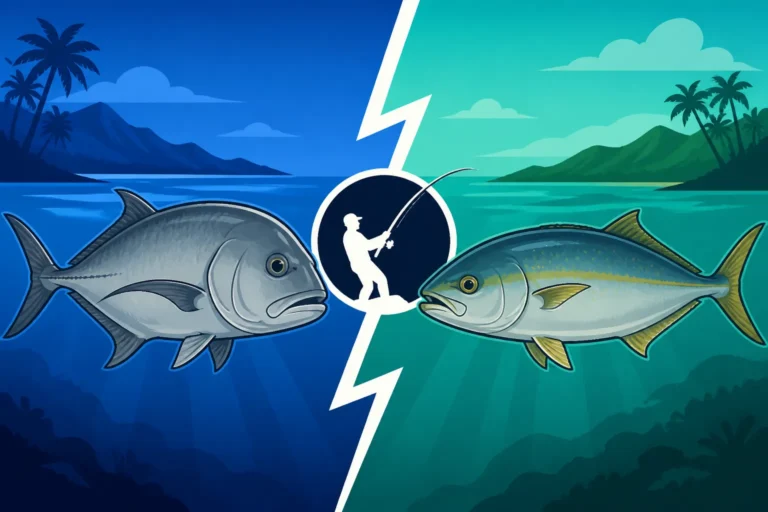
While "Ahi" is often used broadly, it's important to be able to distinguish yellowfin tuna (Thunnus albacares) from other tuna species you might encounter, like skipjack tuna (Aku) or bigeye tuna. Yellowfin are truly magnificent fish, recognizable by several key features. Their bodies are torpedo-shaped, perfectly designed for speed, tapering to a slender caudal peduncle (the narrow part of the body leading to the tail).
The most distinguishing characteristic, and the source of their name, are their bright yellow finlets running down their dorsal and ventral sides, leading to a deeply forked, crescent-shaped caudal (tail) fin, which is also yellow. Larger specimens will often display incredibly long, sickle-shaped dorsal and anal fins, which can sometimes extend almost to their tail. Their backs are typically dark metallic blue, fading to silver on their lower flanks and belly, often with a golden or yellow iridescent stripe running horizontally along their sides. Their eyes are relatively small compared to their body size, a good distinguishing feature from bigeye tuna, which, as their name suggests, have noticeably larger eyes.
In terms of size, yellowfin tuna can grow quite large. While schoolie Ahi might be in the 20-40 pound range, mature adults regularly reach 80-150 pounds, and true giants can exceed 200 pounds, sometimes pushing towards the 300-pound mark. Knowing these identification markers helps you understand what you've hooked and ensures you're adhering to any specific regulations tied to different tuna species. If you're unsure, it's always best to err on the side of caution and release, or consult a local expert. For a comprehensive look at various species, check out Pelagic Species Identification Guide for Hawaii.
Ahi Biology and Lifecycle
Ahi are fascinating creatures, perfectly adapted to their open ocean existence. They are highly migratory, constantly on the move in search of food and favorable conditions. Their diet is diverse, but they primarily feed on smaller fish, squid, and crustaceans. This means if you can find the bait, you're likely to find the Ahi. Common prey species in Hawaiian waters include mackerel scad (opelu), bigeye scad (akule), various small squids, and even flying fish.
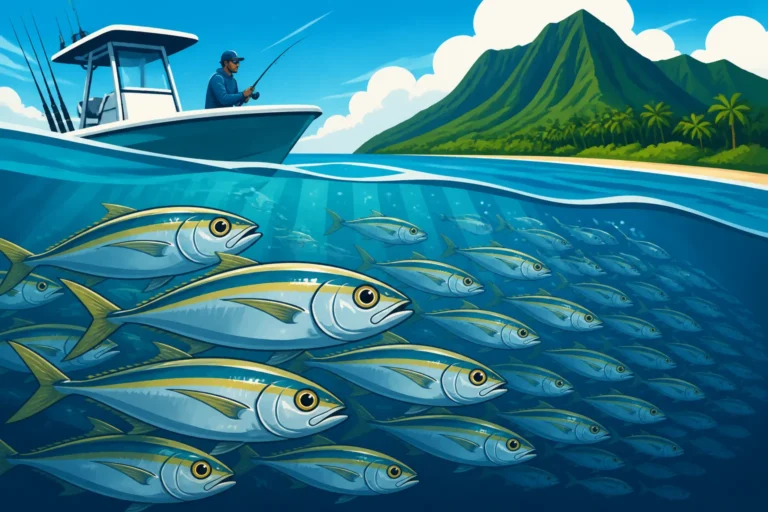
They are pelagic and tend to inhabit warmer tropical and subtropical waters, typically staying in the upper layers of the ocean, though they are capable of diving to considerable depths to hunt. Ahi often school with other tuna species, porpoises, or even whales, a behavior thought to be related to feeding efficiency and protection from predators. These schools can sometimes be massive, creating a frenzy of activity when they encounter a bait ball.
In Hawaii, Ahi are present year-round, but their abundance and specific locations can shift with ocean currents, water temperature, and bait availability. They are incredibly fast swimmers, capable of bursts of speed up to 45 mph, which is essential for chasing down their prey and evading sharks and other predators. Their lifecycle involves rapid growth, and they reach sexual maturity relatively quickly. Understanding these biological patterns is key to developing effective fishing strategies, allowing you to anticipate their movements and feeding behaviors.
When and Where to Find Ahi in Hawaiian Waters
One of the biggest questions for any aspiring Ahi angler is "When and where do I go?" The good news is that Hawaii offers fantastic Ahi fishing opportunities, but knowing the nuances of their movements and preferred habitats can dramatically increase your chances of success.
Ahi Migration Patterns Around Hawaii
While Ahi are technically present in Hawaiian waters year-round, there are certainly peak seasons and periods of higher abundance. Generally, the warmer months, roughly from late spring through fall (May to October), tend to be the most productive for larger Ahi. During this time, the ocean currents and water temperatures are often ideal, bringing in vast schools of baitfish that the Ahi key in on. However, don't discount the "off-season"; smaller schoolie Ahi can still be caught, and even large ones make appearances.
The influence of currents, particularly the Kuroshio Extension and various eddies, plays a huge role in bringing baitfish and, consequently, Ahi, into our local waters. These currents act like highways, carrying nutrients and marine life. Experienced captains spend years learning to read these oceanographic conditions. Understanding how different seasons affect species like Ahi is crucial, so consider diving into Hawaii Fishing Season Dates and Closures for a broader perspective.
For example, around the Big Island's Kona Coast, which is sheltered from prevailing tradewinds, the calm leeward waters often hold ahi year-round, but specific hot bites will occur. On Oahu, the FADs (Fish Aggregating Devices) become magnets for Ahi during their runs, especially when there's an abundance of bait. It's a dynamic system, and paying attention to local fishing reports and observing ocean conditions are invaluable.
Prime Ahi Fishing Grounds
Hawaii boasts several world-class Ahi fishing grounds, each with its own characteristics.
-
Kona Coast, Big Island: This is arguably the most famous spot, often dubbed the "Marlin Capital of the World," but it's also legendary for Ahi. The deep-water drop-offs are very close to shore here, creating prime hunting grounds. Charters depart from Honokohau Harbor and quickly reach depths where Ahi congregate. The deep currents and abundance of bait make this area incredibly productive. Many state record ahi were caught off this coast.
-
Oahu's FADs and Deep Ledges: Around Oahu, the network of FADs (Fish Aggregating Devices) maintained by the state are Ahi magnets. These buoys provide structure in the open ocean, attracting baitfish and, in turn, larger predators like Ahi. Areas off the leeward coast (e.g., west of Ko Olina, off Makapuu) and northern shores can be highly productive. Deep underwater ledges and seamounts away from the immediate coast are also key spots.
-
Maui's Channels and Banks: Maui's geography, with its deep channels between islands (e.g., the ‘Alalākeiki Channel between Maui and Kahoʻolawe, or the ʻAuʻau Channel between Maui and Lanai), creates significant current breaks and upwellings that concentrate bait and attract Ahi. The backside of Molokai also holds incredible potential. Fishing around these deep water structures can be incredibly rewarding.
-
Kauai's Offshore Waters: While perhaps not as globally renowned as Kona, Kauai offers fantastic Ahi fishing, especially offshore. The deep waters rapidly drop off around the Garden Isle, providing excellent opportunities for trolling and jigging for Ahi. Targeting the FADs further offshore from Nawiliwili Harbor can lead to some truly impressive catches.
No matter which island you're on, the common theme is deep, blue water, often near submerged structure or FADs, where baitfish are abundant. For more specific insights into how these fish migrate, be sure to read Ahi Migration Patterns Around Hawaii.
Best Time of Day for Ahi
Ahi are primarily visual predators, and like many pelagic species, they often feed most aggressively during periods of low light. This makes dawn and dusk prime times for targeting them.
-
Dawn Patrol: Just as the sun begins to peek over the horizon, the ocean comes alive. Baitfish become active, and Ahi seize the opportunity to feed before the full brightness of the day. This "grey light" period, often from thirty minutes before sunrise to an hour or two after, can be incredibly productive. Many offshore charters will depart well before dawn to be on their chosen grounds as the first light appears.
-
Dusk Dash: Similarly, as the sun dips towards the horizon in the late afternoon and early evening, Ahi often resume their feeding frenzy. The decreasing light offers them an advantage over their prey. This can be a great time for a productive trolling run on the way back to the harbor, or a final push on the FADs.
-
Moon Phases: While Ahi can be caught throughout all moon phases, many experienced anglers believe that the full moon and new moon periods can influence their feeding. During a full moon, the extended nighttime brightness might allow them to feed more throughout the night, making them less aggressive during the day. Conversely, a new moon's darker nights might push their feeding more towards dawn and dusk. However, this isn't a hard and fast rule; Ahi will feed whenever the opportunity arises, regardless of the moon phase. What truly matters is finding the bait and favorable ocean conditions.
Even during the middle of the day, if you find a strong current line, a temperature break, or a school of bait getting harassed by birds, Ahi can be caught. The key is to be persistent and adapt to what the ocean is telling you.
Essential Gear for Ahi Fishing
Catching an Ahi isn't a light tackle affair. These fish are built for power and endurance, and your gear needs to match that intensity. Skimping on tackle is a surefire way to end up with a broken heart and an empty cooler.
Rods, Reels, and Line
When it comes to Ahi, you're looking for heavy-duty, robust equipment designed to handle big, powerful fish.
-
Rods: Stand-up rods in the 50 to 80-pound class are standard for Ahi. These rods are typically shorter, around 5.5 to 6.5 feet, with a fast action to effectively fight the fish while maintaining angler control. Look for rods with strong guides that can withstand the immense pressure of braid or heavy mono, and a comfortable foregrip for those long battles. If you're planning to deep drop for Ahi (though less common than trolling/jigging), you might use specialized deep-drop electric reels.
-
Reels: Conventional reels are the go-to choice. You'll want something with a high line capacity (at least 500-800 yards of line), a smooth, powerful drag system that can withstand sustained pressure, and robust gearing. Popular choices include lever drag reels that allow for quick adjustments during the fight. Brands like Shimano, Penn, and Daiwa offer excellent options in the 50W, 80W, or even 130W classes for serious Ahi hunting.
-
Line: The debate between braided line and monofilament is ongoing, but many Ahi anglers opt for a combination.
- Braided Line (Main Line): Many reels are spooled with heavy braided line (e.g., 80-130 lb test) as the main line. Braid offers incredible strength-to-diameter ratio, zero stretch for maximum sensitivity and hook-setting power, and allows for greater line capacity on the reel.
- Monofilament Topshot: To this braid, a long top shot of heavy monofilament (e.g., 80-150 lb test, often 100-200 yards long) is typically spliced. Mono provides stretch, which acts as a shock absorber during violent head shakes and long runs, reducing the chance of pulling hooks or breaking gear. It's also more abrasion-resistant around the boat or fish's fins than braid.
- Leader: Finally, a heavy fluorocarbon or monofilament leader (150-300 lb test) is used at the business end, offering increased abrasion resistance and stealth. The length of this leader can vary depending on the technique, but typically ranges from 15 to 30 feet for trolling.
Matching your rod, reel, and line effectively is critical for success and safety when battling these powerful fish.
Lures and Baits for Ahi
Ahi are opportunistic feeders, so having a variety of lures and baits is crucial. The key is to "match the hatch"—use what the Ahi are currently feeding on.
-
Trolling Lures: These are a staple for Ahi fishing.
- Skirted Lures: These come in an endless array of colors and sizes. Darker colors like purple, black, and blue are often effective, especially in clear blue water, mimicking squid or larger baitfish. Lighter, brighter colors like pink, green, or chartreuse can work well in cloudy conditions or during low light. Sizes typically range from 7 to 12 inches, sometimes larger for trophy Ahi. Popular choices often have concave or angled heads to create enticing smoke trails and erratic swimming actions. You can find a huge selection of high-quality trolling lures, skirts, and heads on Amazon for a good price, allowing you to experiment without breaking the bank.
- Plugs/Hard Baits: Large diving or floating plugs that imitate substantial baitfish can also be very effective, especially when Ahi are feeding on larger prey.
- Feathers: Simple, fast-trolled feather lures can be deadly, particularly for smaller schoolie Ahi, mimicking fast-moving baitfish.
-
Live Bait: There's nothing quite like live bait to entice a wary Ahi.
- Opelu (Mackerel Scad): This is a premier Ahi bait in Hawaii, caught using sabiki rigs or cast nets. A lively opelu drifted in a chum line is often irresistible.
- Akule (Bigeye Scad): Another excellent baitfish, akule are hardy and have a strong presence in the water.
- Squid: Fresh or live squid can be incredibly effective, especially when Ahi are focused on cephalopods.
-
Dead Bait/Chunking:
- Ballyhoo: While perhaps more common for marlin, well-rigged ballyhoo can be effective for Ahi, often trolled or slow-drifted.
- Cut Bait/Chunks: Creating a "chum line" with chunks of bait like opelu, mackerel, or even previously caught smaller fish, and then drifting a hook bait among them is a highly productive method, especially when fishing over deep-water structure or around FADs. This method creates a feeding frenzy and draws Ahi to your boat. For more on this, check out Best Bait for Ahi Fishing.
-
Jigs: Heavy, metal vertical jigs (often 200-500g or more) are fantastic for deep jigging, especially when Ahi are holding deep or around FADs. Speed jigs, slow-pitch jigs, and butterfly jigs all have their place, mimicking wounded baitfish.
Terminal Tackle and Accessories
The right terminal tackle and accessories are just as important as your rod and reel setup.
-
Hooks: You'll need extremely strong, sharp, large-gauge hooks. Circle hooks are often preferred, especially when live baiting, as they tend to hook fish in the corner of the mouth, reducing gut hooks and improving release survival if you're practicing catch-and-release. J-hooks are also widely used, especially with trolling lures. Sizes typically range from 8/0 to 14/0 or larger.
-
Swivels and Snaps: High-quality, heavy-duty ball bearing swivels (rated for hundreds of pounds) are essential to prevent line twist, especially when trolling or jigging. Strong snaps (e.g., coastlock snaps) allow for quick lure changes.
-
Leader Material: As mentioned, heavy fluorocarbon or monofilament leader is crucial for abrasion resistance against the Ahi's rough skin, fins, and powerful jaws.
-
Gaffs: A flying gaff with a long handle (6-8 feet) and a sharp, sturdy hook is essential for safely boating large Ahi. You'll typically need two gaffs for larger fish.
-
Gloves and Fighting Belts: A good pair of fighting gloves will protect your hands from line burns, especially when handling a fish at the boat. A fighting belt or harness distributes the strain of a long fight from your arms to your back and legs, making a huge difference in endurance.
-
Line Cutters and Pliers: Heavy-duty wire cutters or strong pliers are a must-have for cutting heavy leader material and removing hooks.
-
Coolers and Ice: Once you land an Ahi, immediate and proper care is crucial for maintaining the quality of the meat. Large coolers filled with ice slurry are essential to bleed, gut, and chill your catch quickly.
Remember, every component in your fishing system is a link in a chain. A single weak link can mean a lost fish. Investing in quality terminal tackle, easily found on platforms like Amazon, is a wise decision.
Proven Ahi Fishing Techniques
Ahi are intelligent, powerful, and fast. To consistently catch them, you need a diverse set of techniques in your arsenal. The most effective approach often involves combining several methods, adapting to what the fish are doing on any given day.
Trolling Techniques for Ahi
Trolling is perhaps the most common and effective method for locating and catching Ahi in Hawaii's open waters. It involves dragging a spread of lures or baits behind a moving boat, covering a lot of ground until you find active fish.
-
The Lure Spread: A typical Ahi trolling spread involves multiple lines, usually 4-6, with lures positioned at different distances and depths behind the boat. This creates a "school" of lures, increasing visibility and simulating baitfish activity.
- Long Corner/Short Corner: These are your closest lures, often larger, heavier lures that dig in and create a lot of commotion.
- Long Rigger/Short Rigger: These lures are deployed from outriggers, spreading them wider from the boat's wake and allowing for a longer drop-back on the strike.
- Shotgun: This lure is run far back, usually down the center, often a smaller, fast-moving lure.
- Center Rigger: If you have a center rigger, it allows for another lure in the middle of the spread.
The goal is to create a dynamic, enticing presentation without tangles.
-
Speed and Location: Trolling speeds for Ahi typically range from 6 to 10 knots, but this can vary depending on sea conditions, lure type, and what the fish prefer on a given day. Experiment with speed until you find what triggers bites. Focus your trolling efforts around FADs, current lines, temperature breaks, color changes in the water, or areas where you see bird activity or floating debris. These are all signs of concentrated bait and potential Ahi presence.
-
Lure Action and Color: Observe how your lures are performing in the water. Are they swimming correctly? Are they creating the desired splash and bubble trail? Match lure colors to local baitfish or conditions – darker colors for clear days, brighter colors for overcast. Don't be afraid to switch lures if one isn't producing. For a deeper dive into trolling for other pelagics, check out Trolling Techniques for Hawaii Pelagics.
Live Baiting and Chunking for Ahi
When Ahi are finicky or holding in a specific area, live baiting and chunking can be incredibly effective, bringing the fish directly to your boat.
-
Live Baiting: This method is deadly, especially around FADs or over seamounts where Ahi are known to congregate. You'll need a livewell to keep your baitfish (like opelu or akule) frisky.
- Deployment: Hook your live bait through the nose, back, or anal fin, depending on how lively you want it to swim and how deep you want it to go.
- Drifting: Drift your live baits either unweighted or with a small amount of lead to get them to the desired depth. You can free-line them, allow them to swim naturally, or send them down a chum line. The natural action of a struggling live bait is often irresistible to an Ahi.
-
Chunking (Chumming): This technique involves creating a steady stream of cut bait (chunks) to attract Ahi to your boat and into a feeding frenzy.
- The Chum Line: Start a slow drift. Regularly toss out small, bite-sized pieces of cut bait (sardines, mackerel, opelu, or even skipjack tuna) into the current. The scent and visual appeal will draw Ahi up the chum line.
- Bait Presentation: Prepare a "hook bait" that perfectly matches the chum pieces. Conceal a strong, sharp hook (often a circle hook) within a chunk of bait. Send this hook bait down the chum line, allowing it to drift naturally with the other chunks. The goal is for the Ahi to see it as just another piece of free food.
- Patience and Readiness: Chunking requires patience. The Ahi may take time to find the chum line, but once they do, the bite can be furious. Keep a close eye on your line, as strikes can be subtle or explosive. Make sure your drag is set correctly. For more detailed insights, see Best Techniques for Chumming for Ahi.
Jigging for Ahi
Jigging is a highly interactive and effective method, especially for Ahi holding deeper down or around structure like FADs. It's often used when trolling isn't producing or when you've marked fish on your sonar.
-
Vertical Jigging: This involves dropping heavy metal jigs (often 200-500 grams, or even more for very deep water) straight down to the desired depth where Ahi are marked.
- The Action: Once the jig reaches depth, you vigorously work it up and down through the water column with a series of sweeps, pauses, and drops. This action mimics a wounded baitfish, flashing and fluttering to attract attention.
- Speed Jigging vs. Slow Pitch: Speed jigging involves fast, aggressive retrieves and drops, while slow-pitch jigging uses a more subtle, rhythmic lift and fall to make the jig flutter and quiver enticingly. Both can be effective, and often, Ahi will strike on the drop or pause.
-
Lure Choice: Butterfly jigs, knife jigs, and other vertical jigs in various colors (silver, blue, pink, glow-in-the-dark) are popular. The weight of the jig needs to be sufficient to get to the desired depth quickly and maintain its action in the current.
-
Technique Refinement: The key to successful jigging is finding the right rhythm and retrieve speed that the Ahi prefer on a given day. Don't be afraid to experiment. When you feel a strike, drop the rod tip briefly to allow the fish to take the jig fully, then set the hook with a strong upward sweep and start fighting. Jigging can be physically demanding, but the reward of a hard-fighting Ahi makes it all worthwhile.
Kite Fishing for Ahi
Kite fishing is an advanced technique, but it can be incredibly effective for presenting live or dead baits in a very natural way, keeping them on the surface without any line in the water to spook wary Ahi.
-
How it Works: A specialized fishing kite is flown from the boat, carrying your fishing line (and bait) out away from the vessel. The bait is suspended just at or slightly below the surface, often skipping and splashing, perfectly imitating a distressed flying fish or a struggling baitfish.
-
The Advantage: This presentation is particularly attractive to Ahi that are feeding on surface bait, as the bait appears completely unattached and natural. The kite keeps the line out of the water, making it virtually invisible to the fish, which can be critical for very shy or pressured Ahi.
-
Equipment: Kite fishing requires specialized gear, including a durable fishing kite, a release clip system, a helium balloon (for no-wind days), and dedicated kite rods and reels. It's a technique best learned from experienced hands, as rigging and deploying can be tricky, especially in Hawaii's sometimes variable wind conditions. When done correctly, however, it offers a unique advantage and can result in spectacular, explosive surface strikes from big Ahi.
Safety and Regulations for Ahi Anglers
Fishing in Hawaii is an incredible experience, but it comes with responsibilities. Understanding and adhering to local regulations and prioritizing safety are paramount for both your well-being and the sustainability of our precious marine resources.
Hawaii Fishing Regulations Explained
Ignorance of the law is never an excuse, especially in Hawaii where marine life is so vital to the culture and ecosystem. The Hawaii Department of Land and Natural Resources (DLNR), Division of Aquatic Resources (DAR), sets specific regulations for recreational fishing, including bag limits, size limits, and gear restrictions for various species.
- Pelagic Species Rules: While Ahi (Yellowfin Tuna) generally have more liberal regulations than some reef fish, it's still crucial to be aware of any specific guidelines. For instance, there might be maximum retention limits for highly migratory species, although Ahi are typically managed differently than billfish. It's rare for Ahi to have strict size or bag limits for recreational anglers, but it's not unheard of, and rules can change.
- Staying Informed: Before every trip, it's your responsibility to check the most current regulations. The DLNR website is your primary resource. You can often pick up regulation pamphlets at tackle shops or DLNR offices. Never assume; always verify. Penalties for violations can range from significant fines to confiscation of catch and gear. To ensure you're fully up-to-date on all the rules, make sure you consult Hawaii Fishing Regulations Explained and specifically for Ahi and other offshore species, Hawaii Pelagic Species Bag Limits.
Boating Safety and Protocols
The open ocean is beautiful but can also be unforgiving. Safety should always be your top priority, whether you're on a private boat or a charter.
-
Essential Safety Gear:
- Life Jackets (PFDs): Ensure you have enough Coast Guard-approved life jackets for everyone on board, readily accessible. Children must wear them at all times. For detailed requirements, check Life Jacket Requirements for Hawaii Boaters.
- VHF Radio: A properly functioning VHF radio is essential for communication with other boats, the Coast Guard, and shore. Cell phones are unreliable far offshore.
- EPIRB/PLB: An Emergency Position Indicating Radio Beacon (EPIRB) or Personal Locator Beacon (PLB) is a critical piece of safety equipment that can transmit your location to rescue authorities in an emergency.
- Flares/Signal Mirror: Visual distress signals are vital for attracting attention.
- First-Aid Kit: A well-stocked kit for common injuries, seasickness, and other emergencies.
- Fire Extinguisher: Necessary for any boat with an engine.
-
Weather Monitoring: The ocean weather can change rapidly in Hawaii. Always check the forecast before heading out and continue monitoring conditions via VHF weather channels or satellite weather apps if available. Don't hesitate to turn back if conditions deteriorate.
-
Float Plan: Always tell someone on shore where you are going, what time you expect to return, and who is with you. This "float plan" is crucial in case you don't return on schedule.
-
Know Your Boat: Be familiar with your vessel's capabilities, limitations, and all its systems. Ensure everyone on board knows basic safety procedures, like how to operate the radio or where life jackets are stored.
Handling and Care of Your Ahi Catch
Once you've successfully landed an Ahi, the work isn't over. Proper handling immediately after the catch is critical to preserve the quality of the meat, especially if you plan on enjoying it as sashimi or poke.
-
Bleeding (Ike Jime): This is the most crucial step. As soon as the Ahi is onboard, cut the gill arches or sever the caudal artery (located at the tail) to allow the fish to bleed out completely. This process removes lactic acid and blood from the muscle tissue, which significantly improves flavor, texture, and shelf life. A well-bled Ahi will have clean, firm, brightly colored meat.
-
Gutting and Icing: After bleeding, carefully gut the fish, removing all internal organs. Rinse the body cavity with saltwater. Then, immediately pack the body cavity and surround the fish entirely with an ice slurry (a mix of ice and saltwater). The goal is to rapidly chill the fish's core temperature down to around 32-34°F (0-1°C). This rapid chilling prevents spoilage and bacteria growth.
-
Protect from Sun and Heat: Keep your Ahi out of direct sunlight and away from any heat sources. Maintain a constant cold temperature in a well-insulated cooler until you can process it further.
-
Filleting and Storage: Once ashore, fillet the Ahi promptly. Cut away any bloodline or bruised meat. Store the fillets or portions in airtight bags on fresh ice in a cooler, or vacuum-seal and freeze them for longer storage. The care you take in these initial moments will make all the difference between a good piece of fish and an exceptional one.
Local Knowledge and Tips for Success
Beyond gear and techniques, understanding the nuances of the Hawaiian ocean environment and leveraging local wisdom can significantly elevate your Ahi fishing game. Hawaii's waters have a unique rhythm, and learning to tune into it is key.
Reading the Ocean
The ocean communicates in subtle ways, and successful Ahi anglers are often those who can "read" these signs.
- Water Color and Clarity: Look for distinct color changes in the water. Clear, deep blue water is typically where Ahi roam. A noticeable line where clear blue water meets murkier green water can indicate a current break, which often concentrates baitfish and, consequently, predators.
- Current Lines and Eddies: Visible current lines, often marked by floating debris or a ripple in the surface, are prime areas. These convergence zones act like conveyor belts, bringing food together and attracting Ahi. Eddies, or circular currents, can also be highly productive, as they trap bait.
- Bird Activity: This is perhaps one of the most reliable indicators of feeding Ahi. Frigatebirds, boobies, and terns circling or diving sharply often signal that baitfish are being pushed to the surface by predators from below. A "boil" on the surface with birds diving into it is a clear sign that Ahi (or other tuna) are actively feeding. Pay attention to the type of bird and their behavior; some birds just follow boats, while others are serious hunters.
- Floating Debris: Any large piece of floating debris – a log, a pallet, a cluster of nets – can act as its own mini-FAD, attracting small fish, which in turn attract larger predators. Always check these floating structures, as they can hold a surprising amount of life.
Learning to interpret these signs takes time and experience, but cultivating a keen eye for subtle changes in the ocean surface will pay dividends.
Utilizing Fish Aggregating Devices (FADs)
Hawaii's FAD program is a fantastic resource for anglers, specifically designed to aggregate pelagic fish like Ahi, marlin, and mahimahi. These buoys are moored in deep water, often dozens of miles offshore, and act as artificial reefs in the open ocean.
- How FADs Work: The FADs provide structure and shelter in an otherwise featureless ocean, attracting plankton, small baitfish, and eventually larger predatory fish. They essentially create an ecosystem that Ahi actively seek out.
- Fishing FADs Effectively: You can approach FADs with various techniques:
- Trolling: Troll your lure spread around the FAD at various distances, from very close to a mile or more out. Ahi might be holding deep directly under the FAD or cruising in the surrounding waters.
- Live Baiting/Chunking: Drift live baits or chunk around the FAD. The scent and visual of the chum can draw Ahi up from the depths directly to your boat.
- Jigging: If you see fish marked on your sonar directly under the FAD, vertical jigging can be incredibly effective.
- FAD Etiquette: Remember that FADs are public resources. If another boat is actively fishing a FAD, give them ample space. Don't motor directly over their lines or cut them off. It's common courtesy to troll around the FAD in a counter-clockwise direction to avoid conflicts. Patience and respect are key to sharing these valuable spots.
Chartering for Ahi
For many visitors or those new to offshore fishing, a charter boat is the best way to experience Ahi fishing in Hawaii.
- Benefits of a Guide:
- Local Expertise: Charter captains and crews have spent years, often decades, learning the local waters, fish patterns, and specific techniques that work on any given day. They know where to go, when to go, and what to use.
- Top-Notch Gear: Charters provide all the necessary, well-maintained, heavy-duty tackle required for Ahi fishing. This saves you the considerable expense of buying specialized gear.
- Safety and Experience: Reputable charters prioritize safety, are equipped with all necessary safety gear, and have experienced crew members who know how to handle emergencies and large fish.
- Increased Chances of Success: While nothing is guaranteed in fishing, going with a skilled crew significantly increases your odds of hooking an Ahi.
- What to Expect: Most Ahi charters are full-day trips, departing early in the morning. You'll likely be trolling, but the captain might switch to live baiting or jigging if conditions warrant. Be prepared for a long day on the water and potentially a challenging fight. The crew will typically handle all the rigging, gaffing, and initial fish care.
- Choosing a Charter: Look for reputable charters with good reviews. Ask about their Ahi success rates, their approach to fishing (e.g., catch-and-release versus keeping fish), and what's included in the price. Consider whether you prefer a private charter (just your group) or a shared "split" charter (less expensive, but you fish with others). For comprehensive advice on selecting the right trip, refer to Best Fishing Charters in Hawaii and How to Choose a Hawaii Fishing Charter. Remember, the crew works hard; proper tipping etiquette is customary for good service.
Beyond the Catch: Enjoying Your Ahi
Successfully landing an Ahi is a monumental achievement, but the experience truly culminates in enjoying the fruits of your labor. Ahi is not just a fish; it's a culinary treasure.
Culinary Delights of Ahi
The versatility and exquisite flavor of Ahi make it one of the most prized seafoods globally. Its rich, buttery, firm flesh is a canvas for countless preparations.
- Sashimi and Poke: This is arguably the purest way to enjoy fresh Hawaiian Ahi. When handled correctly, the raw meat is unparalleled. Slice thin pieces for sashimi, or cube it for traditional Hawaiian poke, seasoned simply with shoyu (soy sauce), sesame oil, green onions, and limu (seaweed), or with spicier flavors like chili pepper and sriracha mayo. The freshness makes all the difference here, so refer to your proper handling steps earlier!
- Seared Ahi: For those who prefer it lightly cooked, a quick sear is fantastic. Sear each side for just a minute or two, leaving the center beautifully rare. This creates a delicious crust while maintaining the tender, melt-in-your-mouth interior. Serve with a soy-ginger reduction or a wasabi cream sauce.
- Grilled Ahi: Thicker steaks of Ahi can be grilled. Keep the cooking time short to avoid drying out the fish. A little olive oil, salt, and pepper are often all you need to highlight its natural flavor.
- Other Preparations: Ahi is also excellent in tacos, salads, stir-fries, or even as a base for a light fish soup. The possibilities are endless. There's a profound satisfaction in sharing a meal that you personally harvested from the vast Pacific.
Conservation and Sustainable Practices
As anglers, we have a responsibility to protect the marine resources that bring us so much joy. Responsible fishing practices ensure that future generations can also experience the thrill of Ahi fishing.
- Catch and Release: While many Ahi are kept for their excellent table fare, consider practicing catch and release for smaller fish or if you've already met your personal consumption needs. For successful release, handle the fish as little as possible, minimize its time out of the water, and ensure it's revived and swimming strongly before letting it go. Using circle hooks can also increase release survival rates by reducing gut hooking.
- Respecting Regulations: Adhere strictly to all Hawaii fishing regulations, including any bag limits or size restrictions. These rules are in place to help manage fish populations sustainably.
- Minimize Waste: If you keep a fish, utilize as much of it as possible. Even parts not suitable for prime fillets can often be used for soups, stocks, or fish meal.
- Support Research: Consider participating in citizen science programs or supporting organizations dedicated to marine research and conservation. Understanding Ahi populations and their movements is vital for effective management.
- Be a Responsible Boater: Avoid polluting the ocean with trash, fuel, or other contaminants. Be mindful of marine mammals and protected species, giving them ample space.
By combining an adventurous spirit with a deep respect for the ocean and its inhabitants, you can ensure that Ahi fishing remains a cherished activity in Hawaii for years to come.
Here's a quick comparison of popular Ahi fishing techniques:
| Technique | Description | Target Depth | Best Conditions | Pros | Cons |
|---|---|---|---|---|---|
| Trolling | Dragging lures or baits behind a moving boat. | Surface to Mid-depth | Locating active fish, covering wide areas | Covers a lot of water, effective for actively feeding fish, less physically demanding | Requires boat, can be slow, less interactive |
| Live Baiting | Drifting live baitfish (e.g., opelu) naturally in the water. | Mid-depth to Deep | FADs, marked fish, when Ahi are finicky | Highly effective for wary fish, natural presentation, strong strikes | Requires live bait, slower pace, less coverage |
| Chunking | Creating a chum line with cut bait to draw Ahi to the boat. | Mid-depth to Deep | FADs, marked fish, when Ahi are holding deep | Can create a feeding frenzy, attracts fish from a distance, good for multiple hook-ups | Can be messy, requires a lot of bait, slow pace, attracts sharks |
| Vertical Jigging | Dropping heavy metal jigs and working them vigorously through the water. | Mid-depth to Deep | Marked fish, FADs, when Ahi are holding in a specific area | Very interactive, excellent for deep-holding fish, physically engaging | Physically demanding, limited coverage, requires specific jigging gear |
| Kite Fishing | Suspending live or dead bait from a kite on the surface. | Surface | Calm seas, good wind, when Ahi are feeding on surface bait | Extremely natural presentation, keeps line out of water, exciting surface strikes | Requires specialized gear, can be complex, weather-dependent |
Disclaimer
This article is for general informational purposes only and does not constitute professional advice. Laws, prices and regulations vary by location and change over time. Consult a qualified professional for guidance on your specific situation.