Channel Catfish in Hawaii’s Reservoirs
Many anglers dream of battling a majestic marlin off the Kona Coast or chasing bonefish on Oahu's shallow flats. But for those of us who love the tug of a different kind of fish, and prefer the calm serenity of freshwater, Hawaii offers a hidden gem: channel catfish. If you've ever felt like freshwater fishing is overlooked here, or struggled to find reliable information on where these whiskered warriors lurk, this guide is for you. We're diving deep into the world of channel catfish in Hawaii's reservoirs, revealing the best spots, techniques, and everything you need to know for a successful outing.
Understanding Channel Catfish in Hawaii's Ecosystem
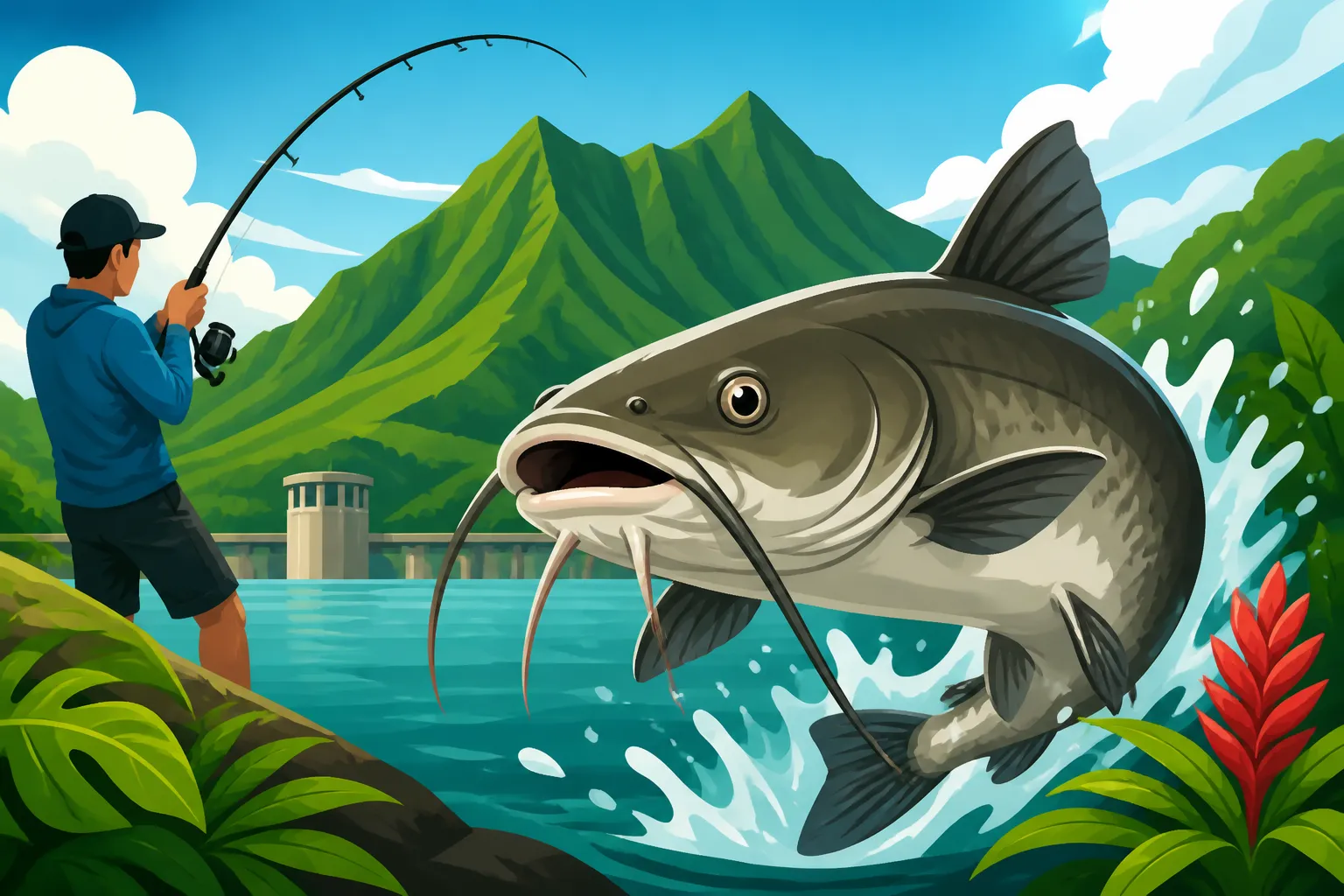
Channel catfish (Ictalurus punctatus) might not be native to the Hawaiian Islands, but they've found a comfortable home in some of our freshwater reservoirs. Their introduction, like many non-native species, was part of efforts to create sportfishing opportunities and diversify the aquatic ecosystems for recreational purposes. These fish are known for their distinctive forked tails, smooth, scaleless skin, and, of course, those prominent barbels around their mouths that act like highly sensitive whiskers, helping them find food in murky waters or at night.
Their Introduction and Spread
The journey of channel catfish to Hawaii is a fascinating one, rooted in the desire to provide residents and visitors with a different kind of angling experience. Unlike the teeming marine life, Hawaii's natural freshwater systems are relatively limited in large sportfish. Recognizing this, various aquatic management programs introduced channel catfish to suitable reservoirs, primarily on Oahu. These introductions were carefully planned to ensure the species could thrive without devastating the local ecology, focusing on impoundments where their impact could be managed.
Once introduced, channel catfish proved remarkably adaptable. They're resilient fish, capable of handling a range of water conditions and feeding on a diverse diet. This hardiness allowed them to establish self-sustaining populations in several key reservoirs, creating the unique freshwater fishing opportunities we enjoy today. Their presence adds another layer to Hawaii's diverse fishing landscape, complementing the well-known ocean fisheries and offering a tranquil alternative.
Ideal Habitats and Behavior
Channel catfish are bottom-dwellers by nature, preferring deeper, murky waters with plenty of cover. In Hawaii's reservoirs, this translates to areas around submerged structures like old trees, rock piles, drop-offs, and even man-made debris. They're often found lurking in the cooler, deeper sections during the heat of the day, becoming more active and moving into shallower feeding grounds as the sun sets or on overcast days.
Their diet is incredibly varied, making them opportunistic feeders. They'll munch on everything from insects, crustaceans, and smaller fish to decaying plant matter and even detritus. This adaptability in diet is a big part of why they've done so well here. Understanding these behaviors is key to successful targeting, as it informs where you cast your line and what bait you present. They're often most active in low light, making early mornings, late evenings, and even night fishing prime times to chase these freshwater giants.
Top Reservoirs for Channel Catfish in Hawaii
While Hawaii is undeniably famous for its ocean bounty, there are a few freshwater havens where channel catfish truly shine. Knowing where to go is half the battle, especially when you're looking for that unique freshwater experience in the middle of the Pacific. These reservoirs offer not just a chance at catfish, but often a peaceful escape from the hustle and bustle.
Wahiawa Public Fishing Area, Oahu
Without a doubt, Wahiawa Public Fishing Area on Oahu stands as the premier destination for freshwater fishing in Hawaii, and that absolutely includes channel catfish. This expansive reservoir, managed by the Department of Land and Natural Resources (DLNR), is a true paradise for landlocked anglers. It's known for its diverse freshwater population, and catfish are a significant part of that draw. Many local anglers consider it a reliable spot, especially for those looking to target bigger specimens.
The reservoir's unique topography, with its varying depths, submerged trees, and muddy bottoms, creates perfect conditions for channel catfish to thrive. Access points are generally good, and there are areas suitable for both bank fishing and small boats, though specific rules apply to boat usage, so always check the Hawaii Wahiawa Reservoir Fishing Rules before heading out. Anglers often report the best catfish action in the deeper channels and around the many submerged structures that dot the reservoir. It's truly a place where you feel like you're stepping into a completely different side of Hawaii's fishing scene.
Other Potential Freshwater Spots
While Wahiawa is the undisputed champion, it's worth noting that other freshwater bodies across the islands might hold channel catfish, though often in smaller or less reliable populations. Some of the other reservoirs listed in guides like List of Hawaii freshwater fishing waters could potentially have them, especially if they share similar characteristics of deep, silty bottoms and good nutrient availability. However, these are often less actively managed for catfish specifically, and success rates can vary greatly.
For example, other reservoirs on Oahu, like Nuuanu, might have incidental catches, but they're not typically targeted for catfish. It's crucial to always verify current regulations and known species presence with the Hawaii DLNR Division of Aquatic Resources for any specific body of water you plan to visit, as conditions and stocking efforts can change. Don't be afraid to explore, but set your primary expectations on Wahiawa if you're serious about channel catfish. You might find a hidden gem, but always be prepared for the unknown.
Essential Gear and Techniques for Channel Catfish
Catching channel catfish in Hawaii's reservoirs isn't about fancy, expensive gear, but rather about having the right tools for the job and understanding how these bottom-feeders operate. The beauty of catfish fishing is its accessibility – you don't need a high-end setup to have a blast. A solid, reliable approach will serve you well, whether you're a seasoned angler or just starting out.
Rods, Reels, and Line
When it comes to tackle, think robust and dependable. Channel catfish can put up a surprisingly strong fight, especially the larger ones, so flimsy gear won't cut it.
- Rods: A medium to medium-heavy action spinning or casting rod, typically in the 6 to 7.5-foot range, is ideal. This length gives you enough leverage to cast your bait a good distance and enough backbone to handle a fighting fish. A rod with a sensitive tip is a bonus, helping you detect those subtle catfish bites that sometimes feel like just a tap. You can often find great value rods suitable for catfish on Amazon, with options that balance durability and performance.
- Reels: Pair your rod with a reliable spinning or baitcasting reel that has a smooth drag system. A reel in the 3000 to 5000 size (for spinning reels) or a sturdy baitcaster with a good line capacity is usually sufficient. A smooth drag is paramount, as it allows the fish to pull line when it runs, preventing snapped lines and lost fish.
- Line: Monofilament line in the 10-20 pound test range is a popular choice for its stretch and abrasion resistance, which is handy around submerged snags. For even more sensitivity and strength, some anglers opt for braided line of similar breaking strength, often paired with a monofilament or fluorocarbon leader. The leader helps with stealth and provides some shock absorption.
Best Baits and Rigs
Catfish are primarily scent-driven feeders, so your bait choice is crucial. They love stinky, natural, and sometimes even unusual offerings.
- Stink Baits: These are classic for a reason! Prepared stink baits, often cheese-based or blood-based, are incredibly effective. You can find these at local tackle shops or on Amazon.
- Natural Baits:
- Cut Bait: Pieces of oily fish, like mackerel or mullet, are fantastic. The scent trail they leave in the water is irresistible to catfish.
- Shrimp: Both fresh and frozen shrimp (peeled or unpeeled) work wonders. Their natural scent and texture are very appealing.
- Chicken Liver: A perennial favorite for many catfish anglers, chicken liver is notoriously messy but incredibly effective due to its strong scent and soft texture.
- Hot Dogs/Sausage: Believe it or not, pieces of hot dog or various sausages, especially those with strong garlic or spice profiles, can be surprisingly productive.
- Nightcrawlers/Worms: While not as "stinky" as some other options, a juicy wad of nightcrawlers can still entice a hungry catfish, especially smaller ones.
- Rigs: The most common and effective rig for channel catfish is a simple Carolina Rig or a Slip Sinker Rig. This involves a slip sinker (egg sinker or bullet weight) threaded onto your main line, followed by a bead (to protect your knot), then a swivel, and finally a leader (12-24 inches) with a strong hook. Hooks typically range from 1/0 to 5/0, depending on the size of the bait and the expected size of the fish. Circle hooks are often preferred as they promote jaw hooking, which is better for the fish if you plan to release it. Another option is a Santee Cooper Rig, which adds a small float above the hook to lift your bait slightly off the bottom, making it more visible and keeping it out of the muck.
Effective Fishing Techniques
Catfish fishing is generally a patient game, but a few techniques can increase your chances significantly.
- Bottom Fishing: This is the bread and butter of catfish angling. Cast your bait out, let it sink to the bottom, and wait. Catfish cruise the bottom, using their barbels to locate food by scent and touch. Keep your line slack enough to allow the fish to take the bait without immediate resistance, but taut enough to detect a bite. A rod holder can be your best friend here, letting you relax while you wait for the telltale tug.
- Fan Casting: If you're fishing from the bank, don't just cast to one spot. "Fan cast" your baits across a wide arc to cover more ground and increase the chances of hitting a catfish's patrol route. If you have multiple rods, spread them out to cover different depths or structural features.
- Targeting Structure: Remember, catfish love cover. Focus your efforts around any visible or suspected underwater structures: submerged trees, brush piles, rock formations, or sharp drop-offs. These are prime ambush points and hiding spots. When fishing in Wahiawa, look for areas with a lot of debris or noticeable changes in bottom contour.
- Night Fishing: As mentioned, channel catfish are largely nocturnal feeders. Fishing after dusk, or even through the night, can be incredibly productive. The cooler temperatures and reduced light levels make them more active and less wary. Just be sure to have a good headlamp and be aware of your surroundings, especially in unfamiliar territory.
Here's a quick comparison of popular catfish baits:
| Bait Type | Scent Level | Ease of Use | Durability on Hook | Target Size (Generally) |
|---|---|---|---|---|
| Chicken Liver | Very High | Low | Low | All |
| Cut Bait | High | Medium | Medium | Medium to Large |
| Shrimp (Fresh) | Medium-High | Medium | Medium | Small to Medium |
| Stink Baits | Very High | Medium | Medium | All |
| Nightcrawlers | Low | High | High | Small |
| Hot Dogs | Medium | High | High | Small to Medium |
Regulations and Conservation for Hawaiian Freshwater Fishing
Navigating the rules and regulations for freshwater fishing in Hawaii is just as important as knowing your baits and rigs. The Division of Aquatic Resources (DAR) within the Department of Land and Natural Resources (DLNR) oversees all fishing activities, both marine and freshwater. These rules are in place not just for conservation, but to ensure everyone can enjoy our aquatic resources responsibly and sustainably. Ignoring them isn't just irresponsible; it can lead to some hefty penalties.
Licensing Requirements
One of the first things you need to sort out before casting a line in any freshwater reservoir for channel catfish is your fishing license. Unlike ocean fishing, which has certain exemptions for residents, freshwater fishing in Hawaii generally requires a license for everyone of legal fishing age.
- Freshwater Fishing License: Whether you're a Hawaii resident or visiting, you'll need a specific freshwater game fishing license. These licenses are typically available for various durations, from short-term tourist licenses to annual options. The Hawaii Freshwater Game Fishing License Cost will vary depending on your residency status and the length of the license. For visitors, options like the Hawaii 7-day tourist freshwater license cost or Hawaii 30-day tourist freshwater license cost might be perfect for a vacation.
- Age Requirements: There are specific age requirements for when a license becomes mandatory. Generally, younger anglers might be exempt, which is wonderful for introducing kids to fishing. You can find detailed information on this in resources like Hawaii Freshwater License Age Requirements and What age requires a freshwater fishing license in Hawaii. It’s always best to check the current rules, as they can occasionally change.
- Where to Buy: Licenses are typically available online through the DLNR website or in person at authorized vendors across the islands. For a smooth experience, I always recommend checking out how to buy a Hawaii fishing license online before you head out, especially if you're on a tight schedule.
Species-Specific Rules and Bag Limits
Beyond the general license, specific rules might apply to channel catfish themselves, as well as other species you might encounter. These often include size limits, bag limits (how many fish you can keep), and sometimes even gear restrictions.
- Channel Catfish Rules: While channel catfish are an introduced species, they are a valuable recreational resource, and their populations are managed. There might be daily bag limits to ensure sustainable harvesting and to prevent overfishing of the most accessible areas. Always check the most current Hawaii Freshwater Fishing Regulations publication from the DLNR for any specific channel catfish regulations before you fish. These rules can be found in comprehensive guides like Hawaii Fishing Regulations Explained.
- Other Freshwater Species: While you're targeting catfish, you might encounter other species like largemouth bass, peacock bass, or tilapia, especially in places like Wahiawa. Each of these species can have its own set of rules. For example, Hawaii Largemouth Bass in Hawaii's Reservoirs or Hawaii Peacock Bass in Wahiawa Reservoir will give you insights into those specific regulations. Knowing these rules beforehand ensures you're fishing legally and contributing to the health of the fishery.
- Prohibited Methods: Certain fishing methods or types of gear are almost universally prohibited in freshwater to protect the resource. This can include netting (unless specifically permitted for baitfish), spearfishing, or the use of certain types of traps. Always err on the side of caution and stick to standard hook-and-line fishing with legal baits.
Responsible Angling Practices
Conservation isn't just about following the rules; it's about being a good steward of the environment. As anglers, we play a crucial role in maintaining the health of Hawaii's unique ecosystems.
- Leave No Trace: This is paramount. Pack out everything you pack in, and then some. Don't leave behind fishing line, bait containers, or any other trash. Our freshwater areas are pristine and should remain that way.
- Catch and Release (if desired): While channel catfish are excellent table fare, if you're not planning to keep them, practice responsible catch and release techniques. Minimize handling, use barbless hooks if possible, and return the fish to the water quickly and gently.
- Prevent Invasive Species Spread: Be extremely careful not to introduce any live bait or aquatic plants from one body of water to another. This is how many invasive species spread, and it can be devastating to a delicate ecosystem. "Clean, Drain, Dry" is a good motto for any boats, kayaks, or gear you use across different waters.
- Respect Private Property: Many fishing spots, even within public areas, might border private land. Always be mindful of property boundaries and obtain permission if you're unsure. Respecting local communities and landowners ensures continued access for all anglers.
Best Times to Fish for Channel Catfish
Timing can make all the difference when you're targeting channel catfish in Hawaii's reservoirs. While these fish are often hungry, certain conditions and times of day will make them much more active and willing to bite, greatly increasing your chances of success. Understanding these patterns is a key piece of the puzzle for any serious freshwater angler.
Seasonal Considerations
Unlike the more pronounced seasonal changes that affect many mainland fisheries, Hawaii's tropical climate means less dramatic shifts in fish behavior throughout the year. However, there are still subtle patterns.
- Year-Round Opportunity: Generally, you can target channel catfish in Hawaii year-round. The water temperatures in our reservoirs don't experience the extreme highs or lows that would shut down the bite for extended periods. This means you can plan a catfish trip almost any time you feel the urge.
- Warmer Months: While it's a year-round fishery, the warmer months (roughly May through October) can often see more consistent catfish activity, especially during the low-light hours. The metabolism of fish is higher in warmer water, meaning they need to feed more frequently. However, during the hottest part of these days, catfish will retreat to deeper, cooler sections of the reservoir.
- Cooler Months: In the slightly cooler months (November through April), catfish might be a bit less active overall, but they are still very catchable. They might concentrate in deeper holes or areas with stable temperatures. This can be a great time for a patient angler, as the fish might be less spread out and easier to locate with a good fish finder if you're boating.
Time of Day and Weather
This is arguably the most critical factor for channel catfish success in Hawaii. Catfish are not big fans of bright, direct sunlight.
- Dawn and Dusk: These are prime times for channel catfish. As the sun begins to rise or set, light levels drop, and the water often cools slightly. This prompts catfish to move from their deeper, daytime retreats into shallower feeding areas. The hour or two around sunrise and sunset are often the most productive.
- Night Fishing: If you're serious about catching bigger, more active catfish, night fishing is often your best bet. Under the cover of darkness, channel catfish become much bolder, cruising actively and using their incredible sense of smell and touch to find food. This is when they are least wary and most aggressively feeding. Just remember to bring adequate lighting, bug spray, and be mindful of your surroundings.
- Overcast Days: Don't let a cloudy, dreary day deter you! Overcast conditions mimic low-light periods, making catfish more comfortable moving about and feeding throughout the day. A light drizzle can also sometimes trigger a bite, as it washes insects and other food into the water.
- After Rain: While heavy runoff can make the water too murky and put fish off, a few days after a good rain, the increased water flow and influx of nutrients can actually stimulate catfish activity. They'll often gather near incoming water sources, waiting for food to be washed in.
- Barometric Pressure: Experienced anglers often pay attention to barometric pressure. Stable or rising pressure often signals good fishing conditions, while rapidly falling pressure (often before a storm) can make fish less active. However, sometimes right before a significant weather change, there's a burst of feeding activity. It's not an exact science, but something to keep an eye on.
Comparing Hawaii's Freshwater Game Fish
While channel catfish are a fantastic target, Hawaii's reservoirs are home to a diverse array of freshwater game fish, each offering a unique angling experience. Understanding the differences between these species can help you tailor your approach, whether you're looking for a hard-fighting sportfish or something for the dinner table. Many of these species coexist in the same waters, making for exciting multi-species days.
Channel Catfish vs. Largemouth Bass
These two species often share habitats in Hawaii's reservoirs, but they couldn't be more different in their habits and the way anglers target them.
- Channel Catfish:
- Behavior: Bottom-dwelling, scent-driven feeders. More active in low light (dawn, dusk, night) and in murkier water.
- Diet: Omnivorous scavengers, eating anything from insects and crustaceans to dead bait and prepared stink baits.
- Fight: Strong, steady pull, often digging to the bottom. Can be quite powerful, especially larger individuals.
- Targeting: Best with natural or stink baits on bottom rigs. Patience is key.
- Largemouth Bass: (See Hawaii Largemouth Bass in Hawaii's Reservoirs for more details)
- Behavior: Predatory ambush hunters, often found around structure like lily pads, submerged timber, and rocky points. Most active during daylight, especially early morning and late afternoon. Sight-oriented.
- Diet: Primarily eats smaller fish, crawfish, frogs, and insects.
- Fight: Known for aggressive strikes, powerful jumps, and strong runs. A true sportfish that excites many anglers.
- Targeting: Best with artificial lures like crankbaits, spinnerbaits, soft plastics, and topwater lures, mimicking their prey. Live shiners can also be very effective.
If you're looking for a slower-paced, scent-based fishing experience with a good chance of putting dinner on the table, channel catfish are your go-to. If you prefer active casting, retrieving, and the thrill of a visual strike, then largemouth bass will likely be more your style. Many anglers enjoy targeting both in the same outing, switching tactics depending on the time of day or conditions.
Channel Catfish vs. Peacock Bass
Peacock bass are another introduced species that has thrived in some of Hawaii's freshwater systems, particularly in the Wahiawa Reservoir. They offer an incredibly exciting fishing experience that is quite distinct from chasing catfish.
- Channel Catfish:
- Appearance: Scaleless, usually grey to olive green, with a deeply forked tail and prominent barbels.
- Habitat: Deeper, murkier water, bottom-oriented.
- Fishing Style: Generally static, bait-and-wait methods.
- Culinary: Excellent eating fish, firm white flesh.
- Peacock Bass: (For more in-depth info, check out Hawaii Peacock Bass in Wahiawa Reservoir)
- Appearance: Strikingly beautiful, vibrant green-gold bodies with three distinct black vertical bars and a prominent "eye spot" on their tailfin. Not native to Hawaii.
- Habitat: Prefer warmer, clearer water, often found around submerged vegetation, open water schools, and edges of structures.
- Fishing Style: Highly active, aggressive surface strikes and powerful fights. Often targeted with topwater lures, jerkbaits, and swimbaits.
- Culinary: Also considered excellent table fare, with flaky white meat.
Peacock bass are truly a sight fishing and aggressive lure-fishing dream, providing explosive topwater action and powerful battles. Catfish, on the other hand, offer a more meditative, patient approach, rewarding anglers who understand their nocturnal, scent-driven habits. Both are fantastic additions to Hawaii's freshwater fishing scene, catering to different preferences but often found in the same magnificent waters.
Disclaimer
This article is for general informational purposes only and does not constitute professional advice. Laws, prices and regulations vary by location and change over time. Consult a qualified professional for guidance on your specific situation.