What fish species thrive on shallow reef flats
For many anglers visiting or living in Hawaii, the shallow reef flats present a unique and often frustrating challenge. These areas, while teeming with life, can seem impenetrable, making it hard to identify what fish actually thrive there and how best to approach them. This guide will take you deep into the vibrant world beneath the surface of Hawaii's reef flats, revealing the species that call these waters home and offering practical insights into how to successfully fish them.
Understanding Hawaii's Shallow Reef Flats
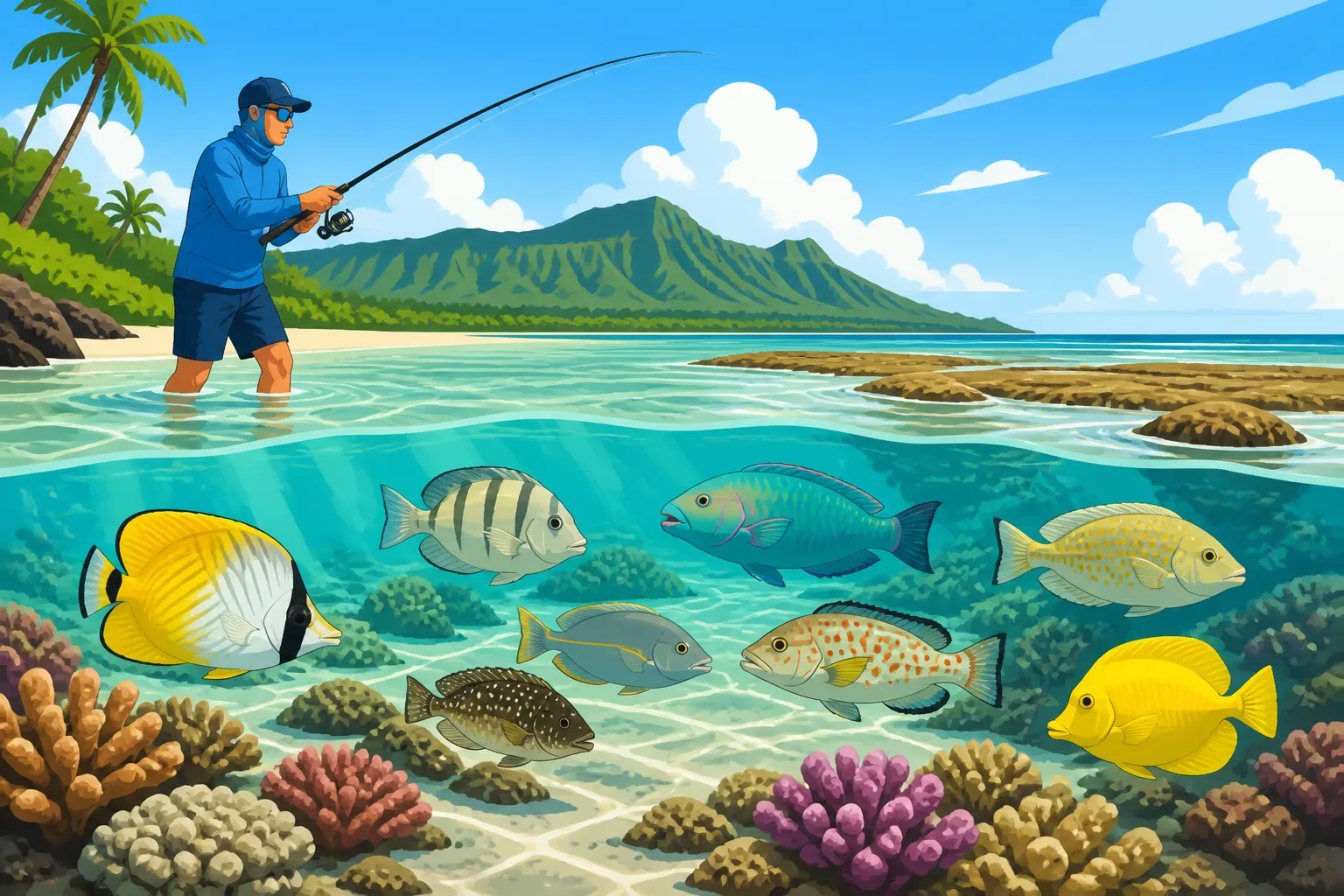
Hawaii's shallow reef flats are mesmerizing underwater ecosystems, often visible from shore, characterized by their relatively calm, clear, and warm waters. These vibrant habitats are crucial for a multitude of marine life, serving as nurseries, feeding grounds, and protective shelters. However, their shallow nature, combined with sharp coral and shifting sand, makes them distinct from deeper offshore waters or even rocky shorelines. Successfully fishing these areas isn't just about casting a line; it's about understanding the intricate dynamics that govern life here.
What Makes Reef Flats So Special for Fish?
Shallow reef flats are like bustling underwater cities for many fish species. The intricate coral formations, often punctuated by sandy pockets and rocky outcrops, provide an incredible array of hiding spots from predators. These structures also create micro-habitats where countless small invertebrates, crabs, and smaller fish flourish, forming the base of a rich food web. Imagine a vast underwater playground with endless nooks and crannies, where juvenile fish can grow, and larger predators can patrol for an easy meal. This abundance of food and shelter means that certain species don't just survive here, they thrive. The constant ebb and flow of tides brings in fresh nutrients and oxygen, further enriching this already fertile environment, making it a hotspot for foraging activity.
The Dynamic Environment of Shallow Reefs
Despite their often tranquil appearance, shallow reef flats are incredibly dynamic environments, constantly shaped by the ocean's forces. Tides play a massive role, influencing water depth, current strength, and even water clarity. During high tide, fish that typically seek deeper water might venture onto the flats to feed, taking advantage of increased water cover. Conversely, during low tide, these areas can become extremely shallow, pushing fish into deeper channels or pockets within the flat. Wave action, especially during periods of swell, can stir up sediment, reducing visibility, but also dislodging food sources, which can trigger a feeding frenzy. Understanding these daily and seasonal changes is paramount. A flat that's barren at one tide cycle might explode with activity just a few hours later. You'll often find that fish adjust their feeding schedules to these cycles, becoming more active when conditions are just right.
Key Fish Species You'll Encounter on Hawaiian Reef Flats
When you look out over a Hawaiian reef flat, you're looking at a living pantry and playground for some of our most iconic inshore species. These aren't just transient visitors; many fish live out their entire lives, or at least significant portions of them, right here on these shallow grounds. Knowing who you're likely to encounter can help you tailor your approach and gear for a more successful and rewarding experience.
The Ubiquitous Papio and Ulua
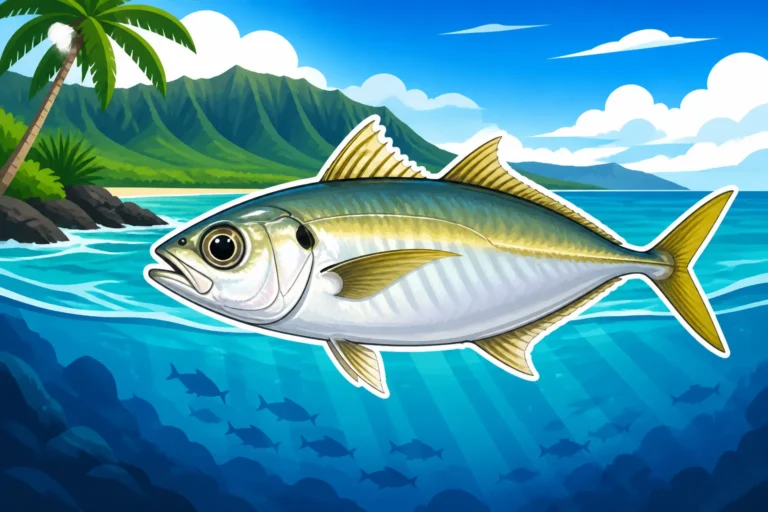
No discussion of Hawaiian reef flats would be complete without talking about Papio and Ulua. These are not different species, but rather different life stages of the same fish: the Giant Trevally (GT). Papio are the juveniles, energetic and opportunistic predators that patrol the reef edges, sandy pockets, and tidal channels. They are often targeted by whipping and light tackle anglers. As they grow, they transition into the powerful Ulua, often moving into deeper waters, but still frequently visiting the fringes and even venturing onto the flats during higher tides or low light conditions to hunt. Catching a trophy Ulua from shore on a reef flat is a badge of honor for any Hawaiian angler. These fish are incredibly strong and intelligent, using the reef structure to their advantage, making for an epic battle. If you're looking to target these, early morning or late evening often yields the best results, as they become more active when the sun isn't directly overhead. You might consider checking out Hawaii Papio and Ulua Size Rules to ensure you're fishing responsibly.
Parrotfish Uhu: Grazers of the Reef
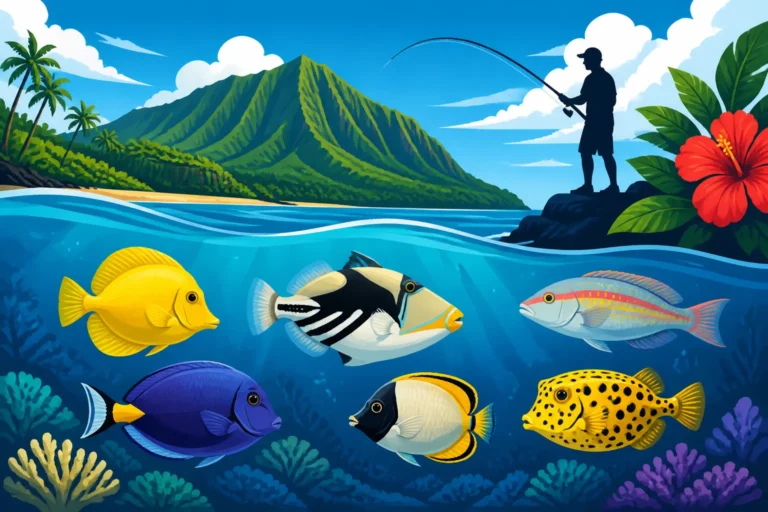
The vibrant and beautiful Uhu, or parrotfish, are another common sight on Hawaiian reef flats. You'll recognize them by their distinct parrot-like beak, which they use to scrape algae from corals and rocks. While primarily herbivores, they are often caught by anglers using small pieces of shrimp or limu (seaweed) as bait. Uhu play a critical role in the reef ecosystem by keeping algae growth in check, which helps corals thrive. They're not typically targeted for sport due to their grazing habits, but they are a valued food fish in local cuisine. Their presence is a good indicator of a healthy reef flat, full of life. Observing them can teach you a lot about the health of the ecosystem and the types of food available. Hawaii Uhu (Parrotfish) Size and Bag Limits provides important information for respectful harvesting.
Goatfish Kumu and Weke: Bottom-Dwellers and Foragers
Goatfish, known locally as Kumu and Weke, are fascinating bottom-dwellers that are perfectly adapted to the reef flat environment. Their most distinguishing feature is the pair of prominent barbels, or "whiskers," located under their chin, which they use to probe the sand and crevices for invertebrates, small crabs, and worms. You'll often see them in small schools, meticulously sifting through the sandy patches between coral heads. They are excellent eating fish and are often targeted with small pieces of squid, shrimp, or cut bait fished directly on the bottom. Their foraging behavior means they are constantly on the move, making them a fun target for light tackle. They're particularly active during incoming tides when the water stirs up more food. Finding a school of Kumu actively feeding on a flat is a promising sign for a productive day.
Bonefish Oio: Ghosts of the Flats
If you're a fly-fishing enthusiast or simply enjoy the challenge of sight fishing, the Oio (bonefish) is a truly coveted species on Hawaii's shallow reef flats. Known as the "ghosts of the flats," these incredibly wary fish blend seamlessly with the sandy bottom, making them incredibly difficult to spot. They feed on crustaceans, worms, and small baitfish, using their pointed snouts to root around in the sand. When hooked, they are renowned for their blistering, reel-screaming runs, providing an unforgettable fight on light tackle or fly gear. The vast, clear flats of areas like Keehi Lagoon on Oahu are prime bonefish territory. Successfully targeting Oio requires stealth, patience, and a keen eye. Having a good pair of polarized sunglasses, available from retailers like Amazon, is absolutely essential to spot their subtle movements or tell-tale "tails" poking out of the water as they feed. If you're looking to learn more, Best Bonefishing Spots in Hawaii offers valuable insights into where these elusive fish can be found.
Other Fascinating Inhabitants of the Reef Flats
Beyond the primary target species, Hawaii's reef flats are home to a dazzling array of other marine life, some of which you might encounter while fishing. Understanding these residents, whether they are protected, invasive, or simply interesting to observe, enhances your overall appreciation and connection to this incredible ecosystem.
Triggerfish Humuhumunukunukuapuaa and Wrasses
The iconic Humuhumunukunukuapuaa, the reef triggerfish and Hawaii's state fish, is a common and often bold resident of the shallow reef flats. While not typically a sport fish, their vibrant colors and distinctive swimming patterns make them a joy to observe. They feed on small invertebrates and algae, often seen nipping at coral. Wrasses, another diverse family of fish, are also abundant on the flats, ranging from small, colorful species to larger, more solitary individuals. Both triggerfish and wrasses play important roles in maintaining reef health and biodiversity. You might accidentally hook one while targeting other species, but their primary appeal is their beauty and ecological significance. For instance, some wrasses act as "cleaner fish," removing parasites from larger fish, showcasing the intricate balance of the reef ecosystem.
Invasive Species to Watch For Taape and Roi
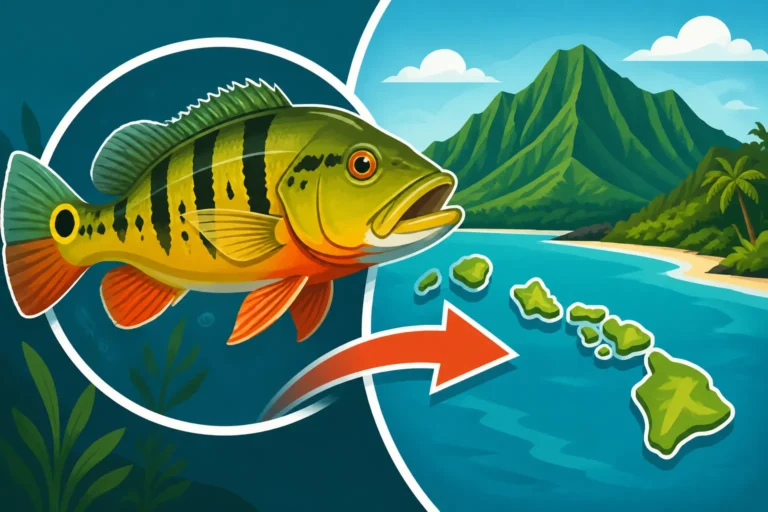
While the focus is often on native species, it's crucial for anglers to be aware of invasive fish that have established populations on Hawaii's reef flats, such as the Taape (Bluestripe Snapper) and Roi (Peacock Grouper). These species were introduced decades ago and have since thrived, often outcompeting or preying on native fish. Anglers are generally encouraged to harvest these species if caught, as there are typically no bag or size limits, and their removal can help reduce pressure on native populations. They can be found actively feeding in the same areas as native reef fish, and some anglers specifically target them due to their abundance and fight. Using jigs or baits like cut squid can often attract them. Knowing how to identify them is important, and you can find detailed information on Are Taape and Roi Bad for Hawaii's Reefs? to understand their impact.
Crabs and Opihi: Reef Flat Delicacies
Beyond finfish, the shallow reef flats are also home to various invertebrates, some of which are cherished local delicacies. Crabs, such as the Samoan crab or various reef crabs, hide amongst the coral and rocks, often coming out to forage during low light. While most crabs are collected by hand or with traps, they can sometimes be accidentally caught on fishing lines if using bait on the bottom. Opihi, a type of limpet, cling to the rocky shorelines and exposed lava rock ledges of the reef flats. Gathering opihi is a traditional practice, but it's heavily regulated due to conservation concerns. Always be aware of Hawaii Opihi Harvest Limits and Size Rules if you consider gathering, as regulations are strict and designed to protect these important resources. These creatures are not only food but integral parts of the reef flat community, providing food for many fish species.
Techniques for Fishing Shallow Reef Flats
Fishing Hawaii's shallow reef flats requires a blend of skill, patience, and the right gear. It's not always about brute force; often, a finesse approach is more effective. Understanding the unique challenges and opportunities these environments present will greatly increase your chances of success.
Light Tackle and Lure Selection
For most shallow reef flat fishing, light tackle is your best friend. A spinning rod in the 7 to 8-foot range, paired with a reel spooled with 10-20 lb braided line and a fluorocarbon leader of similar strength, will give you the sensitivity and casting distance you need. This setup is ideal for casting small artificial lures, which are often highly effective. For papio, consider small Kastmasters, spoons, or soft plastics rigged on jig heads. The flash and erratic movement of these lures can mimic baitfish and trigger aggressive strikes. For bonefish, specialized flies (e.g., bonefish bitter, Christmas Island special) or small jigs are preferred. When selecting lures, think about natural prey; small crabs, shrimp, and baitfish are common inhabitants of the flats. Having a variety of colors and sizes, perhaps a small tackle box purchased from Amazon, will allow you to adapt to changing conditions and fish preferences. Remember, stealth is key – a heavy splashdown can spook wary fish on the flats.
Bait Fishing Strategies
While artificial lures are exciting, sometimes fresh bait is simply irresistible, especially for species like goatfish (kumu and weke) and even larger ulua cruising the edges. Small pieces of squid, shrimp, or cut bait (like pieces of opelu or akule) are excellent choices. Rigging options include a simple lead-head jig, a Carolina rig, or a small sliding sinker rig to keep your bait on the bottom. When bait fishing on the flats, look for sandy patches between coral heads where fish might be foraging. Casting your bait into these "holes" or channels can be incredibly productive. For larger ulua, some anglers will use bigger chunks of fresh bait, or even whole small baitfish, often with a sliding sinker rig that allows the fish to pick up the bait without feeling immediate resistance. Patience is a virtue here; let the bait soak and wait for a definite bite. Ensure your hooks are appropriate for the size of the bait and the expected fish, as a small hook can be easily swallowed by a larger fish, making release difficult if you plan to do so.
Safety and Etiquette on the Flats
Fishing on shallow reef flats isn't just about catching fish; it's about respecting the environment and ensuring your safety. Always wear appropriate footwear, like reef walkers or sturdy sandals, to protect your feet from sharp coral, rocks, and sea urchins. The sun in Hawaii can be intense, so sunscreen, a hat, and polarized sunglasses (which, again, you can find on Amazon) are non-negotiable. Be mindful of tides and currents; what seems like a calm flat can quickly become challenging as the tide rushes in or out. Always fish with a buddy if possible, especially when exploring new areas.
Beyond personal safety, practicing good etiquette is crucial. Respect private property signs and be aware of areas like Hawaii Marine Life Conservation Districts, Explained where fishing is restricted or prohibited. Pack out everything you pack in, including fishing line, hooks, and any trash. If you're wading, try to walk on sandy patches rather than fragile coral to minimize damage. If you happen to catch a non-target species or one you don't intend to keep, handle it gently and release it quickly. This mindful approach ensures that Hawaii's incredible reef flats remain vibrant and productive for generations of anglers to come.
Disclaimer
This article is for general informational purposes only and does not constitute professional advice. Laws, prices and regulations vary by location and change over time. Consult a qualified professional for guidance on your specific situation.