Is Ulua Good to Eat?
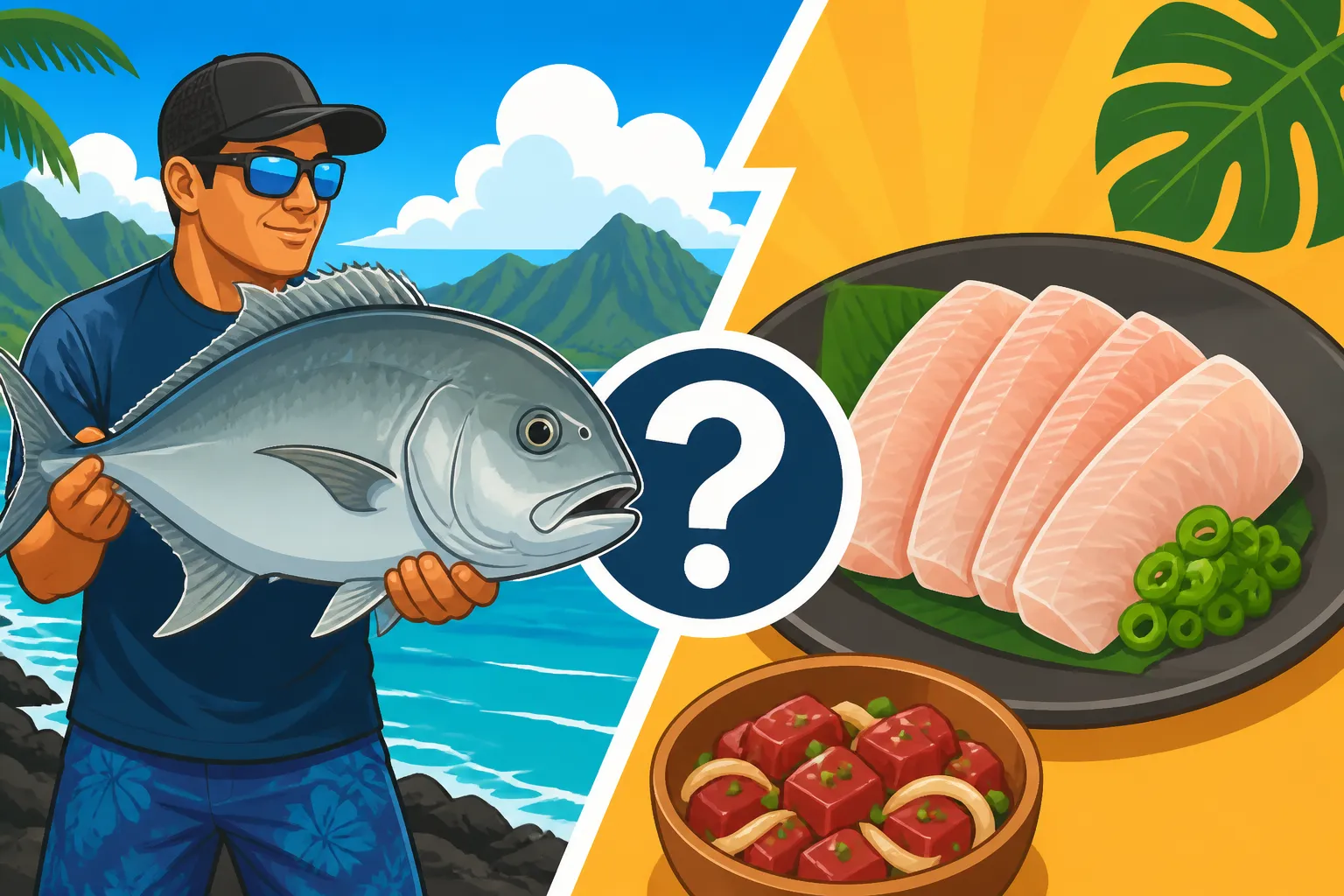
You’ve just landed a gorgeous Ulua, maybe a strong Papio or even a bigger one, and the first thought that often flashes through an angler's mind, right after the thrill of the fight, is: "Can I eat this?" It's a completely natural question, especially in Hawaii where fishing for sustenance is deeply ingrained in the culture. While many local fish are highly prized for their culinary value, the Ulua, also known as Giant Trevally, sometimes sparks a bit of debate at the dinner table. This comprehensive guide will dive deep into whether Ulua is good to eat, what factors influence its taste and safety, and how to best prepare it for your next meal.
The Culinary Appeal of Ulua: A Mixed Bag for Anglers
Let's be upfront: Ulua can absolutely be good to eat, but it's not always the top choice for everyone, and its quality can vary significantly. Unlike some other Hawaiian fish that are almost universally praised for their flavor and texture, Ulua often receives a more nuanced review. Many local anglers will tell you there’s a sweet spot for size and careful handling that makes all the difference.
Imagine putting in the effort, spending hours on the water, battling a powerful fish like an Ulua, and then being disappointed by the meal. We want to avoid that! The key to enjoying Ulua lies in understanding its unique characteristics and knowing how to maximize its potential in the kitchen.
Flavor Profile: What to Expect from Ulua Flesh
When you cut into a fresh Ulua, you'll typically find firm, white to off-white meat. It's not as delicate as, say, a Moi, but it's certainly not tough if handled correctly. The flavor profile of Ulua is often described as strong and distinctly "fishy" by some, while others find it to be robust and savory, akin to some darker-fleshed game fish. It’s certainly not bland, which can be a good thing if you appreciate a fish that stands up to bold seasonings.
For those who are accustomed to milder-flavored fish like Mahimahi or Opakapaka, Ulua might come as a bit of a surprise. It has a more pronounced taste, which can be fantastic in dishes where you want the fish to be a central flavor rather than a subtle background note. Think of it less like a delicate snapper and more like a hearty tuna or swordfish, though without the oiliness of some tuna species.
The exact flavor can indeed vary. A smaller, younger Ulua (often called Papio when under 10 pounds or so, though technically they are the same species, just different sizes in their growth stages) caught in clean, open water might have a milder, sweeter taste than a much larger, older specimen caught closer to shore or in murkier environments. This is a common phenomenon with many fish species, where younger individuals tend to have more tender flesh and less developed, intense flavors. It’s a bit like comparing a young spring lamb to an older mutton.
Texture and Preparation Considerations
The texture of Ulua is one of its defining characteristics. It’s quite firm and dense, which means it holds up incredibly well to various cooking methods. You won't find it flaking apart easily like a delicate whitefish, which makes it an excellent candidate for grilling, pan-frying, or even smoking. The firmness can be a real asset, allowing it to absorb marinades beautifully without becoming mushy.
One critical aspect of preparing Ulua for consumption is dealing with its prominent bloodline. Like many active, strong swimming pelagic and nearshore predators, Ulua have a distinct dark red strip of muscle running along their lateral line. This bloodline, if not removed, can impart a very strong, sometimes metallic or overly fishy taste to the meat. Taking the time to trim this out thoroughly during filleting will dramatically improve the eating experience.
Because of its firm texture, Ulua is wonderfully versatile. It can be cubed for a robust ceviche, cut into steaks for the grill, or flaked after cooking for fish tacos or sandwiches. Some anglers even enjoy it smoked, where the firm flesh can absorb the smoky flavor without disintegrating. This density means it won't fall apart on the barbecue, making it a favorite for many local cookouts.
Factors Influencing Ulua Edibility and Taste
Not all Ulua are created equal when it comes to the dinner plate. Just like with any wild game, a multitude of factors can influence how palatable your catch will be. From its size and age to what it's been munching on, these details can swing the experience from "pretty good!" to "maybe I'll just catch and release next time." Understanding these nuances is crucial for enjoying Ulua.
When you're out there Ulua (Giant Trevally) Fishing in Hawaii, it's easy to get caught up in the excitement of the catch. But taking a moment to consider the fish itself – its size, its condition, and even where it was caught – can make all the difference once you're back on shore and heading to the kitchen.
Size Matters: Young Ulua vs. Trophy Giants
This is perhaps the most significant factor when considering Ulua for the table. Generally, smaller Ulua, often referred to as Papio, weighing under 10-15 pounds, are considered the best eating. Their flesh tends to be more tender, milder in flavor, and less likely to have accumulated potential contaminants. When anglers discuss whether Is Ulua Good to Eat?, they are often implicitly referring to these smaller to medium-sized fish.
As Ulua grow into the true "Giant Trevally" category, sometimes reaching 50, 80, or even 100+ pounds (you can check out Ulua Average Size in Hawaii for more context), their flesh can become tougher and their flavor more pronounced. While a trophy Ulua is an incredible angling achievement, landing one of The biggest ulua ever caught in Hawaii doesn't necessarily mean you've landed the best culinary specimen. The sheer size alone can make processing a challenge, and the quality of the meat can be less desirable for direct consumption, often better suited for smoking or fish jerky rather than a delicate fillet.
Diet and Habitat: Keys to Flavor
What an Ulua eats and where it lives plays a huge role in its taste. Ulua are voracious predators, and their diet can include crabs, squid, and smaller reef fish. An Ulua caught in pristine, clear waters, feeding on a varied diet of healthy baitfish, will almost always taste better than one caught in an area with less-than-ideal water quality or an unnatural diet. If you want to know What ulua eat around Hawaii's reefs, that can give you a clue about their potential flavor.
For instance, an Ulua caught off a remote, healthy reef system away from heavy population centers is generally preferred over one taken from a murky harbor channel or an estuary. The environment directly influences the fish's overall health and the composition of its flesh. This is why local knowledge about specific fishing spots, even in areas like where you might How to Catch Ulua from Shore, can extend beyond just finding fish, but finding the best tasting fish.
Handling and Care Post-Catch
This point cannot be stressed enough: proper handling of your Ulua immediately after the catch is paramount to its eating quality. A fish that is left to flop around and slowly die in a hot cooler, or worse, on a boat deck, will have inferior meat, regardless of its size or habitat. The stress and lactic acid buildup from a prolonged fight, combined with slow death, will compromise the flavor and texture.
The best practice is to bleed the Ulua immediately upon landing. This means making a clean cut to sever the main arteries (often near the gills) and allowing the blood to drain completely. This process removes much of the "fishy" taste and helps preserve the quality of the meat. After bleeding, the fish should be placed on ice or in an ice slurry as quickly as possible to chill it down rapidly. This stops enzymatic processes that degrade flesh and keeps the meat firm and fresh. Neglecting these steps can turn a potentially good meal into a disappointing one. A well-cared-for fish, even a large one, will yield far superior fillets.
Potential Health Concerns: Ciguatera and Other Considerations
While the thrill of catching an Ulua is undeniable, it's equally important to be aware of potential health considerations, particularly when it comes to larger specimens. Hawaii's waters are beautiful and bountiful, but like many tropical regions, they carry certain natural risks that anglers should understand before heading to the dinner table. This isn't meant to scare you, but to inform you, so you can make smart, safe choices for yourself and your family.
The excitement of a fresh catch should always be tempered with knowledge, especially concerning naturally occurring toxins. No one wants to turn a successful fishing trip into a trip to the emergency room, so a little education goes a long way.
Understanding Ciguatera Fish Poisoning
Ciguatera fish poisoning is a naturally occurring foodborne illness caused by eating certain reef fish that have accumulated ciguatoxins. These toxins are produced by microscopic marine algae (dinoflagellates) that grow on dead coral and seaweed. Small herbivorous fish eat these algae, and then larger carnivorous fish, like Ulua, eat the herbivorous fish, causing the toxins to bioaccumulate up the food chain.
Ulua, especially larger and older individuals, are known carriers of ciguatera in various parts of the Pacific, including Hawaii. The toxins are tasteless, odorless, and cannot be destroyed by cooking or freezing. Symptoms can range from gastrointestinal distress (nausea, vomiting, diarrhea) to neurological issues (tingling, numbness, temperature reversal sensitivity) and cardiovascular problems, and in severe cases, can be debilitating for weeks or even months. This is why the size consideration for consumption is so critical. For more detailed information on which species are more commonly affected, you might want to look at Which Hawaii species carry a ciguatera risk.
Mercury and Other Contaminants
Beyond ciguatera, another general concern with larger, long-lived predatory fish is the accumulation of heavy metals like mercury. While not as acutely dangerous as ciguatera, long-term exposure to high levels of mercury can have adverse health effects, particularly for pregnant women, young children, and those with compromised immune systems.
Ulua, being top-tier predators, do accumulate mercury over their lifespan, similar to Ahi (Yellowfin Tuna) or Marlin. This is why public health advisories often recommend moderation in consuming larger, predatory fish. It’s not a reason to avoid them entirely, but rather to be mindful of how frequently and in what quantities they are consumed, especially the biggest ones. Most often, the general advice is to limit consumption of very large predatory fish to once or twice a week, but always check with local health guidelines.
Best Practices for Minimizing Risk
So, how can you enjoy Ulua while minimizing these risks? Here are some essential best practices:
- Prioritize Smaller Ulua/Papio: As mentioned, smaller fish are significantly less likely to carry high levels of ciguatoxins or mercury. Sticking to Ulua under, say, 15-20 pounds for eating is a generally accepted guideline among many local anglers. Always respect Hawaii Bag and Size Limits by Species which help manage populations but also indirectly contribute to safer consumption by often encouraging release of very large breeders.
- Know Your Fishing Grounds: Be aware of local advisories regarding ciguatera outbreaks or areas known for higher risk. While this information isn't always widely publicized for every single area, local knowledge is invaluable. If a particular spot has a reputation for ciguatera, it's best to release any large reef fish caught there.
- Inspect the Fish: While you can't see ciguatera, some anglers believe a very old, battle-scarred Ulua with unusual growths or discoloration might be a higher risk for general contaminants. Always ensure the fish looks healthy and vibrant.
- Practice Moderation: Even with smaller, safer Ulua, it's wise to enjoy it as part of a varied diet rather than making it an everyday meal.
- Listen to Local Wisdom: Talk to experienced local fishermen. They often have generations of knowledge about which fish from which spots are generally safe to eat.
Preparing and Cooking Your Ulua Catch
Once you’ve successfully landed your Ulua, handled it properly, and decided it's destined for the dinner table, the real fun begins! Transforming that firm, white flesh into a delicious meal is incredibly rewarding. While its robust flavor and texture might require a slightly different approach than, say, a delicate flounder, Ulua is incredibly versatile.
This is where your efforts from the fight to the chill down truly pay off. A well-cared-for Ulua is a blank canvas for a variety of culinary creations, from simple grilled steaks to more elaborate Hawaiian-inspired dishes.
Essential Cleaning and Filleting Tips
Filleting an Ulua is pretty straightforward, but a few key steps will ensure the best possible outcome. Because of its firm flesh and thick skin, you’ll want a very sharp, sturdy fillet knife. If you don't have one, you can find a great selection of reliable fillet knives on platforms like Amazon.
- Scaling (Optional but Recommended): While many people skin Ulua, if you plan to cook with the skin on (like for grilling), scaling is the first step. Use a scaler or the back of your knife to scrape off scales against the grain.
- Making the Initial Cuts: Lay the fish on its side. Make a cut behind the pectoral fin, down to the backbone. Then, run your knife along the top of the backbone from head to tail.
- Separating the Fillet: Using long, smooth strokes, work your knife down along the ribs, separating the fillet from the bone cage. Repeat on the other side.
- Removing the Bloodline: This is the most crucial step for Ulua. On each fillet, you’ll notice a dark reddish-brown strip running down the middle, just below the lateral line. Use your knife to cut a shallow V-shape along this line, removing the entire bloodline. This will significantly improve the taste and reduce any "fishy" flavor.
- Skinning the Fillet: If you prefer skinless fillets, lay the fillet skin-side down. Hold the tail end firmly and run your knife at a slight angle between the skin and the meat, pulling the skin taut as you go.
- Pin Boning: Run your fingers over the fillet to feel for any remaining pin bones and remove them with pliers or tweezers.
Popular Hawaiian Ulua Recipes
Ulua's firm texture and robust flavor make it suitable for a wide array of cooking methods. Here are some popular ways to enjoy it:
- Grilled Ulua Steaks: This is a classic for a reason. Cut the cleaned, bloodline-removed fillet into thick steaks. Marinate in a simple blend of soy sauce, ginger, garlic, sesame oil, and a touch of brown sugar for at least 30 minutes. Grill over medium-high heat until cooked through and nicely charred, about 4-6 minutes per side depending on thickness.
- Pan-Seared Papio: For smaller Papio fillets, pan-searing is fantastic. Season simply with salt and pepper, dredge lightly in flour (optional), and pan-sear in hot oil or butter until golden brown and cooked through. Serve with a squeeze of fresh lemon and a side of local greens.
- Ulua Poke (with caution for smaller fish): While often made with Ahi, a very fresh, smaller Ulua (Papio) can be prepared as poke. Dice the raw, thoroughly cleaned fish into small cubes. Mix with soy sauce, limu (seaweed), kukui nut, green onions, and chili flakes. Remember the ciguatera warning; this is only recommended for small, pristine fish from known safe areas.
- Baked Ulua with Vegetables: Place Ulua fillets in a baking dish with your favorite vegetables (bell peppers, onions, cherry tomatoes, zucchini). Drizzle with olive oil, herbs, and seasonings. Bake at 375°F (190°C) until the fish is flaky and vegetables are tender.
- Smoked Ulua: This is an excellent method for larger Ulua, as the smoking process tenderizes the meat and infuses it with flavor, masking any stronger tastes. Brine the fillets overnight, then smoke low and slow until done. The smoked fish can then be flaked and used in dips, salads, or fish cakes.
Tools and Supplies for the Home Cook
Having the right tools can make all the difference in preparing your catch efficiently and effectively. While you don't need a professional kitchen setup, a few key items will elevate your Ulua preparation.
Firstly, a high-quality fillet knife is non-negotiable. Look for one with a sharp, flexible blade that can handle tough skin and precise cuts. Many reputable brands offer excellent options; you can easily browse and compare different models on Amazon. A good cutting board, preferably one that's easy to clean and sanitize, is also essential for safe food preparation. Consider a non-slip board to prevent accidents while dealing with a slippery fish.
For preserving your catch, especially if you have a bountiful day of Best Time of Day to Catch Ulua or even Night Fishing for Ulua in Hawaii and end up with more fish than you can eat immediately, a vacuum sealer can be a lifesaver. It dramatically extends the freezer life of your fillets by preventing freezer burn. You can find various sizes and models of vacuum sealers, along with compatible bags, readily available online, perhaps even through a quick search on Amazon. Lastly, having dedicated fish-cleaning tools, like a scaler and sturdy kitchen shears, will make the process much smoother.
| Ulua Size Category | Typical Weight (approx.) | Flavor Profile | Texture | Best Culinary Use | Potential Ciguatera Risk |
|---|---|---|---|---|---|
| Papio (Small) | Under 10-15 lbs | Mild, sweet | Tender, firm | Pan-searing, grilling, poke | Low (but always caution) |
| Mid-Size Ulua | 15-30 lbs | Robust, savory | Firm, dense | Grilling, baking, smoking | Moderate |
| Trophy Ulua | 30+ lbs | Strong, "fishy" | Very firm, tough | Smoking, fish jerky, strong curries | Higher |
Remember, the goal is to respect the resource, enjoy the experience of Hawaiian fishing, and if you choose to take an Ulua for the table, do so knowingly and with the best preparation in mind. Happy angling and happy cooking!
Disclaimer
This article is for general informational purposes only and does not constitute professional advice. Laws, prices and regulations vary by location and change over time. Consult a qualified professional for guidance on your specific situation.