Best Half-Day Charters in Hawaii
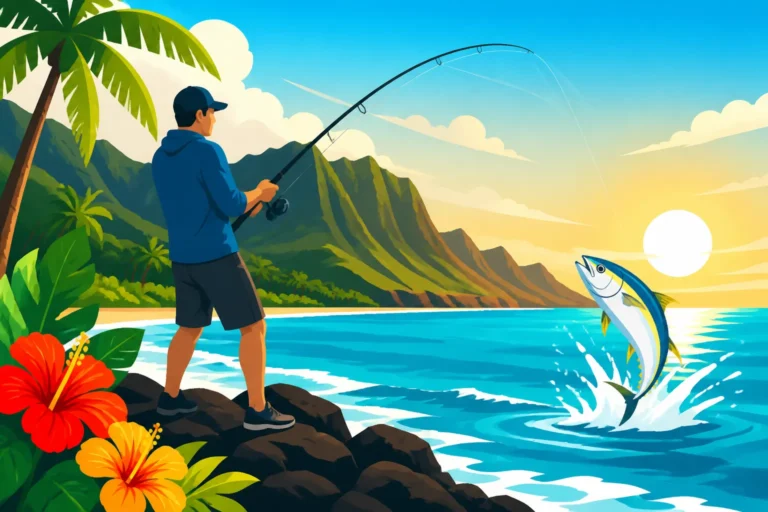
You've finally made it to Hawaii, and whether you're here for a quick getaway or just have a few hours to spare from family activities, the ocean is calling. But how do you get out on the water and experience the thrill of Hawaiian fishing without committing to a full-day excursion? Many anglers find themselves caught between wanting a real fishing experience and the demands of a vacation schedule. This guide dives deep into the world of half-day fishing charters, helping you find the perfect bite-sized adventure that fits your plans and gets you reeling in some amazing catches.
Why Half-Day Charters Are a Smart Choice
Choosing a half-day fishing charter in Hawaii can often feel like a compromise, but in reality, it's frequently the smartest choice for a variety of reasons. Many people imagine that to truly experience deep-sea fishing, you need to dedicate an entire day, from sunrise to sunset. However, for a significant number of visitors and even kama'aina (locals), a half-day trip offers an ideal balance of excitement, convenience, and value, allowing you to sample the incredible fishing Hawaii has to offer without monopolizing your entire vacation.
Time Efficiency and Flexibility
One of the biggest struggles when planning a Hawaii vacation is fitting everything in. You want to hit the beaches, explore the volcanoes, enjoy the local cuisine, and maybe even take a surf lesson. Committing to an eight or ten-hour fishing trip can eat up a huge chunk of precious vacation time, often making it seem impossible to do anything else on that day. This is where the half-day charter truly shines, offering an unbeatable solution for those who are time-conscious.
A typical half-day charter usually runs for about four to five hours, which means you can head out in the morning, be back for lunch, and still have the entire afternoon to explore a different part of the island or relax by the pool. Alternatively, an afternoon trip might free up your morning for other activities, bringing you back just in time for a sunset dinner. This flexibility is invaluable for families, couples, or solo travelers who want a diverse itinerary. It allows you to weave a fantastic fishing experience into a packed schedule without feeling like you've missed out on other adventures. It's truly the perfect way to get a taste of the action without the full-day commitment.
Cost-Effectiveness
Let's be real: a trip to Hawaii isn't cheap, and neither are full-day fishing charters. The cost of an all-day excursion can be a significant investment, especially if you're traveling with a group or family. For many, that price tag simply isn't feasible, or they'd prefer to allocate their budget to other unique Hawaiian experiences. Half-day charters offer a much more budget-friendly entry point into Hawaii's world-class fishing.
While the exact figures vary significantly depending on the boat, location, and whether it's a private or shared trip, half-day charters are generally substantially less expensive than their full-day counterparts. This means you can still get out on the water, use quality gear, and benefit from an experienced captain and crew, all while keeping your wallet a little happier. It’s a fantastic way to enjoy the thrill of the catch without the financial strain, making it accessible to a broader range of travelers. Hawaii Fishing Charter Cost Guide can provide more details on general pricing structures to help you plan your budget.
Family-Friendly Appeal
Imagine trying to keep a squirming toddler or even a restless teenager engaged for eight straight hours on the open ocean. It's a recipe for seasickness, boredom, and potentially a very unhappy crew (both yours and the boat's!). Half-day charters are incredibly appealing to families with children, or even adults who are new to boating and might be concerned about seasickness or simply aren't sure how much fishing they can handle.
The shorter duration significantly reduces the risk of seasickness for those prone to it and keeps younger anglers engaged and excited. Four to five hours is often the sweet spot where the novelty of being on a boat, the anticipation of a bite, and the excitement of a catch are maximized, without reaching the point of exhaustion or frustration. Many charters specifically cater to families on their half-day trips, focusing on more active fishing styles or targeting species that are more likely to provide consistent action, ensuring everyone has a memorable and positive experience. If you're looking for an outing that keeps everyone smiling, consider exploring some Best Family-Friendly Fishing Charters in Hawaii.
What to Expect on a Half-Day Charter
So, you've decided a half-day charter is the way to go. That's fantastic! But what does that really look like once you're on the boat? Many first-timers, or even seasoned anglers new to Hawaii, have visions of grander marlin or massive ahi leaping out of the water. While those can happen, half-day trips often focus on different, equally exciting, and more consistent opportunities. Knowing what to expect will help manage your expectations and ensure you have an incredible time.
Fishing Techniques and Target Species
On a half-day charter, captains generally choose fishing techniques that offer a good chance of action within the shorter timeframe, often balancing offshore opportunities with more accessible nearshore fisheries. This means you might not run 50 miles offshore, but you'll certainly be in productive waters. Trolling for pelagics is still a common method, especially if conditions are right and known bait schools are close to the harbor. However, you'll also find charters that dedicate their shorter trips to bottomfishing or nearshore opportunities.
For instance, off the Kona Coast, even on a half-day, you might still troll lures for smaller skipjack tuna (aku), mahimahi, or ono if they're close. On Maui or Oahu, inshore half-day trips might focus on light tackle fishing for papio (juvenile trevally) using whipping techniques, or even dropping baits for various reef species. Bottomfishing can be highly productive on shorter trips, targeting a variety of snappers and groupers over ledges and reefs that are often just a short run from shore. Your captain will assess the conditions and choose the best strategy to get lines tight.
Typical Catch on Shorter Trips
While the dream of a grander marlin is always alive in Hawaii, on a half-day charter, it’s generally more realistic to aim for a diverse range of smaller, yet still incredibly exciting, species. The goal for many half-day operations is to provide consistent action and the chance for everyone on board to hook up, rather than dedicating hours to chasing a single, elusive monster. This doesn't mean big fish are impossible; it just means the strategy often leans towards higher probability catches.
You can often expect to encounter hard-fighting pelagics like skipjack tuna (aku), which are abundant and put up a fantastic fight on lighter tackle. Mahimahi (dolphin fish) and ono (wahoo) are also frequent visitors to the trolling spread, especially when conditions bring them closer to shore. If the charter focuses on bottomfishing, you might reel in delicious species like opakapaka (pink snapper), onaga (ruby snapper), or various types of kumu (goatfish). Nearshore trips might yield papio, various jacks, and a colorful array of reef fish. It’s always a good idea to chat with the charter captain beforehand about what's been biting and what their typical targets are for half-day excursions.
Boat Amenities and Provisions
Charter boats in Hawaii vary widely, from sleek, custom-built sportfishers to more modest center consoles. On a half-day trip, especially if it’s a shared charter, don't expect the full luxury amenities of a multi-day yacht excursion. However, most reputable operations provide essential comforts and necessary gear to make your trip enjoyable and productive. It’s a good idea to clarify what's included before you book, often found on booking platforms like FishingBooker.
Typically, all fishing gear – rods, reels, tackle, and bait – will be provided and will be well-maintained and appropriate for the target species. Most boats will have a head (marine toilet), and some might offer a small cabin for shade or a quick rest. As for provisions, many half-day charters will provide bottled water and perhaps some light snacks. However, it's always wise to bring your own additional drinks and snacks, especially if you have specific dietary needs or prefer more substantial refreshments. Remember, the focus is on fishing, so while comfort is considered, extensive catering isn't usually part of the package for a shorter trip. What to Expect on a Hawaii Fishing Charter gives a good overview of general charter provisions.
Top Locations for Half-Day Charters
Hawaii is an archipelago, and each major island offers unique fishing opportunities and harbor access for half-day charters. While the basic concept of a half-day trip remains the same, the specific species targeted, the fishing grounds, and the overall experience can differ quite a bit depending on where you cast your line. From the calm leeward waters of Kona to the bustling shores of Oahu, here’s a look at some of the best spots to jump on a half-day adventure.
Kona's Calm Waters (Big Island)
The Kona Coast of the Big Island is world-renowned for its big game fishing, and thankfully, you don't always need a full day to experience a piece of that action. What makes Kona particularly special for half-day trips is its unique geographical advantage: the deep waters are often just a few miles offshore, and the prevailing easterly trade winds are blocked by Mauna Kea and Hualalai volcanoes, creating incredibly calm leeward conditions. This means less travel time to fishing grounds and often a much smoother ride, which is a huge plus for those prone to seasickness or fishing with children.
Half-day charters out of Honokohau Harbor, just north of Kailua-Kona, can quickly access prime trolling grounds where marlin, ahi (yellowfin tuna), ono, and mahimahi cruise. While a grander marlin might be a stretch on a shorter trip, the sheer density of pelagic fish in these waters means consistent action is often possible. Many captains here also offer light tackle bottomfishing or targeting smaller tunas for a fast-paced experience. If you’re visiting the Big Island, a half-day out of Kona is an absolute must-do for any angler. You can find excellent options by looking at Best Charters Out of Honokohau Harbor.
Maui's Diverse Fisheries
Maui offers a fantastic blend of inshore and offshore fishing opportunities, making it a great destination for half-day charters. The island’s varied coastline provides protection in different areas, allowing captains to find calm waters even when the trade winds pick up. Whether you're staying in Lahaina, Kihei, or Kahului, there's likely a charter boat ready to take you out for a few hours of fun.
Popular departure points include Maalaea Harbor and Lahaina Harbor. From Maalaea, which is centrally located, charters can quickly access productive waters for trolling. Lahaina, on the west side, also has excellent access to both nearshore reefs and offshore banks. Half-day trips on Maui often target mahimahi, ono, skipjack tuna, and sometimes smaller yellowfin tuna when trolling. Nearshore, you might find charters focusing on bottomfishing for various snappers, trevally, and goatfish, especially around the channels between Maui and the neighboring islands of Molokai and Lanai. The diverse underwater topography ensures a wide variety of fish, even on a shorter trip. To explore options, check out Best Charters Out of Maalaea Harbor or Best Charters Out of Lahaina Harbor.
Oahu's Accessibility and Variety
Oahu, being the most populated island, boasts numerous harbors and a wide array of charter operations, making it incredibly accessible for travelers staying in Waikiki or elsewhere on the island. The sheer volume of boats means you have a great chance of finding a half-day charter that fits your schedule and budget. Fishing grounds range from deep offshore waters to expansive reef flats, offering diverse experiences.
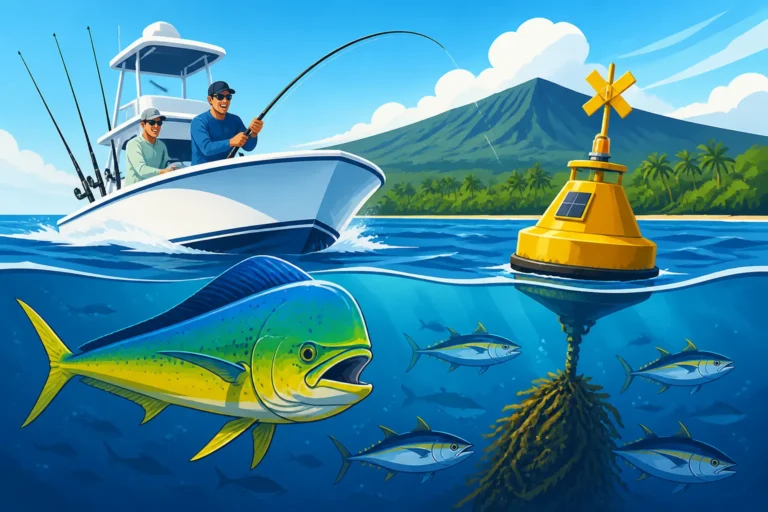
Kewalo Basin Harbor near Honolulu is a major hub, with numerous boats departing for half-day excursions. From here, captains can run out to offshore FADs (Fish Aggregating Devices) for tuna, mahimahi, and ono, or focus on nearshore trolling and bottomfishing spots. The waters off Oahu also offer excellent opportunities for light tackle whipping for papio and other inshore species, especially on calmer days along the leeward side. For those interested in a unique experience, some guides even offer half-day trips specifically for bonefishing (oio) on the shallow flats. Best Charters Out of Honolulu provides a great starting point for finding charters in this bustling area.
Kauai's Scenic Spots
Kauai, the Garden Isle, offers a more tranquil and incredibly scenic fishing experience. While perhaps not as famed for massive marlin as Kona, Kauai's waters are rich with pelagic species and vibrant reef life, and the breathtaking views from the water are an added bonus. Half-day charters here provide an intimate way to experience the island's natural beauty while enjoying some excellent fishing.
Most charters depart from Nawiliwili Harbor near Lihue or Port Allen on the west side. These locations provide good access to both offshore trolling grounds and productive nearshore reefs. On a half-day trip, Kauai charters often target mahimahi, ono, and various tunas when trolling. Bottomfishing for snappers and groupers is also popular, often yielding a good variety of table fare. The waters around Kauai are pristine, and the experience of fishing against a backdrop of towering green cliffs and secluded beaches is truly unforgettable. It’s perfect for those seeking a peaceful yet exciting fishing adventure.
Types of Half-Day Charters
Just like full-day trips, half-day fishing charters aren't one-size-fits-all. The type of experience you're looking for, your budget, and who you're fishing with will heavily influence which kind of half-day charter is best for you. Understanding the different options available can help you make an informed decision and ensure your trip perfectly matches your expectations.
Shared (Open) vs. Private Charters
This is often the first and most significant choice you'll make when booking a half-day charter. Each option comes with its own set of advantages and disadvantages.
Shared (Open) Charters:
These are typically the most budget-friendly option. On a shared charter, you book a single spot or a couple of spots on a boat that will have other anglers (often strangers) on board. The cost per person is significantly lower because it's divided among all passengers. It's a great way for solo travelers, couples, or small groups to experience a charter without the hefty price tag of booking the entire boat. The downside, however, is that you're sharing the fishing time and the boat's amenities with others. The captain's strategy and target species will be chosen to appeal to the group, not necessarily your individual preference. You might also have to rotate lines or wait your turn when a fish hits. For many, the social aspect and affordability make this a popular choice.
Private Charters:
When you book a private half-day charter, you're reserving the entire boat and crew for your group. This means you have exclusive access to the captain's expertise and the vessel's resources. While more expensive, a private charter offers unparalleled flexibility and personalization. You can often discuss with the captain beforehand what species you'd like to target, what techniques you prefer, and even dictate the pace of the trip. This is ideal for families, groups of friends, or those celebrating a special occasion who want a more intimate and tailored experience. If you have young children or someone new to fishing, a private charter allows the crew to give them more individual attention.
Here's a quick comparison:
| Feature | Shared (Open) Half-Day Charter | Private Half-Day Charter |
|---|---|---|
| Cost | Per person, generally lower | Fixed boat rate, generally higher |
| Group | Shared with other anglers | Exclusive to your party |
| Flexibility | Limited, captain sets agenda | High, tailored to your group's preferences |
| Privacy | Low, public experience | High, intimate experience |
| Catch Sharing | Often shared or "boat's choice" | Typically all catch is for your group |
| Ideal For | Solo anglers, couples, budget-conscious | Families, friends, special occasions, personalized trips |
Inshore vs. Nearshore vs. Offshore
The distinction between these types of charters primarily relates to how far the boat travels from shore and, consequently, the kinds of fish you’ll target. Even on a half-day trip, captains can make strategic runs to different areas.
Inshore Charters:
These trips typically stay closer to the coastline, often within a few miles of the shore or even fishing within large bays or protected areas. Inshore fishing usually targets species that inhabit reefs, rocky bottoms, or shallow flats. On a half-day, an inshore trip might focus on light tackle casting for papio, trolling for smaller jacks, or bottomfishing for various reef fish. This is often a great option for beginners or those who prefer calmer waters and shorter boat rides.
Nearshore Charters:
A step beyond inshore, nearshore charters venture a bit further out, often to areas where the reef drops off into deeper water, or to underwater ledges and banks that are still within reasonable proximity to the harbor. These trips might combine light trolling for pelagics that come closer to shore (like mahimahi or skipjack tuna) with bottomfishing for snappers and groupers. This offers a good balance between the excitement of pelagic fishing and the consistency of bottom dwellers, all within a half-day timeframe.
Offshore Charters (Half-Day):
While most "deep-sea" or "big game" fishing is associated with full-day trips, some half-day charters in locations like Kona can still offer a legitimate offshore experience. Due to the rapid drop-offs and proximity of deep water to shore, a half-day offshore trip out of Honokohau Harbor can involve trolling for marlin, ahi, ono, and mahimahi. These charters will make the most of the limited time, often focusing on areas where baitfish are concentrated or around FADs. It's a faster-paced trip with less "waiting around" than a full-day might allow.
Specialty Trips
Beyond the general categories, some half-day charters offer more specialized experiences tailored to specific fishing styles or target species. These might not be as widely available as general charters but can be incredibly rewarding if they align with your interests.
For instance, on Oahu, you might find half-day guided trips specifically focused on Best Guided Bonefishing Trips on Oahu. These often involve wade fishing on shallow flats for the elusive oio (bonefish), a challenging and rewarding light tackle experience. Some charters might also specialize in techniques like vertical jigging for bottomfish or particular types of live bait fishing for ulua (giant trevally) if the conditions are right and the captain has a specific honey hole nearby. If you have a particular fish in mind or a specific fishing method you want to try, it's always worth asking charter operators if they can accommodate a specialized half-day trip. These can be particularly great for Best Guided Trips for Beginners in Hawaii who want to learn a specific technique.
Choosing the Right Half-Day Charter
With so many options, how do you pick the perfect half-day charter? It can feel overwhelming, especially if you're unfamiliar with Hawaiian waters or local operators. Making the right choice is crucial for ensuring a memorable and successful fishing adventure. It’s not just about the boat or the price; it’s about the entire experience, from the moment you book to when you step back on shore.
Captain Experience and Reviews
This is arguably the most critical factor when selecting any fishing charter, and it's especially true for half-day trips where time is of the essence. An experienced captain knows the local waters like the back of their hand – where the fish are likely to be, what baits and techniques are working, and how to adapt to changing conditions. They understand the nuances of the tides, currents, and local fish behavior, which significantly increases your chances of success. A good captain is also an excellent host, ensuring a safe, fun, and educational experience.
Before booking, always check out online reviews. Platforms like FishingBooker are invaluable for this, as they provide real feedback from previous customers. Look for captains who are consistently praised for their knowledge, their ability to find fish, their patience (especially with beginners or kids), and their professionalism. Pay attention to comments about the crew as well, as they play a huge role in the onboard experience. A charter might have a beautiful boat, but without an experienced and personable captain and crew, the trip can fall flat.
Boat and Gear Quality
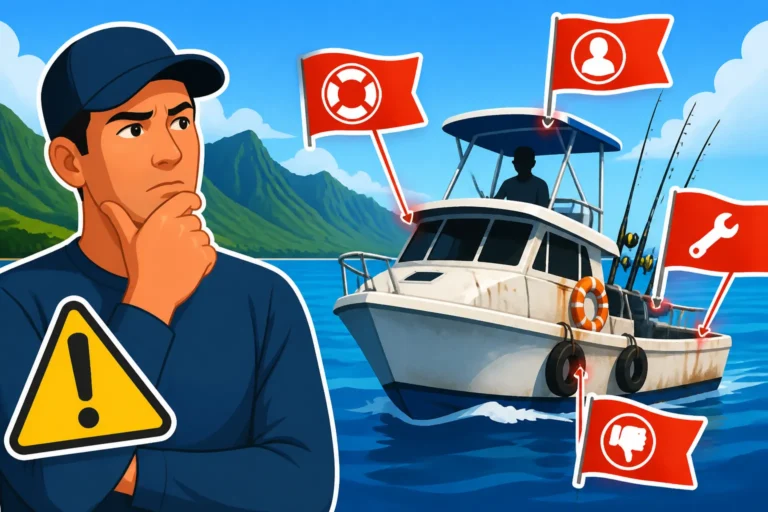
While you might not need a state-of-the-art sportfisher for a half-day trip, the quality and condition of the boat and its equipment are important for both safety and enjoyment. A well-maintained vessel ensures a smooth and safe journey, while quality gear enhances your chances of landing fish. Imagine hooking into a fantastic mahimahi only to have the reel lock up or the line snap because of old equipment – that’s a frustrating scenario you want to avoid.
When researching charters, look for mentions of their boat’s condition, type of electronics, and the brands of rods and reels they use. Reputable charters take pride in their equipment and will usually mention it on their websites or booking profiles. Don't be afraid to ask about the boat's safety equipment; it's a good sign when they prioritize safety. Most importantly, ensure the gear is appropriate for the type of fishing you’ll be doing. Light tackle for reef fish is very different from heavy tackle for offshore tuna. You want gear that's up to the task and maintained regularly. This is part of how you decide How to Choose a Hawaii Fishing Charter.
Communication and Flexibility
A good charter operator will have clear communication before, during, and after your trip. Before you book, they should be responsive to your questions, transparent about what's included (and not included), and willing to discuss your preferences for the trip. This is particularly important for half-day charters, as the shorter window means decisions need to be made efficiently.
Once on the water, effective communication from the captain and crew is key. They should explain the fishing plan, point out interesting sights, and offer guidance on techniques. Flexibility is also a huge plus. While captains have a plan, weather conditions or fish movements might necessitate a change of strategy. A good captain will be able to adapt and communicate those changes effectively, always keeping your safety and fishing success in mind. If you sense hesitation or unresponsiveness during the booking process, it might be a red flag. Look for operators who are eager to provide a great experience and communicate openly.
Preparing for Your Half-Day Trip
Getting ready for your half-day fishing charter in Hawaii involves a bit more than just showing up. A little preparation can go a long way in ensuring you're comfortable, safe, and ready to make the most of your time on the water. From what you wear to how you handle potential seasickness, thinking ahead will allow you to relax and fully immerse yourself in the Hawaiian fishing experience.
Essential Gear and Attire
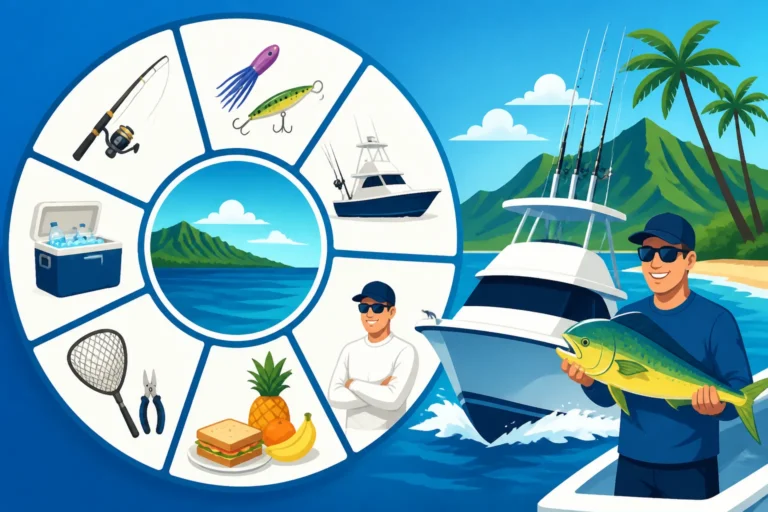
You don't need to bring your own rods and reels, as all good charters will provide quality gear. However, there are several personal items that are crucial for a comfortable and enjoyable trip:
- Sun Protection: The Hawaiian sun is intense, even on cloudy days. Bring a wide-brimmed hat, polarized sunglasses (essential for spotting fish or structure if you’re fishing inshore), and plenty of reef-safe sunscreen. Apply it generously before you even get on the boat, and reapply throughout the trip.
- Light Clothing: Wear light, breathable clothing that can get wet. Long sleeves and pants, even in warm weather, offer excellent sun protection. A light jacket or windbreaker can be handy for early mornings or if conditions get breezy.
- Footwear: Opt for closed-toe shoes with non-slip soles. Boat decks can be wet and slippery, so sandals or flip-flops might not offer enough traction or protection.
- Camera: You’ll want to capture those memorable moments! Make sure your camera or phone is fully charged and consider a waterproof case or bag to protect it from spray.
- Snacks and Drinks: While some charters provide water, bringing your own extra drinks and snacks (non-alcoholic, unless explicitly permitted) is always a good idea, especially if you have specific preferences or dietary needs.
- Small Backpack: A small, easily manageable backpack can keep all your essentials together and secure.
Seasickness Prevention and Management
Seasickness is a real concern for many, and it can quickly ruin an otherwise fantastic fishing trip. Even on calm Hawaiian waters, the gentle rocking of the boat can affect some individuals. Don't let the fear of seasickness deter you; there are proactive steps you can take:
- Medication: Over-the-counter medications like Dramamine or Bonine are very effective for many people. It’s crucial to take these before you board the boat, usually an hour or two prior, as they work best preventatively. Consult with a doctor or pharmacist about which option is best for you.
- Ginger: Natural remedies like ginger chews, ginger ale, or ginger capsules can also help settle your stomach.
- Hydration and Light Meal: Avoid heavy, greasy meals and alcohol the night before and the morning of your trip. Stick to light, easily digestible foods and stay well-hydrated.
- Fresh Air and Horizon: Once on the boat, try to stay on deck in the fresh air and keep your eyes focused on the distant horizon. Avoid looking down at your phone, books, or anything that requires close focus for extended periods.
- Captain's Advice: Inform your captain and crew if you are prone to seasickness. They might have tips or be able to position the boat in a way that minimizes movement.
Onboard Etiquette and Tipping
Knowing proper boat etiquette ensures a smooth and enjoyable trip for everyone, including the crew. Remember, you're a guest on their vessel, and they work hard to provide a great experience.
- Listen to the Crew: Pay close attention to the captain's and deckhand's instructions, especially regarding safety and fishing techniques. They are there to help you.
- Respect the Gear: The boat’s equipment is expensive and essential. Handle rods, reels, and tackle with care. If you're unsure how something works, ask the crew.
- Space Awareness: Be mindful of other anglers on shared charters, giving everyone enough room to fish comfortably.
- Cleanliness: Keep your personal items organized and try not to make a mess. If you do, offer to clean it up.
- Ask Before You Keep: Understand the charter's fish policy. Some shared charters might divide the catch, while others might keep it for the boat. On private charters, you usually keep your legal catch, but always confirm.
- Tipping: Tipping the crew is standard practice and greatly appreciated. A typical gratuity for a good experience is 15-20% of the charter fee. The deckhand, in particular, works tirelessly to bait hooks, gaff fish, clean up, and ensure your comfort. Bring cash for this purpose. You can learn more about this by reading Tipping Etiquette for Hawaii Fishing Charters.
Common Fish Species Targeted on Half-Day Trips
While the full range of Hawaiian marine life is vast, half-day charters typically focus on species that offer a good chance of action within a shorter timeframe. These might include fast-growing pelagics that frequent nearshore waters, active reef dwellers, or consistent bottomfish. The exact targets will depend on the island, the specific fishing grounds, and the captain's expertise, but here's a general idea of what you might encounter.
Nearshore Reef Dwellers and Jacks
Closer to shore, particularly over shallow reefs and rocky bottoms, you'll find a lively ecosystem teeming with various fish. Half-day charters often capitalize on these accessible fishing grounds, especially for family-friendly trips or when the offshore conditions are less favorable.
Papio (Juvenile Trevally): These are the smaller, younger versions of the powerful ulua (Giant Trevally) and are incredibly common targets for inshore anglers. Papio are aggressive, strike readily, and offer a fantastic fight on light tackle. They can be found around reef edges, harbor mouths, and sandy channels. Whipping with artificial lures or bait fishing with cut squid or small fish are popular methods. Catching several papio can make for an exciting half-day, and they are excellent table fare. For more on these feisty fish, see How to Catch Papio on Hawaii's Shoreline.
Moi (Pacific Threadfin): Revered for its delicate flavor, moi was once reserved for Hawaiian royalty. These sleek, silvery fish inhabit sandy bottoms near reefs and can be a prized catch on half-day trips. They are often caught using small live baits or pieces of shrimp. Moi have a closed season to protect their populations, so be sure to check current regulations before targeting them. You can find specific details on Moi (Pacific Threadfin) in Hawaii and Hawaii Moi Closed Season, Explained.
Other Reef Fish: A variety of other colorful and delicious reef fish can be caught, including various species of goatfish (kumu, weke), snappers (toau, taape – an invasive species often encouraged for harvest), and triggerfish. These typically respond well to bait fished on the bottom or near structure. While not always the primary target, they add diversity and excitement to a shorter trip.
Pelagic Foragers
Even on a half-day, if the conditions are right and the captain makes efficient use of travel time, you can absolutely target some of Hawaii's prized pelagic (open ocean) species. These fish are known for their speed, power, and often spectacular aerial displays.
Skipjack Tuna (Aku): These smaller, torpedo-shaped tunas are incredibly abundant in Hawaiian waters and are a staple catch for many half-day trolling trips. Aku are schooling fish that hit lures aggressively and provide continuous, exhilarating action. They are also excellent bait for larger fish, and their meat is popular for poke.
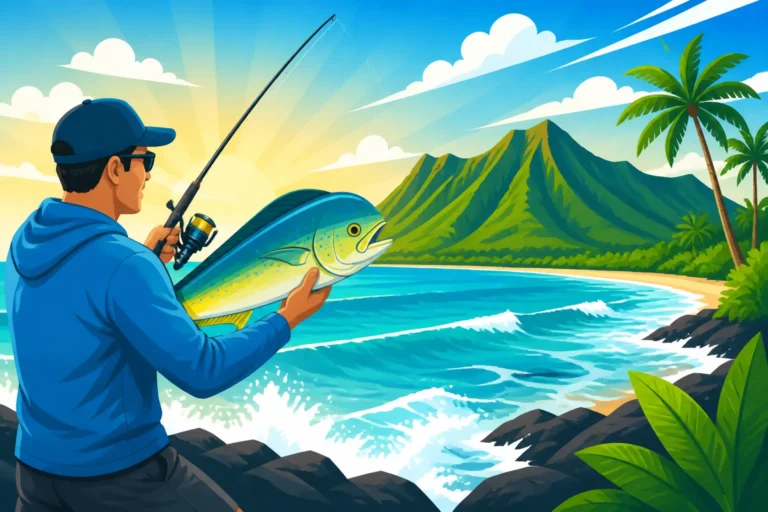
Mahimahi (Dolphin Fish): Known for their vibrant colors and acrobatic leaps, mahimahi are a favorite among anglers. They often congregate around floating debris, weed lines, or FADs, making them an accessible target even on shorter runs. Mahimahi are voracious eaters and strike lures and baits with enthusiasm, providing an exciting fight and delicious fillets.
Ono (Wahoo): Translating to "delicious" in Hawaiian, the ono lives up to its name. These long, slender, and incredibly fast fish are sought after for their speed and firm, white meat. They are typically caught by high-speed trolling. While they can be elusive, if a school is encountered, a half-day trip can yield some fantastic catches.
Ahi (Yellowfin Tuna) and Marlin: While a full-day trip generally increases your chances for larger ahi or marlin, it's not unheard of to hook into smaller versions of these iconic species on a half-day, particularly off the Kona Coast where deep water is so close to shore. If the bite is hot and the fish are close, a skilled captain will absolutely try to put you on them.
Bottomfish
Bottomfishing is a fantastic option for half-day charters, offering consistent action and a diverse range of delectable species. These trips focus on fishing over deep-water ledges, reefs, and underwater pinnacles, often with specialized electric reels for the really deep stuff, or conventional gear for shallower bottom.
Snappers and Groupers: Hawaii is home to numerous species of snapper, including the highly prized opakapaka (pink snapper) and onaga (ruby snapper). While these often reside in deeper waters, some species can be found on nearshore banks that are accessible on a half-day trip. Other bottomfish include various types of rockfish, squirrelfish (menpachi), and the invasive taape (bluestripe snapper) and roi (bluestripe grouper), which anglers are encouraged to harvest due to their detrimental impact on native ecosystems. These fish are excellent table fare and provide a steady stream of bites, making for a very satisfying shorter trip. For a deeper dive into these species, consult Bottomfish Species of Hawaii.
Cost and Booking Your Half-Day Charter
Understanding the financial aspect and navigating the booking process are crucial steps in securing your ideal half-day fishing adventure in Hawaii. While the allure of the open ocean is strong, you'll want to ensure you're getting a good deal and that your reservation is seamless. Prices can fluctuate based on a multitude of factors, so having a general idea of what to expect helps.
Understanding Half-Day Charter Pricing Structures
The cost of a half-day fishing charter in Hawaii isn't a fixed figure; it's a dynamic range influenced by several key elements. Generally, you'll find half-day trips to be more affordable than full-day excursions, making them an attractive option for budget-conscious travelers or those with limited time.
Shared vs. Private: As discussed, this is the biggest differentiator. A spot on a shared half-day charter will be significantly less expensive per person than booking a private boat. Private charters offer exclusivity but come with a higher overall price tag, as you're covering the entire boat's operating costs.
Boat Size and Type: Larger, more luxurious sportfishers or custom-built boats with extensive amenities tend to command higher prices than smaller, more basic center consoles.
Location: Some islands or specific harbors might have slightly different price points due to local operating costs, demand, or competition. For example, a Kona charter, renowned for its big game, might be priced differently than a more inshore-focused trip out of Oahu.
Inclusions: Always check what’s included in the price. Most charters include rods, reels, tackle, and bait. Some might offer water and light snacks, while others expect you to bring everything. Fuel surcharges are sometimes separate, though less common for half-day trips. Fish cleaning services might also be an additional charge.
Peak Season vs. Off-Season: Prices can fluctuate with demand. Peak tourist seasons or specific fishing seasons (e.g., when marlin or tuna are particularly abundant) might see slightly higher rates.
While I can't give specific dollar amounts, expect shared half-day charters to be at the lower end of the spectrum per person, and private charters to be substantially higher for the entire boat. Always check current pricing directly with operators or through booking platforms.
Booking Platforms and Tips
The internet has made booking a fishing charter easier than ever. Online platforms serve as a convenient one-stop shop, allowing you to compare options, read reviews, and secure your trip with just a few clicks.
Online Booking Platforms: Websites like FishingBooker are incredibly popular for finding and booking charters in Hawaii. These platforms aggregate listings from numerous charter operators, providing detailed information about the boats, captains, what's included, and, crucially, customer reviews. They often have filters that allow you to search specifically for half-day trips, by location, and even by target species. Using such platforms makes comparing different half-day options straightforward and transparent.
Direct Booking: You can also book directly with a charter operator by visiting their website or calling them. This can sometimes allow for more direct negotiation or customization, especially for private charters. However, it requires more individual research to vet each operator.
Tips for Booking:
- Book in Advance: Especially during peak season or holidays, popular charters fill up quickly. Book as far in advance as possible to secure your preferred date and time.
- Read Reviews Carefully: Don't just look at the star rating. Read the actual comments to get a feel for the captain's personality, the boat's condition, and the overall experience. Pay attention to reviews specifically mentioning half-day trips.
- Clarify Everything: Before confirming, ensure you understand the exact duration, what's included (food, drinks, fish cleaning), the cancellation policy, and the fish-keeping policy.
- Communicate Your Expectations: If you have specific goals (e.g., catching fish for dinner, teaching your kids to fish), communicate these upfront with the captain. They can advise if a half-day trip is suitable for your aims.
- Ask About Seasickness: If you're prone to seasickness, mention this when booking. The crew might have advice or be able to choose a route that minimizes rough waters.
By being informed about pricing and utilizing reliable booking resources like FishingBooker, you can confidently secure a half-day fishing charter that promises a fantastic Hawaiian adventure.
Disclaimer
This article is for general informational purposes only and does not constitute professional advice. Laws, prices and regulations vary by location and change over time. Consult a qualified professional for guidance on your specific situation.