Best charter captains for bonefishing on Oahu
Searching for the perfect bonefishing captain on Oahu can feel like trying to spot a ghost on the flats themselves – challenging, bewildering, and sometimes a little frustrating. You want someone who knows the ins and outs of these unique waters, who can put you on fish, and who makes the experience enjoyable, whether you're a seasoned fly angler or trying it for the first time. This guide is dedicated to helping you navigate the options and connect with the best bonefishing captains Oahu has to offer, ensuring your next Hawaiian fishing adventure is truly unforgettable.
Why Oahu for Bonefishing?
When most people picture Hawaii, they think of deep-sea pelagics like marlin and tuna, or perhaps serene reef fish. But for those in the know, Oahu holds a secret treasure: an incredible, world-class bonefishing fishery that rivals some of the most famous flats destinations on the planet. This isn't just a casual fling; it's a serious pursuit for a truly magnificent game fish.
The Allure of Oahu's Flats
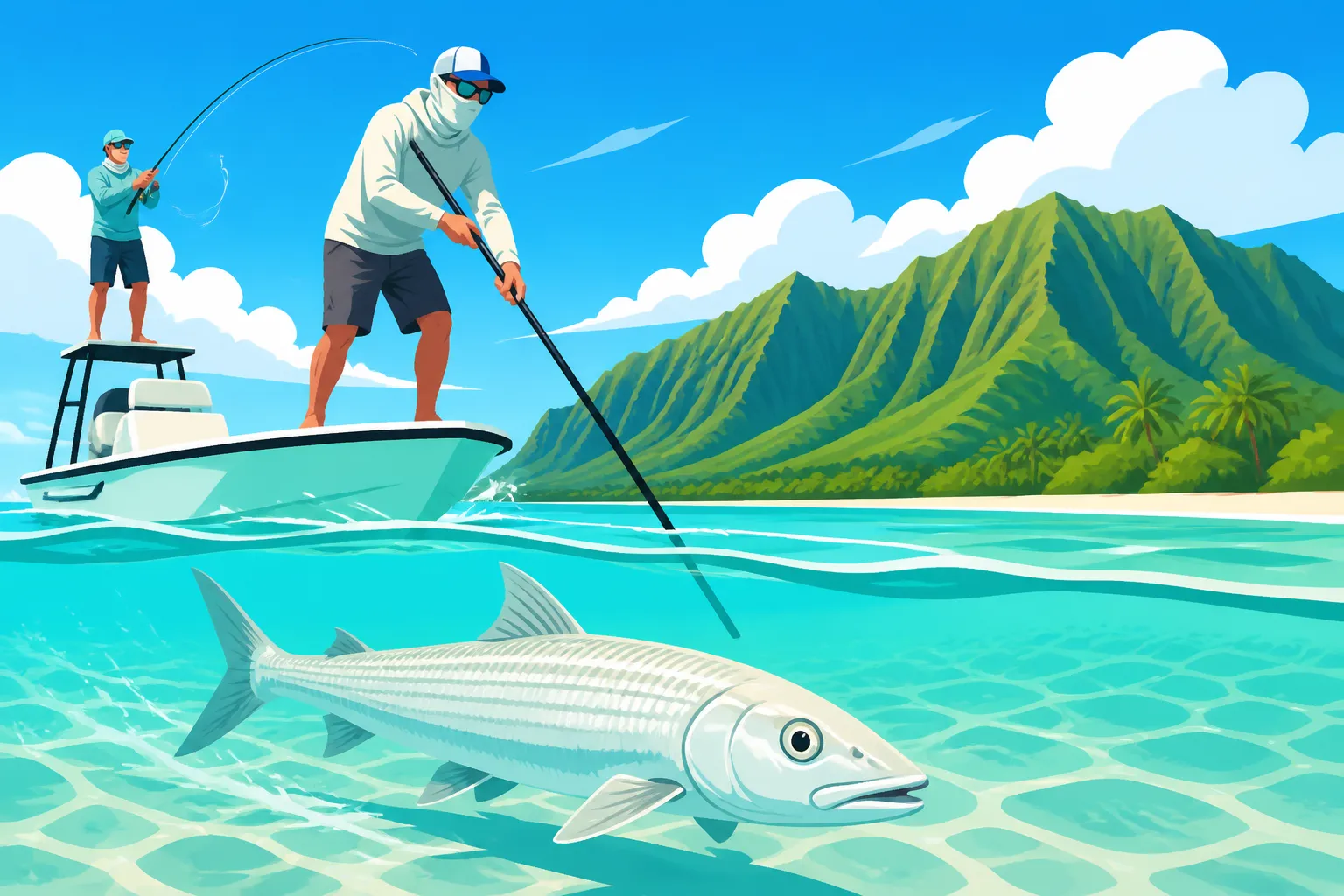
Oahu’s shallow, expansive flats, particularly around areas like Keehi Lagoon and parts of the island's southern and western shores, create the ideal habitat for bonefish. These aren't your typical sandy beaches; often, they're a mix of sand, mud, and coral rubble, creating a diverse ecosystem that bonefish thrive in. What makes it so special is the opportunity for sight fishing. Imagine standing in clear, ankle-deep water, scanning for the tell-tale "tailing" of a feeding bonefish, or the subtle shadow of a cruising fish against the bottom. It's a highly visual and incredibly engaging form of fishing that demands stealth, precision, and quick reflexes. The thrill comes from spotting your target, making the perfect cast, and then watching the fish react. It's an intimate dance between angler and environment that simply can't be replicated in deeper waters. These flats offer an accessible yet challenging environment for both wading and poling skiffs, making them incredibly versatile for different angling styles. You might also want to check out our detailed guide on Best Bonefishing Spots in Hawaii to get a better lay of the land.
The Elusive "Ghost of the Flats"
The bonefish, or ʻōʻio as it's known in Hawaiian, has earned its nickname "ghost of the flats" for a very good reason. These fish possess an uncanny ability to blend into their surroundings, vanishing with a flick of a tail if they sense even the slightest disturbance. Their iridescent silver scales perfectly reflect the light, making them almost invisible against the sandy or rocky bottom. They are incredibly wary, with keen eyesight and an acute sense of vibration, which means a clumsy step or a poorly placed cast can send them rocketing off the flat in an instant. But when you hook into one, prepare for an exhilarating fight! Bonefish are renowned for their blistering, reel-screaming runs, often tearing off dozens of yards of line in a flash. Despite their relatively moderate size, they are powerful, tenacious fighters that will test your tackle and your angling skills to their limits. Successfully landing one after a stealthy stalk and a perfect presentation is one of the most rewarding experiences in saltwater fishing, making them a highly sought-after species among serious anglers. Understanding these fish and their behavior is key, and our article on Bonefish (Oio) in Hawaii) dives deeper into their habits.
What Makes a Bonefishing Captain "Best"?
Just owning a boat and some fishing rods doesn't make someone a bonefishing captain. When you're targeting such a specialized and notoriously spooky fish on challenging flats, you need a guide with a very particular set of skills and qualities. The best captains aren't just boat drivers; they're expert naturalists, patient instructors, and keen strategists who understand the subtle nuances of the Oahu flats.
Local Knowledge and Experience
This is, without a doubt, the most critical factor for a bonefishing captain on Oahu. The flats here are complex, with ever-changing tides, currents, and bottom compositions. A truly great captain has spent years, if not decades, learning the intricate patterns of the bonefish in specific areas. They know which flats fish best on a rising tide versus a falling tide, which channels the fish use to move between feeding grounds, and where the schools tend to congregate based on the time of year or even the time of day. They understand the subtle changes in the water color or bottom structure that indicate prime feeding areas. This isn't knowledge you can get from a map; it's gained through countless hours on the water, observing, experimenting, and refining their approach. A captain who knows the "secret spots" or can adapt to unexpected conditions, like a sudden wind shift or a change in water clarity, is invaluable. This deep, hyper-local understanding translates directly into more opportunities to cast at fish, which is what you're ultimately paying for. Without this intimate knowledge, you might spend more time searching than actually fishing. It's a deep skill set that makes all the difference when you're wading the flats.
Specialized Gear and Techniques
Bonefishing, particularly with fly tackle, requires very specific equipment and refined techniques. A top bonefishing captain will have high-quality, well-maintained gear perfectly suited for the task. This means appropriate fly rods (typically 8-weight or 9-weight) with matching reels spooled with tropical fly lines designed for quick loading and accurate casting. They'll have a selection of effective bonefish flies, often tied specifically for Hawaiian waters, that imitate the crabs, shrimp, and other invertebrates bonefish feed on. For spin anglers, they'll provide light-tackle setups with sensitive rods and reels spooled with braid, often tipped with a fluorocarbon leader, along with a range of small jigs or plastics that mimic bonefish prey. Beyond just providing the gear, the best captains are masters of the specific techniques required. This includes poling their skiff silently across the flats, helping you spot fish that you might otherwise miss, and coaching you on everything from casting accuracy and presentation to the proper retrieve speed. They understand that every cast counts and will patiently guide you through the process, helping you refine your technique for the best possible outcome. You can delve into some of these specific methods in our guide on Best Bonefishing Techniques for Oahu Flats.
Patience and Teaching Skills
Bonefishing can be incredibly rewarding, but it can also be frustrating, especially for beginners or those new to sight fishing. Bonefish are spooky, and opportunities can be fleeting. The best captains possess immense patience and excellent teaching skills. They understand that not every angler is an expert, and they are adept at breaking down complex concepts like spotting fish, making quick and accurate casts, and setting the hook gently but firmly. They'll provide clear, concise instructions without being overbearing, offering encouragement and constructive feedback throughout the day. A great captain celebrates your successes, no matter how small, and understands that the experience is just as important as the catch. They create a supportive and enjoyable atmosphere, making you feel comfortable even when you're missing casts or spooking fish. This ability to teach, guide, and adapt to each angler's skill level is crucial for ensuring everyone on board has a positive and memorable day on the water. After all, the goal isn't just to catch fish, but to learn and grow as an angler. This empathetic approach is something we value deeply when it comes to guides, especially for those who are just starting out, as discussed in Best Guided Trips for Beginners in Hawaii.
Finding Your Ideal Bonefishing Captain
With so many options out there, how do you home in on the captain that's truly right for your Oahu bonefishing adventure? It takes a bit of research and knowing what questions to ask, but with the right approach, you can find a guide who perfectly matches your angling style and expectations.
Online Resources and Reviews
In this digital age, one of the best places to start your search is online. Websites dedicated to charter bookings and guide services have become incredibly valuable. Platforms like FishingBooker, for instance, offer a wide array of listings for local captains specializing in bonefishing on Oahu. What's fantastic about these sites is the ability to read real reviews from previous clients. Pay close attention to comments about a captain's patience, local knowledge, the quality of their gear, and their ability to put anglers on fish. Look for patterns in the reviews – do people consistently praise their communication skills? Do they mention the captain's expertise in spotting bonefish? While a single negative review might be an anomaly, a recurring theme, positive or negative, is usually a good indicator. Don't just skim the star ratings; dive into the actual testimonials to get a nuanced understanding of what to expect. This is also where you can often see details about what's included in the trip, like whether tackle, bait, and water are provided, which is covered in articles like What to Bring on a Hawaii Fishing Charter. Remember, online presence is a major factor for many businesses now, and a captain with a professional, informative listing is often a good sign. When browsing, take your time to compare a few different options before making a decision.
Word of Mouth and Local Connections
Beyond the digital world, some of the most reliable recommendations still come from other anglers and local sources. If you know anyone who has fished Oahu for bonefish, ask them who they went with and why they recommend them. Visit local tackle shops on Oahu, particularly those specializing in fly fishing or light tackle. The folks behind the counter often have their ears to the ground and know which guides are consistently putting clients on fish and delivering great experiences. They might even have business cards for local captains or be able to share insights into current fishing conditions and who is having success. Engaging with local fishing communities, whether through online forums or in-person clubs, can also yield valuable recommendations. Hawaiʻi is a close-knit community, and a captain with a good reputation among locals is a strong indicator of quality and reliability. Don't be shy about asking around; you'd be surprised how willing fellow anglers are to share their positive experiences with a great guide.
Key Questions to Ask Before Booking
Once you've narrowed down a few potential captains, don't hesitate to reach out and ask some specific questions before committing to a booking. This is your chance to ensure they're the right fit for your trip.
Here's a table of essential questions to ask:
| Question | Why It's Important |
|---|---|
| "What's your experience specifically with bonefishing on Oahu?" | Confirms their specialization and local knowledge, not just general fishing. |
| "Do you primarily offer fly fishing, spin fishing, or both?" | Ensures their approach matches your preferred angling method. |
| "What kind of gear do you provide, and is it suitable for bonefish?" | Verifies quality and appropriateness of tackle; ensures you don't need to bring your own specialized gear. |
| "What is your typical client-to-guide ratio?" | Important for personalized attention, especially on a flats skiff. Most bonefish trips are 1-2 anglers. |
| "What is your philosophy on catch and release for bonefish?" | Shows commitment to conservation; bonefish are often strictly catch-and-release. |
| "What time of day/tide do you recommend for bonefishing, and why?" | Demonstrates their understanding of bonefish behavior and local conditions. |
| "What happens if the weather is bad on our scheduled day?" | Clarifies cancellation, rescheduling, or refund policies. |
| "Do I need a fishing license, or does the charter cover it?" | Important legal requirement. Most charters don't cover personal licenses for individual anglers. (See Do You Need a Fishing License in Hawaii) |
| "What should I bring?" | Helps you pack appropriately (sunscreen, hat, polarized sunglasses, appropriate footwear). |
Beyond these, trust your gut feeling. A good captain will be happy to answer your questions and will communicate clearly and enthusiastically. If something feels off, it's usually best to move on to another option. Remember that many of the best bonefishing captains book up far in advance, especially during peak seasons, so it's always wise to plan ahead for your guided trip, particularly for Best Fly Fishing Charters for Bonefish on the Flats.
Preparing for Your Oahu Bonefishing Adventure
You've done the research, you've picked your captain, and now the day is approaching for your Oahu bonefishing trip. A little preparation goes a long way to ensuring you have a successful and enjoyable experience on the flats. Bonefishing is a unique pursuit, and being ready for it will make all the difference.
Essential Gear to Bring
Even though a good bonefishing captain will provide all the necessary fishing gear, there are several personal items that are absolutely essential for a comfortable and productive day on the flats. First and foremost, polarized sunglasses are not just a luxury; they are a critical tool. Without them, you simply won't be able to spot bonefish in the glare of the sun on the water. High-quality brown or amber lenses are often preferred for flats fishing. Next, sun protection is paramount. The Hawaiian sun is intense, especially when reflected off the water. Bring a wide-brimmed hat, quick-drying long-sleeve shirts (preferably UPF-rated), long pants or wading pants, and plenty of reef-safe sunscreen. You'll be spending hours exposed to the elements. For footwear, wading boots or sturdy water shoes with good grip are a must. The flats can have sharp coral, urchins, or uneven rocky bottom, and open-toed sandals simply won't cut it for protection and stability. A light rain jacket is also a good idea, as pop-up showers are common in Hawaii. Lastly, bring plenty of water and snacks. While some charters might provide basic refreshments, it's always best to have extra to stay hydrated and energized throughout a long day of casting and stalking. Our article on What to Bring on a Hawaii Fishing Charter offers a broader list of essentials for any charter trip.
Physical and Mental Readiness
Bonefishing is not a passive activity; it requires a certain level of physical and mental engagement. You'll be spending hours standing, walking, or wading, often under the sun, constantly scanning the water. Being in reasonably good physical condition will enhance your enjoyment and increase your stamina for casting and fighting fish. Mentally, bonefishing demands patience and focus. You'll make many casts, and sometimes few or none will result in a fish. There will be moments of frustration, especially when a fish spooks or a cast goes awry. The key is to remain positive, listen to your captain's advice, and celebrate the small victories – spotting a fish, making a good cast, or learning a new technique. It's a game of precision and stealth, and rushing things or getting discouraged easily won't help. Embrace the challenge, enjoy the stunning Hawaiian scenery, and understand that every moment on the water is an opportunity to learn. The quiet intensity of the hunt is part of what makes bonefishing so captivating. For more on wading safely, consider reviewing How to wade a reef flat safely in Hawaii.
Understanding Catch and Release
Bonefish are primarily a catch-and-release species in many parts of the world, including Hawaii, due to their importance as a sportfish and their often slow growth rates. While it's always best to confirm with your specific captain, most Oahu bonefishing guides practice strict catch and release to help conserve this incredible fishery for future generations. This means you should be prepared to handle fish quickly and gently, minimizing their time out of the water. Your captain will guide you on proper handling techniques to ensure the fish's survival. This often involves keeping the fish wet, supporting its weight properly, avoiding excessive squeezing, and using barbless hooks for easier removal. The reward comes not from taking the fish home, but from the thrill of the chase and the powerful fight. Participating in responsible angling practices is a core value of the Hawaiian fishing community, ensuring that these pristine flats continue to thrive with healthy bonefish populations. Knowing the regulations for species like moi or uhu are important, but for bonefish, it's all about conservation.
Disclaimer
This article is for general informational purposes only and does not constitute professional advice. Laws, prices and regulations vary by location and change over time. Consult a qualified professional for guidance on your specific situation.