Best charters for catching marlin and ahi together
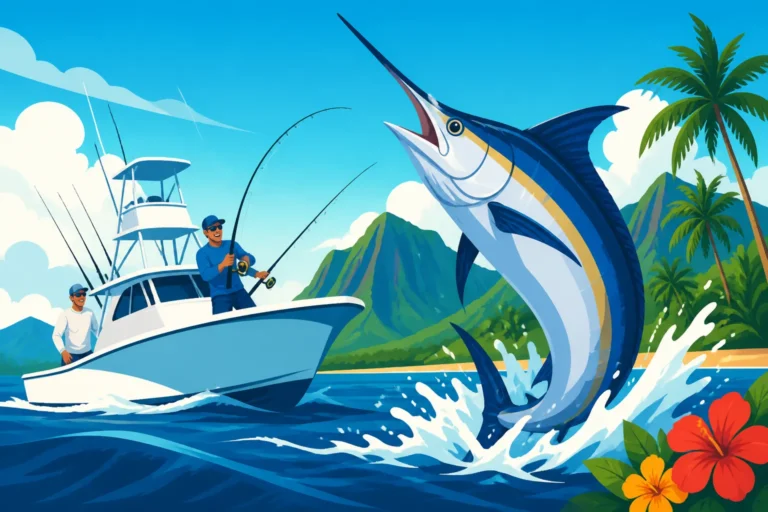
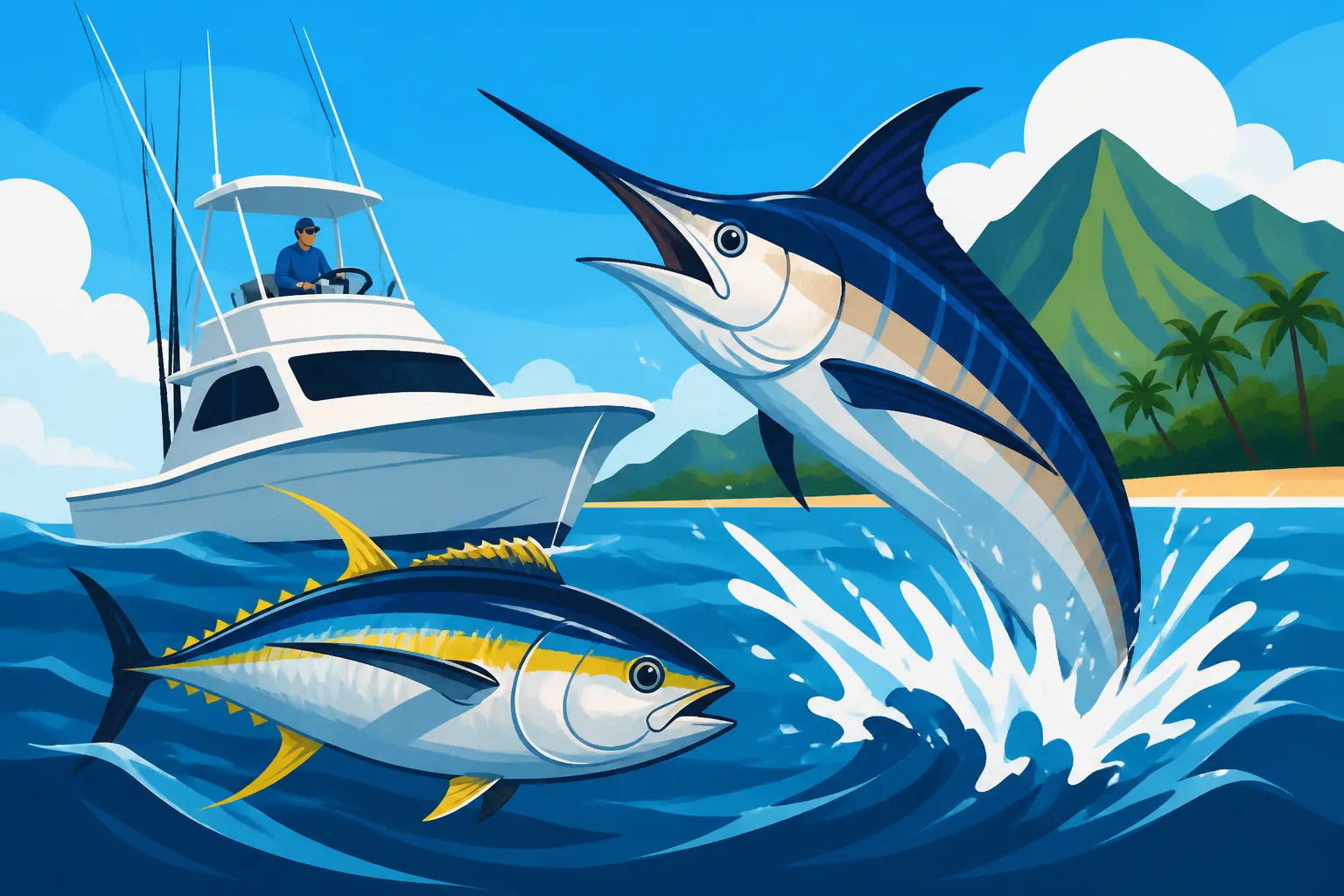
It’s a dream for many anglers visiting Hawaii: hooking into a powerful blue marlin and then, almost in the same breath, landing a screaming yellowfin tuna (ahi). But let's be real, juggling these two magnificent pelagic species on a single charter trip can feel like trying to catch lightning in a bottle. They often prefer different feeding patterns, depths, and even areas of the ocean, leading to a common frustration of having to "pick one." This guide is all about navigating that challenge, helping you understand how and where to find the best charters designed to maximize your chances of connecting with both a prized marlin and a delicious ahi during your Hawaiian fishing adventure.
The Allure of a Dual Marlin and Ahi Charter
For many anglers, the thought of landing both a majestic marlin and a hard-fighting ahi on the same day is the ultimate Hawaiian fishing experience. It's not just about the brag-worthy photos; it’s about experiencing the full spectrum of Hawaii's world-class offshore fishery. However, it's also where the challenge lies, as these two iconic species often require slightly different approaches.
Why Target Both Species?
The thrill of Hawaiian big-game fishing is truly unmatched, and a lot of that comes from the sheer diversity and power of the pelagic species cruising these waters. A blue marlin represents the pinnacle of offshore sportfishing – their explosive strikes, acrobatic jumps, and sheer brute strength test even the most seasoned angler. Then there's the ahi, or yellowfin tuna, known for their incredible speed, powerful dives, and, let's not forget, their exquisite table fare. Targeting both means you're not limiting your experience. You get to chase the ultimate game fish while also bringing home some of the most sought-after sushi-grade fish in the world.
Imagine a morning spent trolling along the famous Kona Coast Fishing Guide, hoping for that tell-tale sizzle as a marlin crashes a lure. Then, as the sun climbs higher, shifting tactics to find those schooling ahi, perhaps near a FAD (Fish Aggregating Device) or a deep-water buoy. It’s a dynamic day of fishing that offers a broader experience than focusing on just one target. This versatility is what makes dual-species charters so appealing, allowing you to sample the best of both worlds.
The Challenge of Dual-Species Fishing
While the appeal is clear, successfully targeting both marlin and ahi on a single trip presents some inherent challenges. Marlin are typically apex predators that respond well to large trolled lures or live bait, often found hunting along current lines, temperature breaks, or significant underwater structure. Ahi, particularly the larger "grander" types, can also be caught on the troll, but often form schools and respond exceptionally well to chumming or deep jigging once located. They might be found further offshore, or at different depths, than where the marlin are actively feeding.
A charter captain aiming for both needs to be incredibly adaptable, possess deep knowledge of local waters, and be willing to adjust strategies throughout the day. This might involve starting the day trolling for marlin, then moving to a different area or switching to different gear and techniques if ahi schools are reported or marked on the sonar. The challenge isn't just in finding the fish, but in having the right gear, bait, and tactical flexibility to capitalize on opportunities for both species as they arise. It’s a delicate balance of strategy, timing, and sheer luck that makes these trips so memorable.
Essential Factors for Choosing a Dual-Species Charter
Selecting the right charter boat and captain is paramount when your goal is to land both marlin and ahi. This isn't just any fishing trip; it requires specific expertise and equipment. You need a captain who understands the nuanced habits of both species and has a proven track record of adapting their techniques effectively.
Captain’s Experience and Reputation
When you're looking for a charter that can reliably put you on both marlin and ahi, the captain's experience is your number one priority. This isn't the time to go with the cheapest option or a new captain still learning the ropes. You need someone who has spent years, if not decades, fishing the local waters, understanding the seasonal patterns of Ahi (Yellowfin Tuna) Fishing in Hawaii and Marlin Fishing off the Kona Coast, and reading the ocean's subtle cues.
An experienced captain knows how to interpret sonar readings for bait schools that attract ahi, recognizes the signs of marlin feeding activity, and understands the intricate relationship between currents, temperature breaks, and fish location. They’ll have a network of other captains to share real-time intel with, and crucially, they won't be afraid to change their game plan if one species isn't biting. Don’t hesitate to ask about their specific success rates with dual-species trips or look for testimonials that mention anglers catching both. Platforms like FishingBooker often feature detailed captain profiles and customer reviews that can give you a strong indication of a captain's specialization and adaptability.
Boat Size and Equipment
The vessel itself, along with its onboard equipment, plays a critical role in a successful dual-species trip. For offshore pelagic fishing, a boat typically in the 30-foot to 50-foot range is ideal, offering stability in varying ocean conditions, enough deck space for multiple anglers, and sufficient fuel capacity to reach prime fishing grounds. More importantly, look for a boat equipped with high-end electronics, including sophisticated sonar and radar to locate bait balls and bird activity that often indicate ahi.
The tackle on board needs to be versatile. You’ll need heavy-duty trolling rods and reels spooled with lines capable of handling a grander marlin, typically ranging from 80-pound to 130-pound test. But you also need lighter, faster jigging and popping setups for schooling ahi, which can involve 30-pound to 60-pound gear. A good charter will have a diverse spread of lures for marlin trolling, along with a plentiful supply of bait like skipjack, mackerel, or squid for both trolling and potential chumming. Livewells are also crucial for keeping bait fresh, especially if the plan involves live-baiting for marlin or chunking for ahi. Ask about their rigging for different techniques – do they have outriggers for spreading lures, or a dedicated setup for vertical jigging? These details indicate a charter's readiness for diverse fishing scenarios.
Trip Length and Flexibility
Successfully targeting both marlin and ahi often requires more than a typical half-day charter. These species can be widely distributed, and finding them might mean covering a lot of water or spending dedicated time on different techniques. This is why a full-day (8-hour) or even extended full-day (10-hour or more) charter is usually your best bet. A longer trip provides the captain with the necessary time to run to offshore grounds, execute a diverse fishing strategy, and adapt to changing conditions or fish movements.
A flexible captain will be willing to start the day with marlin in mind, perhaps trolling specific depth contours, and then transition to focusing on ahi later if opportunities arise. This could involve scouting FADs, looking for bird activity, or using sonar to find deep schools. Discuss your dual-species aspirations with the captain when booking. Ask about their typical game plan for such trips and if they're open to adjusting based on real-time intel. A rigid captain who only sticks to one method or target might limit your chances. This open communication is a hallmark of How to Choose a Hawaii Fishing Charter.
Prime Locations and Charter Operations for Dual Success
While Hawaii offers fantastic fishing across all islands, some spots and charter operations are particularly well-suited for targeting both marlin and ahi due to geography, historical catch data, and the concentration of experienced captains.
The Kona Coast, Big Island
Without a doubt, the Kona Coast of the Big Island is considered the mecca for marlin fishing in Hawaii, and it’s also a prime location for ahi. What makes Kona so special for dual-species success? The unique geological features of the Kona coastline, with its deep water very close to shore, create incredible fishing grounds. The underwater topography, including seamounts and ledges, creates upwellings and current lines that concentrate baitfish, attracting both marlin and ahi.
The charter fleet operating out of Honokohau Harbor (the main hub near Kailua-Kona) is world-renowned for its expertise in big-game fishing. Many of these captains have decades of experience specifically targeting Marlin Fishing off the Kona Coast and have perfected their techniques for landing large ahi as well. They often start the day trolling large lures or baits for marlin, working along the edge of the shelf or around known feeding grounds. If they mark ahi schools or hear reports, they can quickly shift gears, deploy smaller lures, or even initiate a Best Techniques for Chumming for Ahi campaign. This adaptability is critical, and the concentration of high-quality boats and captains means you have excellent options for a dual-species charter. If you're looking for Best Charters Out of Honokohau Harbor, many will explicitly list their prowess in catching both.
Other Promising Island Locations
While Kona often steals the spotlight, other Hawaiian islands also offer strong opportunities for a combined marlin and ahi trip, especially if you're exploring Best Deep Sea Fishing Spots in Hawaii.
- Maui: Charters operating out of Ma'alaea Harbor or Lahaina Harbor on Maui have access to productive waters, particularly off the "FAD Triangle" between Maui, Lanai, and Kahoolawe. These areas attract schooling ahi, and marlin are also frequently encountered, especially during peak seasons. Maui captains are skilled in Trolling Techniques for Hawaii Pelagics and can often switch between targeting marlin and ahi effectively, though the offshore runs might be a bit longer than Kona's immediately deep waters.
- Oahu: While perhaps more known for its prolific "schoolie" ahi (smaller tuna) and other pelagics, Oahu also produces large marlin. Charters from Kewalo Basin or Ko Olina have access to diverse fishing grounds. The focus here might be more on finding ahi schools via FADs or bird plays, with marlin being a welcome bonus while trolling the same grounds. Best Time of Year to Fish in Hawaii can vary by island, so consult local intel for optimal timing.
Regardless of the island, the key is to seek out charters that explicitly market their ability to target multiple pelagic species, or those that have strong reviews detailing successful mixed bags.
| Charter Consideration | Marlin Focus | Ahi Focus | Dual-Species Charter Strategy |
|---|---|---|---|
| Typical Depth | Surface to 500 ft (lures) | Surface to 800 ft (jigging/chumming) | Adapt to conditions, use varied depths. |
| Primary Technique | High-speed trolling, live baiting | Trolling, jigging, chumming | Combine trolling runs with stopping to work marks. |
| Preferred Lures/Bait | Large skirts, live skipjack/tuna | Smaller skirts, jigs, chunk bait | Diverse spread of lures/baits, readiness to switch. |
| Boat Speed | Faster trolling (6-10 knots) | Variable (trolling, drifting, stopping) | Adjust speed for target species or specific marks. |
| Gear Weight | 80-130 lb class | 30-60 lb class | Multiple rod setups for quick changes. |
| Crew Expertise | Reading water, lure spreads | Sonar interpretation, bait management | Seamless transitions between techniques and species. |
| Trip Duration | Full-day often preferred | Can be found on half-days (schoolies) | Full-day strongly recommended for flexibility. |
Note: This table provides general guidelines; actual conditions and captain strategies may vary.
Techniques and Strategies for a Combined Catch
Successfully catching both marlin and ahi on the same charter trip relies heavily on the captain's ability to employ a flexible and adaptive strategy. It's a blend of dedicated big-game trolling and opportunistic targeting of tuna schools.
Trolling: The Common Denominator
Trolling is the most common and effective technique for covering water and locating pelagic species in Hawaii, making it the primary method for most charters targeting both marlin and ahi. A well-placed Trolling Techniques for Hawaii Pelagics spread of lures or rigged baits can entice both a hungry marlin and a fast-moving ahi. Captains will often run a diverse spread, including larger lures that appeal to marlin, and some slightly smaller, faster-moving lures that ahi tend to strike.
The key is often in the presentation and the area being worked. When trolling for marlin, captains will frequently focus on current lines, temperature breaks, and ledges where baitfish congregate. Ahi, while also present in these areas, might respond to a slightly faster troll speed or a different color presentation. A skilled captain will be constantly watching their sonar for bait balls, bird activity for signs of ahi, and the overall conditions of the water. If they see promising signs of ahi, they might momentarily alter their trolling pattern or speed to try and draw a strike from a tuna school while still keeping an eye out for marlin. Many of the Best Marlin Charters off the Kona Coast are also adept at hooking ahi on the troll.
Adapting for Ahi: Chumming and Jigging
While trolling might get you your marlin, and some ahi, maximizing your ahi potential often requires specific tactics once a school is located. This is where a truly versatile charter earns its stripes. If a captain marks a significant school of ahi on the sonar, or if birds are working the surface, they might decide to stop trolling and switch to a more dedicated ahi approach.
One popular and highly effective method is chumming. This involves cutting up baitfish (like opelu, mackerel, or squid) into small pieces and throwing them into the water to create a scent trail, drawing the ahi closer to the boat. As the ahi become more active, anglers can then cast out live baits or jigs into the chum line. Best Techniques for Chumming for Ahi can bring ahi right to the surface, offering exciting visual strikes. Another tactic is vertical jigging, especially for deeper schools of ahi. Heavy metal jigs are dropped to the depth where the fish are marked and then rapidly retrieved with a specific action to mimic fleeing baitfish. These methods, while demanding a shift from trolling, significantly increase the chances of landing multiple ahi once a school is found. Always check Hawaii Pelagic Species Bag Limits for both species to ensure compliance.
Maximizing Your Chances on a Dual-Species Trip
To truly make the most of your investment in a dual-species charter, there are a few things you can do to prepare and contribute to the overall success of the trip. Remember, fishing is a team sport, and a good angler is prepared and engaged.
What to Discuss Before Booking
Before you even step foot on the boat, a clear conversation with the charter captain or booking agent is crucial. Don't just book a "deep sea fishing trip" and assume they'll target everything. Explicitly state your goal: "We're really hoping to have a shot at both a marlin and some nice ahi." Ask how they typically approach such a trip. Do they start with trolling for marlin and then adapt for ahi, or vice-versa? What kind of tackle do they typically employ for both? Are they prepared to switch methods if one species is proving elusive?
Inquire about the Hawaii Fishing Charter Cost Guide and what's included. Does it cover all bait, tackle, and licenses? What's the policy on keeping your catch, especially if you land multiple ahi? Many charters will keep a portion of the ahi for the boat or crew, but you should clarify this beforehand. Understanding the captain's strategy and capabilities will help manage your expectations and ensure you're both on the same page. You can often find detailed information about different charter offerings on platforms like FishingBooker, which makes it easier to compare boats that specifically cater to multi-species angling.
Be Prepared for the Day
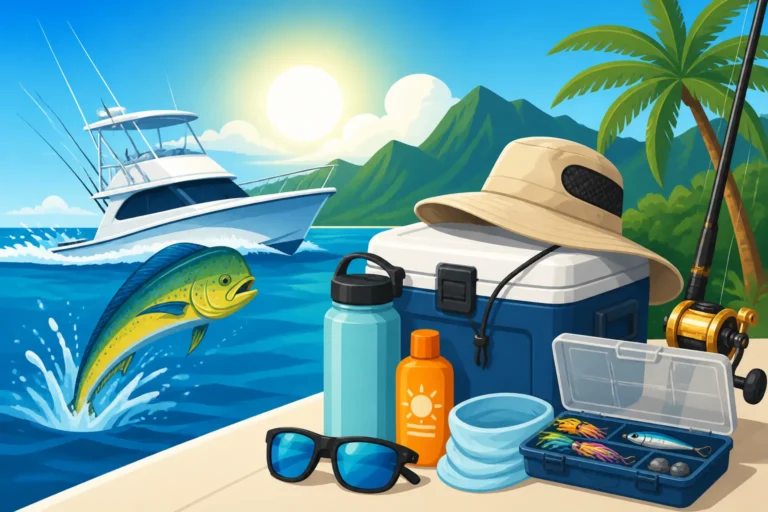
Once you've booked your charter, preparation for the day itself is key. What to Expect on a Hawaii Fishing Charter should give you a good idea. Hawaii's ocean environment can be intense, so dress in layers to account for cool mornings and warm afternoons, bring sun protection (hat, sunglasses, long-sleeved shirt, plenty of reef-safe sunscreen), and pack motion sickness medication if you're prone to seasickness. Even if the forecast is calm, offshore conditions can change quickly.
Bring plenty of water and snacks, as full-day trips can be long and physically demanding. Listen carefully to the crew's instructions regarding safety, fishing techniques, and what to do when a fish strikes. Be ready to move quickly when the captain calls out "fish on!" and be prepared to assist the crew if needed. A positive attitude and willingness to adapt are invaluable on any fishing trip, but especially one where you're targeting two different, powerful species. The ocean can be unpredictable, but your preparation can ensure you're ready for whatever it throws your way.
Disclaimer
This article is for general informational purposes only and does not constitute professional advice. Laws, prices and regulations vary by location and change over time. Consult a qualified professional for guidance on your specific situation.