Best charters for a sunset mahimahi trip
There’s nothing quite like the dream of a Hawaiian sunset, is there? Now, imagine blending that breathtaking spectacle with the thrill of reeling in a vibrant, acrobatic mahimahi. Many anglers find themselves yearning for this specific, magical experience, but navigating the myriad of charter options to find that perfect sunset mahimahi trip can feel like a daunting task. This guide is here to untangle the choices, helping you pinpoint the best fishing charters in Hawaii that specialize in chasing these beautiful dorado as the sun dips below the horizon.
The Allure of Sunset Mahimahi Fishing in Hawaii
Catching mahimahi, often called dorado or dolphin fish, is an exhilarating experience any time of day, but there's a unique magic to pursuing them as the sun paints the sky with fiery hues. The Hawaiian waters transform, the air cools, and a different kind of energy settles over the ocean. This specific window offers not just fantastic fishing opportunities but also an unforgettable sensory experience.
The Magic of the Golden Hour Bite
As the day transitions into evening, a special kind of magic unfolds on the water, often referred to by anglers as the "golden hour" or "twilight bite." Many pelagic species, including mahimahi, become more active during these crepuscular periods. The change in light penetration can make baitfish more vulnerable, and predators like mahimahi seize this opportunity to feed. It’s a time when the ocean seems to come alive with renewed vigor, and the fish, which might have been lethargic in the midday heat, suddenly become more aggressive and willing to strike.
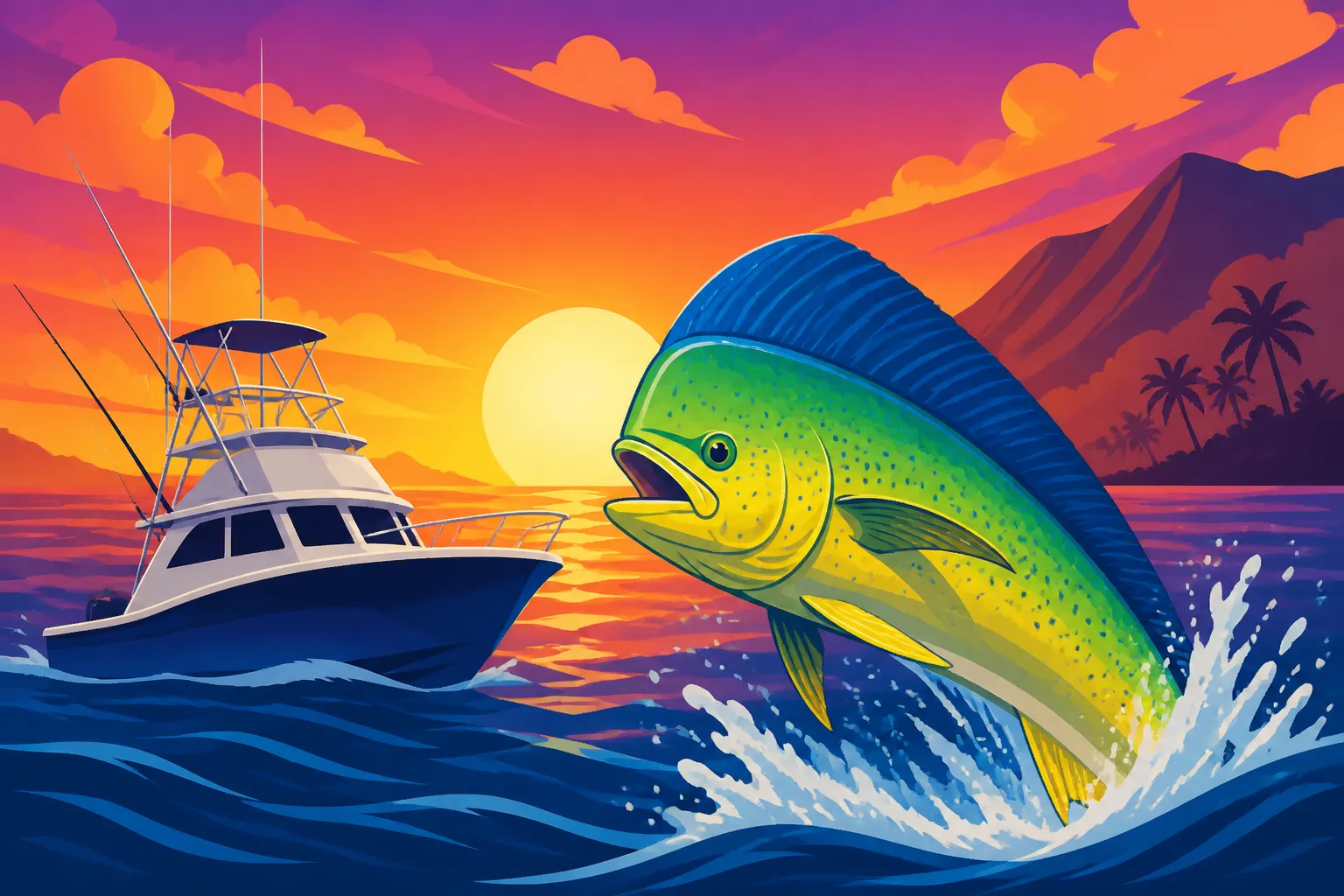
Imagine the scene: the sun is a fiery orb sinking towards the horizon, casting long shadows and painting the clouds in shades of orange, pink, and purple. The glare on the water diminishes, making it easier to spot subtle signs of feeding activity, like diving birds or splashes on the surface. For mahimahi, which are highly visual predators, this shift in light can be a crucial factor. They can use the lower light conditions to their advantage, ambushing prey that might be less visible against the fading light. This heightened activity translates directly into increased chances for anglers, turning a picturesque boat ride into an action-packed fishing adventure.
Ambiance and Unforgettable Scenery
Beyond the potential for increased bites, a sunset mahimahi trip offers an unparalleled ambiance that a midday outing simply can't match. The heat of the day subsides, replaced by cooler, gentler breezes that glide across the deck. The vibrant blue of the Hawaiian ocean takes on deeper, richer tones as the light fades, reflecting the sky's dramatic transformation. Every cast is made against a backdrop that feels straight out of a postcard, creating memories that linger long after the trip ends.
There’s a tranquility that comes with being on the open water as the day comes to a close. The hustle and bustle of shore life fade into the distance, and all that remains is the rhythm of the boat, the sound of the waves, and the anticipation of a screaming reel. It’s an incredibly peaceful yet exciting experience, perfect for creating lasting memories with family or friends. Whether you're celebrating a special occasion, looking for a romantic adventure, or simply want to experience Hawaii from a unique perspective, a sunset fishing charter provides a picturesque setting that enhances every aspect of the trip. The chance to witness a spectacular Hawaiian sunset from the deck of a fishing boat, with the added thrill of a potential trophy catch, truly makes these trips exceptional.
Key Considerations for Booking Your Sunset Mahimahi Charter
Choosing the right charter for your sunset mahimahi adventure is crucial to ensuring a memorable and successful trip. It’s not just about finding any boat that goes out in the evening; it's about matching your expectations with a charter that genuinely delivers on the promise of a golden hour mahimahi hunt. There are several factors you'll want to carefully consider before making your booking.
Departure Times and Duration
The term "sunset trip" can mean different things to different charter operators, and understanding these nuances is important. Some charters might offer a late afternoon departure, perhaps around 2 or 3 PM, which allows for several hours of fishing in prime daylight before transitioning into the golden hour and then returning shortly after dusk. These longer afternoon trips often give you the best of both worlds: a chance to hit the fishing grounds during the broader feeding window and still enjoy the sunset spectacle. Other charters might be specifically branded as "sunset" or "evening" trips, departing later, perhaps closer to 4 or 5 PM, and focusing primarily on that golden hour bite, often returning after dark.
The duration of the trip also plays a significant role in your experience. A shorter trip, say 3-4 hours, might feel rushed if you're traveling a fair distance to the fishing grounds, leaving less actual lines-in-the-water time during the peak sunset bite. A 5-6 hour trip generally offers a more balanced experience, allowing for travel, ample fishing time during the transition, and the full enjoyment of the sunset. Consider what kind of experience you're seeking: a quick, scenic dash for a few bites, or a more immersive fishing expedition that capitalizes on the full evening window. Discuss these details explicitly with the charter captain or booking agent to ensure their definition of a "sunset trip" aligns with yours. Many charters that specialize in How to Catch Mahimahi in Hawaii will be clear about their typical trip durations and target windows.
Target Species Focus and Techniques
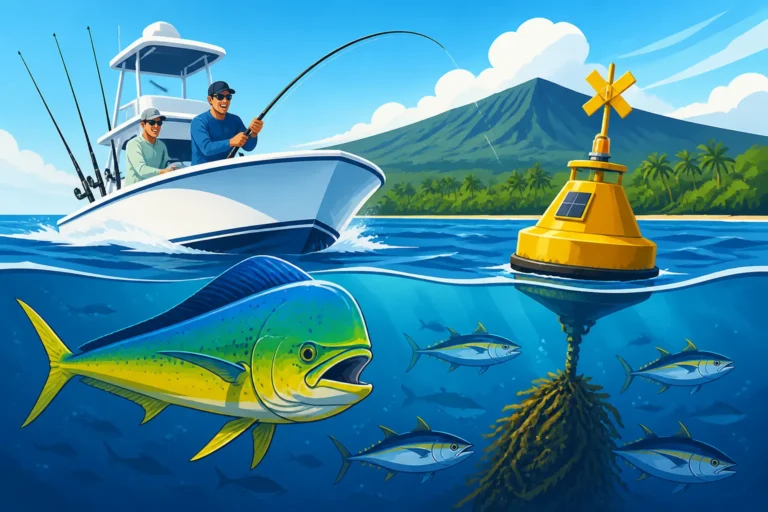
While your primary goal might be mahimahi, it's essential to confirm that the charter specifically targets them during sunset hours. Some charters might offer "sunset cruises" that happen to include fishing, but their main focus might not be on serious angling or a particular species. You want a captain and crew who are knowledgeable about mahimahi behavior, their preferred habitats, and the most effective techniques during the evening transition. Mahimahi are often found near floating debris, FADs (Fish Aggregating Devices), or along current lines, and a good captain will know how to locate these areas efficiently.
The techniques employed are also critical. For mahimahi, trolling lures or natural baits along current lines and around FADs is a very common and effective method, especially during the golden hour. Some charters might also use live bait or switch to casting jigs or poppers if they encounter a school of mahimahi feeding on the surface. Ask about the charter's preferred methods for Mahimahi Fishing in Hawaii and ensure they align with your idea of an exciting fishing experience. A charter that solely focuses on bottom fishing, for instance, won't be your best bet for mahimahi, even if they operate during sunset. Make sure the boat and gear are rigged for the kind of fast-paced, pelagic action that mahimahi are known for.
Boat Amenities and Comfort
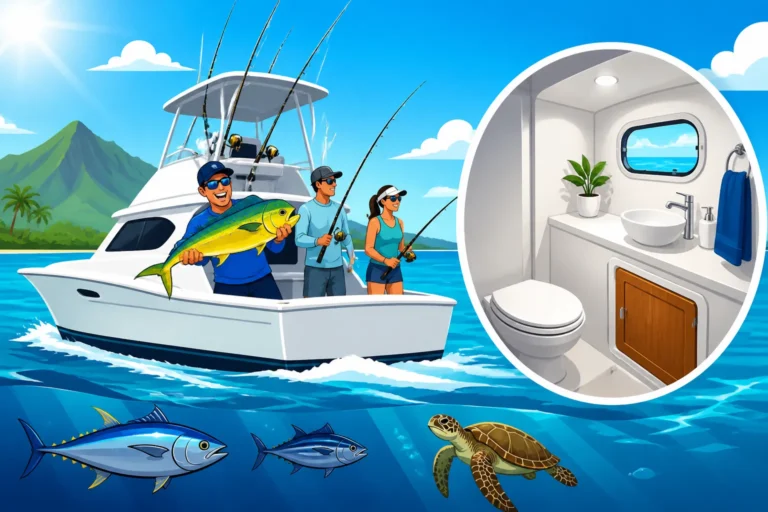
Being out on the water for several hours, especially as it transitions from day to night, means comfort on board is paramount. Consider the boat's size and amenities. Is there ample deck space for your group to move around comfortably? Is there sufficient seating, preferably shaded areas for when the sun is still strong, and comfortable spots for relaxing as dusk settles? A clean, functional restroom on board is often a non-negotiable for many, especially on longer trips.
As the sun sets, the air can cool down rapidly, so a cabin or covered area can provide welcome shelter from the evening chill or any unexpected light rain. Check if the boat has proper lighting for fishing after dark and for general safety. If you're bringing food and drinks, ask about cooler space. Little details like these, often overlooked in the excitement of booking, can significantly impact your overall enjoyment. A charter with comfortable amenities allows you to fully immerse yourself in the experience without worrying about discomfort. What to Expect on a Hawaii Fishing Charter often details these essential comforts.
Captain's Experience and Reputation
A seasoned captain with extensive local knowledge of Hawaiian waters is invaluable, particularly for a specialized trip like sunset mahimahi fishing. They understand the patterns of Mahimahi Life Cycle in Hawaiian Waters, know where the baitfish gather, how currents affect fish movement, and what conditions are most conducive to a good bite. Experience in navigating during low light conditions is also essential for safety and efficiency. A captain who regularly runs evening trips will be familiar with the unique challenges and opportunities that twilight fishing presents.
Beyond technical skill, the captain's personality and the crew's demeanor greatly influence the trip. You want a crew that is welcoming, patient, and eager to help, whether you're a seasoned angler or a complete novice. Check online reviews and testimonials on booking platforms like FishingBooker or other travel sites. Look for feedback that specifically mentions successful evening trips, crew professionalism, and how well they catered to different skill levels. A good reputation often speaks volumes about the quality of the experience you can expect, ensuring not just a productive fishing trip but also an enjoyable and safe one.
Location, Location, Location: Best Harbors for Sunset Mahimahi
Hawaii offers incredible fishing opportunities across its islands, but some locations are particularly renowned for their pelagic fishing, including mahimahi, and offer ideal departure points for sunset charters. The Kona Coast of the Big Island is legendary for its calm waters and deep-water access close to shore, making it a prime spot for all kinds of offshore fishing, including mahimahi. Harbors like Honokohau Harbor are bustling hubs for sportfishing and are home to many excellent charters.
On Maui, harbors like Maalaea Harbor and Lahaina Harbor are popular departure points, offering access to productive waters around the island. Oahu also has fantastic options, with charters operating out of Kewalo Basin and Honolulu, heading out to the FADs or current lines where mahimahi congregate. When considering your trip, think about which island you'll be on and then research charters specifically from those Best Charters Out of Honokohau Harbor, Best Charters Out of Maalaea Harbor, or Best Charters Out of Honolulu. Local knowledge from a captain based in these areas will be key to finding productive evening mahimahi grounds, as they understand the local conditions and seasonal movements of the fish.
What to Expect and How to Prepare for Your Trip
Embarking on a sunset mahimahi charter is an exciting prospect, but knowing what to expect and how to prepare can make all the difference in having a fantastic experience. From the fishing techniques you'll encounter to what you should bring along, a little foresight goes a long way.
Fishing Techniques for Sunset Mahimahi
When targeting mahimahi, especially during the sunset hours, charters typically employ a few tried-and-true techniques that capitalize on the fish's predatory nature and feeding habits. The most common method you'll likely encounter is trolling. This involves dragging multiple lines, often rigged with colorful artificial lures or natural baits like ballyhoo, behind the boat at a controlled speed. The captain will typically follow current lines, look for floating debris (which mahimahi love to congregate around for baitfish), or head towards known FADs (Fish Aggregating Devices) where these pelagic species tend to gather.
As the sun begins to set and the light changes, the crew might adjust lure colors or depths, as mahimahi can be quite visual. They'll be watching for any signs of activity, like birds diving or baitfish scattering, which often indicate mahimahi are actively feeding. If a school of mahimahi is encountered, the captain might slow the boat or even stop, allowing anglers to cast jigs, poppers, or live bait into the frenzy. These are exciting moments, as mahimahi are incredibly aggressive and put up a spectacular fight. Understanding these Trolling Techniques for Hawaii Pelagics will give you a better appreciation for the crew's efforts. The crew will be constantly working, adjusting lines, and looking for fish, making for an engaging and dynamic fishing experience throughout the trip.
Gear Provided and What Happens to Your Catch
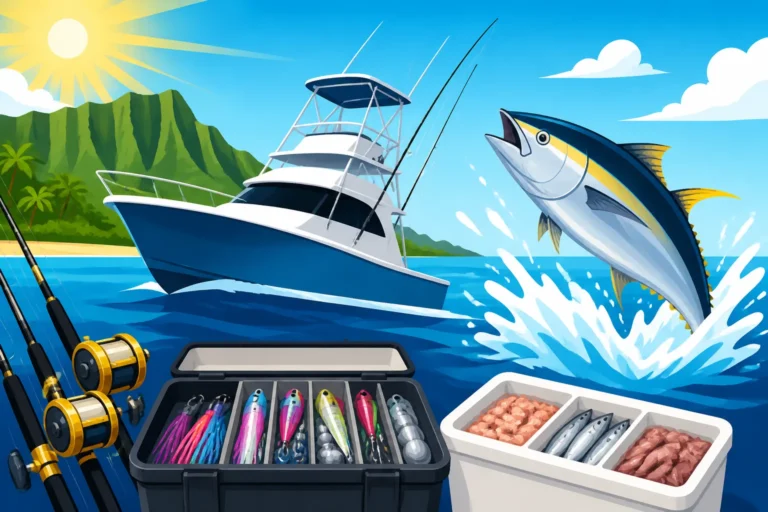
Reputable charters will always provide all the necessary fishing gear, so you don't need to worry about bringing your own rods, reels, or tackle. This typically includes appropriate rods and reels for pelagic fishing, strong lines capable of handling powerful mahimahi, and a selection of lures or natural baits. The crew will be experts in rigging the lines, deploying the baits, and assisting you with hook-ups and reeling in your catch. They'll also provide fighting belts if needed for larger fish, ensuring you have the support to battle these strong fish effectively.
Regarding your catch, policies can vary between charters. Many charters operate on a "share the catch" basis, especially if you're on a shared boat. This means the catch might be divided among the paying customers, or a portion might go to the crew. If you're on a private charter, you typically get to keep your catch. Always confirm the charter's policy beforehand. Most professional charters will also offer to clean and fillet your fish for you right on the boat or back at the dock, making it easy for you to take home fresh, delicious mahimahi. They'll often provide bags for transport, though you might want to bring a cooler to keep your fillets fresh, especially if you have a drive back to your accommodation. This is a crucial detail to clarify when booking, as it ensures there are no surprises at the end of a successful trip.
Safety Considerations and Crew Expertise
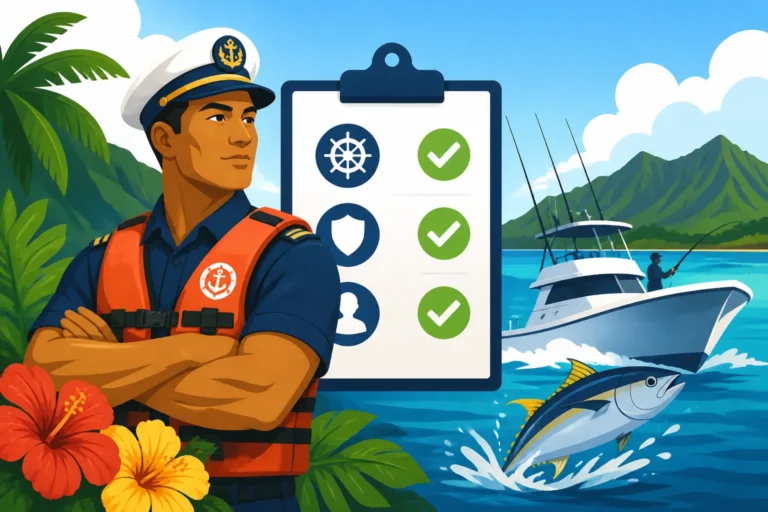
Safety is, of course, paramount on any fishing charter, and even more so as daylight transitions to dusk and then darkness. Reputable charters adhere to strict U.S. Coast Guard regulations, which means the boat will be equipped with all necessary safety gear, including life jackets, flares, fire extinguishers, and communication devices. The captain and crew are highly trained in emergency procedures and first aid, giving you peace of mind while you focus on fishing.
The crew's expertise extends beyond just safety protocols. They are skilled in navigating Hawaiian waters, even in changing light conditions, and are intimately familiar with the local marine environment. They know how to identify potential hazards and ensure a smooth, safe ride for everyone on board. Before departing, the captain will typically conduct a brief safety talk, outlining important procedures and answering any questions you might have. Trusting in their experience allows you to relax and enjoy the incredible experience of fishing as the sun sets over the Pacific.
Preparing for Your Sunset Mahimahi Adventure
To truly enjoy your sunset mahimahi trip, a little preparation goes a long way. Think about what you'll need for several hours on the water during a time when temperatures and light conditions are changing.
What to Bring: Comfort and Convenience
Packing smart for your sunset mahimahi trip will significantly enhance your comfort. Layers are key. While it might be warm when you depart in the late afternoon, the air can cool down considerably once the sun dips below the horizon, especially with the sea breeze. A light long-sleeved shirt or jacket will be very welcome. Sunglasses are essential for the initial part of the trip to combat glare, and a hat will offer sun protection. However, once the sun sets, you might want to remove them to better appreciate the ambient light.
Don't forget the practical items: sunscreen (even for a late start, the Hawaiian sun is strong!), and chapstick. Hydration is important, so bring plenty of water or other non-alcoholic beverages. Snacks are also a good idea, as fishing can work up an appetite. While most charters have some space, you might want to bring a small, soft-sided cooler for your personal drinks and snacks. Some anglers also find a light pair of closed-toe shoes more comfortable and safer on a wet boat deck than flip-flops. Lastly, if you're prone to seasickness, definitely bring your preferred remedy – a sunset trip with changing light can sometimes exacerbate symptoms. You can find more tips on this in Seasickness tips for a Hawaii fishing charter.
Booking Tips and Comparing Charters
When it comes to booking, it's generally best to do so in advance, especially during peak travel seasons. Popular charters and prime sunset slots fill up quickly. Many anglers start their search by browsing platforms like FishingBooker, which offer a wide array of options and allow you to filter by trip type, target species, and duration. This allows for easy comparison of different boats and captains.
When comparing charters, pay close attention to what's included in the price. Some might include all bait and tackle, while others might have small additional fees. Reviews are your best friend here; check feedback from previous guests, specifically looking for comments on sunset trips and mahimahi success. Websites like FishingBooker often feature detailed reviews that can give you invaluable insights into a captain's reputation, the crew's helpfulness, and the overall trip experience. Don't hesitate to call the charter directly with any specific questions you have about their sunset mahimahi trips – a good operator will be happy to provide all the details you need to feel confident in your booking.
Top Locations for Sunset Mahimahi Charters
Hawaii's islands each offer unique fishing experiences, but some stand out when it comes to consistently finding mahimahi and providing exceptional sunset charter opportunities. Understanding these prime locations can help you narrow down your search and maximize your chances of a successful and memorable trip.
The Kona Coast, Big Island
The Kona Coast of the Big Island is arguably Hawaii's most famous sportfishing destination, and for good reason. Its unique geography, with deep waters located incredibly close to shore, creates an ideal environment for pelagic species like mahimahi. The leeward side of the Big Island also typically enjoys calmer waters, making for a more comfortable ride, especially as evening approaches. Charters departing from Honokohau Harbor are perfectly positioned to access prime mahimahi grounds within a short run.
The waters off Kona are dotted with FADs and rich current lines where baitfish congregate, drawing in mahimahi, tuna, and marlin. A sunset mahimahi trip here often involves trolling these productive areas, giving you the chance to hook into a vibrant dorado while enjoying the legendary Kona sunset. The captains here are some of the most experienced in the world, specializing in offshore trolling and light tackle techniques that are perfect for mahimahi. The sheer number of experienced charters available through platforms like FishingBooker ensures you have plenty of top-notch options to choose from. When you plan your trip, consider options like Best Marlin Charters off the Kona Coast or Best Deep Sea Fishing Spots in Hawaii which will often target mahimahi as well.
Maui's Leeward Coasts
Maui also offers excellent opportunities for sunset mahimahi fishing, particularly along its leeward coasts, which are sheltered from the prevailing trade winds. Harbors like Maalaea Harbor and Lahaina Harbor serve as fantastic jumping-off points for charters looking to target mahimahi. The waters west and south of Maui often hold good numbers of these colorful fish, especially around offshore structure and current breaks.
A sunset charter out of Maui provides stunning views of the West Maui Mountains and neighbor islands like Lanai and Molokai as the sun sets, adding an extra layer of beauty to your fishing adventure. Mahimahi are often found working bait schools in these areas, and a knowledgeable captain will know exactly where to look. While perhaps not as globally renowned for giant mahimahi as Kona, Maui consistently produces good numbers of healthy fish, providing exciting action for anglers. Many charters here combine Best Half-Day Charters in Hawaii with sunset views, making for a perfect evening outing.
Oahu's South and West Shores
Oahu, being the most populated island, also has a robust charter fishing fleet, offering convenient access for visitors staying in Honolulu or Waikiki. Charters typically depart from Kewalo Basin or other harbors along the south and west shores of the island. While Oahu is famous for its Best Bonefishing Spots in Hawaii, its offshore waters are equally productive for pelagics. The FADs located offshore from Oahu are magnets for mahimahi, especially when the conditions are right.
Sunset mahimahi trips from Oahu offer dramatic views of the island's iconic coastline, including Diamond Head and the Honolulu skyline, against the backdrop of a fiery Pacific sunset. The captains here are adept at locating mahimahi schools and employ effective trolling techniques to entice bites. It's a fantastic option for those who want to combine the convenience of staying on Oahu with the thrill of a productive offshore fishing experience during the magical twilight hours. Charters here are well-equipped to target various pelagic species, ensuring a dynamic fishing trip.
Table: Comparing Sunset Mahimahi Charter Options
When you're looking for that perfect charter, comparing a few key aspects can make your decision much easier. Here's a brief overview of what you might consider when browsing options on platforms like FishingBooker or directly with charter companies:
| Feature | Shorter (3-4 Hour) Sunset Trip | Longer (5-6 Hour) Afternoon/Sunset Trip |
|---|---|---|
| Typical Departure | Late afternoon (4-5 PM) | Mid-afternoon (2-3 PM) |
| Focus | Primarily golden hour/twilight bite | Mix of daylight and golden hour fishing |
| Travel Time to Grounds | Shorter, closer areas | Longer, more varied fishing grounds |
| Target Species | Mahimahi, occasional small tuna | Mahimahi, Wahoo, Tuna, Marlin (bycatch) |
| Likely Inclusions | Rods, reels, bait, water | Rods, reels, bait, water, maybe snacks |
| Best For | Scenic experience, quick bite | Serious angling, more fishing time |
| Ambiance | Direct sunset experience | Gradual transition, more varied light |
This comparison helps illustrate that even within the "sunset mahimahi trip" category, there are different experiences to be had, catering to varying levels of angling enthusiasm and scenic desires.
Disclaimer
This article is for general informational purposes only and does not constitute professional advice. Laws, prices and regulations vary by location and change over time. Consult a qualified professional for guidance on your specific situation.