Do You Need a License to Spearfish in Hawaii?
It can be incredibly frustrating trying to figure out the specific rules and regulations for fishing in Hawaii, especially when you're looking to try a specialized technique like spearfishing. The waters here are absolutely stunning, teeming with incredible marine life, but navigating the nuances of state law can feel like trying to catch a fish with your bare hands. This guide is going to cut through the confusion and directly address whether you need a fishing license to spearfish in Hawaii, along with diving into the other critical regulations you absolutely need to know before you ever get in the water.
Do Hawaii Residents Need a License for Spearfishing?
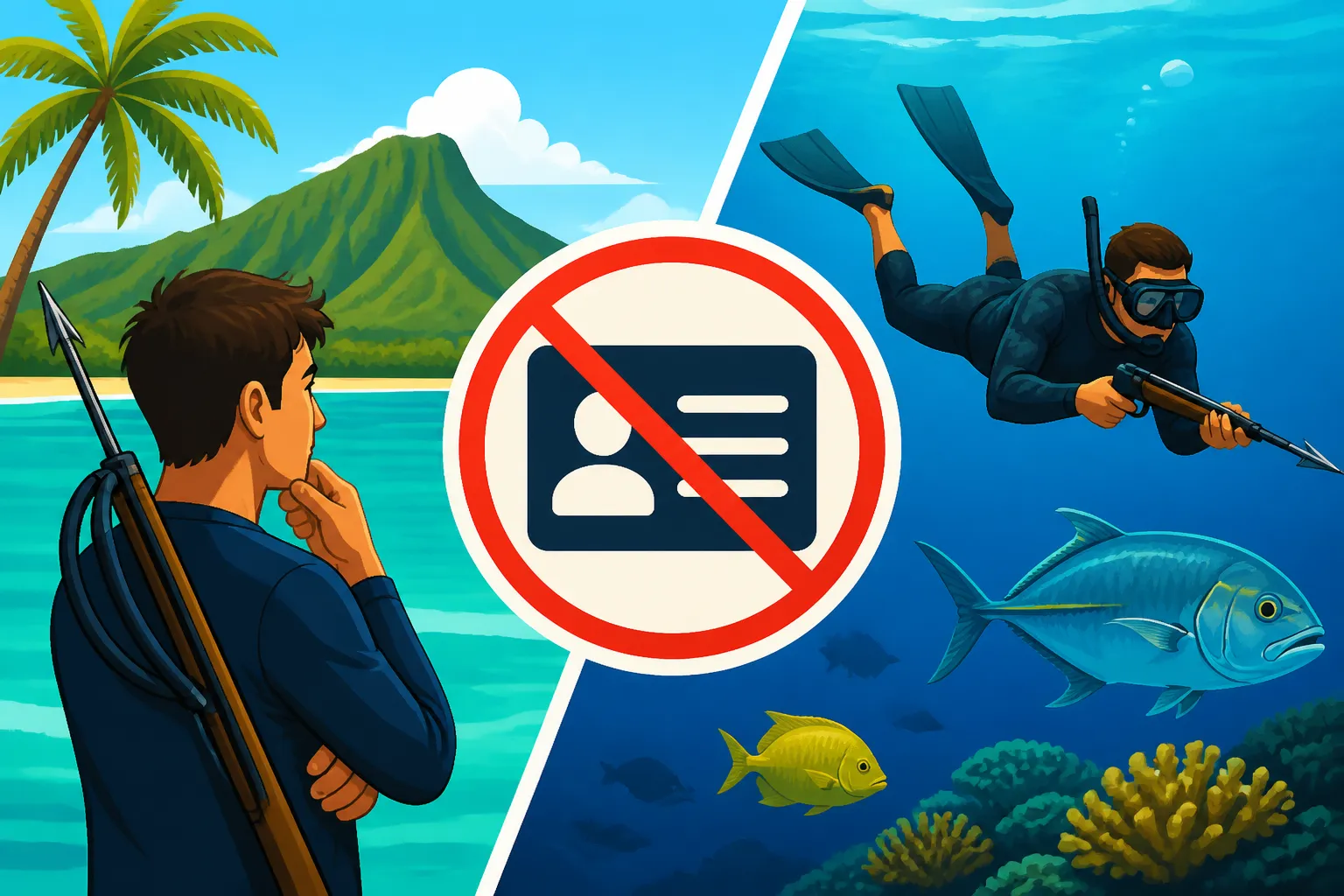
Let's get right to the heart of the matter for those who call these beautiful islands home. For the vast majority of Hawaii residents, you do NOT need a recreational marine fishing license to spearfish in state ocean waters. This might come as a surprise to those accustomed to mainland regulations where almost every form of fishing requires a license. However, Hawaii has historically maintained an exemption for its residents when it comes to recreational marine fishing, and this extends to spearfishing from shore or boat in saltwater.
This exemption is rooted in Hawaii's unique cultural connection to the ocean and traditional fishing practices. Many local families have been sustainably harvesting fish from these waters for generations, and the state's regulations reflect a desire to support this lifestyle for residents. It's a privilege, though, not a free-for-all. While the license itself might not be required, residents are still bound by every other regulation concerning species, size limits, bag limits, and gear restrictions. Think of it this way: you don't need a driver's license to own a car, but you absolutely need one to drive it legally and safely on the road. The same principle applies here – the ocean is your road, and the rules still apply. You can learn more about this general exemption in our detailed post, Hawaii Resident Ocean Fishing License Exemption.
Do Non-Residents Need a License for Spearfishing in Hawaii?
Now, this is where things get a bit different, and it’s a crucial distinction for visitors. For non-residents, the answer is a resounding YES, you absolutely need a marine recreational fishing license to spearfish in Hawaii's ocean waters. This requirement was relatively new at the time of its implementation, and it's essential for visitors to be aware of it to avoid hefty fines and potential legal trouble.
If you're visiting Hawaii and dreaming of diving into its vibrant reefs with a spear in hand, you must purchase a non-resident marine fishing license. There are various options available, typically including short-term licenses like a Hawaii 1-Day and 7-Day Nonresident Marine License Cost or an annual license if your stay is longer or you plan multiple trips throughout the year. The costs vary depending on the duration, so it's best to check the current fees from the Division of Aquatic Resources (DAR). This license ensures that non-residents also contribute to the conservation and management efforts that keep Hawaii's fisheries healthy. Ignoring this requirement is not just disrespectful to local laws but also puts you at risk of significant penalties, which we'll get into a bit later.
Spearfishing Methods and Licensing Requirements
It’s not just about who you are (resident or non-resident); how you plan to spearfish also plays a massive role in the regulations you need to follow. Spearfishing itself encompasses various methods, and Hawaii has specific rules for each, especially concerning the use of breathing apparatus.
Freediving and Breath-Hold Spearfishing
For both residents and licensed non-residents, freediving or breath-hold spearfishing is the traditional and generally permitted method in Hawaii. This means you’re holding your breath, descending into the water, and using a spear without any external air supply. This method is widely accepted and is considered a sustainable way to harvest fish, as it naturally limits your depth and bottom time, making it harder to overfish.
When engaging in Hawaii breath-hold spearfishing rules, you'll find that while a resident doesn't need a license, a non-resident does. Regardless of residency, all other fishing regulations apply. This includes specific bag limits for certain species like Hawaii uhu daily bag limit (parrotfish) or Hawaii moi closed season dates (Pacific threadfin), and minimum size limits for many of your target species. Even if you're a skilled freediver, remember that your skill doesn't exempt you from the law. Always keep a measuring device handy, and know your targets well. Getting caught with undersized fish or over your bag limit can be just as serious as not having a license.
SCUBA Spearfishing
This is a critical point that cannot be stressed enough: SCUBA spearfishing is almost entirely prohibited in Hawaii. The state has a very strict Hawaii SCUBA Spearfishing Ban in place. This means you cannot use SCUBA gear (or any other underwater breathing apparatus, like rebreathers or Hookah systems) while attempting to take fish or other aquatic marine life with a spear. This law applies to everyone, residents and non-residents alike, with very few and highly specific exceptions (such as scientific research with special permits).
The rationale behind this ban is primarily conservation. Using SCUBA gear gives spearfishers a significant advantage by allowing them extended bottom time and deeper access, which could lead to overharvesting of vulnerable species, especially bottomfish. It also aims to maintain a more level playing field for traditional freediving methods. The penalties for violating the SCUBA spearfishing ban are severe, often involving significant fines, equipment confiscation, and even potential jail time. It's simply not worth the risk. If you see someone SCUBA spearfishing, it's a good indication they are breaking the law.
Understanding and Acquiring Your Hawaii Fishing License
If you've determined that you, as a non-resident, need a license for spearfishing, the next step is to understand how to acquire it. The process is relatively straightforward, but it requires a bit of planning, especially before your trip.
Where to Purchase a License
The primary way to get your Hawaii recreational marine fishing license is through the Department of Land and Natural Resources (DLNR) Division of Aquatic Resources (DAR). There are a few convenient options:
- Online: This is arguably the easiest and most recommended method. You can typically purchase your license directly from the DAR's online licensing system. This allows you to do it from the comfort of your home before you even arrive in Hawaii. Once purchased, you'll often have the option for Printing or Carrying a Digital Fishing License in Hawaii, which means you can have it on your phone or a printed copy. This convenience means less hassle when you arrive.
- Authorized Vendors: Throughout the islands, various retail locations are authorized to sell fishing licenses. These often include tackle shops, sporting goods stores, and sometimes even general stores in smaller communities. However, checking their hours of operation and ensuring they have the specific non-resident marine license in stock is always a good idea. This is a solid option if you prefer an in-person transaction or need to ask questions.
- DAR Offices: You can also purchase a license directly from a Division of Aquatic Resources office on the major islands. While a reliable option, their hours might be limited, and lines can sometimes be long. It’s best to call ahead if you plan to visit an office.
When you're gathering your gear, whether it's a new mask and snorkel or an extra float line, remember you can often find a lot of essential spearfishing accessories and even some books on local fish identification on platforms like Amazon, making it easy to prepare for your trip. Just make sure your license is sorted before you head out.
Required Information and Costs
When purchasing your license, you'll typically need to provide some basic personal information, including your full name, date of birth, mailing address, and a valid identification (like a driver's license or passport).
The cost of a Hawaii Nonresident Marine Fishing License, Explained varies depending on the duration you choose. For example, a 1-day or 7-day license will be significantly less expensive than an annual one. It’s always best to check the current fee schedule on the DAR website or at an authorized vendor, as prices can change. Remember, this fee goes directly to supporting the management and conservation of Hawaii's precious marine resources, so it’s money well spent for the privilege of fishing here.
Beyond the License: Crucial Spearfishing Regulations in Hawaii
Having the correct license is just one piece of the puzzle. Hawaii has an extensive set of Hawaii Fishing Regulations Explained that apply to all anglers, including spearfishers. Ignoring these can lead to serious consequences, even if your license is in order.
Gear Restrictions
While basic pole-and-line fishing might have fewer gear restrictions, spearfishing does have specific rules:
- Spear Types: Generally, handheld spears, pole spears, and spearguns are permitted for freediving. However, certain areas or specific situations might have restrictions on mechanically powered spearguns. Always verify local rules.
- Lights: The use of artificial lights to attract or aid in the taking of fish is generally prohibited when spearfishing, particularly at night. This is to prevent unfair advantages and protect nocturnal species.
- Mechanical Devices: As mentioned, SCUBA gear is out. But also be wary of other mechanical devices that might be construed as an unfair aid. It's always best to stick to traditional freediving methods.
Restricted Areas: MLCDs and FRAs
Hawaii is serious about marine conservation, and you need to be acutely aware of areas where fishing, and especially spearfishing, is restricted or entirely prohibited.
- Marine Life Conservation Districts (MLCDs): These are designated areas established to conserve and replenish marine resources. In most MLCDs, all fishing and taking of marine life is strictly prohibited, with a few exceptions like Hanauma Bay, where fishing is completely banned. Examples include Waikiki MLCD and Kealakekua Bay MLCD. It is absolutely essential to know where these are, as entering an MLCD with a spear (even if you don't use it) can lead to trouble. Learn more in our post Hawaii Marine Life Conservation Districts, Explained.
- Fish Replenishment Areas (FRAs): Particularly important in West Hawaii, these areas are designed to protect and allow certain species, especially reef fish, to reproduce and grow before moving into adjacent fishing grounds. While some activities might be allowed, spearfishing is often heavily restricted or prohibited within FRAs, especially regarding certain species. For example, Hawaii Fish Replenishment Areas in West Hawaii have specific rules for aquarium fish collection and other activities. Always consult the DAR regulations for the specific FRA you plan to visit.
- Other Restricted Waters: Certain harbors, small boat channels, or near public swimming beaches might also have local restrictions on spearfishing for safety or environmental reasons. Always look for signage and consult local knowledge or the DLNR website.
Species-Specific Regulations
Even with a license, you can't just take any fish you want. Hawaii has strict Hawaii Bag and Size Limits by Species for many popular target species to ensure sustainable populations. This means:
- Minimum and Maximum Sizes: Many species have a minimum length requirement, and some even have a maximum. Taking fish outside of these limits is illegal. A good example is the Hawaii Uhu (Parrotfish) Size and Bag Limits, which is a common target for spearfishers.
- Bag Limits: There’s a limit to how many fish of a particular species you can take per day. This prevents overharvesting.
- Closed Seasons: Certain species, like Hawaii Moi Closed Season, Explained, have specific times of the year when they cannot be harvested at all, usually to protect them during spawning periods.
It is your responsibility as an angler to know these rules for every species you intend to target. Carry a laminated fish identification card or use a reliable app that provides current regulations. Knowledge is your best defense against inadvertently breaking the law.
Penalties for Fishing Without a License or Violating Regulations
The consequences of not adhering to Hawaii's fishing regulations, including spearfishing license requirements, can be significant. The DLNR and its enforcement arm, the Division of Conservation and Resources Enforcement (DOCARE), actively patrol Hawaii’s waters and shorelines. They are well-versed in local customs and regulations, and they do not hesitate to enforce the law, regardless of whether you're a visitor or a resident.
Fines and Penalties
The penalties for Hawaii fishing without a license penalty can vary depending on the severity of the offense, the species involved, and whether it's a first-time violation or a repeat offense.
- Monetary Fines: Expect significant fines, easily in the hundreds or even thousands of dollars. For instance, being caught spearfishing without a non-resident license could result in a fine of several hundred dollars for a first offense. Violations of species-specific rules (like taking undersized fish or exceeding bag limits) also carry substantial penalties.
- Equipment Confiscation: Game wardens have the authority to confiscate your fishing gear, including your speargun, fins, mask, and even your catch. This can be a major blow, especially for expensive spearfishing equipment.
- Criminal Charges: More serious violations, especially those involving repeated offenses, egregious disregard for conservation laws, or fishing in highly protected areas, can lead to criminal charges, potential jail time, and a permanent record.
- Revocation of Privileges: In some cases, especially for repeat offenders, your fishing privileges in Hawaii could be revoked, meaning you wouldn't be able to obtain a license or fish in the state again.
The message is clear: these are not minor infractions. The state takes its marine conservation very seriously, and ignorance of the law is generally not considered a valid excuse. Always err on the side of caution, and if you're unsure about a regulation, don't take the risk. Consult the official DLNR/DAR website or contact them directly.
Final Thoughts on Spearfishing Legally in Hawaii
Spearfishing in Hawaii is an incredible experience, offering a unique connection to the ocean and its bounty. The clear waters, abundant marine life, and the thrill of the hunt make it a truly memorable activity. However, it's a privilege that comes with significant responsibilities.
For non-residents, the need for a marine fishing license is non-negotiable. Ensure you purchase the appropriate license before you embark on your spearfishing adventure. For everyone, regardless of residency, adhering to all other regulations — especially the strict ban on SCUBA spearfishing and respecting protected areas like MLCDs — is paramount.
Take the time to understand the local rules, identify your target species, and fish sustainably. By doing so, you'll not only avoid legal trouble but also contribute to the long-term health and beauty of Hawaii's marine ecosystem for future generations of anglers and ocean enthusiasts. It’s all part of showing kokua (helpfulness) and malama ka 'aina (caring for the land) – values that are deeply embedded in Hawaiian culture.
Disclaimer
Please note: The information provided in this guide is intended for general informational purposes only and is subject to change. While we strive to provide accurate and up-to-date information, fishing regulations in Hawaii can be complex and are regularly updated by the Department of Land and Natural Resources (DLNR) Division of Aquatic Resources (DAR). It is always your responsibility to consult the most current official Hawaii fishing regulations directly from the DLNR website or by contacting their offices before engaging in any fishing activity. Non-compliance with regulations can result in significant penalties.