Hawaii youth fishing license age cutoff
It can be incredibly confusing trying to figure out all the rules and regulations for fishing in Hawaii, especially when you're just trying to get your keiki (children) out on the water. Many parents wonder if their little ones need their own fishing license, what age that kicks in, and if the rules are different for ocean versus freshwater. This guide is here to clear up all that head-scratching, giving you the definitive answers on Hawaii's youth fishing license age cutoff so you can focus on making those precious fishing memories.
Understanding Hawaii's Freshwater Youth Fishing License Requirements
Let's dive right into what often trips people up: freshwater fishing. Hawaii's freshwater opportunities might be fewer than our vast ocean, but they come with specific rules, and this is where youth licenses actually come into play. It's a common misconception that all fishing in Hawaii is license-free, but for inland waters, that's simply not the case, even for the youngest anglers.
The Specific Age Cutoff for Freshwater Fishing
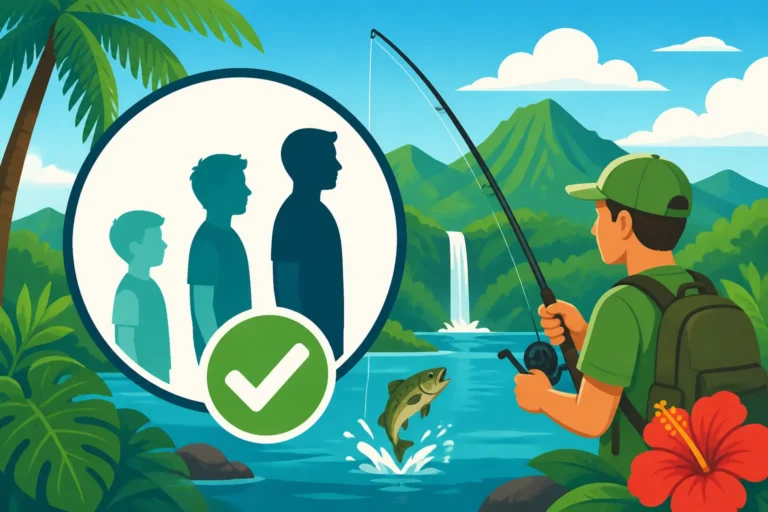
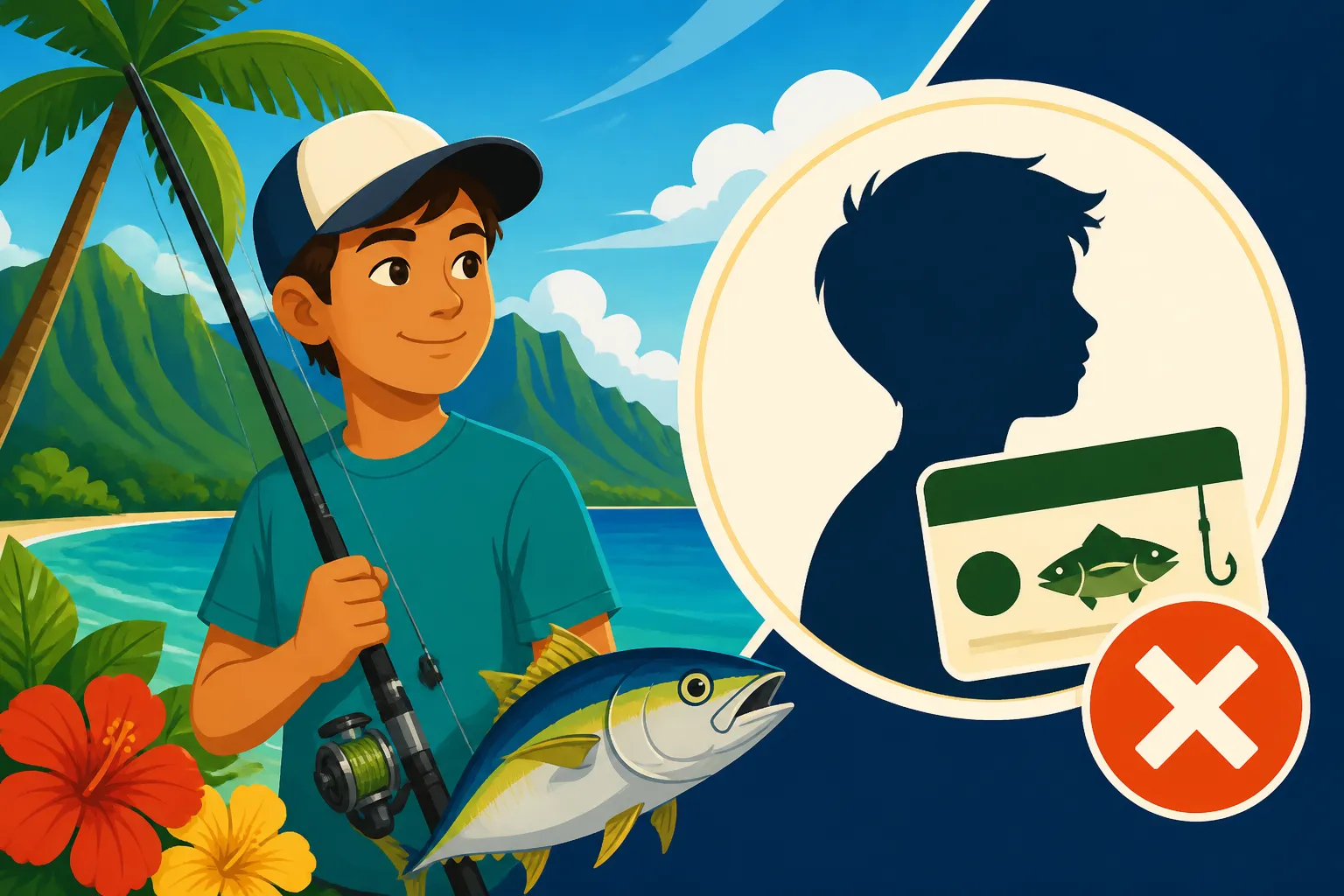
The hard and fast rule for freshwater fishing in Hawaii is that anyone 9 years of age or older needs a valid freshwater fishing license. This means if your child is eight years old or younger, they can fish in freshwater without needing their own license. The moment they hit their ninth birthday, however, they're officially required to have one.
Now, I know what you might be thinking: "Nine? That's pretty young compared to some other states!" And you're right, it can feel a bit early to start navigating licenses. But the Hawaii Department of Land and Natural Resources (DLNR) has set this age for a reason. It's often seen as a gentle introduction to understanding fishing regulations and conservation principles from a young age. It encourages parents and guardians to involve their children in the process of learning and respecting the rules that help protect our precious aquatic resources. Imagine a family trip to the Wahiawa Reservoir, hoping to catch some peacock bass. If your 10-year-old is casting alongside you, they'll need their own permit. This small step helps foster a sense of responsibility and stewardship in young anglers, teaching them that fishing isn't just about catching fish, but also about playing a part in maintaining healthy ecosystems for future generations.
How Youth Licenses Differ from Adult Licenses
The good news is that while a license is required for freshwater fishing for those 9 and older, the cost structure often differs significantly for youth. In most cases, these licenses are offered at a free or heavily reduced rate. This makes it accessible for families, ensuring that cost isn't a barrier to introducing kids to the joys of freshwater angling. Even if the license is free, the process of acquiring it is important. It's not just a formality; it's how the state keeps track of participation. This data is crucial for managing fish populations and planning future stocking efforts, especially for popular spots like the Kokee Public Fishing Area where rainbow trout are regularly stocked.
The process for getting one for your child is similar to an adult applying for their own. You'll generally go through the same channels – online via the DLNR website or in person at authorized vendors. You'll need to provide some basic information for your child, even if there's no fee. Think of it as a mandatory registration rather than a purchase. This ensures that every angler, regardless of age, is accounted for in the state's efforts to manage its fisheries sustainably. For more details on the process, you might find our guide on How to Buy a Hawaii Fishing License Online particularly helpful. It walks you through the digital steps, which can be a real time-saver for busy parents.
Why the Rules Exist for Young Anglers
At first glance, it might seem like an extra hoop to jump through, especially when you're wrangling kids and gear. But there are very valid reasons behind these regulations, all aimed at promoting responsible fishing and ensuring the longevity of Hawaii's unique aquatic environments.
Firstly, it's about conservation education. By requiring a license from age nine, the DLNR aims to instill an early understanding of the importance of regulations. It's a tangible way to teach children that our natural resources are not infinite and require careful management. When a child obtains a license, even a free one, it comes with the implicit understanding that there are rules to follow regarding what can be caught, how much, and when. This is a foundational step in creating environmentally conscious citizens.
Secondly, it's about data collection. Every license issued, whether paid or free, contributes to valuable data for the DLNR. This information helps them understand how many people are fishing, where they are fishing, and which fisheries are most popular. This data is absolutely essential for making informed decisions about stocking programs, habitat restoration, and overall fishery management. Without knowing how many young anglers are participating, it would be much harder to assess the impact of recreational fishing on specific freshwater species.
Lastly, it encourages safety and responsible angling habits. The licensing process often involves a brief overview of regulations, which can serve as a reminder for both children and their supervising adults about safe practices, respecting private property, and understanding catch limits. It's an opportunity for parents to discuss these important topics with their children, ensuring that the next generation of anglers approaches the sport with knowledge and respect. Our article on Hawaii Freshwater License Age Requirements goes into even more depth on the specifics of these regulations.
Ocean Fishing for Youth in Hawaii: A Different Story
Now, let's switch gears to the vast blue waters surrounding our islands, because this is where a huge sigh of relief often comes for parents! The rules for ocean fishing are quite different from freshwater, and generally much simpler when it comes to licenses for recreational anglers, especially kids.
The General Exemption for Marine Waters
Here's the fantastic news that often surprises visitors and even some residents: for most recreational ocean fishing in Hawaii, no fishing license is required for anyone, regardless of age. This is a significant distinction from many other states and from Hawaii's own freshwater rules. This means your child, whether they are five, ten, or fifteen, can cast a line from the shore, a pier, or a private boat in most marine waters without needing a license.
I've heard countless stories from families who come to Hawaii, worried they'll need to jump through hoops to let their kids try fishing off Waikiki Beach or a local pier. The relief on their faces when they learn about this exemption is always a joy to see! This applies to typical shoreline fishing, reef fishing, and even most offshore recreational trips. So, if your family is planning a fun day of throwing a line in the beautiful Hawaiian ocean, you generally don't have to worry about the paperwork for anyone, young or old. Our comprehensive guide, Do You Need a Fishing License in Hawaii, further clarifies these broad distinctions between freshwater and marine licensing.
Specific Marine Activities Where Licenses Might Apply (Rarely for Youth)
While the general rule is "no license needed" for recreational ocean fishing, it's always good to be aware of the nuances. There are, of course, exceptions, though they rarely apply to youth engaged in typical recreational angling.
For instance, if someone were engaged in commercial fishing, they would absolutely need a specific commercial marine license. But let's be realistic, your child isn't likely heading out to commercial fish for ahi (yellowfin tuna) or marlin. This category is strictly for those harvesting marine resources for sale. Similarly, if you're taking your child on a charter boat, you typically don't need to worry about individual licenses for anyone on board. The charter operator is responsible for having the necessary permits and licenses for their vessel and operation. They usually cover all the regulatory bases, allowing you and your family to simply enjoy the fishing experience. You can read more about what charters provide in our guide on What Gear a Hawaii Charter Provides.
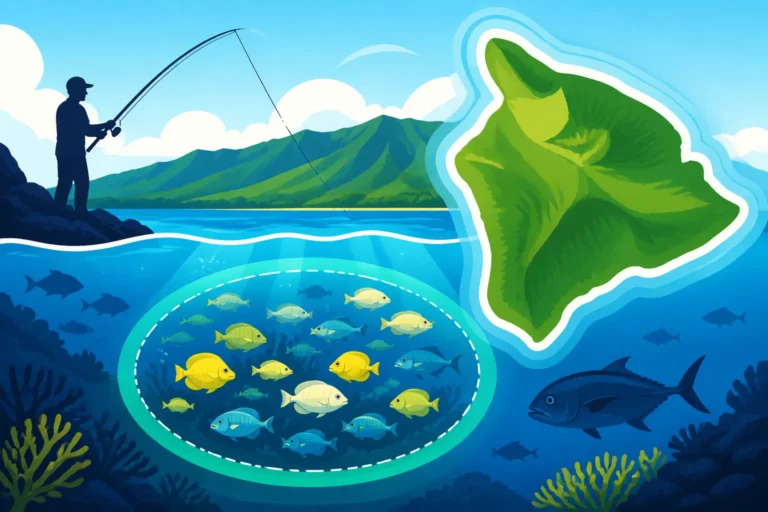
The other main area where stricter rules or permits might come into play is within Marine Life Conservation Districts (MLCDs) or other highly protected areas. These areas are designed to protect specific ecosystems and species, and fishing may be heavily restricted or entirely prohibited, regardless of age or license status. However, these are clearly marked, and most popular recreational fishing spots for families are outside these zones. It's always a good idea to check local signage or the DLNR Division of Aquatic Resources (DAR) website if you're venturing to a new, unfamiliar spot. Rest assured, for 99% of family-friendly ocean fishing in Hawaii, you can leave the license worry behind.
The Importance of Knowing Bag and Size Limits for All Anglers
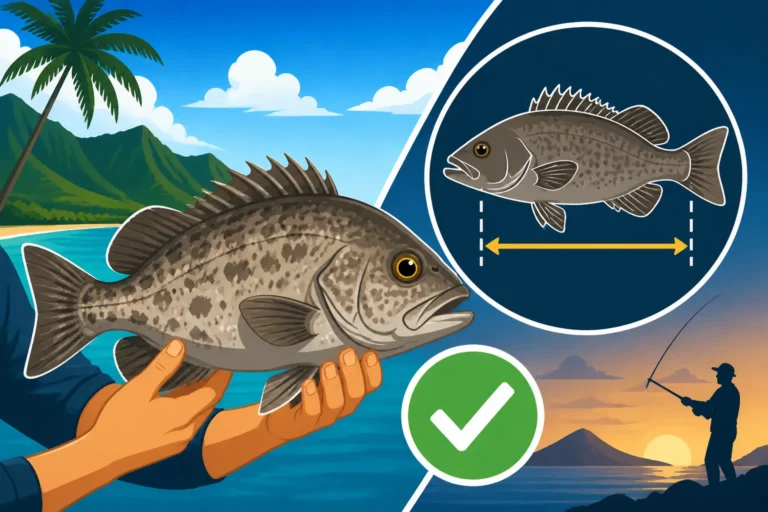
Even without a recreational ocean fishing license, there's a crucial point that absolutely every angler, regardless of age, must adhere to: Hawaii's fishing regulations, including bag and size limits, and closed seasons. This is non-negotiable and applies universally. Just because your child doesn't need a piece of paper to fish doesn't mean they can catch anything and everything they want.
These rules are in place to ensure the sustainability of our marine resources. Taking too many fish, or fish that are too small or too large (depending on the species), can severely impact populations. For instance, specific rules apply to popular reef fish like uhu (parrotfish), moi (Pacific threadfin), and various types of ulua (giant trevally) and papio (smaller trevally). There are also specific closed seasons for certain species, like during the Moi Closed Season, Explained, which protects them during their spawning periods.
As parents and guardians, it's our kuleana (responsibility) to not only teach our children how to fish but also how to fish responsibly and legally. This means understanding which species are regulated, what the minimum or maximum sizes are, and how many of each fish can be kept per day. Ignorance of the law is not an excuse, and penalties can apply even if the infraction was unintentional. Teach your kids to measure fish, identify species, and understand why these rules are important for the health of the ocean they love to fish in. Our Hawaii Bag and Size Limits by Species article is an excellent resource to familiarize yourself with these critical regulations before you hit the water.
Practical Steps for Parents and Guardians
So, you've got the lowdown on the age cutoffs and license requirements. Now, let's talk about the practical side of getting your kids ready to fish in Hawaii, whether it's for freshwater or ocean adventures.
Getting a Freshwater Youth License
If your child is 9 years old or older and wants to fish in Hawaii's freshwater bodies, getting their license is a straightforward process. As mentioned, even if it's free, it's still required.
Here’s a simple breakdown of how to get it done:
- Online Application: The easiest and most convenient method is often through the Hawaii DLNR's Division of Aquatic Resources (DAR) website. Look for their licensing portal. You'll typically need to create an account (if you don't have one already), navigate to the freshwater fishing license section, and fill out the required information for your child. This usually includes their name, date of birth, and residency status. Even though it's online, make sure you complete all the steps to fully "purchase" or "register" the free license.
- In-Person at DLNR Offices or Authorized Vendors: If you prefer a face-to-face interaction or have questions, you can visit a DLNR/DAR office on your island during business hours. Many local fishing tackle shops or sporting goods stores are also authorized license vendors. They can help you fill out the application and issue the license on the spot.
- Required Information: Be prepared with your child's basic identification details. While typically free, the license still serves as an official document.
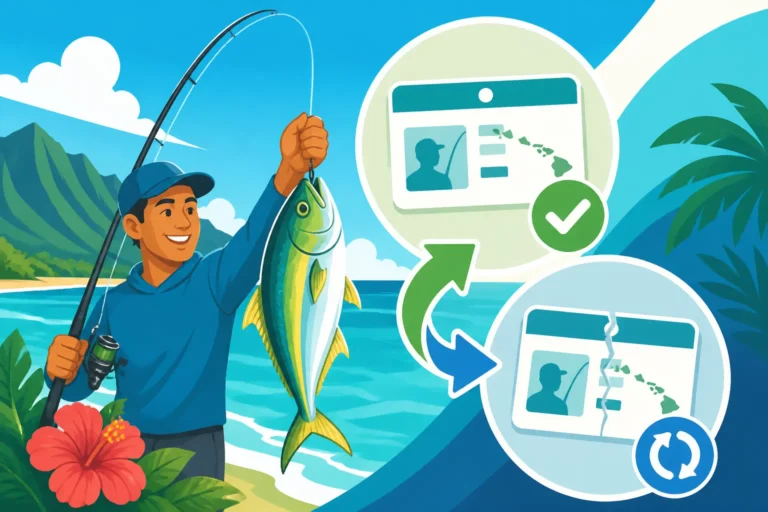
- Proof of License: Once issued, whether online or in person, make sure you have proof of the license. This could be a printed paper copy or a digital version on your phone. Our article on Printing or Carrying a Digital Fishing License in Hawaii can offer further guidance on accepted formats.
Remember, this small step ensures compliance and helps support the DLNR's conservation efforts. It's a great opportunity to teach your child about official documents and responsible participation in outdoor activities.
Teaching Responsible Angling to Kids
Beyond the paperwork, the real joy (and responsibility) lies in teaching your children how to be good stewards of the ocean and freshwater. This goes far beyond just reeling in a fish.
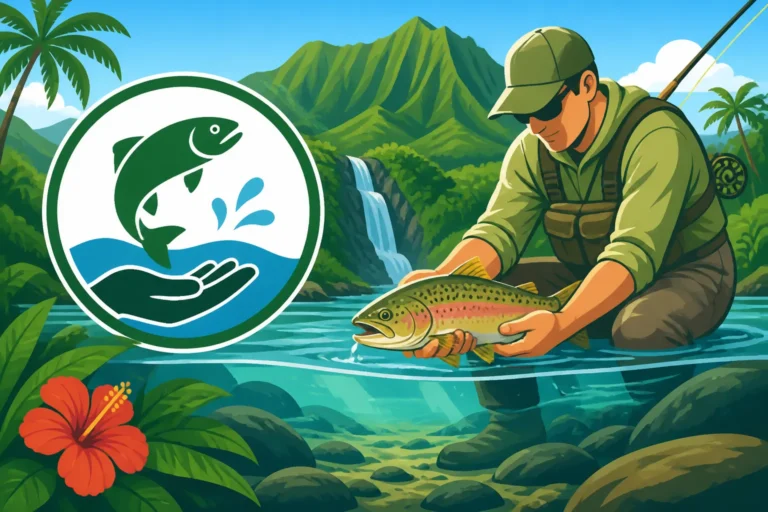
- Catch and Release Practices: If you're not planning to keep fish for dinner, teach your kids how to properly handle fish for release. Wetting hands before touching fish, supporting their body, and quickly returning them to the water are crucial. This is especially important for species that are not allowed to be kept or for those you wish to grow larger.
- Respect for Marine Life: Hawaii is home to incredible biodiversity. Teach your children about protected species like Hawaiian monk seals and sea turtles, and the importance of giving them space and not disturbing them. Emphasize that marine life is not a toy.
- Proper Gear Handling: Accidents happen, but proper instruction can minimize risks. Teach them how to cast safely, avoid tangles, and handle hooks with care. Investing in some basic first-aid knowledge for minor cuts and scrapes is also a good idea.
- Litter Prevention: Our beautiful islands thrive on being clean. Teach your children the importance of packing out everything they pack in, and perhaps even picking up any stray fishing line or trash they encounter. Every little bit helps.
Taking the time to instill these values will not only make your child a better angler but also a more responsible human being.
Essential Gear for Young Anglers
Getting kids started in fishing doesn't require a huge investment, but having the right basic gear can make a world of difference in their enjoyment and success.
- Kid-Friendly Rod and Reel Combo: Start with a simple spincasting (push-button) combo. They are incredibly easy for young children to learn, less prone to tangles than spinning reels, and generally very durable. Look for shorter rods (around 4-5 feet) with softer action, which are easier for small hands to manage. Brands like Zebco or Ugly Stik often have great beginner combos. You can find excellent options on places like Amazon that ship directly to Hawaii, making it convenient to get started.
- Basic Tackle Box: A small, simple tackle box with a few essential items is perfect. Include some basic hooks (size 4-8), a selection of weights (split shots and small egg sinkers), a few bobbers, and maybe a couple of rubber worms or small artificial lures.
- Safety Gear: This is paramount. A properly fitted life jacket is a must if fishing near deep water, from a boat, or on slippery rocks. Even strong swimmers can get into trouble. Don't forget hats, sunglasses (polarized ones help them see into the water!), and plenty of reef-safe sunscreen. Hydration is also key in Hawaii's sun, so bring a reusable water bottle.
- Comfortable Clothing: Lightweight, breathable clothing that can get wet and dirty is ideal. Water shoes or old sneakers are better than flip-flops for navigating uneven terrain or wet surfaces.
Remember, the goal is to make fishing fun and accessible. Don't overwhelm them with too much gear or too many complex techniques at first. Start simple and build from there! If you're considering a guided experience, check out some of the Best Family-Friendly Fishing Charters in Hawaii for a hassle-free introduction.
Common Misconceptions and Clarifications
It's easy to get mixed up with fishing regulations, especially when they differ from place to place. Let's tackle some common misunderstandings surrounding youth fishing licenses in Hawaii to ensure you're fully informed.
The "Tourist License" Myth for Youth
One common question that pops up, particularly from visiting families, is whether there's a special "tourist license" for kids in Hawaii, or if the age cutoff is different for non-residents. Here's the clarification: The freshwater fishing license age cutoff of 9 years old applies to everyone, whether you're a Hawaii resident, a military member stationed here, or a tourist visiting for a week. There is no distinction in the age requirement for youth based on residency status for freshwater licenses.
While adults who are non-residents might need to purchase a specific nonresident freshwater license (which typically comes in 1-day, 7-day, or annual options at a higher cost), the age exemption for those under 9 applies universally to freshwater fishing. Similarly, the general exemption for marine recreational fishing applies to all, residents and non-residents alike, regardless of age. So, if you're visiting Oahu with your 7-year-old who wants to fish Wahiawa Reservoir, they're in the clear. But if they're 10, they'll need that (likely free) freshwater license, just like a local child would. This consistency helps simplify the rules and ensures everyone understands their obligations to the state's resources. For a broader overview of all license categories, check out our Hawaii Fishing License Guide for 2026.
Charter Boats and Youth Licensing
Another frequent area of confusion revolves around charter fishing trips. Many people assume that if their child is on a fishing charter, they will need an individual fishing license. This is almost never the case for recreational trips in Hawaii.
When you book a fishing charter, whether it's for deep-sea marlin fishing off Kona or a nearshore trip for papio, the charter vessel itself operates under a commercial permit and license. This license covers everyone fishing recreationally from that boat. You, your spouse, and your children will not need individual recreational fishing licenses for that trip, regardless of their age or whether they're fishing in ocean or (very rarely) freshwater (though most charters are ocean-based). The captain and crew handle all the necessary regulatory aspects for the operation. This is part of the convenience of booking a charter – they take care of the heavy lifting so you can focus on the fun. So, if your 12-year-old is dreaming of catching their first mahimahi from a boat out of Maalaea Harbor, you can book that trip without worrying about getting them a personal license.
Penalties for Non-Compliance
Nobody wants to get into trouble while enjoying a relaxing day of fishing. While the DLNR generally prefers education over enforcement, especially with youth, it's important to understand that there are consequences for fishing without a required freshwater license or for violating other regulations.
If a child aged 9 or older is found freshwater fishing without a license, the primary responsibility for ensuring compliance usually falls to the supervising adult. This means that a parent or guardian could face warnings or citations, even if the child is the one holding the rod. Penalties for fishing without a required license can range from warnings for first-time offenders to fines, and in some cases, even confiscation of fishing gear. The exact amount of fines can vary depending on the severity of the infraction and whether it's a repeat offense.
While the thought of fines can be unsettling, the intent of enforcement is ultimately to protect Hawaii's limited freshwater fisheries. The best way to avoid any issues is simply to know the rules and ensure your child has their freshwater license if they meet the age requirement. A quick check of the DLNR website or a visit to a local license agent is a small effort that can save a lot of potential headaches. For a detailed look at the consequences, our article on Fishing Without a Required License in Hawaii: Penalties provides crucial information. It’s always better to be informed and compliant!
Disclaimer
Please note that fishing regulations in Hawaii can change. While this guide provides the most up-to-date information at the time of writing, it is always recommended to consult the official Hawaii Department of Land and Natural Resources (DLNR) Division of Aquatic Resources (DAR) website or contact them directly for the very latest regulations before heading out to fish.