Hawaii taape and roi invasive species harvest rules
When you dream of fishing in Hawaii, you probably picture reeling in majestic marlin or vibrant mahimahi. But the reality for many local anglers, and something visitors should be aware of, is the constant battle against invasive species that are silently but effectively choking out our precious native marine life. This guide dives deep into the harvest rules for two of the most notorious offenders, taape and roi, explaining why they're such a problem and how you can do your part to help by catching as many as you can.
The Impact of Invasive Species on Hawaii's Delicate Ecosystems
Hawaii’s marine environment is incredibly unique, home to a multitude of species found nowhere else on Earth. This isolation, while fostering unique biodiversity, also makes the ecosystem particularly vulnerable to outside invaders. When a non-native species establishes itself, it can quickly outcompete native fish for food and habitat, disrupt delicate food webs, and even introduce diseases. It's a frustrating situation that many of us who cherish these waters have witnessed firsthand over the years.
Understanding Taape and Roi as Invasive Threats
Let's talk about the culprits. Taape, also known as bluestripe snapper (Lutjanus kasmira), and Roi, or bluespotted grouper (Cephalopholis argus), were originally introduced to Hawaiian waters in the 1950s and 60s by the government itself, with the intention of enhancing fishing opportunities. At the time, the idea was that these fish would fill an "empty niche" and provide more food for local communities. Oh, how wrong that assessment turned out to be.
Instead of staying in their lane, these species thrived beyond anyone's wildest expectations. They're incredibly resilient, reproduce quickly, and have a broad diet, making them fierce competitors. Taape, with their schooling behavior, can overwhelm foraging areas, while roi are voracious predators that target many of our smaller, slower-growing native reef fish. It’s not just about competition; they actively diminish the populations of species that have been part of Hawaii's natural heritage for millennia. Anglers constantly grapple with seeing fewer and fewer traditional catches, a direct consequence of these invaders.
Why Aggressive Harvest is Encouraged for These Species
Given their detrimental impact, the State of Hawaii’s Division of Aquatic Resources (DAR) takes a very strong stance: aggressive harvest of taape and roi is not just allowed, it’s actively encouraged. Unlike many other species where conservation often means strict limits or catch-and-release policies, for taape and roi, the philosophy is simple: take as many as you can. This approach is a critical component of local management efforts aimed at mitigating the damage these invasives inflict on our struggling native fish populations and precious coral reefs.
The rationale is straightforward. By removing large numbers of these invasive fish, we can help reduce their competitive pressure on native species like uhu (parrotfish) and kumu (goatfish), which are vital for reef health and traditional Hawaiian sustenance. Every taape or roi removed means more food and space for our indigenous fish to thrive. It's a community effort where every angler, from seasoned kamaʻāina to visiting enthusiasts, can contribute directly to the health of Hawaii's unique marine environment. This isn't just about fishing; it's about ecological restoration.
Specific Harvest Rules for Taape (Bluestripe Snapper)
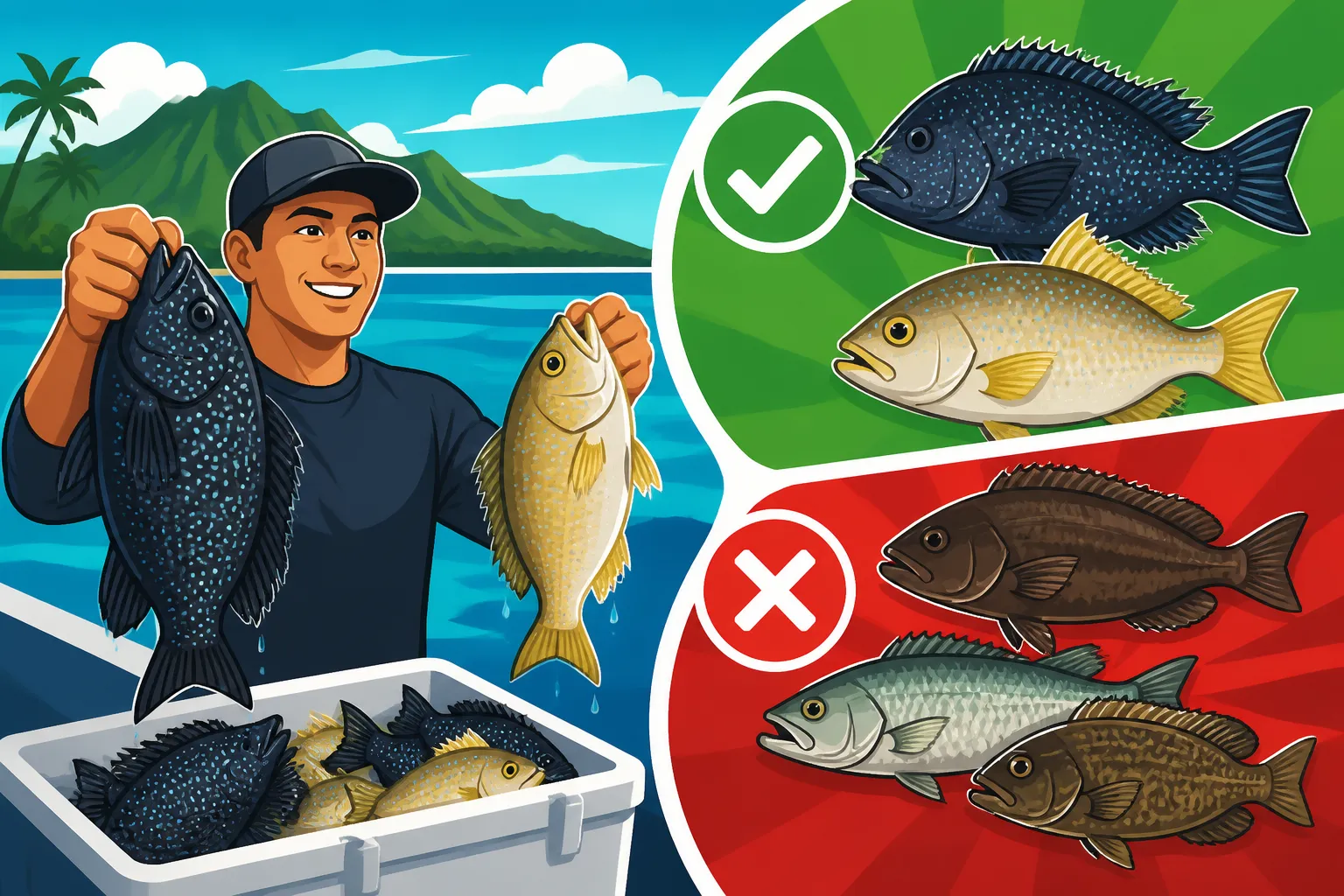
Taape are easily recognizable by their bright yellow bodies striped with four vivid blue lines. They're often found in large schools, particularly around reef structures and deeper ledges. While they can be a fun catch, especially for beginners due to their abundance, remember that you're doing a service to Hawaii's reefs with every one you keep.
Size and Bag Limits for Taape
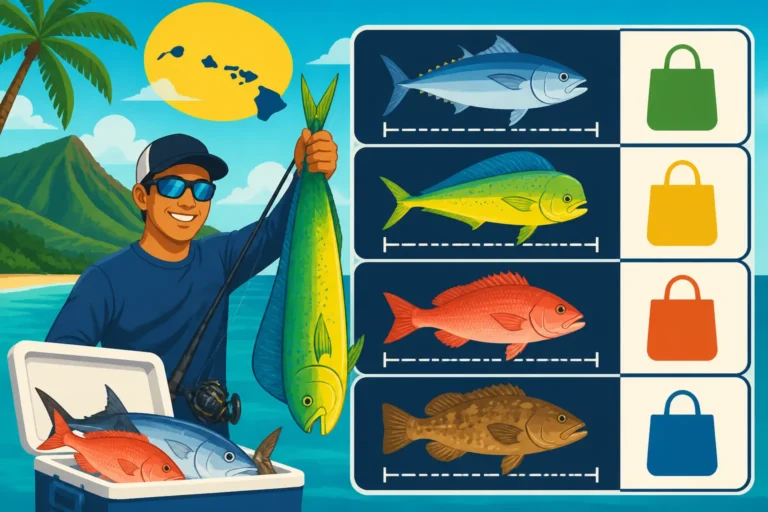
When it comes to taape, you can pretty much throw the traditional rulebook out the window. Unlike many of our native species which have carefully established minimum size limits and strict daily bag limits designed to ensure sustainable populations, taape have no size limits and no bag limits in Hawaii. That's right, you heard correctly. The state wants you to catch and keep every single taape you possibly can, regardless of its size.
This "no limits" policy underscores just how serious the invasive threat from taape is. It’s a clear directive from the Department of Aquatic Resources: these fish are not part of the natural ecosystem, and their removal is beneficial. So, if you're out bottomfishing and hit a school of taape, don't hesitate to fill your cooler. A friend of mine, Uncle Kimo, once came back from a trip off the Big Island with a cooler packed to the brim with taape. He wasn't just happy about the plentiful catch; he felt good knowing he was doing his part for the reefs. This is one of the few instances where you're genuinely encouraged to keep everything you hook. You can find more details on how these rules contrast with others in the comprehensive guide to Hawaii Bag and Size Limits by Species.
Approved Methods for Harvesting Taape
Harvesting taape is quite straightforward, making them accessible to a wide range of anglers. The most common and effective method is good old-fashioned hook and line fishing. Taape are not particularly finicky eaters, readily taking various baits, from squid and cut fish to shrimp. Bottom fishing with multiple hooks on a dropper rig is often very productive, especially when you locate a school. They tend to congregate in rocky areas, around coral heads, and near drop-offs, typically in depths ranging from 20 to over 100 feet.
Spearfishing is another highly effective method for taape, especially for divers who are adept at targeting schooling fish. Their bright coloration and schooling behavior make them relatively easy targets for spearfishers. There are no specific restrictions on spearfishing for taape beyond the general Hawaii Spearfishing Regulations that apply to all species. Net fishing is also permitted for taape in areas where it's generally allowed, though this method is more commonly employed by commercial fishermen. For recreational anglers, a sturdy rod and reel setup with appropriate tackle for bottom fishing is usually all you need to contribute to the taape removal effort.
Specific Harvest Rules for Roi (Bluespotted Grouper)
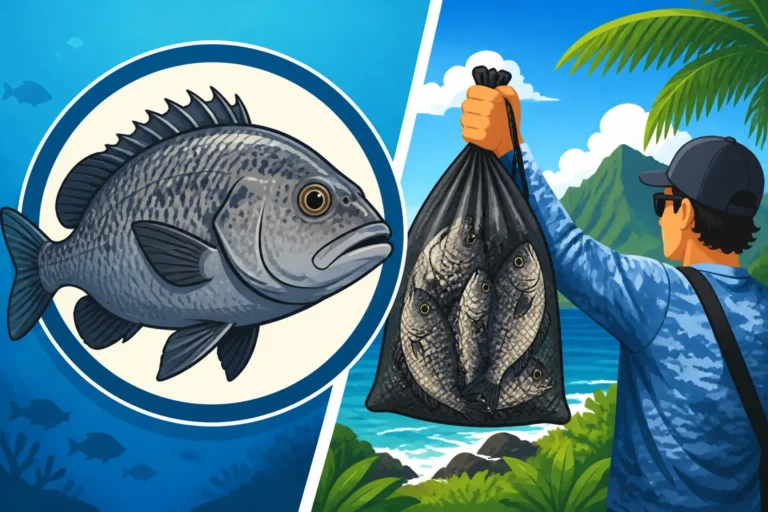
Roi, or bluespotted grouper, are another problematic invasive species. They’re a striking fish, with a dark olive-brown body covered in brilliant blue spots, and are often found lurking in rocky crevices and coral formations. Unlike taape, which are primarily food competitors, roi are significant predators of our small native reef fish, impacting biodiversity at a different trophic level.
Size and Bag Limits for Roi
Just like their invasive counterparts, the taape, roi also come with a very clear, albeit unusual, set of regulations: there are no size limits and no bag limits for roi in Hawaii. The Department of Aquatic Resources wants them removed from our waters, plain and simple. Every roi taken is considered a win for the native ecosystem.
This "no limits" rule is a powerful message about the ecological damage these fish cause. When you catch a roi, whether it’s a small juvenile or a larger specimen, you are encouraged to keep it. The goal is maximum removal to reduce their predatory pressure on our precious native reef fish. It’s a direct action an angler can take to help restore balance to the marine environment. If you're wondering about other regulations, a general overview can be found in the Hawaii Fishing Regulations Explained.
Approved Methods for Harvesting Roi
Roi are generally more elusive than taape, often hiding within the reef structure. Because of this, spearfishing is arguably the most effective and popular method for harvesting roi. Divers can actively seek them out in their preferred rocky hideaways and coral caves. Many passionate conservation-minded spearfishers specifically target roi to help reduce their numbers. When spearfishing, always be mindful of other species and ensure you can properly identify your target, referencing a good Reef Fish Species Identification Guide for Hawaii if needed.
While spearfishing is highly efficient, roi can also be caught using hook and line, particularly when bottom fishing with live bait or cut bait fished close to the reef structure. They're opportunistic predators, and a well-presented bait near their hiding spot can entice a strike. However, their tendency to "hole up" in the reef after being hooked can make landing them challenging, often leading to snags and lost tackle. Given their predatory nature and preferred habitat, many anglers find that actively hunting them with a spear is the most productive way to contribute to their removal.
Important Considerations for Harvesting Taape and Roi
While the state encourages the harvest of taape and roi, there are some very important considerations to keep in mind, particularly regarding the safety of consuming these fish. As responsible anglers, it's crucial to understand these aspects for your health and to ensure you're fishing ethically within Hawaii's unique marine environment.
Health and Consumption Advisories Ciguatera Risk
This is probably the most critical piece of information when dealing with roi, and something to be aware of with taape too. Roi, especially larger ones, are well-known carriers of ciguatera fish poisoning. Ciguatera is a naturally occurring toxin produced by microalgae that lives on coral reefs. Small herbivorous fish eat these algae, and then larger carnivorous fish, like roi, accumulate the toxin as they feed on the smaller fish. This process, known as bioaccumulation, means the bigger and older the fish, the more likely it is to carry dangerous levels of ciguatera.
The symptoms of ciguatera poisoning can range from gastrointestinal distress (nausea, vomiting, diarrhea) to neurological issues (tingling, numbness, temperature reversal sensitivity, muscle aches, fatigue). There’s no known cure, and symptoms can last for weeks, months, or even years in severe cases. For this reason, many local health advisories strongly recommend against consuming larger roi, and some people avoid them entirely. While taape generally have a lower risk, it’s not zero, particularly in very large specimens. Always check the latest advisories from the Hawaii Department of Health before consuming any reef fish, especially these invasives. You can learn more about What ciguatera fish poisoning is and which species carry it to be better informed. When in doubt, it’s always better to be safe than sorry, especially when sharing your catch.
Gear Recommendations and Best Practices
When targeting taape and roi, having the right gear can make all the difference, not just for success but also for efficiency in contributing to the removal effort. For taape, which are typically found on deeper reefs, a medium-heavy to heavy-action rod paired with a conventional reel spooled with 30-50 lb braided line is ideal. You’ll want a strong leader, perhaps 40-60 lb fluorocarbon, to resist the reef structure and the fish’s abrasion. Various bottom rigs work well, often with 2-4 hooks, and sturdy circle hooks in sizes 4/0 to 6/0 are popular. Many anglers find a good selection of durable terminal tackle on online retailers like Amazon, ensuring they're well-stocked for multiple trips.
For roi, especially if you're spearfishing, a reliable speargun with a good reach and plenty of power is essential, as they can be quick to dart into cover. Dive fins, a mask, and a snorkel or SCUBA gear (where legal and appropriate, always check Hawaii SCUBA Spearfishing Ban rules) are, of course, critical. Regardless of the method, practicing good fishing etiquette is key. This includes proper waste disposal and being mindful of other reef inhabitants. If you decide not to consume a fish due to ciguatera concerns, consider composting it or disposing of it responsibly rather than just throwing it back, as the goal is removal.
Where to Focus Your Efforts for Maximum Impact
To truly make a difference, it's helpful to know where taape and roi tend to congregate. Taape are often found in large schools over rocky bottoms, near deep coral formations, and along steep ledges, sometimes out to 150 feet or more. They can also be present in shallower reef environments, but their numbers typically increase with depth. Targeting areas with abundant reef structure is a good strategy for taape.
Roi prefer to hang out in shallower to mid-depth reef environments, from just a few feet below the surface down to about 60-80 feet. They are ambush predators and will often be found lurking within the nooks and crannies of coral heads, under ledges, or near rocky outcrops. These are the fish that are directly competing with and preying upon our native reef fish, so focusing your efforts in these areas where native fish are struggling can have a significant positive impact. Remember, the overarching goal is to reduce their populations wherever they are found to give our precious native species a fighting chance. Be aware of protected areas like Hawaii Marine Life Conservation Districts, Explained, where fishing may be restricted for all species.
Summary of Invasive Species Harvest Rules
Here’s a quick overview of the harvest rules for Taape and Roi in Hawaii:
| Species | Scientific Name | Size Limit | Bag Limit | Primary Methods Encouraged | Ciguatera Risk | Ecological Impact |
|---|---|---|---|---|---|---|
| Taape | Lutjanus kasmira | None | None | Hook & Line, Spearfishing | Low to Moderate (larger fish) | Competes with native fish for food & habitat |
| Roi | Cephalopholis argus | None | None | Spearfishing, Hook & Line | High (especially larger fish) | Voracious predator of native reef fish |
This table highlights the core message: for these two invasive species, the more you catch, the better it is for Hawaii's precious marine ecosystems. So grab your gear, understand the risks, and head out to make a positive impact on our reefs! You might also find it helpful to look into topics like Shore Fishing Techniques for Hawaii to maximize your efforts.
Disclaimer
The information provided in this article is for general guidance only and is subject to change. While we strive for accuracy, fishing regulations can be updated by the Hawaii Department of Aquatic Resources (DAR). Always consult the official DAR website or current fishing regulations pamphlet before heading out on the water to ensure you are compliant with all applicable laws. Fishing involves inherent risks; please fish safely and responsibly.