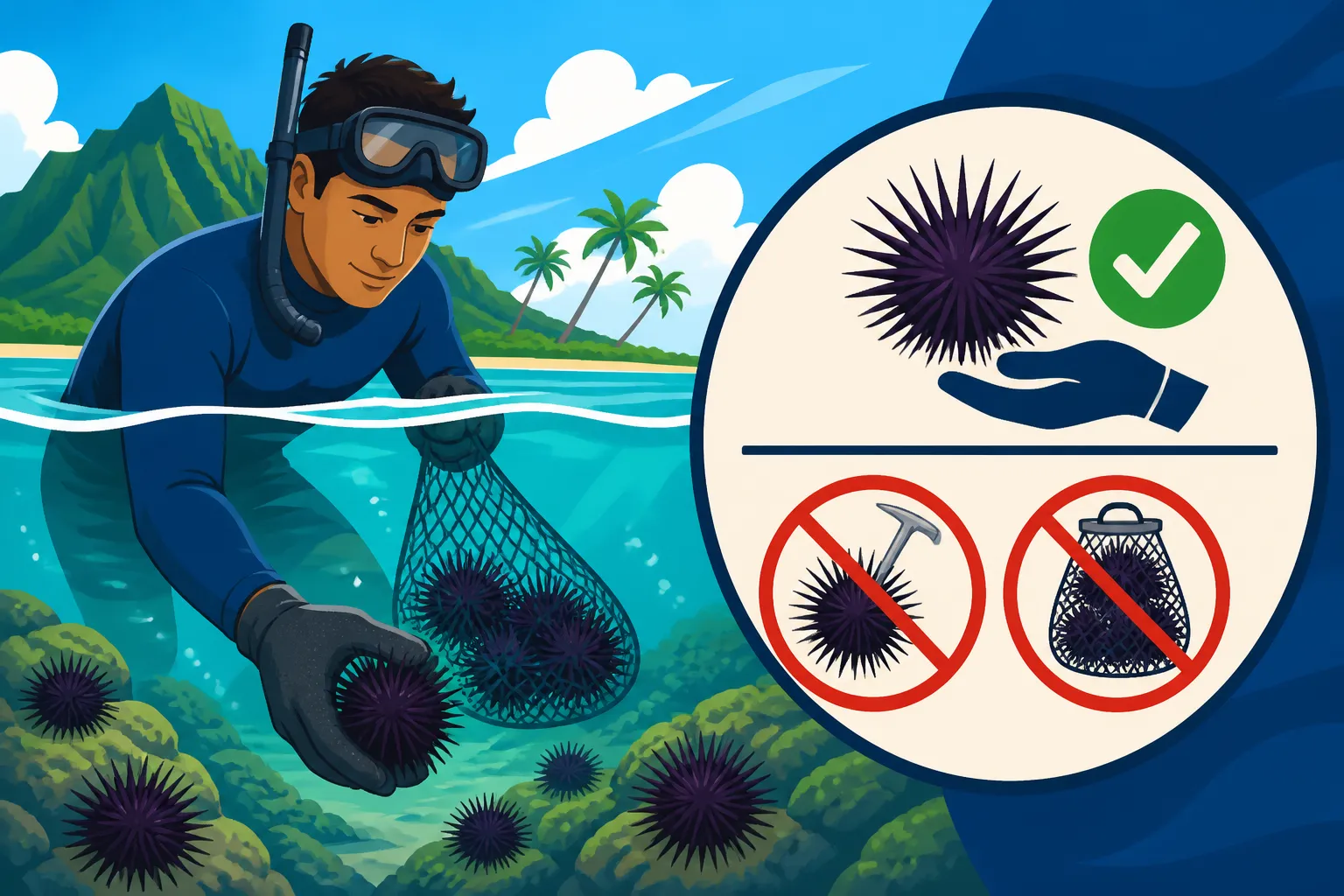
Hawaii sea urchin (wana) harvest regulations
Ah, the humble wana! Gathering these delicious sea urchins from Hawaii's tide pools and reefs is a cherished local tradition, providing a taste of the ocean's bounty that's hard to beat. But navigating the specific rules and regulations around harvesting them can feel like trying to untangle a fishing line in the dark. This comprehensive guide is here to illuminate the path, ensuring you understand exactly what's allowed when it comes to collecting Hawaii's sea urchins safely, sustainably, and legally.
Understanding Wana: A Vital Part of Hawaii's Ecosystem
Before we dive into the specifics of harvesting, it's really important to understand why these regulations exist in the first place. Wana, which is the Hawaiian name for sea urchin, aren't just a tasty treat; they're an incredibly vital part of our delicate nearshore marine ecosystems. They act like the lawnmowers of the reef, constantly grazing on algae. Without them, algae can overgrow, suffocating corals and other essential reef organisms, throwing the entire system out of whack.
When you're out there, whether it's on a low tide exploring the rocky intertidal zones or snorkeling a shallow reef, you're not just looking for dinner; you're interacting with a complex web of life. Overharvesting any species, including wana, can have ripple effects that disrupt the natural balance. Imagine a coral reef choked by algae because there aren aren't enough urchins to keep it in check – it's a stark reality that could impact fishing, tourism, and the overall health of our islands. That's why the Hawaii Department of Land and Natural Resources (DLNR) Division of Aquatic Resources (DAR) establishes these rules: to protect our precious marine resources for generations to come.
The Nitty-Gritty: Specific Regulations for Harvesting Wana in Hawaii
Now, let's get down to the brass tacks. When it comes to harvesting wana, there are specific rules you absolutely need to follow. These aren't just suggestions; they are legally binding regulations designed to ensure sustainability. Ignoring them can lead to significant penalties, which is the last thing anyone wants when they're simply trying to enjoy a day at the beach. You'll find that these rules cover everything from how many you can take to where you can take them.
Bag and Size Limits for Wana
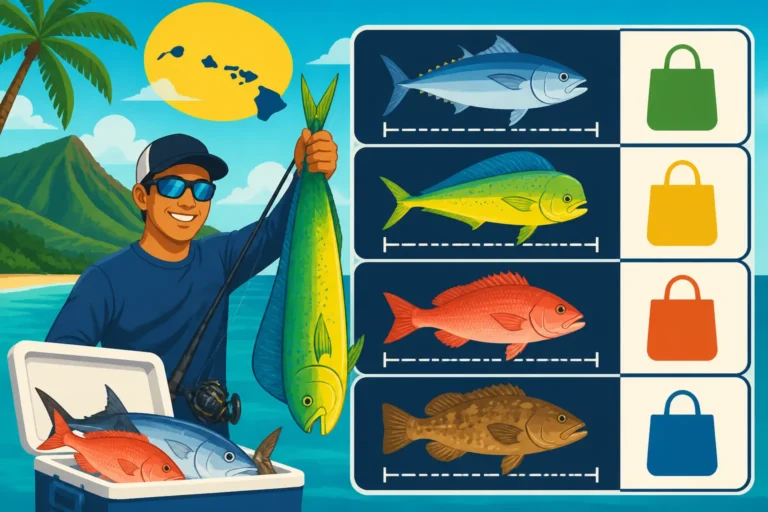
One of the most crucial regulations you'll encounter is the daily bag limit and any applicable size restrictions. For wana (specifically, the collector urchin, Tripneustes gratilla), the state of Hawaii has set a daily bag limit. As of my last check, the daily bag limit for wana is 50 individuals per person. This means that in any 24-hour period, one person cannot take more than 50 wana. This limit is critical in preventing localized overharvesting, especially in easily accessible areas like popular tide pools or near public shoreline access points.
There are also specific size limitations. Wana must have a test diameter (the diameter of the rigid body, excluding spines) of at least 2 inches. This minimum size ensures that the urchins have had a chance to mature and reproduce at least once, contributing to the next generation before being harvested. Taking undersized wana prevents them from reaching reproductive age, directly impacting the population's ability to recover. So, every time you pick one up, you need to measure it carefully. It's not uncommon to see folks with small plastic calipers or even a simple tape measure in their mesh bag, ready to check each urchin before keeping it. Think of it as a small investment in the future of the fishery.
Gear and Harvesting Methods
When it comes to the actual act of gathering wana, the regulations specify what methods are permissible. Generally, wana must be harvested by hand or with the aid of a hand tool. This means no mechanical dredges or anything that could indiscriminately scrape large areas of the reef, causing undue damage to the ecosystem. Common hand tools include small spatulas, dull knives, or even sturdy chopsticks to gently pry them off rocks without breaking the delicate test (shell). It's all about being gentle and minimizing impact.
For your personal safety and comfort, a good pair of gloves is essential. Wana, especially the collector urchin species commonly harvested, have spines that, while not venomous, can be sharp and irritating. I always recommend wearing thick canvas or dive gloves. You can find durable options easily on Amazon that will protect your hands from spines and sharp rocks. Additionally, a mesh bag or a bucket is perfect for holding your catch. The mesh allows water to drain, keeping your haul fresh and light to carry back to your vehicle or home. Again, specialized mesh bags for harvesting can be quite convenient and are often available for purchase on Amazon.
Closed Seasons and Areas to Avoid
Beyond the daily limits and gear restrictions, it's vital to be aware of any potential closed seasons or specific areas where harvesting is prohibited. While a statewide closed season for wana is not currently in effect, it's always wise to double-check the latest Hawaii Fishing Regulations Explained from the DLNR website before heading out, as rules can change. Regional restrictions, however, are quite common and can be a bit trickier to keep track of if you're not a local.
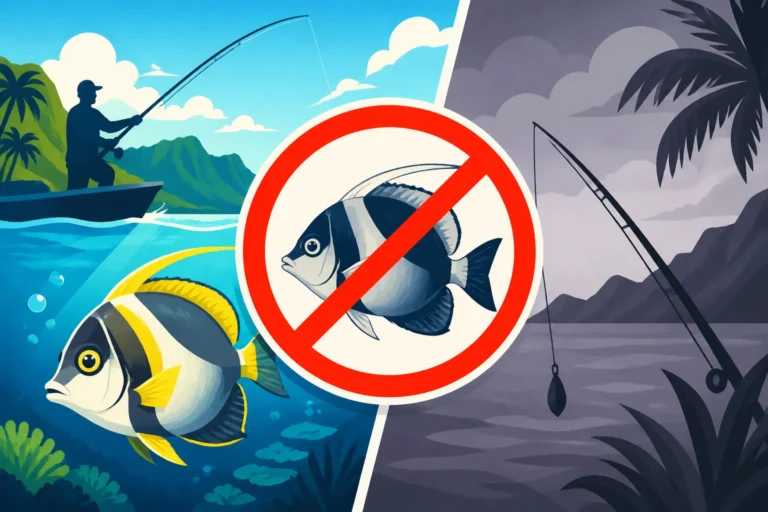
For instance, many of Hawaii's Marine Life Conservation Districts (MLCDs) are strictly "no-take" zones, meaning absolutely no marine life, including wana, can be removed. Popular MLCDs like Hanauma Bay on Oahu or Kealakekua Bay on the Big Island are prime examples. Fishing and gathering are also often prohibited within designated Fish Replenishment Areas in West Hawaii, which are designed to help replenish fish populations. Always look for signage when you arrive at a new spot. If you're unsure, it's best to err on the side of caution and assume harvesting is not allowed. Check out our guide on Hawaii Marine Life Conservation Districts, Explained for more detailed information on specific locations. Understanding these nuances is crucial, as ignorance of the law is not an excuse, and fines can be substantial.
Here's a quick reference table summarizing key wana harvesting regulations:
| Regulation Type | Detail | Notes |
|---|---|---|
| Species Targeted | Collector Urchin (Tripneustes gratilla) | Most commonly harvested wana |
| Daily Bag Limit | 50 individuals per person | Per 24-hour period |
| Minimum Size Limit | 2 inches test diameter | Excludes spines; measure rigid body |
| Harvesting Method | By hand or with hand tools only | No mechanical or destructive methods |
| Closed Seasons | No statewide closed season | Always verify with current DLNR regulations |
| Closed Areas | Marine Life Conservation Districts (MLCDs), Fish Replenishment Areas (FRAs), other designated protected areas | Always check signage and official maps |
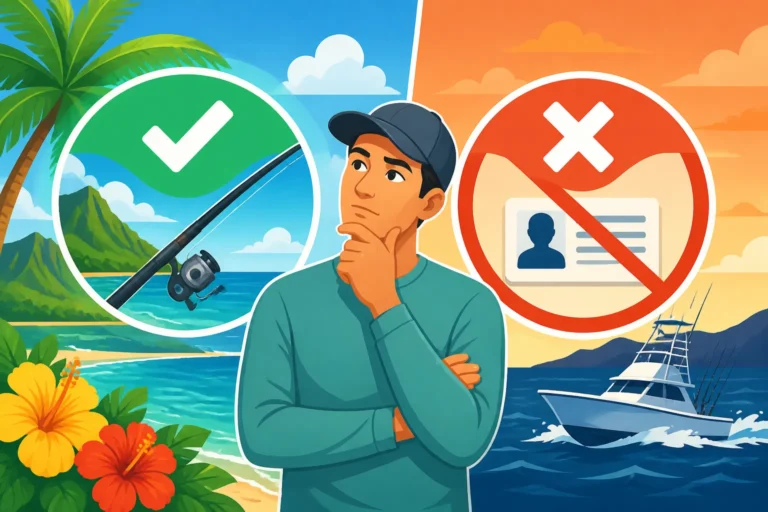
| License Requirement | No marine fishing license required for residents for recreational take | Non-residents may need to check specific scenarios, but generally for recreational take from ocean, residents are exempt. However, always refer to Do You Need a Fishing License in Hawaii. |
Best Practices for Sustainable and Safe Wana Harvesting
Following the regulations is the first step, but being a truly responsible gatherer goes beyond just the letter of the law. It's about embodying the aloha spirit, showing respect for the environment, and ensuring that our natural resources thrive. We're all guardians of these islands, and responsible harvesting is a big part of that kuleana (responsibility).
Minimizing Your Impact on the Reef
When you're out there on the reef flats or in tide pools, remember that you're in a living, breathing environment. Every step you take, every rock you turn, has an impact. Try to walk lightly and avoid trampling on corals or delicate algal mats. If you're turning over rocks to look for wana, always make sure to gently place them back exactly as you found them. This protects the myriad of small creatures that call the underside of those rocks home, including juvenile fish and other invertebrates.
Beyond just how you move, think about the tools you use. While hand tools are permitted, opt for ones that are designed to minimize damage. A blunt, flat tool is better than a sharp, pointed one that could gouge the reef. And once you've harvested your wana, make sure to dispose of any unwanted spines or shells properly. Don't leave them scattered on the beach or in the water; pack them out with you. This simple act helps maintain the pristine beauty of our shores for everyone to enjoy. For general best practices for shoreline access, you might also find our guide on Hawaii shoreline fishing rights and public access rules helpful.
Safety Tips for Shoreline Gathering
Safety should always be your top priority, especially when interacting with the ocean. The shoreline can be an unpredictable place, and wana often reside in areas exposed to waves, sharp rocks, and strong currents. Here are a few essential tips:
- Check the Tides and Swell: Always know the tide schedule and current swell forecast before you go. Low tide is often the best time for wana gathering as more of the reef is exposed, but watch for incoming tides that can quickly cut off your escape route. Large swells can create dangerous conditions, even in seemingly calm areas.
- Wear Appropriate Footwear: Reef shoes or sturdy tabis with good grip are non-negotiable. Lava rock and coral can be incredibly sharp, and a slip can ruin your day – or worse.
- Go with a Buddy: It's always safer to harvest with a friend or family member. In case of an emergency, having someone else there can make all the difference.
- Be Aware of Your Surroundings: Look out for slippery spots, unexpected waves, and other marine life. Keep an eye on the water at all times. You might even want to glance at our guide on Hawaii turtle and monk seal proximity rules for anglers as a reminder to keep a respectful distance from any protected species you might encounter.
- Hydrate and Protect from the Sun: Hawaii's sun is no joke. Bring plenty of water, wear a hat, sunglasses, and reef-safe sunscreen. You can find excellent, biodegradable sunscreens on Amazon that won't harm our precious coral reefs.
Consequences and Compliance: What Happens When Rules Are Broken
Nobody wants to deal with legal trouble, especially when they're simply trying to enjoy the natural beauty of Hawaii. However, ignorance of the law is not an excuse, and the DLNR takes its conservation mission very seriously. Understanding the potential consequences of violating wana harvesting regulations is essential for every responsible gatherer. It reinforces why these rules are in place and why adherence is so important.
Penalties for Non-Compliance
If you're caught violating the state's wana harvesting regulations, the penalties can range from hefty fines to the confiscation of your gear and catch, and even potential criminal charges in more severe cases. For example, being caught with more than the daily bag limit, or with undersized wana, can result in significant monetary fines. These fines are often determined per individual wana over the limit or undersized, meaning a seemingly small oversight can quickly add up to a substantial amount. The state is not shy about enforcing these rules, and DLNR Division of Conservation and Resources Enforcement (DOCARE) officers regularly patrol popular gathering spots.
Beyond the immediate financial hit, repeated offenses or particularly egregious violations can lead to loss of fishing privileges or even more severe legal repercussions. The goal isn't just to punish, but to deter destructive practices and protect the resource. This is similar to penalties for other marine life violations, such as those detailed in our post on Fishing Without a Required License in Hawaii: Penalties. It's a reminder that all resource users are expected to be responsible stewards.
Reporting Violations and Supporting Conservation
If you witness someone violating wana harvesting regulations or any other marine resource laws, you have the ability to report it. The DLNR encourages the public to be its eyes and ears on the water and along the shoreline. You can contact the DOCARE hotline or use their online reporting system. When reporting, try to gather as much information as possible without putting yourself at risk: location, date, time, description of the individuals, any vehicles involved (including license plate numbers), and the specific nature of the violation. This kind of information is invaluable to enforcement officers.
By reporting violations, you're not just being a "tattletale"; you're actively participating in the conservation efforts that protect Hawaii's unique marine environment. It's about protecting the future of our reefs and ensuring that traditional practices like wana gathering can continue sustainably. Remember, these regulations, like the Hawaii Bag and Size Limits by Species for other marine life, are in place for a reason: to preserve what makes Hawaii so special for everyone.
Getting Ready for Your Wana Gathering Adventure
Armed with this knowledge, you're much better prepared to head out and responsibly gather wana. Always remember that conservation and sustainability are at the heart of these regulations. By respecting the limits, using appropriate gear, and being mindful of your surroundings, you're contributing to the health of Hawaii's marine ecosystems and ensuring that future generations can enjoy the same opportunities. So, grab your gloves – perhaps a pair you found on Amazon – your measuring tool, and a mesh bag, and enjoy the unique experience of gathering wana, a true taste of aloha.
Disclaimer
The information provided in this guide is intended for general informational purposes only and does not constitute legal advice. Fishing and harvesting regulations in Hawaii are subject to change and interpretation. It is the responsibility of the individual to consult the most current official regulations published by the Hawaii Department of Land and Natural Resources (DLNR) Division of Aquatic Resources (DAR) prior to engaging in any fishing or gathering activities. We recommend checking the official DLNR website or contacting DAR directly for the most up-to-date and specific rules.