Hawaii shark feeding and finning laws
One of the trickiest things about enjoying Hawaii’s incredible ocean environment, whether you're fishing, diving, or just sightseeing, is understanding how to interact with its precious marine life responsibly and legally. Many visitors and even some residents are simply unaware of the specific regulations in place to protect creatures like sharks, especially concerning behaviors that might seem harmless but carry serious legal consequences. This comprehensive guide will walk you through Hawaii's strict laws regarding shark feeding and finning, helping you navigate these waters with respect and confidence.
The Serious Business of Protecting Hawaii's Sharks
Sharks are often misunderstood, seen as fearsome predators rather than crucial components of a healthy ocean ecosystem. In Hawaii, however, there's a deep cultural reverence for sharks, known as "mano," which are often considered 'aumakua (ancestral guardians) in traditional Hawaiian belief. This cultural significance, combined with a strong scientific understanding of their ecological role, drives the state's robust efforts to protect these magnificent creatures.
Why Shark Protection Matters in Hawaii
Imagine an ocean without its apex predators. It might sound appealing to some, but the reality is that without sharks, the delicate balance of marine life can quickly unravel. Sharks help maintain healthy fish populations by preying on the weak and sick, ensuring that other species don't overgraze reefs or outcompete each other for resources. This contributes directly to the vibrant fisheries that so many people in Hawaii rely on, both commercially and recreationally. From a cultural perspective, protecting mano is about preserving an ancient connection to the land and sea, honoring traditions that have existed for centuries. It's not just about conservation; it's about preserving a way of life and a profound respect for nature that is inherent to the islands.
Beyond the ecological and cultural aspects, Hawaii recognizes that a healthy shark population is an indicator of overall ocean health. When sharks thrive, it suggests a robust food web and relatively unpolluted waters. Conversely, declines in shark numbers can signal deeper problems within the ecosystem, impacting everything from coral reefs to commercial fish stocks. Therefore, the state's commitment to shark protection is a testament to its broader dedication to marine conservation, benefiting all creatures, including us.
The Legal Framework: Hawaii Revised Statutes and Administrative Rules
Hawaii takes its marine conservation seriously, and this is clearly reflected in its laws. The primary authority for marine life protection falls under the Hawaii Department of Land and Natural Resources (DLNR), specifically its Division of Aquatic Resources (DAR). These agencies are tasked with creating and enforcing the regulations that protect marine species, including sharks. The laws governing shark interactions, particularly feeding and finning, are outlined in the Hawaii Revised Statutes (HRS) and the Hawaii Administrative Rules (HAR). These are not mere suggestions but legally binding mandates designed to prevent harmful practices and ensure the long-term survival of shark populations in Hawaiian waters. It's always a good idea to stay informed about these laws, and you can often find detailed information by consulting resources like Reading the Hawaii DLNR Fishing Regulations.
The statutes and rules are quite clear: any activity that intentionally harms sharks or alters their natural behavior is strictly prohibited. This includes specific bans on commercial shark fishing, with very limited exceptions, and, crucially, explicit prohibitions against feeding sharks or possessing shark fins. These laws are comprehensive, aiming to cover various scenarios from recreational interactions to commercial activities. They represent a proactive stance by Hawaii, often exceeding federal regulations, to safeguard its unique marine environment. Understanding the specifics of these laws is essential for anyone spending time on or in Hawaii’s ocean.
Hawaii's Explicit Ban on Shark Feeding
Perhaps one of the most commonly misunderstood laws, and certainly one that carries significant weight, is Hawaii’s ban on shark feeding. Many people, especially those new to the islands or accustomed to different regulations elsewhere, might think that tossing a fish scrap or deliberately attracting sharks for a photo opportunity is harmless. However, in Hawaii, this act is not only strongly discouraged but is illegal and can lead to severe penalties. The intent behind this law is to protect both sharks and humans by preventing the habituation of these wild animals to human food sources, which can lead to dangerous encounters.
What Constitutes "Feeding" a Shark?
The law against feeding sharks is quite broad and covers any intentional act designed to provide food to a shark, or to attract sharks by putting food in the water. This isn't just about hand-feeding. It includes throwing fish carcasses, chum (a mix of fish parts and blood used to attract fish), or any other food into the water specifically with the intent to draw sharks closer. For example, if you're out on a boat and deliberately throw bait overboard to get sharks to swim around for a tourist experience, that's considered illegal feeding. Even if you don't directly give them food, but you use substances that are known to attract sharks and your intention is to bring them closer, you could be in violation.
It’s important to distinguish this from accidental or incidental chumming that might occur during legitimate fishing activities. If you're fishing for other species and some of your bait or a small piece of a catch accidentally falls into the water and a shark comes by, that’s generally not considered intentional feeding. The key factor is intent. Were you trying to attract sharks with food, or was it an unavoidable byproduct of another legal activity? This nuance is critical, but when in doubt, the safest approach is to avoid any action that could be perceived as luring sharks with food. Always err on the side of caution and remember the broader spirit of conservation that underpins Hawaii Fishing Regulations Explained.
Penalties for Violating Shark Feeding Laws
Hawaii's laws on shark feeding are backed by serious consequences to deter violations. The penalties can be substantial, reflecting the state’s commitment to protecting its marine ecosystem and ensuring public safety. Anyone found guilty of feeding a shark can face significant fines, potentially reaching thousands of dollars. Depending on the severity of the offense, and whether it’s a repeat violation, there could even be imprisonment. These aren't minor infractions; they are taken very seriously by enforcement agencies like the DLNR.
Imagine a scenario where a charter boat operator, trying to enhance a client's experience, decides to throw fish guts into the ocean to attract a tiger shark for a closer look. If caught, that operator could face not only heavy financial penalties that might jeopardize their business but also potential jail time. This is why responsible operators understand and adhere strictly to these rules. The goal isn't just to punish, but to ensure that everyone understands the importance of maintaining the wild nature of sharks and avoiding behaviors that could lead to negative interactions between sharks and humans. Just as with general fishing permits, violations can carry stiff consequences, similar to the discussions found in Hawaii Fishing Without a Required License in Hawaii: Penalties.
The Unwavering Prohibition Against Shark Finning
Beyond feeding, Hawaii has taken a leading role in cracking down on the brutal and unsustainable practice of shark finning. While federal laws and international agreements exist, Hawaii has gone above and beyond to ensure its waters, and even its markets, are free from this cruel trade. This proactive stance reflects a deep ethical commitment to marine animal welfare and a recognition of the severe threat finning poses to global shark populations.
Understanding Shark Finning: A Brutal Practice
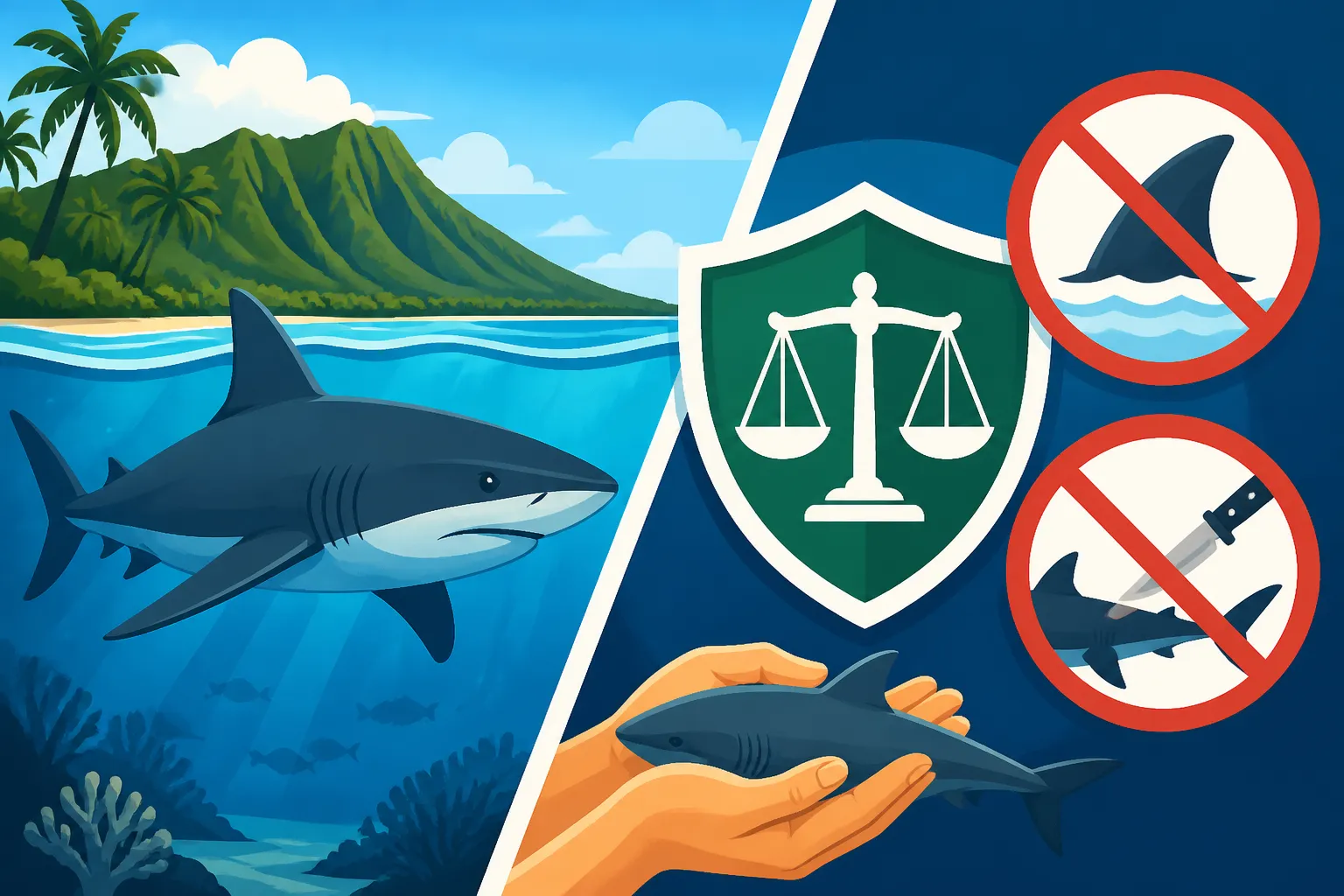
Shark finning is the practice of catching a shark, removing its fins (often while the shark is still alive), and then discarding the shark's body back into the ocean. The fins are highly valued, primarily for shark fin soup, a delicacy in some cultures. The rest of the shark's body, which has less commercial value, is typically wasted. This practice is universally condemned by conservationists and animal welfare advocates due to its inherent cruelty and its devastating impact on shark populations worldwide. Without their fins, sharks are unable to swim, hunt, or survive, leading to a slow and agonizing death.
The global demand for shark fins has driven many shark species to the brink of extinction. It's an incredibly unsustainable practice that disregards the ecological importance of sharks and prioritizes a single, often luxury, commodity over the health of entire marine ecosystems. This shortsighted approach has led to drastic declines in shark numbers in many parts of the world, disrupting ocean food chains and threatening the delicate balance of marine life. Hawaii's strong stance against this practice is a testament to its commitment to combating this global crisis and setting an example for other regions.
Hawaii's Comprehensive Shark Finning Ban
Hawaii's shark finning law, enacted in 2010 (Act 211), is one of the strongest in the United States and has served as a model for other states. It goes beyond merely banning the act of finning in Hawaiian waters. The law broadly prohibits the possession, sale, trade, or distribution of shark fins anywhere within the state of Hawaii, regardless of where the fins were originally harvested. This is a critical distinction because it closes loopholes that allow fins harvested legally elsewhere to be brought into or sold within Hawaii. The intent is to completely remove Hawaii from the global shark fin trade, cutting off supply and demand channels within its borders.
What this means for individuals, restaurants, and retailers is that possessing any shark fin product, even if you bought it online from another state or country, is illegal within Hawaii. This makes the law highly effective in preventing the market for fins from thriving in the islands. It’s a clear message that Hawaii values its marine life over short-term economic gain from a destructive practice. For those involved in commercial marine activities, understanding these specifics is paramount, much like knowing the intricacies of Hawaii Commercial vs Recreational Fishing License Rules. This comprehensive ban ensures that Hawaii plays no part in the devastating global fin trade, standing firm in its commitment to shark conservation.
Responsible Angling and Shark Encounters
For those of us who love to fish in Hawaii, the presence of sharks is a natural part of the marine environment. While the focus is usually on catching our target species, it's inevitable that sharks will sometimes be in the vicinity, attracted by bait, struggling fish, or general commotion. Knowing how to react responsibly and legally when a shark enters the picture is crucial for both your safety and the welfare of the shark. It’s about minimizing stress for the animal and ensuring you don’t inadvertently violate any protective laws.
Accidental Shark Interactions During Fishing
It’s not uncommon for a shark to investigate your fishing activities. Sometimes, they’ll even take your bait or attack a hooked fish. When this happens, the most important thing is to act calmly and responsibly. Under Hawaii law, you should never attempt to bring a shark onto your vessel or onto shore, especially if it's a species protected by state or federal law, or if your intent is to harm it or remove its fins. The best practice, if a shark takes your bait or gets hooked, is to cut the line as close to the hook as safely possible. This minimizes stress and injury to the shark and prevents you from being in a situation where you might accidentally violate a law.
Consider a scenario: you're reeling in a nice ulua, and suddenly, a grey reef shark darts in and tries to take a bite. Your instinct might be to fight it off, but the legal and ethical approach is to release the shark from your line if possible. Trying to land it to remove the hook or save your catch could put you and the shark in danger, and risk a feeding violation if you’re seen to be deliberately interacting with it. Minimizing entanglement and physical contact is key. Many of the same principles for ethical catch and release apply here, aiming to reduce harm and ensure the animal's survival, much like the advice for Marlin catch and release survival tips. Responsible anglers prioritize the well-being of all marine life, even when unexpected encounters occur.
Observing Sharks Safely and Legally
Observing sharks in their natural habitat can be a breathtaking experience, and Hawaii offers many opportunities for this, whether you're snorkeling, diving, or simply watching from a boat. However, it's paramount to do so safely and legally, meaning you never disturb, harass, or attempt to attract them. The general rule is to maintain a respectful distance. This isn't just a courtesy; it's often a legal requirement under broader marine wildlife protection statutes, similar to the rules for interactions with other iconic Hawaiian creatures like those outlined in Hawaii turtle and monk seal proximity rules for anglers.
If you're out on the water and spot a shark, enjoy the moment, but resist the urge to get closer or do anything that might alter its natural behavior. Avoid sudden movements or loud noises that could startle it. Never throw food or any attractants into the water to try and coax it closer for a better view or photograph. Not only is this illegal under the shark feeding ban, but it can also habituate sharks to human presence and food, which can ultimately lead to dangerous situations for both humans and sharks down the line. Remember, these are wild animals, and the best way to appreciate them is to let them be wild.
Educational Outreach and Enforcement
Behind every good law is a system of education and enforcement, and Hawaii's shark protection efforts are no different. The state actively works to inform residents and visitors about these crucial regulations, understanding that awareness is the first step toward compliance. However, for those who disregard the rules, a dedicated enforcement arm stands ready to uphold the integrity of Hawaii’s marine environment. This dual approach ensures that while education fosters a culture of respect, legal consequences deter those who might otherwise act irresponsibly.
The Role of DLNR and Law Enforcement
The Hawaii Department of Land and Natural Resources (DLNR), through its Division of Aquatic Resources (DAR) and Division of Conservation and Resources Enforcement (DOCARE), plays a critical role in both educating the public and enforcing shark protection laws. They publish guides, maintain websites, and conduct outreach programs to ensure that everyone, from local fishermen to visiting tourists, understands the rules. This includes comprehensive resources on topics like Hawaii Fishing License Guide for 2026 and general marine regulations. DLNR officers patrol coastal areas, enforce regulations, and investigate violations related to shark feeding, finning, and other harmful practices. They are the frontline guardians of Hawaii’s marine life, authorized to issue citations, levy fines, and initiate legal proceedings when necessary.
If you witness a violation, such as someone openly feeding sharks or engaging in finning activity, it’s important to report it to the proper authorities. Contacting DOCARE or your local police department with as much detail as possible (location, time, description of individuals or vessels, and specific actions observed) can make a significant difference. Your vigilance can help these agencies protect Hawaii's sharks and maintain the integrity of its marine ecosystems. It's a collective responsibility to uphold these vital laws.
Community Involvement in Shark Conservation
Beyond governmental efforts, community involvement is absolutely vital for effective shark conservation in Hawaii. Many local organizations and non-profits are dedicated to marine conservation, engaging in scientific research, advocacy, and public education. These groups often work hand-in-hand with DLNR to amplify messages about responsible ocean stewardship and the importance of sharks in the ecosystem. They organize beach cleanups, host educational workshops, and promote sustainable fishing and tourism practices. Understanding how communities contribute to broader marine protection initiatives, such as those related to What a Marine Life Conservation District means for anglers, deepens our appreciation for these efforts.
As individuals, we can contribute by being ambassadors for responsible ocean behavior. This means not only adhering to the laws ourselves but also gently educating others when we see questionable practices. It could be as simple as explaining to a fellow beachgoer why feeding fish scraps to a shark is harmful, or ensuring that you only support tour operators who demonstrate a strong commitment to ethical marine interactions. By fostering a collective consciousness around shark conservation, we help reinforce Hawaii's unique bond with its marine environment, ensuring these magnificent creatures continue to thrive for generations to come.
Summary of Hawaii Shark Laws
| Law Aspect | Description | Primary Statute/Rule | Penalties |
|---|---|---|---|
| Shark Feeding | Prohibits intentionally attracting or providing food to sharks. Applies to any act meant to draw sharks closer with food. Intent is key. | HRS §188-75 | Substantial fines (thousands of dollars), potential imprisonment for severe/repeat offenses. |
| Shark Finning | Prohibits the harvesting of shark fins and the possession, sale, trade, or distribution of shark fins or products within the state, regardless of origin. | HRS §205A-92 | Significant fines (e.g., $5,000 to $15,000 for first offense), potential felony charges for subsequent offenses. |
Disclaimer
The information provided in this article is for general guidance and informational purposes only, and does not constitute legal advice. While we strive to provide accurate and up-to-date information, fishing regulations and laws in Hawaii are subject to change. It is always the responsibility of the individual angler or ocean user to consult the most current Hawaii Revised Statutes (HRS) and Hawaii Administrative Rules (HAR), and to contact the Hawaii Department of Land and Natural Resources (DLNR) Division of Aquatic Resources (DAR) directly for clarification on any specific regulations before engaging in any activities. Compliance with all applicable federal, state, and local laws is essential.