Hawaii Kokee State Park fishing season dates
Trying to figure out when you can actually wet a line in Kokee State Park for some rainbow trout can feel like cracking a secret code. Hawaii's fishing regulations, especially for freshwater, are quite unique and definitely not as straightforward as just showing up with a pole. This comprehensive guide is here to untangle all the specifics, so you know exactly when the season kicks off, what licenses you need, and all the essential rules to ensure a legal and successful fishing adventure in Kauai's stunning highlands.
The Unique Appeal of Kokee State Park's Trout Fishery
When most people picture Hawaii fishing, they imagine azure waters, deep-sea charters, and perhaps reeling in a massive marlin or ahi. But tucked away high in the mountains of Kauai, Kokee State Park offers an entirely different, utterly unique angling experience: rainbow trout fishing. It's a world away from the saltwater hustle and a delightful surprise for those who love freshwater pursuits.
Why Kokee is Different: A Mountainous Oasis
Kokee State Park sits at elevations ranging from 3,200 to 4,200 feet, which means it has a completely different climate than the sunny beaches below. Think cool, misty mornings, often shrouded in fog, with temperatures that can drop significantly, especially in the "winter" months. This cooler, wetter environment, fueled by consistent rainfall, creates the perfect conditions for streams and reservoirs that can sustain cold-water fish like trout. It's a stark contrast to the tropical heat that dominates most of the islands, making Kokee a truly special, almost incongruous, freshwater haven. The lush native forests and dramatic canyons here feel like a different world, providing a serene backdrop for anglers seeking a tranquil escape and a different kind of Hawaiian catch.
The Rainbow Trout: Hawaii's Freshwater Star
The rainbow trout (Oncorhynchus mykiss) isn't native to Hawaii, but it has certainly found a comfortable home in Kokee. These beautiful, hard-fighting fish were introduced to Kauai's mountain streams back in the early 1900s, and they've thrived ever since, thanks to careful management by the Hawaii Division of Aquatic Resources (DAR). For many local anglers, and even some savvy visitors, fishing for rainbow trout in Kokee is a cherished annual tradition. The DAR actively manages this fishery, including a dedicated stocking program to ensure a healthy population for anglers. This means you’re often casting for vibrant, strong fish that offer an exciting fight in a truly spectacular setting. If you're curious about the history and management of these fish, our guide on Rainbow Trout: Hawaii's Only Freshwater Trout Fishery delves into even more detail about this fascinating species.
Deciphering the Kokee Trout Season Dates and Licensing
One of the most critical aspects of fishing in Kokee State Park is understanding that it operates on a very specific, limited season. You can't just show up any time of year and expect to fish. This dedicated season is a cornerstone of the DAR's conservation efforts, balancing recreational opportunity with the long-term health of the trout population and the delicate ecosystem.
The Annual Fishing Season Window
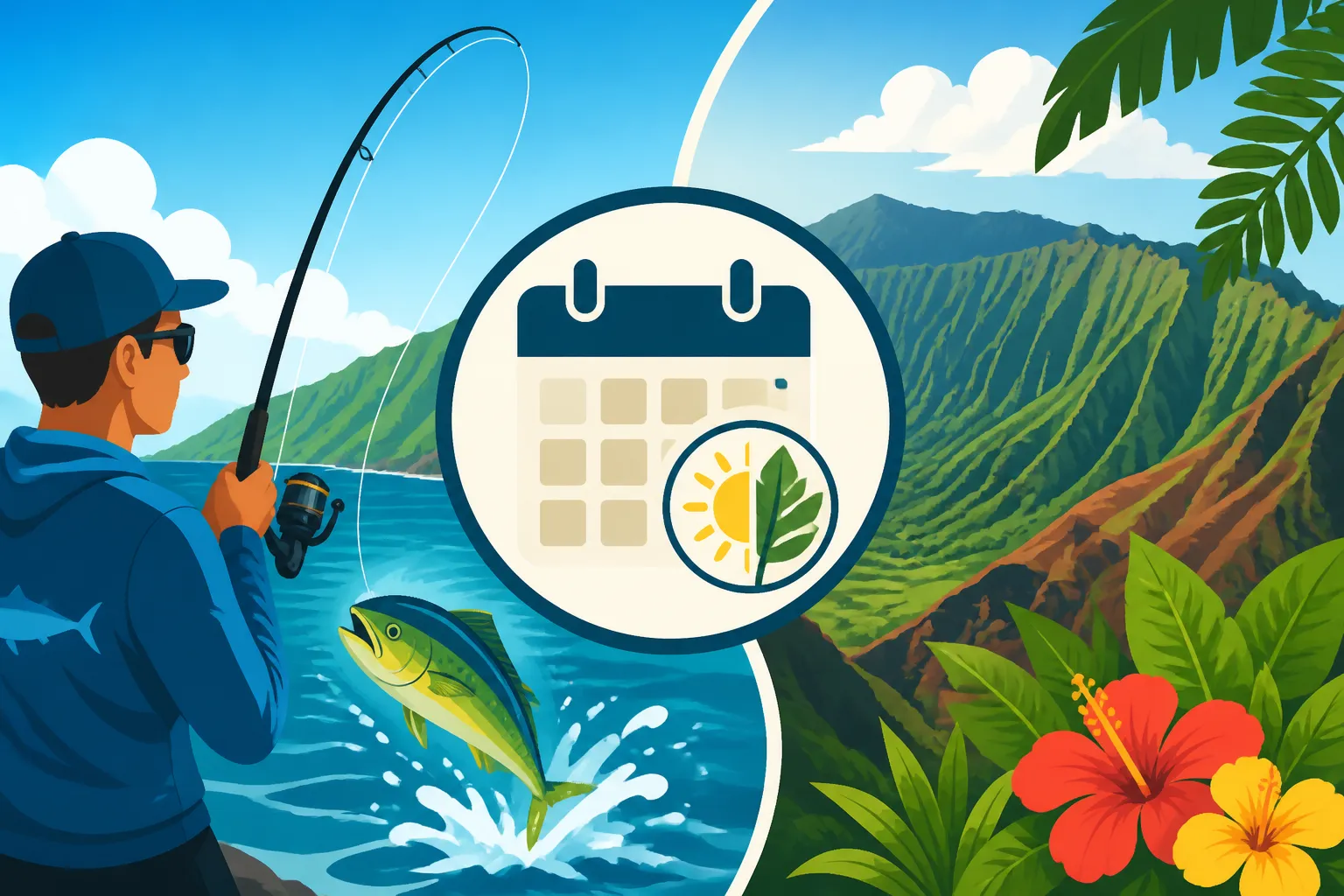
The official rainbow trout fishing season in Kokee State Park typically runs for a relatively short window each year. While exact dates can shift slightly from year to year based on environmental conditions and official announcements, the season almost always opens on the first Saturday in August and concludes on the last day of September. This narrow timeframe is carefully chosen to align with conditions that minimize stress on the fish, particularly considering factors like water temperature and natural spawning cycles, even for a largely stocked population.
Furthermore, within this two-month window, fishing is not permitted every day. Anglers are generally only allowed to fish on Saturdays, Sundays, and state holidays. This staggered access helps manage fishing pressure on the streams and allows for periods of rest for the fishery. It's absolutely crucial to check the latest proclamations from the Hawaii Division of Aquatic Resources (DAR) before planning your trip, as these dates and permitted days are subject to change. Nothing ruins a fishing trip faster than arriving on a non-fishing day!
To give you a quick overview, here's a general snapshot of the Kokee trout season:
| Category | Detail | Notes |
|---|---|---|
| Season Start | First Saturday in August | Check DAR announcements for specific date each year |
| Season End | Last Day of September | Applies to all designated Kokee Public Fishing Areas |
| Permitted Days | Saturdays, Sundays, State Holidays | Fishing is NOT permitted on weekdays unless it's a state holiday |
| Daily Bag Limit | 7 Rainbow Trout per person | No minimum size limit; all legal catches count towards the bag |
| Gear Restriction | Artificial lures with a single barbless hook only | Absolutely no bait allowed; this is strictly enforced |
| License Required | Valid Hawaii Freshwater Fishing License | Mandatory for anyone 9 years of age or older |
Essential Freshwater Fishing License Requirements
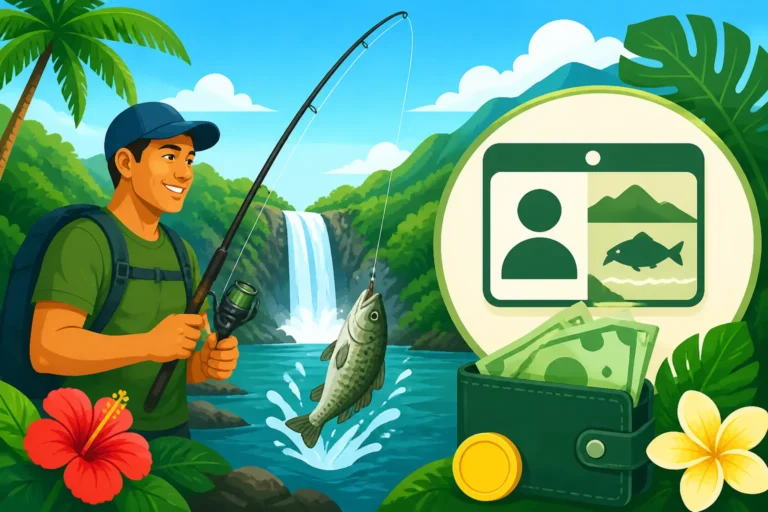
Let's be crystal clear: if you plan to fish for rainbow trout in Kokee State Park, you absolutely need a valid Hawaii freshwater fishing license. This isn't like ocean fishing in Hawaii where residents traditionally had exemptions. For freshwater, everyone 9 years of age or older must have a license. This license is specifically for freshwater game fish and is distinct from any potential marine fishing licenses.
The process for obtaining a license is relatively straightforward. You can often purchase them online through the DLNR website, or in person at authorized license vendors across the islands. You'll want to check out our detailed guide on Hawaii Freshwater Fishing License and Rules for a complete breakdown of requirements. For those traveling from outside the islands, understanding the nuances of a Hawaii nonresident freshwater license cost is important, as the fees differ from resident rates. Similarly, residents will find specific information on the Hawaii freshwater license cost for residents. Don't forget to look into Hawaii Freshwater License Age Requirements and remember that Hawaii fishing license age 9 freshwater requirement means even younger anglers need to be licensed once they hit that milestone. Planning ahead is key, especially if you're visiting, to avoid any last-minute scramble.
Navigating Kokee's Specific Fishing Rules and Areas
Beyond just the season dates and licenses, Kokee State Park has very particular rules about where you can fish and how. These regulations are designed to protect the fragile stream ecosystems, manage angler impact, and ensure a sustainable fishery for years to come. It’s not just about what you catch, but also how you approach the act of fishing itself.
Designated Fishing Waters within Kokee PFA
The Kokee Public Fishing Area (PFA) encompasses specific streams and reservoirs where trout fishing is permitted during the open season. It's not the entire park, so you can't just drop a line into any body of water you come across. The primary designated fishing waters include:
- Kokee Stream
- Mohihi Stream
- Waiakoali Stream
These streams, along with their various branches and tributaries within the designated PFA boundaries, are where you'll find the trout. It’s important to understand that some sections of streams, or other smaller bodies of water within the park, might be off-limits or have specific no-fishing rules for environmental protection. Always consult the official DAR map and regulations for the most current information. Our Kokee Public Fishing Area Guide offers a more comprehensive overview of these specific locations and their access points, helping you pinpoint the best spots to cast your line. Remember, respecting these boundaries is crucial for preserving the natural beauty and ecological integrity of this unique area.
Bag Limits, Size Restrictions, and Gear Rules
Hawaii's fishing regulations are often quite specific, and Kokee is no exception. Here’s what you need to know about what you can keep and what gear you can use:
- Bag Limit: The daily bag limit for rainbow trout in Kokee is seven (7) fish per person. This limit is generous enough for a good day's catch but also ensures that the fishery isn't overharvested, especially with the regular Rainbow Trout Stocking at Kokee efforts.
- Size Limit: There is no minimum size limit for rainbow trout caught in Kokee. All trout, regardless of size, that you choose to keep count towards your daily bag limit. This allows anglers to keep smaller fish if they wish, without the stress of measuring each catch.
- Gear Restrictions: Artificial Lures and Single Barbless Hooks ONLY: This is perhaps the most critical rule for Kokee. Only artificial lures are permitted, and they must be equipped with a single, barbless hook. The use of natural bait (like worms, salmon eggs, or powerbait) is strictly prohibited. This rule serves multiple purposes: it reduces the chance of gut-hooking fish, making catch-and-release much safer if you decide to release some of your catch, and it also protects the ecosystem from the introduction of non-native organisms that could be inadvertently brought in with bait. Before your trip, make sure your lures comply, or you can purchase specific Kokee-friendly tackle on platforms like Amazon to ensure you’re ready.
These stringent gear rules mean you need to come prepared. Single barbless hooks are non-negotiable, and if your lure comes with treble hooks or barbed hooks, you’ll need to swap them out or pinch the barbs down with pliers. This rule is a testament to the DAR's commitment to maintaining a healthy fishery and ensuring sustainable practices.
Maximizing Your Kokee Trout Fishing Experience
Once you've got your license sorted and understand the rules, you're ready to make the most of your Kokee trout adventure. It's more than just catching fish; it's about immersing yourself in this truly special Hawaiian environment and enjoying the unique challenge it presents.
Timing Your Visit for Success
While the season itself is limited, there are still optimal times within that window to enhance your chances of success. Many seasoned anglers will tell you that opening day (the first Saturday in August) is often the most exciting, if also the most crowded. The fish, having been unmolested for months, can be quite active, and the anticipation in the air is palpable. If you plan to go on opening day, be prepared for company and arrive early to secure your preferred spot.
Beyond opening day, the early mornings are consistently the best time to fish. Trout are generally more active in cooler water, and as the sun rises higher, the water temperatures in these relatively shallow streams can increase, making the fish more lethargic. Aim to be on the water shortly after sunrise, or even at first light, to take advantage of their peak feeding periods. Overcast days or periods of light rain can also provide excellent fishing conditions throughout the day, as they keep water temperatures down and often spur trout into feeding. For specific tips on how to maximize your chances right at the start of the season, our guide on How to catch trout right after Kokee's season opens offers excellent advice.
Recommended Gear and Tackle for Kokee
Given the "artificial lures with a single barbless hook" rule, your tackle choices are important. You'll want a light setup that allows for delicate presentations and can handle the feisty fight of a rainbow trout in moving water.
- Rod and Reel: A light-action or ultra-light spinning rod, typically 5 to 7 feet in length, paired with a small spinning reel (size 1000-2000) spooled with 4-6 lb test monofilament or fluorocarbon line, is ideal. This setup provides the sensitivity needed to detect subtle bites and the flexibility to cast small lures accurately.
- Lures: Small inline spinners (like Mepps or Rooster Tail), small spoons (such as Kastmasters or Little Cleos), and miniature soft plastic jigs (like Gulp! minnows or PowerBait micro-jigs, as long as they are artificial and rigged with a single barbless hook) are all highly effective. Brighter colors often work well in the sometimes murky, tannin-stained waters, but natural patterns can also be very productive. You can find a wide variety of these types of lures on platforms like Amazon, making it easy to stock up before your trip.
- Other Essentials:
- Waders or Waterproof Boots: The streams can be shallow, but you'll likely want to get into the water for better casting angles and to navigate the banks.
- Rain Gear: Kokee is known for its misty, rainy conditions. A lightweight, waterproof jacket and pants are a must.
- Bug Spray: Mosquitoes and other biting insects can be present, especially in the humid, vegetated areas.
- Small Tackle Box or Vest: Keep your lures, extra hooks, and pliers organized and accessible.
- Pliers/Forceps: Essential for crimping down barbs (if your lures don't come barbless) and for safely removing hooks from fish.
- Net: A small, rubberized landing net is helpful for safely landing and releasing fish.
- Water and Snacks: While there's a lodge nearby, it’s always good to have provisions for when you're out on the stream.
Remember to pack layers, as the weather can change quickly in the mountains. Being prepared for varying conditions will make your fishing experience much more comfortable and enjoyable.
Disclaimer
The information provided in this guide is for general informational purposes only and is subject to change. Fishing regulations, season dates, and license requirements are set by the Hawaii Department of Land and Natural Resources (DLNR) Division of Aquatic Resources (DAR) and can be updated at any time. Always consult the official DAR website or contact their offices directly for the most current and accurate regulations before planning your fishing trip to Kokee State Park. Failure to comply with regulations may result in fines or penalties.