Hawaii resident license class details
It’s a common misconception, especially for those who’ve grown up by the ocean, that fishing in Hawaii is a free-for-all when you call these islands home. While the rules for ocean fishing for residents are wonderfully lenient, the freshwater scene is a different story entirely, and understanding these nuances can save you a lot of headache (and potential fines). This comprehensive guide is here to unravel all the details about Hawaii’s resident fishing license classes, explaining who needs what, what it costs, and how to stay on the right side of the law so your time on the water is nothing but pure aloha.
The Unique Landscape of Hawaii's Resident Marine Fishing
Let's get this out of the way first, as it's often the biggest point of confusion: For most recreational shoreline and ocean fishing, residents of Hawaii do not need a marine fishing license. This is a truly special aspect of fishing in the islands, steeped in tradition and designed to maintain public access to the abundant marine resources for personal use. It’s a privilege, not a right, and it comes with the responsibility of understanding and adhering to all other regulations concerning bag limits, size restrictions, and protected areas.
Understanding the Resident Ocean Fishing Exemption
Imagine waking up on a Saturday morning, grabbing your rod and a cooler, and heading down to your favorite local spot without a second thought about permits or paperwork. For Hawaii residents engaging in recreational marine fishing, this is largely the reality. The State of Hawaii, through its Department of Land and Natural Resources (DLNR) Division of Aquatic Resources (DAR), has a long-standing policy that exempts resident recreational anglers from needing a license to fish in the ocean. This exemption covers everything from throwing a line off a pier or rocky point, to kayak fishing nearshore, or even dropping a hook from a private boat for personal consumption.
This means if you're a local just trying to catch some papio or ulua for dinner, or perhaps some akule for your family luau, you won't need to purchase a specific recreational marine fishing license. It's a fantastic benefit that fosters a deep connection between residents and the ocean, allowing for easy access to the bounty it provides. However, this freedom isn't absolute. While you don't need a license, you absolutely must be aware of and follow all other Hawaii Fishing Regulations Explained regarding specific species, size limits, and closed seasons. For example, knowing the Hawaii Moi Closed Season, Explained or the Hawaii Uhu (Parrotfish) Size and Bag Limits is crucial, license or no license. Many people wrongly assume no license means no rules, which is far from the truth.
When a Resident Ocean License Becomes Necessary
While the general rule is "no license needed" for recreational marine fishing, there are very specific scenarios where a resident will need a license or permit to fish in Hawaii's ocean waters. It’s critical to distinguish between recreational and commercial activities, as this is where the lines often blur and the requirements change dramatically.
Firstly, if your fishing activity crosses into the realm of commercial harvesting, even on a small scale, you absolutely need a commercial marine license. This applies if you are selling your catch, or if you are exceeding recreational bag limits and harvesting for profit rather than personal or family consumption. The rules and regulations for commercial fishing are far more stringent and require a separate set of licenses and reporting. For a deeper dive into these distinctions, you might want to read up on Hawaii Commercial vs Recreational Fishing License Rules. Don't assume that just because you're a resident, you can sell your catch without proper licensing; the DLNR takes commercial fishing regulations very seriously to manage Hawaii's marine resources sustainably.
Secondly, specific activities, regardless of intent, might require specialized permits even for residents. While recreational spearfishing for personal consumption generally falls under the no-license-needed umbrella, certain types of spearfishing, like Hawaii SCUBA Spearfishing Ban or Hawaii Spearfishing Regulations within Marine Life Conservation Districts (MLCDs), have very specific rules. It's not a license per se, but rather an understanding of permitted activities and zones. Always double-check with the DLNR Division of Aquatic Resources for any special regulations related to unique fishing methods or locations. When in doubt, it’s always better to ask than to risk a fine or confiscation of your gear.
Navigating Hawaii's Resident Freshwater Fishing License Requirements
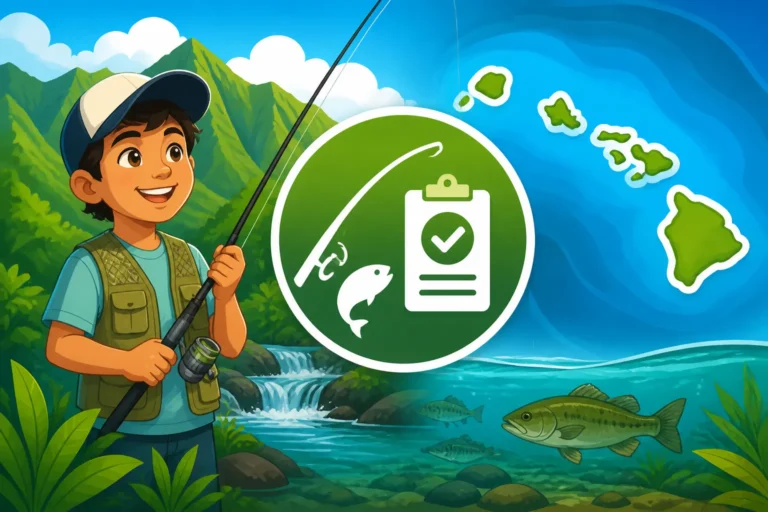
Now, let's pivot to freshwater fishing, where the rules are quite different from the ocean. Unlike the generous marine exemption, residents are required to possess a valid freshwater fishing license to fish in Hawaii’s inland waters. This includes reservoirs, streams, and other freshwater bodies where game fish like rainbow trout, bass, and tilapia can be found. The funds from these licenses directly support the management, stocking, and conservation efforts of Hawaii’s unique freshwater aquatic resources.
Mandatory Freshwater Licenses for Residents
If you’re planning on casting a line into the Wahiawa Reservoir on Oahu for some peacock bass, or heading up to the Kokee Public Fishing Area on Kauai to try for rainbow trout, a freshwater fishing license is not just recommended – it’s mandatory. This applies to all residents who meet the age requirements, and it’s a crucial step in ensuring that Hawaii’s limited freshwater fisheries remain viable and well-managed for future generations. Ignoring this requirement can lead to fines and legal complications, turning what should be a relaxing day into a stressful one.
The licensing system for freshwater fishing is straightforward for residents. You'll typically purchase an annual license that covers you for a specific period, usually from the date of purchase or for a calendar year, depending on the specific program. It's your personal responsibility to ensure your license is current before you hit the water. This also helps fund vital conservation work, such as the Rainbow Trout Stocking at Kokee program, which helps maintain fish populations in specific areas.
Resident Freshwater License Classes and Costs
For Hawaii residents, the primary freshwater license is the Resident Annual Freshwater Game Fishing License. This is your go-to permit for all legal freshwater fishing activities across the islands. The cost is relatively low, especially when you consider it grants you access to some unique fishing opportunities, like chasing rainbow trout in Kokee or various bass species in the reservoirs. The current cost for a Hawaii freshwater license cost for residents is quite reasonable, typically around $5.00 for the annual license. This small investment contributes directly to maintaining and improving the very waters you're fishing in.
It's important to note that this license is specifically for recreational freshwater game fishing. There aren't multiple "classes" of resident freshwater licenses in the same way you might see in other states with various endorsements for different species or methods. One annual license covers the gamut for residents. This simplicity is a blessing, as it means less confusion about what you need to legally pursue your freshwater angling passion. Always confirm the exact current fees and validity periods directly with the DLNR Division of Aquatic Resources, as these details can occasionally be subject to minor adjustments.
Age Requirements for Resident Freshwater Licenses
Understanding the age requirements is paramount, especially if you plan on taking your keiki (children) fishing. In Hawaii, the general rule is that all persons 18 years of age or older must possess a valid freshwater fishing license. This means if you're an adult resident, you need that $5 annual license.
What about the younger generation? Good news for families: children under 18 years of age are generally exempt from needing a freshwater fishing license. This policy is designed to encourage youth participation in fishing and outdoor activities, fostering an early appreciation for Hawaii's natural resources. It means you can bring your son, daughter, niece, or nephew along on your freshwater adventures without having to worry about an additional license for them. For precise details on this, you can always refer to resources like What age requires a freshwater fishing license in Hawaii and Hawaii youth fishing license age cutoff. This makes freshwater fishing a fantastic, affordable family activity!
Special Resident License Exemptions and Discounts
Hawaii also offers specific exemptions and discounts for certain resident groups, acknowledging their unique circumstances and contributions. These programs are designed to make fishing accessible to everyone in the community.
Senior and Disabled Resident Freshwater License Exemptions
Hawaii extends a respectful exemption for its senior residents and provides support for disabled anglers. This is a wonderful initiative that ensures fishing remains an accessible and enjoyable activity for all ages and abilities.
- Senior Exemptions: Residents who are 65 years of age or older are generally exempt from needing a freshwater fishing license. This means if you've reached that golden age, you can continue to enjoy Hawaii's freshwater fishing opportunities without the annual license fee. It's a way of honoring our kupuna (elders) and recognizing their lifelong contributions to the community. You should still carry a valid Hawaii ID to prove your age and residency if approached by enforcement officers. For full details on this, refer to Hawaii Senior and Disabled Freshwater License Exemption.
- Disabled Resident Exemptions: Residents who are certified as legally blind or permanently and totally disabled may also be exempt from the freshwater fishing license requirement. This exemption ensures that physical challenges do not preclude individuals from enjoying the therapeutic and recreational benefits of fishing. To qualify, documentation proving your disability status is typically required. It's always best to contact the DLNR Division of Aquatic Resources directly to understand the specific documentation needed and the process for obtaining this exemption. More information can be found in resources like Hawaii fishing license for disabled residents.
Active Military and Student Considerations
While specific separate "discounted" license classes for active military or out-of-state students are more commonly associated with non-resident licenses, it's worth clarifying for residents.
- Active Military Residents: If you are active military personnel stationed in Hawaii and can establish residency (which typically involves living in the state for a certain period and showing intent to remain, often with local IDs or utility bills), you would simply purchase the standard Resident Annual Freshwater Game Fishing License. There isn't a separate, discounted "resident military" license class. Your status as a resident is the key.
- College Student Residents: Similarly, if you are a college student who has established Hawaii residency, you would fall under the general resident requirements for freshwater fishing licenses. The primary factor is your residency status, not your student status. Out-of-state college students who do not qualify as residents would need to purchase non-resident freshwater licenses, which have different costs and durations. Always verify your residency status if you're unsure, as the criteria can sometimes be complex, involving factors like duration of stay and intent to establish domicile.
How to Obtain and Manage Your Resident License
Once you understand which license (if any) you need, the next step is actually getting and managing it. The process for obtaining a resident freshwater fishing license in Hawaii is designed to be relatively simple and accessible.
Where to Buy Your Freshwater License
There are a few convenient ways for Hawaii residents to purchase their annual freshwater fishing license:
- Online: The easiest and often quickest way to get your license is through the DLNR Division of Aquatic Resources (DAR) online licensing system. This allows you to purchase your license from the comfort of your home, anytime, day or night. You'll typically create an account, fill in your personal details, and make a payment. Once purchased, you can often print a temporary license immediately. This is a great option for last-minute planning before a fishing trip. For a step-by-step guide, check out How to Buy a Hawaii Fishing License Online.
- Authorized Vendors: Licenses can also be purchased in person at various authorized vendors across the islands. These often include tackle shops, sporting goods stores, and some convenience stores. These vendors are equipped to process your application and issue a physical license on the spot. This can be a good option if you prefer a tangible license card or have questions you want to ask in person.
- DLNR Offices: You can also purchase licenses directly from DLNR Division of Aquatic Resources offices on each major island. While perhaps less convenient than online or vendor options for many, it's an option if you prefer direct agency interaction.
When planning your freshwater adventure, you might consider picking up some specific tackle, like a lightweight spinning rod, which you can easily find on Amazon. Many local tackle shops, which are often authorized vendors, also carry a great selection of lures and bait tailored for Hawaii’s freshwater species.
Proof of Residency and Documentation
To purchase a resident freshwater fishing license, you will need to provide proof that you are indeed a Hawaii resident. This is a crucial step to prevent non-residents from taking advantage of lower resident fees. Common forms of proof include:
- Hawaii State Identification Card or Driver's License: This is the most straightforward and universally accepted form of proof.
- Other Documentation: If you don't have a Hawaii ID, other documents might be accepted in combination, such as utility bills (electric, water, gas) in your name at a Hawaii address, Hawaii vehicle registration, Hawaii voter registration, or military orders showing assignment to Hawaii for an extended period. The key is to demonstrate a continuous physical presence in the state with the intent to reside permanently. Always carry these documents when purchasing your license in person and be prepared to show them to enforcement officers while fishing.
Renewals, Replacements, and Digital Options
Keeping your license current and accessible is essential:
- Renewals: Resident Annual Freshwater Game Fishing Licenses typically expire at the end of the calendar year or one year from the date of purchase, so keep an eye on your expiration date. Renewing is as simple as purchasing a new license through the same channels – online, at a vendor, or a DLNR office. Setting a reminder on your phone or calendar is a smart move.
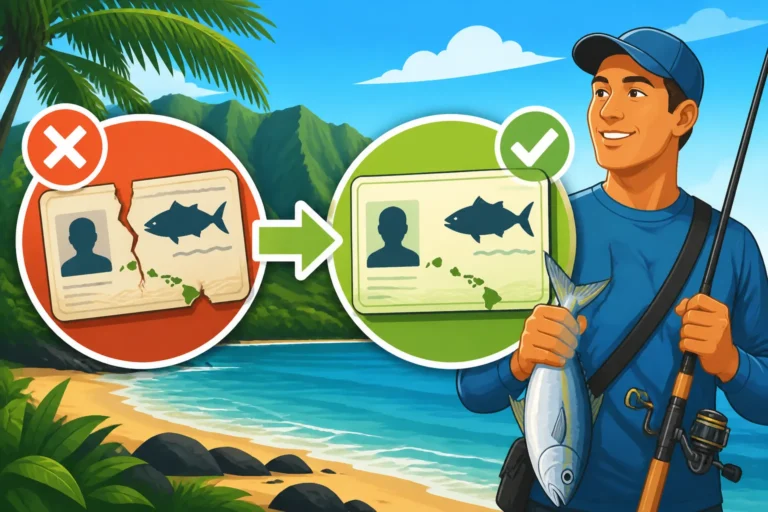
- Replacements: Losing your fishing license can be a real bummer, but it's not the end of the world. If your license gets lost, stolen, or damaged, you can typically obtain a replacement. This usually involves contacting the DLNR or revisiting the online portal where you bought it, and there might be a small fee for a duplicate. For specific steps, refer to Replacing a lost Hawaii fishing license.
- Digital Options: In our increasingly digital world, Hawaii embraces modern convenience. Many licenses purchased online can be displayed on your smartphone or other electronic device. However, it's always wise to check the specific regulations regarding Printing or Carrying a Digital Fishing License in Hawaii. While a digital copy is often acceptable, some anglers still prefer to carry a printed paper copy as a backup, especially in areas with spotty cell service. To brush up on local regulations before your trip, many anglers find comprehensive guides available on Amazon to be invaluable.
Summary of Hawaii Resident License Classes
To quickly recap, here's a table outlining the key differences for Hawaii residents:
| License Type | Requirement for Residents | Primary Purpose | Typical Cost (Annual) | Age Requirements for License | Notes |
|---|---|---|---|---|---|
| Marine Fishing License | NOT required for recreational fishing. | Recreational ocean/shore fishing | $0 (Exempt) | None (recreational) | Exception: Required for commercial fishing, and certain specialized activities/areas may have permits. Always follow all size, bag, and season limits. See Do Hawaii Residents Need an Ocean Fishing License?. |
| Freshwater Fishing License | REQUIRED for recreational freshwater fishing. | Recreational freshwater game fishing | ~$5.00 | 18+ years old | Exemptions: Residents 65+ years old, or those certified as legally blind or permanently/totally disabled. Youth under 18 do not need a license. See Hawaii freshwater license cost for residents. |
| Commercial Marine License | REQUIRED if harvesting marine resources for sale or profit. | Commercial marine harvesting | Varies (Significantly Higher) | 18+ years old | Separate application, fees, and strict reporting requirements. Do not confuse with recreational fishing. |
Always remember that even without a license, adherence to all other fishing regulations—like bag limits, size limits, and closed seasons—is absolutely essential. Being a responsible angler means understanding and respecting these rules to protect Hawaii’s precious aquatic ecosystems for everyone.
Disclaimer
Please note that fishing regulations in Hawaii can change. While every effort has been made to provide accurate and up-to-date information, it is your responsibility to verify all licensing requirements and regulations with the official Hawaii Department of Land and Natural Resources (DLNR) Division of Aquatic Resources (DAR) before you go fishing. This article is intended for informational purposes only and should not be considered legal advice.