Hilo Bay Fishing Guide
You've probably heard all the buzz about fishing the Kona Coast on the Big Island, with its legendary marlin and a thriving deep-sea charter scene. But let's be real, not everyone's vacation plans, or budget, revolve around offshore giants. If you find yourself on the eastern, windward side of the Big Island, gazing out at the beautiful, often rainy, Hilo Bay, you might wonder if there's any worthwhile angling to be had right here. The answer is a resounding yes, and this guide is here to unravel the often-overlooked yet incredibly rewarding fishing opportunities that Hilo Bay generously offers to local and visiting anglers alike.
Understanding Hilo Bay's Unique Environment for Anglers
Hilo Bay isn't your typical calm, clear Hawaiian bay. It's a dynamic, often moody body of water that's deeply influenced by the lush, rain-fed streams flowing into it, the open ocean swell, and its historical geological makeup. This unique blend creates a diverse ecosystem that supports a wide array of fish species, from freshwater invaders that have adapted to brackish conditions to classic Hawaiian reef and pelagic species that venture closer to shore. Understanding these environmental factors is the first step to unlocking Hilo Bay's fishing potential.
Geographical Features and Their Impact on Fishing
Hilo Bay is a crescent-shaped indentation on the northeastern coast of the Big Island, protected somewhat by the Waiakea Peninsula and the breakwater. However, it's largely exposed to the powerful Pacific swells, especially from the north and east, which can make certain areas unfishable on rougher days. The Waiakea Peninsula, with its intricate network of ponds and channels, offers sheltered, brackish water zones that contrast sharply with the more open, saltwater-dominated areas near the breakwater and the bay's mouth. These sheltered areas are often teeming with baitfish and, consequently, predatory species seeking an easy meal.
The deep channels dredged for commercial shipping also play a significant role, creating deeper pockets and current funnels that can attract larger fish. Around the edges of these channels, you'll find ledges and drop-offs that serve as perfect ambush points for predators like ulua (giant trevally) and papio (juvenile trevally). When planning your trip, always consider the swell forecast. A calm day means more accessible shoreline and kayak fishing, while bigger swells might push you toward more protected areas or even dictate a day of trying your luck from the safety of a pier.
The Mix of Fresh and Saltwater Influence
One of the most fascinating aspects of Hilo Bay is its significant freshwater input. Numerous streams, fed by the abundant rainfall on Mauna Kea and Mauna Loa, empty into the bay. This constant influx creates a mosaic of salinity levels, ranging from nearly fresh in the upper reaches of the river mouths to full saltwater near the bay's entrance. This brackish environment is a haven for certain species that can tolerate a wide range of salinity, and it also attracts freshwater fish that have adapted to estuarine conditions.
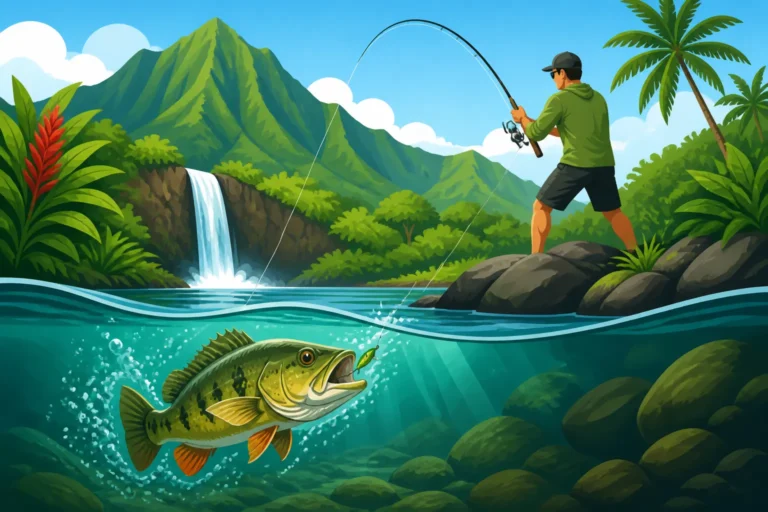
You'll find species like tilapia and even peacock bass (though less common) venturing into the lower reaches of the streams and the brackish ponds of Waiakea. Meanwhile, traditional saltwater species like papio and barracuda will cruise these same transition zones, preying on the freshwater species. This mixing zone is often highly productive because the freshwater runoff carries nutrients, increasing baitfish populations and creating distinct thermoclines and current lines that fish love to exploit. Don't be surprised to catch a freshwater species right alongside a saltwater one in these unique areas!
Common Baitfish and Forage in the Bay
Like any thriving fishery, Hilo Bay is built on a strong foundation of forage. Schools of opelu (mackerel scad), akule (bigeye scad), and various small baitfish like silversides and anchovies are frequently found throughout the bay. These schools can be spotted dimpling the surface, especially during calm mornings or evenings, and their presence is a huge indicator that predatory fish are likely nearby. You might also encounter needlefish, small jacks, and even juvenile moi (Pacific threadfin) in shallower, protected areas.
Beyond the schooling baitfish, Hilo Bay's bottom structure, particularly around the breakwater and older pier pilings, supports a healthy population of crabs, shrimp, and various small invertebrates. This makes bottom fishing incredibly effective, as many species, from goatfish to snapper, are constantly grubbing for these morsels. Understanding what the local fish are feeding on is paramount; if you can "match the hatch" with your lure or bait, your chances of success will skyrocket. Observing local anglers or even checking recent catch reports on platforms like FishingBooker can give you invaluable insight into current bait patterns.
Top Fishing Spots within Hilo Bay
Hilo Bay, despite being relatively compact, offers a surprisingly diverse range of fishing opportunities, from easily accessible piers to more secluded shoreline spots and areas best explored by kayak or small boat. Each location presents its own challenges and rewards, catering to different fishing styles and target species.
Piers and Harbors for Easy Access
For many anglers, especially families or those looking for a convenient spot, Hilo's piers and harbor areas are fantastic choices. The Hilo Bayfront Waiakea Pond and surrounding small boat harbor area are often bustling with activity. Here, you'll find plenty of space to cast a line, and the protected waters mean you're less susceptible to heavy swells. This area is particularly good for smaller reef fish, papio, and sometimes even barracuda. You'll often see locals using light tackle, throwing small plastics or live bait under floats. It's a relaxed atmosphere, perfect for a casual afternoon of fishing.
The Hilo Bay Breakwater, while not a traditional pier you can walk onto, offers exceptional fishing around its edges. The rocks provide structure that attracts a multitude of reef species and larger predators. Accessing the breakwater itself requires a boat or kayak, but fishing around the entrance from shore is possible, though challenging due to the rough terrain and potential for strong currents. Further east, areas like Coconut Island (Mokuola) offer excellent opportunities. While the island itself is a park, fishing from its accessible edges or from the footbridge connecting it to the mainland can yield papio, small jacks, and various reef fish. The shallow, clear water here makes for exciting visual fishing, but stealth is key.
Shoreline and Beach Access Points
Hilo Bay offers several excellent shoreline fishing spots, each with its own character. Heading towards the Wailoa River State Recreation Area, you'll find numerous pull-offs and sandy stretches that are great for casting. The mouth of the Wailoa River, where it meets the bay, is a prime location for the mixed freshwater and saltwater species we discussed earlier. You might hook a tilapia, a snapper, or a small ulua all in the same session. This area is relatively shallow but boasts good current movement, especially on tidal changes, which can activate feeding patterns.
Further along the bayfront, closer to the Richardson Ocean Park area (though be mindful of designated swimming areas and Marine Life Conservation Districts), the rocky shoreline gives way to small coves and tide pools. These areas are fantastic for whipping for papio or targeting goatfish with small pieces of bait. They also offer opportunities for subsistence gathering of limu (seaweed) or opihi (limpets), but always be sure to check the specific regulations on Hawaii Opihi Harvest Limits and Size Rules as rules can be very strict. The key to successful shoreline fishing here is often mobility; don't be afraid to walk a bit and scout for active areas where baitfish are congregating or where the current seems to be creating a food lane.
Kayak and Small Boat Access Areas
For those with a kayak, paddleboard, or small boat, Hilo Bay truly opens up, offering access to spots unreachable from shore and the ability to cover more water. Launching from the Wailoa River boat ramp or near the small boat harbor provides direct access to the deeper channels and the outer edges of the breakwater. From a small craft, you can drift along the drop-offs that lead into the shipping channels, jigging for bottomfish or slow-trolling for pelagic visitors. The area around the breakwater, in particular, is a hotspot for larger papio, ulua, and even barracuda.
Kayak fishing also allows you to explore the myriad of small coves and rocky points that dot the bay, getting into pockets of calmer water where larger fish might be lurking. You can target species like uhu (parrotfish) around the shallow reef patches with small jigs or pieces of crab. Just remember to always be aware of boat traffic, especially around the main shipping lanes, and keep a close eye on the weather. Conditions in Hilo Bay can change rapidly, and strong winds or currents can make paddling difficult and dangerous. Always wear your personal flotation device, especially when venturing further out.
Targeting Common Fish Species in Hilo Bay
Hilo Bay's diverse environment means you're never quite sure what you might hook next, which is part of its charm. From the colorful reef dwellers to powerful pelagic game fish that occasionally cruise through, the bay offers a thrilling mixed bag for anglers willing to adapt their tactics.
Reef Fish and Inshore Species
The shallow reefs and rocky structures within Hilo Bay, particularly around the breakwater, Coconut Island, and the various rocky points along the shoreline, are teeming with a vibrant community of reef fish. You're likely to encounter a variety of triggerfish (like the humuhumunukunukuapua'a, Hawaii's state fish), wrasses, and goatfish such as kumu and weke. These species are often caught using light tackle and small pieces of bait, like shrimp, squid, or cut fish, fished on the bottom or under a bobber. They're great for family fishing trips and offer consistent action.
Another common target in these inshore areas is the papio, the juvenile form of the formidable ulua (giant trevally). Papio are aggressive predators that will readily hit small lures, plastics, and live bait. They often school up, and once you find them, the action can be fast and furious. You'll typically find them cruising near structure, along channel edges, or actively feeding on baitfish schools near the surface. They offer a fantastic fight on light to medium tackle and are a real highlight of inshore fishing in Hilo Bay. For more specific techniques, check out our guide on How to Catch Papio on Hawaii's Shoreline.
Pelagic Visitors and Transient Species
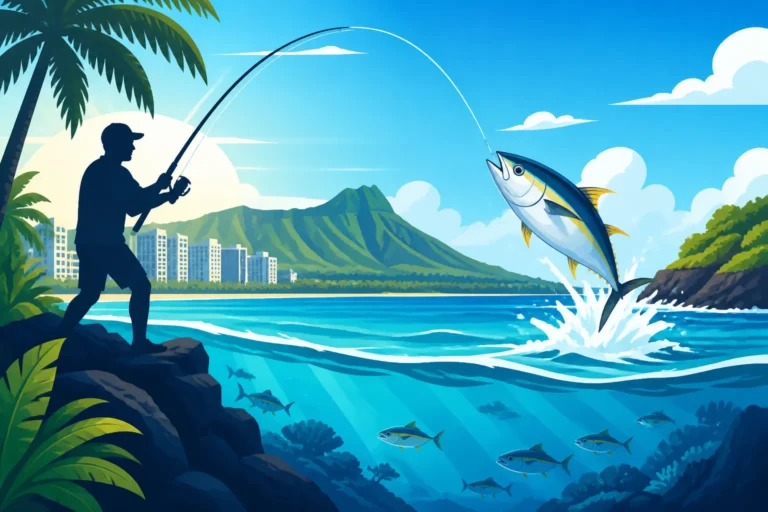
While Hilo Bay isn't the deep blue marlin grounds of Kona, its connection to the open ocean means that pelagic species do make appearances, especially closer to the bay's mouth and around the deeper channels. Ono (wahoo), mahimahi, and even smaller ahi (yellowfin tuna) can occasionally be caught by those trolling or drifting in the deeper parts of the bay. These are usually opportunistic catches, but they demonstrate the bay's surprising potential for larger game fish. Look for signs of baitfish schools being actively pursued, or birds diving, which can indicate the presence of these fast-moving predators.
Barracuda are also a common and exciting catch in Hilo Bay. They are ambush predators that love to hang around structure, waiting for an unsuspecting baitfish to swim by. They'll readily hit fast-moving lures, spoons, and live bait. While their sharp teeth require careful handling, they offer a thrilling fight and can grow to a respectable size. For those interested in deeper waters beyond the immediate bay, booking a charter through services like FishingBooker can open up opportunities to target larger pelagic species.
Unique Freshwater and Brackish Water Catches
As mentioned, Hilo Bay's freshwater input creates a unique brackish environment, particularly in the Waiakea Pond system and the lower reaches of the Wailoa River. Here, you'll encounter a fascinating blend of species. Tilapia are abundant and can be caught on small pieces of bread, corn, or worms. While not typically a prized game fish, they offer continuous action, especially for kids. Peacock bass, an introduced freshwater species, are also present, though less common than on Oahu's Wahiawa Reservoir. They're aggressive fighters and will strike small lures and flies, offering a unique challenge in this salty-sweet mix.
Alongside these freshwater species, you'll find that saltwater predators like papio, barracuda, and even small mangrove snapper often venture into these brackish zones to feed. They're drawn by the abundance of baitfish and the lower salinity, creating a truly unique angling experience where you might catch a freshwater species and a saltwater one side-by-side. This intersection of environments means that understanding the behavior of both types of fish can greatly increase your success.
Effective Fishing Techniques for Hilo Bay
Fishing Hilo Bay successfully means embracing a variety of techniques. The bay's diverse habitats—from shallow flats to deep channels and rocky shorelines—demand versatility. Whether you're a seasoned angler or just starting, there's a method that will work for you here.
Shore Casting and Whipping Strategies
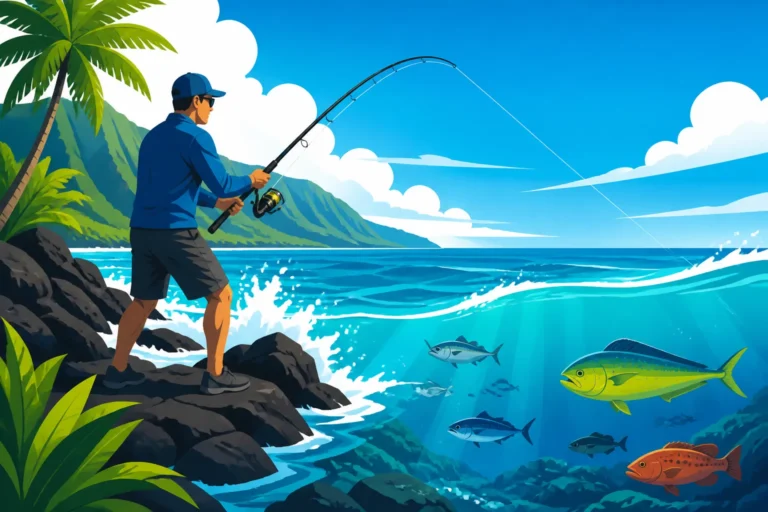
Shore casting is arguably the most popular and accessible fishing technique in Hilo Bay. Anglers can be found lining the Waiakea Peninsula, the Wailoa River banks, and various rocky points. Whipping, a local term for casting and retrieving small, often shiny lures (like Kastmasters, spoons, or small lead jigs), is incredibly effective for targeting papio, small jacks, and barracuda. The idea is to mimic fleeing baitfish. Light to medium spinning gear is ideal, allowing for long casts and sensitivity to detect subtle strikes. Early mornings and late afternoons, when baitfish are most active, are often the best times for whipping.
For deeper water access from shore, especially along the breakwater's accessible fringes or certain rocky outcrops, longer surf rods are employed. These are often used for casting heavier baits like cut fish (opelu, akule) or even live bait for larger ulua or moi. This technique, sometimes called slide baiting, involves casting out a heavy weight, then clipping a baited line to the main line and allowing it to "slide" down to the desired depth or structure. It's a patient game, but it can pay off with a trophy fish. Always be mindful of your surroundings and other anglers, especially in crowded areas. Consider checking out detailed techniques in our guide on Shore Fishing Techniques for Hawaii.
Bottom Fishing and Live Baiting
When fish are holding close to the bottom structure, or you're targeting specific reef dwellers and bottomfish, bottom fishing is the way to go. This involves using a weighted rig with one or more hooks baited with squid, shrimp, cut fish, or even fresh opihi (where legal). Areas around pier pilings, rocky ledges, and deeper channels are prime bottom fishing spots. Species like snapper, goatfish, and even small grouper can be caught this way. The key is to keep your bait on or very near the bottom, where these fish feed.
Live baiting is a highly effective, albeit sometimes more effort-intensive, technique for larger, predatory species. Small baitfish like opelu or akule, caught with a sabiki rig or cast net, can be rigged live on a circle hook and fished under a float or allowed to swim freely near structure. This natural presentation is often irresistible to larger papio, ulua, and barracuda. If you're struggling to find live bait, many local tackle shops, like those you might find listed on FishingBooker, will often sell frozen baitfish that can also be very effective.
Trolling and Kayak Fishing Approaches
For anglers with access to a kayak or small boat, trolling becomes a viable option to cover more water and target transient pelagic species or larger cruising predators. Trolling small lures, diving plugs, or rigged natural baits (like ballyhoo) at a slow to moderate speed can attract ono, mahimahi, and even smaller ahi that venture into the bay. Focus your trolling efforts along the edges of the deeper channels, near the breakwater, or where you observe baitfish activity.
Kayak fishing also opens up opportunities for exploring the bay's less accessible shallow reefs and rocky points. You can use light tackle to cast small jigs or plastics for papio, or even fly fish for bonefish in clearer, sandy-bottomed areas. This method offers a more intimate connection with the environment and allows for a stealthier approach to spooky fish. Just remember, safety first when kayaking: always have a PFD, a paddle leash, and tell someone your float plan.
Navigating Hilo Bay Fishing Regulations and Best Practices
Fishing in Hawaii, including Hilo Bay, comes with its own set of rules and a strong emphasis on conservation to protect the islands' unique marine resources. It's crucial to understand and adhere to these regulations not only to avoid penalties but also to ensure that future generations can enjoy the same incredible fishing experiences.
Essential Licenses and Local Rules
First and foremost, whether you're a resident or a visitor, you generally do not need a license for recreational marine (ocean) fishing in Hawaii, unless you're harvesting certain regulated species like moi or akule for commercial purposes. However, if you plan to venture into any freshwater areas, like the upper reaches of the Wailoa River or specific reservoirs, you will need a Hawaii Freshwater Fishing License and Rules. It's a common misconception that no license is ever required, so always double-check based on where you intend to cast your line.
Beyond licenses, it's paramount to be aware of species-specific regulations. Hawaii has strict bag and size limits for many popular fish species, as well as closed seasons for others. For instance, there are specific size and bag limits for papio and ulua, and species like moi often have closed seasons. You can find detailed information on Hawaii Bag and Size Limits by Species and other regulations on the Division of Aquatic Resources (DAR) website. Ignorance of the law is not an excuse, and penalties for violations can be steep, including hefty fines and confiscation of gear.
Conservation and Responsible Angling
Hawaii's marine ecosystem is precious and fragile. As anglers, we have a responsibility to practice conservation and ethical fishing. This means more than just following the rules; it means adopting practices that minimize our impact.
Catch and Release: For species you don't intend to eat, or if you've already met your bag limit, practice responsible catch and release. Use circle hooks when possible, handle fish gently with wet hands, and release them quickly to maximize their survival chances.
Respect Marine Life Conservation Districts (MLCDs): While Hilo Bay itself doesn't have a large MLCD that completely bans fishing, nearby areas might. Always know where these zones are and what activities are prohibited. For example, Hawaii Marine Life Conservation Districts, Explained offers good insight into these protected areas.
Avoid Waste: Only take what you can eat and share. Don't leave unwanted fish to rot or dispose of carcasses improperly.
Leave No Trace: Pack out everything you pack in. Fishing line, hooks, and trash are detrimental to marine life and detract from the beauty of the bay.
Invasive Species: Be aware of invasive species like taape (bluestripe snapper) and roi (peacock grouper). While there are no specific regulations in Hilo Bay mandating their removal, many anglers are encouraged to harvest them if caught, as they compete with native species.
Safety Considerations for Fishing Hilo Bay
Fishing in Hilo Bay, especially from the shoreline or a small craft, requires a strong emphasis on safety. The dynamic nature of the bay and the surrounding environment can pose various risks if not respected.
Weather and Ocean Conditions: Hilo is known for its rain, and sudden squalls can develop quickly. Always check the weather forecast, including wind and swell predictions, before heading out. Strong currents can be present, especially around river mouths and the breakwater. If you're unsure, err on the side of caution.
Footing and Terrain: Many prime shore fishing spots involve navigating rocky, uneven, and often slippery terrain. Wear appropriate footwear with good grip. Never turn your back on the ocean, as rogue waves can easily sweep you off your feet.
Sun Protection: The Hawaiian sun is intense. Even on cloudy days, UV exposure is high. Use sunscreen, wear a wide-brimmed hat, and consider long-sleeved fishing shirts.
Hydration: Always bring plenty of water, even for short trips, to stay hydrated.
Know Your Limits: Don't venture into areas that are beyond your physical capabilities or comfort level, especially if you're fishing alone. If you're chartering a boat, reputable operations found on platforms like FishingBooker prioritize safety and will ensure all necessary precautions are taken.
By being informed and responsible, you can have a truly fantastic and safe fishing experience in Hilo Bay. It's a place that rewards patience, local knowledge, and a deep respect for the ocean.
Hilo Bay Fishing Overview: Species, Spots, and Techniques
To help you quickly visualize the opportunities in Hilo Bay, here's a table summarizing some common target species, where you might find them, and the most effective techniques.
| Target Species | Common Hilo Bay Locations | Best Techniques | Recommended Tackle (General) |
|---|---|---|---|
| Papio (Jacks) | Waiakea Peninsula, Wailoa River Mouth, Rocky Shorelines, Breakwater | Whipping (lures), Live Baiting, Small Poppers | Light-Medium Spinning (6-12 lb test) |
| Ulua (Giant Trevally) | Breakwater, Deeper Channels, Wailoa River Mouth (larger ones) | Sliding Bait, Large Live Bait, Heavy Poppers | Heavy Spinning/Conventional (30-80 lb test) |
| Goatfish (Kumu, Weke) | Shallow Reefs, Sandy Bottoms near Structure, Piers | Bottom Fishing (shrimp, squid, cut bait) | Light Spinning (4-8 lb test) |
| Snapper (Taape, Menpachi) | Rocky Ledges, Deeper Structure, Pier Pilings | Bottom Fishing (squid, cut bait, small jigs) | Light-Medium Spinning (8-15 lb test) |
| Barracuda | Waiakea Peninsula, Breakwater, Channel Edges | Whipping (fast lures), Trolling, Live Baiting | Medium Spinning/Conventional (15-30 lb test) |
| Tilapia | Wailoa River Mouth, Waiakea Ponds | Bottom Fishing (bread, corn, worms), Small Lures | Ultralight-Light Spinning (2-6 lb test) |
| Ono, Mahimahi, Ahi (Transient) | Outer Bay, Deep Channels | Trolling (lures, rigged bait) | Heavy Conventional (50-80 lb test) |
Remember, this is a general guide. Fish behavior can vary based on conditions, time of year, and current bait availability. Adaptability is your best tool!
The Hilo Bay Fishing Experience: Beyond Just the Catch
Beyond the thrill of the bite and the satisfaction of a successful catch, fishing in Hilo Bay offers a truly immersive Hawaiian experience. It's a chance to connect with the local culture, observe the incredible natural beauty of the windward coast, and maybe even share a story or two with the seasoned local anglers who frequent these waters.
You'll see families picnicking along the Bayfront, kids splashing in the calm waters, and paddlers gliding across the bay. The iconic views of Mauna Kea and Mauna Loa, often shrouded in mist, provide a stunning backdrop, reminding you that you're in a truly special place. Taking a break from the rod, you might witness a vibrant sunset painting the sky over the bay or spot a Hawaiian green sea turtle (honu) gracefully surfacing for air. These moments are just as much a part of the Hilo Bay fishing experience as the fish you hope to bring in.
Engaging with local anglers can also be incredibly rewarding. Many are generous with their knowledge, offering tips on the best bait, current conditions, or even sharing stories of legendary catches. Respect their space, observe their techniques, and a friendly "Aloha" can often open doors to invaluable insights. Whether you're targeting a trophy ulua, filling a cooler with tasty papio, or simply enjoying the peaceful rhythm of the ocean, Hilo Bay promises a memorable angling adventure that is distinctly Puna and rich in local charm.
Disclaimer
The information provided in this guide is for general informational purposes only and is subject to change. Fishing regulations, seasons, and licensing requirements are regularly updated by the Hawaii Division of Aquatic Resources (DAR). Always consult the most current official DAR regulations before fishing. This guide does not constitute legal advice, and users are responsible for their own safety and adherence to all applicable laws.