Nuuanu Reservoir Fishing Guide
Finding reliable information about freshwater fishing in Hawaii can feel like a treasure hunt, especially when you're dreaming of casting a line in a unique spot like Nuuanu Reservoir. Many anglers arrive eager to explore, only to hit a wall of confusing regulations and access issues. This comprehensive guide will walk you through everything you need to know about fishing Nuuanu Reservoir, from navigating its unique permit system to the specific fish you can expect to reel in.
Understanding Nuuanu Reservoir's Unique Appeal and Challenges
Nuuanu Reservoir, nestled in the verdant Nuuanu Valley on Oahu, isn't your typical easy-access fishing hole. It's a series of reservoirs (Nuuanu No. 1, No. 2, No. 3, and No. 4, though No. 4 is the primary fishing focus) that primarily serve as a municipal water supply for Honolulu. This critical role means that public access and activities, including fishing, are heavily regulated to protect water quality. It's a beautiful, serene spot, but requires careful planning and adherence to strict rules.
Historical Significance and Water Source
The Nuuanu Reservoirs have a rich history, dating back to the late 19th and early 20th centuries when they were constructed to provide drinking water and irrigation for Honolulu's growing population. Reservoir No. 4, the largest and the one typically referenced for fishing, was completed in 1910. These reservoirs are fed by the abundant rainfall that graces the Koʻolau mountains, collecting precious fresh water as it flows down through the valley. This dual purpose—water supply and recreational fishing—creates a delicate balance that the Board of Water Supply (BWS) manages with meticulous care. Understanding this historical context helps explain why the rules are so stringent; it's about protecting a vital resource for the entire city.
Accessibility and Current Restrictions
This is where many aspiring Nuuanu anglers encounter their first hurdle. Unlike many public fishing areas, Nuuanu Reservoir No. 4 is not open for casual public access. Due to its status as a drinking water source, stringent rules are in place to minimize contamination and ensure public safety. You cannot simply drive up and start fishing. Access is strictly controlled, often requiring special permits and only allowing entry on specific days or during designated periods. For instance, in the past, access might have been granted through organized events or by special arrangement with the BWS. It's crucial to understand that these regulations can change, so checking directly with the Honolulu Board of Water Supply (BWS) for the most up-to-date access information is paramount before making any plans. Without proper authorization, attempting to access or fish in the reservoir can lead to significant penalties, a situation no one wants to find themselves in when they're just trying to enjoy a peaceful day on the water.
Species You Can Expect to Catch in Nuuanu Reservoir
Despite the access challenges, Nuuanu Reservoir is home to a surprisingly robust population of freshwater fish, offering a unique angling experience different from Hawaii's abundant ocean fishing. The reservoir's ecosystem supports several non-native species that have thrived in its calm, deep waters. While you won't find any native Hawaiian freshwater fish here, the introduced species provide an exciting challenge for those who manage to get permission to fish.
Targeting Largemouth Bass
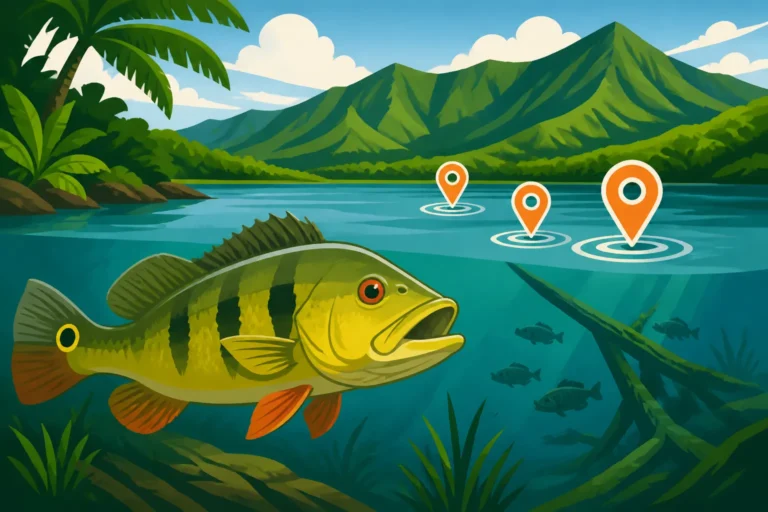
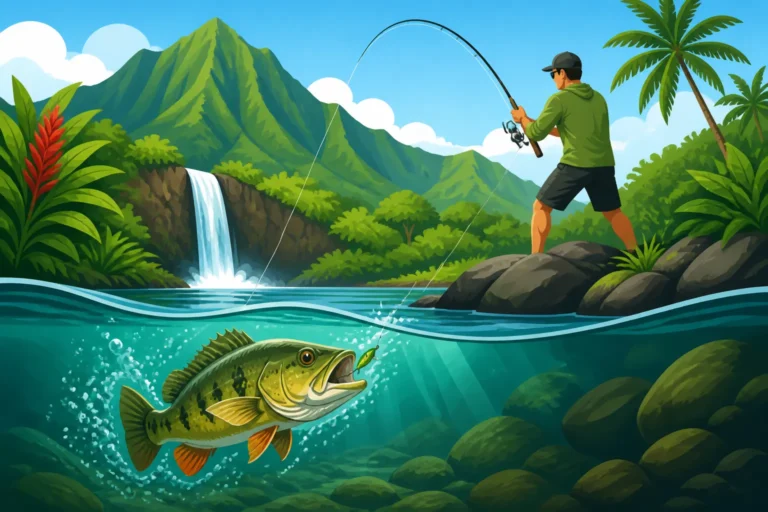
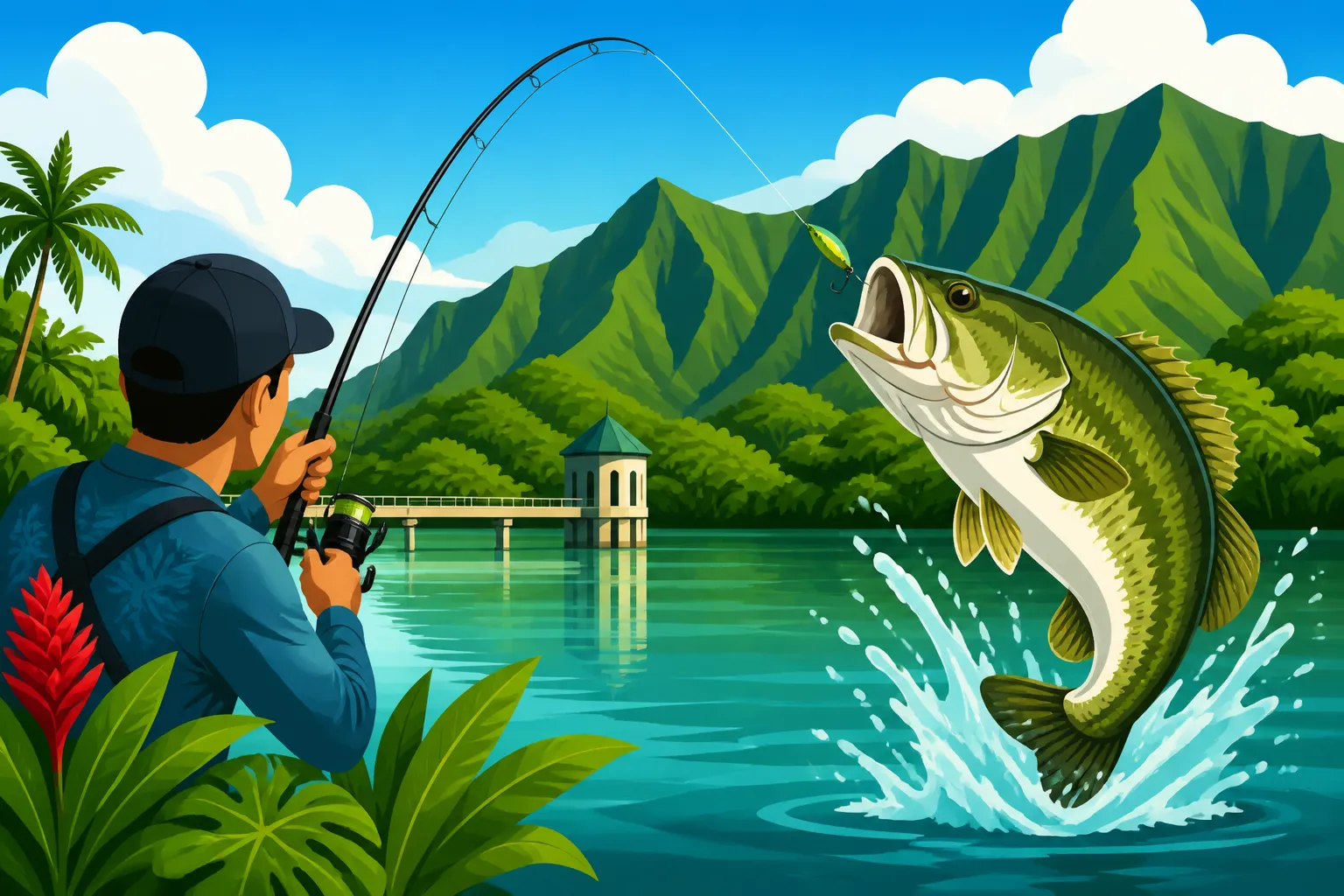
One of the main draws for freshwater anglers at Nuuanu Reservoir is the largemouth bass. These aggressive predators are a favorite target for sport fishers due to their strong fights and acrobatic jumps when hooked. The reservoir's structure, with its varying depths, submerged vegetation, and occasional fallen timber along the shorelines, provides ideal habitat for bass to ambush prey. Anglers often report catching bass in the 1-3 pound range, with larger individuals pushing past 5 pounds, especially if the water levels and conditions are favorable. The excitement of a powerful largemouth strike in such a tranquil setting is truly something special. When you’re planning your approach, thinking about where bass might hide, like around underwater structures or shaded areas, will greatly improve your chances. If you enjoy targeting these species, you might also be interested in exploring more about Largemouth Bass in Hawaii's Reservoirs.
Pursuing Tilapia and Other Panfish
While not as glamorous as bass, tilapia are incredibly abundant in Nuuanu Reservoir and are often the most frequently caught species. These hardy fish, primarily various species of Sarotherodon and Oreochromis, are prolific breeders and form a significant part of the reservoir's biomass. They can be found in nearly all areas of the reservoir, from shallow flats to deeper sections, often schooling in large numbers. While individual tilapia may not offer the same fight as a bass, their sheer numbers mean consistent action, making them a great target for beginners or those simply looking to bend a rod. They are also considered good eating by many, adding another incentive to target them. Beyond tilapia, other smaller panfish, though less commonly discussed, can also be present, providing additional opportunities for light tackle fun. For more on these hardy fish, check out Tilapia in Hawaii's Freshwater Reservoirs.
The Elusive Channel Catfish
For anglers seeking a different kind of fight and a chance at a larger, bottom-dwelling fish, the channel catfish in Nuuanu Reservoir can be an exciting target. These whiskered bottom feeders can grow to impressive sizes, with individuals weighing over 10 pounds not uncommon. They tend to prefer the deeper, murkier sections of the reservoir, often congregating near the bottom or in areas with soft sediment. Catching a channel catfish often requires patience and the right bait, as they rely heavily on their keen sense of smell to locate food. When hooked, they put up a powerful, bulldog-like fight, pulling hard for the bottom. While perhaps not as flashy as a bass, the satisfaction of landing a large channel cat from the depths of Nuuanu is a memorable experience. Understanding their habits is key to success, and you can learn more by reading about Channel Catfish in Hawaii's Reservoirs.
Essential Regulations and Rules for Nuuanu Fishing
Navigating the rules for fishing in Hawaii can be complex, and Nuuanu Reservoir stands out as one of the most heavily regulated freshwater fishing spots in the state. Because it's a vital municipal water source, the Honolulu Board of Water Supply (BWS) implements strict guidelines to ensure water quality and public safety. It's not enough to simply have a general Hawaii freshwater fishing license; specific additional steps are required. Ignoring these regulations can lead to serious consequences, including fines and legal issues, which can quickly ruin a peaceful day on the water. Always verify the latest rules directly with the BWS before planning your trip.
Permit Requirements and Licensing
This is the most critical hurdle for anyone wishing to fish Nuuanu Reservoir. A standard Hawaii Freshwater Fishing License and Rules is a good start, but it's often not sufficient. Historically, fishing in Nuuanu Reservoir No. 4 has required a special permit issued directly by the Honolulu Board of Water Supply (BWS). These permits are generally not issued on a walk-in basis and have often been associated with organized events or specific public access days, which can be limited. The rationale behind this is the protection of the drinking water supply. To find out if and how permits are currently being issued, you must contact the BWS directly. Their website or customer service phone number (which you can often find by searching for the Hawaii Division of Aquatic Resources customer service phone number) would be the primary source for current information. Without this specific BWS permit, even with a state fishing license, you are not authorized to fish the reservoir. This stringent requirement means that spontaneous fishing trips to Nuuanu are generally not possible, making pre-planning absolutely essential.
Gear Restrictions and Allowed Methods
The nature of Nuuanu Reservoir as a water supply also dictates specific restrictions on the type of fishing gear and methods allowed. For instance, while some freshwater bodies might permit private boats or kayaks, Nuuanu's BWS permits often strictly prohibit personal watercraft to prevent the introduction of invasive species or contaminants. This means shore fishing is typically the only option. Furthermore, there may be restrictions on live bait to prevent the spread of non-native organisms into the reservoir's ecosystem. Using artificial lures, flies, or specific types of dead bait might be mandated. The number of rods an angler can use simultaneously could also be limited. Always read the specific terms and conditions of any permit you acquire from the BWS very carefully. These rules are in place not to make fishing harder, but to preserve the integrity of a critical resource, so adherence is non-negotiable.
Bag and Size Limits for Species
Just like with marine fishing, freshwater species in Nuuanu Reservoir are subject to bag and size limits to ensure sustainable populations. While the specific numbers can vary and should always be confirmed with the latest BWS regulations, generally, limits are in place for largemouth bass, tilapia, and channel catfish. For example, there might be a daily creel limit on bass, perhaps restricting anglers to keeping only a certain number per day. Similarly, minimum or maximum size limits might apply to ensure that younger fish have a chance to mature and reproduce, or that trophy-sized fish are released to maintain the gene pool. Tilapia, often being an invasive species, may have more generous or even no bag limits, encouraging anglers to remove them. It's imperative that you understand these specific rules for each species you plan to target. Remember, the goal of these limits is conservation, and responsible angling contributes to the long-term health of the fishery. Ignorance of the law is not an excuse, and penalties for violations, as detailed in resources like Fishing Without a Required License in Hawaii Penalties, can be significant.
Prime Fishing Techniques for Nuuanu Reservoir
Once you've successfully navigated the permit labyrinth and secured your access to Nuuanu Reservoir, the next exciting step is to think about how to best approach the fishing. The reservoir's unique characteristics, including its shore-only access and the types of fish present, lend themselves to specific techniques that can greatly increase your chances of success. It's a different game than ocean fishing, requiring patience and a keen understanding of freshwater dynamics.
Shore Fishing Strategies
Given that private boats and kayaks are generally prohibited on Nuuanu Reservoir (always double-check your permit!), shore fishing becomes the primary mode of angling. This means you'll need to adapt your strategies to cover water effectively from the bank. One effective approach is to "fan cast," spreading your casts out in a wide arc from your position to explore different depths and structures. Pay close attention to areas where the shoreline drops off quickly, where submerged logs or rocks might be present, or where vegetation creates ambush points for bass. These transitions are often hot spots. Varying your retrieve speed and lure type can help you dial into what the fish are keying on. For example, working a soft plastic worm slowly along the bottom might entice a sluggish bass, while a faster retrieve with a spinnerbait could provoke a reactionary strike. Understanding these nuances is a big part of successful Bank Fishing Techniques for Freshwater Reservoirs. Remember, patience is a virtue in shore fishing; sometimes the fish just need a little time to move into your casting range.
Boat and Kayak Fishing Considerations
While private boat and kayak access is generally not permitted on Nuuanu Reservoir due to its status as a drinking water source, there have been rare instances where the BWS might allow certain authorized, cleaned, and inspected vessels for specific purposes or events. However, for the average recreational angler, this is highly unlikely. It's critical to reiterate that you cannot assume you can launch your personal watercraft. Always, always confirm with the Honolulu Board of Water Supply (BWS) directly regarding any such possibilities. If, by some extremely rare chance, boat access were granted for an organized event, then techniques would shift dramatically. Small electric trolling motors or even paddle power would likely be the norm. This would open up opportunities for targeting deeper structure, covering more water, and reaching areas inaccessible from shore, especially for species like bass and channel catfish. However, without explicit BWS approval, any attempt to launch a vessel could result in severe penalties and environmental concerns. For those looking for boat fishing opportunities in other parts of the state, remember that Hawaii Boating Laws for Anglers are generally complex and require careful study.
Best Baits and Lures for Success
Knowing what the fish in Nuuanu prefer can make all the difference. For largemouth bass, a variety of artificial lures prove highly effective. Soft plastic baits, such as Texas-rigged worms, Senkos, or creature baits, are excellent for working around structure and enticing strikes. Spinnerbaits and crankbaits can be great for covering water and triggering aggressive bites. Topwater lures, especially during dawn or dusk, can create explosive, unforgettable strikes. When it comes to tilapia and other panfish, simplicity often reigns. Small pieces of bread, corn, or earthworms fished under a bobber or on a small hook with light tackle are usually irresistible to them. For the elusive channel catfish, stink baits, cut bait (like pieces of hot dog or chicken liver), or a good old nightcrawler fished on the bottom are often the most productive. It's a good idea to bring a variety of options, as fish preferences can change throughout the day or season. Don't forget, however, that the BWS permit might have restrictions on bait types, so always check those specific rules first.
Planning Your Nuuanu Fishing Trip
Successfully planning a fishing trip to Nuuanu Reservoir is less about spontaneous adventure and more about diligent preparation. Given the unique access requirements and environmental considerations, a little foresight goes a long way in ensuring a smooth and enjoyable experience. From understanding the best times to visit to knowing exactly what to pack, every detail contributes to your success and compliance with regulations.
Best Times to Visit
Determining the "best" time to visit Nuuanu Reservoir involves two main factors: fish activity and permit availability. From a fishing perspective, largemouth bass, like many freshwater species, tend to be most active during the cooler parts of the day, particularly early mornings and late afternoons/evenings. Overcast days can also extend their feeding periods. The warmer months might see fish moving into deeper, cooler water, while spring and fall often bring them closer to shore as they become more active. Tilapia are generally active throughout the day, especially in warmer conditions. Channel catfish are often more nocturnal but can be caught during the day if the right bait is presented in their preferred deep haunts.
However, the overriding factor for Nuuanu will always be when access is permitted. The Honolulu Board of Water Supply (BWS) dictates when and how the public can enter. These access days might be infrequent and often require pre-registration. Therefore, your first step should always be to consult the BWS for their official schedule and permit application windows, rather than relying solely on optimal fish biting times. If you're looking for fishing season dates for other Hawaiian species, it's worth checking resources like Hawaii Fishing Season Dates and Closures.
What to Bring Along
Because Nuuanu Reservoir is a controlled access area, you'll want to be well-prepared, as amenities are likely to be minimal or nonexistent. Here's a checklist of essentials:
- Permit and License: Absolutely critical! Your valid BWS permit and your Do You Need a Fishing License in Hawaii proof (or your freshwater license). Have physical copies and digital backups.
- Fishing Gear: Appropriate rods and reels for freshwater fishing (medium-light to medium-heavy spinning or baitcasting setups are versatile). A variety of baits and lures, keeping BWS restrictions in mind. Extra line, hooks, weights, and a tackle box.
- Comfort Items: Sun protection (hat, sunglasses, high SPF sunscreen), insect repellent (mosquitoes can be present, especially in lush valley environments), a reusable water bottle, and snacks.
- Safety Gear: A basic first-aid kit is always a good idea. Closed-toe shoes are recommended for walking along potentially uneven or slippery banks.
- Essentials: A small cooler with ice for keeping your catch fresh (if allowed to keep fish) and a stringer or a livewell bucket. A measuring tape for checking size limits. A small trash bag to pack out all your rubbish – leave no trace.
- Photography: A camera or phone to capture your catch, but be mindful of any BWS rules regarding photography of sensitive infrastructure.
Remember, whatever you bring in, you must bring out. There are no trash cans or services once you're inside.
Local Amenities and Nearby Services
The very nature of Nuuanu Reservoir as a protected water source means that there are virtually no commercial amenities directly at or around the fishing access points. You won't find bait shops, convenience stores, or restrooms right on the banks. This underscores the need for thorough preparation before you even head into the valley.
However, since Nuuanu Valley is quite close to Honolulu, you can find all necessary services within a short drive. Before heading up to the reservoir, make a stop in town for bait and tackle at stores like West Marine or local Hawaiian tackle shops, pick up any snacks or drinks you need from grocery stores, and use restroom facilities. It's also wise to fuel up your vehicle beforehand, as there are no gas stations immediately adjacent to the reservoir.
If you decide that the permit process for Nuuanu is too restrictive or if you're looking for other fishing opportunities, remember there are many other ways to experience fishing in Hawaii. Platforms like FishingBooker can be an excellent resource for finding and booking guided trips or charters on other islands or for ocean fishing experiences that might offer a more straightforward angling adventure. For instance, if you're considering an ocean trip, finding the Best Deep Sea Fishing Spots in Hawaii or learning How to Choose a Hawaii Fishing Charter might be your next step.
Navigating the Nuances of Nuuanu Reservoir
Fishing Nuuanu Reservoir is a truly unique Hawaiian freshwater experience, but it’s crucial to approach it with realism and respect for its primary function as a municipal water source. It's not the kind of spot you spontaneously decide to visit. Its stringent regulations are in place for good reason – to protect the drinking water for a significant portion of Oahu’s population.
Respecting the Environment and Rules
Every angler who is fortunate enough to gain access to Nuuanu Reservoir No. 4 bears a significant responsibility. The rules aren't arbitrary; they're designed to maintain the delicate ecological balance and, more importantly, to safeguard the purity of the drinking water. This means adhering strictly to all permit conditions, which may include specific entry and exit times, designated fishing areas, and restrictions on what you can bring in (e.g., no glass bottles, no external water sources to prevent invasive species). It also means practicing "leave no trace" principles rigorously. Pack out absolutely everything you pack in, including fishing line scraps, bait containers, and food wrappers. Avoid disturbing natural vegetation or wildlife, and be mindful of your impact on the shoreline. When dealing with your catch, follow all Hawaii Bag and Size Limits by Species guidelines and understand any specific rules about releasing fish back into the reservoir. Responsible angling ensures that this special place can continue to offer fishing opportunities, however limited, for future generations.
Conservation and Catch Management
The species found in Nuuanu Reservoir, particularly the largemouth bass, represent a unique freshwater sport fishery in Hawaii. Sound conservation practices are vital to ensure these populations remain healthy. This might involve selective harvesting, where anglers choose to release larger breeding fish to maintain the genetic quality of the stock, while keeping smaller, invasive tilapia for the table. Understanding the life cycles and growth rates of these fish helps in making informed decisions. For instance, if the permit allows, practicing catch and release for bass with proper handling techniques can greatly increase their survival rates. Wetting your hands before handling a fish, minimizing its time out of water, and using de-barbed hooks can all contribute to successful release. Always be aware of any signs or brochures provided by the BWS or the Division of Aquatic Resources (DAR) that might offer specific guidance on catch management for Nuuanu. These directives are often tailored to the specific needs of the reservoir's ecosystem.
Species and Regulations Summary for Nuuanu Reservoir
| Species | Typical Size Range | General Regulations (Always Verify with BWS) |
|---|---|---|
| Largemouth Bass | 1-5+ lbs | Bag & size limits likely apply. Catch & release often encouraged for larger fish. |
| Tilapia | 0.5-2 lbs | Often generous or no bag limits due to invasive nature. |
| Channel Catfish | 2-10+ lbs | Bag & size limits may apply. |
Important Note: This table provides general information. Always consult the current Honolulu Board of Water Supply (BWS) permit conditions and regulations for Nuuanu Reservoir No. 4 before fishing. Specific rules, especially regarding access, permits, bait, and gear, are subject to change and are strictly enforced to protect the municipal water supply.
Final Thoughts on Fishing Nuuanu Reservoir
Fishing Nuuanu Reservoir is truly a distinctive experience within the Hawaiian Islands, offering a tranquil freshwater escape from the more common ocean angling. However, it's an adventure that demands respect, patience, and meticulous adherence to the rules set forth by the Honolulu Board of Water Supply. The frustrations of navigating special permits and restricted access are real, but for those who make the effort, the reward is a chance to fish in a serene, beautiful setting, targeting species like largemouth bass, tilapia, and channel catfish that offer a different kind of fight than their saltwater counterparts.
Always remember that this reservoir is first and foremost a source of drinking water for the community. Your actions directly impact this vital resource. By carefully planning your trip, obtaining all necessary permits, understanding and following the specific regulations, and practicing responsible angling, you contribute to the sustainability of this unique fishery. It's a privilege, not a right, to cast a line in Nuuanu, and treating it with the utmost care ensures that its waters remain pristine for both the fish and the people of Oahu.
Disclaimer
The information provided in this guide is for general informational purposes only and is subject to change. Fishing regulations, access requirements, and species information for Nuuanu Reservoir are strictly controlled by the Honolulu Board of Water Supply (BWS) and the Hawaii Division of Aquatic Resources (DAR). It is the angler's responsibility to consult the most current official regulations and acquire all necessary permits before engaging in any fishing activities. Failure to comply with regulations can result in significant penalties. Neither the author nor the publisher assumes any liability for actions taken based on the information provided herein.