Best shore fishing spots at South Point
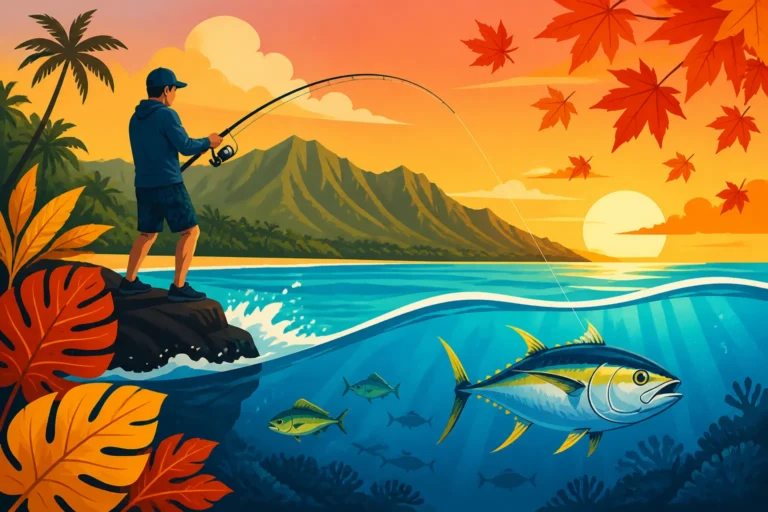
For many anglers, the dream of hooking into a powerful ocean fish from the rugged Hawaiian shoreline feels almost mythical. South Point, or Ka Lae as it's known to locals, on the Big Island of Hawaii, represents one of the most iconic — and challenging — spots to turn that dream into a reality. This guide is dedicated to helping you navigate this legendary stretch of coast, uncover its best fishing opportunities, and prepare for an unforgettable shore fishing adventure.
Why South Point is a Legendary Shore Fishing Destination
South Point, known natively as Ka Lae, isn't just the southernmost tip of the Big Island; it's the southernmost point of the entire United States, a place steeped in history and natural drama. For generations, this remote and rugged coastline has drawn Hawaiian fishermen and adventurers alike, all seeking the thrill of deep-sea encounters without ever leaving solid ground. It’s a truly unique environment that sets it apart from many other shore fishing spots.
The Unique Geography and Deep Water Access
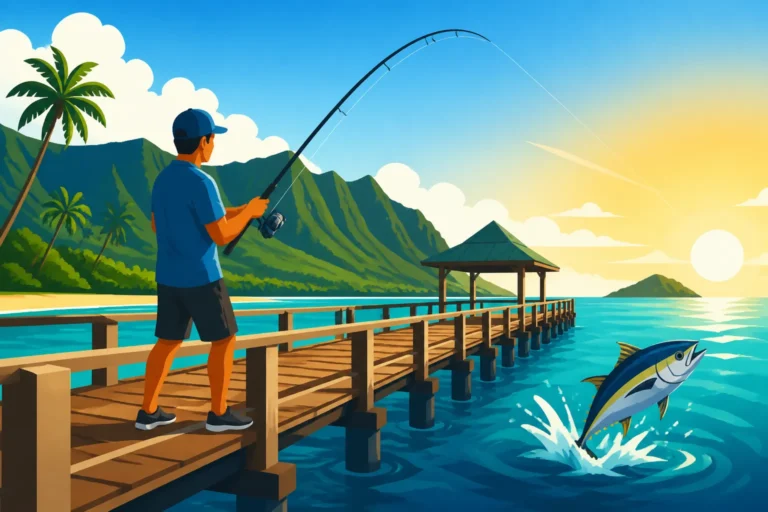
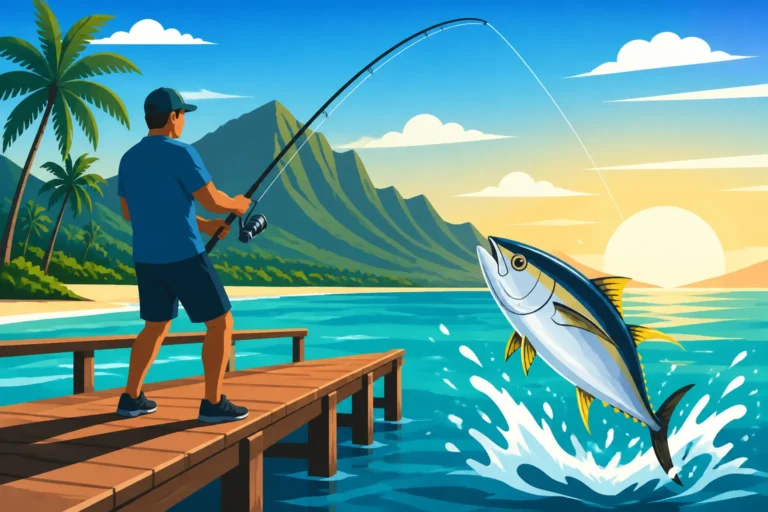
What makes South Point so special for shore fishing is its incredibly steep drop-off. Unlike many shallow, gradually sloping coastlines you might find elsewhere, the underwater topography at Ka Lae plunges rapidly into the abyss just yards from shore. This means that pelagic species—the big, open-ocean fish like tuna, marlin, and ulua (giant trevally)—that typically require a boat to reach are sometimes accessible to shore casters here.
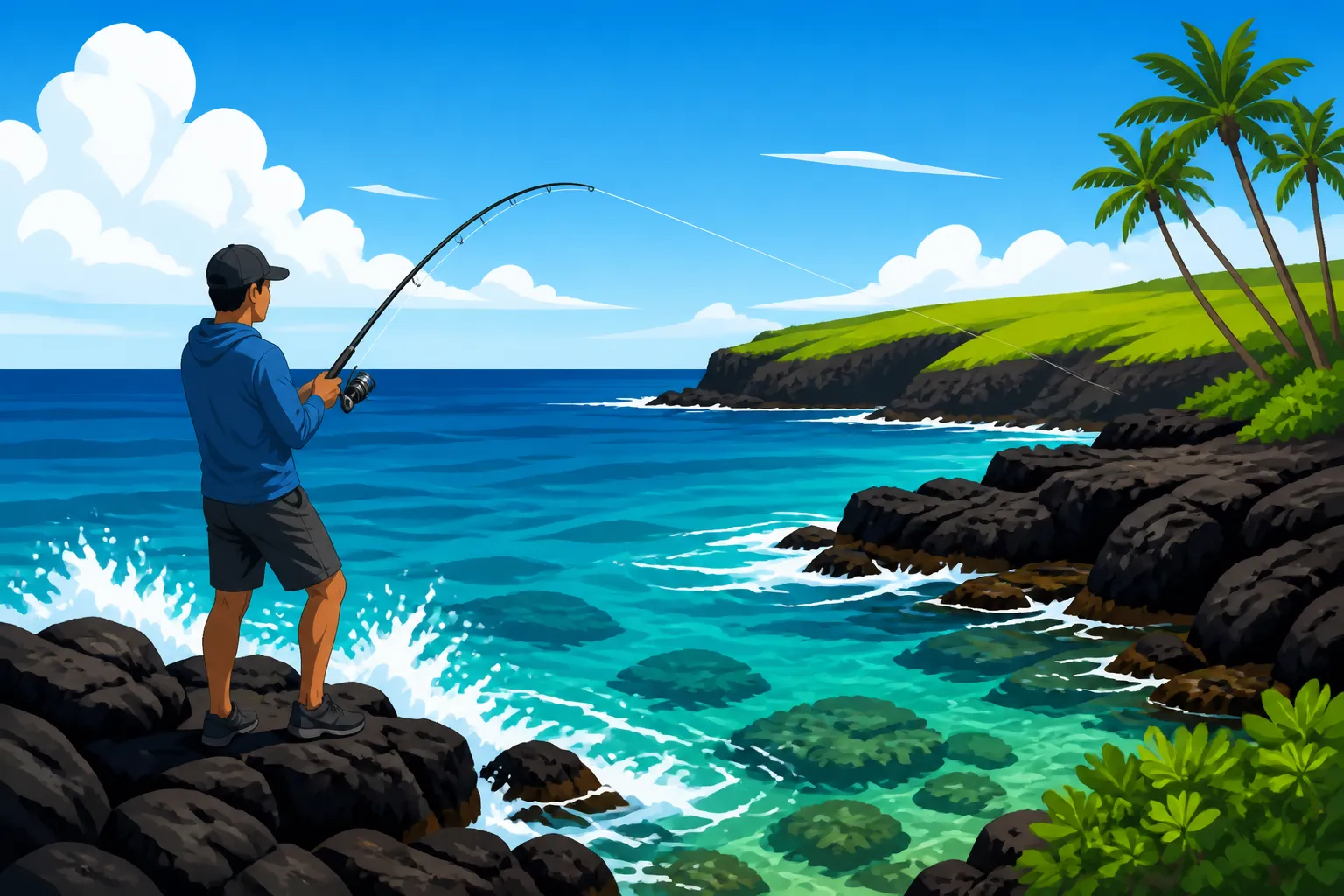
Imagine standing on volcanic cliffs, gazing out at the vast Pacific, knowing that just a short cast away, the ocean floor drops thousands of feet. This immediate access to deep water brings powerful predators within striking distance. The strong currents that sweep past South Point also act like a conveyor belt, bringing nutrient-rich waters and baitfish, which in turn attract larger game fish closer to the rocks. It’s this combination of deep water and strong currents that makes South Point such a prime location for serious shore anglers.
Target Species and Fishing Culture
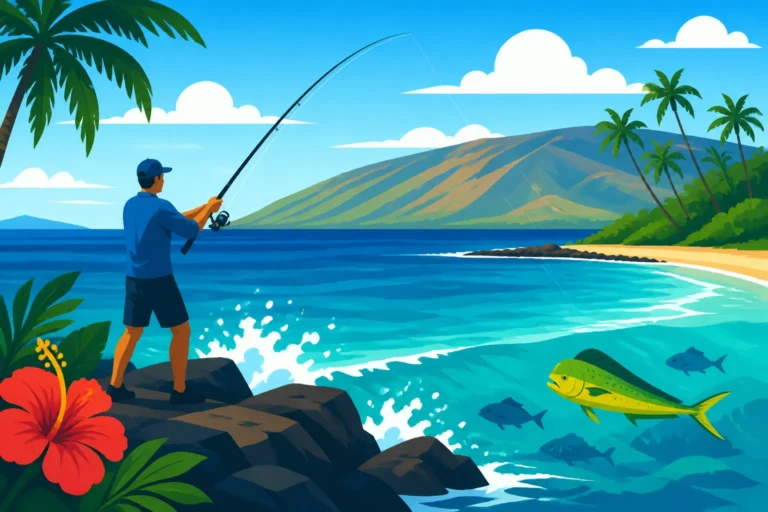
The primary target for many shore anglers at South Point is the formidable ulua, also known as giant trevally. These powerful fighters are revered in Hawaiian fishing culture, and landing one from shore is considered a significant achievement. Beyond ulua, anglers often hook into their smaller, but equally feisty, relatives like papio (juvenile trevally), omilu (bluefin trevally), and sometimes even larger pelagics like tuna, ono (wahoo), or mahimahi if the conditions are just right. Bottomfish like opakapaka (pink snapper) can also be targeted if you can get your bait down deep enough.
Fishing at South Point is more than just a hobby; it’s a connection to Hawaii's rich tradition of subsistence and sport fishing. You'll often see local fishermen employing ancient techniques alongside modern gear, using specialized rigs designed to withstand the brutal power of the ocean and the fish that inhabit it. There's a palpable sense of respect for the ocean (kai) and the land (aina) here, and newcomers are encouraged to observe and learn from those who have fished these waters for years. Understanding Hawaii's traditional and customary fishing rights explained can provide valuable insight into the local appreciation for these waters.
Navigating the Challenging Terrain of South Point
While the allure of South Point fishing is undeniable, it's crucial to understand that this is not a casual beach outing. The terrain is rugged, the conditions can be unforgiving, and proper preparation is absolutely non-negotiable for a safe and successful trip.
Essential Safety Precautions for Anglers
Safety must be your top priority when fishing at South Point. The coastline consists of sharp, jagged lava rock cliffs that can be incredibly slippery, especially when wet from sea spray or rain. Rogue waves are a constant danger, capable of sweeping an unsuspecting angler into the powerful ocean currents. Always maintain situational awareness, keep an eye on the incoming swells, and never turn your back on the ocean.
Wear appropriate footwear with excellent grip, like sturdy wading boots or tabis (reef shoes), to prevent slips and falls. Many experienced anglers also wear an inflatable personal flotation device (PFD), even when shore fishing, especially if they plan to traverse particularly exposed ledges. Sun protection is vital in Hawaii’s strong tropical sun, so bring a wide-brimmed hat, polarized sunglasses, and reef-safe sunscreen. Furthermore, always let someone know where you are going and when you expect to return, as cell service can be spotty in this remote area. Remember, the ocean here is powerful, and it demands respect.
Access Points and Parking Considerations
Reaching the prime fishing spots at South Point requires a drive down a narrow, often bumpy, paved road that eventually turns into a dirt track leading to the southernmost tip. From Highway 11, you'll turn onto South Point Road (Highway 119) near the 69-mile marker. The road winds for about 12 miles through pastures and lava fields before reaching the coastal area.
Parking is generally available at the main lookout point, which is marked by a distinctive green wind turbine farm. However, spots can fill up, especially on weekends or during peak fishing seasons. There are no designated parking lots with amenities; it's typically informal roadside parking on the dirt shoulders. Be mindful of where you park to avoid blocking access or damaging sensitive natural areas. From the parking area, you'll need to walk over rough, uneven terrain to reach the fishing ledges and cliffs. Always secure your vehicle and don't leave valuables in plain sight.
Top Shore Fishing Spots at South Point (Ka Lae)
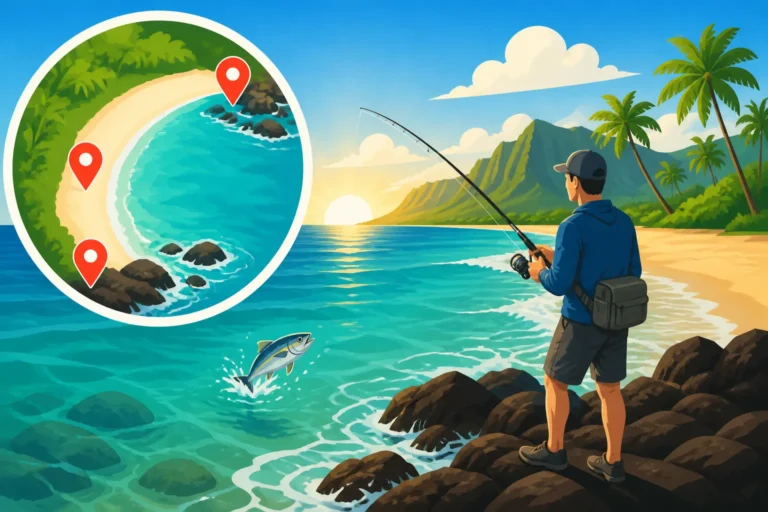
South Point offers several distinct areas for shore fishing, each with its own characteristics, challenges, and rewards. Knowing these spots can help you plan your approach and maximize your chances of success.
The Iconic Southernmost Point Overlook
This is perhaps the most famous and frequently visited fishing spot at Ka Lae, primarily due to its dramatic deep-water access. Right at the very tip, there’s a small, somewhat sheltered cove and surrounding cliffs where local fishermen often set up. The depth here is astounding, dropping hundreds of feet just a stone's throw from the cliff edge. This is the spot where many anglers use ropes and platforms to lower themselves to a slightly safer fishing perch, though this is incredibly risky and not recommended for the inexperienced.
The main draw here is the opportunity to target monster ulua and other large pelagics that cruise close to shore. Because of its popularity, it can get crowded, especially early in the morning or late in the afternoon. Anglers here often employ heavy-duty sliding bait rigs to get large baits out into the current. The wind can be relentless, and the currents are incredibly strong, making casting and managing your line a constant challenge. If you're planning to target these powerful fish, understanding How to Catch Ulua from Shore is essential, and you’ll need tackle capable of handling incredible stress.
The Cliffs and Ledges East of the Main Point
Venturing slightly east of the main southernmost point can offer a different experience, often with fewer crowds. This area features a series of jagged lava cliffs and ledges that also drop off quickly into deep water. Access here can be more challenging, requiring careful scrambling over rough terrain, but the reward is often a more secluded and wild fishing experience.
These eastern ledges are excellent for casting poppers, stickbaits, and heavy jigs for papio, omilu, and smaller ulua. The varied structure provides ambush points for predatory fish, and the currents here are still strong, bringing plenty of bait. Night fishing can be particularly productive in these areas, as the larger ulua move closer to shore under the cover of darkness. Always bring a powerful headlamp and go with a partner if fishing at night. This rugged landscape is part of the allure, but it demands respect and caution. If you're curious about targeting different species, a good resource for Hawaii Bag and Size Limits by Species can help guide your choices.
Sheltered Coves and Bays on the Kona Side (West)
While South Point is largely known for its exposed, deep-water cliffs, there are some slightly more sheltered coves and bays found along the western (Kona) side of the point. These areas, though still rugged, might offer a bit of respite from the direct assault of the prevailing winds and larger swells, depending on the conditions. The water might not drop off as immediately as at the very tip, but it still deepens quickly enough for good fishing.
These coves can be excellent for targeting reef species, and also offer opportunities for papio and smaller trevally. Kayak fishing from these more protected launch points can also be a viable option, allowing anglers to access nearshore reefs and drop-offs that are out of reach from shore. If you're looking to explore the offshore possibilities without your own vessel, services like FishingBooker can help you find local charters that explore similar waters from Honokohau Harbor or even further north along the Kona Coast, offering a different perspective on Hawaii's rich fisheries.
Recommended Gear and Techniques for South Point Shore Fishing
To stand a chance against the formidable fish of South Point, you can’t just show up with a lightweight spinning combo. This is big game country, and your gear needs to reflect that.
Heavy Tackle for Big Game Shore Angling
Forget your freshwater trout rod; South Point demands serious hardware. You’ll need a heavy-duty surf rod, typically 10 to 14 feet long, with a strong backbone capable of launching heavy baits or lures a significant distance and muscling in powerful fish. Pair this with a large, durable spinning reel (size 8000-20000) or a heavy conventional reel, spooled with 80-100 pound braided line. A heavy monofilament or fluorocarbon leader of 100-200 pounds is essential to withstand the abrasive lava rock and the powerful jaws of ulua.
You'll also need robust terminal tackle: strong swivels, heavy-duty hooks (often 9/0 or larger), and stout weights (up to 8-12 ounces) to hold bottom in the strong currents. A gaff or a strong fishing net is crucial for landing large fish from the high ledges. Don't skimp on quality here; cheap gear will likely result in heartbreak. Investing in the right tools is part of the adventure, as detailed in guides like How thick a leader you need for ulua fishing.
Popular Baits and Lures That Work
Local knowledge is king when it comes to bait. Freshly caught baitfish like opelu (mackerel scad), akule (bigeye scad), or squid are highly effective. These can be fished whole on sliding bait rigs or as chunks for bottom fishing. If you're keen on live bait, you'll often need to catch it yourself using smaller rods, sabiki rigs, or cast nets. Knowing Best Bait for Ahi Fishing can give you an idea of the types of bait pelagics prefer, even if you’re targeting them from shore.
For artificial lures, heavy-duty poppers, stickbaits, and metal jigs are popular. Large poppers that create a significant splash can entice predatory fish from the depths. Metal jigs, especially those designed for vertical jigging, can reach the deeper waters where bottomfish or even a passing tuna might be lurking. Experiment with retrieve speeds and lure colors, but prioritize durable, strong lures that can handle powerful strikes.
Mastering Shore Casting and Sliding Bait Rigs
Shore casting at South Point is an art form. You'll need to develop a powerful casting technique to send your baits or lures far out into the deep water and strong currents. This often involves specialized long-distance casting styles. Beyond casting, the most iconic technique for large ulua at South Point is the "sliding bait" rig. This involves casting a heavy weight out first, letting it sink and hold the bottom, then attaching a live or dead bait to a sliding clip that runs down your main line to the weight. This gets your bait into the strike zone without needing to cast the heavy bait itself. Mastering Sliding Bait Techniques for Ulua is a rite of passage for many South Point anglers.
For smaller pelagics and reef fish, "whipping" with lighter (but still strong) tackle and lures like spoons or plastics can be effective. This involves casting and retrieving quickly, covering a lot of water. Always be aware of your surroundings, especially when casting, to ensure you don't endanger other anglers or bystanders.
Respecting the Aina and Fishing Regulations
Fishing in Hawaii, especially at culturally significant and environmentally sensitive sites like South Point, comes with a profound responsibility. Adhering to regulations and practicing sustainable habits is not just about avoiding fines; it’s about preserving these incredible resources for future generations.
Following Hawaii's Fishing Regulations and Bag Limits
Before you even make your first cast, make sure you're familiar with the current Hawaii Fishing Regulations Explained set forth by the Division of Aquatic Resources (DAR) under the Department of Land and Natural Resources (DLNR). While ocean fishing often doesn't require a license for recreational purposes in Hawaii, there are very specific rules regarding bag limits, size restrictions, and gear types for various species.
For example, understanding Hawaii Papio and Ulua Size Rules is critical, as these regulations are designed to protect juvenile fish and ensure breeding populations thrive. Certain species might have closed seasons or protected status. Ignorance of the law is no excuse, and penalties for violations can be steep. You can usually find the most up-to-date regulations on the DLNR's website, or even by talking with local bait and tackle shop owners who are often well-versed in the nuances of local rules.
Practicing Sustainable Fishing and Leave No Trace
The principle of "malama aina" — caring for the land — is deeply ingrained in Hawaiian culture. When you visit South Point, extend this respect to the ocean (kai) and all its inhabitants. Practice catch and release, especially for undersized fish or species you don't intend to eat, and handle them with care to maximize their survival chances. For fish you keep, only take what you need and adhere strictly to bag limits.
Beyond the fish, it’s vital to practice "leave no trace" principles. Pack out everything you pack in, including all trash, discarded fishing line, and bait remnants. The remote beauty of South Point is fragile, and litter degrades the experience for everyone. Avoid disturbing wildlife, cultural sites, or delicate coastal vegetation. By acting as a responsible steward of this special place, you contribute to its longevity as a premier fishing destination. If you're interested in learning more about access and responsibilities, consider checking out resources on Hawaii shoreline fishing rights and public access rules.
| Fishing Spot | Primary Target Species | Recommended Techniques | Key Challenges |
|---|---|---|---|
| Southernmost Point Overlook | Ulua (Giant Trevally), Papio, Omilu, Tuna | Sliding Bait, Heavy Casting, Jigging | Crowds, Extreme Winds, Strong Currents, Dangerous Ledges |
| Cliffs East of Main Point | Ulua, Papio, Omilu, Reef Fish (e.g., Kumu) | Casting Lures (poppers, jigs), Live Baiting | Rough Terrain, Access Difficulty, Strong Swells |
| Sheltered Coves (Kona Side) | Papio, Omilu, Reef Fish, small Pelagics | Lure Casting, Bait Fishing, Kayak Fishing | Less immediate deep-water access, still remote |
Disclaimer
The information provided in this guide is for informational purposes only and is not intended as legal advice or a substitute for official government regulations. Fishing conditions, regulations, and access points can change frequently. Always consult the official Hawaii Department of Land and Natural Resources (DLNR) Division of Aquatic Resources (DAR) website or local authorities for the most current rules and safety advisories before planning your fishing trip to South Point. Fishing in remote and rugged areas like South Point carries inherent risks, and personal safety is your sole responsibility.