Best trevally spots at Kahuku Beach
Finding the absolute best spots for trevally along the sprawling and often rugged Kahuku Beach can feel like trying to find a needle in a haystack, especially if you're new to the North Shore's unique coastline. The dynamic currents, exposed reefs, and powerful surf can make identifying productive areas a real challenge. But don't you worry, because this comprehensive guide is going to walk you through exactly where to focus your efforts at Kahuku to maximize your chances of hooking into some thrilling papio and ulua.
Why Kahuku Beach is a Prime Spot for Trevally Anglers
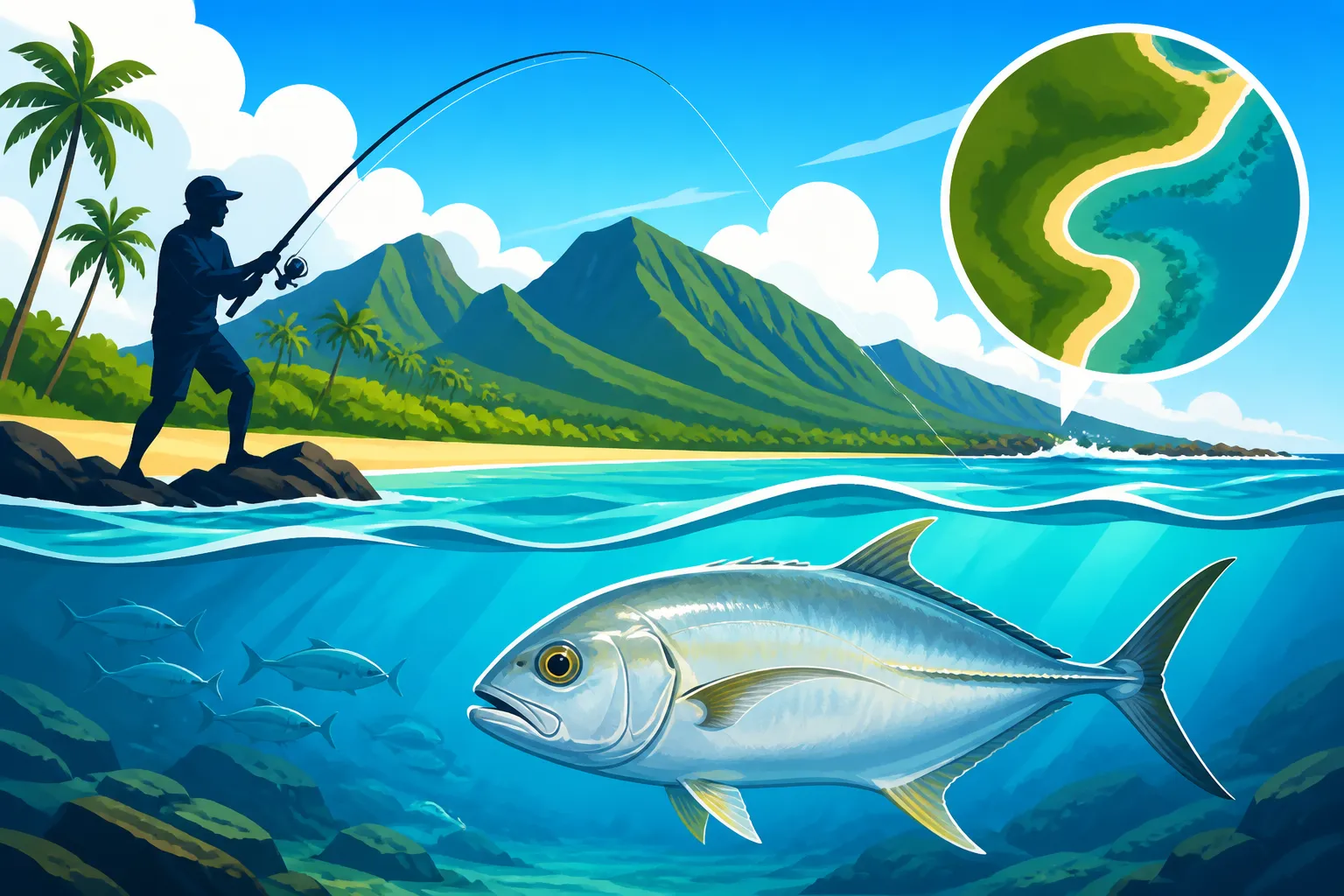
Kahuku Beach, stretching along the northeastern tip of Oahu, isn't just another pretty stretch of sand. For those in the know, it's a legendary battleground for trevally anglers. The consistent swell, diverse bottom structure, and rich baitfish populations create an irresistible buffet for both the smaller papio (juvenile giant trevally) and their trophy-sized counterparts, the ulua. It's a place that demands respect but rewards persistence, making it a favorite for many local shore casters.
Understanding Kahuku's Unique Coastal Landscape
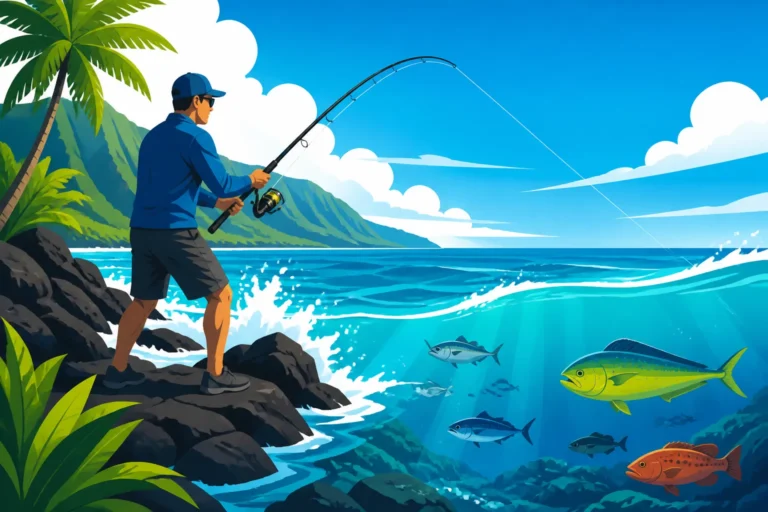
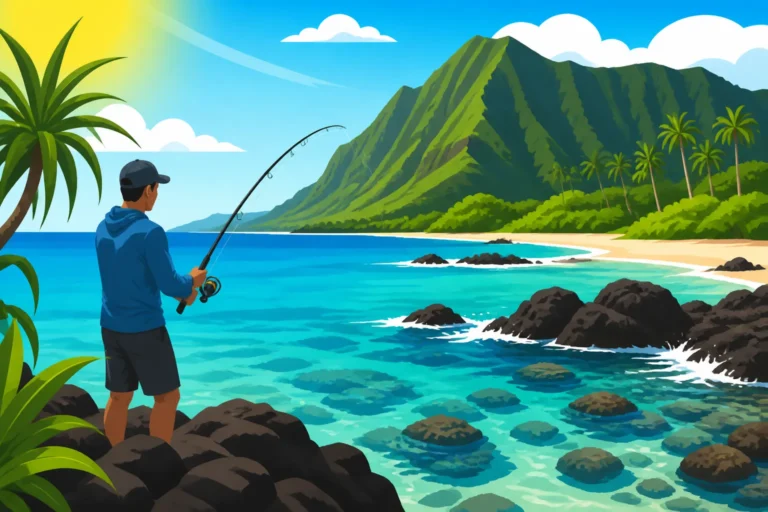
Unlike some of Oahu's more protected bays, Kahuku is largely exposed to the powerful Pacific swells, especially during the winter months. This constant wave action sculpts the shoreline, creating a complex mosaic of lava rock formations, shallow reef flats that transition abruptly into deeper channels, and sandy stretches punctuated by rocky points. This varied topography is precisely what makes it so attractive to trevally. They use the churning white water and intricate reef structure for ambush points, lying in wait for baitfish disoriented by the waves or currents. The deeper cuts and channels provide excellent pathways for these powerful predators to move in and out with the tide, often bringing them within casting range of the shore.
The raw, untamed nature of Kahuku means you're often fishing in a wild, uncrowded environment, which adds to the allure. However, it also means you need to be acutely aware of your surroundings, as rogue waves and slippery rocks are always a consideration. But the potential for a personal best ulua or a lively session with schooling papio makes the effort entirely worthwhile.
The Allure of Papio and Ulua in Kahuku Waters
Papio and ulua are more than just fish; they're an integral part of Hawaii's angling culture. Papio, typically ranging from a few pounds up to about 10-15 pounds, are fast, aggressive, and incredibly fun to catch on lighter tackle. They're often found in schools, feeding actively in the surf zone or around reef edges. Ulua, on the other hand, are the behemoths of the trevally family, with some specimens exceeding 100 pounds. These apex predators demand heavy tackle, unwavering patience, and a deep understanding of their habits. Their explosive runs and sheer power are legendary, and landing a big ulua from shore is considered one of the ultimate achievements in Hawaiian fishing.
Kahuku's diverse environment supports both these stages of the giant trevally's life cycle. The abundant baitfish, from akule to opelu, provide a consistent food source, while the varying depths and structures offer perfect habitats for growth and hunting. The thrill of not knowing whether your next cast will bring a feisty papio or a monster ulua is part of what makes Kahuku such an exciting destination for trevally enthusiasts. To truly understand the target, it helps to know the nuances; read up on Ulua vs Papio: What's the Difference to refine your approach.
Top Trevally Hotspots Along Kahuku Beach
While the entire stretch of Kahuku Beach holds potential, certain areas consistently produce more action due to their specific underwater structure and current patterns. Knowing these hotspots can save you hours of unproductive casting and put you right in the strike zone. Remember, these are general areas, and specific success will often come down to reading the water on any given day.
The Lava Rock Outcrops and Pockets
One of the most characteristic features of Kahuku Beach is its dramatic lava rock coastline. These ancient volcanic flows extend into the ocean, creating jagged points, hidden coves, and underwater ledges that are absolute magnets for trevally. These areas provide excellent ambush points for predators to hide from the current and surprise passing baitfish.
Look for areas where the lava rocks form a distinct point or where there are visible "pockets" of deeper water just beyond the breaking waves. The white water generated by waves crashing against these rocks is a prime hunting ground. Papio love to dart in and out of these churning zones, while larger ulua will often patrol the slightly deeper water just outside the immediate wash. Cast your lures or bait parallel to the rocky edges, allowing them to drift naturally with the current along the drop-offs. Be prepared for snags, as the bottom can be unforgiving, but that's often where the fish are hiding. Early mornings and late evenings, or during incoming and outgoing tides, tend to be the most productive times around these rocky structures.
Deep Channels and Sand Patches
Interspersed among the rocky sections are stretches of sandy beach, which might seem less promising at first glance. However, don't be fooled! These sandy areas often hide deeper channels and troughs carved out by strong currents and wave action. These channels act as highways for trevally, allowing them to move efficiently through the area, especially when they are hunting.
To identify these channels from shore, look for darker water or areas where waves are not breaking as consistently, indicating deeper water. Sometimes, you can spot subtle depressions in the sand at low tide. These channels are particularly productive during tidal changes when water is flushing in or out, bringing baitfish with it. Casting into these channels with heavy lures or bait can put you right in front of patrolling ulua. For papio, focus on the shallower sand patches adjacent to rocky areas, where they might be chasing smaller bait. The contrast between sand and reef also creates an edge that trevally love to follow.
Reef Edges and Current Lines
Kahuku is renowned for its extensive shallow reef flats. While fishing directly on the shallowest parts of the reef might not be ideal for trevally, the edges where the reef drops off into deeper water are absolutely phenomenal. These reef edges create distinct current lines and upwellings that concentrate baitfish, making them prime feeding zones.
Visually identify where the lighter, shallower reef water transitions to darker, deeper blue. This invisible line is often a highway for trevally. During periods of strong current, these edges can become particularly active. Trolling live bait or casting heavy poppers and stickbaits along these lines can provoke explosive strikes. The same principle applies to areas where two currents meet or swirl, creating a "current seam." Fish tend to congregate in these areas, and trevally are no exception. Pay close attention to bird activity, as diving seabirds can often indicate the presence of schooling baitfish, which in turn attract larger predators like ulua and papio. Understanding Shore Fishing Techniques for Hawaii is crucial when working these complex reef edges.
Mastering Kahuku Trevally: Techniques, Timing, and Tackle
Catching trevally at Kahuku is as much about strategy and understanding the environment as it is about skill. The right approach, combined with a bit of local knowledge, can significantly increase your chances of success.
Best Times to Target Trevally at Kahuku
Timing is everything when it comes to trevally fishing at Kahuku. These powerful fish are highly sensitive to tidal movements, moon phases, and even the time of day.
- Tides: The periods of an incoming or outgoing tide are generally the most productive. As the tide moves, it creates currents that disorient baitfish and push them around, making them easier targets for trevally. Around Kahuku, a strong incoming tide can bring clean, predator-filled water over the reef, while an outgoing tide can wash bait out of the reef flats into deeper channels.
- Moon Phases: Many experienced ulua anglers swear by the new moon and full moon phases. The extreme tidal swings associated with these lunar cycles often trigger aggressive feeding behaviors in ulua. The stronger currents and increased water movement create ideal hunting conditions.
- Time of Day: Dawn and dusk are universally recognized as prime trevally times. The low light conditions give predators an advantage, and many baitfish are more active during these transitional periods. However, don't discount night fishing, especially for larger ulua. They often move closer to shore under the cover of darkness, making them accessible to shore casters. If you're keen on targeting the bigger ones, learning about Night Fishing for Ulua in Hawaii can be incredibly insightful. Overcast days can also extend these prime feeding windows.
Effective Rigs, Baits, and Lures for Kahuku Trevally
Your tackle choice for Kahuku trevally needs to be robust, given the power of these fish and the rugged environment.
- Rods and Reels: For papio, a medium-heavy spinning rod (8-10 feet) paired with a 6000-8000 series reel spooled with 30-50 lb braided line is a good start. For ulua, you'll need heavy-duty surf rods (10-13 feet or more) and large conventional or spinning reels (10000-20000 series) loaded with 80-100 lb braid, often with a monofilament top shot for shock absorption.
- Leader Material: Fluorocarbon leader in the 60-100 lb range is essential for its abrasion resistance against sharp rocks and its near invisibility underwater.
- Baits:
- Live Bait: Akule, opelu, or halalu (juvenile akule) are supreme live baits for ulua. They can be cast out with a sliding sinker rig or suspended under a float.
- Cut Bait: Fresh cut pieces of octopus (tako), squid, or oily fish like mackerel are also highly effective, especially when soak fishing for ulua at night.
- Soft Plastics: Grubs, paddle tails, and swimbaits in natural baitfish colors can be deadly for papio when retrieved quickly through the surf or along reef edges.
- Lures:
- Poppers and Stickbaits: Topwater lures are incredibly exciting for both papio and ulua, mimicking injured baitfish on the surface. Look for robust, heavy-duty models that can withstand powerful strikes and long casts.
- Jigs and Metal Spoons: Heavy casting jigs (2-4 oz or more) can be worked along reef drop-offs or through deeper channels, mimicking fleeing baitfish. Silver, chrome, or blue-and-silver are popular colors.
- Plugs: Large lipped diving plugs or shallow running twitchbaits can be effective when retrieved just above the reef or through channels.
Remember to bring extra terminal tackle like hooks, swivels, and sinkers, as you're likely to lose some gear in the rocky terrain. For tips on specific casting, check out Best Techniques for Whipping for Papio.
Reading the Water and Approaching the Spots
Success at Kahuku often hinges on your ability to "read the water." This means understanding how waves, currents, and bottom structure interact to create feeding opportunities.
- Wave Action: Look for areas where waves are breaking differently. A wave that consistently breaks harder in one spot might indicate a shallow reef or a submerged rock, which could be an ambush point. Conversely, a section where waves don't break as much might signify a deeper channel. Trevally love the turbulent white water just behind the breaking waves, as it disorients bait.
- Currents: Identify rip currents or eddy lines. These are often conveyor belts for baitfish and can be highly productive. Casting into the upstream side of a rip or along the edge of an eddy can present your offering naturally to waiting fish.
- Structure: Beyond the obvious rocks and reef, look for subtle changes in water color, which can indicate depth changes or different bottom types. Darker patches often mean deeper water or reef.
- Approach: Be stealthy, especially in shallower water. Loud noises or heavy footfalls on the rocks can spook fish. Make long, accurate casts to cover more water and present your lure or bait effectively. Move slowly and methodically along the shoreline, making several casts in each promising spot before moving on. Sometimes, checking fishing reports on platforms like FishingBooker can offer insights into recent local catches, helping you identify current trends or particularly hot spots.
Essential Safety Tips and Regulations for Kahuku Fishing
Fishing Kahuku Beach offers incredible rewards, but it's vital to prioritize safety and adhere to local regulations to ensure a sustainable and enjoyable experience for everyone.
Navigating the Shoreline Safely
Kahuku's beauty is matched by its ruggedness. The exposed nature of the coastline means conditions can change rapidly, and powerful waves are always a factor.
- Watch the Waves: Always keep an eye on the ocean. Rogue waves can wash over rocks without warning, pulling you into dangerous currents or knocking you off balance. Never turn your back on the ocean.
- Footwear: Wear sturdy, non-slip footwear with good grip. Felt-soled wading boots or reef shoes with robust traction are highly recommended for navigating slippery lava rocks and uneven terrain.
- Never Fish Alone: If possible, fish with a buddy. In case of an emergency, having someone else there can make a critical difference.
- Be Aware of the Tides: Understand the tide schedule. An incoming high tide can cut off access to certain points or make returning to shore difficult, especially if you're fishing far out on a reef flat.
- Sun Protection: The Hawaiian sun is intense. Wear a hat, sunglasses, and plenty of reef-safe sunscreen. Long-sleeved, breathable fishing shirts are also a good idea.
- Hydration: Bring plenty of water, especially on hot days. Dehydration can quickly set in when you're exerting yourself in the sun.
Adhering to Hawaii Fishing Regulations
Hawaii has specific regulations in place to protect its marine resources and ensure sustainable fishing for future generations. It's your responsibility to know and follow these rules.
- Licenses: For ocean fishing in Hawaii, residents are generally exempt from needing a license for recreational purposes. However, non-residents do need a license. It's always best to verify current requirements. For example, you might want to learn about Hawaii Nonresident Marine Fishing License, Explained or clarify Do Hawaii Residents Need an Ocean Fishing License?.
- Bag and Size Limits: Trevally (papio and ulua) have specific size and bag limits. For instance, ulua must meet a minimum size, and there are daily catch limits. These rules are crucial for conservation. Consult the latest Hawaii Division of Aquatic Resources (DAR) regulations for specific details on Hawaii Bag and Size Limits by Species for trevally and other species you might encounter.
- Protected Areas: Be aware of any Marine Life Conservation Districts (MLCDs) or Fish Replenishment Areas (FRAs) in the vicinity. Fishing regulations within these areas can be highly restrictive or even prohibited. While Kahuku Beach is not an MLCD, understanding What a Marine Life Conservation District means for anglers can prevent accidental violations in other areas.
- Prohibited Methods: Certain fishing methods, such as the use of gill nets in specific areas or spearfishing with SCUBA gear, are prohibited. Always check local rules.
It's a good practice to download or bookmark the official Hawaii DLNR fishing regulations PDF, or check their website before heading out. Being informed keeps you on the right side of the law and helps protect Hawaii's precious marine environment.
Here's a quick reference guide to help you plan your Kahuku trevally adventure:
| Feature/Condition | Papio (Juvenile GT) | Ulua (Adult GT) | Notes |
|---|---|---|---|
| Typical Size | 2-15 lbs | 15-100+ lbs | Ulua over 100 lbs are rare but possible |
| Preferred Habitat | Surf zone, reef edges, rocky pockets | Deeper channels, outside reef drop-offs, points | Both use white water for ambush |
| Best Time of Day | Dawn, Dusk, Overcast | Night, Dawn, Dusk | Low light offers predator advantage |
| Optimal Tide | Incoming/Outgoing | Incoming/Outgoing (stronger tides preferred) | Strong tidal movement disorients baitfish |
| Moon Phase | All phases (active feeders) | New Moon, Full Moon (stronger tides) | Significant tidal swings often trigger big ulua |
| Recommended Lures | Poppers, Stickbaits, Metal Jigs, Soft Plastics | Large Poppers, Stickbaits, Heavy Jigs | Match lure size to target species and baitfish |
| Recommended Bait | Cut bait (squid, fish) | Live bait (akule, opelu), Cut bait (tako) | Live bait is often key for trophy ulua |
| Tackle | Medium-Heavy spinning (30-50lb braid) | Heavy surf rod (80-100lb braid) | Heavy tackle is essential for stopping powerful runs |
| Safety Considerations | Slippery rocks, rogue waves, sharp reef | Same as Papio, plus potential for long fights | Always fish with caution and good footwear |
Disclaimer
The information provided in this guide is for general informational purposes only and is subject to change. Fishing regulations in Hawaii, including bag limits, size limits, and licensing requirements, are established and enforced by the Hawaii Department of Land and Natural Resources (DLNR) Division of Aquatic Resources (DAR). It is the responsibility of every angler to consult the most current official regulations before fishing. Conditions at Kahuku Beach can be unpredictable and dangerous; always prioritize safety, assess local conditions, and never take unnecessary risks.