Best fishing access at Makapuu Point
Finding truly rewarding shore fishing spots in Hawaii that are both accessible and consistently productive can feel like searching for a needle in a haystack, especially when you’re looking for those iconic, rugged landscapes. Makapuu Point, with its dramatic cliffs and stunning ocean views on Oahu’s southeastern tip, is one such legendary location that draws anglers and sightseers alike. This guide is dedicated to breaking down the best fishing access at Makapuu Point, helping you navigate its unique challenges, understand the local nuances, and equip you for a successful and safe outing.
Understanding Makapuu Point's Unique Fishing Landscape
Makapuu Point isn't just another pretty coastline; it's a dynamic interface where powerful Pacific swells meet ancient volcanic rock, creating a complex and incredibly rich fishing environment. For those looking to cast a line from shore, understanding this intricate dance between land and sea is paramount to both safety and success. It's a place that demands respect, but generously rewards those who take the time to learn its ways.
The Rugged Beauty and Challenges
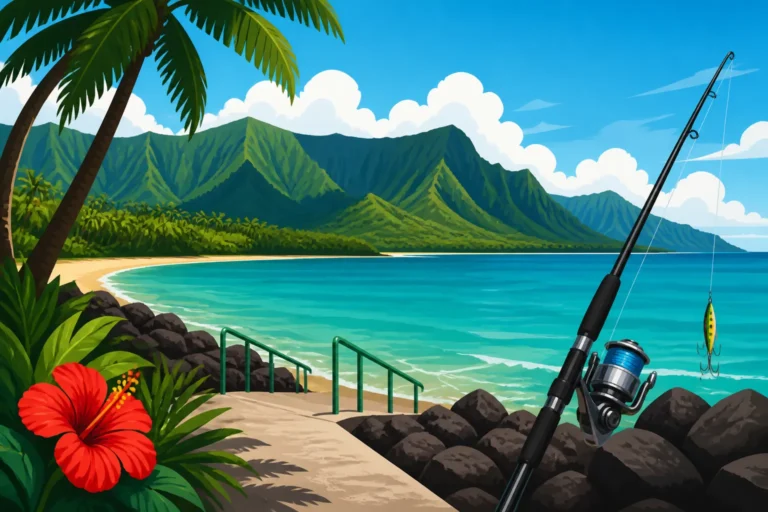
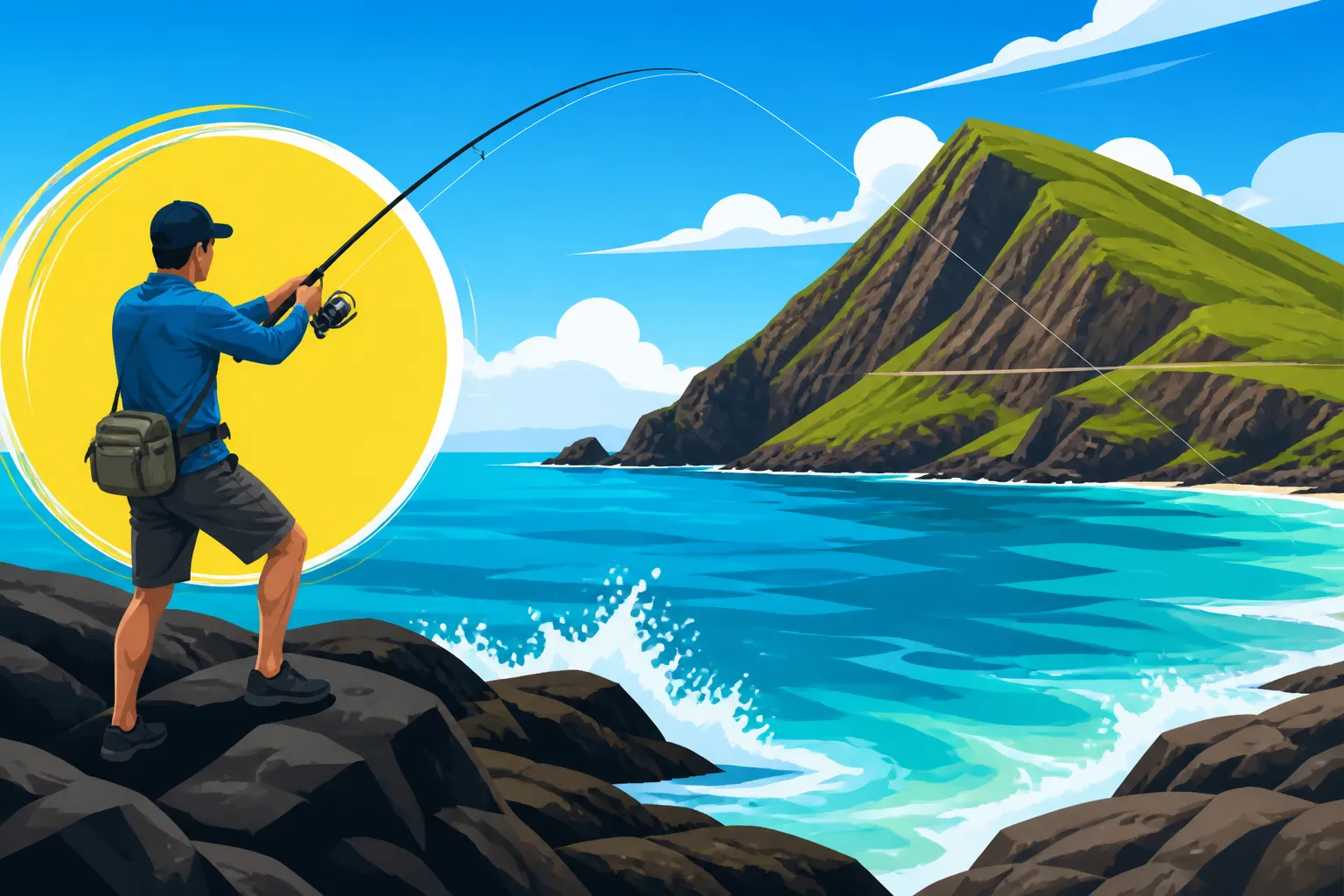
Imagine standing on volcanic rock, the relentless surge of the Pacific Ocean churning below, spray misting your face as seabirds glide on the updrafts. That's Makapuu. Its beauty is raw and untamed, far from the gentle sandy beaches of Waikiki. The shoreline here is primarily sharp, jagged lava rock, interspersed with tide pools and deeper channels carved out by millennia of wave action. This rugged terrain is what makes it so appealing to certain species, but it also presents significant challenges for anglers.
Accessing the prime fishing spots often means traversing uneven, slippery, and sometimes steep paths. The constant wave action can make footing precarious, and rogue waves are a very real concern, especially during periods of higher surf. It’s not a place for flip-flops or light casual wear. You'll need sturdy, grip-soled shoes, and a healthy dose of caution. The rewards, however, can be substantial: hard-fighting pelagic species often cruise close to shore here, drawn by the currents and baitfish that congregate in the turbulent waters. This isn't a spot for the faint of heart, but for the prepared angler, it offers an authentic and thrilling Hawaiian shore fishing experience unlike many other locations.
Key Features for Anglers
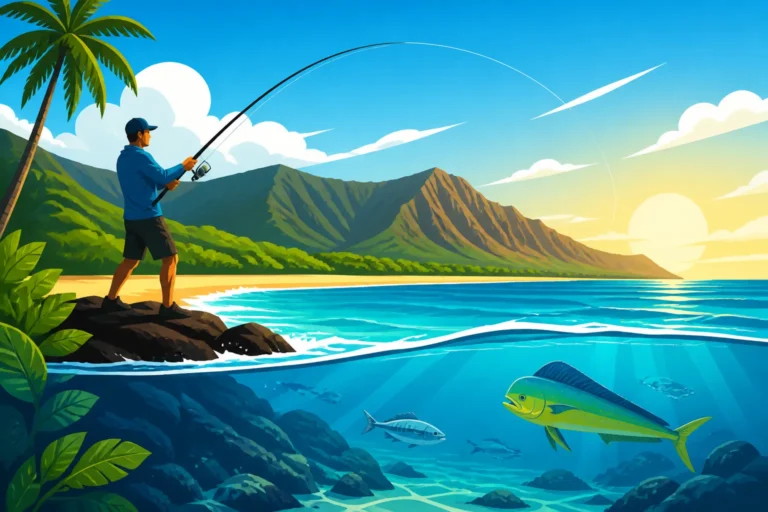
Makapuu's geography creates natural advantages for shore anglers. The deep offshore waters drop off quickly, bringing pelagic species like mahi-mahi and even small tuna surprisingly close to the casting range of an experienced shore fisherman. The turbulent white water around the point itself acts as a natural feeding ground, disorienting baitfish and creating ambush points for predatory species.
One of the most notable features is the strong currents that sweep around the point. These currents are a double-edged sword: they carry nutrients and bait, concentrating fish, but they also make it challenging to keep your line in a desired spot. Anglers often look for calmer pockets of water or eddies created by larger rock formations where fish might hold. The area also boasts a mix of sandy patches and rocky ledges underwater, providing diverse habitats for everything from papio (juvenile trevally) to larger ulua (giant trevally). Understanding these underwater structures, even from shore, can significantly improve your chances. Look for subtle changes in water color, areas where waves break differently, or zones where seabirds are actively diving – these are all clues to what’s happening beneath the surface.
Navigating Access Points at Makapuu Point
Getting to the best fishing spots at Makapuu Point isn't always straightforward. While the Makapuu Lighthouse Trail is a popular hiking destination, the fishing access points are generally found off the main paved trail, requiring a bit more effort and local knowledge to reach safely and effectively. It’s not just about getting there; it’s about understanding the nuances of the terrain and respecting the land.
Primary Public Access Points
The most common way to approach Makapuu for fishing is from the parking lot at the base of the Makapuu Lighthouse Trail, located off Kalanianaole Highway. From here, you have a couple of main options:
- The Coastal Rocks Below the Lighthouse Trail: Instead of heading up the paved lighthouse trail, look for informal, unmaintained paths that lead down towards the ocean on the Makapuu side of the point. These are often steep and rocky, requiring careful descent. Anglers frequently target the turbulent waters and deeper channels found among the lava formations here. Be aware that these paths can change with erosion and heavy rains, so always assess the conditions before committing. This area is known for catching larger species closer to shore, as the deep water access is excellent.
- Kaiwi Scenic Shoreline: As you drive along Kalanianaole Highway towards Makapuu, there are several pull-offs and smaller parking areas along the Kaiwi Scenic Shoreline, especially on the stretch between Sandy Beach and Makapuu. From these pull-offs, you can often find trails leading down to the water. These areas tend to be slightly less rugged than the immediate point itself but still offer excellent opportunities for shore casting. This stretch is particularly popular for whipping for smaller papio and even larger ulua. Remember, while these spots are public access, parking can be limited, especially on weekends. Always ensure your vehicle isn't blocking traffic or private driveways.
It's crucial to understand that these aren't manicured trails. They are natural, sometimes challenging paths forged by decades of local use. Always go with a buddy, inform someone of your plans, and carry a fully charged phone. For general guidance on accessing the coast, you might want to review resources on Hawaii Shoreline Fishing Rights and Public Access Rules.
Considerations for Safe Access
Safety at Makapuu Point cannot be overstressed. The beauty of the area is matched only by its potential hazards.
- Footwear is Key: Forget your casual sandals. You need sturdy, closed-toe shoes with excellent grip. Think reef boots, hiking shoes, or specialized fishing shoes. The lava rock is notoriously sharp and uneven, and wet surfaces can be incredibly slippery. A slip here can lead to serious injury.
- Watch the Waves: The ocean at Makapuu is powerful. "Sneaker waves" or rogue sets can come seemingly out of nowhere, sweeping unsuspecting individuals off the rocks. Always keep an eye on the ocean, even when focused on your fishing line. Never turn your back on the waves. If the surf is high or conditions look rough, it's safer to postpone your trip.
- Sun Protection: You're exposed to the full force of the Hawaiian sun. Wide-brimmed hats, sunglasses, long-sleeved UPF shirts, and plenty of reef-safe sunscreen are non-negotiable. Dehydration is also a risk, so bring more water than you think you’ll need.
- Leave No Trace: Makapuu is a pristine natural area. Pack out everything you pack in, including fishing line, hooks, and any food wrappers. Help keep Hawaii beautiful for everyone.
- Check the Tides and Swell: High tide and large swells can significantly limit safe access to certain areas. Before heading out, check local marine forecasts for wave height, swell direction, and tide charts. Strong northerly or easterly swells can make Makapuu particularly dangerous.
Recommended Fishing Techniques and Target Species
Fishing at Makapuu requires specific techniques tailored to the powerful currents and rocky bottom. It's not a place for delicate setups; you need robust gear and a willingness to adapt to the conditions. Knowing what you're likely to catch also helps you prepare appropriately.
Best Shore Fishing Methods
Given Makapuu's unique environment, a few techniques tend to be most effective:
- Slide Baiting (Ulua Fishing): This is a popular technique for targeting larger ulua (giant trevally) from the cliffs and higher ledges. Anglers cast a heavy lead weight far out, then attach a live bait (like a juvenile mackerel scad or an opelu) to a sliding rig that runs down the main line to the water. The bait swims freely, attracting larger predators. This method requires specialized, heavy-duty gear, including powerful rods, large reels, and strong lines. If you're serious about learning more about this demanding but rewarding method, consider exploring How to Catch Ulua from Shore.
- Whipping/Spin Casting: For smaller, schooling predators like papio (juvenile trevally), omilu (bluefin trevally), and even small ono (wahoo) that sometimes cruise close to the rocks, whipping with artificial lures is highly effective. Think heavy metal jigs, poppers, or stick baits that can be cast a long distance and retrieved quickly through the turbulent water. Look for signs of baitfish schools or actively feeding birds. A medium-heavy spinning rod (8-10 feet) with a 4000-6000 series reel spooled with 30-50 lb braided line is a good all-around setup. For tips on presentation, check out How to Catch Papio on Hawaii's Shoreline.
- Bottom Fishing: While less common than slide baiting or whipping due to the snag-prone rocky bottom, certain areas with sandy pockets can yield reef species. Using a heavy sinker and a simple bait rig (like a paternoster or dropper rig) with cut bait (squid, dead opelu) can sometimes entice wrasse, goatfish (kumu, weke), or even opakapaka in deeper accessible spots. Be prepared to lose some tackle to snags.
- Live Baiting (without sliding): If you can catch smaller baitfish right there at Makapuu, freelining or float-fishing them close to the rocks can be incredibly effective for a variety of predatory species. This often requires lighter tackle to catch the bait, then transferring to heavier gear for the target species.
What You Can Expect to Catch
Makapuu's diverse environment means you can encounter a wide range of species, depending on your technique, time of day, and luck.
- Pelagics (close to shore): Ulua (Giant Trevally), Papio (Juvenile Trevally, including Bluefin Trevally/Omilu), Ono (Wahoo), Mahimahi (Dolphin Fish), and even small Ahi (Yellowfin Tuna) can sometimes be caught when they cruise close.
- Reef Fish: While not the primary target for most Makapuu anglers, species like goatfish (Kumu, Weke), various types of wrasse, and smaller snapper can be found in the less turbulent pockets and sandy areas. Invasive species like taape and roi are also commonly caught.
- Other: Occasionally, you might encounter barracuda, or even small sharks. Always be prepared for a strong fight, whatever you hook into.
It's a good idea to familiarize yourself with Hawaii Bag and Size Limits by Species for anything you plan to keep.
Essential Gear for Makapuu
To have a successful (and safe) fishing trip at Makapuu, you'll need more than just a rod and reel. Here's a rundown of essential gear:
- Rods & Reels:
- Heavy Duty Rod: 10-14 ft surf rod, rated for 40-80 lb line, capable of casting heavy weights (4-8 oz).
- Large Conventional or Spinning Reel: Size 8000-14000 (spinning) or equivalent conventional reel, spooled with 60-100 lb braided line and a heavy monofilament or fluorocarbon leader (80-200 lb).
- Medium-Heavy Rod for Whipping: 8-10 ft spinning rod, rated for 20-40 lb line, with a 4000-6000 size reel spooled with 30-50 lb braid.
- Terminal Tackle:
- Assorted heavy lead weights (pyramid, Sputnik, surf sinkers) 4-8 oz.
- Heavy-duty swivels, snap swivels, and crimps.
- Large, strong hooks (circle hooks are often preferred for slide baiting).
- Extra leaders (heavy mono or fluoro).
- Assorted lures: heavy metal jigs (Kona-style), poppers, stick baits.
- Safety & Comfort:
- Sturdy, Closed-Toe Footwear with Good Grip: Absolutely critical.
- Waterproof Backpack: To keep essentials dry.
- Plenty of Water & Snacks: Stay hydrated and energized.
- Sun Protection: Wide-brimmed hat, sunglasses, long-sleeved UPF shirt, reef-safe sunscreen.
- First-Aid Kit: For minor cuts, scrapes, and emergencies.
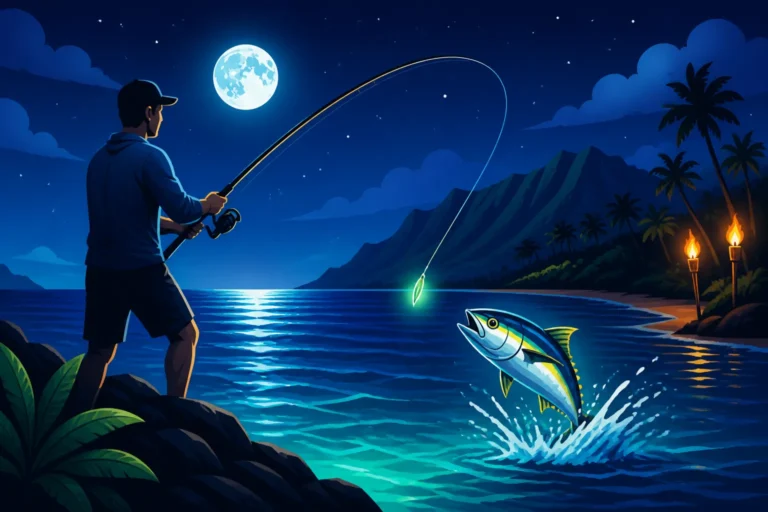
- Headlamp or Flashlight: If fishing at dawn, dusk, or night (common for ulua).
- Pliers/Forceps: For hook removal.
- Knife: For cutting line or bait.
- Line Clippers.
- Small Bucket or Cooler: For keeping bait and/or your catch.
- Gloves: For handling fish and line, especially braided line.
- Spike/Rod Holder: If fishing from the rocks, a portable rod holder designed for rocky terrain can be very helpful.
Navigating Regulations and Safety at Makapuu
Beyond the physical challenges, fishing at Makapuu Point, like anywhere in Hawaii, comes with a set of rules and environmental considerations. Being a responsible angler means understanding these guidelines and prioritizing safety above all else. This isn't just about avoiding fines; it's about preserving the precious marine environment for future generations and ensuring you return home safely.
Local Fishing Rules and Conservation
Hawaii has specific regulations to protect its diverse marine life. Before you even cast a line, make sure you're properly licensed if you plan to fish in freshwater. For saltwater fishing, which Makapuu Point is exclusively, Hawaii has historically had an exemption for recreational marine fishing licenses for residents, though this is a periodically debated topic. Non-residents planning freshwater fishing will definitely need a license, and it's always wise to check the latest rules from the Hawaii Department of Land and Natural Resources (DLNR) Division of Aquatic Resources (DAR). You can find comprehensive information on topics like Hawaii Fishing License Guide for 2026 and Do You Need a Fishing License in Hawaii.
Beyond licensing, pay close attention to:
- Bag and Size Limits: Different species have different minimum sizes and daily bag limits. For instance, there are specific rules for moi, uhu, and other common catches. Always consult the current regulations for Hawaii Bag and Size Limits by Species to ensure you're compliant.
- Closed Seasons: Some species have closed seasons to protect them during spawning periods. An example is the Hawaii Moi Closed Season, Explained. Knowing these dates is crucial.
- Gear Restrictions: Certain types of gear, like gill nets or certain spearfishing methods, might be prohibited in specific areas. While Makapuu is generally open to hook-and-line fishing, being aware of broader regulations like Hawaii Spearfishing Regulations is important if you plan to diversify your techniques elsewhere.
- Marine Life Conservation Districts (MLCDs): While Makapuu Point itself is not an MLCD, nearby areas might be. It's vital to know the boundaries of any such areas, as fishing is highly restricted or completely prohibited within them. Understanding What a Marine Life Conservation District means for anglers is essential for responsible fishing throughout the islands.
Always err on the side of caution. If you're unsure about a regulation, it's better to consult the official DLNR DAR website or local fishing shops. These shops are often invaluable resources for up-to-date information and local nuances.
Prioritizing Safety in a Dynamic Environment
We've touched on footwear and wave awareness, but let's reiterate and expand on overall safety protocols for Makapuu Point. This isn't your average calm fishing pier.
- Never Fish Alone: The rugged terrain and powerful ocean make Makapuu a place where going with a buddy is highly recommended. In case of an accident, having someone there to help or call for help can be life-saving.
- Carry Communication Devices: A fully charged cell phone is a must. Consider a waterproof case. For more remote areas, a satellite messenger might be warranted, though Makapuu usually has cell service.
- Identify Exit Routes: Before you even cast your first line, take a moment to look around and identify safe exit routes in case of a sudden swell or change in conditions. Know where you can quickly retreat to higher ground.
- Inform Others of Your Plans: Tell someone where you're going and when you expect to return. This way, if you don't check in, someone knows to raise an alarm.
- Alcohol and Fishing Don't Mix Here: Save the celebratory drinks for after you've safely packed up and left the rocky shoreline. Impaired judgment in this environment can have dire consequences.
- Respect Marine Life: While you're targeting fish, remember that Makapuu is home to various marine animals, including protected species like Hawaiian monk seals and green sea turtles. Maintain a respectful distance and never harass or feed wildlife. Be familiar with Hawaii turtle and monk seal proximity rules for anglers.
- Know Your Limits: Don't push yourself physically beyond what you're capable of, especially when carrying heavy gear over uneven ground. If you're feeling tired, call it a day. The fish will still be there tomorrow (or the next time conditions are safer).
By following these guidelines, you not only protect yourself but also contribute to the conservation efforts that keep Makapuu Point and Hawaii's waters healthy and enjoyable for everyone.
Makapuu Point Fishing at a Glance
For a quick reference, here's a table summarizing key aspects of fishing at Makapuu Point:
| Aspect | Details |
|---|---|
| Primary Access | Base of Makapuu Lighthouse Trail (unmarked paths to coastline), Kaiwi Scenic Shoreline pull-offs. |
| Terrain | Rugged, sharp lava rock, uneven paths, some sandy pockets. |
| Target Species | Ulua (Giant Trevally), Papio (Juvenile Trevally), Omilu (Bluefin Trevally), Ono (Wahoo), Mahimahi, occasional Ahi, various reef species (goatfish, wrasse). |
| Recommended Techniques | Slide Baiting (for Ulua), Whipping/Spin Casting (for Papio, Omilu, Ono), Live Baiting (freeline/float). |
| Key Gear | Heavy-duty surf rods/reels, large lures/weights, strong lines/leaders, essential sturdy, grip-soled footwear, sun protection, plenty of water, first-aid kit, communication device. |
| Hazards | Slippery rocks, rogue waves, strong currents, sharp lava, intense sun, limited shade. |
| Best Times | Dawn, dusk, night (for ulua); calmer days with manageable swells; outgoing/incoming tides can concentrate bait. Best Time of Year to Fish in Hawaii can offer broader insights. |
| Regulations | Check current Hawaii DLNR DAR for bag/size limits, closed seasons (e.g., Hawaii Moi Closed Season, Explained), and any changes to Do You Need a Fishing License in Hawaii. |
| Environmental Note | Pack out all trash, avoid disturbing marine wildlife (monk seals, turtles), be mindful of Hawaii Marine Life Conservation Districts, Explained nearby. |
Makapuu Point is an extraordinary place, truly one of the best shore fishing spots in Hawaii for those seeking a challenging yet deeply rewarding experience. With careful preparation, respect for the ocean, and adherence to local regulations, you can create unforgettable memories and perhaps land a trophy fish from its legendary shores. And while this guide focuses on shore fishing, if you ever feel like exploring further offshore or different islands, platforms like FishingBooker can connect you with local charters to experience Hawaii's diverse fisheries from a different perspective. Even when you're hitting the shore, knowing the option is there can broaden your horizons for future trips.
Disclaimer
The information provided in this guide is for general informational purposes only and does not constitute professional advice. Fishing regulations and conditions in Hawaii can change frequently. Always consult the official Hawaii Department of Land and Natural Resources (DLNR) Division of Aquatic Resources (DAR) for the most current rules and safety advisories before embarking on any fishing trip. Angling carries inherent risks, and personal safety should always be your top priority.