Best peacock bass spots on Wahiawa Reservoir
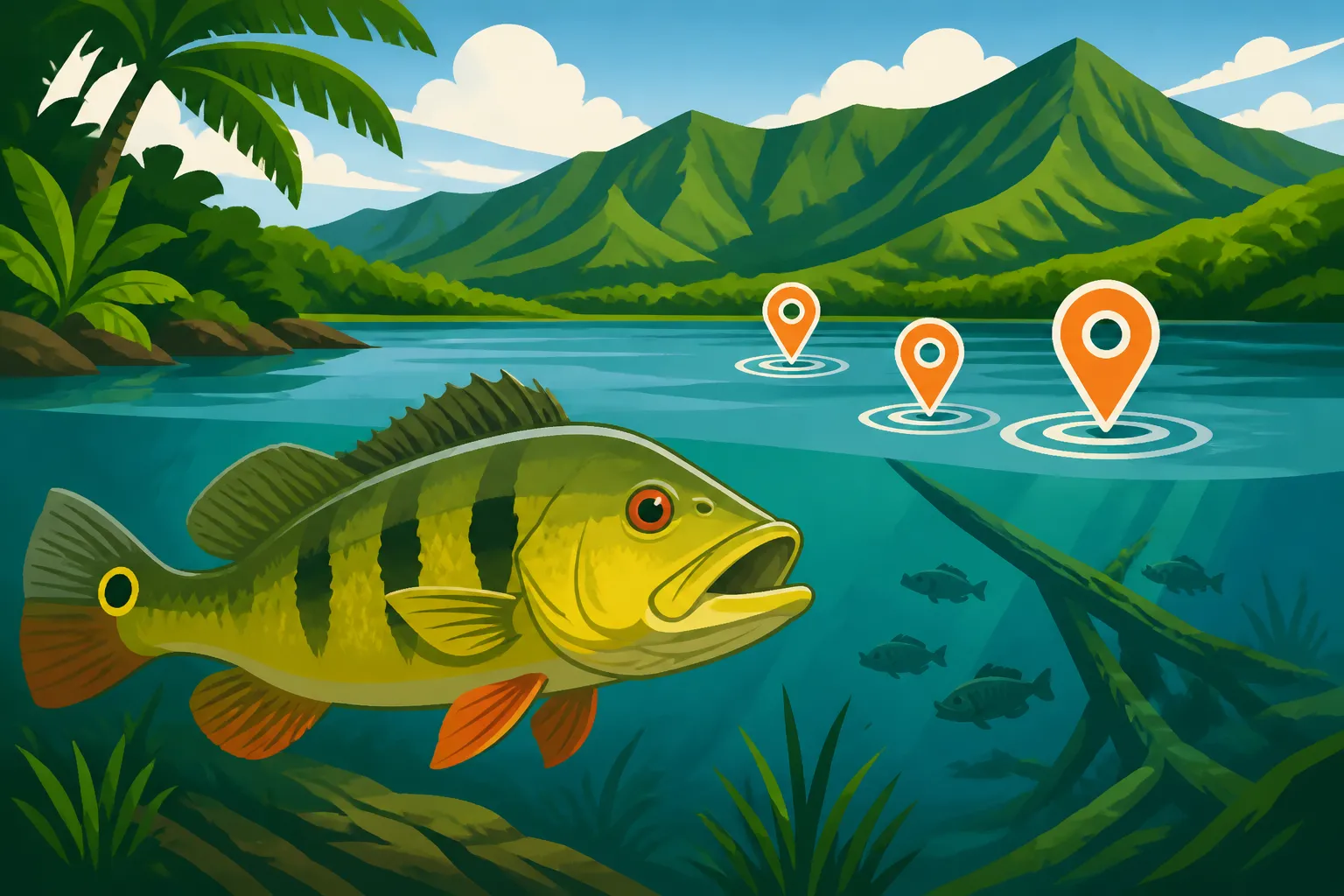
Trying to pinpoint the absolute best spots for peacock bass on an unfamiliar body of water can feel like searching for a needle in a haystack, especially when you hear whispers of legendary fish but don't know where to start. It's frustrating to spend hours casting without a single bite when you know these feisty, colorful fish are lurking. This guide is dedicated to cutting through that guesswork, revealing the prime peacock bass hotspots within Wahiawa Reservoir so you can spend less time searching and more time reeling in those stunning catches.
Understanding Wahiawa Reservoir's Unique Ecosystem for Peacock Bass
Wahiawa Reservoir, often affectionately called Lake Wilson by locals, isn't just any old lake; it's a vibrant freshwater ecosystem on Oahu that happens to be one of Hawaii's premier spots for peacock bass. These aren't native fish, of course, but their introduction decades ago created a fantastic recreational fishery that's truly unique in the islands. To successfully target them, you really need to get a handle on the environment they thrive in.
A Brief History of Peacock Bass in Hawaii
The story of peacock bass in Hawaii is a fascinating one, rooted in efforts to control invasive tilapia populations and create new sportfishing opportunities. These colorful cichlids, native to the Amazon basin, were first introduced to Wahiawa Reservoir in the early 1960s. The idea was that they would prey on the abundant tilapia, which were outcompeting native fish and impacting water quality. And it worked! The peacock bass found the warm, nutrient-rich waters of Wahiawa to be a perfect home, with plenty of baitfish to sustain them. Over the decades, they've established a robust, self-sustaining population, growing to impressive sizes that draw anglers from all over. They've become so synonymous with Wahiawa that many anglers specifically visit the reservoir just for a chance at these hard-fighting beauties.
This history means that Wahiawa's peacock bass are well-adapted to the reservoir's conditions. They've learned the lay of the land, so to speak, and understanding their preferred habitats—where they ambush prey, where they seek cover, and where they spawn—is key to consistent success. It’s not just about finding any fish; it’s about finding the right fish in the right spots.
Reading the Reservoir: Structure and Habitat
Peacock bass are ambush predators, meaning they love to hide and dart out to strike unsuspecting baitfish. This makes understanding the reservoir's structure absolutely critical. Wahiawa Reservoir is full of potential ambush points, from gradual depth changes to more dramatic drop-offs, and an abundance of submerged vegetation.
You'll find that the reservoir offers a mix of deep main channels and shallower, weed-choked coves. Look for areas with dense lily pads, submerged hydrilla, and cattail reeds along the shoreline. These provide excellent cover for both the bass and their prey. Don't overlook submerged timber—fallen trees, stumps, and brush piles are magnets for peacock bass. These structures offer shade, protection from predators, and prime real estate for ambushing smaller fish. Additionally, rocky points and ledges create current breaks and deeper pockets that can hold bigger fish, especially during warmer parts of the day. Paying attention to these subtle changes in the bottom contour and visible cover can make all the difference, helping you decide where to cast your line when you're out there looking for that trophy catch.
Top Peacock Bass Hotspots on Wahiawa Reservoir
Alright, let's get down to the nitty-gritty: where exactly should you be casting your line for these feisty fighters? Wahiawa Reservoir is a large body of water, but certain areas consistently produce excellent peacock bass action due to their ideal habitat.
The Northern Arm and Upper Reaches
If you're looking for consistent action, particularly with smaller to mid-sized peacock bass, the northern arm and the upper reaches of Wahiawa Reservoir are fantastic starting points. This area is characterized by shallower water, extensive lily pad fields, and numerous small coves and creek mouths where feeder streams enter the reservoir. These incoming waters often carry nutrients and baitfish, creating a buffet for the bass.
Anglers often have great success by working the edges of the lily pads with topwater lures in the early morning or late afternoon. Think poppers and prop baits that create a commotion on the surface, mimicking a struggling baitfish. As the sun climbs higher, switch to weedless jigs or soft plastics Texas-rigged and pitched into the thicker cover. The bass here love to hide deep within the pads, waiting for an easy meal. This area is also popular for its relative ease of access for kayaks and smaller boats, allowing you to quietly maneuver into prime casting positions without spooking the fish. Many experienced anglers, even those who book through services like FishingBooker, will tell you these shallower areas are great for getting bites.
Mid-Reservoir Points and Submerged Islands
For those targeting larger, more elusive peacock bass, the mid-reservoir area, with its distinct points and submerged islands, is often the place to be. These structures break up the vast open water, creating current seams, deeper drop-offs, and congregation points for baitfish, which in turn attract bigger predators. Imagine a long point extending out into the reservoir; as the water flows past it, it creates eddies where baitfish can rest, making it a prime ambush spot for a hungry peacock bass.
These areas are best fished with reaction baits like crankbaits or jerkbaits that can cover water quickly and entice a strike from an aggressive fish. When you locate a submerged island or hump, consider vertically jigging or slow-rolling a spinnerbait over the top and along its sides. The bigger bass tend to hold in slightly deeper water during the day, moving shallower onto these structures during feeding windows. It often requires a boat or kayak to effectively access and work these spots, allowing you to fish all sides of the structure. Many fishing reports you'll find, including those aggregated on platforms like FishingBooker, highlight these mid-lake structures as hotspots for trophy-sized fish.
The Dam Wall and Lower Sections
The area around the dam wall and the lower sections of Wahiawa Reservoir offers a different kind of challenge and reward. This part of the reservoir generally features deeper water, steeper banks, and rocky outcrops, particularly near the dam itself. The deeper water provides refuge for larger fish, especially when surface temperatures are high, and the rocky structure offers excellent cover.
Here, a slightly different approach might be needed. Deep-diving crankbaits that mimic baitfish or heavy jigs bounced along the bottom can be incredibly effective. Pay close attention to any current near the dam's outflow, as this can concentrate baitfish and, consequently, peacock bass. The rocky ledges and crevices provide perfect hiding spots for these predators. While shoreline access can be a bit more challenging in some of these steeper areas, a boat allows you to meticulously work the entire face of the dam and surrounding rocky structures. If you're looking for that one big, brute of a fish, this deeper, more structured environment can often deliver. It’s also worth noting that understanding the Hawaii Wahiawa Reservoir Fishing Rules is particularly important here, as some areas might have specific restrictions.
Essential Techniques and Gear for Wahiawa Peacock Bass
Catching peacock bass in Wahiawa Reservoir is incredibly rewarding, but it often requires a specific approach to tackle, lures, and presentation. These fish are aggressive, but they can also be finicky, especially the larger ones.
Lures, Baits, and Presentation
When it comes to lures for Wahiawa peacock bass, variety is key. They respond well to a range of presentations, but there are definitely some standouts.
- Topwater Lures: Think noisy poppers, prop baits, and walk-the-dog style lures. These are deadly during low-light conditions (dawn, dusk, cloudy days) and around heavy cover like lily pads and submerged grass. A violent, erratic retrieve that mimics a struggling baitfish on the surface often triggers explosive strikes. Popular colors include chartreuse, white, and baitfish patterns.
- Jerkbaits and Crankbaits: For suspended fish or those holding slightly deeper around points and drop-offs, jerkbaits and medium to deep-diving crankbaits are excellent. Hard jerkbaits with a stop-and-go retrieve can be irresistible, while crankbaits worked consistently through the water column provoke reaction strikes. Natural baitfish colors work well, as do bright patterns like firetiger.
- Soft Plastics and Jigs: When the bite is tough, or fish are tucked deep in cover, weedless-rigged soft plastic worms, creature baits, or jigs with trailers can be incredibly effective. Pitching these into dense vegetation or around submerged timber allows for a more subtle, slower presentation. Colors like green pumpkin, junebug, or black and blue are often productive.
- Spinnerbaits: These are fantastic for covering a lot of water and can be highly effective when retrieved around submerged structures and weed lines. The flash and vibration can draw fish out of cover.
- Live Bait: While artificial lures are popular, live bait, especially tilapia or smaller bluegill (where legal and available), can be absolutely deadly for trophy peacock bass. This often involves fishing them under a float or free-lining them near prime ambush points.
Your presentation should often be aggressive. Peacock bass are known for their ferocious strikes. Don't be afraid to impart a lot of action into your lures, but also be prepared to slow it down if conditions dictate.
Best Times and Conditions
Timing your fishing trip to Wahiawa Reservoir can significantly impact your success. Peacock bass, like many freshwater predators, are highly sensitive to environmental factors.
- Time of Day: Early morning (pre-dawn to a couple of hours after sunrise) and late afternoon (a couple of hours before sunset until dark) are prime feeding windows. During these times, the water temperature is cooler, and baitfish are often more active, bringing the peacock bass out of deeper cover to feed in shallower areas. Mid-day can be productive, especially around deeper structures or during overcast conditions, but the bite often slows down.
- Seasonality: While Hawaii's climate is relatively consistent, peacock bass activity can peak during certain seasons. Generally, the warmer months from late spring through fall often see increased activity due to higher water temperatures. However, even in the "cooler" winter months, they can be caught, just sometimes requiring slower presentations in deeper water.
- Weather and Water Clarity: Overcast days can extend the topwater bite and keep fish active longer into the day. Clear water often means fish are more wary, requiring longer casts and more subtle presentations. Stained or slightly murky water can sometimes be beneficial, as it reduces visibility and allows you to get closer to the fish. After heavy rains, the influx of freshwater can sometimes trigger a bite, but also make the water very muddy, which can be challenging.
Kayaks, Boats, and Shoreline Access
Accessing the best peacock bass spots on Wahiawa Reservoir can vary depending on your chosen method of transport.
- Shoreline Access: There are several accessible shoreline areas around Wahiawa Reservoir, particularly on the northern and eastern sides. These spots are great for anglers without boats, allowing you to cast from points, small beaches, and open banks. You can often reach the edges of lily pad fields or cast along rocky banks. However, much of the reservoir's prime cover and deeper structure is out of casting range from shore.
- Kayaks and Paddleboards: These are incredibly popular for Wahiawa due to their stealth and ability to navigate shallow, weed-choked areas. A kayak allows you to quietly slip into those lily pad fields and work the edges of submerged timber that larger boats can't reach. It’s also a fantastic way to access those mid-reservoir points and submerged islands with precision. Many anglers prefer this method for a more intimate fishing experience.
- Motorized Boats: Larger motorized boats provide the advantage of speed and the ability to cover vast amounts of water, quickly moving between distant hotspots like the dam wall and the northern arm. They also typically have fish finders, which are invaluable for locating submerged structures and bait schools. There are public boat launches available, but be aware of any specific Hawaii boating laws for anglers or horsepower restrictions on the reservoir. No matter how you access the water, having the right gear and knowledge, perhaps even gained from a guide found on FishingBooker, will set you up for success.
Navigating Regulations and Responsible Angling
Before you even think about casting a line for peacock bass on Wahiawa Reservoir, it's absolutely crucial to understand the rules and regulations in place. Hawaii's freshwater fisheries are managed by the Department of Land and Natural Resources (DLNR), Division of Aquatic Resources (DAR), and they have specific guidelines to ensure the sustainability of these unique ecosystems. Ignoring these rules can lead to hefty fines and damage the very fishery you enjoy.
Wahiawa Reservoir Specific Rules
Wahiawa Reservoir, being such a popular and well-managed fishery, has its own set of specific regulations that go beyond the general statewide rules. First and foremost, you absolutely need a valid freshwater fishing license. This isn't an option; it's a requirement. You can find all the details on how to acquire one, including information on the Hawaii Freshwater Fishing License and Rules and even Hawaii freshwater license cost for residents or Hawaii freshwater license cost for nonresidents. Make sure to check if you fall under any age exemptions, as detailed in Hawaii fishing license age requirements, or if you're a tourist looking for a short-term option, consider the Hawaii 30-day tourist freshwater license cost.
Beyond licensing, there are usually specific bag and size limits for peacock bass, as well as other species found in the reservoir. These limits are designed to prevent overfishing and maintain healthy fish populations. For example, there might be a daily creel limit on how many peacock bass you can keep, and minimum or maximum size restrictions. It's vital to consult the latest regulations from the Hawaii DLNR, which can often be found in a Hawaii DLNR fishing regulations PDF. Always be aware of any seasonal closures or specific rules regarding certain types of bait or tackle that might apply only to Wahiawa. These details are regularly updated, so a quick check before each season is always a good idea.
Conservation and Catch & Release
While Wahiawa Reservoir is a vibrant fishery, responsible angling practices are paramount to keeping it that way for future generations. Peacock bass are a non-native species, but they play an important role in the reservoir's ecosystem and are highly valued by anglers.
Practicing catch and release, especially for the larger, breeding-size fish, is strongly encouraged. These bigger fish are the backbone of the fishery, contributing significantly to future populations. When you decide to release a fish, handle it with care. Minimize its time out of the water, use wet hands when handling to protect its slime coat, and revive it gently before letting it go. If you plan on keeping fish for dinner, only keep what you're legally allowed and what you'll actually consume. Over-harvesting, even within legal limits, can impact local populations.
Furthermore, always make sure you're properly disposing of trash, fishing line, and any other waste. Pack out everything you pack in. Leaving behind tangled lines or plastic can harm wildlife and degrade the beauty of the reservoir. Respecting the environment and the fish means we'll all get to enjoy this amazing resource for years to come. Remember, some waters like Hawaii Catch and Release Only Freshwater Waters have even stricter rules, though Wahiawa typically allows harvest within limits.
| Reservoir Section | Primary Lure Types | Recommended Techniques | Target Fish Size | Best Access Method |
|---|---|---|---|---|
| Northern Arm/Upper Reaches | Topwater (poppers, prop baits), Weedless Jigs, Soft Plastics | Working lily pad edges, pitching into thick cover, slow retrieves | Smaller to Mid-sized | Kayak, Canoe, Shoreline |
| Mid-Reservoir Points/Islands | Jerkbaits, Crankbaits, Spinnerbaits, Heavy Jigs | Covering water quickly, vertical jigging, slow-rolling over structure | Mid-sized to Larger | Boat, Kayak |
| Dam Wall/Lower Sections | Deep-diving Crankbaits, Heavy Jigs, Live Bait | Bouncing off bottom, working rocky ledges, targeting deeper water | Larger, Trophy-sized | Boat, Limited Shoreline |
Disclaimer
Please note that fishing regulations and conditions in Hawaii can change. Always consult the latest official Hawaii Department of Land and Natural Resources (DLNR) Division of Aquatic Resources (DAR) rules and advisories before heading out. This guide is for informational purposes only and should not replace official sources.