Best fishing spots open to shore-based spearfishing
The thrill of spearfishing from shore in Hawaii is something truly special – a deep connection to the ocean, the hunt, and the incredible bounty of the reef. But let's be real, figuring out where you can actually go without breaking a rule or risking your safety can feel like navigating a maze, especially with all the diverse regulations. This guide is here to untangle that, walking you through not just the general types of spots that are open to shore-based spearfishing, but also how to identify them, and what critical regulations you need to know to ensure a legal and responsible harvest.
Understanding Hawaii's Spearfishing Regulatory Landscape
Before you even think about putting on your mask and fins, the absolute first thing you need to understand is Hawaii's complex and often island-specific fishing regulations. Spearfishing, while a traditional and respected practice, is subject to strict rules designed to protect marine life and ensure sustainable fishing for future generations. Ignoring these rules isn't just a slap on the wrist; it can lead to hefty fines and confiscation of your gear. It's a huge frustration for many, as the regulations can sometimes feel like they change with the tide, but understanding them is paramount.
Marine Life Conservation Districts and Restricted Areas
One of the biggest hurdles for shore-based spearfishing is the presence of Marine Life Conservation Districts (MLCDs) and other restricted zones. These are designated areas where marine life is protected, and fishing activities, including spearfishing, are either severely restricted or entirely prohibited. For example, popular snorkeling spots like Hanauma Bay on Oahu are strict MLCDs where no fishing of any kind is allowed. It’s not always obvious where these boundaries lie from the shoreline, which can be incredibly confusing and stressful for anglers trying to do the right thing. Always consult the Department of Land and Natural Resources (DLNR) Division of Aquatic Resources (DAR) maps and guidelines, as these boundaries are clearly marked there. You can learn more about Hawaii Marine Life Conservation Districts, Explained in a dedicated guide.
Beyond MLCDs, there are also Fish Replenishment Areas (FRAs) and other special management zones, particularly around the main Hawaiian Islands. For instance, the West Hawaii Fish Replenishment Areas have specific rules that impact spearfishing, primarily focusing on protecting herbivorous reef fish. While some of these areas might allow certain types of fishing, spearfishing often has different guidelines. It's crucial to differentiate between general fishing rules and those specifically pertaining to spearfishing gear and methods. Many traditional fishing practices are valued, but modern spearfishing must still adhere to current conservation efforts. Familiarizing yourself with these zones is a non-negotiable step before heading out, and failing to do so could lead to a very unpleasant encounter with enforcement officers.
Species-Specific Regulations and Bag Limits
Beyond where you can spearfish, you also need to know what you can legally take and in what quantities. Hawaii has strict size and bag limits for many common reef species. This isn't just about protecting endangered fish; it's about ensuring that popular food fish have a chance to reproduce and replenish their populations. For example, certain parrotfish species (uhu) have specific Hawaii Uhu Parrotfish Size and Bag Limits you must adhere to. The same goes for prized species like moi, or even the juvenile trevally known as papio, which have different rules than their adult ulua counterparts. You can explore Hawaii Papio and Ulua Size Rules to understand these distinctions.
Some species may also have closed seasons, meaning you cannot target or harvest them at all during specific times of the year, usually during their spawning periods. Knowing these details for every fish you might encounter can be overwhelming, but it's part of being a responsible spearfisher. Always carry a reference guide, either digitally on your phone (if waterproof and accessible) or a laminated printout, to ensure you're compliant. This might include a list of common reef fish you're likely to encounter, their legal sizes, and daily bag limits. Remember, ignorance of the law is no excuse, and wardens are diligent in their patrols.
Identifying Promising Shore Spearfishing Locations
Once you’re clear on the regulations, the next step is finding a spot that’s both accessible and productive. Not all shorelines are created equal when it comes to spearfishing. The best spots combine relatively safe entry and exit points with healthy reef ecosystems that attract target species. It’s not just about clear water; it’s about the underlying structure and the presence of baitfish that draw in the bigger, more desirable fish. Many anglers find themselves scouting locations for hours, looking for those tell-tale signs of a good spot.
Characteristics of Ideal Spearfishing Terrain
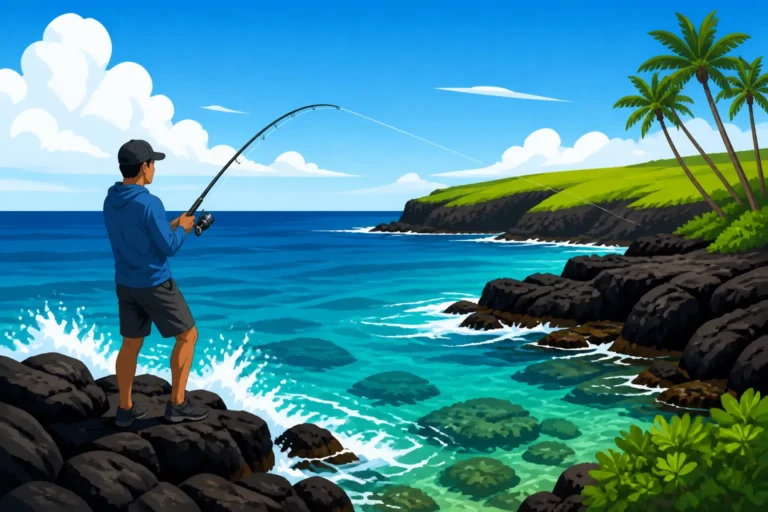
When you're looking for a good shore spearfishing spot, you're essentially looking for healthy underwater real estate. Rocky points, lava rock formations, and fringing reefs extending out from the shore are usually prime candidates. These structures provide shelter for fish, abundant food sources, and complex environments where fish can hide from predators and, well, spearfishermen. Areas with a mix of shallow reef flats transitioning into deeper drop-offs are particularly productive, as many species move between these zones depending on tides and time of day. You'll often find these types of areas listed among the Best Reef Fishing Spots in Hawaii.
Clear water is, of course, a huge advantage for visibility, but don't discount areas that might be slightly turbid due to surge or runoff, as these can sometimes concentrate baitfish and provide cover for larger predators. What you want to avoid are purely sandy beaches with no structure, or areas with heavy human traffic (swimmers, surfers, kayakers) where safety becomes a major concern. Look for natural channels or breaks in the reef that allow for easier access to deeper water without having to navigate a treacherous, shallow reef flat in strong surge. These entry points are critical for safety and efficiency.
Accessibility and Safety Considerations
Shore-based spearfishing often means navigating uneven terrain, slick rocks, and potentially rough ocean conditions. Accessibility is key. Can you get to the water safely with your gear? Are there relatively calm entry and exit points, especially if there's a swell? Many of the Best Rocky Point Fishing Spots in Hawaii are excellent for spearfishing, but they often require careful footwork to reach. Always scout a new spot at low tide if possible, to get a clear picture of the bottom structure and potential hazards.
Safety is paramount. Never spearfish alone. The buddy system is not just a good idea; it's a critical safety measure, especially when freediving. Be aware of currents, surge, and changes in weather. A calm morning can quickly turn into a treacherous afternoon with a sudden shift in swell. Visibility can also change rapidly due to runoff or algal blooms. Always inform someone on shore of your plans, including your exact location and estimated return time. Consider carrying a dive flag to alert boaters to your presence, even if it's not legally required in all shore areas, it's a smart practice. Remember that other ocean users like surfers and swimmers have priority in designated areas, so choosing less populated spots is always best for safety and to avoid conflicts.
Top Shore Spearfishing Spots by Island
While I can't provide an exhaustive, minute-by-minute list of every legal spot (regulations are dynamic, and local knowledge is always king!), I can point you towards general areas known for shore-based spearfishing across the main Hawaiian Islands. Remember to cross-reference with current DLNR maps and local advisories before heading out.
Oahu's Diverse Shoreline Opportunities
Oahu, being the most populated island, has a mix of accessible and restricted areas. On the West side, areas around Kaena Point (outside of the natural area reserve) can offer excellent opportunities, particularly on days with calmer conditions. The rugged coastline here provides abundant reef structure, though access can be challenging. On the East (Windward) side, Makapu'u and rocky sections of the coastline leading up towards Waimanalo offer good potential, again, always checking for specific local restrictions. You might also find opportunities in less developed areas along the North Shore outside of major surf breaks, especially during the calmer summer months. However, the North Shore is famous for its waves, so exercise extreme caution.
For those looking to target invasive species, some areas around harbor entrances or less pristine reefs can be productive, allowing you to contribute to conservation efforts while enjoying your passion. Many local spearfishermen frequent these spots, but their exact locations are often closely guarded secrets. For general fishing information, services like FishingBooker can offer insights into what local guides might know, though shore spearfishing is typically a DIY endeavor.
Big Island's Untamed Volcanic Coasts
The Big Island, particularly the Kona Coast, is renowned for its deep drop-offs and clear waters, making it a fantastic spearfishing destination. While much of the prime fishing is offshore, there are numerous shore-based opportunities. The rocky coastline south of Kailua-Kona, stretching towards South Point (Ka Lae), offers incredible spearfishing grounds. Here, lava tubes and coral formations create ideal habitats. Be mindful of strong currents around South Point, as they can be incredibly powerful.
Areas along the Hamakua Coast on the Hilo side also offer potential, though the waters can be rougher and less clear due to runoff. Access points can be sparse, often requiring hikes over lava fields. It's truly a place for the adventurous spearfisher. Always check Hawaii Fish Replenishment Areas in West Hawaii as some specific rules might apply to the Kona region. The key here is exploring beyond the popular beaches and looking for those rugged, less-trafficked stretches of coastline that offer good structural habitat.
Maui and Kauai: Reefs and Rocky Inlets
Maui offers fantastic shore spearfishing, particularly along the South and West Maui coastlines. La Perouse Bay in South Maui, while popular, has extensive rocky shoreline and healthy reefs that can be productive. Similar to the Big Island, lava flows here create interesting underwater topography. West Maui, outside of the main resort areas, also holds potential, particularly in calmer conditions. Always be aware of designated snorkeling and swimming areas, and respect the local community.
Kauai, the "Garden Isle," has pristine reefs and lush shorelines. Areas around Poipu on the South Shore, with its numerous reef systems, can be good for spearfishing, especially where there are rocky points extending into deeper water. The North Shore, around Hanalei Bay, also offers opportunities in its rocky fringes during the calmer summer months, but like Oahu's North Shore, big winter swells make it a no-go for shore spearfishing. The remote nature of much of Kauai's coastline means that some of the best spots require a bit of a trek to reach, but the reward can be well worth the effort.
Here's a quick overview of typical shore spearfishing characteristics:
| Island | General Area Type | Common Target Species | Typical Water Clarity | Accessibility Challenge |
|---|---|---|---|---|
| Oahu | Rocky points, less-developed coastlines, reef fringes | Uhu, Taape, Roi, Papio | Moderate to Good | Navigating urban sprawl, limited parking, crowded areas |
| Big Island | Lava flows, deep drop-offs near shore, rocky points | Uhu, Kumu, Taape, Roi, Papio, Ulua | Excellent (Kona) | Long hikes over lava, strong currents (South Point) |
| Maui | Lava rock formations, extensive reef systems | Uhu, Kumu, Weke, Papio | Good | Balancing tourist activity with remote spots |
| Kauai | Remote rocky shorelines, fringing reefs | Uhu, Papio, Weke, Taape | Excellent | Long hikes, rough terrain, seasonal swell concerns |
Essential Gear and Safety for Shore Spearfishing
Spearfishing, whether from shore or boat, requires specialized equipment and a rigorous commitment to safety. It's not a sport where you can cut corners on gear or preparedness. A small oversight can have serious consequences in the ocean environment. Getting your gear right from the start means you can focus on the hunt and, more importantly, your safety.
Recommended Spearfishing Equipment
Your gear list should prioritize functionality, durability, and safety. A good quality freediving mask that fits well is essential for clear vision, along with a comfortable snorkel. Fins appropriate for freediving (longer and stiffer than snorkeling fins) will maximize your propulsion and conserve energy. A wetsuit is crucial not just for warmth, but also for protection against abrasions from rocks and coral, and incidental stings. Even in Hawaii's warm waters, a thin 1.5-3mm suit can make a huge difference in comfort and dive time.
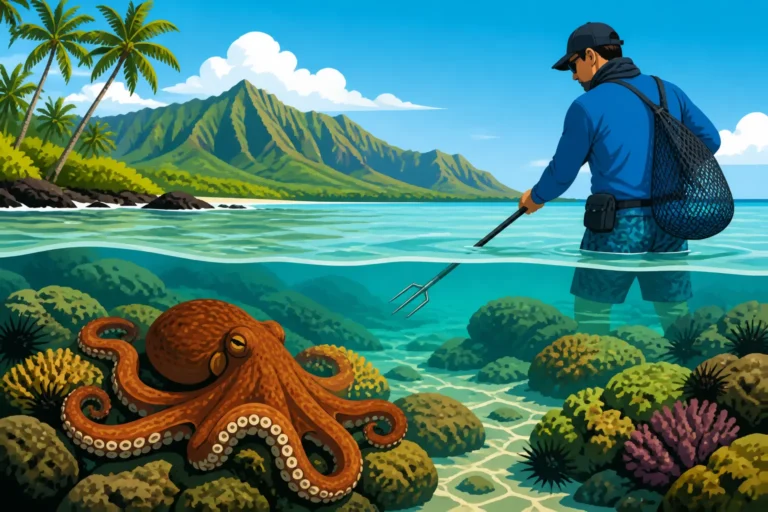
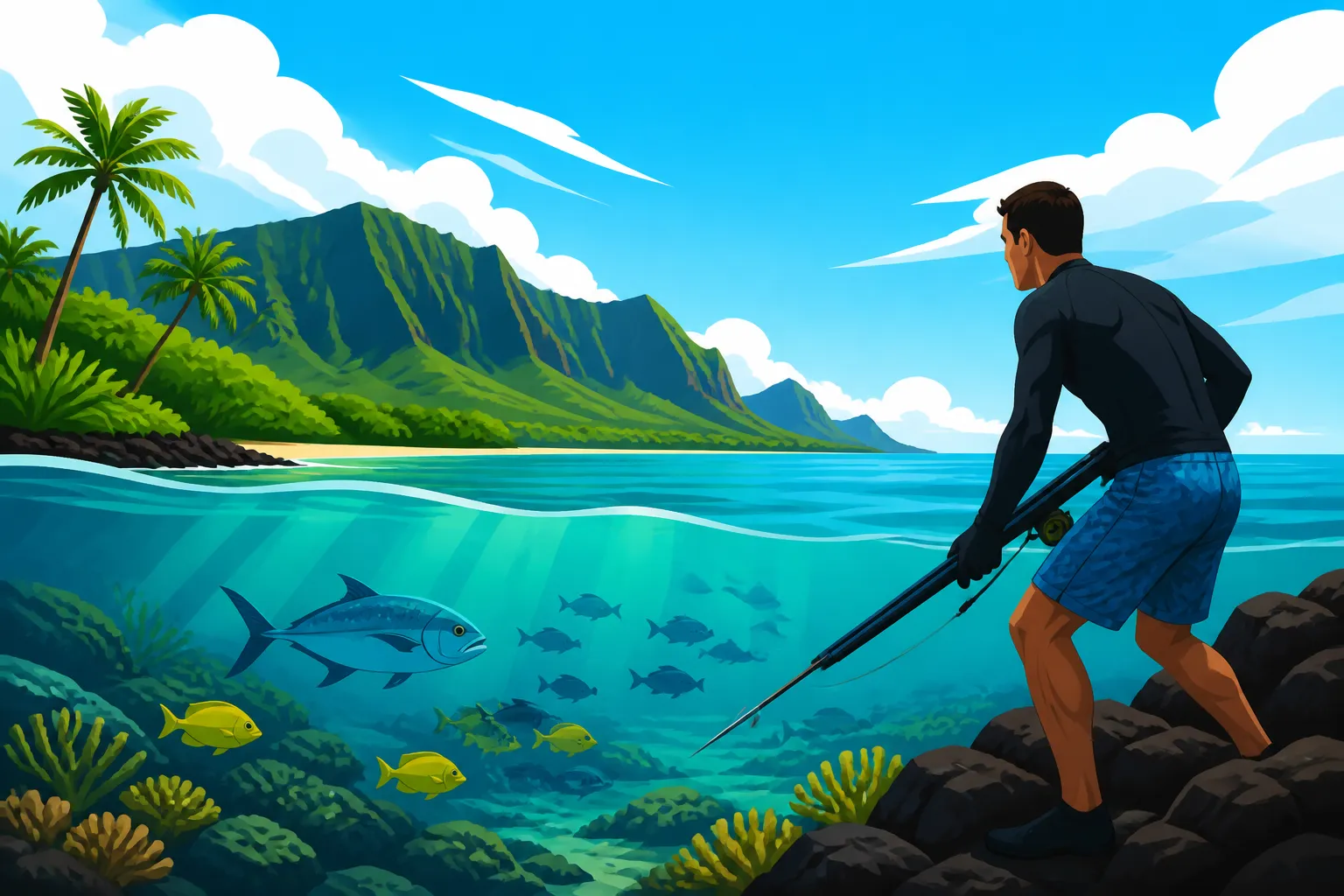
Of course, the spear itself is central. For shore spearfishing in Hawaii, a pole spear is often the preferred choice due to its simplicity, ease of use, and reduced risk compared to a speargun in shallower, more congested areas. Look for a pole spear with a paralyzer tip or a slip-tip for larger fish. A sharp dive knife or cutting tool should always be carried on your body for safety, especially if you get entangled. A float or dive buoy with a dive flag is also highly recommended, not just as a safety marker but also for carrying your catch and providing a resting point. Don't forget a sturdy mesh bag to carry your harvested fish. While you're preparing your gear, consider checking out resources on Hawaii Spearfishing Regulations to make sure your equipment meets legal standards.
Crucial Safety Practices for Shore Anglers
Beyond the buddy system and notifying someone on shore, there are several other critical safety practices. Always assess ocean conditions before entering the water. If the surf is too big, the current too strong, or the visibility too poor, it's simply not worth the risk. "When in doubt, don't go out" is a mantra for a reason. Understand that Hawaii's ocean waters get too rough to shore fish quite frequently during certain seasons.
Practice proper freediving techniques. Never push your limits, and always adhere to shallow water blackout prevention protocols. That means never hyperventilating excessively and always having your buddy watch you from the surface. Be mindful of marine life; while sharks are always a concern in the ocean, most encounters are benign. Avoid spearfishing near areas where sharks are known to aggregate, or if there's excessive chum in the water. Respect local wildlife, including protected species like Hawaiian monk seals and green sea turtles; keep a safe distance and never harass them. Finally, be aware of your surroundings both in the water and on shore. Some areas might have cultural significance or private property restrictions, so always be respectful of the land and its people. Understanding the rules, from Hawaii Boating Laws for Anglers to basic shoreline access, is part of being a good ocean user.
Disclaimer
Please note that fishing regulations in Hawaii are subject to change. It is your responsibility to verify all current rules and regulations with the Hawaii Department of Land and Natural Resources (DLNR) Division of Aquatic Resources (DAR) before engaging in any fishing activity. This guide provides general information and should not be considered legal advice. Always prioritize safety and respect for the marine environment.