Best pond fishing near Waipahu Oahu
Oh, the quest for a good fishing pond near Waipahu, Oahu! It's a common struggle, isn't it? Many folks arrive on the island, or even live here for years, dreaming of casting a line into serene freshwater, only to find the options aren't as abundant as the shimmering blue ocean. You might be envisioning a peaceful afternoon reeling in bass, far from the crashing waves, but figuring out where to go and what to expect can feel like navigating a maze. This guide is here to unravel that mystery, focusing on the prime freshwater spots accessible from the Waipahu area, what fish you might encounter, and how to make the most of your angling adventure.
The Freshwater Fishing Scene Near Waipahu, Oahu
Let's be real, when most people think of Hawaii fishing, they picture deep-sea charters chasing marlin or shore casting for ulua against a stunning ocean backdrop. And while that's absolutely a huge part of the local fishing culture, there’s a surprisingly vibrant, albeit more niche, freshwater scene here on Oahu. The challenge for those looking to fish ponds near Waipahu isn't a lack of desire, but often a lack of clear information about where to go and what to expect.
Why Freshwater Fishing on Oahu is Unique
Unlike many mainland states with countless lakes, rivers, and streams teeming with a variety of trout, bass, and panfish, Hawaii's natural freshwater ecosystems are quite different. Our streams are often short, steep, and prone to flash floods, making them less hospitable for large, stable fish populations. This is why our freshwater fishing primarily revolves around a handful of man-made reservoirs. These aren't your typical placid farm ponds; they are often vast, deep bodies of water that hold a unique mix of introduced species.
The beauty of freshwater fishing on Oahu, especially when you're seeking a quiet spot away from the surf, lies in this distinction. You’re not just going fishing; you're stepping into a completely different ecological niche within the islands. It’s a chance to connect with a different side of Hawaii, one that fewer visitors, and sometimes even locals, truly explore. You won't find native trout in these waters – that's a whole different story up in places like Kokee on Kauai – but what you will find are feisty, hard-fighting sportfish that provide a fantastic day on the water.
The Allure of Ponds and Reservoirs for Local Anglers
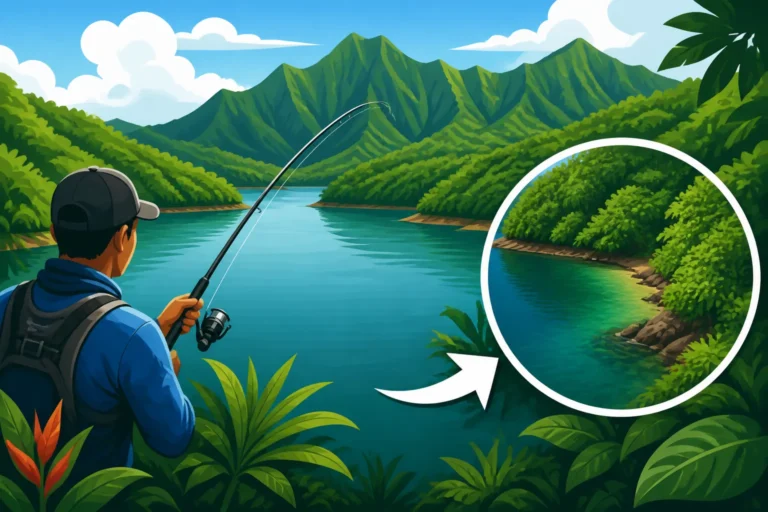
For those residing in or visiting the Waipahu area, the appeal of freshwater ponds and reservoirs is undeniable. Maybe you're looking for a change of pace from ocean fishing, or perhaps you're introducing a keiki (child) to the joys of fishing where the conditions might be a bit calmer. These spots offer a serene environment, often nestled inland amidst lush green landscapes, a stark contrast to the often-crowded beaches and harbors.
The primary draw for many is the opportunity to target species like peacock bass, largemouth bass, and tilapia, which provide excellent sport on lighter tackle. It’s a completely different rhythm than battling a tuna offshore. You're often surrounded by fewer people, the pace is slower, and there's a unique satisfaction in deciphering the patterns of fish in a contained, yet expansive, environment. Plus, for many, it’s simply easier to pack up a spinning rod and a small tackle box for a quick trip to a pond than to arrange a full-blown offshore excursion.
Wahiawa Reservoir Lake Wilson The Main Event
When we talk about pond fishing anywhere near Waipahu, or frankly, anywhere on Oahu, the conversation inevitably turns to Wahiawa Reservoir, more affectionately known as Lake Wilson. This is, without a doubt, the undisputed champion of freshwater angling on the island. It’s located in the central plains of Oahu, a manageable drive from Waipahu, and it offers the most consistent and diverse freshwater fishing experience you'll find here.
This expansive reservoir, created in 1906 to support the pineapple industry, has become a thriving habitat for a variety of introduced fish species. It’s a serious fishing destination, not just a casual pond, and it attracts anglers from all corners of the island who are passionate about freshwater sportfishing.
Key Species and What You'll Find Biting
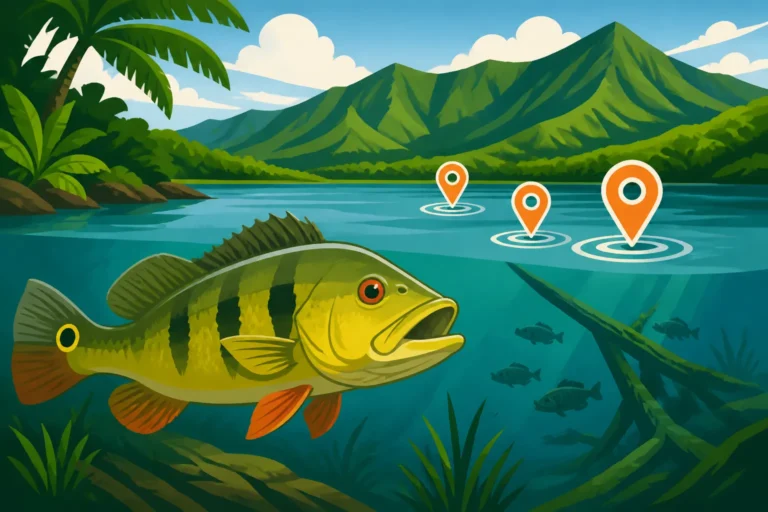
Lake Wilson is renowned for its vibrant population of peacock bass, or tucunaré. These beautiful, aggressive fish are a tropical angler's dream, known for their powerful strikes and acrobatic fights. They're not native to Hawaii, but they've absolutely flourished in Wahiawa's warm waters, making it one of the top destinations globally for targeting these colorful predators. If you're looking for an exciting freshwater challenge, the peacock bass here will definitely deliver.
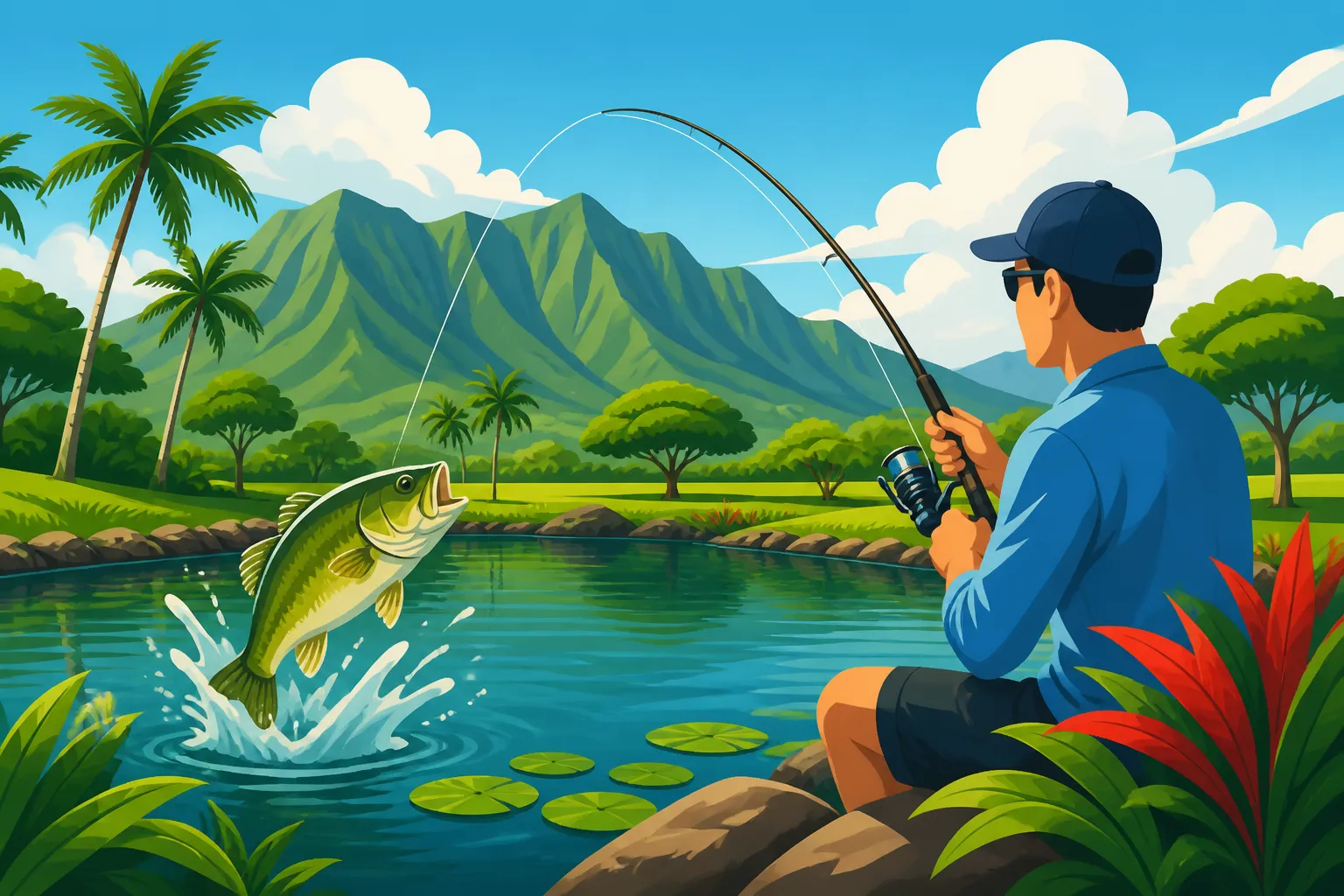
Beyond the peacocks, you'll also find a healthy population of largemouth bass. While perhaps not as flashy as their peacock cousins, largemouth bass are a classic freshwater sportfish, and they grow to respectable sizes in Lake Wilson. Anglers often target them with traditional bass techniques, and they offer a strong, satisfying fight.
Other common species you'll encounter include tilapia, which are incredibly abundant and can be great fun on ultra-light tackle, especially for kids. While often considered a nuisance in some fisheries, they provide constant action here. You might also find channel catfish lurking in the deeper, muddier sections, offering a different kind of challenge for those who enjoy bait fishing. Occasionally, other panfish species might turn up too, adding to the surprise factor of each cast.
| Species | Primary Habitat | Common Techniques | Best Time to Fish | Notes |
|---|---|---|---|---|
| Peacock Bass | Submerged structure, rocky points, weed lines | Topwater lures, crankbaits, jerkbaits, flies | Dawn/Dusk, sunny days | Aggressive fighters, vibrant colors. |
| Largemouth Bass | Cover, drop-offs, shaded areas | Plastic worms, spinnerbaits, jigs | Overcast days, early AM | Classic freshwater sportfish, good fighters. |
| Tilapia | Shallow flats, muddy bottoms, weed edges | Small jigs, live bait (worms), bread | Anytime | Abundant, great for beginners and consistent action. |
| Channel Catfish | Deep channels, muddy bottoms | Bottom rigs with stink bait, cut bait | Night, overcast days | Strong pulling fish, often found in deeper areas. |
Best Access Points and Shoreline Fishing Tips
Accessing Wahiawa Reservoir can sometimes be a little tricky due to private property surrounding much of its shoreline. However, there are established public access points that are well-known and used by local anglers. The most common and accessible area for shore fishing is near the dam and the old bridge off of Highway 80 (Kamehameha Highway). There's usually parking available, and you can find spots to cast from the bank.
Another popular spot is often referred to as "the playground" area, which provides good bank access. For those with kayaks or small boats, there's a launch ramp available, which opens up a huge amount of water. Just be mindful of local rules for launching and ensure your vessel meets all Hawaii Boating Laws for Anglers requirements.
When fishing from shore:
- Look for structure: Docks, fallen trees, rocky outcroppings, and submerged vegetation are all magnets for bass and other fish.
- Target shaded areas: Especially on sunny days, fish will retreat to cooler, darker spots.
- Fan cast: Don't just cast straight out. Work the water in a fan pattern to cover more ground and find where the fish are holding.
- Be patient: Freshwater fishing is often about perseverance. If one spot isn't producing, move down the bank a bit.
- Consider stealth: Unlike ocean fishing where waves provide cover, freshwater often requires a quieter approach. Avoid stomping around on the bank.
Essential Gear and Techniques for Wahiawa
For Wahiawa Reservoir, your gear doesn't need to be overly complicated, but having the right setup will definitely improve your success.
Rods and Reels:
- Medium-light to medium spinning rods (6'6" to 7'0") are versatile enough for both peacock and largemouth bass, and even make tilapia fun. Pair these with 2500-3000 series spinning reels.
- For heavier cover or bigger fish, a medium-heavy baitcasting setup can be beneficial, especially if you're throwing larger lures for peacock bass.
Lines:
- 8-12 lb monofilament or fluorocarbon is a good all-around choice.
- If using braid, which is popular for its sensitivity and strength, consider 15-20 lb braid with a fluorocarbon leader (8-12 lb) for better abrasion resistance and invisibility in clear water.
Lures and Baits:
- Topwater Lures: Poppers, walk-the-dog baits, and prop baits are incredibly effective for peacock bass, especially at dawn and dusk. The explosive strikes are unforgettable!
- Crankbaits and Jerkbaits: Medium-diving crankbaits and suspending jerkbaits in natural colors (perch, shad, tilapia patterns) work wonders for both bass species.
- Soft Plastics: Texas-rigged worms, Senkos, creature baits, and small swimbaits are excellent for largemouth bass, fished around submerged structure.
- Spinnerbaits and Chatterbaits: These can cover a lot of water and are great for eliciting reaction strikes.
- Live Bait: For tilapia and even catfish, small worms (like earthworms or red wrigglers) or chunks of bread can be very effective.
- Flies: For the fly-fishing enthusiast, large streamers mimicking baitfish or poppers can be incredibly exciting for peacock bass.
Many anglers find great success using local services or even checking out platforms like FishingBooker to see what successful guides are using. While you might not book a guide for a casual pond trip, observing the gear they recommend or showcase can provide excellent insights into effective local techniques.
Navigating Regulations and Licenses for Oahu Ponds
Fishing in Hawaii, even in freshwater ponds, isn't a free-for-all. The state's Division of Aquatic Resources (DAR), under the Department of Land and Natural Resources (DLNR), has specific rules in place to manage and protect our aquatic resources. It's crucial to understand these regulations before you cast your first line, as ignorance is rarely an excuse when it comes to fines or penalties. You can find comprehensive details in the Hawaii Fishing License Guide for 2026 or by delving into the broader Hawaii Fishing Regulations Explained.
Understanding Hawaii Freshwater Fishing License Requirements
This is probably the most important piece of information for any freshwater angler on Oahu. Unlike ocean fishing, which has an exemption for most recreational shoreline and non-commercial boat fishing for Hawaii residents, freshwater fishing always requires a license for everyone aged nine and older. Yes, even if you’re just a resident, you need one!
- Residents: Hawaii residents need to purchase a freshwater fishing license annually. You can learn more about the specific Hawaii freshwater license cost for residents and other details.
- Non-Residents: Visitors or non-residents looking to experience pond fishing near Waipahu will also need a license. There are options for daily, weekly, or annual licenses. Check out the Hawaii freshwater license cost for nonresidents for current pricing.
- Age Requirements: The rules specify What age requires a freshwater fishing license in Hawaii. Generally, anyone nine years or older needs one. Always double-check the latest regulations as these can sometimes change.
- How to Get One: Licenses can typically be purchased online through the DLNR website or in person at various authorized vendors across the island. The process is usually straightforward, but it's best to do it ahead of time rather than scrambling last minute.
Getting your license is a small step that ensures you're fishing legally and contributing to the conservation efforts that keep these unique fisheries viable.
Catch and Release Rules and Size Limits
Beyond the license, there are specific regulations concerning what you can catch, how many, and what size. These are designed to maintain healthy fish populations.
- Bag Limits: For species like peacock bass and largemouth bass in Wahiawa Reservoir, there are daily bag limits. For instance, there might be a limit on how many bass you can keep per day. These limits are subject to change, so always consult the most current DLNR regulations.
- Size Limits: Some species may also have minimum or maximum size limits. For example, a particular size range of peacock bass might need to be released to protect spawning stock, while others might be fair game. Knowing these rules ensures you're fishing responsibly.
- Protected Species: While less common in these introduced freshwater systems, always be aware if any protected species are present or if there are specific regulations for handling bycatch.
- Wahiawa Specifics: For a deep dive into the rules for the primary spot, refer to the Wahiawa Reservoir Fishing Guide. This will have the most precise details regarding bag and size limits for its specific fish populations, including Peacock Bass in Wahiawa Reservoir and Largemouth Bass in Hawaii's Reservoirs.
Many anglers practice catch and release for sportfishing species, especially for peacock bass, to ensure the fishery remains robust for future generations. If you plan to keep fish for dinner, make sure you know the regulations specific to each species.
Respecting the Environment and Other Anglers
Fishing in public areas, especially popular spots like Wahiawa Reservoir, comes with a responsibility to the environment and to your fellow anglers.
- Pack it in, Pack it out: This is Hawaii's golden rule. Whatever you bring to the fishing spot, take it back with you. This includes all trash, discarded fishing line, and bait containers.
- Minimize Disturbances: Try not to disrupt other anglers. Maintain a respectful distance, keep noise levels down, and avoid casting into another person's fishing zone.
- Responsible Fish Handling: If you're practicing catch and release, learn proper fish handling techniques to minimize stress and injury to the fish. Use barbless hooks, wet your hands before touching fish, and release them quickly and carefully.
- Follow Park Rules: If you're fishing in a designated park area, be mindful of any additional rules posted, such as hours of operation, parking restrictions, or specific areas where fishing might be prohibited.
Being a good steward of the environment and a respectful member of the fishing community ensures that these precious freshwater resources remain enjoyable for everyone for years to come.
Beyond Wahiawa: Exploring Other Options and Resources
While Wahiawa Reservoir is the undisputed king of pond fishing near Waipahu, it's not the only option, though other public freshwater opportunities on Oahu are significantly fewer. It’s important to understand the landscape beyond this main spot. You might hear whispers of other smaller ponds, but public access and viable fishing might be limited.
Smaller Ponds and Private Waters Considerations
For those living directly in Waipahu, you might occasionally see small ponds or irrigation ditches. However, most of these are on private property, often agricultural lands or residential developments, and are generally not open to public fishing. Trespassing is a serious issue, and it's always best to assume a pond is private unless explicitly stated otherwise.
There are also a few other significant reservoirs on Oahu, like Nuuanu Reservoir. However, these often have very specific and limited access, or stricter regulations that might not be conducive to general recreational fishing without special permits. For example, some may be primarily for water supply and have very restricted entry. Always check with the DLNR for specific access and regulations for any body of water you're considering. It's often easier to plan a trip to a well-known, public spot like Wahiawa.
If you're looking for pond fishing alternatives, but still on Oahu, you might consider investigating the Best pond fishing near Kaneohe Oahu, though again, the main public option will likely be Wahiawa. For a broader view of what Hawaii offers, checking out the Best freshwater fishing spots in Hawaii could give you some ideas, even if they require travel to other islands.
Finding Local Expertise and Community Tips
The best way to get truly hyper-local information about fishing, whether it's the ocean or a pond, is to tap into the local community. Fishermen are often a friendly bunch, and if you approach them with respect and genuine interest, you can glean invaluable tips.
- Local Tackle Shops: These are goldmines of information. Stores like POP Fishing & Marine or Nanko's Fishing Supply (though more focused on saltwater, they often have a pulse on all local fishing) can tell you what's biting, what baits are working, and even point you towards less-known spots or current conditions for Wahiawa.
- Online Forums and Social Media Groups: There are numerous Hawaii fishing groups online. Joining these can connect you with experienced anglers who are often happy to share advice, especially for freshwater spots. Just remember to be polite and avoid asking for exact "secret spots" right away.
- Fishing Charters and Guides (even if freshwater is niche): While freshwater guides are rare on Oahu, if you happen to connect with a general fishing guide (perhaps through a platform like FishingBooker), they might have insights or recommendations for freshwater fishing, even if it's not their primary offering. They can also provide a lot of insight into Hawaii Fishing Seasons by Month or Best Time of Year to Fish in Hawaii which might influence your freshwater success. Even looking at what a charter focuses on (like Best Guided Trips for Beginners in Hawaii) can give you an idea of the types of experiences available.
- DLNR Website: The official source for all regulations, stocking reports (if applicable), and public access information. This should always be your first stop for verifying legality and access.
Don't underestimate the value of a little research and polite conversation. Many local anglers have honed their skills over years at places like Wahiawa Reservoir and are often willing to share their wisdom, especially if it means fostering responsible fishing practices. And remember, trying out Best Bank Fishing Techniques for Freshwater Reservoirs can be a great way to start, even without a boat.
Conclusion: Your Freshwater Adventure Awaits
So, while finding a dedicated "pond" right in Waipahu for fishing might prove challenging due to the island's unique geography and land use, your best bet, by far, for an excellent freshwater fishing experience on Oahu is Wahiawa Reservoir, or Lake Wilson. It's a fantastic fishery, offering the thrill of catching peacock bass and largemouth bass, and it's a manageable drive from the Waipahu area.
Remember to always secure your Hawaii Freshwater Fishing License and Rules beforehand, respect the environment, and be mindful of other anglers. Whether you're a seasoned angler looking for a new challenge or introducing a young one to the magic of fishing, the freshwater scene near Waipahu, centered around Lake Wilson, offers a truly unique and rewarding experience. Tight lines, and enjoy the distinct beauty of Oahu's inland waters!
Disclaimer
Please note that fishing regulations, access points, and fish populations can change. Always consult the most current Hawaii Department of Land and Natural Resources (DLNR) Division of Aquatic Resources (DAR) regulations and advisories before planning your fishing trip. This guide is for informational purposes only and should not be considered a substitute for official government information.