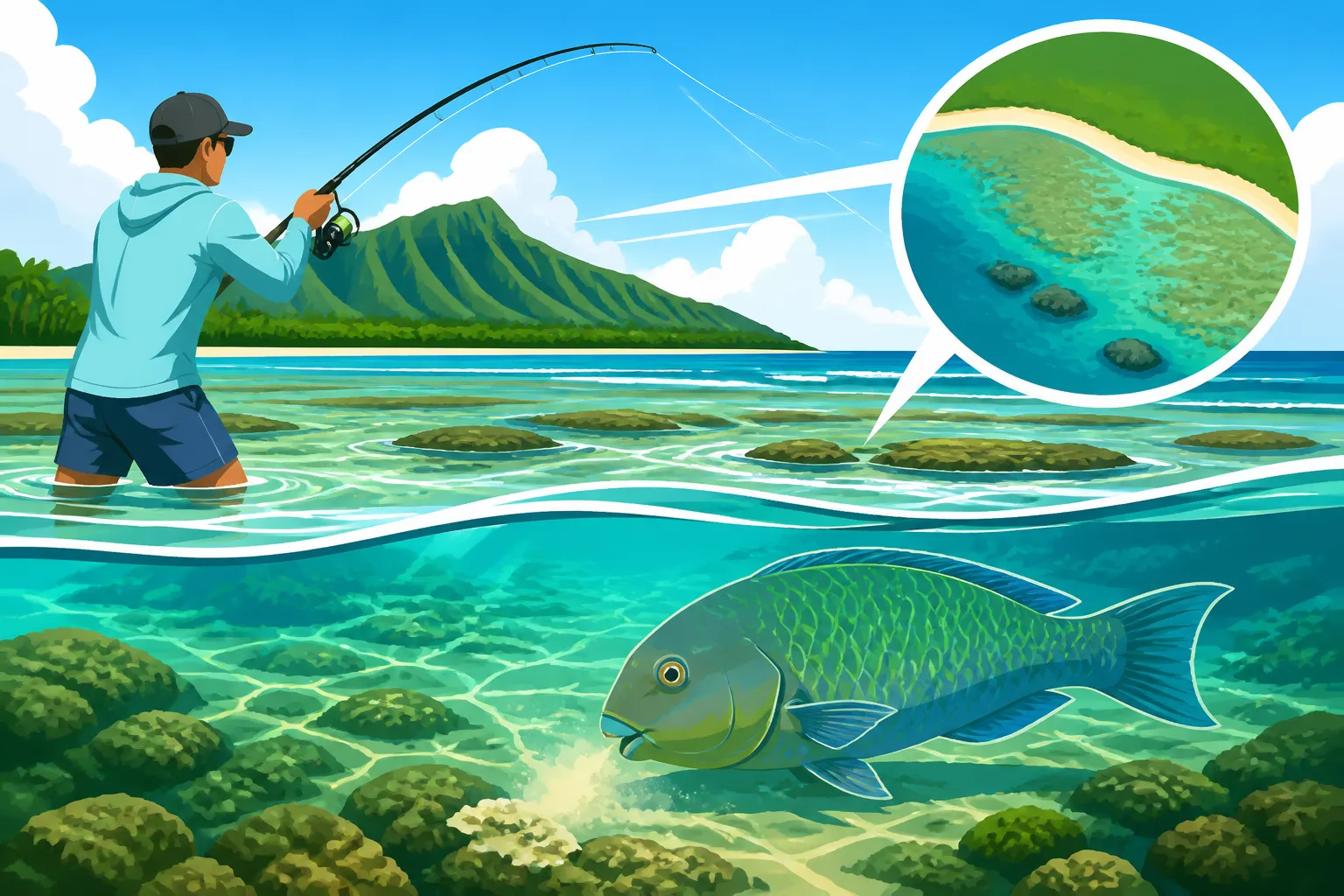
Best fishing spots for kumu on reef flats
It's incredibly frustrating when you're out on Hawaii's beautiful waters, looking for that distinctive "goatfish" pull, only to spend hours without a bite. Finding kumu, the prized goatfish, isn't always about deep-sea adventure; often, the magic happens right on the shallow reef flats. This comprehensive guide is here to unravel the secrets of locating and catching kumu in their prime habitat, making your next fishing trip a success.
Understanding Kumu and Their Reef Flat Habitat
Kumu, also known as goatfish, are a truly special catch here in Hawaii. They're not just beautiful fish with their often vibrant reddish hues and distinctive barbels; they're also absolutely delicious and a highly sought-after species by local anglers and chefs alike. But to consistently find them, you first need to understand their world, particularly the shallow reef flats they call home.
What Makes Kumu So Special for Anglers?
Kumu (Mulloides flavolineatus) are part of the goatfish family, identifiable by the two long, sensitive barbels, or "whiskers," protruding from their chin. These barbels are essentially sensory organs, which they use to probe the sandy and rocky bottom for small crustaceans, worms, and other invertebrates. This bottom-feeding behavior is crucial to understanding how and where to catch them. Unlike some of the flashier pelagic species, kumu fishing is a more subtle, often intimate experience with the reef, requiring patience and a keen eye for subtle signs. They are found across all the main Hawaiian islands and are a staple of both recreational and subsistence fishing. Their firm, flaky, white meat is considered a delicacy, particularly when steamed or fried, making them an incredibly rewarding catch for any angler. You'll often find them schooling in small groups, diligently working the bottom, which means if you find one, there's likely more nearby.
Identifying Ideal Reef Flat Conditions
When you're searching for kumu, not just any reef flat will do. Kumu prefer specific conditions that offer both food and shelter. Look for areas with a mix of sand and rubble, interspersed with coral heads or larger rock formations. These mixed habitats provide ample hiding spots for their prey and offer some protection from predators for the kumu themselves. Water depth is also key; kumu are typically found in shallower waters, often between 5 and 60 feet, though they can go deeper. However, for targeting them specifically on "reef flats," you're generally looking at that shallower end of the spectrum, places you might even consider wading in certain spots. Strong currents can scatter their food, so calmer, protected flats, especially those near channels or drop-offs where food might wash in, tend to be more productive. Clear water is also beneficial, allowing them to effectively use their barbels to scour the bottom. Pay attention to the tide as well; often, an incoming tide brings in new food sources, making these periods particularly active for kumu.
Top Reef Flats Known for Kumu in Hawaii
Hawaii is blessed with an abundance of shallow reef flats, but some spots consistently produce better kumu than others. Knowing where to start can save you a lot of time and increase your chances of success. Each island offers its unique kumu havens.
Oahu's Productive Shallow Reefs
On Oahu, there are several prime locations for targeting kumu on reef flats. One of the most famous and consistently productive areas is Kaneohe Bay. This large, sheltered bay on the windward side boasts extensive coral reefs and sandy patches, offering ideal foraging grounds for kumu. The shallower portions of the bay, especially near the numerous small islands and fringing reefs, are excellent places to explore. Access here can be by boat or kayak, allowing you to reach less pressured spots. Another great option is the flats around Sand Island Recreation Area, just outside Honolulu Harbor. While it might not seem like a pristine paradise, the protected inner harbor waters and nearby reef patches can hold good numbers of kumu, especially during calmer conditions. Anglers often wade or use small boats to access the productive areas. The sandy pockets within the reef structure here are particularly enticing for kumu. Always remember to check the local regulations, especially for areas that might fall under special management, like those mentioned in the Hawaii Fishing Regulations Explained guide.
Maui's Accessible Coastal Flats
Maui also offers fantastic opportunities for kumu on its reef flats. The leeward side of the island, with its calmer, clearer waters, is generally more productive. The areas around Kihei are particularly well-known. From Kealia Pond National Wildlife Refuge south towards Makena, you'll find numerous sandy and rocky flats that kumu frequent. Shoreline access is relatively easy here, making it a great choice for land-based anglers or those launching kayaks. Another excellent spot is La Perouse Bay, on the remote southwest coast. While a bit more rugged to access, the pristine lava flows and clear waters here create fantastic habitats. The numerous small coves and rocky points with adjacent sandy patches are ideal for kumu. Fishing early in the morning or late in the afternoon often yields the best results as kumu tend to be more active during these cooler periods, foraging for food without the harsh midday sun. Many anglers also find success by booking a local charter, which can often be found through services like FishingBooker, to take them to lesser-known, productive spots.
Big Island's Diverse Reef Habitats
The Big Island, with its dramatic volcanic landscapes, also offers diverse reef habitats for kumu. While many think of Kona for its deep-sea marlin, the shallower areas can be incredibly rewarding. The Kona Coast itself, particularly the stretches between Kailua-Kona and Captain Cook, features numerous reef formations and sandy flats that hold kumu. Look for areas with a gentle slope into deeper water, as kumu often patrol the edges of these drop-offs. Shoreline access can be limited in some areas due to private property or rugged terrain, but places like the flats accessible from Honokohau Harbor Fishing Access can be productive. On the Hilo side, Hilo Bay Fishing Guide areas, especially the protected inner bay, provide calmer waters where kumu can thrive. The mix of coral and sand near the mouth of the Wailoa River or along the harbor breakwalls offers ideal conditions. For those willing to explore, remote areas like the Hamakua Coast also have less pressured reef flats, though access might be more challenging.
Kauai's Lush Reef Environments
Kauai, known as the Garden Isle, boasts lush, vibrant reef environments perfect for kumu. The southern coast, particularly around Poipu, is a prime example. The numerous coves and protected bays offer clear, shallow waters with extensive reef systems. Wading and casting from shore are popular here, especially at sunrise or sunset. Look for patches of sandy bottom surrounded by coral, as these are kumu magnets. The areas near Hanalei Bay Fishing Access on the north shore also offer kumu opportunities, though the conditions can be rougher depending on the season and swell. The sheltered eastern coast, near Lihue, also has promising reef flats. Always be mindful of protected areas like Marine Life Conservation Districts, as fishing is restricted or prohibited in some of these zones. For specific catch limits and regulations for species like kumu, it's always wise to consult the Hawaii Bag and Size Limits by Species guide.
Effective Techniques and Tips for Kumu on Reef Flats
Once you've identified a promising reef flat, the next step is employing the right techniques to entice these bottom-dwelling gourmands. Kumu fishing requires a bit of finesse and understanding of their feeding habits.
Best Baits and Lures for Kumu
Kumu are primarily scavengers and bottom feeders, so your bait choice is paramount. Natural bait almost always outperforms artificials for these fish. Live or fresh dead small shrimp, ghost shrimp, or even small crabs are incredibly effective, as they mimic kumu's natural diet. Many anglers also have great success with cut bait, such as pieces of squid, opelu, or akule. Make sure the bait pieces are small enough for a kumu to easily take into its mouth. When using cut bait, freshness is key; the scent trail it leaves in the water is a major attractant.
While natural bait is king, small artificial lures can sometimes work, especially if you're jigging them right along the bottom. Soft plastics that imitate shrimp or small worms, retrieved slowly with frequent pauses and bounces, can sometimes trick a curious kumu. Small metal jigs or even tiny bucktail jigs fished close to the bottom can also be effective, especially during periods of higher kumu activity. The key is to keep the presentation as natural and subtle as possible, mimicking a wounded or foraging invertebrate.
Fishing Strategies for Shallow Reefs
Fishing for kumu on reef flats often involves light tackle and a stealthy approach.
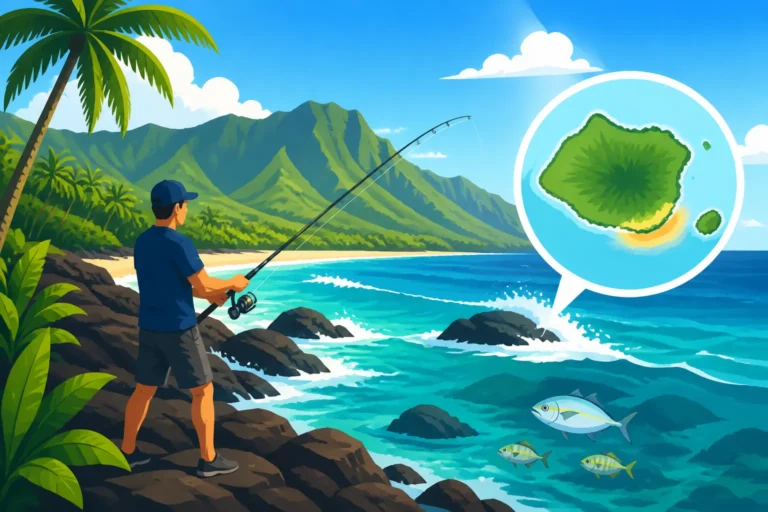
Wading: Many of Hawaii's accessible reef flats are perfect for wading. This allows you to move quietly and cover more ground, casting into productive pockets. Wear appropriate reef shoes for protection and stability. Cast your bait or lure ahead of you, letting it settle on the bottom, and then slowly retrieve or let it soak. Pay attention to changes in depth, structure, and current, as these often indicate prime kumu real estate.
Kayak Fishing: Using a kayak offers excellent maneuverability and access to reef flats slightly further from shore, without the noise and disturbance of a larger boat. You can drift silently over the flats, making controlled casts into promising areas. Kayaks also allow you to quickly reposition if you find a school of kumu. For more on this, you might explore techniques covered in articles like Kayak Fishing Techniques for Hawaii Waters.
Casting Techniques: For kumu, a slow, deliberate retrieve is often best. If you're using bait, let it sit on the bottom for a few minutes before slowly dragging it a short distance. If using a lure, a slow lift-and-drop or a subtle jigging motion is effective. Remember that kumu use their barbels to find food, so allow your bait or lure to spend time on the bottom where they are actively searching. A common mistake is retrieving too quickly.
Reading the Water and Tides
Successfully fishing for kumu, especially on reef flats, relies heavily on your ability to read the water. Tidal movement is a major factor. As mentioned earlier, an incoming or outgoing tide can often stimulate feeding activity, as currents stir up the bottom and bring new food. Observe the direction and strength of the current; kumu will often face into it, waiting for food to drift by.
Water clarity is also important. While kumu rely on their barbels, clearer water makes it easier for them to spot bait and for you to potentially sight-fish if the water is exceptionally clear and shallow. After heavy rains, runoff can murky the water, reducing visibility and potentially pushing kumu to clearer areas.
Finally, don't overlook the moon phases. Some anglers swear by certain moon phases for bottom fishing. While not a hard and fast rule, many believe fishing around the new or full moon, when tidal swings are most pronounced, can lead to increased activity. Combining this knowledge with observing baitfish presence and general water conditions will significantly improve your chances.
Essential Gear for Kumu Fishing on Reef Flats
Having the right equipment can make all the difference between a frustrating day and a successful kumu hunt. For reef flat fishing, lighter, more sensitive gear is generally preferred.
Rod, Reel, and Line Recommendations
For kumu on reef flats, you'll want a setup that offers sensitivity to detect subtle bites, but also enough backbone to handle a spirited fight.
Rods: A light to medium-light spinning rod, around 6 to 7 feet in length, with a fast action tip, is ideal. This type of rod allows for accurate casting of light baits and provides excellent feedback when a kumu starts to nibble. The fast action tip helps with setting the hook quickly.
Reels: Pair your rod with a small to medium-sized spinning reel (e.g., a 2500-3000 series). Look for a reel with a smooth drag system, as kumu can make surprisingly strong runs, especially larger ones. A good quality reel will also withstand the corrosive saltwater environment.
Line: You'll want to use a sensitive main line. 8-15 lb braided line is an excellent choice for its thin diameter, strength, and lack of stretch, which enhances sensitivity. If you prefer monofilament, 10-12 lb test is a good all-around option. Always use a fluorocarbon leader of 15-20 lb test. Fluorocarbon is nearly invisible in water, more abrasion-resistant against reef structure, and provides a crucial buffer between your main line and the fish. The choice of leader material is often discussed when considering Best Leader Material for Reef Structure to prevent break-offs.
Terminal Tackle and Accessories
Your terminal tackle needs to be tailored for bottom fishing on rocky and sandy substrates.
Hooks: Small, sharp hooks are essential. Circle hooks in sizes #1 to 1/0 are popular for kumu as they promote mouth hooking, which is better for the fish and ensures a solid connection. If using J-hooks, sizes #2 to #1 are typically sufficient. Always make sure your hooks are sharp; kumu mouths can be surprisingly tough.
Weights: You'll need enough weight to get your bait to the bottom and keep it there against any current. Sliding egg sinkers (1/4 to 1 ounce) are a good choice, allowing the fish to pick up the bait without feeling the weight immediately. Use a small swivel above the sinker to prevent line twist. For a more static presentation, a small pyramid or bank sinker might be used, especially in areas with a bit more current.
Other Tools: Don't forget a small pair of pliers or a hook remover, as kumu can sometimes swallow baits deeply. A small cooler with ice is crucial for keeping your catch fresh, especially in Hawaii's warm climate. If wading, a small mesh bag or stringer can be handy for holding your fish as you continue to move along the reef. And, of course, a good pair of polarized sunglasses will help you spot structure and even cruising kumu in clear water. Consulting an experienced local guide, perhaps found through FishingBooker, can give you invaluable insights into specific gear preferences for their local fishing grounds.
Table of Popular Kumu Fishing Reef Flats
| Island | Location | Key Characteristics | Access Methods | Best Times to Fish |
|---|---|---|---|---|
| Oahu | Kaneohe Bay Flats | Mixed sand/coral, sheltered, extensive reef systems | Boat, Kayak | Incoming/Outgoing Tide |
| Oahu | Sand Island Flats | Sandy pockets, protected harbor waters, near channels | Wading, Small Boat | Early Morning/Late PM |
| Maui | Kihei Coastal Flats | Sandy/rocky mix, calm waters, easy shoreline access | Shore, Wading, Kayak | Sunrise/Sunset, Incoming |
| Maui | La Perouse Bay | Pristine lava flows, clear water, remote coves | Shore (rugged), Kayak | Early Morning |
| Big Island | Kona Coast Shalllows | Reef/sand edges, gentle slopes, near drop-offs | Boat, Shore (limited) | All Tides (slack often good) |
| Big Island | Hilo Bay Flats | Protected inner bay, coral/sand near river mouth | Shore, Kayak | Calm conditions, Incoming |
| Kauai | Poipu Reef Flats | Clear, shallow coves, extensive coral and sand | Shore, Wading | Sunrise/Sunset |
| Kauai | Hanalei Bay (sheltered) | Mixed sand/rock, less pressured areas, calm pockets | Kayak, Shore (seasonal) | Calm Conditions |
Disclaimer
Fishing regulations, seasons, and access can change. Always check the latest information from the Hawaii Department of Land and Natural Resources (DLNR) Division of Aquatic Resources (DAR) before heading out. Be mindful of bag and size limits, and respect private property and local customs. Fishing is an activity that carries inherent risks, including those associated with ocean conditions and marine life. Always prioritize safety and consider going with experienced local guides, especially when exploring new areas.