Best fishing spots between Waikiki and Diamond Head
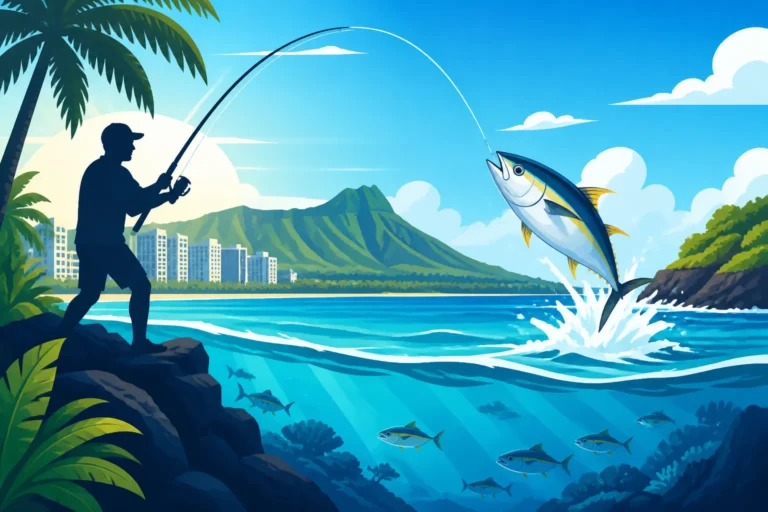
If you're staying in a Waikiki hotel, gazing out at the beautiful Pacific, you might be wondering, "Can I actually cast a line around here?" It's a common misconception that prime fishing spots are always remote or require a long boat ride. The truth is, right between the vibrant buzz of Waikiki and the majestic silhouette of Diamond Head, there are some truly fantastic and accessible shore fishing opportunities waiting for you. This guide is all about revealing those hidden (and not-so-hidden) gems, giving you the insider scoop on where to go and what to expect.
Understanding the Unique Waikiki-Diamond Head Shoreline
Fishing in an urban coastal area like the stretch between Waikiki and Diamond Head isn't like heading to a deserted island. It comes with its own set of characteristics and considerations that are important for any angler to understand before they even string up a rod. It's a blend of natural beauty and human activity, and knowing how to navigate it will make all the difference in your success and enjoyment.
The Dynamic Nearshore Environment
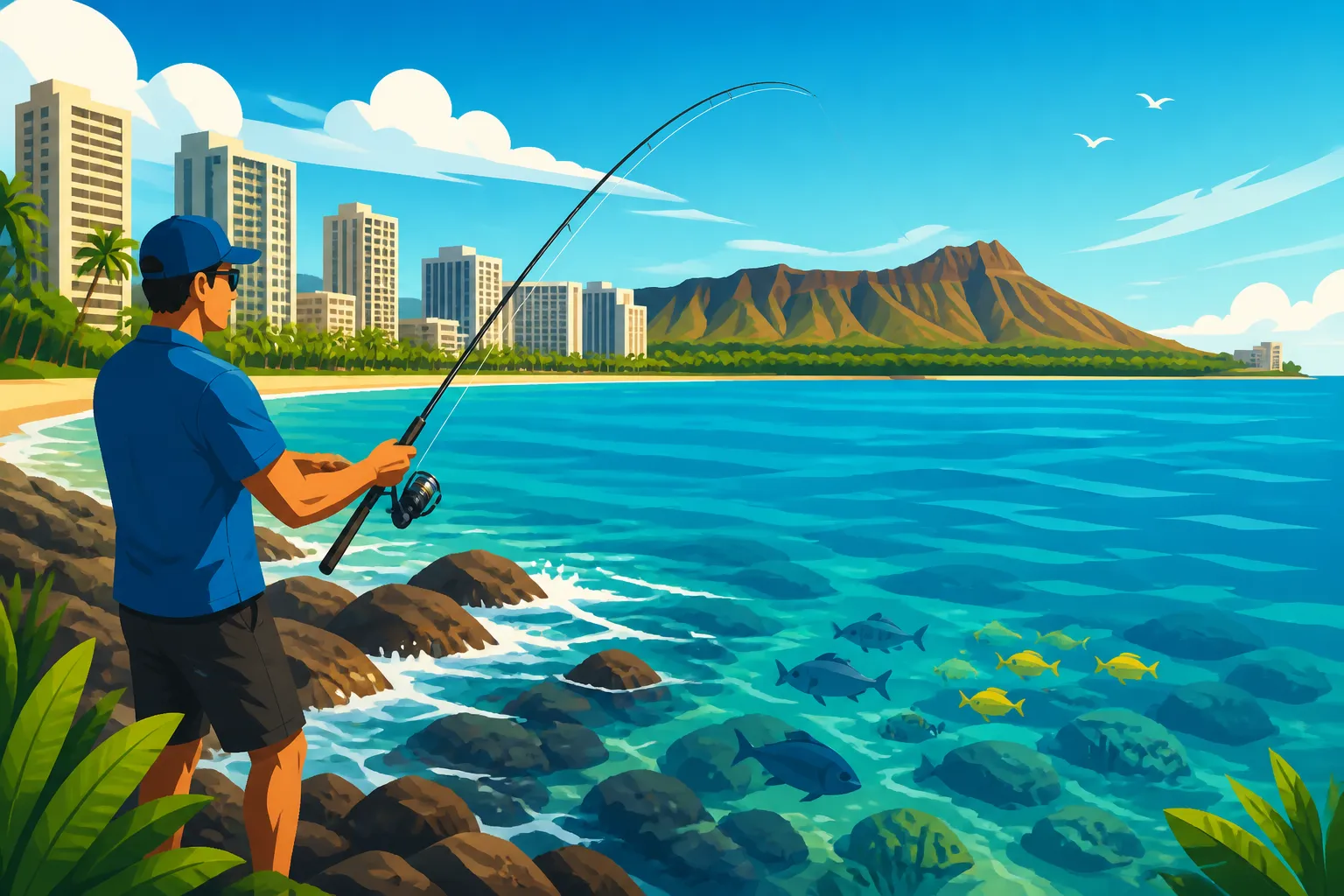
This particular coastline is a fascinating mosaic of habitats. You've got stretches of fine sand, which are great for certain species, interspersed with rocky outcroppings and expansive reef flats that reveal themselves at lower tides. Further offshore, but still within casting distance from some points, are deeper channels and ledges. This variety means a wide range of fish species call this area home, from the smaller reef fish to surprisingly large predatory jacks.
Currents here can be gentle on calm days, but they can also be surprisingly strong, especially around points and during tide changes. This movement of water is crucial for bringing in baitfish, which in turn attract larger predators. For instance, an incoming tide might push schools of opelu or akule closer to shore, turning a quiet morning into a feeding frenzy. Even the human activity, from swimmers to paddleboarders, plays a role. While it might seem like a deterrent, fish can become accustomed to the disturbance, or simply move to slightly deeper, less disturbed pockets, often right on the edge of the activity. It's about finding those transitional zones.
Public Access and Permitted Areas
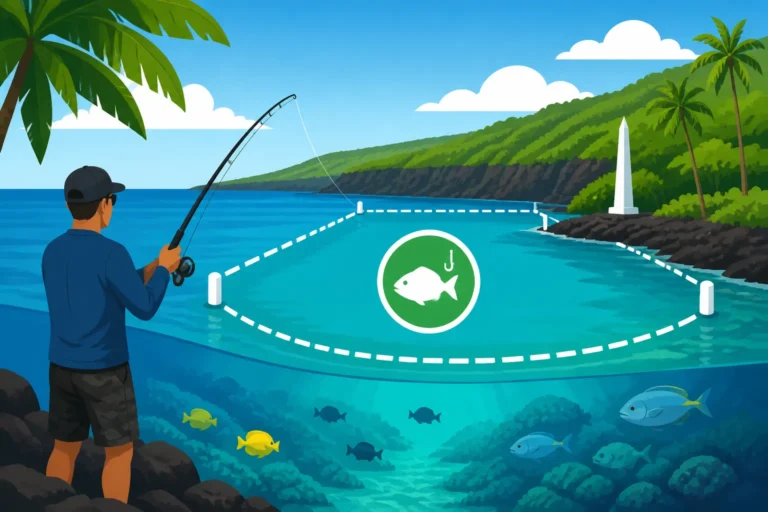
One of the biggest concerns for visiting anglers is usually, "Where can I actually fish without getting into trouble?" Thankfully, much of the shoreline between Waikiki and Diamond Head is public access, and recreational fishing from shore is widely accepted. However, there are crucial exceptions you need to be aware of. Areas designated as swimming zones, especially those marked with buoys or ropes, are generally off-limits for casting to ensure public safety. You'll also want to steer clear of Marine Life Conservation Districts (MLCDs) where fishing is prohibited or heavily restricted to protect marine ecosystems. While there aren't major MLCDs directly within the Waikiki-Diamond Head stretch, understanding Hawaii Fishing Regulations Explained is always a good idea before you head out, no matter where you plan to fish on the islands.
Most access points are found via public parks, beach access paths, and along seawalls. For example, Kapiʻolani Park offers extensive shoreline access, as do several smaller beach parks along the coast. Always look for signage and be respectful of private property boundaries. When in doubt, a quick check of the Hawaii Division of Aquatic Resources (DAR) website can clarify specific local rules. If you're looking for guidance on finding these spots or want an expert to show you the ropes, consider checking out local guided shore fishing trips. Platforms like FishingBooker can help you connect with experienced local guides who know exactly where to go and what the current regulations are for specific areas.
Top Shoreline Fishing Spots Between Waikiki and Diamond Head
This stretch of Oahu offers a surprising array of fishing environments, each with its own charm and challenges. From the gentle sandy stretches to rugged volcanic rock, here are some of the most productive spots you should consider exploring.
Kapiʻolani Park and Sans Souci Beach Area
This iconic park, situated at the eastern end of Waikiki and leading towards Diamond Head, is a fantastic starting point for any shore angler. It's incredibly accessible, family-friendly, and offers a diverse habitat that attracts a good variety of fish. The shoreline here alternates between relatively calm sandy beach fronts, perfect for a relaxing day, and more rugged reef flats and rocky fingers that extend into the ocean.
The reef flats are particularly interesting, especially during lower tides when they become more exposed. These shallow, complex environments are nurseries and feeding grounds for many smaller reef fish. You'll often find juvenile trevally (papio), various species of goatfish like kumu and weke, and even moi (Pacific threadfin) cruising these areas. For papio, one of Hawaii's most sought-after game fish, this area can be incredibly productive. Anglers often employ light tackle whipping techniques, casting small metal jigs or soft plastics across the reef. The key is a quick, erratic retrieve that mimics a fleeing baitfish. If you're more inclined to bait fishing, a simple rig with a small piece of shrimp, squid, or cured fish on the bottom can yield excellent results for goatfish and even small snappers. Learning How to Catch Papio on Hawaii's Shoreline will definitely give you an edge in this area. Remember to be mindful of swimmers, especially in the designated beach areas closer to the hotels. Further along the park, towards the Diamond Head side, the shoreline becomes rockier and offers slightly deeper pockets, potentially holding larger fish. If you prefer to have a local expert guide you to the best spots and teach you the specific nuances of fishing this area, consider booking a shore fishing guide through a service like FishingBooker.
The Diamond Head Lighthouse and Cliff Areas
As you venture further east, past Kapiʻolani Park, you reach the dramatic, rugged coastline below the Diamond Head Lighthouse. This area presents a completely different fishing experience, often appealing to anglers looking for a more challenging and potentially more rewarding outing. The cliffs here plunge steeply into the ocean, offering access to deeper water directly from shore in many places. The bottom is predominantly rocky, with ledges, crevices, and volcanic boulders providing excellent cover for larger predatory fish.
This is prime territory for those targeting bigger papio and even full-grown ulua (giant trevally). Other species like barracuda, various jacks, and even small pelagics can sometimes be found here. The deeper water allows for heavier tackle and more aggressive techniques. Anglers often cast larger, heavier lures such as poppers, stickbaits, or metal jigs designed to imitate bigger baitfish. Sliding bait rigs, where a live or dead baitfish is sent out under a balloon or float, are also very effective for tempting larger ulua lurking in the deeper water. If you're looking to challenge yourself against a powerful ulua from shore, understanding How to Catch Ulua from Shore is essential, and this is certainly one of the places to put those skills to the test. However, safety cannot be overstated in this area. The cliffs can be steep and slippery, and rogue waves can wash over the rocks unexpectedly. Always wear appropriate footwear with excellent grip, be constantly aware of the ocean conditions, and never turn your back on the waves. Fishing during periods of calm surf is highly recommended here.
Fort DeRussy and Kahanamoku Beach Stretch
While technically located just west of the direct Waikiki-Diamond Head axis, the Fort DeRussy Beach Park and Kahanamoku Beach area are incredibly accessible from Waikiki hotels and offer excellent shore fishing opportunities that complement the spots further east. These locations typically feature wider, sandy beaches with scattered reef patches a little further out from shore. The calmer waters, especially within the protected lagoon areas, make it a great spot for beginners or families.
The main target species here are smaller papio, various types of reef fish, and sometimes small barracuda or needlefish that patrol the shallows. The sandy bottom interspersed with occasional rock offers good foraging grounds. Lure casting with small spoons, soft plastics, or even small topwater poppers can be very effective, especially during dawn or dusk. Bait fishing with shrimp, bread, or small pieces of cut fish is also popular and can yield a consistent bite from a variety of panfish. The key here is often to cast further out to reach the edges of the deeper channels or the outer reef lines where larger fish might be cruising. While not as rugged as the Diamond Head cliffs, this area still offers plenty of structure to explore. For general tips on maximizing your efforts in similar beach environments, our guide on the Best Shore Fishing Spots in Hawaii offers valuable insights, many of which are applicable to this urban beach setting.
Essential Gear and Techniques for Shore Fishing in the Area
Having the right tackle and knowing how to use it can make all the difference between a frustrating day and a memorable catch. The unique blend of environments between Waikiki and Diamond Head calls for versatile gear and a few specific techniques.
Recommended Rods, Reels, and Line
For general shore fishing in this area, versatility is key. You'll want a setup that can cast a reasonable distance but still handle the occasional larger fish that might surprise you.
- Rods: A 7 to 9-foot medium to medium-heavy spinning rod is generally ideal. This length provides good casting distance without being unwieldy in potentially crowded areas. A rod with a fast action tip will give you the sensitivity to feel subtle bites and the backbone to fight stronger fish. Brands like Daiwa or Shimano offer excellent value and performance for these applications.
- Reels: Pair your rod with a 2500 to 4000 series spinning reel. This size offers a good balance of line capacity, retrieve speed, and drag power. Look for a reel with a smooth drag system, as this is crucial when battling fish that make strong runs. Corrosion resistance is also a huge plus given the saltwater environment.
- Line: Spool your reel with 15 to 30-pound braided line. Braid offers superior casting distance due to its thinner diameter and excellent sensitivity, allowing you to feel every bump and nibble. Always use a fluorocarbon leader, typically 20 to 40-pound test, depending on your target species and the amount of structure. Fluorocarbon is less visible in the water and more abrasion-resistant, which is vital when fishing around rocks and coral. Connect your braid to your leader with a strong knot like the FG or a double uni.
Baits and Lures That Work
The fish in this area respond well to a variety of offerings, both natural and artificial. Matching what the fish are naturally eating will always give you an advantage.
- Natural Baits:
- Shrimp: Fresh, peeled shrimp is a universal bait that attracts almost everything, from small reef fish to papio and even moi. It's readily available at local markets.
- Squid: Small pieces of squid are tougher, staying on the hook longer, and are very effective for various bottom fish and jacks.
- Cut Bait: Small strips or chunks of fresh baitfish like opelu (mackerel scad), akule (bigeye scad), or even sabiki-caught bait from a nearby harbor can be incredibly effective, especially for larger predators.
- Artificial Lures:
- Metal Jigs: Small to medium-sized metal jigs (1/4 oz to 1 oz) like Kastmasters or OSP jigs are fantastic for whipping for papio. Their erratic flutter on the retrieve mimics a wounded baitfish.
- Soft Plastics: Grubs, small swimbaits, and worm-style soft plastics rigged on a lead head jig can entice a variety of fish. Vary your retrieve to find what the fish prefer.
- Topwater Poppers/Walk-the-Dogs: For an exciting surface strike, especially at dawn or dusk, small topwater lures can be incredibly effective for papio. The commotion on the surface gets their attention. If you want to dive deeper into lure choice, our guide on the Best Topwater Lure for Dawn Papio Fishing offers specific recommendations.
- Bait for Papio: For those specifically targeting papio, beyond lures, small live baits like juvenile anchovies or even tiny pieces of cured aku (skipjack tuna) can be irresistible. You might also find our advice on Best Bait for whipping papio on reef flats helpful for maximizing your chances.
Safety First: Navigating the Shoreline
Fishing from shore in Hawaii is incredibly rewarding, but it demands respect for the ocean and its powerful forces. Safety should always be your top priority, especially when navigating rocky coastlines or areas exposed to swell.
- Footwear is Critical: Never wear flip-flops or open-toed sandals when fishing rocky areas. Invest in sturdy reef shoes or felt-soled wading boots that provide excellent grip on slippery, wet rocks. Many experienced local anglers even opt for specialized tabi boots. Our guide on How to wade a reef flat safely in Hawaii provides in-depth advice on staying safe around these dynamic environments.
- Watch the Waves: Always be aware of incoming swells and rogue waves, particularly near cliff edges, jetties, and rocky points. Even on calm days, a larger wave can catch you off guard and pull you into the water. Never turn your back on the ocean. Observe the wave patterns for a while before choosing your fishing spot.
- Communicate Your Plans: If you're heading to a more remote or challenging spot, let someone know where you're going and when you expect to return. Better yet, fish with a buddy.
- Sun Protection: The Hawaiian sun is intense. Wear a wide-brimmed hat, sunglasses, and long-sleeved, UV-protective clothing. Don't forget reef-safe sunscreen.
- Respect Marine Life: Be cautious around sharp coral, sea urchins, and any other marine creatures. Never disturb protected marine life like monk seals or sea turtles. Give them plenty of space.
- Stay Hydrated: Carry plenty of water, especially on hot days.
Regulations, Best Practices, and Maximizing Your Catch
Fishing in Hawaii is a privilege, and it comes with the responsibility of understanding the rules and practicing sustainable angling. By doing so, you'll not only protect the delicate marine ecosystem but also ensure that these fantastic fishing opportunities remain for future generations.
Navigating Hawaii's Fishing Regulations
Hawaii has a comprehensive set of regulations designed to manage its diverse aquatic resources. It's crucial for every angler, resident and visitor alike, to be familiar with these rules. The good news is that for most recreational marine fishing from shore or a non-commercial boat, you do not need a specific fishing license in Hawaii. This can be a pleasant surprise for many visitors coming from states where licenses are always required. However, there are exceptions, particularly for freshwater fishing in stocked reservoirs. For a comprehensive overview, you can check out our guide on Do You Need a Fishing License in Hawaii.
Even without a general marine license, specific rules apply to what you can catch, how many, and how large. These include:
- Bag and Size Limits: Many species have minimum and/or maximum size limits, as well as daily bag limits (the number of fish you can keep per day). These are put in place to protect spawning populations and ensure sustainable harvests. For instance, specific rules apply to certain popular reef fish.
- Closed Seasons/Areas: Some species have closed seasons during their spawning periods, and certain areas, like Marine Life Conservation Districts (MLCDs) or Fish Replenishment Areas (FRAs), have restricted or prohibited fishing altogether. Always pay attention to signage, especially in coastal parks.
- Gear Restrictions: There might be restrictions on the type of gear you can use in certain areas or for certain species. For example, spear fishing often has its own set of detailed rules.
Always consult the Hawaii Division of Aquatic Resources (DAR) website for the most current regulations, as they can change. Ignorance of the law is not an excuse, and penalties for violations can be steep.
Practicing Sustainable Angling
We all want to continue enjoying Hawaii's incredible fishing, and that means being responsible stewards of the ocean. Practicing sustainable angling is not just about following the rules; it's about adopting an ethos of conservation.
- Catch and Release Ethic: If you're not planning to eat a fish, or if it's undersized/oversized, release it quickly and gently. Minimize handling, especially by not touching the gills or eyes. Use barbless hooks or crimp down barbs to make releases easier.
- Protect the Habitat: Avoid stepping on live coral or fragile reef structures. These are vital ecosystems that take decades to grow and can be damaged in an instant. Be mindful of where you cast to avoid snagging on coral, which can break it off or leave lines behind.
- Leave No Trace: Pack out everything you pack in, and then some. This includes all your trash, discarded fishing line, hooks, and any bait packaging. Monofilament and braided line can be deadly to marine life if left in the environment. Consider carrying a small bag specifically for trash.
- Respect Other Ocean Users: The Waikiki-Diamond Head corridor is busy. Be mindful of swimmers, surfers, paddleboarders, and snorkelers. Cast away from them and avoid fishing in crowded recreational zones. A little courtesy goes a long way.
- Don't Over-Harvest: Even if the bag limit allows for a certain number, consider taking only what you need for a meal. The ocean is not an endless resource.
Tips for a Productive Day
To maximize your chances of success and truly enjoy your fishing experience between Waikiki and Diamond Head, keep these tips in mind:
- Time it Right: The best fishing usually occurs during the low light periods of dawn and dusk. Many predatory fish, like papio and ulua, are most active at these times. Night fishing can also be incredibly productive for certain species, particularly ulua.
- Watch the Tides: Tidal movement plays a huge role in fish activity. Often, the incoming or outgoing tide (moving water) will be more productive than slack tide (still water) as it moves baitfish and stirs up the bottom. Observe the currents and fish during peak movement.
- Observe Local Anglers: When you see local fishermen, take note of their techniques, bait choices, and preferred spots. They are often a wealth of knowledge and can offer valuable insights. A friendly "Aloha" and genuine curiosity can sometimes lead to priceless advice.
- Start Light, Go Heavier: Begin with lighter tackle and smaller baits/lures to get a feel for the area and catch smaller, more numerous fish. If you start encountering larger bites or see signs of bigger fish, you can always switch to heavier gear.
- Consider a Guide: Especially if you're new to Hawaii fishing, consider hiring a local guide. They possess intimate knowledge of the currents, fish habits, and specific spots that can take years to learn on your own. Platforms like FishingBooker are excellent resources for finding highly-rated Best Guided Shore Fishing Trips on Oahu that can help shorten your learning curve and make your trip truly unforgettable.
To help you quickly visualize the differences between these spots, here's a handy table:
| Fishing Spot | Primary Habitat | Target Species | Recommended Techniques | Key Considerations |
|---|---|---|---|---|
| Kapiʻolani Park / Sans Souci Beach | Sandy beach, shallow reef flats, rocky fingers | Papio (juvenile trevally), Moi, Goatfish (Kumu/Weke) | Light tackle whipping (small jigs/soft plastics), bait fishing (shrimp, squid) | Very accessible, family-friendly. Be mindful of swimmers in designated areas. |
| Diamond Head Lighthouse Cliff Areas | Steep rocky cliffs, deeper water access | Ulua (giant trevally), larger Papio, Barracuda | Heavier tackle (large lures, sliding bait rigs) | Requires caution due to waves and slippery rocks. Best during calm surf. Potential for larger fish. |
| Fort DeRussy / Kahanamoku Beach | Wide sandy beaches, scattered nearshore reefs | Smaller Papio, various reef fish, Needlefish | Light lure casting (spoons, small soft plastics), bait fishing (shrimp, bread) | Good for beginners and families due to calmer waters. Cast further out to reach outer reef lines. |
Disclaimer
Please be aware that fishing conditions, regulations, and access points can change. Always check the latest local rules and advisories from the Hawaii Division of Aquatic Resources (DAR) before heading out. Exercise caution and prioritize safety when fishing near the ocean, especially on rocky shorelines or during periods of high surf.