Best time to fish Kona in summer
If you're dreaming of reeling in a big one off the Kona Coast, especially during those warm, sunny months, you're not alone. Many anglers flock to the Big Island's leeward side in summer, hoping to experience the world-class pelagic fishing it's famous for. But knowing when exactly to cast your line, considering the unique daily and seasonal shifts, can make all the difference between a memorable catch and just another boat ride. This guide will dive deep into the nuances of summer fishing in Kona, helping you pinpoint the absolute best times to hit the water.
Understanding Kona's Summer Fishing Landscape
Kona's fishing reputation precedes it, largely thanks to its deep, calm waters and the sheer abundance of pelagic species that migrate through its channels. Summer, in particular, transforms the Kona Coast into a vibrant marine highway, teeming with activity that gets every angler's heart pumping. But it’s not just about showing up; understanding why summer is so special and what you can expect to target is crucial for a successful trip.
Why Summer is Special for Kona Fishing
The Hawaiian Islands are blessed with year-round fishing opportunities, but summer brings a distinct surge in certain pelagic species, particularly the majestic marlin. From June through September, the water temperatures rise, creating a warm, inviting environment for baitfish schools. These abundant baitfish, in turn, attract larger predatory fish closer to shore and to the surface. The deep drop-offs are remarkably close to the Kona coastline, often just a few miles offshore, allowing for quick access to prime fishing grounds. This unique geological feature, combined with consistently calm seas due to the shielding effect of Mauna Loa and Hualalai volcanoes, creates an ideal setting for offshore trolling.
Moreover, the summer months typically coincide with sustained trade winds that, while present, are often mitigated by the Big Island's topography, leading to the famed "Kona Glass" – exceptionally calm, clear waters that make spotting birds working bait (a key indicator of fish activity) much easier. This isn't to say every day is perfectly flat, but the chances of encountering smooth conditions for an extended period are significantly higher than in other parts of Hawaii or during different seasons. It means more comfortable rides, better visibility, and ultimately, a more enjoyable and productive fishing experience.
Key Target Species in Summer
When you head out fishing from Kona in the summer, you'll be primarily focused on the "big four" pelagic species that call these waters home, or at least pass through in large numbers. Each one offers a unique fight and culinary experience, making summer fishing a diverse pursuit.
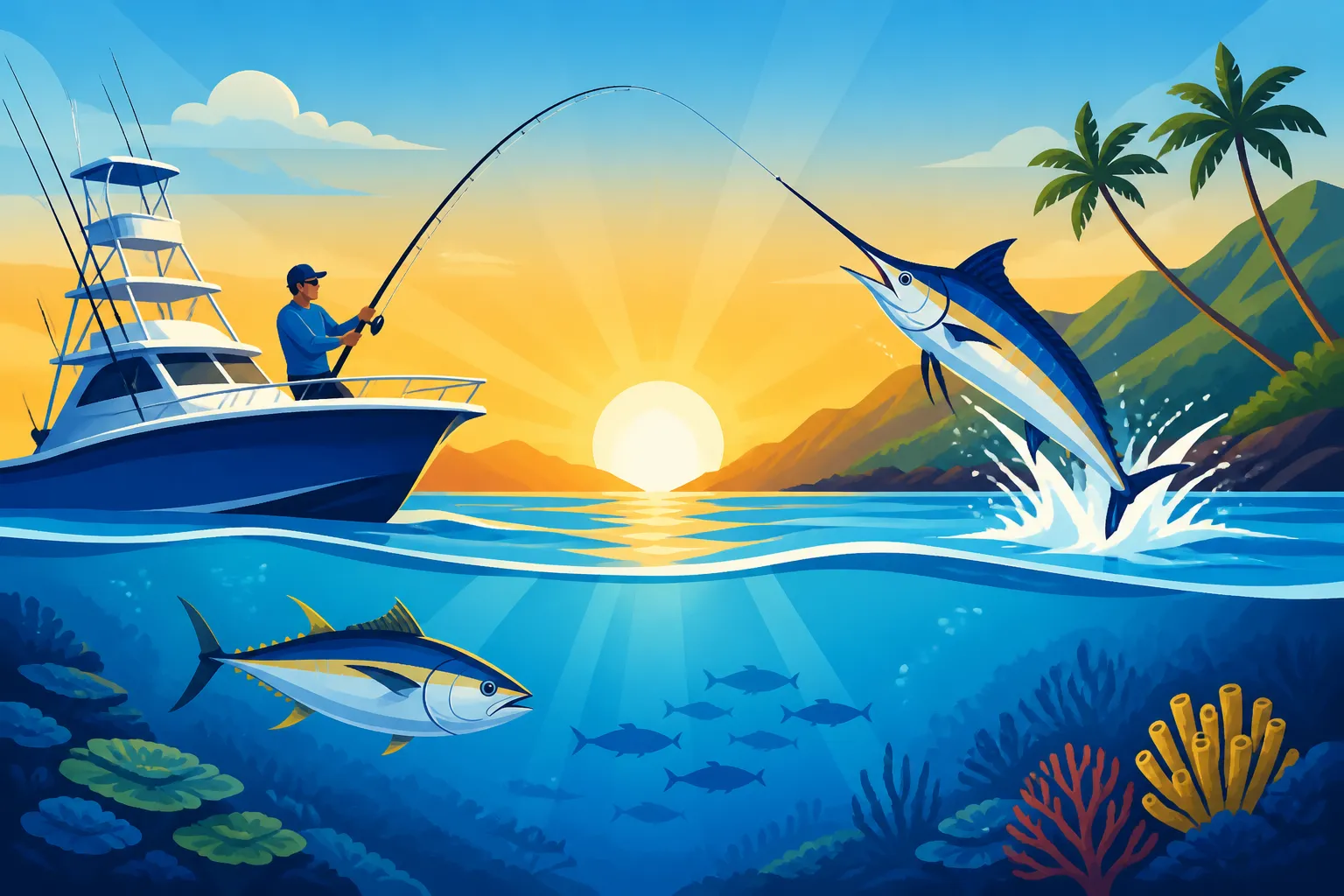
First up is the Blue Marlin. This is often the undisputed king of Kona's summer fishing scene. While present year-round, summer sees an increase in larger "grander" marlin, making it the prime time for trophy hunters. These powerful fish are notorious for their acrobatic leaps and long, hard runs, providing an unforgettable battle for any angler lucky enough to hook one. You'll often find yourself Marlin Fishing off the Kona Coast specifically for these magnificent creatures during these months.
Next, we have the Ahi, or yellowfin tuna. These torpedo-shaped powerhouses are a staple of Hawaiian fishing and are particularly active in summer. They're often found schooling around offshore FADs (Fish Aggregating Devices) or chasing baitfish near the surface. Landing a big ahi is a test of strength and endurance, as they pull incredibly hard, often straight down. Learning about Ahi (Yellowfin Tuna) Fishing in Hawaii is essential for any summer trip.
Then there's the Ono, also known as wahoo. Their name literally means "delicious" in Hawaiian, and for good reason—they're fantastic table fare. Ono are incredibly fast, often hitting lures at blistering speeds, making for exciting, high-speed strikes. They tend to be more prevalent in the early and late summer months, lurking near current lines and temperature breaks. For those looking for speed and flavor, Ono (Wahoo) Fishing in Hawaii offers a thrilling experience.
Finally, we can't forget the Mahimahi, or dorado. These vibrant, colorful fish are a joy to catch, known for their aggressive strikes and aerial displays. Mahimahi are often found under floating debris, weed lines, or near FADs, often in schools. They are visually stunning and provide a lot of action, making them a favorite for many anglers, especially if you're interested in Mahimahi Fishing in Hawaii. All these species, with their distinct habits and fighting styles, contribute to the dynamic and rewarding summer fishing experience off Kona.
Decoding the Best Times: Month by Month Breakdown
While summer broadly means good fishing in Kona, specific months can offer slightly different opportunities and conditions. Understanding these subtle shifts can help you fine-tune your trip plans and expectations, especially if you have a particular species in mind.
Early Summer (June – July)
As June rolls around, the ocean off Kona truly begins to warm up, signaling the peak season for many of its most sought-after inhabitants. This period is often considered the sweet spot for Blue Marlin. The calm, deep blue waters provide optimal conditions for these grand predators, and stories of "grander" marlin (over 1,000 pounds) often begin to circulate more frequently. Charter captains report consistent action, with many boats raising multiple marlin in a single day. The increased light penetration from the higher sun angle also makes it easier for marlin to spot trolled lures near the surface.
Beyond marlin, June and July are also excellent months for Ahi (Yellowfin Tuna). Schools can be found further offshore, often congregating around the various FADs maintained by the state, or actively chasing schools of skipjack tuna and mackerel scad. The sheer volume of baitfish available during early summer plays a critical role in attracting these tuna. Anglers might employ various techniques, from traditional trolling to "green stick" methods and even deep jigging, to entice ahi. You'll want to review Hawaii Pelagic Species Bag Limits before you head out, as these can change.
Mahimahi are also very active during these months. As the ocean settles into its summer patterns, more floating debris, such as logs or weed lines, collect, providing perfect ambush points for mahimahi schools. Catching mahimahi during this time can be a fast-paced, exciting affair, with multiple hookups often occurring once a school is located. These months offer a fantastic mix of power, speed, and vibrant color, making them highly desirable for a diverse fishing experience.
Late Summer (August – September)
While the peak excitement of early summer's marlin bite might slightly mellow, August and September still offer fantastic fishing with a focus that often shifts to other species and sustained pelagic activity. The water remains warm, and the consistent weather patterns continue to favor offshore adventures. This period can see a resurgence of Ono (Wahoo), especially as some of the baitfish patterns change and cooler currents might occasionally push through. Ono are speedsters, and late summer can be prime for high-speed trolling, particularly around the shallower banks and ledges that line the Kona coast.
For Ahi, late summer remains a strong period, though their feeding patterns might become a bit more particular. They are still found around FADs, but understanding their specific feeding times, often tied to dawn or dusk, becomes even more critical. You might find yourself experimenting with different lures and bait presentations, relying on the experience of local captains who track these patterns meticulously.
Striped Marlin also become more prominent in the catches during these late summer months, offering a different challenge than their larger blue cousins. They are known for their spectacular leaps and often put on a show. While perhaps not reaching the colossal sizes of grander blues, they are still a highly prized catch and provide an excellent fight on lighter tackle. Many charters might even combine a full day of targeting big game with some bottomfishing opportunities, as the deep-water species are always present and often active.
Daily Rhythms: Best Times within a Summer Day
Beyond the months, the time of day you choose to fish can dramatically impact your success rate. Fish, like most creatures, have specific feeding windows and activity levels that fluctuate throughout a 24-hour cycle. Understanding these daily rhythms is key to maximizing your chances, especially in the clear, often calm waters off Kona.
Dawn Patrol and Early Mornings
Hands down, the absolute prime time to be on the water fishing in Kona during the summer is at dawn and the early morning hours. There's a magic to it: the sun is just peeking over Mauna Kea, casting long shadows across the calm ocean, and the air is cool and crisp. This is when many pelagic species, particularly marlin and ahi, are most actively feeding. They've often been hunting throughout the night and are taking advantage of the low light conditions to ambush baitfish that are just starting to become active themselves.
For trolling, getting your lines in the water just as the sky starts to lighten is critical. The first couple of hours after sunrise are when you'll often get those explosive, line-screaming strikes. The baitfish are scattering, confused by the rising sun, making them easy targets. Charter captains frequently recommend an early start, often leaving the harbor well before 6:00 AM, precisely to capitalize on this peak feeding window. This early start increases your chances of encountering actively hunting fish that are less wary and more likely to strike a well-presented lure or bait. It's a fantastic time for both serious anglers seeking a trophy and families looking to experience the thrill of a big bite.
Mid-Day Strategies
As the sun climbs higher and the day wears on, the fishing can sometimes slow down, especially for surface-feeding pelagics. The intense Hawaiian sun penetrates deep into the clear water, making it easier for predatory fish to spot lines and identify lures as artificial. However, this doesn't mean you should pack it in! Adapting your strategy for mid-day fishing can still yield great results.
One common tactic for mid-day is to focus on deeper waters. While marlin and ahi might be less active on the surface, they often retreat to cooler, deeper columns of water. This is when techniques like deep-dropping or using downriggers can come into play, presenting baits or lures at depths where fish are still cruising. Alternatively, focusing on areas with strong current lines or temperature breaks can be productive, as these natural boundaries often concentrate baitfish, and thus, predators. You might find a charter switching from purely surface trolling to more varied presentations. Also, this is a great time to focus on bottomfishing species like opakapaka or onaga if your charter offers it, as they are less affected by surface light conditions.
It's also worth noting that mid-day can still produce surprise bites. A hungry marlin or a school of mahimahi might suddenly appear, especially if they are chasing a dense school of bait. Persistence and flexibility in technique are key. Many anglers use this time for lunch, rehydrating, and perhaps switching out lures. You can easily find excellent offshore trolling lures on Amazon that perform well in bright conditions, often featuring flashier materials to catch the eye.
Late Afternoon and Sunset Bites
Just as dawn offers a prime feeding window, the late afternoon and especially the hours leading up to sunset can be incredibly productive for Kona fishing. As the sun begins its descent towards the horizon, the light intensity softens, creating another opportunity for pelagic species to become more active. The receding light makes it harder for fish to discern artificial lures from natural prey, and the cooling water temperatures can stimulate a final feeding frenzy before nightfall.
Many experienced anglers and charter captains swear by the late afternoon bite, particularly for species like Ono (Wahoo) and sometimes even for Marlin. As the light fades, ono tend to hunt more aggressively, and a high-speed troll during this time can be exceptionally effective. For marlin, it's often a case of a big fish making a last pass through a prime hunting ground. This period also offers some of the most stunning views of the Kona coastline, with the sun setting dramatically over the Pacific, adding to the unforgettable experience.
It's important to keep your lines in the water until the very last minute, as a significant strike can often happen right before it gets too dark to fish safely. This can be especially true if you are targeting Best time to fish for marlin at dusk. The change in light conditions, combined with potentially shifting currents and bait movements, creates a dynamic environment that often triggers a surge in feeding activity. A dedicated charter will ensure you capitalize on these precious twilight moments.
Factors Influencing Your Summer Kona Trip
While summer fishing in Kona is generally fantastic, a few key environmental factors can either enhance your experience or throw a wrench in your plans. Being aware of these elements helps you prepare and understand the day's potential, ensuring you're not just hoping for the best but actively strategizing.
Weather and Ocean Conditions
Kona is famous for its calm waters, especially compared to other parts of Hawaii, due to the protective shield of the surrounding mountains. However, "calm" is a relative term, and even Kona experiences variations in weather and ocean conditions that can affect fishing. During summer, the most significant weather influence is typically the trade winds. While they keep the islands cool, they can kick up a chop offshore, particularly if they strengthen. Most Kona charters operate comfortably in these conditions, but very strong trades can make for a bumpy ride and reduce visibility for spotting fish or birds.
Beyond the daily trades, keep an eye on tropical weather systems. While direct hurricane hits are rare, passing depressions or distant storms can send large swells that make offshore fishing challenging or even unsafe. Always check the marine forecast before heading out. The clarity and temperature of the water are also crucial. Summer generally brings warmer, clearer waters, which is ideal for pelagics. Sudden drops in water temperature or murky water from heavy rains can temporarily slow the bite. Experienced captains constantly monitor these conditions, often having multiple spots and strategies depending on what the ocean is doing that day.
Tides and Moon Phases
Tides and moon phases play a subtle yet significant role in ocean fishing, and Kona is no exception. While perhaps not as dramatic as in areas with large tidal swings, the ebb and flow of the tide can influence current strength and baitfish movement. Many anglers believe that the periods around incoming and outgoing tides can be particularly productive, as the moving water tends to stir up bait and concentrate feeding fish in certain areas. This is especially true closer to shore or around submerged structures.
The moon phase is another factor often discussed among seasoned anglers. A general belief is that fishing can be better around the new moon and full moon phases, as the stronger tidal currents associated with these periods can stimulate fish activity. However, the bright nights of a full moon can sometimes spread out the feeding activity of nocturnal hunters, making them less aggressive during the day. Conversely, the dark nights of a new moon might concentrate daytime feeding into shorter, more intense windows. It's not an exact science, but understanding these potential influences can give you an edge, especially if you're trying to choose between a couple of summer dates. Many charter captains will have preferences based on their long-term observations for Hawaii Fishing Season Dates and Closures.
Baitfish Activity
The presence and abundance of baitfish are arguably the most critical factor for successful pelagic fishing in Kona, especially during the summer. Predator fish like marlin, ahi, ono, and mahimahi are there because their food source is there. Schools of opelu (mackerel scad), aku (skipjack tuna), and various smaller baitfish are the lifeblood of the Kona fishery. When these bait schools are thick and active, the predatory fish are close behind.
Anglers and captains constantly look for signs of baitfish, such as diving birds, shimmering schools on the surface, or marks on the sonar. When a charter finds a significant bait ball, the chances of hooking into a big game fish skyrocket. The summer months typically offer plentiful bait, contributing to the overall fantastic fishing. However, if for some reason bait is scarce or has moved out of an area, the fishing can become significantly tougher. Understanding these dynamics is part of the art of fishing, and a good captain will always be on the hunt for bait, adjusting their course and tactics accordingly.
Essential Gear and Techniques for Kona Summer Fishing
Having the right tools and knowing how to use them are paramount for a successful fishing trip, especially when targeting powerful pelagic species off Kona. While most charters provide all the necessary gear, understanding the equipment and methods can deepen your appreciation and even improve your chances of success if you're bringing your own setup.
Recommended Tackle and Lures
For the heavyweight contenders like Blue Marlin and large Ahi, you'll typically be using heavy-duty conventional tackle. This means sturdy offshore rods paired with powerful, lever-drag reels capable of holding hundreds of yards of heavy monofilament or braided line, often in the 80 to 130-pound class. These setups are designed to withstand the brutal runs and immense pressure exerted by large game fish. The drag systems are incredibly robust, allowing for precise adjustments during a fight. Brands like Penn, Shimano, and Accurate are staples in the Kona fleet, known for their reliability and power.
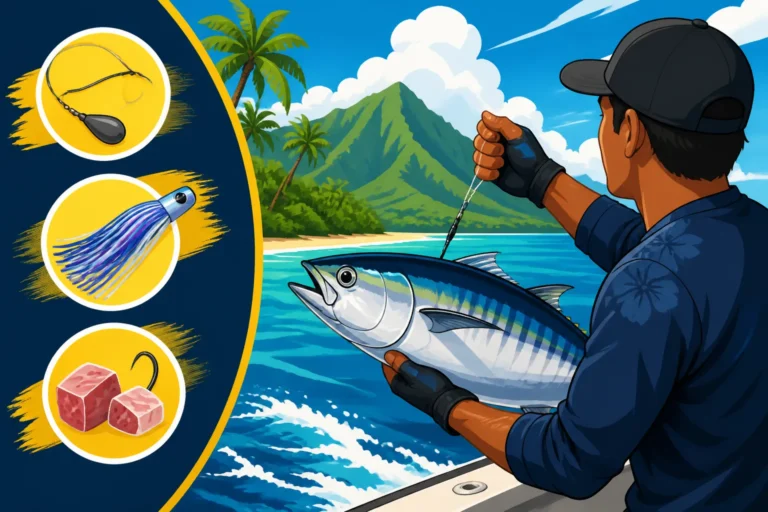
When it comes to lures, Kona has a distinct style. Most of the time, you'll see a spread of skirted trolling lures being pulled behind the boat. These lures come in a dazzling array of colors and shapes, mimicking various baitfish. Popular choices for marlin include larger plunger-style or chugger lures, often in colors like blue-and-white, green-and-yellow, or purple-and-black. For ahi and ono, smaller bullet-head or jet lures can be effective. Many seasoned captains have their "secret weapon" lures that have proven effective over the years. Some anglers also carry a selection of high-quality jigging lures, often heavy metal jigs from manufacturers like Shimano or Daiwa, which can be dropped down to target ahi or bottomfish when schools are found deeper. You can find a vast selection of these types of lures and tackle on Amazon, making it easy to prepare if you plan on bringing some of your own. For more specific recommendations, check out Best Lures for Marlin Trolling off Kona.
Top Techniques for Summer Pelagics
Kona fishing predominantly revolves around trolling, a technique where multiple lines with lures or baits are pulled behind a moving boat. This covers a lot of water and allows you to present your offerings to actively hunting fish. The spread often consists of 5 to 7 lines, positioned at different distances and depths using outriggers and flat lines to cover a wide "strike zone." The speed of the troll is crucial, typically ranging from 7 to 10 knots, depending on the conditions and target species. Trolling Techniques for Hawaii Pelagics vary slightly based on what fish you are trying to attract.
Live baiting is another highly effective technique, especially for marlin and ahi, although it's often more labor-intensive. This involves catching live baitfish, such as skipjack tuna (aku) or opelu, and then deploying them on heavy tackle. A frisky live bait swimming naturally in the water can be irresistible to a large predator, often resulting in incredibly aggressive strikes. This technique is often used when a specific area is known to hold fish or when a boat wants to slow down and really tempt a wary fish.
Finally, jigging and chunking are techniques primarily used for Ahi and sometimes bottomfish. Jigging involves dropping heavy metal jigs down to depths where tuna schools are marked on the sonar and then aggressively working the lure up and down. Chunking involves drifting with the current and regularly tossing cut pieces of bait (chum) into the water to attract tuna to the boat. Once a school is present, live bait or heavy jigs are deployed. These methods require a keen understanding of fish behavior and often yield high-energy, close-quarters battles. Knowing How to Catch Marlin off the Kona Coast can significantly boost your success rate.
Disclaimer
Please remember that fishing regulations, seasons, and bag limits are subject to change. Always consult the most current Hawaii Division of Aquatic Resources (DAR) regulations before planning your trip to ensure compliance. Safety first – always prioritize weather conditions and wear appropriate personal flotation devices when boating.