Hawaii Fishing License Guide for 2026
Navigating the ins and outs of fishing regulations in a place as unique as Hawaii can feel like trying to reel in a marlin with a handline – confusing, frustrating, and a little overwhelming. Many anglers, especially those visiting our beautiful islands or even residents new to fishing, find themselves scratching their heads wondering, "Do I even need a license here?" This comprehensive guide for 2026 is designed to cut through all that confusion, breaking down exactly when, why, and how you need to secure your Hawaii fishing license so you can focus on the joy of the catch.
Understanding Hawaii's Fishing License Landscape
The rules surrounding fishing licenses in Hawaii are distinct, often sparking a lot of questions. Unlike many mainland states where a license is a blanket requirement for all types of recreational fishing, Hawaii has historically had a different approach, particularly for ocean fishing. However, understanding the current landscape for 2026 means recognizing both the long-standing traditions and the evolving regulations designed to protect our precious marine and freshwater resources.
Why Fishing Licenses Matter in Hawaii
At its core, the requirement for fishing licenses, especially for our freshwater systems and for non-residents in the ocean, is about sustainability and conservation. The funds generated from license sales directly support the Division of Aquatic Resources (DAR), which is part of the Department of Land and Natural Resources (DLNR). This money goes towards vital programs like fish stocking in our reservoirs, habitat restoration projects, research into fish populations, and enforcement of fishing laws. Without these funds, the delicate balance of Hawaii's aquatic ecosystems would be even harder to maintain, impacting everything from the vibrant coral reefs to the unique freshwater species found only here. It's about ensuring that future generations can enjoy the same incredible fishing opportunities we have today.
The Unique Nature of Hawaii's Licensing
One of the biggest distinctions you'll encounter in Hawaii is the difference between ocean and freshwater fishing license requirements, and how these apply to residents versus non-residents. For many years, recreational ocean fishing for Hawaii residents did not require a license. This was a long-held tradition, reflecting the deeply ingrained cultural practice of subsistence fishing and the relative abundance of marine resources, or so it was thought. This exemption meant that kamaʻāina (local residents) could simply grab their pole and head to the beach or take their boat out without needing to jump through bureaucratic hoops.
However, recognizing the increased pressure on our marine resources from both local growth and tourism, there have been ongoing discussions and some changes to these regulations. While a full recreational ocean fishing license for residents has not yet been implemented for 2026, the discussion around it underscores the evolving management strategies. Conversely, freshwater fishing has always required a license for everyone, regardless of residency, due to the limited and managed nature of our freshwater fisheries. This dual system often causes confusion, especially for visitors accustomed to a single license covering all fishing types in their home states.
Do You Actually Need a Fishing License in Hawaii?
This is perhaps the most common question, and the answer isn't a simple yes or no. It really depends on where you're fishing and whether you call Hawaii home or you're visiting our shores. Getting this right is crucial to avoid any unexpected fines or legal troubles during your fishing adventure.
Ocean Fishing License Requirements
For the vast majority of visitors, the answer for ocean fishing is a clear yes, non-residents absolutely need a marine fishing license to legally fish in Hawaii's ocean waters as of 2026. This applies whether you're casting a line from a sandy beach, whipping from a rocky point, trolling offshore from a boat, or even charter fishing. If you're a visitor, and your line is in the ocean, you need a license. This rule ensures that everyone contributing to the pressure on our marine resources is also contributing to their conservation and management.
Now, for Hawaii residents, the situation is different. As today, Hawaii residents generally do NOT need a license for recreational ocean fishing. This historical exemption for residents continues to be in effect. This means if you are a bona fide resident, you can fish from the shoreline, a pier, or your personal boat in the ocean without needing to purchase a specific marine fishing license. However, even without a license, residents must strictly adhere to all other Hawaii Fishing Regulations Explained, including bag limits, size restrictions, closed seasons, and gear restrictions. It's important to understand that while a license might not be required, responsible fishing practices and knowledge of the rules are always paramount. If you're unsure about your residency status or the latest updates, it's always best to check with the Hawaii Division of Aquatic Resources (DAR) directly. For a detailed look at who needs what, check out our guide on Do You Need a Fishing License in Hawaii. For residents specifically, understanding the details of the Hawaii Resident Ocean Fishing License Exemption can save you a lot of hassle.
Freshwater Fishing License Requirements
When it comes to freshwater fishing in Hawaii, the rules are much more straightforward: everyone needs a license. This applies to both residents and non-residents, regardless of age (with specific age exemptions, which we'll cover later). Our freshwater fisheries are much more limited than our vast ocean, with most recreational opportunities concentrated in a few managed reservoirs and stream systems. These include popular spots like the Wahiawa Public Fishing Area on Oahu, which is stocked with peacock bass and tilapia, and the Kōkeʻe Public Fishing Area on Kauaʻi, known for its rainbow trout fishery.
Because these freshwater environments are often artificially stocked or managed to maintain fish populations, the licenses are a critical component of funding and regulating these unique opportunities. If you're planning to target anything swimming in a pond, lake, or stream here, consider a freshwater license a non-negotiable part of your gear. Make sure you're familiar with the Hawaii Freshwater Fishing License and Rules before heading out to these tranquil inland spots.
Types of Hawaii Fishing Licenses
Once you've determined that you need a license, the next step is figuring out which one is right for you. Hawaii offers several types, tailored to different needs, durations, and residency statuses. It's not a one-size-fits-all situation, so understanding the categories is key to a smooth process.
Marine Fishing Licenses (Non-Residents Only)
Since Hawaii residents don't require an ocean fishing license, these options are specifically designed for visitors eager to experience our incredible marine bounty. They are valid for both shoreline and offshore fishing.
- 1-Day Non-Resident Marine Fishing License: This is perfect for the casual visitor who only plans to fish for a single day. Maybe you're on a cruise stopover, or you're just looking to try your luck once during your vacation. It offers a convenient, short-term solution for those impromptu fishing moments. Keep in mind that "day" usually refers to a calendar day, not 24 hours from purchase.
- 7-Day Non-Resident Marine Fishing License: A popular choice for tourists spending a week or two on the islands. This license provides more flexibility, allowing you to fish on multiple days during your stay without having to purchase a new license each time. It's cost-effective if you plan to fish more than a couple of days. Many visitors find this option ideal for integrating fishing into a longer vacation itinerary.
- Annual Non-Resident Marine Fishing License: For the dedicated snowbird, frequent visitor, or anyone planning multiple extended trips within a year, the annual license is the most economical choice. It's valid from July 1st to June 30th of the following year, regardless of when you purchase it. This license offers unlimited ocean fishing access for non-residents during its validity period, making it a great value if you anticipate more than a few weeks of fishing throughout the year. For more details on this specific license, refer to our guide on the Hawaii Nonresident Marine Fishing License, Explained.
Freshwater Fishing Licenses (Residents & Non-Residents)
These licenses are mandatory for anyone aged 18 and older who wants to fish in Hawaii's freshwater bodies. The categories are designed to accommodate both local anglers and visitors looking for a different kind of fishing experience.
- Resident Annual Freshwater Fishing License: This is the standard license for Hawaii residents who wish to fish in freshwater. It's valid from July 1st to June 30th and covers all designated freshwater public fishing areas. This is what you'll need if you regularly visit places like Wahiawa Reservoir or plan a trip up to Kōkeʻe to chase rainbow trout.
- Non-Resident Annual Freshwater Fishing License: Similar to the resident annual, but for non-residents. If you're a long-term visitor or planning multiple freshwater trips over a year, this provides full annual access.
- Non-Resident 30-Day Tourist Freshwater Fishing License: Ideal for visitors on a longer vacation who want to explore Hawaii's freshwater fishing opportunities for up to a month. This gives you ample time to try out different techniques and locations.
- Non-Resident 7-Day Tourist Freshwater Fishing License: A shorter-term option for visitors whose freshwater fishing plans are limited to a single week or less. It's perfect for a quick trip to one of the public fishing areas.
Understanding these different license types helps you pick the right one for your specific fishing plans, ensuring you're compliant with Hawaii's regulations.
Special Exemptions and Designations
Beyond the standard recreational licenses, there are other categories and considerations that might apply in certain niche situations. It's always good to be aware of these, even if they don't directly pertain to your recreational plans.
Firstly, commercial fishing licenses are entirely separate from recreational licenses. If you're fishing to sell your catch or operate a commercial fishing vessel, you'll need a different set of permits and licenses, which are much more extensive and regulated by the state. These rules are stringent and aimed at managing commercial harvesting for economic and ecological sustainability. Our article on Hawaii Commercial vs Recreational Fishing License Rules can help clarify this distinction.
Secondly, specific activities might require special permits beyond a standard fishing license. For instance, organized fishing tournaments often need permits, and certain research or educational activities might also operate under special designations. These are usually handled by the event organizers or researchers themselves, but it's good to know that not all fishing falls under the umbrella of a simple recreational license. These specific permits are designed to manage potential impacts and ensure compliance with broader conservation goals.
Cost of Hawaii Fishing Licenses
Nobody likes surprises when it comes to fees, especially when planning a relaxing fishing trip. The cost of a Hawaii fishing license is generally quite reasonable, especially when you consider the incredible opportunities it unlocks. However, prices are subject to change, so always verify the current rates on the DLNR's Division of Aquatic Resources (DAR) website for 2026. The figures provided below are estimates based on recent trends and are presented to give you a clear idea of what to expect.
Non-Resident Marine License Costs
As we discussed, marine licenses are exclusively for non-residents in Hawaii. The cost scales with the duration of the license, offering flexibility for different lengths of stay.
- 1-Day Non-Resident Marine Fishing License: You can expect this to be in the range of $20-$30. This is ideal for a single day outing, perhaps as part of a larger tour or a spontaneous decision to try shoreline fishing.
- 7-Day Non-Resident Marine Fishing License: This option typically falls between $40-$60. If you're here for a week-long vacation and plan to hit the water a few times, this provides better value than purchasing multiple 1-day licenses.
- Annual Non-Resident Marine Fishing License: For the most dedicated non-resident anglers, an annual license usually costs around $70-$90. This covers you for an entire licensing year (July 1st to June 30th), making it the most economical choice if you anticipate multiple visits or an extended stay that spans several months.
Freshwater License Costs for Residents and Non-Residents
Freshwater licenses are required for all anglers (with age-based exemptions) regardless of residency, so there are distinct pricing tiers for residents and non-residents. These prices contribute directly to the management and stocking of our limited freshwater resources.
- Resident Annual Freshwater Fishing License: This is typically the most affordable annual option, often in the range of $5-$10. It's a small investment for a full year of freshwater fishing access. If you're a local, this is your ticket to places like Wahiawa Reservoir or the trout streams of Kōkeʻe.
- Non-Resident Annual Freshwater Fishing License: For non-residents planning a significant amount of freshwater fishing over a year, this license will likely cost around $20-$30.
- Non-Resident 7-Day Tourist Freshwater Fishing License: If you're just looking for a short freshwater fishing excursion during your visit, a 7-day tourist license usually costs about $10-$15.
- Non-Resident 30-Day Tourist Freshwater Fishing License: For longer stays, a 30-day tourist freshwater license will be slightly more, in the range of $15-$25.
These costs are designed to be accessible while also ensuring that the state has the necessary funds to maintain healthy fishing environments. Remember to check the official DLNR DAR website for the exact figures for 2026, as prices can be updated. For specific details on resident costs, you can look into Hawaii freshwater license cost for residents, and for non-residents, Hawaii freshwater license cost for nonresidents.
To give you a clearer picture, here's a table summarizing the estimated costs and duration for Hawaii fishing licenses in 2026:
| License Type | Resident Cost (Approx. 2026) | Non-Resident Cost (Approx. 2026) | Duration | Applicable Fishery | Notes |
|---|---|---|---|---|---|
| Ocean (Marine) | Exempt | $20 – $30 | 1-Day | Ocean | For short-term visitors |
| Ocean (Marine) | Exempt | $40 – $60 | 7-Day | Ocean | Popular for week-long vacations |
| Ocean (Marine) | Exempt | $70 – $90 | Annual (July 1 – June 30) | Ocean | Best for frequent or extended non-resident visits |
| Freshwater Annual | $5 – $10 | $20 – $30 | Annual (July 1 – June 30) | Freshwater | Required for all freshwater fishing (age 18+) |
| Freshwater Tourist (7-Day) | N/A | $10 – $15 | 7-Day (from purchase date) | Freshwater | For brief freshwater fishing trips by visitors |
| Freshwater Tourist (30-Day) | N/A | $15 – $25 | 30-Day (from purchase date) | Freshwater | For longer freshwater fishing trips by visitors |
Please note: All costs are estimates for 2026 and are subject to change by the Hawaii Department of Land and Natural Resources (DLNR). Always verify the latest fees directly from the official DLNR Division of Aquatic Resources (DAR) website.
How and Where to Buy Your Hawaii Fishing License
Once you know which license you need, the next logical step is to acquire it. Thankfully, Hawaii offers convenient ways to purchase your fishing license, whether you prefer the ease of online transactions or the personal touch of an in-person vendor. Planning ahead is always a good idea, especially during peak seasons, to avoid any last-minute stress that might cut into your fishing time.
Online Purchase Process
For most people, buying a Hawaii fishing license online is the quickest and most hassle-free method. The Hawaii Department of Land and Natural Resources (DLNR), through its Division of Aquatic Resources (DAR), provides a user-friendly online portal for this very purpose.
Here's a general step-by-step process you can expect:
- Visit the Official DLNR DAR Website: Start by navigating to the official website for the Hawaii DLNR Division of Aquatic Resources. Be sure you're on the legitimate government site to protect your personal information and ensure your license is valid.
- Locate the Licensing Section: Look for a section clearly labeled "Licenses," "Permits," or "Buy a Fishing License."
- Choose Your License Type: Select the specific freshwater or marine (non-resident) license you identified as needing. The system will guide you through the options.
- Provide Personal Information: You'll need to enter standard personal details, including your full name, date of birth, address, and proof of residency if applicable (for resident licenses). For non-residents, a valid ID like a driver's license or passport number is usually required.
- Payment: Complete the transaction using a credit or debit card. The website will usually confirm your purchase and provide a receipt.
- Print or Save Your License: Once purchased, you'll typically receive an email with a printable version of your license. You should print this out and carry it with you, or save a digital copy on your smartphone. The ability to carry a digital version is a huge convenience, making it less likely you'll forget it at home. Our guide on Printing or Carrying a Digital Fishing License in Hawaii has more tips on this.
The online system is generally available 24/7, meaning you can purchase your license at your convenience, even outside of regular business hours. This is particularly beneficial for travelers arriving in Hawaii who might want to purchase their license before they even leave the airport. For comprehensive instructions, check out How to Buy a Hawaii Fishing License Online.
In-Person Vendor Locations
While online purchasing is often preferred, some anglers still appreciate the option to buy their license in person. This might be because they have questions, need assistance, or simply prefer a tangible transaction.
- DLNR Division of Aquatic Resources Offices: The primary source for licenses in person are the official DLNR DAR offices located on each major island. These offices can provide direct assistance, answer any specific questions you might have about regulations, and help you select the correct license. It's advisable to check their operating hours before you visit.
- Authorized License Agents: Across the islands, you'll find various authorized vendors that sell fishing licenses. These can include:
- Sporting Goods Stores: Many local fishing and outdoor gear shops are authorized to sell licenses. This is a great option because you can often pick up any last-minute bait, tackle, or gear (like a new fishing hat) at the same time.
- Convenience Stores and General Stores: In some areas, smaller convenience stores, especially in more rural or remote towns, may also be designated license agents.
- Marinas and Boat Ramps: Occasionally, facilities at larger marinas might have a vendor that sells licenses, particularly marine licenses for boaters.
When purchasing in person, always bring a valid form of identification. For resident licenses, you'll need proof of Hawaii residency. For non-residents, a valid government-issued ID is sufficient. Be prepared to pay by cash or card, depending on the vendor's acceptance policies. Before heading out, a quick call to a local sporting goods store or checking the DLNR website for a list of current license agents can save you a wasted trip.
Hawaii Fishing License Age Requirements and Exemptions
Understanding who needs a license isn't just about residency or the type of water; it also depends on age. Hawaii, like most states, has specific age requirements and exemptions designed to encourage youth participation in fishing and to provide considerations for certain demographics.
Age-Based Requirements
For freshwater fishing, which requires a license for everyone (residents and non-residents alike), the mandatory age requirement typically begins at 18 years old. This means that anyone 17 years old and younger is generally not required to possess a freshwater fishing license in Hawaii. This is a wonderful way to introduce children and teenagers to the joys of fishing without an additional financial or administrative hurdle for parents.
However, even if a youth doesn't need a license, they are still absolutely bound by all other fishing regulations. This includes respecting all bag limits, size limits, and gear restrictions for the species they are targeting. It's a great opportunity for adults to teach responsible angling practices from a young age. Always double-check the current Hawaii Freshwater License Age Requirements on the official DLNR website, as these specific ages can sometimes be adjusted by legislative changes.
For ocean fishing, since residents are currently exempt, the age requirement is more straightforward for non-residents: if you're a non-resident of any age who would normally be required to hold a license in your home state (typically 16 or 18 and older), you'll need one in Hawaii. In practice, this means if you're a non-resident adult, you need a license, and children generally do not. Again, verify this with the DLNR, as rules can vary.
Senior and Disabled Exemptions
Hawaii recognizes the contributions of its kupuna (elders) and offers considerations for disabled residents when it comes to freshwater fishing licenses. These exemptions are typically for resident anglers aged 65 and older and disabled residents.
- Senior Exemptions: For Hawaii residents who are 65 years of age or older, there is typically an exemption from needing a freshwater fishing license. This means our esteemed elders can enjoy freshwater fishing without needing to purchase an annual license. This program encourages seniors to stay active and enjoy the outdoors.
- Disabled Resident Exemptions: Hawaii also provides exemptions or special provisions for residents with certain disabilities. These are typically for those who meet specific criteria for a total and permanent disability.
To take advantage of these exemptions, eligible individuals usually need to apply for a special ID or card through the DLNR Division of Aquatic Resources. This isn't an automatic exemption; you'll need to provide proof of age or disability status. It's always best to contact the DLNR directly for the most up-to-date information on eligibility, application procedures, and what documentation is required. Our detailed guide on Hawaii Senior and Disabled Freshwater License Exemption provides more in-depth information on how to navigate these benefits. These programs are vital in ensuring that fishing remains an accessible and enjoyable activity for all members of our community.
Key Regulations to Know Beyond the License
Having the correct fishing license in hand is a fantastic first step, but it's only one piece of the puzzle. Hawaii has a comprehensive set of regulations designed to protect its unique and diverse marine and freshwater ecosystems. To truly be a responsible angler and avoid legal trouble, you need to understand and adhere to these additional rules. Ignoring them, even with a valid license, can lead to significant penalties.
Bag and Size Limits
Perhaps the most common regulations anglers encounter are bag (or catch) limits and size limits. These rules are put in place to prevent overfishing and allow fish populations to reproduce and grow to maturity. Different species have different limits, and these can vary based on scientific assessments of their health and reproductive cycles.
- Bag Limits: This refers to the maximum number of a specific species you can keep in a single day or possession. For instance, popular species like Hawaii uhu daily bag limit (parrotfish) often have strict limits to ensure sustainable harvesting. You might find limits on pelagic species too, such as the Hawaii ahi bag limit rules or Hawaii marlin bag limit rules. Knowing these before you even cast a line is essential.
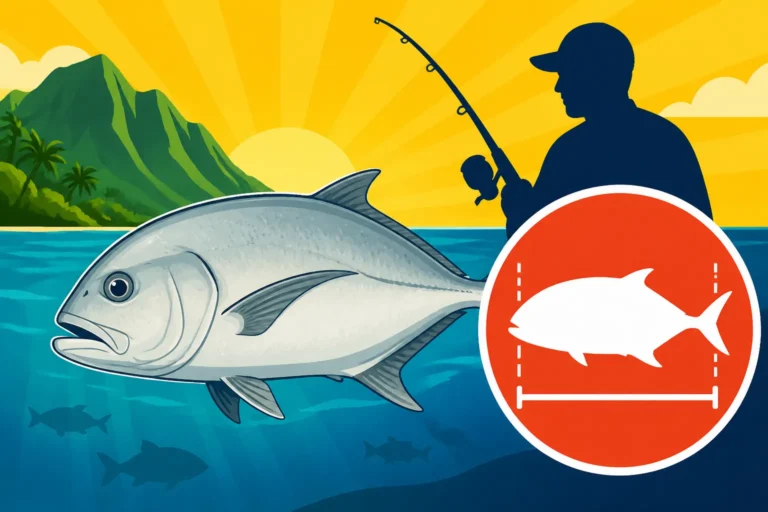
- Size Limits: This specifies the minimum (and sometimes maximum) length a fish must be to be legally harvested. Releasing undersized fish is critical for ensuring they have a chance to reproduce. For example, Hawaii moi minimum size limit (Pacific threadfin) and Hawaii ulua minimum size limit (Giant Trevally) are rigorously enforced. Using a measuring tape or having markings on your rod is a smart practice.
It's critical to remember that these limits are not just suggestions; they are laws. The exact limits for various species are subject to change, so always consult the most current regulations published by the DLNR. A great resource for this is our guide on Hawaii Bag and Size Limits by Species. Don't guess; know before you go!
Closed Seasons and Restricted Areas
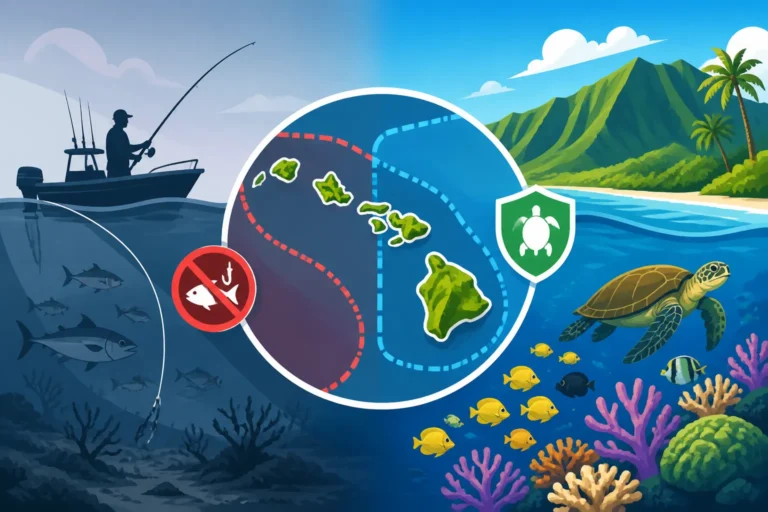
Beyond daily limits, some species are protected by closed seasons, and certain areas are entirely off-limits to fishing or have highly restricted activities. These measures are designed to protect spawning fish, critical habitats, or culturally significant sites.
- Closed Seasons: Certain species have specific times of the year when they cannot be harvested, usually coinciding with their spawning periods. A prime example is the Hawaii Moi Closed Season, Explained which is strictly enforced to protect this culturally important fish during its reproductive cycle. Similarly, the Hawaii uhu ahuula closed season dates are designed to allow parrotfish to spawn undisturbed. Fishing for or possessing these species during their closed season, even unintentionally, can result in penalties.
- Restricted Areas: Hawaii has established various protected areas where fishing is either completely prohibited or heavily regulated. These include:
- Marine Life Conservation Districts (MLCDs): These are designated areas where marine life and habitats are strictly protected. Activities like fishing, collecting, or even disturbing marine life are typically prohibited or severely restricted. Popular spots like Kealakekua Bay or certain parts of Hanauma Bay are MLCDs. Understanding What a Marine Life Conservation District means for anglers is vital.
- Fish Replenishment Areas (FRAs): Particularly in West Hawaii, these areas are designed to help replenish fish stocks. They may have different rules than MLCDs, often focusing on restricting certain types of fishing gear or activities. Our guide on Hawaii Fish Replenishment Areas in West Hawaii details these specific zones.
- Public Fishing Areas (PFAs) with Special Rules: Even in designated fishing areas like Wahiawa Reservoir or Kōkeʻe, there might be specific rules unique to that location regarding gear, bait, or species limits. For instance, Hawaii Wahiawa Reservoir Fishing Rules might dictate specific lure types or boat usage.
Always carry a copy of the current regulations or have access to them digitally. The official DLNR website is your best friend here. Our guide on Reading the Hawaii DLNR Fishing Regulations offers tips on how to interpret these documents effectively. Being informed ensures a respectful and legal fishing experience in Hawaii.
Penalties for Fishing Without a License in Hawaii
It’s easy to get caught up in the excitement of a fishing trip, but ignoring licensing requirements can quickly turn that excitement into a serious headache. The state of Hawaii takes its fishing regulations very seriously, and fishing without a required license is not a minor infraction. The penalties are designed to deter illegal activity and reinforce the importance of sustainable resource management.
Consequences for Violations
The consequences for fishing without a required license in Hawaii can range from significant monetary fines to more severe legal repercussions. It's not just a slap on the wrist; it can genuinely impact your wallet and your future ability to fish.
- Monetary Fines: This is the most immediate and common penalty. Fines for fishing without a license can vary, but they are typically substantial enough to act as a significant deterrent. You could be looking at hundreds of dollars for a single infraction, which far outweighs the cost of purchasing a valid license. These fines often increase for repeat offenders or if other violations (like keeping undersized fish or fishing in a closed area) are discovered concurrently. For a deeper dive into the financial implications, check out Hawaii fishing without a license penalty.
- Confiscation of Gear: Enforcement officers, whether from the DLNR Division of Conservation and Resources Enforcement (DOCARE) or local police, have the authority to confiscate your fishing gear. This means your rod, reel, tackle, and even your catch could be seized on the spot. Losing valuable equipment on top of a fine can make for a very bad day, especially if you're a visitor who just bought expensive gear for your trip.
- Forfeiture of Catch: Any fish you have caught while fishing illegally will almost certainly be confiscated and forfeited. This means you won't get to keep your catch, which is often the primary goal of your outing. This emphasizes the point that illegal fishing efforts are ultimately fruitless, beyond the legal trouble.
- Legal Charges and Court Appearances: In more serious or egregious cases, especially involving repeat offenses or commercial-level poaching, fishing without a license can lead to legal charges, requiring court appearances. This can be particularly disruptive for visitors who might have to extend their stay or return to Hawaii specifically for court proceedings. Such incidents can also result in a criminal record, depending on the severity of the offense.
- Loss of Future Privileges: While not as common for a first-time recreational license violation, repeat offenders could face temporary or even permanent suspension of their fishing privileges in Hawaii. This means you could be banned from obtaining a fishing license in the future, effectively ending your ability to fish legally in the state.
The key takeaway here is that ignorance of the law is not an excuse. Even if you genuinely didn't know you needed a license, the penalties still apply. That's why it's so crucial to do your homework before you even head out to your chosen fishing spot. Taking the time to understand the requirements, purchase the correct license, and review all applicable regulations is a small investment that protects you from a potentially costly and unpleasant experience. Don't risk it; be prepared and fish responsibly.
Disclaimer
The information provided in this Hawaii Fishing License Guide for 2026 is intended for general informational purposes only. While we strive to provide accurate and up-to-date content, fishing regulations, license requirements, and costs are subject to change by the Hawaii Department of Land and Natural Resources (DLNR). It is the responsibility of the individual angler to verify all current rules, laws, and fees directly with the official Hawaii DLNR Division of Aquatic Resources (DAR) website or offices before engaging in any fishing activity. This guide does not constitute legal advice.