Hawaii State Fish Records by Species
For many anglers, the thought of landing a fish that truly pushes the limits of what's possible is a powerful draw. Hawaii, with its incredibly diverse and prolific waters, offers that dream to countless fishermen, but chasing a state record here isn't just about luck; it's a testament to skill, persistence, and an intimate understanding of these unique ocean and freshwater environments. This guide dives deep into what it means to hold a Hawaii state fish record, exploring the species that grace the record books, the process of documenting a monumental catch, and why these achievements hold such a special place in the hearts of local and visiting anglers alike.
The Lure of the Line: Why Hawaii's State Records Captivate Anglers
There's something incredibly primal about the pursuit of the largest fish, the one that stands out amongst all others. In Hawaii, where fishing is deeply intertwined with culture and daily life, state records aren't just statistics; they're stories of triumph, skill, and sometimes, a little bit of magic. Anglers here dream of seeing their name in the books, not just for personal glory, but as a contribution to the rich angling heritage of the islands. It’s a challenge that pushes you to your limits, physically and mentally, in some of the most beautiful and demanding fishing grounds on Earth.
More Than Just a Number: The Legacy of a Record
A state record in Hawaii isn't merely about the weight displayed on a scale. It's about the fish itself—its size, its fight, and the incredible journey it took to reach such a formidable dimension in these waters. Each record fish represents a peak achievement, a testament to the health of the fishery and the culmination of years, sometimes decades, of local knowledge. When you hear about a record being broken, it sparks conversation, inspires new anglers, and adds another chapter to the legendary tales whispered on the docks and along the shorelines. It’s a shared legacy that transcends the individual angler, becoming a part of Hawaii's fishing narrative.
Breaking a record can also shine a spotlight on specific techniques, gear, or even particular fishing spots that produced such a behemoth. It's an affirmation of the angler's dedication, their patience in waiting for that one special bite, and their ability to successfully battle a true titan of the deep or the reef. For many, it's the ultimate validation of their passion for fishing, a memory that will be recounted for generations.
The Dauntless Spirit of Hawaiian Angling
Hawaiian angling demands a unique kind of resilience. The currents can be fierce, the sun relentless, and the fish, particularly the record contenders, are notoriously strong and cunning. Whether you're miles offshore battling a grander marlin or locked in a grueling tug-of-war with an ulua from the lava rock shoreline, the conditions test every fiber of your being. This isn't passive fishing; it's an active, often physically demanding, pursuit that requires peak physical condition and an unwavering mental fortitude.
The spirit of Hawaiian angling also involves a deep respect for the ocean and its inhabitants. While chasing records, responsible practices like knowing Hawaii Bag and Size Limits by Species and practicing catch and release for certain species are paramount. It's about honoring the resource while pushing the boundaries of what's achievable with rod and reel. This blend of fierce determination and profound respect is what makes the pursuit of a state record here so special and so deeply Hawaiian. It’s a spirit that is passed down through generations, learned through countless hours on the water, observing and adapting to the nuances of these vibrant aquatic ecosystems.
Navigating the Waters of Official Recognition: How Records are Kept
So, you've landed a fish that feels truly enormous, perhaps even a contender for a state record. What now? The path to official recognition is a structured one, designed to ensure fairness, accuracy, and integrity in the record books. It’s not enough to simply catch a big fish; you need to know who keeps the records and what rules they follow. This system ensures that every record listed is a true and verifiable accomplishment, standing as a benchmark for future generations of anglers.
The Custodians of Hawaiian Fishing History
In Hawaii, various bodies might keep track of records, but for official state records across species, it's typically a collaboration or recognition by established angling organizations and sometimes the state's own aquatic resources division. These entities establish the rules, verify catches, and maintain the historical database of records. Their role is crucial in lending credibility to any claimed record, as they provide the stringent guidelines and impartial review necessary for a catch to earn its place in the annals of history.
Often, these organizations align their rules with international standards, such as those set by the International Game Fish Association (IGFA), which ensures a level playing field and consistent criteria. This meticulous attention to detail is what gives a Hawaii state record its weight and prestige. Without these custodians, the concept of a "record" would quickly lose its meaning, becoming anecdotal rather than verifiable. Knowing Reading the Hawaii DLNR Fishing Regulations is also key, as these rules often dictate what is legally permissible during your record pursuit.
Categories of Achievement: All-Tackle, Line Class, and More
When we talk about "state records," it’s important to understand that there isn't just one blanket category. Most record-keeping bodies break down achievements into several distinct categories, allowing for a broader spectrum of accomplishments. The most recognized is often the "All-Tackle" record, which simply measures the heaviest fish caught of a particular species, regardless of the line strength used. This is the one most people envision when they think of a "record fish."
However, there are also "Line Class" records, which acknowledge the incredible skill required to land a massive fish on lighter fishing lines. For example, a 100-pound ahi caught on 20-pound test line is a much more impressive feat of angling prowess than the same fish caught on 80-pound test. These categories celebrate the angler's ability to maximize their gear and fight a fish strategically. Additionally, some organizations might have categories for junior anglers, fly fishing records, or even records based on specific fishing methods like spearfishing (though Hawaii Spearfishing Regulations are strict and vary). Understanding these distinctions is crucial when aiming for a specific record. Many anglers purchase specialized scales and measuring tapes, often found on Amazon, to ensure their potential record is accurately documented for all categories.
Here's a simplified look at common record categories:
| Record Category | Description | Angler Skill Emphasis | Equipment Constraint |
|---|---|---|---|
| All-Tackle | Heaviest fish of a species, regardless of line test or gear. | Overall skill, ability to land large fish | Minimal (any legal gear) |
| Line Class | Heaviest fish caught on a specific breaking strength of line (e.g., 20 lb, 50 lb). | Finesse, strategic fighting, gear mastery | Strict adherence to line test |
| Fly Rod | Heaviest fish caught using fly fishing tackle (rod, reel, line, fly). | Precision casting, specific fly presentation, fight | Fly rod, reel, line, and artificial fly only |
| Junior Angler | Heaviest fish caught by an angler within a specific age range (e.g., under 16). | Encourages youth participation, basic angling skills | Age-specific, often follows All-Tackle or Line Class |
| Method Specific | Records for particular techniques like spearfishing (where legal and recognized) or handlining. | Mastery of specific traditional or niche techniques | Gear specific to the method |
Pelagic Giants: Charting the Offshore Record Holders
Hawaii's offshore waters are legendary, a vast blue playground for some of the ocean's most powerful and sought-after game fish. These pelagic species grow to incredible sizes, fueled by the rich currents and abundant baitfish around the islands. Chasing records for these giants often means venturing far from shore, facing the elements, and engaging in battles that can last for hours, testing both angler and gear to their absolute limits. The sheer power and speed of these fish make them truly magnificent record contenders.
The Apex Predator: Blue Marlin's Reign
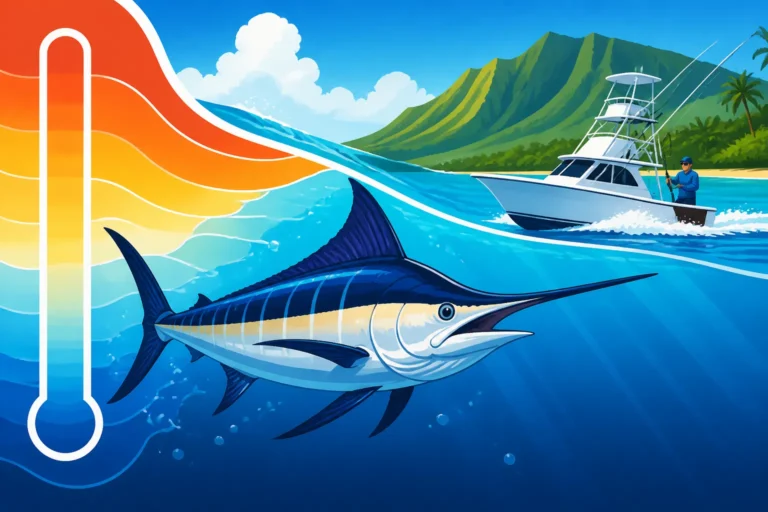
When most people think of Hawaii fishing, the blue marlin instantly comes to mind. The Kona Coast, in particular, is world-renowned as a prime location for these magnificent creatures, often producing specimens exceeding 1,000 pounds, known as "granders." The Hawaii state record blue marlin weight is a figure of legend, representing the pinnacle of big-game fishing. These fish are incredible fighters, characterized by their explosive runs, spectacular aerial displays, and relentless power. Landing a record blue marlin is a monumental achievement that demands peak physical endurance, expert boat handling, and a bit of good fortune.
Anglers spend countless hours trolling the deep waters off the Big Island, often utilizing large artificial lures or rigged baitfish in hopes of enticing one of these ocean monarchs. The strike of a blue marlin is unmistakable—a sudden, violent explosion on the surface that signals the start of an epic battle. The thrill of seeing that massive billfish leap from the water, silhouetted against the Hawaiian sky, is an experience that stays with an angler forever, regardless of whether it breaks a record or not. Understanding How to Catch Marlin off the Kona Coast is crucial for anyone dreaming of this particular record.
Ahi (Yellowfin Tuna): Power and Stamina on the Open Ocean
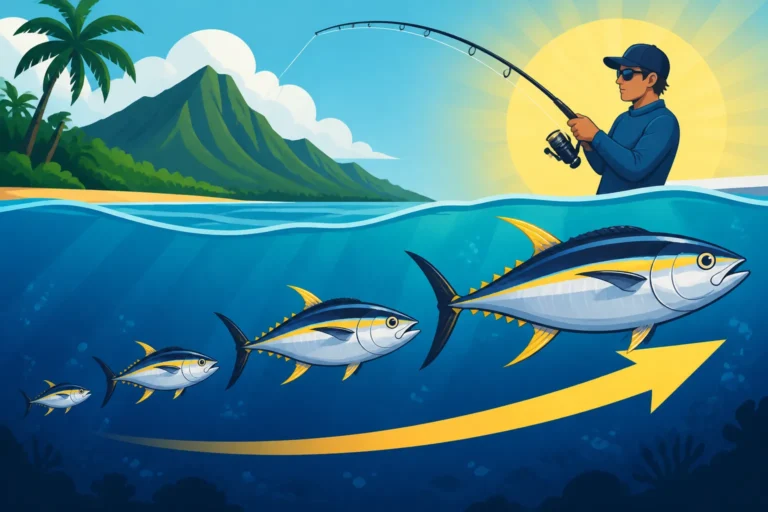
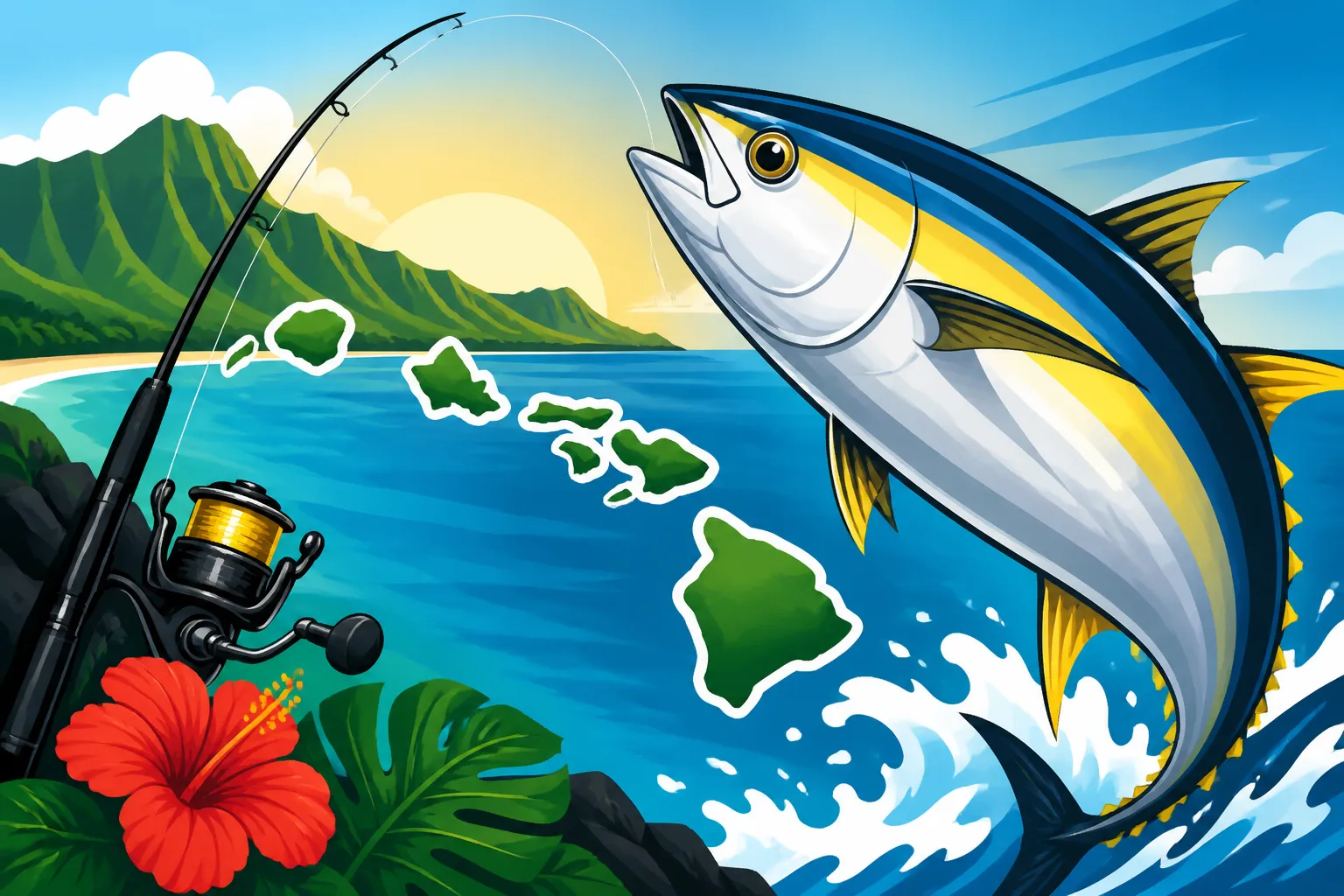
Close behind the marlin in terms of sheer power and popularity is the ahi, or yellowfin tuna. These torpedo-shaped speedsters are built for sustained, brutal fights, often diving deep and waging a relentless war of attrition. Hawaii boasts some truly massive ahi, and the pursuit of the Hawaii state record ahi weight is a highly competitive endeavor. Ahi are often targeted by trolling lures, but many anglers also employ chunking or live bait techniques to entice these powerful tuna. The fight of a big ahi is a test of stamina, with long, drag-screaming runs that can strip hundreds of yards of line from a reel in seconds.
The best ahi fishing often coincides with specific times of the year and the presence of baitfish schools or FADs (Fish Aggregating Devices) far offshore. Anglers frequently use heavy-duty tackle, designed to withstand the immense pressure exerted by these fish. The reward, beyond the record potential, is a magnificent culinary prize, as ahi is highly prized for its delicious meat. Successfully landing a record ahi requires precision, strength, and an intimate knowledge of Ahi Migration Patterns Around Hawaii.
Speedsters of the Deep: Ono (Wahoo) and Mahimahi
While marlin and ahi often grab the headlines, the ono (wahoo) and mahimahi (dolphin fish) are equally impressive pelagic species that provide exhilarating fishing and offer their own set of state records to pursue. Ono are absolute rockets in the water, known for their incredible speed and razor-sharp teeth. They strike lures with ferocious intensity, often making blistering runs that can spool an unprepared angler. The Hawaii state record ono weight reflects a fish that possesses both immense power and the ability to make incredibly fast, unexpected movements, demanding quick reflexes from the angler.
Mahimahi, with their vibrant colors and acrobatic leaps, are another favorite among offshore anglers. They are fast-growing, aggressive, and often travel in schools, making for exciting multiple hook-ups. A large mahimahi is a stunning fish, and chasing the Hawaii state record mahimahi weight is a rewarding challenge. Both ono and mahimahi are typically caught by trolling lures or live bait, often near current lines, weed lines, or floating debris that attract baitfish. Their pursuit offers a different kind of thrill than the relentless grind of a marlin or tuna, focusing more on speed, agility, and the vibrant beauty of the catch.
Nearshore Brawlers and Deepwater Dwellers: Reef and Bottomfish Records
While the vast blue offshore waters hold their majestic pelagics, Hawaii's nearshore reefs, rocky points, and deepwater ledges harbor another incredible array of record-worthy fish. These species offer different challenges, often requiring specialized techniques for shore-based angling or intricate knowledge of underwater topography for bottomfishing. From the brutal power of a giant trevally to the elusive beauty of a deepwater snapper, these records are earned through perseverance and a deep understanding of Hawaii's complex coastal ecosystems.
Ulua (Giant Trevally) and Papio: Shoreline Legends
For many local anglers, the ulua (giant trevally) is the ultimate prize, particularly when caught from shore. These powerful, broad-shouldered fish are absolute beasts, known for their bone-jarring strikes and incredible strength that can drag an unsuspecting angler into the water. The Hawaii state record ulua weight is a testament to the sheer power these fish possess, and tales of record-breaking ulua catches from the rocky shorelines are the stuff of local legend. Anglers often spend entire nights casting heavy bait rigs, sometimes using specialized "sliding bait" techniques, waiting for that one thunderous strike.
Papio are the smaller, younger versions of ulua, but they offer an incredibly spirited fight on lighter tackle and are excellent targets for whip-casting lures from shore. While not reaching the behemoth size of a true ulua, some papio can grow surprisingly large, pushing into record territory for their size class. Whether targeting a potential record ulua or a large papio, the shoreline angler faces unique challenges: navigating jagged lava rock, battling waves, and meticulously selecting the perfect tides and moon phases. Many seasoned ulua fishermen meticulously prepare their bait and tackle, often sourcing specific hooks and heavy lines from suppliers like Amazon, knowing that every detail counts when pursuing such a formidable opponent. Understanding Ulua (Giant Trevally) Fishing in Hawaii is essential for any shore-based angler dreaming of these records.
The Treasures of the Deep: Opakapaka, Onaga, and Other Bottomfish
Venturing into Hawaii's deep waters opens up a world of stunning bottomfish, many of which are highly prized both for their culinary value and their potential for record status. Species like opakapaka (pink snapper) and onaga (ruby snapper) are beautiful, deep-dwelling fish that require specialized electric reels and robust techniques to pull them up from hundreds of feet below the surface. The Hawaii state record opakapaka weight and the Hawaii state record onaga weight are hard-won achievements, often requiring multiple drops in specific deep-water locations to entice these elusive fish.
These bottomfishing excursions are often long days out on the water, precisely positioning the boat over submerged ledges, seamounts, and deep canyons where these fish congregate. Anglers use heavy weights and multiple hooks baited with squid or cut fish, hoping to connect with one of these deepwater treasures. Beyond opakapaka and onaga, other record-worthy bottomfish include uku (gray snapper), hapu'upu'u (sea bass), and ehu (short-tail red snapper), each presenting its own challenges and rewards for the dedicated angler. It's a different kind of fishing, relying less on explosive fights and more on precision, depth management, and the ability to read complex sonar readings to find the right structure.
Other Notable Inshore Species and Their Pursuit
Hawaii's vibrant reefs and shallow flats also host a variety of other species that can hold impressive state records. The colorful uhu (parrotfish), known for its unique appearance and delicious meat, can grow to surprising sizes, with the Hawaii state record uhu weight being a testament to a truly large specimen. Moi (Pacific threadfin), a historically revered fish, also has its own dedicated record seekers, often caught by careful float fishing from sandy beaches.
Then there are species like bonefish (oio), which are flats-fishing legends. While they don't grow to massive weights, catching a large bonefish on light tackle or fly gear on the shallow flats of Keehi Lagoon or Sand Island is an incredible feat of stealth and precision. Each of these species, whether a reef dweller or a flats cruiser, presents a distinct challenge and contributes to the rich tapestry of Hawaii's fishing records. Their pursuit often involves patient observation, understanding tidal movements, and adapting to the specific feeding habits of these diverse inshore inhabitants.
Unexpected Waters: Freshwater Records in Hawaii
When most people envision fishing in Hawaii, they picture vast blue oceans and powerful marine species. However, the islands also offer a unique and often overlooked freshwater fishing experience, complete with its own set of challenging and rewarding state records. While less diverse than the saltwater scene, the freshwater fisheries provide a different kind of angling, often set amidst lush, verdant landscapes. These waters, mainly reservoirs and specifically stocked streams, hold surprises for those willing to explore them.
The Pristine Streams: Rainbow Trout's Unique Habitat
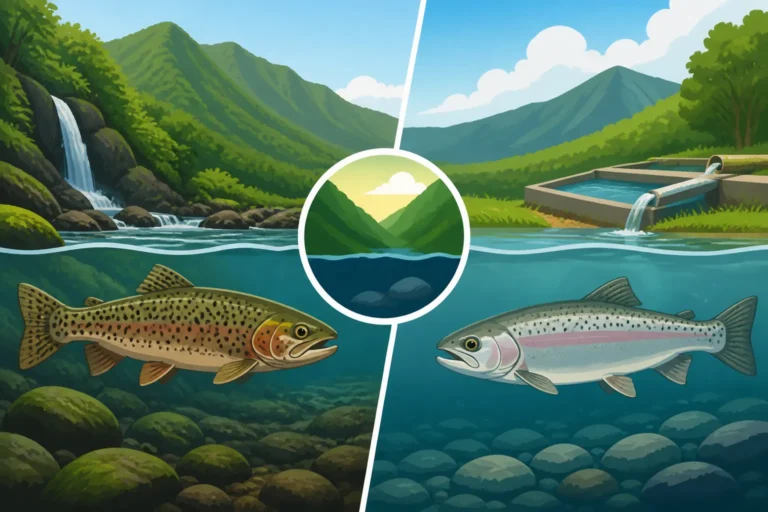
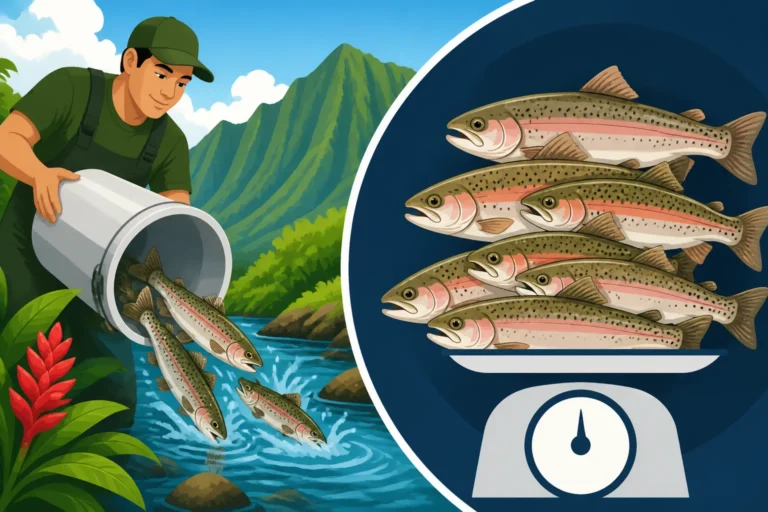
Perhaps the most unexpected freshwater fishery in Hawaii is the rainbow trout population in the high-elevation streams of Kokee Public Fishing Area on Kauai. Stocked annually by the state, these cold, clear waters provide a surprisingly robust trout fishery, attracting anglers seeking a distinctly different Hawaiian fishing experience. The Hawaii state record rainbow trout weight showcases the potential for these fish to grow substantial in this unique tropical mountain environment.
Fishing for trout in Kokee involves navigating lush forest trails and casting into picturesque streams and rivers. It's a stark contrast to the ocean's expanse, offering a serene and immersive natural experience. Anglers often use light spinning tackle or fly rods, targeting trout with artificial lures, flies, or bait. The season is typically limited, adding to the exclusivity and challenge of catching a record-sized trout in this remote Hawaiian locale. Understanding Hawaii Kokee Trout Fishing Season Dates is crucial for anyone hoping to pursue this particular record.
Reservoir Rulers: Bass and Tilapia
Beyond the trout streams, Hawaii's larger freshwater reservoirs on islands like Oahu are home to several introduced species that provide exciting angling opportunities and hold their own state records. Largemouth bass are a popular target, offering aggressive strikes and powerful fights. The Hawaii state record largemouth bass weight is a highly coveted title, attracting bass anglers who employ various techniques from Texas rigs to topwater lures. Reservoirs like Wahiawa are particularly known for their bass and peacock bass populations.
Tilapia, an introduced species, are also prolific in these reservoirs and can grow to surprisingly large sizes, presenting a challenge on light tackle. While often considered a panfish, a record-sized tilapia can put up a respectable fight. Other species like channel catfish can also be found in some reservoirs, offering yet another potential for state records. These reservoir fisheries are often more accessible than the deep offshore waters, making them popular for families and those seeking a calmer, land-based fishing adventure. Each species brings its unique fighting style and preferred habitat, making the pursuit of these freshwater records a diverse and engaging endeavor. Hawaii Wahiawa Reservoir Fishing Rules are important to consult for these areas.
The Journey to Immortality: Documenting a Potential State Record
Catching a fish of a lifetime is one thing; getting it officially recognized as a state record is another entirely. The process is meticulous, requiring careful documentation and adherence to strict guidelines. It’s a journey that demands attention to detail from the moment the fish is landed until its final certification. Without proper documentation, even the largest fish might never make it into the record books.
The Critical First Steps: Catch, Measure, and Weigh
The moment you realize you've landed a potential record, a critical sequence of actions must be followed. First and foremost, ensure the fish is handled carefully and kept alive if you intend to release it, or properly preserved if it will be weighed ashore. For record consideration, the fish usually needs to be weighed on a certified scale, often located at marinas, tackle shops, or designated weigh stations. This isn't just any scale; it must be calibrated and inspected regularly to ensure accuracy. Having a reliable, IGFA-compliant scale on hand, or knowing the nearest certified location, is paramount. Many anglers who are serious about record chasing invest in high-quality digital scales and measuring tapes, available on Amazon, that can be checked for accuracy.
You'll also need clear, well-lit photographs of the fish, ideally with the angler and the tackle used, showcasing the fish's full length and girth. Photos against a measuring device are often required. The entire process of the catch—including the time it took, the lure or bait used, and the line strength—needs to be recorded accurately. Details matter immensely here, as any discrepancies can lead to disqualification. This quick transition from the excitement of the catch to the rigor of documentation is often where many potential records fall short.
The Rigorous Road to Official Certification
Once the fish has been weighed and initial documentation is complete, the formal submission process begins. This typically involves filling out detailed application forms provided by the record-keeping organization. You’ll need to provide all the information gathered at the time of the catch, including witness statements, tackle specifications (rod, reel, line, leader), and the certified weight and measurements. The line used for the catch is often required to be submitted for testing to verify its breaking strength, especially for line class records.
The process often involves a review committee or official who will scrutinize every detail of your submission. They'll look for any violations of fair-play rules, such as switch-baiting or excessive assistance, and confirm that all tackle used meets the organization's specifications. This rigorous verification can take time, sometimes weeks or even months, but it's essential for maintaining the integrity of the record books. It’s a test of patience, but a necessary one to ensure that the Hawaii State Fish Records by Species remain legitimate and respected.
The Importance of Conservation in Record Chasing
While the pursuit of a state record is undoubtedly exciting, it's crucial that this ambition is balanced with a strong commitment to conservation. The health of Hawaii's fisheries depends on responsible angling practices. If a potential record fish is caught, and it's a species that can survive release, catch and release should always be considered, especially if it's not destined for the dinner table. Minimizing the time the fish is out of the water, handling it gently, and ensuring a proper release can contribute significantly to the longevity of the species.
For fish intended for the record book and consumption, adhering strictly to all Hawaii Fishing Regulations Explained regarding bag limits, size limits, and closed seasons is paramount. No record is worth compromising the future of the fishery. Record chasers, by their very nature, are often deeply invested in the long-term health of the species they pursue. They understand that without a vibrant, healthy aquatic ecosystem, there would be no record fish to chase in the first place. Therefore, ethical angling and conservation are not just recommended; they are fundamental to the spirit of record fishing in Hawaii.
Beyond the Bragging Rights: The True Spirit of Hawaii Fishing
Ultimately, while the pursuit of a state record provides an exciting goal and a measure of personal achievement, the true essence of fishing in Hawaii runs far deeper than numbers in a record book. It's about the profound connection to the ocean, the tranquility of the freshwater streams, the shared experiences with friends and family, and the sheer beauty of the islands themselves. The records are a wonderful bonus, but they are not the sole purpose.
The Unforgettable Experience Over the Trophy
Ask any seasoned Hawaiian angler, and they'll likely tell you that their most cherished fishing memories aren't always about the biggest fish they caught, but about the incredible moments spent on the water. It's the stunning sunrise over Mauna Kea as you head out to sea, the camaraderie with your fellow anglers on a charter boat, the quiet solitude of a remote shoreline at dawn, or the thrill of teaching a child to cast for the first time. These indelible experiences are the true trophies of fishing in Hawaii.
Whether you're targeting a state record blue marlin or simply enjoying some casual Shore Fishing Techniques for Hawaii for papio, the joy comes from the challenge, the unpredictability, and the intimate dance with nature. The pursuit itself, the lessons learned, the patience cultivated, and the stories created, far outweigh the fleeting glory of a record title. It's about being present in the moment and appreciating the privilege of fishing in such an extraordinary place. Many share their adventures, often looking up new fishing techniques or gear on Amazon to try out on their next trip, perpetually learning and growing as anglers.
Perpetuating Healthy Fisheries for Future Generations
The legacy of Hawaii's state fish records isn't just about celebrating past achievements; it's about inspiring future generations to cherish and protect these precious aquatic resources. Every angler, whether a record chaser or a casual fisherman, plays a role in perpetuating healthy fisheries. This involves advocating for sustainable practices, respecting regulations, and educating others about the importance of conservation.
By upholding the highest standards of ethical angling and environmental stewardship, we ensure that the opportunities to chase those elusive record-breaking fish, or simply enjoy a day on the water, will remain for our keiki (children) and beyond. The records themselves become symbols of what's possible when the ocean is healthy and respected. So, while the quest for a Hawaii state fish record is a thrilling adventure, remember that the greatest catch of all is a thriving, vibrant ecosystem that continues to yield incredible fish and unforgettable experiences for years to come.
Disclaimer
This article is for general informational purposes only and does not constitute professional advice. Laws, prices and regulations vary by location and change over time. Consult a qualified professional for guidance on your specific situation.