Hawaii Freshwater Fishing License and Rules
It's easy to get swept up in the dream of casting a line into Hawaii's crystal-clear waters, imagining a thrilling catch against a backdrop of volcanic peaks. But when it comes to freshwater fishing in this island paradise, many anglers, especially those new to the islands or just visiting, often find themselves scratching their heads. The rules aren't always what you'd expect, and making an honest mistake can quickly turn a peaceful day into a frustrating one. This guide is here to clear up all the confusion, walking you through everything you need to know about Hawaii's freshwater fishing licenses and regulations, so you can enjoy your time on the water without a worry.
Understanding Hawaii's Unique Fishing License System
Let's be real, Hawaii's fishing regulations can feel a little… different. You might have heard whispers that you don't need a license to fish in the ocean here, and for the most part, those whispers are true for recreational shoreline or offshore marine fishing. This often leads people to assume the same applies to freshwater, or that a single license covers everything. Unfortunately, that's where many anglers hit their first roadblock. The Aloha State has a distinct system, and understanding this fundamental difference is your first step to a compliant and enjoyable fishing trip.
The Big Difference: Ocean vs. Freshwater Licensing
It's a common misconception, and honestly, who can blame anyone for thinking fishing is just fishing, no matter the water type? However, Hawaii treats its ocean and freshwater resources quite differently when it comes to recreational angling permits. For the vast majority of ocean fishing – think casting from a beach, flicking lures from a rocky point, or even heading out on a charter boat for big game like marlin and ahi – a state fishing license is generally not required for recreational purposes. This is a unique aspect of Hawaii's management, rooted in tradition and the abundant nature of its marine resources. Of course, commercial marine fishing has its own strict licensing, but for a casual angler looking to catch dinner, the ocean is largely open access.
Now, shift your focus inland to the streams, reservoirs, and ponds, and the story changes completely. Freshwater fishing in Hawaii is a different ballgame. If you're planning to target species like rainbow trout, largemouth bass, peacock bass, or even tilapia in these inland waters, you absolutely will need a valid freshwater fishing license. This isn't just a suggestion; it's a legal requirement enforced by the Department of Land and Natural Resources (DLNR), Division of Aquatic Resources (DAR). The distinction is critical because Hawaii's freshwater ecosystems are far more limited and sensitive than its vast marine environment. They require careful management to sustain fish populations, protect native species, and ensure responsible access for everyone. Trying to apply ocean rules to inland waters is a surefire way to find yourself in a bind.
Who Needs a Freshwater Fishing License in Hawaii?
So, who exactly falls under this freshwater license requirement? The short answer is: almost everyone who intends to fish in Hawaii's freshwater bodies. This includes both residents and non-residents, and it applies to adults and even older children. If you're visiting from the mainland and dreaming of catching a peacock bass in Wahiawa Reservoir or fly fishing for trout in the streams of Kokee, you'll need to secure the appropriate license before you cast your first line. It's not a punitive measure; rather, it's a way for the state to manage these unique, often fragile, freshwater fisheries.
There are, however, some specific age exemptions that we'll dive into later, but generally, if you're over the age of 18 (or even younger for non-residents in some cases), you'll need a license. It’s also important to remember that this requirement extends beyond just traditional rod-and-reel fishing. Any method of taking freshwater aquatic life that is permitted (which, in Hawaii's freshwater, is primarily hook-and-line) will fall under this licensing umbrella. For residents, this might feel a little more straightforward as they navigate other state-issued permits, but for visitors, it's often the most surprising part of planning their fishing adventure in Hawaii. Don't let this catch you off guard – do your homework first! You can learn more about the broader requirements in our guide on Do You Need a Fishing License in Hawaii.
Why the Rules Exist: Protecting Our Awa (Freshwater Resources)
It's easy to grumble about needing another license, especially when the ocean is so "free." But Hawaii's freshwater fishing license and regulations aren't arbitrary; they are essential for the health and sustainability of the islands' unique and limited freshwater ecosystems. Unlike continental landmasses with extensive river systems, Hawaii's freshwater habitats are relatively small, isolated, and often impacted by various factors like agriculture, development, and invasive species. The term "awa" refers to inland waters and is a nod to their cultural and ecological significance.
The DLNR Division of Aquatic Resources (DAR) uses the revenue generated from license sales to fund critical conservation efforts. This includes fish stocking programs, particularly for rainbow trout in areas like Kokee Public Fishing Area on Kauai, and habitat restoration projects. It also helps support research into native freshwater species (though many of Hawaii's native freshwater fish are not typically targeted by recreational anglers and are often protected). Furthermore, the licensing system allows the state to monitor fishing pressure and collect data on angler participation and catch rates, which are vital for making informed management decisions. Without these regulations, these precious freshwater resources could easily be overfished or damaged, leading to a decline in fish populations and a loss of angling opportunities for future generations. So, when you purchase a license, you're not just getting permission to fish; you're directly contributing to the conservation of Hawaii's unique freshwater environments.
Detailed Breakdown of Freshwater License Types and Costs
Navigating the specifics of freshwater fishing licenses in Hawaii can feel a bit like reading a menu in a foreign language if you're not familiar with the local system. The good news is that it’s actually quite straightforward once you understand the basic categories. Whether you're a long-time kama'aina (resident) or a malihini (visitor) hoping to experience Hawaii's unique inland fisheries, there's a specific license designed for your needs.
Resident Freshwater Licenses: Annual, Age Exemptions, and Discounts
For Hawaii residents, the freshwater fishing license is typically an annual permit, meaning it's valid for a full calendar year from the date of purchase or for a specified period, often expiring on December 31st of the year issued, so it’s always best to check the exact expiration when you buy it. The cost for a resident annual freshwater fishing license is usually quite reasonable, especially when compared to similar licenses in other states. Currently, the price hovers around the $5.00 mark, making it a very accessible option for local anglers. This modest fee helps ensure that residents can enjoy their local waters while still contributing to the state's conservation efforts. You can find more details on the exact current cost in our dedicated article, Hawaii freshwater license cost for residents.
Beyond the standard annual license, Hawaii offers some thoughtful exemptions and discounts for its residents, recognizing the needs of different community members. For example, Hawaii residents who are 65 years of age or older are typically exempt from needing a freshwater fishing license. This is a wonderful perk for our kupuna (elders) who want to continue enjoying the peaceful pursuit of freshwater angling. Similarly, disabled residents who meet certain criteria may also be eligible for an exemption, allowing them to fish without the annual fee. These exemptions are not automatic, however; eligible individuals often need to apply through the DLNR Division of Aquatic Resources and provide proof of age or disability. It’s always best to check the latest guidelines and application procedures directly with the DLNR or consult resources like Hawaii Senior and Disabled Freshwater License Exemption to ensure you meet all the requirements. It’s all about making sure everyone has a chance to enjoy Hawaii's natural beauty responsibly.
Non-Resident Freshwater Licenses: Short-Term and Annual Options
If you're visiting Hawaii and eager to try your hand at freshwater fishing, the state has you covered with specific non-resident license options. These are designed to accommodate tourists and temporary visitors, offering flexibility based on the length of your stay and fishing plans. The most common options for non-residents include short-term licenses, such as a 7-day or 30-day permit. These are perfect if you're only planning a brief fishing excursion or a single trip to a place like Wahiawa Reservoir. The costs for these short-term licenses are naturally higher than the resident annual fee, reflecting the reciprocal costs often seen in other states for non-resident permits. For example, a 7-day non-resident license might cost around $10.00, while a 30-day license could be around $20.00. These prices are subject to change, so always verify the most current information before purchasing. You can check out our articles like Hawaii 7-day tourist freshwater license cost and Hawaii 30-day tourist freshwater license cost for the latest pricing.
For non-residents who plan to stay longer or make multiple freshwater fishing trips throughout the year, an annual non-resident freshwater license is also available. While this option is more expensive than the short-term permits (typically around $40.00 to $50.00), it can be more cost-effective if you anticipate spending more than a month total fishing in Hawaii's freshwater. This annual non-resident license also provides the convenience of not having to purchase a new permit for each trip. Like resident licenses, non-resident permits often expire on December 31st of the year they are issued, regardless of when you purchased them. Therefore, if you buy an annual non-resident license late in the year, you might only get a few months of use out of it. It’s always a good idea to factor in your travel dates and fishing schedule to decide which non-resident option offers the best value for your Hawaiian adventure. You can find up-to-date pricing in resources like Hawaii freshwater license cost for nonresidents.
Age Requirements and Exemptions for Freshwater Fishing
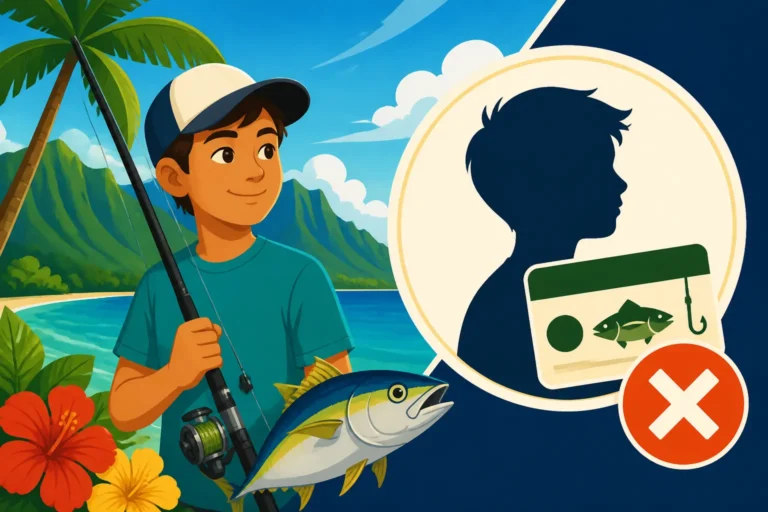
Understanding the age requirements for a freshwater fishing license in Hawaii is crucial, as they differ for residents and non-residents, and also from the marine fishing exemptions. For Hawaii residents, generally, anyone under the age of 18 is exempt from needing a freshwater fishing license. This means that resident keiki (children) and young adults can enjoy fishing in the state's reservoirs and streams without needing to purchase a permit, making it an accessible family activity. This exemption is fantastic for encouraging the next generation of anglers and fostering a love for the outdoors. It allows parents to introduce their children to fishing without the added financial or administrative burden of obtaining multiple licenses.
However, for non-residents, the age exemption is slightly different and often less generous. While younger children might still be exempt, the age threshold for non-residents to require a license can be lower than for residents. For instance, some states require non-resident youth as young as 16 to have a license. While Hawaii’s specific non-resident youth age requirement for freshwater is usually aligned with residents (under 18), it's always best practice for non-resident families to double-check the current regulations before their trip. These details can be found on the official DLNR website or in resources like Hawaii Freshwater License Age Requirements. It’s easy to overlook these nuances, especially if you're accustomed to different rules in your home state, but taking the time to confirm means a smooth, legal, and enjoyable fishing experience for everyone in your party.
Where and How to Purchase Your Hawaii Freshwater Fishing License
Once you've figured out which type of freshwater fishing license you need, the next logical step is to actually get your hands on one. Thankfully, the Department of Land and Natural Resources (DLNR) has made the process relatively straightforward, offering a couple of convenient avenues for purchasing your permit. Whether you prefer the ease of online transactions or the personal touch of an in-person visit, Hawaii provides options to suit most preferences.
Buying Your License Online Through the DLNR
In this digital age, purchasing your Hawaii freshwater fishing license online is often the most convenient and quickest method, especially for visitors planning their trip in advance. The DLNR Division of Aquatic Resources (DAR) maintains an official online licensing system where you can select your license type, provide the necessary information, and complete the transaction from the comfort of your home, whether that's on Oahu or across the Pacific. This digital portal is typically accessible 24/7, meaning you don't have to worry about business hours or holiday closures. It’s a huge relief for many anglers who might suddenly decide to go fishing over a weekend and realize they forgot their license.
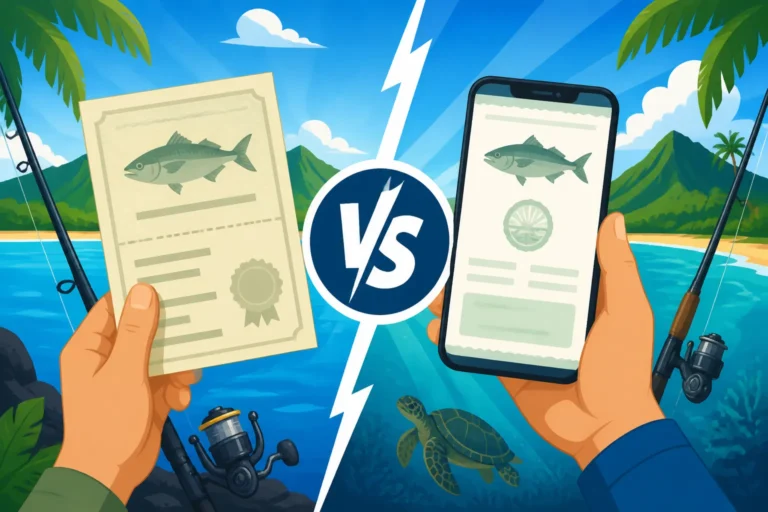
The online platform is designed to be user-friendly, guiding you through each step. You'll usually need to create an account or log in if you already have one, then choose between a resident or non-resident license, and finally select the specific duration (annual, 7-day, 30-day). After processing your payment, you'll typically receive a digital copy of your license via email, which you can then print out or save to your mobile device. Many anglers find it incredibly useful to have a digital copy on their phone, eliminating the worry of losing a paper license while out on the water. Just remember that you must have proof of your license while fishing, whether it's a physical printout or a digital version on your phone. For more detailed instructions, check out our guide on How to Buy a Hawaii Fishing License Online or Printing or Carrying a Digital Fishing License in Hawaii. This convenience helps ensure you're compliant before you even set foot near the water.
Local Vendors and Agents: In-Person Purchase Options
While online purchases are increasingly popular, sometimes you prefer to handle things in person, or perhaps you're already on the island and just remembered you need a license. For these situations, Hawaii maintains a network of authorized license agents and vendors across the islands where you can purchase your freshwater fishing license. These agents are typically local tackle shops, sporting goods stores, or even some general stores in more remote areas. They serve as valuable local resources, offering not only licenses but also often up-to-date fishing tips, bait recommendations, and gear suited for the local conditions.
Purchasing a license in person allows you to ask any last-minute questions you might have about local regulations or specific fishing spots. It also provides an opportunity to support local businesses, which is always a bonus when you're visiting or living in the islands. When you go to a vendor, you'll fill out a paper application, pay the fee, and typically receive your printed license on the spot. It's a tangible piece of paper that gives you immediate authorization to fish. Just be aware that these vendors operate during their regular business hours, so plan accordingly. You might want to do a quick web search for "Hawaii DLNR license agent list" or "Hawaii fishing license vendors near me" to find the closest location, or simply ask at a local tackle shop. While the online option is great for planning, these local spots are invaluable for on-the-ground support and those spontaneous fishing trips.
What You'll Need: Documents and Information
Regardless of whether you choose to purchase your Hawaii freshwater fishing license online or in person, you'll need to have certain information and documents ready. This ensures that your license is issued correctly and that you meet the eligibility criteria for the type of license you're requesting. The requirements are generally straightforward, but it's good to be prepared to avoid any delays or frustration.
For all applicants, you'll typically need to provide basic personal information such:
- Full Name
- Date of Birth
- Residential Address (This is crucial for determining resident vs. non-resident status. For residents, you'll likely need to provide proof of residency.)
- Phone Number
- Email Address
If you're applying for a resident license, be prepared to show proof of Hawaii residency. This could be a Hawaii State ID, driver's license, or other official documents that demonstrate you've been living in the state for the required period (usually six consecutive months). For those applying for senior or disabled exemptions, you'll need to provide documentation to verify your age or disability status. This might involve a Hawaii State ID showing your birth date or official medical documentation. It's always a good idea to bring extra identification, just in case. Having all your information readily available, especially when purchasing in person, makes the process quick and seamless. Don't forget, if you're trying to purchase some fishing gear online from a retailer like Amazon, you'll also need your payment information, but that's a different kind of transaction entirely! Having all your personal details organized will ensure you get your license without a hitch and can move on to the exciting part: planning your actual fishing trip. For more details on residency rules, check out Hawaii fishing license residency requirements.
Key Freshwater Fishing Regulations You Must Know
Getting your license is a crucial first step, but it's only half the battle. Hawaii's freshwater fishing regulations go beyond just permitting; they detail what you can catch, how much you can keep, and even the methods you're allowed to use. These rules are in place to ensure fair chase, protect fish populations, and maintain the ecological balance of these precious inland waters. Ignorance of the law is never an excuse, so taking the time to familiarize yourself with these specifics will save you a lot of potential headaches.
Species-Specific Rules: Trout, Bass, Tilapia, and More
Hawaii's freshwater fisheries, while limited, offer some unique angling opportunities, primarily centered around introduced species. The most popular target species, and therefore those with the most specific rules, include rainbow trout, largemouth bass, and peacock bass. Each of these has regulations tailored to its biology and management goals. For instance, the rainbow trout fishery in the Kokee Public Fishing Area on Kauai is a catch-and-release only fishery for a significant portion of the year, with a limited harvest season. This protects the stocked trout and ensures a consistent population. You absolutely need to know the specific dates for the Hawaii Kokee Trout Fishing Season Dates if you plan to target them.
Largemouth bass and peacock bass are popular sportfish found in reservoirs like Wahiawa. While often considered invasive and therefore without strict bag limits in some areas, there can still be size restrictions or specific harvest recommendations to manage their populations. For example, some regulations might encourage the harvest of smaller invasive fish to reduce competition with other species or to improve the overall health of the bass population by thinning out stunted fish. Even tilapia, which are abundant in many Hawaiian freshwater bodies and often caught for food, may have localized rules depending on the specific waterway. Always consult the DLNR's Division of Aquatic Resources (DAR) regulations for the specific body of water you intend to fish. These rules are usually available in a handy pamphlet or online PDF, which you can easily find. Don't just assume the rules for one species apply to another – Hawaii's approach is often quite granular.
Bag and Size Limits for Hawaii's Freshwater Fisheries
Just like saltwater fishing, freshwater fishing in Hawaii comes with specific bag and size limits for certain species. These limits are critical management tools used to prevent overfishing and maintain healthy fish populations. Ignoring them can lead to significant penalties, so pay close attention. For the highly regulated rainbow trout fishery in Kokee, you'll find very precise bag limits during the open season, often a low number like seven trout per person per day, and potentially a minimum size limit. This helps spread the catch among anglers and prevents rapid depletion of the stocked fish. You can check out more general info in Hawaii Bag and Size Limits by Species for a broader context.
For species like largemouth bass and peacock bass in reservoirs such as Wahiawa, the bag and size limits can vary. In some instances, due to their introduced status, there might be no bag or size limits, or even a recommendation for liberal harvest to control their numbers. However, this is not always the case, and specific reservoirs may have their own unique rules. It's crucial to check the specific regulations for the particular body of water you are fishing. For example, the Hawaii Wahiawa Reservoir Fishing Rules might outline specific limits for peacock bass or other species found there. The idea behind these limits is to strike a balance: allowing anglers to enjoy their sport while ensuring that fish populations remain robust for future generations. Never assume that a lack of explicit signage means there are no rules; always verify through official DLNR channels.
Gear Restrictions and Permitted Fishing Methods
Beyond what you can catch and how many, Hawaii's freshwater regulations also dictate how you can fish. These gear restrictions and permitted methods are designed to ensure ethical angling, prevent habitat damage, and maintain a level playing field for all anglers. For recreational freshwater fishing in Hawaii, the primary and almost exclusively permitted method is hook-and-line fishing. This means using a rod and reel, or a handline, with bait or lures. Spear fishing, netting, or trapping are generally not permitted for recreational freshwater fish in the controlled fisheries.
Specific rules might also govern the number of lines or poles an individual angler can use at one time. For example, some areas might limit you to one or two lines to prevent excessive fishing pressure or tangles in crowded spots. The type of bait might also be regulated in certain sensitive areas. While live bait is common for bass fishing, there might be restrictions on introducing certain non-native baitfish to prevent the spread of invasive species or diseases. Always check if there are any limitations on treble hooks versus single hooks, or if certain lures are prohibited in particular zones. It's also vital to ensure that any equipment you use, whether it's a new rod and reel combo from Amazon or a traditional handline, complies with the state's rules. Understanding these nuances isn't just about legality; it's about respecting the fishery and ensuring a sustainable future for freshwater fishing in Hawaii.
Navigating Hawaii's Freshwater Fishing Spots and Special Rules
Hawaii's freshwater fishing opportunities might not be as widespread as its ocean bounty, but the islands do offer some unique and productive inland fisheries. However, each of these spots often comes with its own set of specific rules and access considerations. Knowing where these spots are, and more importantly, understanding their particular nuances, is key to a successful and compliant freshwater fishing trip.
Popular Freshwater Fishing Locations and Their Unique Regulations
When people think of freshwater fishing in Hawaii, two locations almost immediately come to mind: Wahiawa Public Fishing Area on Oahu and the Kokee Public Fishing Area on Kauai. These are the crown jewels of Hawaii's freshwater angling scene, each offering a distinct experience with its own unique regulations.
Wahiawa Reservoir on Oahu is famous for its introduced populations of largemouth bass, smallmouth bass, and especially the feisty peacock bass. It's a popular spot for boat and kayak fishing, as well as shoreline angling. The reservoir is managed to provide recreational opportunities, but it still has specific rules. For instance, there are strict regulations regarding boat access, requiring permits for launching and often inspections to prevent the introduction of invasive species. While there might be no closed seasons for bass, understanding the specific bag and size recommendations, if any, is crucial. You might find guidance on what types of motors are allowed (e.g., electric trolling motors might be preferred over gas-powered in certain areas) or restrictions on overnight camping. It’s imperative to consult the Hawaii Wahiawa Reservoir Fishing Rules before planning your trip to ensure compliance and a smooth experience.
On Kauai, the Kokee Public Fishing Area offers a completely different vibe, set amidst the cool, misty mountains. This is Hawaii's only significant rainbow trout fishery, sustained by a robust stocking program. The regulations here are much tighter, revolving around a specific trout season and designated fishing days. For example, the season typically opens in the late summer or early fall and runs for a few months, often with fishing permitted only on weekends and state holidays. During the rest of the year, it's strictly catch-and-release, or closed entirely to allow the trout populations to recover. There are also specific stream sections within Kokee that might be designated as catch-and-release only even during the open season. Anglers must check the exact Hawaii Kokee Trout Fishing Season Dates annually, as they can sometimes shift slightly. Knowing these specific season dates and daily limits is non-negotiable for anyone dreaming of catching trout in Hawaii.
Restricted Areas and Catch-and-Release Only Zones
Beyond the general regulations, certain freshwater areas in Hawaii might have additional restrictions, including being completely off-limits to fishing or designated as strict catch-and-release zones. These measures are typically in place to protect sensitive ecosystems, aid in species recovery, or ensure public safety. For example, some smaller streams or sections of rivers might be closed to fishing to protect native aquatic organisms, some of which are endangered. These areas are usually clearly marked with signage, but it's always best to consult official DLNR maps and regulation summaries.
Similarly, even within popular fishing areas like Kokee, specific stream sections or ponds might be designated as "catch-and-release only." This means that while you can enjoy the thrill of the catch, all fish must be immediately and safely returned to the water. Anglers are often encouraged to use barbless hooks and practice responsible handling techniques to minimize stress on the fish. These zones are vital for maintaining healthy populations and ensuring a sustainable fishery, especially for species that might be more vulnerable or part of a conservation effort. Ignoring "catch-and-release only" rules is a serious violation and can result in fines and other penalties. Always look for signage and check the most current regulations for any given body of water before you cast a line to avoid unintended breaches. You can often find specifics in resources like Hawaii Catch and Release Only Freshwater Waters or the broader Special Regulation Waters in Hawaii.
Accessing Public vs. Private Freshwater Fishing Areas
Another critical aspect of freshwater fishing in Hawaii is understanding access. Unlike the ocean, where public access to shorelines is often guaranteed, inland waters can be a mix of public and private lands, and gaining access isn't always straightforward. Most of the popular freshwater fishing spots, like Wahiawa Reservoir and Kokee Public Fishing Area, are on state-managed land and are accessible to the public with the appropriate licenses and permits. However, even these public areas may have restricted entry points, specific hours of operation, or require additional permits for boating or vehicle access.
There are also numerous smaller ponds, streams, and reservoirs across the islands that might be on private property, such as agricultural lands or residential developments. Fishing in these areas without explicit permission from the landowner is considered trespassing and can lead to legal consequences. This is a common pitfall for unsuspecting anglers, especially those who see an inviting body of water and assume it's open to the public. Always do your homework and verify land ownership and access rights before venturing onto unknown waters. Some landowners might offer access with a private fee or special permission, but never assume. Sticking to designated public fishing areas is the safest and most reliable way to enjoy freshwater fishing in Hawaii without running into property disputes or legal issues. When in doubt, a quick call to the DLNR Division of Aquatic Resources can often clarify access questions for specific locations.
Consequences of Fishing Without a License or Violating Rules
It's tempting to think of fishing regulations as mere suggestions, or that in a place as relaxed as Hawaii, enforcement might be lax. But trust me, that's a dangerous assumption. The Department of Land and Natural Resources (DLNR) takes its role in protecting Hawaii's natural resources very seriously, and violating freshwater fishing rules can lead to consequences far more significant than a simple slap on the wrist.
Penalties for Non-Compliance: Fines and Legal Ramifications
Fishing without the required freshwater license or failing to adhere to specific regulations (like bag limits, size limits, or fishing in a closed area) is a serious offense in Hawaii. The penalties can range from substantial monetary fines to the confiscation of your fishing gear, and in more severe cases, even jail time or community service. Fines for a first offense can easily run into the hundreds of dollars, and repeat offenders or those committing more egregious violations (like poaching protected species) can face even steeper penalties. Imagine showing up for your flight home only to realize you have a hefty fine to pay!
Beyond the immediate financial hit, there can be legal ramifications that extend beyond your vacation. A violation could result in a misdemeanor charge, which might appear on your record, potentially affecting future travel or even professional licenses. Furthermore, your fishing privileges in Hawaii could be revoked, meaning you wouldn't be able to purchase a license or legally fish in the state for a specified period. This means that exciting fishing trip you planned could turn into a costly and embarrassing memory. It's simply not worth the risk. Always ensure you have a valid license and understand the rules for the specific area you're fishing. For a comprehensive overview of potential consequences, you can refer to our article on Hawaii fishing without a license penalty.
How Enforcement Works: DLNR and Local Wardens
You might wonder how these rules are actually enforced, especially in remote freshwater areas. The primary enforcement agency for Hawaii's fishing regulations is the DLNR Division of Conservation and Resources Enforcement (DOCARE). These are the uniformed officers, often referred to as "conservation officers" or "game wardens," who patrol both land and sea. They are fully commissioned law enforcement officers with the authority to stop, question, and cite individuals for violations of natural resource laws. They conduct routine patrols, both visible and covert, across the islands, including at popular freshwater fishing spots like Wahiawa Reservoir and the streams of Kokee.
These wardens are knowledgeable about local regulations and are often equipped to identify fish species and measure catches. They might approach anglers to check for valid licenses, inspect catches, and ensure compliance with gear restrictions. It's important to be cooperative and respectful if approached by a DOCARE officer. They are there to protect the state's resources and ensure fair play for all. Besides DOCARE, local police departments or county sheriffs may also assist in enforcing natural resource laws, especially in cases of trespassing or public safety issues. Don't underestimate the reach of these enforcement efforts; they are dedicated to maintaining the integrity of Hawaii's unique ecosystems.
The Importance of Responsible Angling
Ultimately, the enforcement of fishing regulations isn't just about catching lawbreakers; it's about fostering a culture of responsible angling. Every angler has a role to play in protecting Hawaii's precious freshwater resources. Responsible angling means understanding and adhering to all rules, practicing catch-and-release with care when required, properly disposing of trash (including fishing line and bait containers), and respecting private property and fellow anglers. It also means educating yourself about the species you're targeting, their habitats, and any conservation concerns.
By being a responsible angler, you're contributing to the long-term health of the fishery, ensuring that future generations, including your own children and grandchildren, will have the opportunity to experience the joy of freshwater fishing in Hawaii. It’s also about setting a positive example for others, especially those new to the sport. If you see something that looks like a violation, you can also report it to the DLNR's DOCARE hotline. They rely on the eyes and ears of the community to help protect these invaluable resources. Embracing responsible angling practices is not just about avoiding penalties; it's about being a good steward of the 'aina (land) and kai (sea) that make Hawaii so special.
Tips for a Successful and Compliant Freshwater Fishing Trip in Hawaii
You've got your license, you understand the rules, and you're eager to hit the water. Now it's time to focus on making your freshwater fishing trip in Hawaii as successful and enjoyable as possible, all while remaining compliant with local regulations. A little preparation and mindful practice go a long long way here.
Essential Gear for Freshwater Anglers in Hawaii
When it comes to freshwater fishing in Hawaii, your gear choices can significantly impact your success. The type of gear you'll need varies slightly depending on whether you're chasing rainbow trout in the cool mountain streams or battling peacock bass in a warm reservoir.
For trout fishing in Kokee, light tackle is typically the way to go. A lightweight spinning rod (around 5-6 feet) paired with a small reel spooled with 2-4 pound monofilament or fluorocarbon line is ideal. Trout often respond well to small inline spinners, spoons, and flies (if you're fly fishing). Popular lures might include Rooster Tail spinners or small Rapala countdowns. If you're using bait during the open season, powerbait, corn, or small worms are common. Don't forget a small tackle box, a pair of pliers for hook removal, and a landing net with a fine mesh to protect the trout if you're practicing catch-and-release. Having a good pair of polarized sunglasses is also invaluable for spotting fish in clear water, and a lightweight rain jacket from Amazon is always a good idea in the often-misty Kokee region.
For bass fishing in reservoirs like Wahiawa, you'll want more robust gear. A medium-action spinning or baitcasting rod (6-7 feet) with 8-15 pound test line (braid is a popular choice for sensitivity and strength) is a good starting point. Peacock bass are powerful fighters! Lures that mimic baitfish, such as crankbaits, topwater poppers, plastic worms, and spinnerbaits, are highly effective. Live bait, like tilapia or prawns, can also be very productive where permitted. You'll want a larger tackle box to accommodate a wider array of lures, a sturdy pair of pliers, and perhaps a lip gripper tool for handling bass safely. Sunscreen, a hat, and plenty of water are also essential for fishing in Hawaii's warmer, exposed reservoir environments. Knowing your target species helps narrow down the vast selection of fishing gear available, ensuring you're well-equipped for the specific challenges and rewards of Hawaii's freshwater.
Best Practices for Sustainable Freshwater Fishing
Sustainable fishing practices are not just buzzwords; they are vital for preserving Hawaii's unique and delicate freshwater ecosystems for generations to come. Every angler has a responsibility to minimize their impact and contribute positively to the health of the fishery. One of the most important practices is catch-and-release with care, especially in designated zones or for species you don't intend to keep. This means handling fish gently with wet hands, using barbless hooks to minimize injury, and releasing them quickly back into the water. Avoid dragging fish on rocks or dry surfaces, and revive them gently until they can swim away on their own.
Another crucial aspect is preventing the spread of invasive species. This is particularly important in freshwater environments. Before moving between different bodies of water, always clean your boat, kayak, waders, and fishing gear thoroughly. "Clean, Drain, Dry" is the mantra: remove all visible plants and mud, drain all water from your vessel, and allow everything to dry completely. Never introduce live bait from one watershed to another, as this can inadvertently spread unwanted organisms. Proper waste disposal is also paramount. Pack out everything you pack in, including discarded fishing line, bait containers, and food wrappers. Monofilament fishing line, in particular, can be deadly to wildlife. By adhering to these best practices, you're not just following the rules; you're actively safeguarding the natural beauty and ecological integrity of Hawaii's precious freshwater habitats.
Staying Informed About Regulation Changes
Just like the tides, fishing regulations can change. What was true last year might have been updated for this season. The DLNR Division of Aquatic Resources continually monitors fish populations, environmental conditions, and angler impact, and they adjust rules as needed to ensure sustainable management. This means it's your responsibility as an angler to stay current with the latest regulations, especially if you're fishing a specific area like Kokee, where trout season dates can shift annually.
The best way to stay informed is to regularly check the official DLNR Division of Aquatic Resources (DAR) website. They typically publish annual regulation summaries, news releases, and updates that pertain to freshwater fishing. Local tackle shops are also excellent resources, as they often have the latest information and may even post printed copies of the rules. Before any freshwater fishing trip, take a few minutes to do a quick online search for "Hawaii freshwater fishing regulations [current year]" or "DLNR freshwater fishing updates." Sign up for email newsletters from conservation groups or the DLNR if available. Being proactive in checking for updates ensures that you're always fishing legally and ethically. Don't rely on outdated information or hearsay from a friend. Make it a habit to confirm the rules, and you'll always have a worry-free and enjoyable fishing experience in Hawaii's unique freshwater environments.
| License Type | Eligibility | Cost (Approx. 2024-2025) | Validity Period | Notes |
|---|---|---|---|---|
| Resident Annual | Hawaii Residents | $5.00 | Jan 1 – Dec 31 (of year issued) | Basic license for local anglers. |
| Non-Resident Annual | Non-Hawaii Residents | $40.00 – $50.00 | Jan 1 – Dec 31 (of year issued) | Best for extended visits or multiple trips. |
| Non-Resident 7-Day | Non-Hawaii Residents | $10.00 | 7 consecutive days | Ideal for short fishing excursions. |
| Non-Resident 30-Day | Non-Hawaii Residents | $20.00 | 30 consecutive days | Good for longer visits or multiple short trips. |
| Resident Senior Exemption | Hawaii Residents 65+ years | Free | Lifetime | Requires proof of age, application through DLNR. |
| Resident Disabled Exemption | Eligible Disabled Residents | Free | Lifetime | Requires proof of disability, application through DLNR. |
| Resident Youth (under 18) | Hawaii Residents under 18 | Free | N/A | No license required. |
| Non-Resident Youth (under 18) | Non-Residents under 18 | Free | N/A | No license required, but confirm current age limits. |
Note: All costs and regulations are subject to change by the State of Hawaii Department of Land and Natural Resources. Always verify the most current information directly from official DLNR sources before fishing.
Disclaimer
Please remember that fishing regulations and license requirements in Hawaii are subject to change. While we strive to provide the most accurate and up-to-date information, it is always your responsibility to consult the official Hawaii Department of Land and Natural Resources (DLNR) Division of Aquatic Resources (DAR) website or their printed regulations for the most current and authoritative rules before engaging in any fishing activity. This guide is for informational purposes only and should not be considered legal advice.