How big marlin get off the Kona Coast
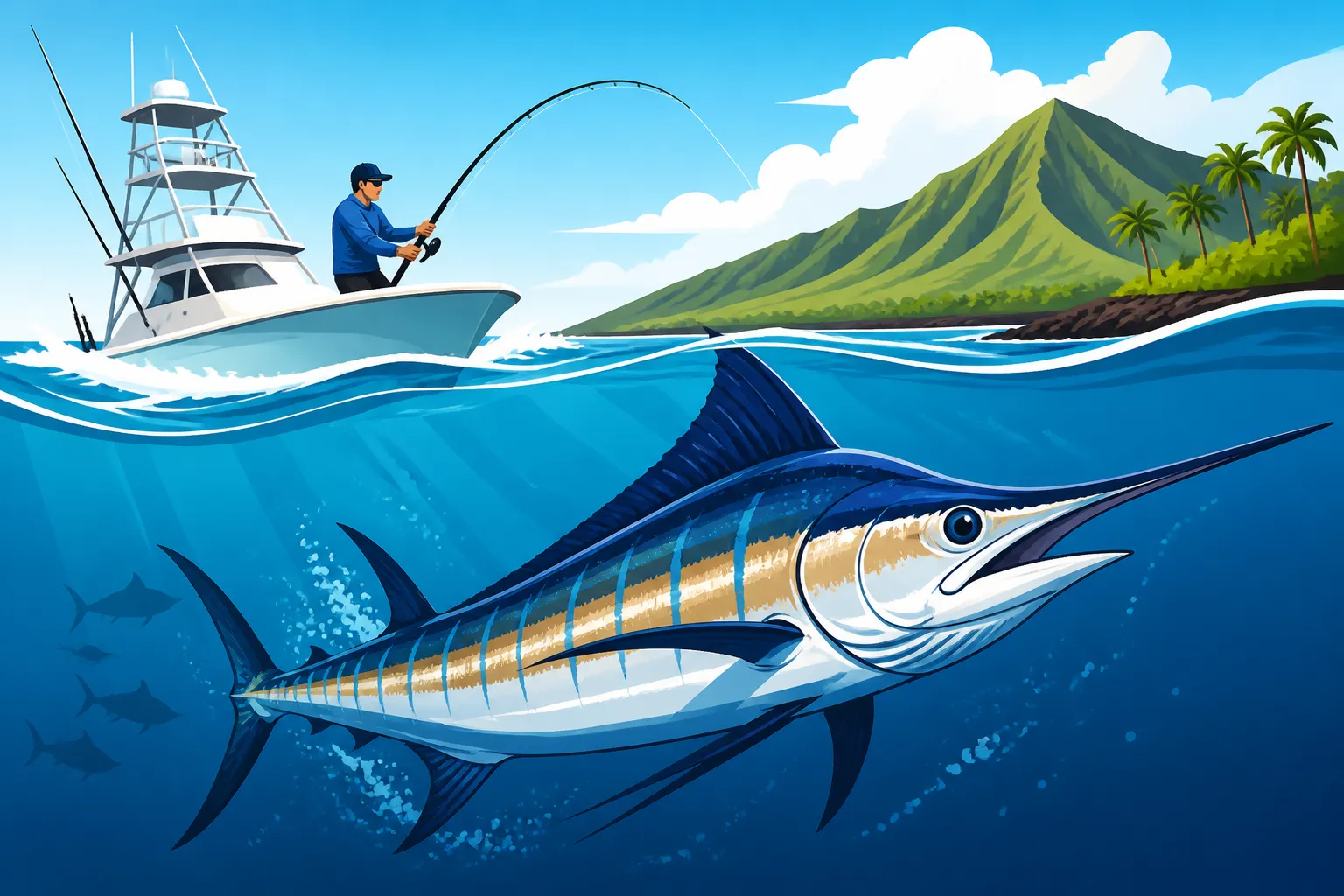
One of the most thrilling questions for any angler dreaming of fishing in Hawaii, especially off the legendary Kona Coast, is just how massive those magnificent marlin can truly get. It's a valid curiosity, often mixed with a bit of awe and perhaps a touch of trepidation, wondering if you're really prepared for a fish that could outweigh a small car. This guide is dedicated to exploring the incredible size range of marlin found in these world-famous waters, giving you a realistic picture of what to expect and what makes these fish so exceptionally grand.
The Lure of Kona's Marlin: Understanding Their Legendary Size
The Kona Coast of the Big Island isn't just a beautiful stretch of volcanic landscape and pristine beaches; it's a global hotspot for big game fishing, particularly for marlin. Anglers from all corners of the world flock here, drawn by the promise of battling some of the ocean's most powerful and awe-inspiring predators. But what exactly makes these fish, and this location, so legendary for size?
Why Kona is the Marlin Capital of the World
Kona's reputation as the "Marlin Capital" isn't just angler hype; it's rooted in unique geographical and oceanographic conditions that create a perfect storm for these giants. The deep, nutrient-rich waters drop off dramatically very close to shore, creating an ideal hunting ground for pelagic species. The calm, leeward side of the Big Island typically provides favorable sea conditions, making it easier for boats to pursue these powerful fish. This constant availability of deep water and abundant baitfish populations means marlin don't have to travel far to feed, allowing them to grow to incredible sizes right in Kona's backyard. It's truly a special place, and understanding this environment helps us appreciate why these fish grow so large here. When you hear tales of monster fish, often they're coming from these very waters. If you're planning a trip, be sure to check out Marlin Fishing off the Kona Coast to truly grasp the magic.
The Different Marlin Species Found Off Kona
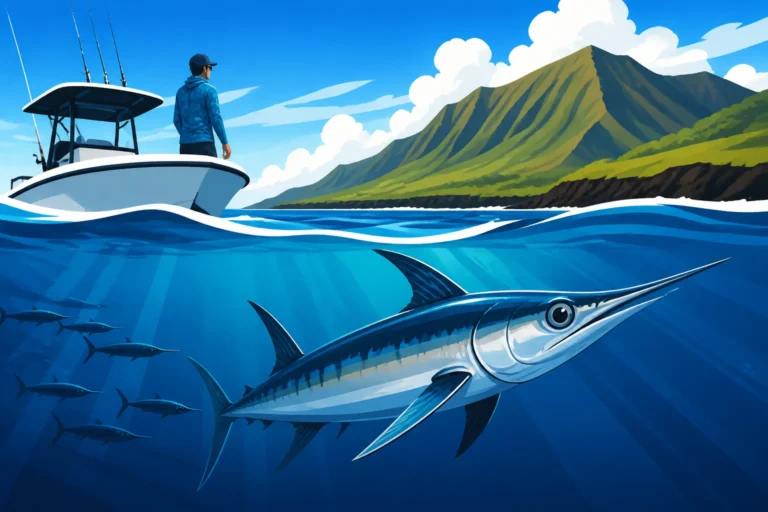
While "marlin" is often used as a blanket term, there are actually several distinct species that grace Kona's waters, each with its own average size and maximum potential. The most sought-after and famously large is the Pacific Blue Marlin. These are the giants that put Kona on the map for grander catches. You also find Striped Marlin, which are generally smaller but incredibly acrobatic and a blast on lighter tackle. Occasionally, Black Marlin are caught, though less frequently than blues, and they also boast impressive size. Finally, the graceful Shortbill Spearfish, while smaller, are still a thrilling catch. Each species has a different typical size range, and it's helpful to know what you're targeting. To help you tell them apart, consider reading Blue Marlin vs Striped Marlin Identification.
The Thrill of the "Grander" Marlin
Ah, the "grander." In big game fishing, a "grander" is the holy grail: a marlin weighing 1,000 pounds or more. This isn't just a number; it's a monumental achievement that has solidified Kona's legendary status. The possibility of hooking a grander is what fuels many anglers' dreams and drives them to the Kona Coast year after year. While not an everyday occurrence – they are called "grand" for a reason – the consistent presence of these truly gargantuan fish is what sets Kona apart. It's a testament to the health and richness of these waters that such apex predators can reach such immense proportions. The pursuit of a grander is a journey filled with anticipation, skill, and sometimes, a whole lot of luck, making every tug on the line an exciting unknown. For insights into how these fish grow to such epic proportions, take a look at Marlin Growth Rate to Grander Size.
Factors Influencing Marlin Size and Growth
Marlin don't just magically appear at grander size; their growth is a complex interplay of environmental conditions, food availability, and genetics. Understanding these factors can give you a deeper appreciation for these magnificent creatures and the effort it takes to sustain them.
Age, Diet, and Habitat
Just like any other animal, a marlin's size is intrinsically linked to its age and the quality of its diet. Marlin are incredibly fast-growing fish, but reaching those truly massive sizes takes time. A consistent supply of nutrient-rich food is paramount. Off Kona, marlin feed on a variety of prey, including skipjack tuna (aku), mahimahi, ono (wahoo), and squid. The abundance of these baitfish in Kona's deep, clear waters allows marlin to grow quickly and reach their genetic potential. Their pelagic habitat – the open ocean – provides ample space for these migratory hunters to roam and feed without the constraints of shallower, more crowded waters. When the feeding grounds are rich, the fish grow big. For more details on their feeding habits, check out What marlin eat off the Kona Coast.
Genetic Potential and Environmental Conditions
Every marlin has a genetic blueprint that determines its potential maximum size. However, reaching that potential is heavily influenced by the environment. Kona's stable, warm ocean currents and consistent water temperatures create ideal conditions for marlin. Unlike some other fisheries that experience dramatic seasonal shifts, Kona offers a relatively consistent environment year-round. This stability, coupled with the rich food chain, allows these fish to thrive and grow without significant periods of stress or food scarcity. You might find a good quality pair of polarized sunglasses on Amazon to help you spot bait schools, which often indicate where the bigger fish might be. Clean water and a healthy ecosystem contribute significantly to the health and size of the fish. Factors like What water temperature marlin prefer also play a huge role in where these fish choose to hunt and grow.
Seasonal Variations in Marlin Size
While Kona is known for year-round marlin fishing, there can be subtle seasonal variations in the average size of fish encountered. The peak season for really large blue marlin (often into the grander class) traditionally runs from May through September. During these warmer months, baitfish concentrations are often at their highest, and the largest marlin are actively feeding and migrating through the area. Striped marlin, while present year-round, tend to be more abundant and perhaps slightly larger during the cooler winter and spring months. These seasonal shifts aren't as dramatic as in other parts of the world, but experienced captains often have a keen sense of when the "big girls" are most likely to be around. If you're planning a trip around specific times of the year, researching Best time of year to book a Kona marlin charter could prove very helpful.
What to Expect: Average vs. Record-Breaking Marlin
So, what kind of marlin size should you realistically expect if you're fishing off the Kona Coast? It's important to differentiate between the average catch and the truly monumental, record-breaking fish that capture headlines.
Typical Sizes for Blue and Striped Marlin
Let's talk numbers. For Pacific Blue Marlin off Kona, a "typical" catch might range anywhere from 150 to 400 pounds. Fish in the 500 to 800-pound range are considered exceptional trophies, and anything over 800 pounds is truly in the realm of giants. To illustrate this, here's a rough comparison:
| Marlin Species | Common Weight Range (lbs) | Trophy Weight (lbs) | Grander Potential (lbs) |
|---|---|---|---|
| Pacific Blue Marlin | 150 – 400 | 500 – 800 | 1,000+ |
| Striped Marlin | 50 – 150 | 150 – 200 | Rare (not typical) |
| Black Marlin | 200 – 600 | 700 – 1,000 | 1,000+ (less frequent) |
| Shortbill Spearfish | 20 – 50 | 60 – 80 | N/A |
For Striped Marlin, you're generally looking at fish between 50 and 150 pounds. While they don't reach the "grander" status of blues, a 150-pound Striped Marlin is still an incredibly powerful and exciting fish on appropriate tackle. When chartering a boat, discussing your target species and desired size range with the captain can help set expectations and tailor your trip. Sometimes, the right lure from Amazon can make all the difference in attracting the species you're after.
The Elusive "Grander" Marlin: Fact vs. Fiction
The "grander" is real, but it's important to approach the idea with a realistic perspective. While Kona consistently produces granders each year, they are, by definition, rare. You could fish for years and never hook one, or you could be incredibly lucky on your very first trip. It's the ultimate big game prize, and the pursuit often involves many hours, days, or even weeks on the water. Focusing solely on a grander can sometimes overshadow the incredible experience of catching any marlin, regardless of its size. Every marlin, from a feisty 100-pound blue to a record-breaking grander, offers an unforgettable battle. The allure isn't just in the size, but in the challenge and the raw power of the fish. The Hawaii state record blue marlin weight stands as a testament to the true giants that swim these waters.
Catch and Release: Prioritizing Conservation
Given the pursuit of these magnificent fish, conservation is incredibly important. Many anglers, especially those targeting large marlin, practice catch and release to ensure the sustainability of the fishery. Catch and release helps preserve the breeding stock of these large, mature fish. When you do hook into a truly massive marlin, the focus often shifts from bringing it to the dock to capturing a quick photo and releasing it in the best possible condition. Reputable charter captains are experts in handling these large fish with care, minimizing stress, and ensuring a strong swim-off. This commitment to conservation helps ensure that the Kona Coast remains a premier destination for big marlin for generations to come. Understanding Marlin catch and release survival tips is crucial for any responsible angler.
How to Target Trophy Marlin Off Kona
Now that you have a better understanding of how big marlin get off the Kona Coast, you might be wondering how to best increase your chances of hooking into one of these ocean titans. It takes more than just showing up; it involves preparation, strategy, and the right team.
Charter Boats and Experienced Captains
For most visitors and even many seasoned anglers, the best way to target trophy marlin off Kona is by booking a reputable fishing charter. Kona's charter fleet is world-class, boasting captains and crews who have dedicated their lives to understanding these waters and the fish that inhabit them. They possess an intimate knowledge of current conditions, baitfish movements, and marlin behavior, which is invaluable for locating productive fishing grounds. These experienced professionals also have the heavy-duty tackle, specialized lures, and boat capabilities to handle truly massive fish. Trying to go it alone without local expertise is a recipe for frustration, especially when targeting fish of this magnitude. To find the right crew for your adventure, consider exploring options like Best Marlin Charters off the Kona Coast.
The Right Gear for Big Fish
When you're talking about marlin that can reach 1,000 pounds or more, your gear needs to be up to the task. Kona charter boats are typically equipped with heavy conventional tackle, usually 80-pound or 130-pound class outfits, featuring powerful reels spooled with heavy monofilament or braided line, matched with robust rods. The lures used are often large, brightly colored skirted lures designed to imitate baitfish and attract the attention of a big marlin. Don't worry about bringing your own gear if you're on a charter; they'll have everything you need. However, if you're fascinated by the equipment, a quick search on Amazon for "big game fishing lures" or "heavy conventional fishing reels" will show you the kind of robust equipment involved. The strength of the terminal tackle, from the leader to the hooks, is paramount to withstand the immense power of a fighting marlin. Information about Best Lures for Marlin Trolling off Kona can give you a peek into what the pros use.
Best Practices for Landing and Releasing Giants
Hooking a large marlin is just the beginning of the battle. The fight itself can last for hours, testing an angler's endurance and skill. Once the fish is alongside the boat, the crew's expertise in handling is critical for both angler safety and the fish's well-being. This often involves carefully wiring the fish, controlling its movements, and deciding whether to bring it aboard (if it's a potential record or for consumption, abiding by local regulations) or release it. When releasing, quick, efficient handling is key. This includes minimizing the fish's time out of water, cutting the leader cleanly, and ensuring it's strong enough to swim away. Ethical angling practices prioritize the long-term health of the fishery, ensuring that the legacy of Kona's giant marlin continues. Even simple items like a good pair of fishing gloves can be found on Amazon and make a difference in comfort and safety during a long fight.
Disclaimer
This article is for general informational purposes only and does not constitute professional advice. Laws, prices and regulations vary by location and change over time. Consult a qualified professional for guidance on your specific situation.