When moi spawn in Hawaii
There's nothing quite like the thrill of targeting moi, the Pacific threadfin, in Hawaii. These majestic fish are not only a challenge to catch but also incredible table fare. However, for many anglers, figuring out the specific seasons and behaviors of moi, especially when they're spawning, can feel like trying to solve a complicated riddle. It's frustrating to plan a trip, only to discover you're either outside the optimal window or, worse, inadvertently fishing during a protected period. This guide aims to clear up the confusion surrounding when moi spawn in Hawaii, offering you the knowledge to fish responsibly and increase your chances of a successful and ethical experience.
Understanding Moi and Their Spawning Cycle in Hawaii
To truly appreciate the nuances of fishing moi, it's essential to first understand a bit about their biology and the critical role spawning plays in their survival. These aren't just any fish; they're deeply ingrained in Hawaiian culture and tradition, making their conservation all the more important.
The Life Cycle of Moi (Pacific Threadfin)
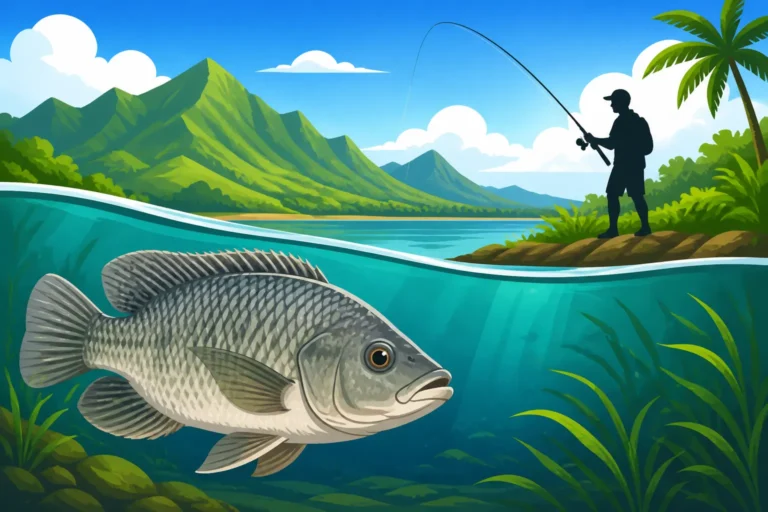
Moi, or Pacific threadfin ( Polydactylus sexfilis ), are a highly regarded inshore species known for their delicate flavor and firm, white flesh. They have a fascinating life cycle that takes them from tiny larvae in the open ocean to schooling juveniles in protected bays, and eventually to mature adults inhabiting sandy flats and reef edges. As they grow, their diet shifts, and their behavior changes, making them an engaging target for anglers. You'll often find Moi (Pacific Threadfin) in Hawaii being discussed with a sense of reverence among local fishing communities.
From the moment they hatch, moi embark on a journey of growth and development. Juveniles tend to stay in shallower, protected waters, often schooling together for safety. As they mature, they move into slightly deeper, more exposed areas, eventually developing the reproductive organs necessary for spawning. This journey is susceptible to many environmental factors, and successful spawning is the lynchpin for healthy future populations. Every stage of their life cycle is a delicate balance, and our actions as anglers can have a profound impact on their ability to thrive.
Why Spawning Matters to Anglers
Spawning is the period when fish reproduce, releasing eggs and sperm to create the next generation. For moi, this is a particularly vulnerable time. They often gather in specific areas, sometimes in large numbers, making them easier to locate and catch. While this might sound like a dream come true for an angler, targeting fish during their spawning period can severely deplete populations, impacting future fishing opportunities for everyone. It's not just about the immediate catch; it's about the sustainability of the resource.
This heightened vulnerability during spawning is precisely why fisheries management agencies, like the Hawaii Division of Aquatic Resources (DAR), implement regulations such as closed seasons. These rules are designed to give moi a crucial window of peace to reproduce without added pressure from fishing. Ignoring these regulations, even unknowingly, undermines years of conservation efforts. When you understand the 'why' behind the rules, it becomes much easier to follow them, recognizing that you're contributing to the health of the fishery, ensuring that our children and grandchildren can also experience the joy of catching a moi.
Pinpointing the Moi Spawning Season in Hawaiian Waters
Unlike some species that might have a very narrow, predictable spawning window, moi in Hawaii operate on a slightly more fluid schedule. It's not a single day on the calendar, but rather a combination of environmental cues that trigger their reproductive cycle. Knowing these triggers helps us anticipate their behavior.
Key Environmental Triggers for Moi Spawning
Moi spawning is primarily influenced by several environmental factors, with water temperature and lunar cycles playing significant roles. Generally, moi in Hawaii tend to spawn in the warmer months, specifically from late spring through early summer. This roughly translates to a period from May through July, though exact timing can fluctuate year to year based on prevailing ocean conditions. During these months, the ocean waters around the islands reach optimal temperatures that signal to the moi that it's time to reproduce.
Beyond temperature, lunar phases can also play a part. Many fish species synchronize their spawning with specific moon phases, often around the full or new moon, taking advantage of stronger tidal flows to disperse their eggs and larvae more effectively. While not as rigidly observed as temperature, anecdotal evidence and some scientific studies suggest that moi spawning activity can peak during these lunar cycles. This combination of warm water and specific moon phases creates a perfect storm for reproduction, making it a critical time for conservation. Understanding these subtle cues helps us, as responsible anglers, respect their natural rhythm.
Geographic Variations in Spawning Activity
Hawaii's archipelago, while relatively small, offers a diversity of marine environments, and this can lead to slight variations in moi spawning timing and intensity across the islands. What might be peaking on Oahu in late May might be just starting on the Big Island in early June, or vice-versa. Factors like localized water temperatures, ocean currents, and the presence of specific habitats (like expansive sandy flats or protected bays) can all play a role in these subtle shifts. For instance, a particular bay on Maui might experience earlier warming, prompting moi to spawn there sooner than a cooler, more exposed stretch of coastline on Kauai.
Furthermore, some areas might naturally attract larger aggregations of moi for spawning due to ideal conditions, while other spots might see more dispersed activity. These localized hotspots are incredibly important for the species' future and are often subject to stricter regulations or even designation as Hawaii Marine Life Conservation Districts, Explained where fishing is restricted or prohibited altogether. It's always wise to check local advisories and the latest regulations for the specific island and area you plan to fish, as these hyper-local conditions can truly influence moi behavior and the rules that apply. A quick check with a local tackle shop or the Hawaii DLNR website can often provide the most up-to-date regional information.
Fishing Moi During and Around the Spawning Season
This is where responsible angling really comes into play. Hawaii has put specific measures in place to protect moi during their most vulnerable period. As anglers, it's not just about knowing when they spawn, but also how to respect these times, both legally and ethically.
Navigating Regulations During Spawning Periods
The most crucial piece of information for any moi angler in Hawaii is the closed season. Hawaii imposes an annual closed season for moi to protect them during their primary spawning period. This means that during these specific months, it is absolutely illegal to catch, possess, or sell moi, regardless of size or method. This isn't just a suggestion; it's a critical conservation measure. You can find detailed information about these protective dates by looking up Hawaii Moi Closed Season Dates. The intent is clear: give these fish a chance to reproduce unmolested.
These regulations are part of a broader framework designed to ensure the sustainability of Hawaii's aquatic resources. It's not just about the closed season; there are also Hawaii moi minimum size limit rules that apply during the open season, as well as bag limits detailed under Hawaii Bag and Size Limits by Species. Familiarizing yourself with these rules, which are all part of the larger Hawaii Fishing Regulations Explained, is paramount. The consequences of Fishing Without a Required License in Hawaii: Penalties or violating other fishing laws can range from hefty fines to confiscation of gear, so it's always best to be informed and compliant. Ignorance of the law is never a valid defense.
Best Practices for Anglers Around Spawning Moi
Even outside the official closed season, if you observe moi exhibiting spawning behaviors – such as unusually large aggregations, color changes, or highly agitated schooling – it's a good practice to exercise caution and consider catch-and-release, or even move to another fishing spot. The spirit of the law is conservation, and sometimes ethical angling goes beyond the letter of the law. If you're encountering fish that are clearly focused on reproduction, allowing them to complete their natural cycle contributes to a healthier fishery in the long run.
When fishing during the open season, consider light tackle and circle hooks to minimize harm if you plan to release fish. Single-barbless hooks can also make for a quicker, less stressful release for the fish. If you're looking for specific gear, you can find a wide array of environmentally friendly tackle options on Amazon that are designed to reduce harm to fish upon release. While moi are delicious, sometimes the greatest catch is knowing you've contributed to the long-term health of the species. During the moi closed season, it's an excellent opportunity to explore other fishing opportunities, perhaps targeting other reef fish or pelagic species.
| Moi Status | Season | Typical Fishing Approach | Angler's Role |
|---|---|---|---|
| Spawning Aggregations | Closed Season (May-July, approx.) | Prohibited to target or possess | Observe, educate, support conservation |
| Non-Spawning Adults | Open Season | Ethical targeting, respect limits | Adhere to Hawaii moi minimum size limit and bag limits, consider C&R |
| Juveniles | Year-round | Avoid targeting, accidental catches released | Use appropriate bait/lure size to avoid small fish |
Recognizing Moi Spawning Behavior and Habitats
Being able to identify when moi are spawning, and where they tend to do it, is a valuable skill for any responsible angler. This knowledge allows you to make informed decisions about where and when to cast your line, ensuring you’re supporting conservation efforts rather than hindering them.
Visual Cues of Spawning Moi
Moi, like many fish species, can exhibit observable changes in behavior and appearance when they are preparing to spawn or are actively spawning. One of the most common cues is the formation of large, dense schools in areas where they might typically be more spread out. These aggregations are often quite active, with individuals moving in synchronized patterns. You might also notice subtle changes in coloration, with some fish displaying more vibrant or pronounced hues, particularly around their fins and bodies, as they get ready to pair up or release gametes.
Another indicator can be their location; moi might move into shallower, protected waters or specific sandy depressions adjacent to reef structures that serve as ideal spawning grounds. They might become less interested in feeding, focusing instead solely on reproductive activities. Observing moi "flash" or dart around aggressively within these schools can also be a sign of pre-spawning or active spawning behavior. If you notice these cues, especially during the anticipated spawning months, it's a strong signal to either switch tactics, move to a different location, or simply practice catch-and-release with extreme care. Learning these visual cues is an ongoing process, and resources like detailed fish identification guides, often available on Amazon, can be immensely helpful in honing your observational skills.
Identifying Spawning Habitats
Moi prefer specific types of habitats for spawning. They generally favor sandy bottoms, often near the edges of coral reefs or rocky outcroppings that offer some protection and structure. These areas provide suitable substrates for eggs to settle or disperse, and the proximity to reef structures can offer refuge for the newly hatched larvae. Calm, relatively shallow waters are also common, as strong currents might prematurely disperse eggs. Estuaries and protected bays with sandy stretches are prime locations where moi might aggregate for spawning.
For the diligent angler, understanding these preferred habitats means being mindful of where you're fishing, especially during the known spawning season. If you're fishing a sandy flat adjacent to a reef in a calm bay during late spring, there's a higher chance you could be in a moi spawning ground. It's about combining your knowledge of the Best Bait for Moi from Shore and best techniques for float fishing for moi from shore with an awareness of the bigger picture – the fish's life cycle. Avoiding these areas during the closed season, and exercising extreme caution during the open season, is key. If you're ever unsure about a specific area's regulations or ecological sensitivity, the Hawaii Division of Aquatic Resources is an invaluable resource, often providing maps and detailed information online. You can also find a lot of general fishing and conservation information through various books and guides available on Amazon to broaden your knowledge base.
Disclaimer
This article is for general informational purposes only and does not constitute professional advice. Laws, prices and regulations vary by location and change over time. Consult a qualified professional for guidance on your specific situation.