Best Full-Day Fishing Charters in Hawaii
The open ocean of Hawaii calls to anglers with promises of epic battles and unforgettable catches, but often, the sheer variety of charter options can feel overwhelming. Many folks wonder if a half-day trip is enough, or if committing to a full-day adventure is truly worth the extra time and investment. This comprehensive guide will dive deep into why full-day fishing charters in Hawaii offer the most rewarding experience, what you can expect, and how to pick the perfect one for your angling dreams.
Why Go for a Full-Day Fishing Charter in Hawaii?
When you’re planning a fishing trip in paradise, the choice between a quick half-day outing and a more substantial full-day charter often comes down to balancing time, cost, and expectations. For serious anglers and those truly looking to immerse themselves in the Hawaiian fishing experience, a full-day charter almost always comes out on top. It's not just about more time on the water; it's about unlocking opportunities and targeting species that shorter trips simply can't offer.
Maximizing Your Time on the Water
Think about it: a half-day trip might get you out to the fishing grounds and back, but a full day gives you the crucial time you need for the bite to truly turn on. The ocean isn't a factory; fish don't operate on a fixed schedule. Often, the best fishing windows can be fleeting, or they might not even start until later in the morning or early afternoon. With a full day, you're giving yourself the best possible chance to be there when the fish are actively feeding. You're not rushing back to port just as the action heats up.
Beyond the actual fishing, a full day allows for a more relaxed pace. You won't feel pressured to constantly cast or reel. There's time to learn from the crew, soak in the stunning views, and simply enjoy being out in the vast Pacific. It transforms the trip from a quick activity into a genuine adventure.
Accessing More Diverse Fishing Grounds
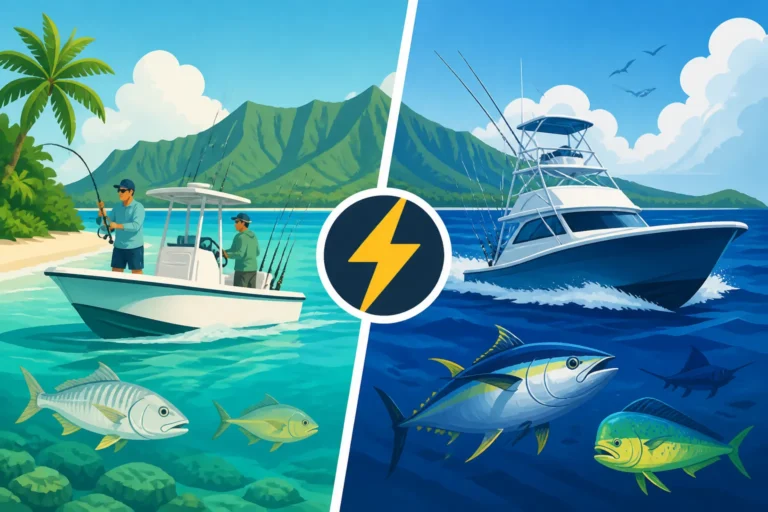
One of the biggest advantages of a full-day charter is the extended range. Hawaiian waters are incredibly diverse, with different species inhabiting various depths and distances from shore. A shorter charter often limits you to closer, more accessible fishing grounds. While these can certainly hold fish, a full day opens up the possibilities. Your captain can run further offshore to deeper waters, target specific FADs (Fish Aggregating Devices) that are further out, or explore different areas known for particular pelagic species.
Imagine heading out from Honokohau Harbor on the Big Island. On a half-day, you might stay relatively close to the Kona coast. But on a full-day, the captain has the flexibility to chase the bite, venturing to prime spots that could be 20, 30, or even 50 miles offshore. This increased mobility greatly enhances your chances of encountering trophy fish like marlin, ahi, or ono. This expanded reach means you can target a wider variety of fish, too, from the schooling mahimahi closer in to the elusive deep-water bottomfish.
What to Expect on a Full-Day Charter
So, you've decided to commit to the full Hawaiian fishing experience. That's fantastic! But what does a typical full-day charter actually look like? It's more than just a longer version of a half-day trip; it's a carefully orchestrated adventure designed to maximize your angling success and enjoyment.
Typical Itinerary and Activities
A full-day charter typically kicks off bright and early, often before the sun even breaches the horizon. This early start isn't just for show; it's strategic. Many of the most sought-after pelagic species, like marlin and tuna, are often most active during the cooler parts of the day, particularly dawn and dusk. You'll usually meet your captain and crew at the harbor, like Maalaea Harbor on Maui or Kewalo Basin on Oahu, around 5:00 AM or 6:00 AM. After a brief safety talk and introductions, you'll motor out to the fishing grounds.
The journey to the fishing grounds itself is part of the experience. Depending on your target species and where the bite has been hot, this could be anywhere from 30 minutes to a couple of hours. During this run, the crew will often be rigging lines, setting out teasers, and getting everything ready for the moment you hit the prime spots. Once you're there, the primary activity will be trolling. This involves dragging multiple lines with lures or baits behind the boat, covering a lot of water and mimicking baitfish to attract predatory species. Over the course of the day, the captain might change tactics based on conditions, current reports, or what they're seeing on the sonar. You might switch to deep dropping for bottomfish in specific areas or even try some live baiting if the opportunity arises.
Expect a lunch break somewhere in the middle of the day. Most full-day charters provide lunch, snacks, and drinks, but it's always wise to confirm this when booking. You'll spend a solid 8-10 hours actively fishing, often returning to port in the late afternoon, typically around 3:00 PM to 5:00 PM. This extended window allows for not just one fishing spot, but often several, maximizing your chances.
Target Species and Fishing Techniques
The beauty of a full-day charter lies in its versatility. While half-day trips might focus on one or two specific techniques or species, a full-day allows for a much broader approach. If your dream is to land a billfish, a full-day is almost a necessity. The Kona Coast is world-renowned for its marlin, and a full-day trip gives you the best odds of encountering one of these magnificent creatures. You can explore Marlin Fishing off the Kona Coast more deeply if that's your target.
Here’s a breakdown of common targets and techniques:
- Pelagic Species: This is often the main draw. You'll be primarily trolling for species like:
- Marlin (Blue, Striped, Black): Often the ultimate prize. Large lures are trolled at various speeds to entice strikes.
- Ahi (Yellowfin Tuna): Fast, powerful, and excellent eating. Trolling, live baiting, and sometimes jigging are effective. Check out Ahi (Yellowfin Tuna) Fishing in Hawaii for more.
- Mahimahi (Dolphin Fish): Known for their acrobatic fights and vibrant colors. They often hang around FADs or floating debris.
- Ono (Wahoo): A speedy predator with sharp teeth. High-speed trolling is a common tactic.
- Spearfish: Smaller billfish, offering a fun fight on lighter tackle.
- Bottomfish: If the pelagic bite is slow, or if you specifically request it, some full-day charters can shift to deep dropping for bottomfish. This involves using electric reels to send weighted rigs with multiple hooks down to depths of 600-1500 feet. Common targets include:
- Opakapaka (Pink Snapper)
- Onaga (Ruby Snapper)
- Ehu (Red Snapper)
- Hapu'upu'u (Sea Bass)
- Reef Fish (inshore charters): While most full-day charters focus offshore, some specialized charters might spend a full day exploring inshore reefs for species like Ulua (Giant Trevally) or Papio. However, these are less common for a full "full-day" trip as the focus tends to be blue water. If you're looking for Ulua (Giant Trevally) Fishing in Hawaii, specific guides might be better suited for that.
The crew on a full-day charter is typically skilled in multiple techniques and will adapt to conditions and fish behavior. They'll also be knowledgeable about Hawaii Pelagic Species Bag Limits and other regulations, ensuring a legal and responsible fishing experience.
Key Considerations When Booking Your Charter
Booking a full-day fishing charter in Hawaii is a significant investment in your vacation, and you want to ensure it's money well spent. With so many options available across the islands, it's crucial to do your homework and consider several factors before committing. This isn't just about finding any boat; it's about finding the right boat and crew for your specific desires.
Private vs. Shared Charters: Which is Right for You?
This is one of the first big decisions you'll face. Both private and shared charters have their distinct advantages and disadvantages, and the best choice really depends on your group size, budget, and desired experience.
- Private Charters:
- Pros: Exclusivity and customization are the hallmarks of a private charter. You have the entire boat to yourselves, meaning you dictate the pace, the target species (within reason and safety), and the fishing spots. If you have a family or a group of friends, it can often be more cost-effective per person than multiple shared spots. The crew's attention is entirely on your party, offering more personalized instruction and assistance. It's perfect for a special occasion or if you want to fish as much as humanly possible without waiting for others.
- Cons: The upfront cost is significantly higher, as you're covering the entire boat's expenses yourself. If your group is small, it might feel expensive.
- Shared (or "Walk-On") Charters:
- Pros: This is a fantastic option for solo anglers or small groups who want the full-day experience without the private charter price tag. You typically pay per person and join other anglers on the boat. It's a great way to meet fellow fishing enthusiasts and share the excitement of the catch.
- Cons: You'll be sharing the deck and the fishing opportunities. This means less individualized attention from the crew, and you might have to take turns on the rod if multiple fish are hooked or if a particular technique requires only one angler at a time. The boat's itinerary and target species will be set by the captain, often aiming for the most popular pelagic fish, which might not align perfectly with your specific angling preference. You also have less control over the dynamics of the group you're with.
When you're comparing options, especially for costs, using platforms like FishingBooker can be really helpful. They often list both private and shared options, allowing you to easily see the pricing structure and availability side-by-side.
Reputation, Reviews, and What's Included
Before you hand over your hard-earned money, dive deep into the charter's reputation. Online reviews on platforms like FishingBooker, Google, and TripAdvisor are invaluable. Look for consistent themes: are people praising the crew's professionalism, their knowledge of the local waters, and their dedication to finding fish? Or are there recurring complaints about service, equipment, or lack of fish? A few negative reviews aren't necessarily a deal-breaker, but a pattern of dissatisfaction should raise a red flag.
What's included? This is a critical question. Don't assume anything. Most full-day charters should include:
- All necessary fishing gear: Rods, reels, tackle, and bait. Confirm the quality and type of gear if you're particular.
- Fuel: This is typically a given for the charter price.
- Safety equipment: Life jackets, first-aid, etc., as mandated by Coast Guard regulations.
- Ice and basic drinks: Water, sodas.
However, things that might not be included and you should confirm are:
- Lunch and snacks: Some provide, some expect you to bring your own.
- Fishing license: While many larger offshore charters operate under a blanket commercial license, it's crucial to confirm if you, as an individual angler, need a Hawaii Fishing License Guide for 2026 or Hawaii Nonresident Marine Fishing License, Explained. Don't assume you're covered.
- Fish cleaning/filleting: Some charters will do it for free, others charge a small fee, and some simply don't offer it.
- Gratuity for the crew: Tipping is customary and expected. Understand Tipping Etiquette for Hawaii Fishing Charters before your trip.
- Sunscreen, hats, sunglasses: These are personal items you'll always need to bring.
Ask specific questions about these inclusions when you call or email. Clear communication upfront prevents any unwelcome surprises on the day of your trip.
Best Islands for Full-Day Fishing Charters
Hawaii offers incredible fishing opportunities across its islands, but each island has its own unique character, fishing strengths, and port options. When considering a full-day charter, where you launch from can significantly impact the type of experience you'll have and the species you're most likely to encounter.
The Big Island (Kona Coast)
When people think of sportfishing in Hawaii, they often think of Kona, and for good reason. The leeward side of the Big Island, particularly the Kona Coast, is legendary for its calm waters and quick access to deep pelagic fishing grounds. This stretch of coastline drops off dramatically, creating a rich marine environment just a short run from shore.
- Why Kona?
- Marlin Mecca: Kona is arguably the best place in the world to target Pacific Blue Marlin. The calm conditions allow for consistent trolling, and the abundant baitfish population keeps these giants around year-round. Many world-record-breaking marlin have been caught here. You can explore Best Marlin Charters off the Kona Coast for specific recommendations.
- Year-Round Action: While some species are seasonal, Kona offers excellent fishing almost every month of the year. Beyond marlin, you'll find plentiful Ahi, Mahimahi, Ono, and Spearfish.
- Proximity to Deep Water: You don't have to run far to hit prime fishing grounds, meaning more actual fishing time.
- Top Departure Points: Honokohau Harbor (near Kailua-Kona) is the undisputed hub for sportfishing charters on the Big Island. It's bustling with professional crews and well-equipped vessels.
A full-day charter out of Kona gives you the best chance at a grander (1,000+ lb marlin) or a freezer full of prime yellowfin tuna. The captains here are some of the most experienced in the world, often with generations of knowledge passed down about these incredible waters. If you're serious about big game, Kona is your prime destination.
Maui (Ma'alaea and Lahaina)
Maui, known for its stunning beaches and lush landscapes, also offers fantastic fishing, particularly on its leeward (west and south) sides. While perhaps not as globally renowned for marlin as Kona, Maui boasts excellent opportunities for a variety of pelagic species.
- Why Maui?
- Diverse Pelagics: Maui's waters are rich with Mahimahi, Ono, Ahi, and sometimes Striped Marlin. The waters around the "Maui Triangle" (between Maui, Lanai, and Kahoolawe) are productive grounds.
- Scenic Beauty: Fishing off Maui provides incredible views of the island's volcanic peaks and the neighboring islands. It's a truly beautiful backdrop for your angling adventure.
- Good for Families: Many Maui charters cater to a more diverse clientele, including families, offering a great balance of fishing and scenic cruising.
- Top Departure Points: Ma'alaea Harbor on the south-central coast and Lahaina Harbor on the west side are the main departure points. Both offer a good selection of full-day charters. From these ports, captains can access deep water quickly or explore productive channels between the islands.
A full-day charter on Maui often means a chance at a vibrant mahimahi or a speedy ono, with the possibility of an ahi or a smaller billfish. It's a wonderful choice for those who want a robust fishing experience combined with the classic Hawaiian vacation vibe.
Oahu (Honolulu and Ko Olina)
Oahu, the most populated of the islands, also holds its own as a prime fishing destination. With significant commercial fishing history and modern sportfishing fleets, Oahu offers convenient access to great offshore action.
- Why Oahu?
- Accessibility: If you're staying in or around Honolulu, access to charters is incredibly easy. Many charters depart from the capital city.
- Solid Pelagic Fishing: Oahu's deep offshore waters attract Ahi, Mahimahi, Ono, and sometimes Blue and Striped Marlin. The FADs around Oahu are frequently visited by these species.
- Variety of Charters: You'll find a wide range of charter types and sizes, from large party boats to intimate private vessels.
- Top Departure Points: Kewalo Basin Harbor (right outside Waikiki/Honolulu) is the primary hub. Ko Olina Marina on the west side also offers excellent charter options, often with a slightly quicker run to certain fishing grounds.
A full-day charter out of Oahu will put you right in the thick of the Pacific's bounty, often targeting the same pelagic species found around the other islands. It's a convenient and exciting option for visitors to the capital island. For more options, consider exploring Best Deep Sea Fishing Spots in Hawaii.
Kauai (Nawiliwili)
The Garden Isle, Kauai, might be smaller, but its offshore waters are just as wild and productive. It offers a slightly more serene fishing experience, with stunning natural beauty as your backdrop.
- Why Kauai?
- Untouched Feel: Less crowded than some other islands, offering a more tranquil fishing experience.
- Excellent Pelagic Fishing: Similar to its sister islands, Kauai's deep waters hold Ahi, Mahimahi, Ono, and various Billfish.
- Unique Scenery: Fishing off Kauai provides unparalleled views of its dramatic coastline, including the Na Pali Coast.
- Top Departure Points: Nawiliwili Harbor near Lihue is the main departure point for deep-sea charters. From here, captains access productive offshore waters relatively quickly.
Choosing a full-day charter on Kauai is perfect for those who want serious fishing away from the biggest crowds, surrounded by some of the world's most breathtaking scenery. No matter which island you choose, a full-day charter truly lets you connect with the vastness and majesty of the Hawaiian ocean.
Preparing for Your Full-Day Adventure
So, you've booked your full-day charter, your bags are packed, and you're dreaming of epic catches. Exciting! But before you head out, there are a few practical steps you can take to ensure your trip is as comfortable, safe, and successful as possible. A little preparation goes a long way, especially when you're going to be on the water for 8-10 hours.
What to Bring Aboard
Think of your full-day charter as a mini-expedition. You'll be out there for a good chunk of the day, exposed to the elements. Packing smart is key. While your charter should provide the fishing gear and perhaps some basic refreshments, there are several personal items that are absolute must-haves. For a more detailed breakdown, consider reading What to Bring on a Hawaii Fishing Charter.
Here’s a checklist of essentials:
- Sun Protection: This is non-negotiable in Hawaii. The tropical sun, amplified by reflection off the water, is incredibly strong.
- High-SPF Sunscreen: Apply it liberally and reapply throughout the day. Opt for reef-safe varieties if possible.
- Wide-brimmed Hat: Protects your face, ears, and neck.
- Polarized Sunglasses: Crucial for seeing into the water, reducing glare, and protecting your eyes.
- Lightweight, Long-Sleeved Shirt and Pants: UPF-rated clothing is ideal for maximum sun protection without overheating.
- Comfortable Clothing: Wear layers that you can easily add or remove. It can be cool in the early morning, warm during the day, and sometimes breezy.
- Footwear: Wear comfortable, non-slip deck shoes or sandals. You'll be standing a lot, and the deck can get wet.
- Food and Drink: While many charters provide lunch, snacks, and drinks, it's always a good idea to bring extra.
- Water Bottle: Stay hydrated!
- Snacks: Granola bars, fruit, nuts are great for sustained energy.
- Lunch: If not provided, pack a substantial, easy-to-eat meal.
- Medication: If you take any personal medications, don't forget them. Keep them in a waterproof bag.
- Seasickness Remedies: Even if you rarely get seasick, the open ocean swell over many hours can be a challenge. Be proactive!
- Non-drowsy Dramamine or Bonine: Take it the night before and again in the morning before you board.
- Seabands: Acupressure wristbands can help some people.
- Ginger Chews/Candies: A natural remedy that can soothe an upset stomach. Learn more with Seasickness tips for a Hawaii fishing charter.
- Camera: Capture those incredible memories! Just make sure it's either waterproof or stored in a dry bag.
- Small Backpack or Dry Bag: To keep all your personal items organized and protected from spray.
Understanding and Respecting Marine Life & Regulations
Fishing in Hawaii isn't just about catching fish; it's about being a responsible steward of its precious marine environment. The islands have unique ecosystems and regulations designed to protect them. Before your trip, familiarize yourself with the basics. The crew will, of course, guide you, but knowing a little beforehand shows respect and helps you understand why certain rules are in place.
- Catch Limits and Size Restrictions: Hawaii has specific bag and size limits for various species. For example, there are rules governing Hawaii Uhu (Parrotfish) Size and Bag Limits or Hawaii Moi Closed Season, Explained. Your captain will be well-versed in these, but it's good to be aware.
- Protected Species: Be aware of protected species. Encounters with dolphins, whales, sea turtles, and monk seals are common and always a special treat. Never attempt to feed, touch, or harass these animals. There are strict rules about maintaining distance. For more information, check out Hawaii Fishing Regulations Explained.
- Handling Your Catch: Learn about proper fish handling, especially if you plan to practice catch and release. The crew will demonstrate the best techniques to ensure the fish's survival. If you plan to keep your catch, understand that it will likely be divided among the boat, especially on shared charters. Ask about the boat's policy on catch distribution for different species. Some charters keep all billfish (except the Grander) due to the effort involved, or divide edible fish among passengers.
- Respecting the Crew and Boat: The crew are your guides, your teachers, and your safety officers. Listen to their instructions, ask questions, and be respectful of their expertise and hard work. The boat is their office and livelihood, so treat it with care.
By being prepared and informed, you're not just enhancing your own experience; you're also contributing to the preservation of Hawaii's extraordinary marine resources for future generations.
Making the Most of Your Full-Day Experience
You've invested your time and money into a full-day fishing charter in Hawaii – now let's talk about how to squeeze every drop of enjoyment and potential success out of it. It's more than just sitting back and waiting for a fish to bite; your attitude, engagement, and communication can profoundly shape your experience.
Communicating Your Goals and Expectations
This is probably the single most important piece of advice. Before you even set foot on the boat, have a clear conversation with the charter operator or captain about what you hope to achieve. Are you dreaming of a specific species, like a giant marlin? Are you more interested in just getting some fresh fish for dinner, regardless of the species? Are you a seasoned angler looking to learn new techniques, or a complete beginner hoping for a patient teacher?
- Be Specific (but flexible): Don't be shy about stating your primary goals. "I've always wanted to catch a Blue Marlin!" or "I'd love to land something big enough to put on the grill." The captain can then tailor the trip as much as possible to your desires. However, also understand that fishing is never guaranteed. The captain's ultimate goal is to put you on fish, but sometimes the fish simply aren't biting where you want them to. Be prepared to be flexible and trust the captain's judgment if they suggest changing tactics or locations.
- Ask Questions: Don't hesitate to ask the crew about their methods, the fish they're targeting, or what to do when a fish bites. They are a wealth of knowledge and most love to share it. This interactive approach enhances your understanding and appreciation of the sport.
- Manage Expectations: Understand that even on a full-day charter, catching a trophy fish like a grander marlin is rare. Enjoy the process, the scenery, and the company. Every trip is an adventure, and sometimes the most memorable moments aren't about the biggest fish, but the unexpected encounters or the perfect sunset.
Embracing the Journey: Beyond the Catch
While landing a big fish is undeniably thrilling, a full-day charter offers so much more than just the hook-up. The sheer beauty of being offshore in Hawaii is an experience in itself, one that often gets overlooked in the excitement of the chase.
- Soak in the Scenery: Look around! The Hawaiian islands are breathtaking from the perspective of the open ocean. From the rugged coastlines of Kauai to the volcanic slopes of the Big Island, the views are spectacular. Keep an eye out for other marine life too – spinner dolphins leaping, sea turtles gliding by, or even humpback whales during their winter migration. These moments often become just as cherished as the fish you catch.
- Learn from the Crew: Your captain and deckhand are professionals with years of experience. Engage with them. Ask about the local fishing culture, their favorite stories, or tips on how to improve your own angling skills. They can teach you about reading the water, understanding baitfish patterns, or the nuances of different lure presentations. It's a fantastic educational opportunity that you don't get on a shorter trip.
- Enjoy the Camaraderie: Whether you're on a private charter with friends and family or a shared trip with new acquaintances, the shared experience of being on the water fosters a unique bond. Celebrate each other's catches, share stories, and simply enjoy the company.
- Be Patient: Fishing requires patience. There will be long stretches of quiet, interspersed with moments of frantic action. Use the downtime to relax, enjoy your snacks, and appreciate the peace of the ocean.
A full-day charter is an investment in an experience, not just a fish. By communicating your goals, embracing the journey, and soaking in all that Hawaii's waters have to offer, you're guaranteed to have an unforgettable adventure, whether you reel in a record-breaker or not. When you're ready to find that perfect full-day experience, remember that comprehensive booking sites like FishingBooker can help you sort through various options and reviews to make an informed choice.
Here's a quick comparison of what you might expect on a full-day vs. half-day charter:
| Feature | Half-Day Charter (4-5 hours) | Full-Day Charter (8-10 hours) |
|---|---|---|
| Time on Water | Limited | Extensive, maximizing fishing windows |
| Fishing Grounds | Closer to shore, more accessible spots | Wider range, can venture further offshore to prime grounds |
| Target Species | Often focuses on one or two pelagic species; less bottomfish | Diverse pelagics (Marlin, Ahi, Ono, Mahimahi); potential for bottomfish |
| Techniques Used | Primarily trolling; less flexibility | Trolling, deep dropping, live baiting; adaptable tactics |
| Cost | Lower per trip | Higher per trip, but often better value for time |
| Experience Level | Good for beginners, families, or those with limited time | Ideal for serious anglers, dedicated groups, and deeper immersion |
| Flexibility | Less room to adjust to conditions or specific angler requests | More flexibility for captain to chase the bite or change tactics |
| Meal/Snacks | Usually just drinks; sometimes light snacks | Often includes lunch, snacks, and drinks |
| Overall Pace | Faster, more rushed to maximize limited time | More relaxed, allowing for learning and enjoyment of the journey |
Disclaimer
This article is for general informational purposes only and does not constitute professional advice. Laws, prices and regulations vary by location and change over time. Consult a qualified professional for guidance on your specific situation.