Do You Need Your Own Fishing License for a Hawaii Charter?
It's a common dilemma when you're planning that dream Hawaii fishing trip: you've booked your charter, you're buzzing with excitement, and then a nagging thought creeps in – "Do I actually need my own fishing license for this?" It's a completely valid question that causes a lot of confusion, especially for visitors who might be used to different rules in their home states or countries. The good news is, for most typical recreational marine fishing charters in Hawaii, the answer is usually no, but there are crucial exceptions you absolutely need to know about. This guide will help clear up that confusion so you can focus on reeling in that big one, not worrying about paperwork.
The General Rule for Recreational Marine Charters in Hawaii
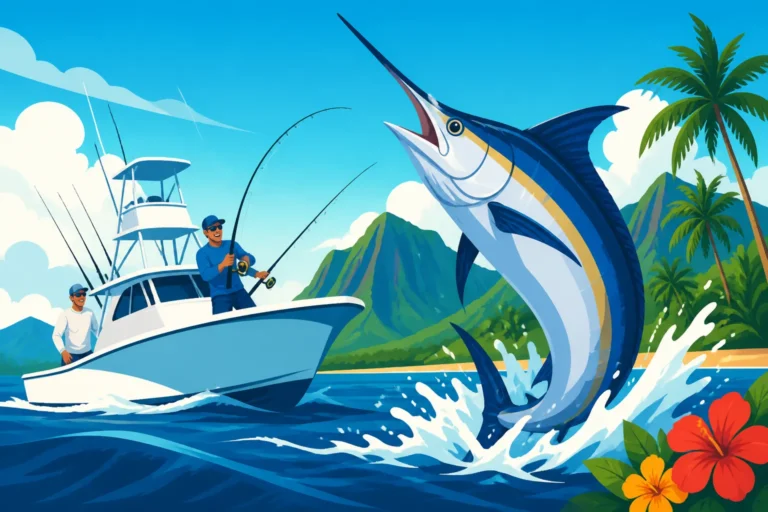
When you picture yourself out on the deep blue waters off the Kona Coast, battling a marlin, or bottomfishing for opakapaka, the last thing you want to be stressing about is whether you've got the right piece of paper. Thankfully, Hawaii’s regulations are generally set up to make things smoother for recreational anglers on licensed charter boats.
Why Most Charters Cover Your License Needs
The primary reason you usually don't need your own individual fishing license for a marine charter in Hawaii is that the vessel itself, and its operator, hold the necessary commercial licenses that cover all recreational passengers on board. This isn't just a courtesy; it's how the system is designed to facilitate tourism and make the fishing experience accessible. A licensed charter boat operates under a commercial marine license, and this overarching permit essentially extends to everyone fishing recreationally from that particular boat.
Imagine a family from the mainland, excited for their first deep-sea adventure out of Honokohau Harbor on the Big Island. They arrive at the dock, a little anxious about what forms they might have missed. The captain, with a friendly grin, welcomes them aboard and explains that because his boat is fully licensed for commercial fishing charters, everyone on board is automatically covered. They don't need to have run around town looking for an individual license. This seamless process allows them to jump right into the excitement, from the moment the lines hit the water, all without that pre-trip paperwork scramble. It truly streamlines the experience for visitors and locals alike who are just looking to enjoy a day on the ocean.
What "Covered" Actually Means
When we say "covered," it means the boat's license acts as a blanket permit for all recreational anglers on board for the duration of that specific charter. It’s not about each individual possessing their own personal license, but rather the operation of fishing from that vessel being authorized. Think of it less like a driver's license for each passenger and more like the commercial registration for a bus – the driver has the commercial license, and everyone on board is allowed to be there.
This allows for a wonderful, hassle-free experience. For instance, if you're on a Best Family-Friendly Fishing Charters in Hawaii trip with your kids, you won't need to figure out Hawaii Fishing License Age Requirements for each child or wonder if your spouse, who rarely fishes, needs a license too. The captain, having navigated the process of obtaining their own commercial marine license, ensures that all fishing activities conducted from their vessel are legitimate and compliant with state regulations. This includes abiding by all Hawaii Bag and Size Limits by Species and other general rules. Your focus can remain squarely on enjoying the majestic Hawaiian waters and the thrill of the catch.
Exceptions and Specific Scenarios Where a License Might Be Required
While the general rule is comforting, Hawaii fishing isn't a one-size-fits-all situation. There are specific circumstances and types of fishing where an individual license is, in fact, absolutely mandatory, even if you're with a guide or on a special trip.
Freshwater Fishing Charters
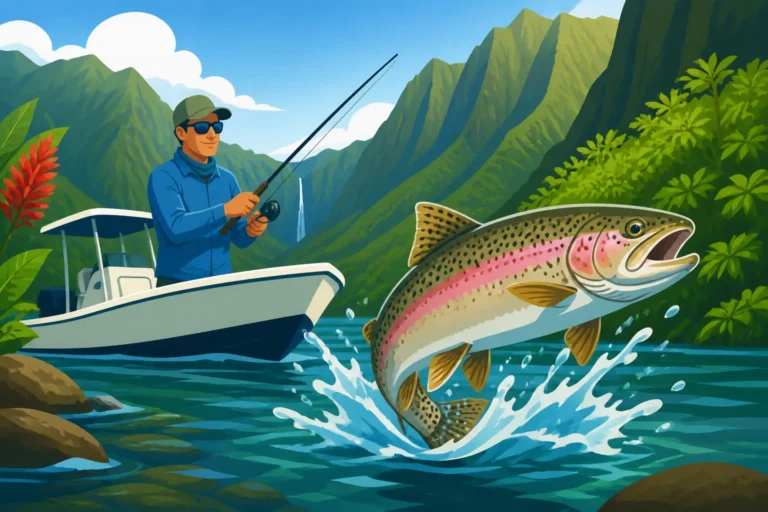
Here's where the rules diverge significantly: if your Hawaiian fishing adventure takes you away from the saltwater and into the streams, rivers, or reservoirs, you will need your own individual freshwater fishing license. This is a crucial distinction that many visitors overlook. Freshwater guides or charter services in Hawaii do not operate under the same blanket commercial licensing that marine charters do; they are providing a service, but the individual angler remains responsible for their personal license.
Consider someone who dreams of catching rainbow trout in the cool mountain streams of Kokee, Kauai, or targeting peacock bass in the Hawaii Wahiawa Reservoir Fishing Rules on Oahu. They might book a guided trip to maximize their chances. However, before heading out, they must personally acquire a Hawaii Freshwater Fishing License and Rules. This applies to everyone who is of legal fishing age for freshwater, regardless of whether they are a resident or non-resident. If you're coming from out-of-state, you'll need to look into options like the Hawaii 7-day tourist freshwater license cost or longer durations, depending on your stay. Missing this step could lead to fines, spoiling an otherwise incredible experience.
Spearfishing or Specific Commercial Activities
Another area where individual licenses or permits might become necessary is with specialized activities like spearfishing, or if your "charter" involves anything that might border on commercial harvesting. While most recreational marine charters focus on rod-and-reel fishing, if you're on a trip specifically geared towards spearfishing, the rules can get a bit more nuanced. Recreational spearfishing in Hawaii has its own specific set of Hawaii Spearfishing Regulations, and while some charter operators might provide gear and instruction, they might also expect you to be aware of, and perhaps even hold, specific permits for certain areas or species.
For instance, if a charter advertises a specialized trip where clients are actively engaging in the capture of fish for sale, or using methods typically associated with commercial take (even if you're "just helping"), that's when you enter a different regulatory category. Most typical recreational charters avoid this gray area, but it's always wise to clarify with your operator if your planned activities deviate from standard rod-and-reel recreational fishing. This also extends to certain marine life conservation districts, where even recreational take can be highly restricted.
Booking Private Guides (Shore-based or Kayak)
When you step off a large, commercially licensed charter boat and opt for a more intimate experience with a private guide, especially one operating from shore or a kayak, the licensing requirements often shift back to the individual angler. Many shore-based guides or independent kayak fishing guides, while offering incredible expertise and local knowledge, do not possess the same type of commercial marine license that covers their clients. Their service is often instructional or guided assistance, rather than operating a vessel for hire that implicitly covers all passengers' fishing rights.
Let's say you've booked a private guide to teach you Shore Fishing Techniques for Hawaii for papio along Oahu's rocky coastline. This guide isn't operating a US Coast Guard-inspected vessel under a commercial permit. Instead, they're teaching you how to fish from the land or from your own non-motorized vessel. In such scenarios, it's highly probable that the guide will require you to possess your own valid Do You Need a Fishing License in Hawaii. The same often applies to guided Best Bonefishing Spots in Hawaii trips where you might be wading the flats with a local expert; you'd need your personal license for that. Always, always confirm with your private guide before your trip, as their specific operational structure dictates whether or not you need your own license.
How to Confirm Your License Status Before You Go
Navigating the nuances of fishing licenses can be tricky, but thankfully, there are straightforward ways to ensure you're compliant before you even cast a line. The key is proactive communication and attention to detail.
Checking with Your Charter Operator
This is hands down the most reliable method. Reputable charter operators are well-versed in Hawaii's fishing regulations and understand that this is a frequent concern for their clients. Most will clearly state their policy regarding passenger licenses either on their website, in their booking confirmation, or during your initial conversation. Don't hesitate to ask directly if it's not immediately clear. A quick phone call or email can save you a lot of headache.
For example, before you confirm that exciting marlin charter off the Kona Coast, a quick message to the captain through a platform like FishingBooker, or directly to their business, asking "Are fishing licenses included for all passengers?" will yield a definitive answer. They'll be happy to reassure you and clarify any specifics related to their vessel and operations. It's a question they get all the time, so don't feel like you're bothering them! This simple step ensures there are no surprises on the day of your adventure.
Reviewing Booking Platform Details
Many online booking platforms, such as FishingBooker, serve as excellent resources for understanding what's included in your charter package. When browsing for the perfect Best Fishing Charters in Hawaii, pay close attention to the "What's Included" or "Important Information" sections of the listing. Often, charter companies will explicitly state whether fishing licenses are provided for passengers.
Let's say you're browsing for a Best Half-Day Fishing Charters in Hawaii on FishingBooker. A detailed listing might clearly state: "All fishing gear, bait, and licenses for up to six passengers are included." This kind of explicit statement provides immense peace of mind. If the information isn't immediately visible, consider that a prompt to reach out to the charter directly for clarification, as mentioned above. Good booking platforms facilitate this communication, making it easy to get your questions answered before committing to a trip.
Understanding the Cost Implications
It's also helpful to understand the financial implications. If fishing licenses are covered by the charter, their cost is typically factored into the overall price of the trip. You won't see a separate line item for your individual license fee. However, if you are required to obtain your own license, this will be an additional, separate expense you need to budget for.
Imagine you're comparing two similar Hawaii Fishing Charter Cost Guide options. One charter is slightly more expensive but explicitly states "all licenses included." The other is a bit cheaper but requires you to purchase your own Hawaii Nonresident Marine Fishing License, Explained or Hawaii freshwater license cost for nonresidents. When you factor in the additional cost of your personal license, the seemingly cheaper option might end up being just as, or even more, expensive. Always look at the total cost of the experience, including any required individual licenses, to make an informed decision.
What to Do If You Need Your Own License
So, you've confirmed that for your specific fishing trip – perhaps a guided freshwater excursion or a shore-based lesson – you do need to secure your own Hawaii fishing license. Don't fret! The process is fairly straightforward, and knowing the steps ahead of time will prevent any last-minute stress.
Where to Purchase a Hawaii Fishing License
Getting your Hawaii fishing license is usually a simple process, with a few convenient options available. The primary way to purchase a license is online through the official Hawaii Department of Land and Natural Resources (DLNR) Division of Aquatic Resources (DAR) website. This is often the quickest and easiest method, allowing you to handle it from the comfort of your home or accommodation before you even head out.
Alternatively, if you prefer an in-person transaction or need some local advice, you can purchase licenses from authorized license agents across the islands. These are typically sporting goods stores, tackle shops, and sometimes even general stores in smaller communities. Just look for signs indicating they sell fishing licenses. You might also find licenses available at some DLNR offices directly, though checking their operating hours and availability is always a good idea. For a complete overview, check out Where and How to Buy a Hawaii Fishing License.
Be Aware of License Types and Duration
Hawaii offers different types of fishing licenses, and it's vital to choose the correct one for your situation. These typically break down by residency status (resident vs. nonresident) and the type of fishing (freshwater vs. marine, though marine licenses are generally only needed for commercial or specific regulated activities, or when a charter doesn't cover it). For freshwater, you'll find various durations, such as annual licenses or shorter-term options like a Hawaii 30-day tourist freshwater license cost or Hawaii 7-day tourist freshwater license cost, which are perfect for visitors on shorter trips.
Always double-check the specifics. For example, a resident planning to fish for trout in Kokee will need a Hawaii freshwater license cost for residents, while a visiting angler will need a nonresident freshwater license. Making sure you have the right type and duration will save you from potential issues with enforcement. It’s better to be a little over-prepared than under-licensed!
Printing or Digital Proof
Once you've purchased your fishing license, whether online or in person, you need to have proof of it with you while you're fishing. If you buy it online, you'll usually receive a digital copy that you can print out at home or save to your smartphone. A physical printout is always a reliable backup, especially if you plan to fish in areas with spotty cell service.
If you opt for a digital copy on your phone, make sure it's easily accessible, perhaps saved as a PDF or a clear screenshot, rather than relying on an internet connection to pull it up. Wildlife officers may request to see your license, and having it readily available demonstrates your compliance and helps keep your fishing day smooth and enjoyable. For more detailed guidance, take a look at Printing or Carrying a Digital Fishing License in Hawaii.
Here’s a quick summary table to help you keep things straight:
| Fishing Scenario | Individual License Required? | Notes |
|---|---|---|
| Offshore Marine Charter | No (Generally) | Covered by the boat's commercial license. Always confirm with the captain when booking. |
| Inshore Marine Charter | No (Generally) | Similar to offshore, the boat's license usually covers recreational passengers. Confirm with your specific charter operator. |
| Freshwater Guided Trip | Yes | Guides do not provide individual freshwater licenses. You must purchase a Hawaii Freshwater Game Fishing License Cost separately for each angler of legal age. |
| Shore-Based Guide (Marine) | Yes (Often) | Depends on the guide's specific operational setup. Many operate as instructional services and require clients to hold their own Do You Need a Fishing License in Hawaii. Always confirm directly. |
| Spearfishing Charter/Activity | Varies | May require specific permits or an individual license depending on local Hawaii Spearfishing Regulations and target species. Confirm with the operator beforehand. |
Remember, the goal is to enjoy your time fishing in Hawaii without any unnecessary stress. A little preparation and communication go a long way in ensuring a memorable and lawful angling experience.
Disclaimer
This article is for general informational purposes only and does not constitute professional advice. Laws, prices and regulations vary by location and change over time. Consult a qualified professional for guidance on your specific situation.