Best guided trips for first-time shore anglers
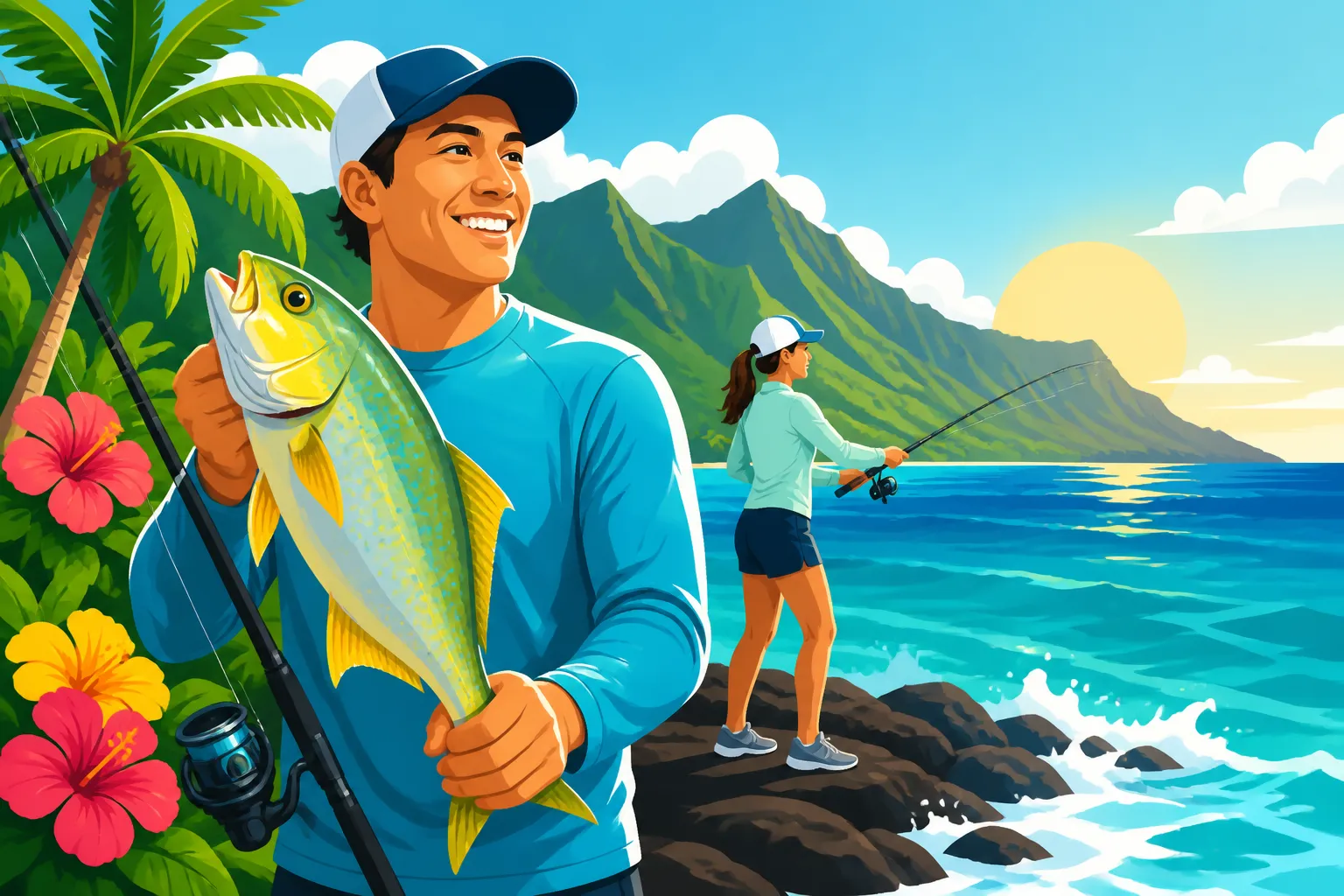
Stepping onto Hawaii's stunning shores, rod in hand, can be incredibly intimidating for a first-time angler. The sheer vastness of the ocean, the unique reef structures, and the unfamiliar species can leave you wondering where to even cast your line. This guide is here to walk you through why a guided shore fishing trip is not just a luxury, but often the best way for beginners to get started and truly experience the thrill of fishing in Hawaii.
Why a Guided Shore Fishing Trip is a Game-Changer for Beginners
It's easy to feel overwhelmed when you first arrive in Hawaii with dreams of catching some magnificent fish right from the beach. You might buy some gear, head to a pretty spot, and then… nothing. Or worse, you might snag your line on a reef, get tangled, and spend more time frustrated than actually fishing. This is where a guided shore fishing trip truly shines, especially for those new to the game.
Overcoming the Knowledge Barrier
Let's be real: Hawaii's fishing scene isn't like casting a worm into a pond back home. The currents, the tide charts, the specific "bumpy spots" on the reef where fish like to hang out – it's a whole different world. You've probably looked at a map of Oahu's coastline and felt completely lost, not knowing which rocky point or sandy stretch might hold fish. A local guide has spent countless hours on these very shores, learning the nuances of each spot, understanding the subtle shifts in conditions, and knowing exactly when and where to cast for the best chance of success. They know the names of the local fish, their feeding habits, and what bait they prefer, which can feel like deciphering a secret code if you're trying to figure it out on your own. This invaluable local knowledge transforms a potentially frustrating outing into an exciting learning experience. They'll tell you stories about the fish that live there, making the whole experience feel deeply connected to the island's unique spirit.
Learning Essential Techniques Hands-On
Hawaiian shore fishing isn't just about throwing out a line and waiting. There are specific techniques that are incredibly effective here, from "whipping" for fast-moving papio to "dunking" for deeper-dwelling species, or even advanced "slide baiting" for those elusive, trophy-sized ulua. Trying to learn these from a YouTube video can only take you so far. A seasoned guide will not only demonstrate these techniques but will stand right there with you, offering real-time feedback on your casting, your retrieve, and how you're working the bait.
Think about it: you might think you're casting far enough, but a guide can show you a subtle tweak that adds another 20 feet to your cast, putting your bait right where the fish are hiding. They can explain how to "feel" the bite in choppy water, or how to set the hook on a species with a delicate mouth. Beyond just technique, they'll also teach you crucial safety aspects. The shorelines in Hawaii can be rugged, with sharp lava rocks and unpredictable waves. A guide can show you how to navigate these environments safely, how to read the incoming sets, and where to place your feet, preventing a slip that could ruin your day or worse. It’s an immersive, practical lesson that no amount of reading can replace, quickly building your confidence. If you're looking to really dive into the craft, they might even teach you about Shore Fishing Techniques for Hawaii or How to Catch Papio on Hawaii's Shoreline.
Access to the Right Gear and Local Insights
One of the biggest hurdles for first-time shore anglers in Hawaii is simply not having the right gear. Your standard freshwater spinning rod from the mainland probably won't cut it for the powerful fish and abrasive reef environments here. Hawaiian shore fishing often requires specialized heavy-duty rods, stout reels, and specific types of lines and leaders designed to withstand sharp coral and strong fish runs. Then there's the bait – what works best for moi versus papio versus an unexpected ulua?
A quality guide provides all of this. They'll show up with well-maintained, appropriate rods and reels, a tackle box full of hooks, weights, and lures perfectly suited for the local conditions, and, crucially, fresh, effective bait. This means you don't have to invest a fortune in gear you might only use once or twice, nor do you have to spend time searching local tackle shops or guessing what to buy. Beyond the physical gear, guides offer priceless insights into current conditions. They'll know if the recent swell has stirred up the water, making certain spots more productive, or if a particular moon phase means the papio are biting aggressively. This real-time, hyper-local information is something you simply can't get from a generalized guide book or online forum.
What to Look for in a First-Time Angler Shore Guide
Choosing the right guide can make all the difference between a memorable learning experience and a mediocre day on the water. For beginners, it’s not always about finding the guide who catches the biggest fish, but the one who best facilitates your learning and enjoyment.
Experience with Beginners and Teaching Style
When you’re just starting out, patience is paramount. You want a guide who genuinely enjoys teaching and has a knack for explaining complex concepts in an easy-to-understand way. Look for someone who is known for their calm demeanor and encouragement, rather than someone who might get frustrated if you’re not immediately casting like a pro. A good guide for beginners will break down each step, from tying a simple knot to understanding the retrieve, and won't make you feel silly for asking questions. They should be able to adapt their teaching style to your pace, ensuring you grasp the fundamentals without feeling rushed. It's about building foundational skills and confidence, not just getting a fish in the bucket. A truly exceptional guide will empower you to understand why certain techniques work, so you can apply that knowledge on future trips, even if you’re fishing without them.
Focus on Catching vs. "Just Fishing"
While the experience itself is valuable, let's be honest: for a first-time angler, actually catching a fish is a huge thrill and a massive confidence booster. You want a guide who prioritizes putting you on fish, even if it means targeting more accessible species. This doesn't mean they'll guarantee a trophy ulua, but they will likely take you to spots known for smaller, more abundant papio, small trevally, or perhaps moi when in season, increasing your chances of feeling that satisfying tug on the line.
A guide focused on beginners will often pick locations and times that offer the highest probability of action. They might shy away from highly technical, low-yield spots that are better suited for seasoned anglers hunting specific, elusive species. The goal is to ignite that passion for fishing, and a bend in the rod, even if it’s a modest catch, goes a long way. They understand that a beginner's success is defined by a fun, engaging day with some tangible results, not necessarily breaking any Hawaii State Fish Records by Species.
Inclusions and Exclusions What's Provided
Before booking, it's crucial to understand exactly what your guided trip includes. For a first-timer, having all the gear provided is a huge advantage. This typically means:
- Rods and Reels: Properly matched and maintained for Hawaiian shore fishing.
- Tackle and Bait: All the hooks, weights, leaders, and fresh bait you'll need for the day. This is a big one, as specialized Hawaiian tackle can be hard to source if you're just visiting.
- Permits/Licenses: This is a key question! While some guides operate under general permits or exemptions, you generally need a freshwater license for freshwater fishing. For marine recreational fishing, Hawaii recently changed its rules, so it's always best to ask your guide if a license is needed for their specific trip or if they handle it. It's good to be aware of the Hawaii Fishing License Guide for 2026 or whether you need to know Do You Need a Fishing License in Hawaii.
- Water and Snacks: Often overlooked, but essential for a comfortable day under the Hawaiian sun.
- Sun Protection: Some guides might offer extra sunscreen or hats, but it’s always best to bring your own.
- Fish Cleaning: Will the guide clean and bag your catch for you? This is a nice perk for taking home some fresh local fish for dinner.
Platforms like FishingBooker often list these inclusions clearly in the trip description, making it easier to compare services and ensure you're getting what you need. Don't be afraid to reach out to the guide directly with any questions before you commit.
Popular Shore Fishing Destinations for Guided Beginner Trips
Hawaii offers a diverse array of shorelines, each with its unique charm and fishing opportunities. For beginners, certain areas stand out due to their accessibility, varied species, and the prevalence of guides who know them intimately.
Oahu's Accessible Coastlines
Oahu, being the most populated island, also offers a wealth of accessible shore fishing spots that are perfect for beginners, especially with a guide. The guides here are adept at navigating both the well-known and hidden gems.
One fantastic area is around Keehi Lagoon near Honolulu. This protected bay system, while close to the city, offers surprisingly good fishing for species like papio (juvenile trevally), small barracuda, and even bonefish (o'io) on its shallower flats. A guide can teach you light tackle techniques like whipping or how to sight-fish for bonefish in these calm, clear waters. It's an excellent place to practice casting without the challenge of heavy surf. Keehi Lagoon Bonefishing trips are often tailored for those looking for a unique, accessible experience.
Similarly, Sand Island offers diverse opportunities, from protected areas within the harbor to more open stretches where you can try different techniques. These spots are often chosen by guides because they provide a relatively safe and manageable environment for new anglers to get comfortable with their gear and learn local fishing habits. You might find guides specifically targeting Sand Island Bonefishing opportunities here too. The windward side, with its numerous small bays and rocky points, also offers fantastic options away from the city bustle, where you can target various reef fish.
Maui's South and West Shores
Maui, famous for its beautiful beaches and vibrant marine life, also presents excellent shore fishing prospects, particularly along its southern and western coastlines. These areas tend to be a bit calmer and more sheltered, making them ideal for beginners.
The Kihei area on the south shore, with its long stretches of sandy beach punctuated by small rocky outcrops, is a favorite for guides. Here, you can learn to cast from the sand for papio, or explore the edges of small reefs for goatfish (kumu or weke). The generally calmer waters allow for easier casting and a more relaxed learning environment.
Further west, areas around Lahaina Harbor and beyond offer a mix of historical charm and productive fishing grounds. While the harbor itself has some restrictions, surrounding areas provide ample opportunity. A guide can lead you to the best spots away from crowds, teaching you how to read the subtle changes in the reef and water color that indicate where fish might be holding. Fishing out of Lahaina Harbor Fishing Access can lead to some incredible trips targeting specific species. These locations allow beginners to experience the rich diversity of Maui's nearshore fisheries without feeling overwhelmed by heavy currents or complicated access.
Big Island's Varied Terrain Kona/Hilo
The Big Island lives up to its name, offering a vast and varied landscape for shore fishing, from the dramatic lava flows of the Kona coast to the lush, rain-fed shores of Hilo. This diversity means a guide can really tailor a trip to your interests and the day's conditions.
On the Kona side, the coastline is predominantly jagged lava rock, which can be challenging to navigate but incredibly rewarding. Guides here are experts at finding safe access points and teaching you how to fish these unique structures. You might be "whipping" lures into the washes for papio or casting a bait into deeper channels for larger trevally or even small snappers. The deep drop-offs close to shore on the Kona coast mean you're often fishing surprisingly deep water even from land. For those interested in the famous fishing here, exploring a Kona Coast Fishing Guide can highlight these opportunities.
Over on the Hilo side, the landscape shifts to more exposed bays and estuaries. Hilo Bay Fishing Guide reveals many spots where you can target diverse species. Here, a guide might teach you different casting methods suitable for sandy or silty bottoms, or how to fish around brackish water areas where freshwater mixes with the ocean. The Big Island's sheer size and varied marine environments mean that with a skilled guide, you're not just fishing, you're also exploring its incredible natural beauty and understanding its unique marine ecosystems.
| Trip Type | Focus for Beginners | Typical Duration | Target Species (Examples) | Ideal for… |
|---|---|---|---|---|
| Light Tackle Flats | Casting, sight fishing, subtle bites | 3-4 hours | Papio, Bonefish (Oio), small Barracuda | Learning finesse, calm waters, visual fishing |
| Shoreline Bait/Lure | General casting, rigging, species ID | 4-6 hours | Papio, Moi, Weke, Menpachi | Broad introduction, varied techniques, steady action |
| Rocky Point Angling | Safety, heavy tackle, reading currents | 5-7 hours | Ulua (juvenile), Papio, Goatfish | More adventurous, understanding structure, larger fish |
Planning Your Guided Shore Fishing Adventure
You've decided a guided trip is for you – fantastic! Now, let's talk about how to make sure your planning goes smoothly and you arrive ready for a fantastic day of fishing.
Booking and Communication
Finding the right guide is the first step. Online platforms like FishingBooker are excellent resources, offering listings of local guides, their specialties, what they include, and reviews from previous clients. This allows you to compare different guides, read testimonials, and find someone who explicitly states they welcome beginners or offer instructional trips. You can filter by location, trip duration, and even target species.
Once you've identified a potential guide, don't hesitate to communicate with them directly before booking. Ask specific questions:
- "I'm a complete beginner, is this trip suitable for me?"
- "What kind of fish can I realistically expect to target?"
- "What exactly do I need to bring, besides myself?"
- "What's your teaching style like for new anglers?"
- "What happens if the weather turns bad?"
Clear communication upfront ensures that both you and the guide have aligned expectations, leading to a much more enjoyable and successful trip. Confirm the meeting point, time, and any necessary payment details. This early dialogue helps forge a good relationship, and you'll feel more comfortable asking questions once you're out on the water.
Best Times and Seasons for Shore Fishing
While Hawaii's climate is generally pleasant year-round, certain factors can influence your shore fishing success. Your guide will be the ultimate authority on current conditions, but it helps to know the basics.
- Tides: Most shore fishing is highly dependent on tidal movement. An incoming or outgoing tide often brings baitfish closer to shore and creates currents that predatory fish exploit. Your guide will know the best tide windows for your chosen location.
- Time of Day: Dawn and dusk are universally productive times for many fish species, as they move into shallower water to feed under lower light conditions. Fishing during these times can be magical, watching the sunrise or sunset over the Pacific. Midday can still be good, but often requires different tactics. It's often good to check when it's the Best Time of Day to Catch Ulua or other specific species.
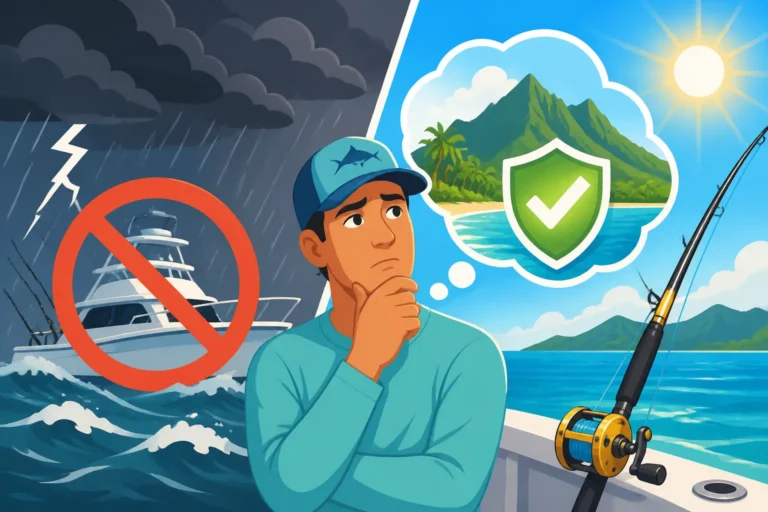
- Weather: While Hawaii rarely sees extreme cold, strong winds or heavy rain can make shore fishing unpleasant or even dangerous. High surf can also close off certain areas. Always defer to your guide's judgment regarding weather and safety. They’ll usually have a contingency plan or offer to reschedule if conditions are unfavorable.
- Seasons: While many species are present year-round, some have peak seasons. For example, moi (Pacific threadfin) have specific seasons and size limits Hawaii Moi Closed Season, Explained. Papio and ulua can be targeted throughout the year, but their activity levels can fluctuate. Your guide will know what's biting and where, aligning with the general Hawaii Fishing Seasons by Month.
What to Bring and How to Prepare
Even though your guide will provide most of the fishing gear, there are essential items you should bring to ensure your comfort and safety:
- Sun Protection: This is non-negotiable in Hawaii! A wide-brimmed hat, polarized sunglasses, and reef-safe sunscreen are absolute musts. Consider wearing long-sleeved, lightweight, breathable shirts to protect your arms. The tropical sun is intense, even on cloudy days.
- Water and Snacks: While some guides might provide these, it's always wise to bring your own refillable water bottle to stay hydrated and a few energy-boosting snacks.
- Appropriate Footwear: This is crucial, especially for rocky shorelines. Wear sturdy, closed-toe shoes with good grip that you don't mind getting wet. Aqua shoes, reef shoes, or old sneakers with good tread are perfect. Flip-flops are generally a no-go for safety.
- Light Rain Jacket/Windbreaker: Hawaiian weather can be unpredictable. A light, packable jacket can save you from a sudden downpour or a chilly ocean breeze.
- Camera: You'll want to capture those beautiful Hawaiian backdrops and, of course, your first catch! Make sure it's protected from water and sand.
- Positive Attitude and Open Mind: Be ready to learn, listen to your guide's instructions, and embrace the experience. Fishing, especially for beginners, can have its slow moments, but patience often pays off.
Remember, your guide is there to help you have a fantastic and safe experience. By being prepared, communicating your needs, and trusting their expertise, you're setting yourself up for an unforgettable first-time shore fishing adventure in the beautiful waters of Hawaii.
Disclaimer
This article is for general informational purposes only and does not constitute professional advice. Laws, prices and regulations vary by location and change over time. Consult a qualified professional for guidance on your specific situation.