Hawaii Marine Life Conservation Districts, Explained
It's incredibly frustrating when you're geared up for a day of fishing, excited to drop a line in Hawaii's beautiful waters, only to discover you're in a "Marine Life Conservation District" and fishing is strictly prohibited. You might feel a mix of confusion, disappointment, and even a little anger, wondering why certain areas are off-limits and what the point even is. This guide is here to demystify Hawaii's Marine Life Conservation Districts (MLCDs), explaining what they are, why they exist, and how they impact your time on the water, ensuring you stay compliant and enjoy the islands responsibly.
Understanding Marine Life Conservation Districts (MLCDs) in Hawaii
Hawaii, with its unique and fragile marine ecosystems, has long recognized the need for special protection in certain areas. These aren't just arbitrary lines on a map; MLCDs are critical tools designed to safeguard the ocean's health for generations to come.
What Exactly is an MLCD?
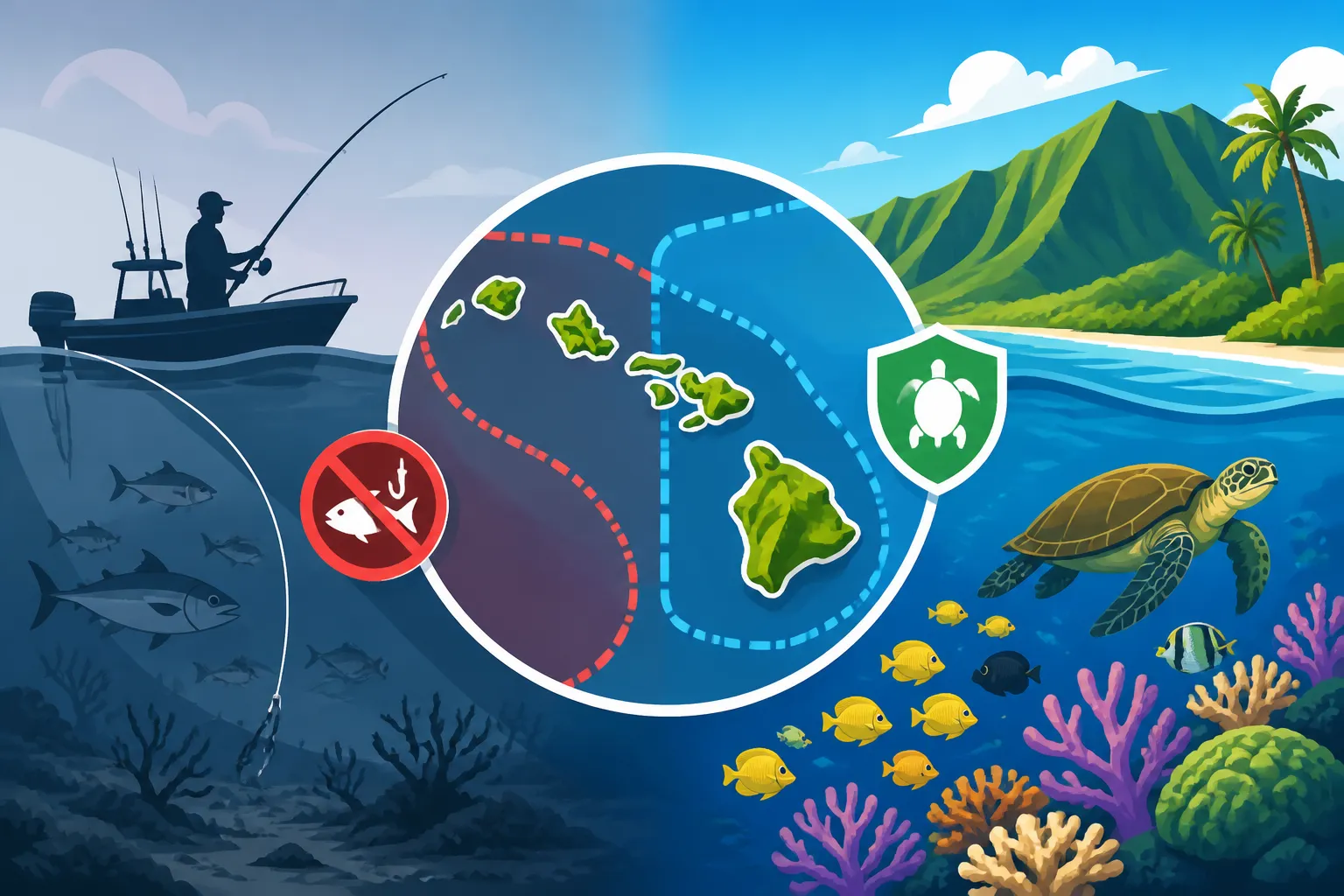
Think of a Marine Life Conservation District (MLCD) as an underwater national park, but with very specific rules tailored to protect the aquatic life within its boundaries. Established by the Hawaii Department of Land and Natural Resources (DLNR) Division of Aquatic Resources (DAR), these are designated ocean areas where marine resources are protected for their ecological, educational, and recreational value. Unlike general fishing regulations that might apply statewide, MLCDs have their own distinct set of rules governing activities like fishing, collecting, and even simply entering certain zones.
The specific boundaries of an MLCD are legally defined, often extending from the shoreline out into the open ocean, and sometimes encompassing entire bays or specific reef systems. For instance, a place like Hanauma Bay on Oahu is a prime example of a well-known MLCD, where you'll find crystal-clear waters teeming with fish, all protected from extractive activities. These areas are vital nurseries, feeding grounds, and safe havens for countless species, including many that are endemic to Hawaii, meaning they're found nowhere else on Earth. The concept is straightforward: give these areas maximum protection to allow marine life to thrive undisturbed.
The Goal Behind Establishing MLCDs
The primary goal of MLCDs is multifaceted, but at its heart, it's about conservation and sustainability. One major aim is to protect and restore marine ecosystems, particularly sensitive habitats like coral reefs, which are the backbone of Hawaii's ocean biodiversity. By prohibiting or severely restricting extractive activities, these districts allow coral colonies to grow unimpeded, fish populations to rebound, and the entire food web to function more naturally. This isn't just about saving pretty fish; it's about preserving the intricate balance that supports all marine life.
Beyond pure conservation, MLCDs serve as living laboratories for scientific research. Biologists can study undisturbed fish behavior, coral growth rates, and ecosystem dynamics without the confounding factor of human harvesting pressures. This data is invaluable for understanding how to better manage marine resources across the entire state. They also provide unparalleled educational opportunities, allowing residents and visitors alike to witness a healthy marine environment up close. Imagine snorkeling in an MLCD and being surrounded by vibrant reef fish that show no fear – it's an experience that fosters a deeper appreciation for the ocean and inspires conservation efforts. Lastly, these areas act as critical sources of "spillover," where fish that mature and reproduce within the protected boundaries eventually migrate out into adjacent, non-MLCD waters, helping to replenish fish stocks for commercial and recreational fishing elsewhere.
Key Differences from Other Protected Areas
It's easy to get confused by the different designations of protected marine areas in Hawaii, but understanding the nuances is crucial. MLCDs are distinct from other management zones you might encounter, such as Fish Replenishment Areas (FRAs), Marine Protected Areas (MPAs), or even designated fishing "refuges."
- Marine Life Conservation Districts (MLCDs): These are generally the most restrictive, often implementing "no-take" rules for all marine life, including fish, invertebrates, and corals. The focus is on preserving the entire ecosystem for scientific, educational, and aesthetic purposes, with minimal human impact from harvesting. For anglers, this almost always means no fishing, no spearfishing, and no collecting of any kind.
- Fish Replenishment Areas (FRAs): These areas, like the West Hawaii Fish Replenishment Areas in West Hawaii, are specifically designed to aid in the recovery of reef fish populations, particularly those targeted by the aquarium trade. While they often have strict rules against collecting aquarium fish, they might allow other forms of fishing, such as pole-and-line fishing for certain species, albeit with specific bag and size limits. The rules are generally less encompassing than MLCDs and are more focused on fishery management for specific species.
- Marine Protected Areas (MPAs): This is a broader term that encompasses many types of protected ocean spaces, including MLCDs and FRAs. An MPA is simply any area of the marine environment that has been reserved by law or other effective means to protect part of the enclosed environment. So, all MLCDs are MPAs, but not all MPAs are MLCDs. The specific rules within an MPA can vary widely, from multi-use zones with light restrictions to fully protected "no-take" zones.
- Fishery Management Areas (FMAs) or Seasonal Closures: These are often temporary or specific zones established to protect particular species during spawning seasons or to manage specific gear types. For example, there might be Hawaii Moi Closed Season, Explained during certain months to allow the fish to reproduce without pressure. These are often regulatory measures for active fishing rather than blanket prohibitions on all extractive activities.
Understanding these distinctions is paramount. Just because an area is "protected" doesn't mean the rules are the same everywhere. Always check the specific regulations for the precise location you plan to visit, as the consequences for not knowing can be significant.
Navigating the Rules: Permitted vs. Prohibited Activities in MLCDs
Stepping into an MLCD can feel like walking into a carefully curated natural museum. The rules are designed to ensure that the delicate balance of life within these boundaries remains undisturbed. For anyone looking to enjoy Hawaii's ocean, understanding these rules isn't just about avoiding a fine; it's about showing respect for these precious resources.
What You Can Do
While MLCDs are restrictive regarding harvesting, they are not entirely off-limits. In fact, they are often celebrated for the incredible opportunities they offer for passive enjoyment of the marine environment. The primary activities permitted within most MLCDs revolve around observation and appreciation.
Snorkeling and SCUBA diving are generally encouraged, providing an unparalleled chance to witness vibrant coral reefs and abundant fish populations up close. Imagine gliding through the water at Hanauma Bay, surrounded by schools of butterflyfish, parrotfish (like the vibrant uhu), and tangs, all unafraid of human presence. Photography and videography are also welcome, allowing you to capture the stunning beauty of these underwater worlds. Many MLCDs have designated viewing areas and educational centers, further enhancing the visitor experience and providing context about the marine life you're observing. For instance, the interpretive center at Hanauma Bay offers valuable insights before you even dip a toe in the water. Swimming, sunbathing on the beach, and simply enjoying the scenic beauty are typically allowed, provided you stick to designated areas and adhere to general park rules. The key takeaway is that you're welcome to observe, learn, and enjoy, but always with a hands-off approach to the marine life itself.
What You Cannot Do
This is where it gets crucial for anglers and collectors. The list of prohibited activities in MLCDs is extensive and strictly enforced because the entire purpose of these districts is to prevent any form of exploitation or disturbance of the marine ecosystem.
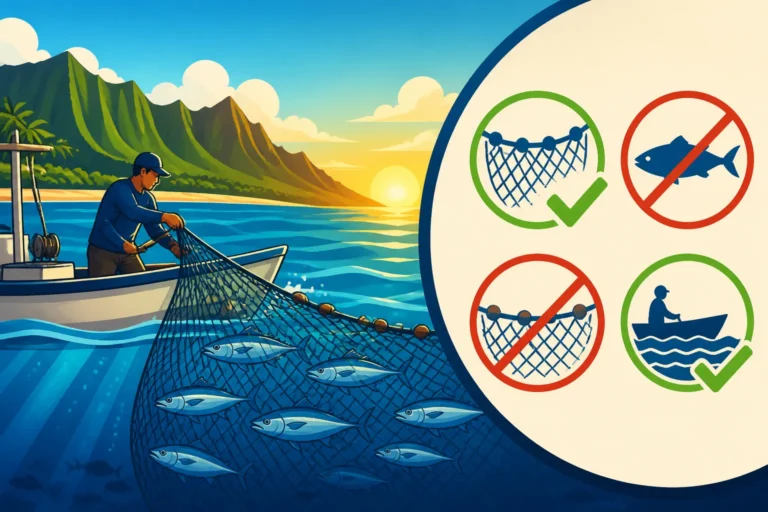
- Fishing of Any Kind: This is the big one. Whether it's pole-and-line fishing, Hawaii Spearfishing Regulations, net fishing, throw netting, or even crabbing or trapping, all forms of fishing are generally prohibited. This includes both recreational and commercial fishing. There are no exceptions for "catch and release" in most MLCDs; the act of fishing itself is often banned.
- Collecting Marine Life: You cannot collect any marine life, dead or alive. This means no taking of fish, corals, shells, rocks, sea urchins (wana), sea cucumbers, or even opihi from the shore. This also extends to baitfish. Even if you see a beautiful shell on the beach, resist the urge to pick it up if you're within an MLCD.
- Damaging Coral and Reef Structure: Intentionally or unintentionally touching, standing on, kicking, or breaking coral is strictly forbidden. Corals are living animals and are incredibly fragile, growing at a painfully slow rate. Even a slight touch can damage their protective mucus layer, making them susceptible to disease. This also means no anchoring on coral reefs.
- Feeding Fish: While it might seem harmless or even beneficial, feeding fish is prohibited in MLCDs. It alters their natural behavior, makes them dependent on humans, and can introduce unnatural food sources that are unhealthy for them. At places like Hanauma Bay, you'll see strict signs forbidding this.
- Using Certain Gear: Beyond fishing gear, devices that can disturb the seabed or marine life, such as jet skis or certain types of boats, might have restricted access or operational zones. Hawaii SCUBA Spearfishing Ban also generally applies across the board, and MLCDs are certainly no exception.
The rules are designed to protect the integrity of the ecosystem. Ignorance of the law is not an excuse, and enforcement officers are diligent. Before visiting any coastal area in Hawaii, especially if you plan to be in or near the water, always verify if it's an MLCD and familiarize yourself with its specific rules. You can find detailed information on the DLNR Division of Aquatic Resources website or through locally posted signage.
Understanding "No-Take" vs. "Restricted-Take" Areas
When diving into the specifics of MLCDs and other protected areas, you'll often encounter terms like "no-take" and "restricted-take." It's important to understand what each implies for your activities.
"No-Take" Areas: This is the most stringent form of protection and is characteristic of many MLCDs. In a "no-take" zone, absolutely no marine life, whether fish, invertebrates, plants, or even dead coral pieces, can be removed from the area. The intention is to allow the ecosystem to function entirely naturally, free from any human extraction. This means no fishing, no spearfishing, no gathering of shellfish or seaweed, and no collecting of souvenirs from the seabed or shoreline. Hanauma Bay is a classic example of a "no-take" MLCD, where the fish are so accustomed to humans that they swim right alongside you. The benefit of these zones is a remarkable increase in marine biodiversity and biomass, creating vibrant underwater landscapes that serve as important reservoirs for surrounding areas.
"Restricted-Take" Areas: These zones offer a more nuanced approach to protection, allowing for some carefully controlled extractive activities. The restrictions might specify:
- Allowed Species: Only certain species can be harvested, while others are fully protected.
- Gear Restrictions: Only specific types of fishing gear are permitted (e.g., pole-and-line only, no nets, no spearfishing).
- Bag and Size Limits: Strict limits on the number and size of harvested individuals (e.g., Hawaii Bag and Size Limits by Species might be even more stringent in a restricted-take zone than general state regulations).
- Seasonal Restrictions: Harvesting might only be allowed during certain times of the year (e.g., outside of spawning seasons).
- Method Restrictions: Certain methods of take might be prohibited (e.g., no SCUBA for harvesting, only freediving).
While some MLCDs might have very specific, limited "restricted-take" rules for certain culturally significant activities, the vast majority operate as "no-take" zones. It's more common to find "restricted-take" rules in other types of marine management areas, such as certain Hawaii Fish Replenishment Areas in West Hawaii or specific community-based subsistence fishing areas. The critical point is that these rules are highly site-specific. You cannot assume that because one protected area allows limited fishing, all of them do. Always consult the official Hawaii DLNR Division of Aquatic Resources regulations for the specific area you intend to visit. If you're unsure, it's always safest to assume it's a "no-take" zone and simply observe and enjoy without taking anything.
Major Marine Life Conservation Districts Across the Islands
Hawaii's MLCDs are strategically located around the islands, protecting some of the most ecologically significant and popular marine areas. Each one offers a unique glimpse into Hawaii's vibrant underwater world, provided you adhere to the rules.
Oahu's Iconic MLCDs
Oahu, being the most populated island, hosts several prominent MLCDs that are popular with both residents and tourists.
Hanauma Bay Nature Preserve: Perhaps the most famous MLCD in Hawaii, Hanauma Bay is a natural wonder, offering unparalleled snorkeling opportunities. It was established as an MLCD in 1967 and became a nature preserve in 1990. The rules here are incredibly strict: no fishing, no touching or feeding marine life, and mandatory educational briefings for first-time visitors. The result is an incredibly healthy reef system teeming with fish that are unafraid of humans. When planning a visit, be aware that reservations are often required, and access is limited to prevent overcrowding and further protect the delicate ecosystem. You can find more specific details on Is Fishing Allowed at Hanauma Bay?.
Waikiki Marine Life Conservation District: Stretching along the famous Waikiki coastline, this MLCD encompasses the nearshore waters from the Ewa (west) side of the Waikiki Natatorium to the Diamond Head (east) side of the Kapahulu storm drain, extending approximately 500 yards offshore. This area protects the coral reefs and diverse fish populations directly adjacent to Honolulu's bustling urban center. Fishing, collecting, and feeding fish are strictly prohibited here. It's a fantastic spot for casual snorkeling or simply observing the marine life from the shore, providing a vital sanctuary amidst the city's activity. Many visitors are surprised to learn that even right off Waikiki Beach, the marine life is so protected.
Pupukea Marine Life Conservation District: Located on Oahu's renowned North Shore, Pupukea MLCD includes Shark's Cove and the surrounding tide pools and reef areas. This MLCD is known for its dramatic underwater lava tubes and caves, which provide habitat for a variety of reef fish. During the calmer summer months, it's a popular spot for snorkeling and diving. However, in winter, the massive North Shore swells make it treacherous and generally inaccessible for in-water activities. The "no-take" rules are strictly enforced here, preserving the unique geological formations and the marine life that calls them home. It’s an area that showcases the incredible resilience of Hawaii’s reefs when protected.
Maui's MLCDs
Maui's MLCDs protect some of its most breathtaking underwater landscapes, from volcanic craters to pristine coral gardens.
Molokini Shoal Marine Life Conservation District: A crescent-shaped volcanic islet just off the coast of Maui, Molokini Shoal is world-famous for its crystal-clear waters and vibrant marine life. It's a premier destination for snorkeling and SCUBA diving, attracting thousands of visitors each year via commercial boat tours. The entire islet and surrounding waters out to a depth of 20 fathoms (120 feet) are designated as an MLCD. This means absolutely no fishing, collecting, or anchoring (boats must use designated moorings). The protection has allowed a thriving ecosystem of colorful reef fish, corals, and occasionally pelagic visitors like manta rays and white-tip reef sharks to flourish, offering an incredible underwater spectacle.
Honolua and Mokuleia Bay MLCDs: These two adjacent bays on Maui's northwest coast are also MLCDs, popular for snorkeling, surfing (Honolua Bay is a famous surf spot in winter), and simply enjoying the dramatic coastline. Both bays are "no-take" zones, protecting their vibrant coral reefs and diverse fish populations. Honolua Bay, particularly, is known for its excellent snorkeling conditions during calm periods, with schools of parrotfish, tangs, and jacks often seen cruising the reef. Like Pupukea, winter brings large swells that reshape the bay, making it a different experience, but the protection remains year-round, ensuring the marine life has a safe haven regardless of the season.
Big Island's MLCDs
The Big Island, with its relatively young volcanic coastline, still boasts impressive MLCDs that showcase its unique marine biodiversity.
Kealakekua Bay Marine Life Conservation District: Located on the Kona Coast, Kealakekua Bay is steeped in Hawaiian history and natural beauty. It's famous as the site where Captain Cook first landed and was later killed. The bay's deep, calm waters and extensive coral reefs make it a prime habitat for spinner dolphins, who often rest and socialize here. The MLCD encompasses the entire bay, with strict "no-take" rules. This means no fishing, no collecting, and no disturbing the dolphins. Visitors can enjoy snorkeling, kayaking, and boat tours (with strict guidelines for dolphin viewing). The protection here has allowed the bay to become a thriving ecosystem, supporting a wide array of marine species. For more detailed information on regulations in this historic bay, check out Kealakekua Bay Fishing Rules and Access.
Lapakahi Marine Life Conservation District: Situated on the northwest coast of the Big Island, Lapakahi MLCD is unique because it's adjacent to the Lapakahi State Historical Park, an ancient Hawaiian fishing village. This MLCD offers a fascinating blend of cultural history and marine conservation. The rules here protect the nearshore reef and its inhabitants, allowing visitors to snorkel and observe marine life in a culturally significant setting. It's a less visited MLCD compared to Hanauma or Molokini, offering a more serene and reflective experience. The purpose is to preserve both the natural and historical resources in harmony.
Common Misconceptions and Frustrations for Anglers
It's completely natural for anglers, particularly those visiting Hawaii, to feel a bit lost or frustrated when encountering MLCDs. The rules can seem arbitrary or overly strict, especially if you're used to different regulations back home. Let's tackle some common points of contention.
"But I'm Just Catching for Dinner!"
This is perhaps the most common sentiment we hear from frustrated anglers, and it comes from a place of genuine intent: you want to provide for yourself or your family, or simply enjoy the freshest catch possible. You might think, "One fish won't hurt, right? I'm not a commercial fisherman." However, this mindset, while understandable on an individual level, runs counter to the very purpose of an MLCD.
The "no-take" rule in these districts isn't about shaming recreational anglers; it's about creating a true sanctuary where no extractive pressure exists. If exceptions were made for every angler "just catching for dinner," the cumulative impact would quickly undermine the conservation goals. Imagine hundreds or thousands of people, each taking "just one fish" from Hanauma Bay every day. The pristine environment would quickly degrade. MLCDs are designed to allow fish populations to reach their natural densities, mature, and reproduce without any human interference. This ensures that these areas can serve as nurseries and replenishment zones for the surrounding waters where fishing is allowed. The frustration is valid, but the overarching goal is a healthy ocean for everyone, which sometimes means sacrificing immediate gratification for long-term ecological benefits.
The Challenge of Identifying MLCD Boundaries
Another major source of frustration, and often accidental violations, is the difficulty in clearly identifying MLCD boundaries. You might be fishing along a beautiful stretch of coastline, only to realize too late that you've drifted into a protected zone. Hawaii's coastline is intricate, and MLCD boundaries aren't always marked with clear, easily visible buoys or signs from every vantage point.
- Vague Signage: While the DLNR does place signs, they can sometimes be weathered, obscured by vegetation, or simply not present at every possible access point. From the water, it can be even harder to spot them.
- Lack of Clear Markers: Unlike land boundaries, it's impractical to place physical markers every few yards in the ocean. Natural landmarks (like points, specific rock formations, or even specific trees on shore) are often used to define boundaries, but these can be hard to interpret if you're unfamiliar with the area or if visibility is poor.
- GPS Reliance: Modern GPS units and marine charts can be incredibly helpful, but even these need to be regularly updated and accurately interpreted. Not everyone has a marine GPS, and relying solely on a phone app might not be sufficient for precise navigation near a boundary line. Checking a map on Amazon before your trip could be a good idea.
- Shoreline vs. Water Boundaries: Sometimes, the MLCD starts right at the water's edge, meaning even collecting shells on the beach is prohibited. Other times, it extends a certain distance offshore. This variability adds to the confusion.
The best defense against accidental violation is proactive research. Always check the official DLNR website or the Hawaii DLNR fishing regulations PDF before heading out. Local bait and tackle shops can also be invaluable resources for up-to-date information and tips on specific area boundaries. When in doubt, err on the side of caution.
Penalties for Non-Compliance
Ignoring MLCD regulations, whether intentionally or accidentally, can lead to serious consequences. These aren't just minor infractions; they are violations of state law designed to protect invaluable natural resources. The penalties are designed to be a significant deterrent.
- Fines: Monetary fines are the most common penalty. These can range from several hundred dollars for a first offense to thousands of dollars for repeat or more severe violations. For instance, being caught fishing or collecting in a place like Hanauma Bay can result in substantial fines.
- Confiscation of Gear and Catch: Enforcement officers, typically from the Division of Conservation and Resources Enforcement (DOCARE), have the authority to confiscate any fishing gear (rods, reels, nets, spearguns) and any marine life you've illegally taken. This can be a significant financial loss on top of the fine.
- Court Appearances: Depending on the severity of the offense, you might be required to appear in court. This can lead to additional legal fees, court costs, and a much more stressful and time-consuming process than simply paying a fine.
- Community Service: In some cases, judges might assign community service related to conservation efforts.
- License Revocation: While less common for recreational violations in MLCDs, repeated or severe infractions could potentially impact your ability to obtain future fishing licenses, though Do You Need a Fishing License in Hawaii for marine waters is often debated, MLCD rules are separate.
It's critical to remember that these enforcement officers are doing their job to protect Hawaii's precious marine environment. Being respectful and cooperative, even if you made an honest mistake, can sometimes influence the outcome, though it won't erase the violation. The best approach is to be fully informed about Hawaii Fishing Regulations Explained before you even step foot near an MLCD.
Practical Tips for Respecting and Enjoying MLCDs
MLCDs are not meant to be barriers to enjoying Hawaii's incredible ocean. Rather, they are places of immense beauty and ecological significance that we can all appreciate with a little forethought and respect.
Planning Your Trip: Resources and Research
The single most important step to enjoying Hawaii's MLCDs responsibly is thorough preparation. Don't just show up and hope for the best; take the time to do your homework.
- Utilize Official DLNR Resources: The Hawaii Department of Land and Natural Resources (DLNR) Division of Aquatic Resources (DAR) website is your go-to source. They provide detailed maps, boundary descriptions, and a comprehensive list of rules for each MLCD. Look for specific rules for each district, as they can sometimes vary slightly.
- Consult Online Maps and Apps: Many reputable marine navigation apps and online mapping services (like Google Maps or even specialized fishing apps) now integrate MLCD boundaries. Cross-reference these with official DLNR maps. While not always perfect, they can give you a good visual overview. Downloading offline maps can be particularly useful if you're in an area with spotty cell service. You can often find waterproof maps for sale on Amazon that clearly delineate these zones.
- Talk to Locals and Dive Shops: Local knowledge is gold. Chat with reputable dive shops, snorkeling tour operators, or even bait and tackle shop owners. They often have firsthand experience and can offer practical advice on navigating specific MLCDs, identifying their boundaries, and understanding local nuances. They might also suggest alternative fishing spots outside of MLCDs if that's your primary goal.
- Check Signage: Even after your online research, always pay attention to any physical signage posted at beach access points, harbors, or trailheads. These signs are the final word on current rules and boundaries for that specific location. Sometimes, temporary closures or advisories are posted that might not immediately make it online.
By investing a little time in research, you can avoid accidental violations, discover fantastic observation spots, and ensure a smooth, enjoyable, and compliant experience.
Gear Considerations for Non-Fishing Activities
Since fishing and collecting are generally out of the question in MLCDs, your gear list will look a bit different. Focus on equipment that enhances your ability to observe and appreciate the marine environment without disturbing it.
- Snorkeling or SCUBA Gear: High-quality mask, snorkel, and fins are essential for exploring the underwater world. Consider a rash guard or dive skin for sun protection and warmth, reducing the need for chemical sunscreens that can harm coral reefs. For divers, ensuring your buoyancy control is excellent is paramount to avoid accidental contact with fragile corals. You can find excellent options for all these items, including eco-friendly sunscreen, on Amazon.
- Underwater Camera: To capture the breathtaking beauty of MLCDs, an underwater camera or a waterproof phone case is a must. Remember, photography is permitted, but touching marine life for a photo is not.
- Binoculars: If you're observing from shore, a good pair of binoculars can help you spot marine life, like resting sea turtles (Hawaii turtle and monk seal proximity rules for anglers) or schools of fish, from a respectful distance.
- Comfortable Beach Gear: Sunscreen (reef-safe, please!), a wide-brimmed hat, sunglasses, a beach towel, and plenty of water are always essential for a day by the ocean in Hawaii.
- Respectful Footwear: If you're exploring tide pools, wear sturdy reef shoes to protect your feet and prevent accidental slips on sharp lava rock or stepping on marine life.
- No Fishing Tackle or Collection Bags: This should be obvious, but leave all fishing rods, nets, hooks, lures, and any bags or containers typically used for collecting at home. Even carrying them into an MLCD can raise suspicion and invite scrutiny from enforcement officers.
The goal is to be a low-impact visitor, leaving no trace behind and taking nothing but memories and photographs.
Educating Yourself and Others
Being informed about MLCDs isn't just about compliance; it's about becoming an active participant in conservation. The more people understand the purpose and value of these protected areas, the better.
- Share Your Knowledge: If you're with friends or family who are new to Hawaii, take the opportunity to explain what MLCDs are and why the rules are important. A gentle reminder can go a long way in preventing accidental violations or disrespectful behavior. You don't need to be a marine biologist; simply explaining that these are special places where fish are protected helps.
- Lead by Example: Your actions speak volumes. When you carefully choose a reef-safe sunscreen, avoid touching corals, stay a respectful distance from marine life, and leave no trash behind, you're setting a positive example for others.
- Engage with Educational Programs: Many MLCDs, particularly popular ones like Hanauma Bay, offer educational briefings or interpretive displays. Take advantage of these resources to deepen your understanding of the local ecosystem and the conservation efforts underway.
- Understand the "Why": Rather than viewing MLCDs as annoying restrictions, try to understand the ecological "why" behind them. These areas are critical for the overall health of Hawaii's ocean, including the fish populations that eventually swim outside their boundaries and become fair game for anglers. A healthy MLCD contributes to a healthy broader fishery.
- Advocate for Conservation: Beyond your personal actions, consider supporting local conservation organizations or learning more about broader Hawaii Fishing License Guide for 2026 initiatives and regulations that contribute to sustainable fishing practices across the state.
Ultimately, MLCDs are a shared resource and a testament to Hawaii's commitment to its unique environment. By being informed, respectful, and proactive, we can all contribute to their success and ensure their beauty and biodiversity endure for future generations.
The Broader Impact: Why MLCDs Matter to Hawaii's Fisheries
It's easy to focus on the immediate restrictions an MLCD places on an angler. However, to truly grasp their significance, we need to look beyond the "no fishing" signs and consider their profound, long-term benefits for Hawaii's entire marine ecosystem and, yes, even for fishing in adjacent waters.
Protecting Ecosystems and Biodiversity
At their core, MLCDs are about safeguarding the fundamental health of marine ecosystems. Hawaii's isolation has led to a high degree of endemism, meaning many species are found nowhere else on Earth. These unique creatures, from the vibrant reef fish to the delicate corals, form intricate food webs and depend on specific habitats.
- Coral Reef Restoration: MLCDs provide a crucial refuge for coral reefs, which are among the most biodiverse ecosystems on the planet but are also incredibly vulnerable to human impacts. By eliminating fishing pressure, anchor damage, and indiscriminate collecting, MLCDs allow corals to grow and flourish undisturbed. Healthy reefs, in turn, provide critical shelter, feeding grounds, and nursery habitats for thousands of other marine species.
- Species Preservation: These protected areas offer a sanctuary for a wide array of fish and invertebrate species, including those that might be heavily targeted by commercial or recreational fishing outside the boundaries. This protection helps to ensure that populations remain robust, preventing localized extinctions and maintaining genetic diversity. For example, specific species of parrotfish (uhu) or goatfish (kumu) can rebound within MLCDs, strengthening their overall populations.
- Food Web Stability: When an entire ecosystem is protected, the complex relationships within the food web can function more naturally. Predators and prey populations maintain a healthier balance, and the overall resilience of the ecosystem to environmental changes, like climate change or disease, is enhanced.
In essence, MLCDs act as vital life rafts for Hawaii's precious marine biodiversity, allowing nature to take its course and heal in designated, undisturbed zones.
Spillover Effect and Fishery Health
This is where the benefit of MLCDs directly circles back to anglers. While you can't fish in an MLCD, these protected zones are far from isolated. They actively contribute to the health and productivity of the surrounding fishing grounds through what scientists call the "spillover effect."
- Increased Biomass and Size: Within MLCDs, fish are safe from harvesting. This allows them to live longer, grow larger, and reach their full reproductive potential. Larger, older fish are disproportionately more fecund, meaning they produce exponentially more eggs and sperm than smaller, younger fish.
- Reproductive Output: With an abundance of large, healthy breeding stock, MLCDs become powerful engines of reproduction. The sheer volume of eggs and larvae produced within these protected areas is enormous.
- Larval Export and Adult Emigration: Ocean currents carry the eggs and larvae from MLCDs out into the broader ocean, where they can settle and grow in adjacent, unprotected fishing grounds. Furthermore, as fish populations within MLCDs become dense and competition for resources increases, adult fish (and sub-adults) will naturally "spill over" or emigrate out of the protected boundaries into areas where fishing is allowed. This movement replenishes fish stocks in these external areas, making for better fishing opportunities for those who operate outside the MLCDs.
- Enhanced Fishing Experience: Many anglers fishing near MLCD boundaries report better catches. This isn't a coincidence; it's a direct result of the productive spillover from the protected area. Healthy MLCDs are, therefore, a long-term investment in sustainable fishing for the entire state.
So, while it might seem counterintuitive, protecting specific areas without fishing actually benefits the overall fishery, providing a biological safety net and a continuous supply of fish for anglers operating in legal zones. It’s a classic example of "no-take, more fish."
Long-Term Sustainability for Future Generations
Ultimately, the establishment and rigorous enforcement of MLCDs reflect a profound commitment to long-term sustainability. Hawaii's culture is deeply connected to the ocean, and ensuring that future generations can also experience and benefit from healthy marine resources is a paramount concern.
- Cultural Preservation: Traditional Hawaiian practices, such as
mālama kai(caring for the sea), emphasize responsible stewardship. MLCDs align with these principles by ensuring that sacred and culturally significant species and habitats are preserved. - Ecotourism and Education: Beyond fishing, healthy MLCDs fuel a thriving ecotourism industry, attracting visitors who come to snorkel, dive, and observe marine life. This provides economic benefits to the state and supports local communities. The educational value, allowing people to witness a pristine marine environment, fosters a deeper understanding and appreciation for conservation.
- Resilience Against Climate Change: Robust, biodiverse ecosystems are generally more resilient to the impacts of climate change, such as ocean warming and acidification. By creating strongholds of marine life, MLCDs contribute to the overall adaptive capacity of Hawaii's oceans in the face of global environmental challenges.
- A Legacy for Tomorrow: The decisions made today regarding MLCDs will profoundly impact the marine environment that future generations inherit. By establishing these protected areas, Hawaii is making a tangible investment in a future where vibrant coral reefs, abundant fish, and healthy ocean ecosystems continue to define the islands.
In a world facing increasing pressures on its natural resources, Hawaii's MLCDs stand as critical examples of proactive conservation, demonstrating that strategic protection can lead to a healthier, more productive, and more resilient ocean for everyone, today and for all the tomorrows to come.
Hawaii Marine Life Conservation Districts Overview
To help you keep track of some of Hawaii's prominent MLCDs and their general rules, here's a helpful overview. Remember, this table provides general information, and specific, detailed regulations can always be found on the official DLNR Division of Aquatic Resources website.
| MLCD Name (Island) | Primary Activities Permitted | Key Prohibitions | Special Considerations/Notes |
|---|---|---|---|
| Hanauma Bay (Oahu) | Snorkeling, Swimming, Photography | All fishing/collecting, Touching marine life, Feeding fish, Anchoring | Reservations often required. Mandatory educational briefing for first-time visitors. Extremely high biodiversity. |
| Waikiki (Oahu) | Snorkeling, Swimming, Photography | All fishing/collecting, Feeding fish | Extends along the famous Waikiki coastline. Important urban marine sanctuary. |
| Pupukea (Oahu) | Snorkeling, Diving, Photography | All fishing/collecting, Feeding fish | Includes Shark's Cove. Popular for lava tubes. Strong currents/large surf in winter make it dangerous. |
| Molokini Shoal (Maui) | Snorkeling, Diving, Photography | All fishing/collecting, Anchoring | Crescent-shaped volcanic crater. Accessible by commercial boat tours only. World-renowned for clear water. |
| Honolua Bay (Maui) | Snorkeling, Surfing (winter), Photography | All fishing/collecting, Anchoring | Famous surf spot in winter, excellent snorkeling in summer. "No-take" zone. |
| Kealakekua Bay (Big Island) | Snorkeling, Kayaking, Photography, Boat tours | All fishing/collecting, Disturbing dolphins, Feeding marine life | Historic site of Captain Cook's landing. Known for spinner dolphins. Specific rules for boats and dolphin interactions apply. |
| Lapakahi (Big Island) | Snorkeling, Photography | All fishing/collecting | Adjacent to Lapakahi State Historical Park. Offers a blend of cultural and natural history. |
| Manele Bay (Lanai) | Snorkeling, Swimming, Photography | All fishing/collecting | Home to Hulopoe Beach. Diverse marine life. Designated moorings for boats. |
Always verify current regulations with the Hawaii DLNR prior to any visit.
Disclaimer
The information provided in this guide is for general informational purposes only and is not intended as legal advice. Fishing regulations and Marine Life Conservation District rules in Hawaii can change frequently. It is the responsibility of the individual to consult the most current official regulations from the Hawaii Department of Land and Natural Resources (DLNR) Division of Aquatic Resources (DAR) before engaging in any fishing or marine activities. Failure to comply with regulations may result in penalties.