Hawaii Fishing License for Disabled Residents
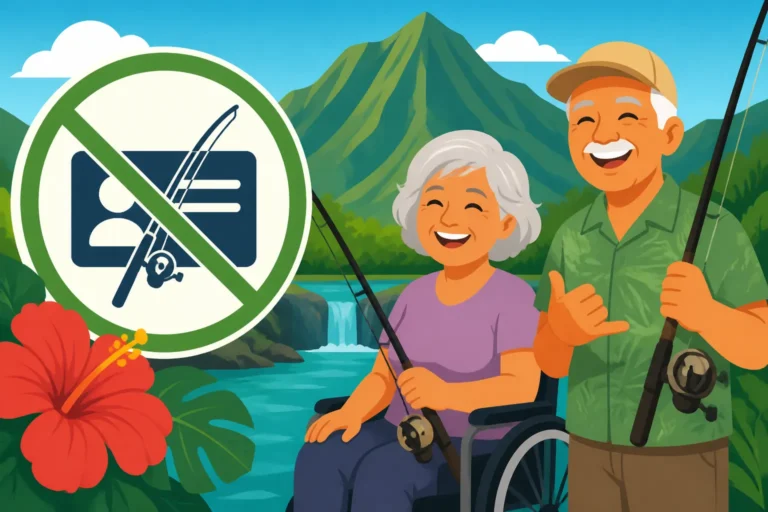
It can feel overwhelming and sometimes even disheartening to navigate the world of fishing regulations, especially when you live with a disability and wonder if there are any special considerations for you. The good news is that Hawaii, like many places, understands the importance of making outdoor activities accessible, and there are specific provisions for disabled residents when it comes to fishing licenses. This comprehensive guide is here to cut through the confusion and walk you through everything you need to know about obtaining a Hawaii fishing license as a disabled resident, ensuring you can enjoy the peace and thrill of fishing our beautiful islands.
Understanding Hawaii's Fishing License Requirements for Disabled Residents
For many, fishing is more than just a hobby; it's a therapeutic escape, a connection to nature, and a way to gather food. In Hawaii, this rings especially true, with our rich cultural ties to the ocean and freshwater ecosystems. The state recognizes that for residents living with disabilities, fishing can offer unique benefits, and has therefore established specific allowances to make the process easier and more affordable. It’s not just about a piece of paper; it’s about ensuring equitable access to a beloved pastime.
Who Qualifies as a Disabled Resident for Fishing Licenses?
The Hawaii Department of Land and Natural Resources (DLNR) Division of Aquatic Resources (DAR) has clear guidelines on who qualifies for a disabled resident fishing license. Generally speaking, a disabled resident is someone who has a permanent physical or mental impairment that substantially limits one or more major life activities. This isn't a vague definition; it typically requires official documentation from a medical professional or a government agency that already recognizes your disability status. For instance, if you receive disability benefits from the Social Security Administration, that documentation would be a strong indicator of your eligibility.
It’s important to remember that this isn't about temporary conditions, but rather long-term, established disabilities that impact daily life. The state wants to ensure these provisions benefit those for whom these accommodations are truly necessary and impactful. So, while a broken arm might temporarily prevent you from fishing, it wouldn't qualify you for a permanent disabled resident license.
Why Special Provisions Exist for Disabled Anglers
The existence of special provisions for disabled anglers isn't just a courtesy; it's a recognition of the barriers that individuals with disabilities often face in accessing recreational activities. Fishing can be physically demanding, from navigating uneven terrain to handling gear or getting onto a boat. By offering discounted or exempted licenses, the state aims to reduce at least one of these potential barriers: the financial one. It also sends a clear message that disabled residents are valued members of the angling community and that their participation is encouraged.
Consider a veteran living with a service-connected disability, or a long-time resident who developed a mobility impairment later in life. For these individuals, the cost and bureaucratic hurdles of obtaining a license can sometimes be enough to deter them from pursuing a passion. These provisions help to level the playing field, making it possible for more people to enjoy the unique tranquility and challenge that Hawaii fishing offers. The goal is to promote inclusivity and ensure that everyone who calls Hawaii home can experience the joy of reeling in a catch.
Eligibility Criteria for Disabled Resident Fishing Licenses
Navigating the specifics of eligibility can sometimes feel like trying to untangle a particularly stubborn fishing knot, but with a bit of guidance, it becomes much clearer. For Hawaii's fishing licenses, qualifying as a disabled resident involves meeting certain definitions and providing the right paperwork.
Defining "Disabled" Under Hawaii DLNR Guidelines
When the Hawaii DLNR uses the term "disabled" for fishing license purposes, they are generally referring to a long-term, permanent condition. This isn't just any health issue; it's a significant impairment that affects major life activities. While specific definitions can vary slightly depending on the exact program or year, generally it aligns with federal definitions of disability. For instance, if you're a recipient of Social Security Disability Insurance (SSDI) or Supplemental Security Income (SSI) due to a disability, you’ll likely meet the criteria. Similarly, veterans with a service-connected disability rating from the Department of Veterans Affairs (VA) often qualify.
The key here is permanence and the substantial impact on daily life. It’s not about having a bad back for a few weeks, but rather a chronic condition that fundamentally changes how you interact with the world. The state wants to ensure that these valuable benefits are directed towards those who genuinely need them, fostering a sustainable and equitable approach to resource management.
Required Documentation to Prove Disability
To prove your disability status, you’ll need to provide official documentation. This isn't a casual conversation; it's about presenting verifiable proof to the DLNR. Common forms of acceptable documentation include:
- A disability award letter from the Social Security Administration (SSA): This letter explicitly states that you are receiving disability benefits due to a recognized permanent disability.
- A letter from the U.S. Department of Veterans Affairs (VA): This document must clearly state that you have a service-connected disability with a specific rating, often a 100% total and permanent disability rating.
- A certificate from a licensed physician: In some cases, if you don't have federal disability documentation, a physician can certify your permanent disability. This certificate would need to detail the nature of your disability and how it limits major life activities.
It’s always a good idea to contact the Hawaii Division of Aquatic Resources (DAR) directly or visit their website for the most current and specific list of acceptable documents before you apply. Having all your paperwork in order beforehand will save you a lot of time and potential frustration, ensuring a smooth application process. They want to help you get out on the water, so providing clear, official documentation is the best way to facilitate that.
Distinguishing Permanent vs. Temporary Disability
This distinction is crucial when applying for a fishing license exemption or discount. A permanent disability, as the name suggests, is a condition that is expected to last for a person's lifetime or an indefinite period. These are the conditions that Hawaii’s disabled resident fishing license provisions are designed to address. The expectation is that your disability status will not change significantly over time, allowing for long-term accommodations.
On the other hand, a temporary disability is a condition that is expected to improve or resolve within a defined period, even if that period is several months or a year. While these conditions can certainly make fishing challenging in the short term, they do not qualify for the permanent disabled resident fishing license. For instance, if you're recovering from surgery and are temporarily unable to walk distances, that wouldn't grant you eligibility for this specific license class. The state differentiates these to allocate resources appropriately and focus on sustained support for those with permanent needs. This helps to maintain the integrity of the program and ensure its long-term viability for the community it serves.
Applying for Your Disabled Resident Fishing License
Once you've confirmed your eligibility and gathered all your necessary documentation, the next step is actually applying for your license. While it might seem like a daunting task, the process is designed to be as straightforward as possible, with various avenues for submission. Remember, the goal is to get you out fishing, not to create unnecessary hurdles!
Step-by-Step Application Process
Applying for your Hawaii fishing license as a disabled resident typically follows a clear path:
- Verify Eligibility and Gather Documents: As discussed, ensure you meet the criteria and have all required proof of disability, such as a Social Security disability award letter or VA disability rating letter. Don't forget proof of Hawaii residency, like a valid Hawaii ID or driver's license, utility bills, or a voter registration card.
- Obtain the Correct Application Form: You'll need the specific freshwater fishing license application form if you're planning on freshwater fishing. For ocean fishing, residents are typically exempt, but we'll cover that in more detail shortly. You can usually find these forms on the Hawaii Division of Aquatic Resources (DAR) website.
- Complete the Application Accurately: Fill out all sections of the form completely and legibly. Double-check for any errors or omissions, as these can delay processing.
- Attach Supporting Documentation: Make copies of your disability proof and residency documents. Never send originals unless explicitly requested, and always keep a set of copies for your own records.
- Submit Your Application: Depending on your preference and what's available, you can submit your application online, via mail, or in person.
It’s always wise to review the current year's requirements on the official DLNR website before you start. Regulations can sometimes shift slightly from year to year, and staying informed will ensure a smooth experience.
Online, Mail-In, and In-Person Options
Hawaii understands that different people have different needs, especially those with disabilities, which is why they generally offer multiple ways to apply for licenses.
- Online Application: This is often the most convenient method for many, allowing you to complete the form and upload scanned documents from the comfort of your home. The DAR website usually has a portal for this. While not all specific disability exemptions might be immediately available through a fully automated online portal, the general application for freshwater licenses is often digital. You can then follow up with specific disability documentation if required.
- Mail-In Application: If you prefer traditional methods or have limited internet access, printing the application form, filling it out, and mailing it along with your copies of documentation is a viable option. Make sure to send it to the correct DAR office address, which will be listed on the application form itself or on their website.
- In-Person Application: For those who prefer direct interaction or need assistance, visiting a local DAR office or an authorized license vendor might be the best route. This allows you to ask questions, clarify requirements, and submit your documents directly. Locations like the Honolulu DLNR office on Oahu, or regional DAR offices on neighbor islands, are equipped to handle these applications. This can be particularly helpful if you have unique circumstances or need to discuss your specific disability documentation.
Always check the operating hours of any physical office before you visit.
Common Pitfalls and How to Avoid Them
Even with a clear process, a few common snags can trip people up during the application for a Hawaii fishing license for disabled residents. Being aware of these can help you sail through smoothly.
- Incomplete or Incorrect Information: This is perhaps the most frequent issue. Ensure every field on the application is filled out. Don't leave blanks, and double-check spelling and numbers. An incorrect address or misspelled name can lead to significant delays.
- Insufficient Proof of Disability/Residency: Submitting outdated disability letters, unverified physician notes, or inadequate proof of Hawaii residency will cause your application to be rejected or put on hold. Make sure your documents are current, official, and clearly demonstrate your eligibility. For example, if your VA letter is old, try to get a more recent one if possible, or confirm with DAR if the older one is still acceptable.
- Missing Signatures: It sounds simple, but forgetting to sign the application form is another common oversight. Look for all signature lines and make sure they are properly completed.
- Not Following Up: If you apply via mail, it's a good idea to allow a reasonable processing time (e.g., 2-4 weeks), and then follow up if you haven't received your license or any communication. Keep a record of when and how you submitted your application.
By being meticulous and proactive, you can avoid these common pitfalls and ensure your path to obtaining a disabled resident fishing license in Hawaii is as smooth as calm seas. And hey, if you need a specific piece of adaptive gear to make your fishing experience better, remember you can always check places like Amazon for a wide selection, often with delivery right to your door, which can be a huge help for those with mobility challenges.
Costs and Exemptions for Disabled Resident Licenses
One of the most significant benefits of qualifying for a disabled resident fishing license in Hawaii is the potential for reduced costs or, in some cases, outright exemptions. Understanding these financial aspects is key to planning your fishing adventures without breaking the bank.
Discounted Rates for Freshwater Licenses
For disabled residents who enjoy the unique experience of freshwater fishing in Hawaii's reservoirs and streams, there's good news: discounted rates are available for the annual freshwater game fishing license. While the exact cost can vary slightly year to year, disabled residents typically pay a significantly reduced fee compared to the standard resident rate. For instance, while a regular resident freshwater license might be around $5-6, a qualified disabled resident could potentially get it for a dollar or two, or even free in some instances, depending on the specific program at the time.
This discount makes freshwater angling, whether it’s targeting rainbow trout at Kokee Public Fishing Area or peacock bass at Wahiawa Reservoir, much more accessible. It’s a small but meaningful way the state supports disabled anglers in pursuing their passion. You can find the most current cost information on the Hawaii DLNR website or by contacting the Division of Aquatic Resources. These small savings can add up, freeing up funds for other essential fishing gear or even gas to get to your favorite spot.
Ocean Fishing License Exemption for Residents
Here's where Hawaii truly stands out for all its residents, including those with disabilities: no marine fishing license is required for recreational ocean fishing in Hawaii for residents. That's right! If you are a bona fide resident of Hawaii, whether you have a disability or not, you generally do not need a license to fish recreationally in the ocean. This covers everything from shoreline fishing for papio and ulua to boat fishing for mahimahi and ono.
This exemption is a huge benefit and a unique aspect of Hawaii's fishing regulations. It means that once you've established your residency, you can cast your line into the vast Pacific without the annual burden or cost of a marine license. This policy is particularly advantageous for disabled residents, as it completely removes a potential barrier for ocean-based angling, making one of the most popular forms of fishing in Hawaii completely accessible in terms of licensing. You can learn more about this by checking out the guide on Do You Need a Fishing License in Hawaii.
Understanding the "Free" vs. "Discounted" Scenarios
It's important to clarify the difference between a "free" license and a "discounted" license, especially for disabled residents.
- Free Licenses/Exemptions: For Hawaii residents, ocean fishing is largely free in terms of licensing. There's simply no recreational marine fishing license required. This applies universally to all residents, including those with disabilities. Similarly, children under a certain age (typically 12) can fish freshwater without a license, making it free for them. Check the Hawaii Freshwater License Age Requirements for the most up-to-date information.
- Discounted Licenses: When we talk about disabled residents and freshwater fishing, we're typically looking at discounted rates. While it's not entirely free, the cost is substantially reduced, making it very affordable. Some very specific programs or conditions might offer a completely free freshwater license to certain disabled individuals, but generally, it's a heavily discounted fee. Always check the official DLNR resources or call the DAR office for the precise amount for the current licensing year.
The important takeaway is that Hawaii makes significant efforts to ensure fishing is accessible. For ocean fishing, it's virtually open access for residents. For freshwater, it’s exceptionally affordable for disabled residents, recognizing the value of these experiences. This aligns with broader efforts to provide Free and Discounted Fishing License Options in Hawaii.
Here’s a quick overview of typical licensing costs and exemptions for disabled residents in Hawaii:
| License Type | Standard Resident Cost (Approx.) | Disabled Resident Cost (Approx.) | Notes |
|---|---|---|---|
| Annual Freshwater Game Fishing | $5.00 | $1.00 – $2.00 (or sometimes free) | Requires proof of permanent disability, and residency. |
| Annual Marine (Ocean) Fishing | N/A (Exempt) | N/A (Exempt) | No recreational marine license required for Hawaii residents. |
Note: Costs are approximate and subject to change. Always consult the official Hawaii DLNR/DAR website for the most current fees and regulations.
Specific Regulations and Accessibility Considerations
Beyond the license itself, understanding the broader regulatory landscape and practical accessibility concerns is vital for disabled anglers in Hawaii. It's not just about having the right paperwork; it's about being able to safely and comfortably enjoy your time on the water or shoreline.
Accessibility at Popular Fishing Spots
Hawaii boasts numerous incredible fishing spots, from sandy beaches to rocky points and bustling harbors. However, not all locations are created equal when it comes to accessibility. For anglers with mobility challenges, knowing which spots offer easier access can make a world of difference.
- Piers and Harbors: Many public piers and harbor areas, like Kewalo Basin in Honolulu or Maalaea Harbor on Maui, offer paved access, level surfaces, and sometimes even ADA-compliant restrooms. These spots are often excellent for fishing, providing stable ground for casting or simply enjoying the view.
- Designated Shoreline Access Points: While many shorelines can be rugged, certain areas have designated public access paths that are more manageable. Places near popular parks or developed coastal areas often prioritize accessibility. It’s worth checking with local county parks and recreation departments or the DLNR for specific accessible fishing locations.
- Kayak and Boat Launches: For those who use kayaks or other small boats and have adaptive equipment, public boat ramps can offer good access to the water. However, the ramps themselves can sometimes be steep, so assistance might be needed. Resources like the guide on Best Kayak Fishing Spots in Hawaii might offer more insight, but always check the specific site for accessibility features.
When planning a trip, always research the specific location. Websites like Google Maps can offer street views to assess terrain, and local fishing forums or community groups can provide invaluable firsthand accounts of accessibility. Don't be afraid to call the local park office or the DLNR to ask about specific features like paved paths, accessible restrooms, or designated parking.
Equipment Considerations for Disabled Anglers
Fishing equipment has come a long way, and there are many adaptive solutions available to help anglers with disabilities enjoy the sport. The right gear can transform a challenging outing into an enjoyable one.
- Adaptive Rod Holders: These can be mounted to wheelchairs, boat railings, or specialized fishing chairs, allowing anglers with limited arm strength or mobility to keep their rod steady and secure. Some even have features that assist with setting the hook.
- Electric Reels: For deep-sea fishing or when battling large, powerful fish, electric reels can provide the necessary power to retrieve lines, reducing the physical strain on the angler. This means someone with reduced upper body strength can still land a trophy fish.
- Custom Grips and Handles: Many companies offer ergonomic grips, extended handles, or specialized straps that can be added to rods and reels to improve control and comfort for various hand and arm conditions.
- Lightweight and Ergonomic Gear: Opting for lighter rods and reels can reduce fatigue, and designs that prioritize ergonomics can make a significant difference in comfort and usability. For example, some spinning reels have larger knobs or easier-to-reach bail arms.
When it comes to finding this specialized gear, online retailers like Amazon are fantastic resources. They offer a vast selection of adaptive fishing equipment, from electric reels to specialized rod holders and ergonomic grips, often with detailed descriptions and customer reviews to help you make informed choices. You can research and compare different options from the comfort of your home, ensuring you get the gear that best suits your specific needs. Sometimes, local tackle shops might also be able to order specific adaptive equipment for you or point you to manufacturers specializing in such products.
Special Rules or Accommodations
While Hawaii's fishing regulations are generally applied uniformly, there are instances where accommodations might be considered or where specific guidance is available for disabled anglers.
- Assistance with Gear: While every angler is generally responsible for their own lines and tackle, if a disabled angler requires assistance with setting up gear, baiting hooks, or landing a fish, these actions are typically permissible by an accompanying helper, as long as the helper is not actively fishing on their own without a license (if one were required). The intent is to assist the disabled angler in their participation, not to create an unfair advantage or workaround for licensing rules.
- Permit for Specific Needs: In very specific circumstances, usually involving scientific research or highly unusual needs, the DLNR might issue special permits. However, for recreational fishing by disabled residents, the existing license exemptions and discounts usually cover most situations. It's always best to clarify with the DAR if you have a unique need that you believe falls outside standard regulations.
- Designated Accessible Fishing Events: Keep an eye out for local fishing clubs or non-profit organizations that host "adaptive fishing days" or events specifically for disabled anglers. These events often provide volunteers, specialized equipment, and access to prime locations, making it an incredibly supportive and enjoyable experience. These are excellent opportunities to connect with other anglers and learn about local accommodations.
It's always recommended to review the official Hawaii Fishing Regulations Explained document from the DLNR for any specific nuances, and never hesitate to reach out to the Division of Aquatic Resources if you have questions about a particular situation or require clarification. Their goal is to ensure everyone can enjoy Hawaii's aquatic resources responsibly.
Renewing Your Disabled Resident Fishing License
So, you’ve enjoyed a fantastic year of fishing with your disabled resident license. Now, how do you keep the good times rolling? Renewing your license is typically a much simpler process than the initial application, but it still requires attention to detail and maintaining your eligibility.
Annual Renewal Process
Hawaii's freshwater fishing licenses are usually issued on an annual basis, often expiring at the end of the calendar year or a specific fiscal period (e.g., June 30th). When it comes to renewal, the process is generally streamlined:
- Receive a Renewal Notice: If you've previously purchased a license and your contact information is up to date, the DLNR may send you a renewal reminder by mail or email. This notice will typically include instructions and a simplified form.
- Verify Continued Eligibility: For disabled residents, this means ensuring your disability status has not changed, and you still meet the criteria. While you might not need to resubmit all your original disability documentation every single year, it's prudent to keep it current and readily available in case it's requested.
- Complete the Renewal Form: The renewal form is usually much shorter than the initial application, often just requiring verification of your personal information and a declaration that your disability status remains unchanged.
- Pay the Discounted Fee: Submit the appropriate (and still discounted) fee for the freshwater license.
- Submit the Renewal: Similar to initial applications, renewals can often be done online, by mail, or in person at a licensed vendor or DAR office. Online renewal is often the quickest and most convenient method.
Always try to renew before your current license expires to avoid any gaps in coverage. Imagine missing out on a prime fishing day because your license lapsed! For information on Where and How to Buy a Hawaii Fishing License, renewal options are usually listed alongside new purchases.
Maintaining Eligibility and Documentation
The key to seamless renewals is to maintain your eligibility and keep your documentation organized. While your disability may be permanent, the official documents proving it might have expiration dates or might need to be re-issued from time to time.
- Keep Your Disability Proof Current: If you rely on a physician’s letter, make sure it’s relatively recent. For federal benefits like SSA or VA, while the award letter itself is often permanent, it's good practice to have a recent statement or verification if possible. The DLNR may request updated documentation periodically to ensure continued eligibility for the discounted rate.
- Update Contact Information: If you move or change your phone number or email, remember to update your information with the DLNR. This ensures you receive renewal notices and important updates regarding regulations.
- Understand Residency Requirements: Your status as a Hawaii resident is paramount for both the ocean fishing exemption and the discounted freshwater license. If your residency status changes, it will impact your eligibility. Familiarize yourself with Hawaii fishing license residency requirements if you have any questions.
It's a good habit to keep a folder, perhaps a digital one, with copies of your current license, disability documentation, and proof of residency. This way, everything is ready when renewal time comes around.
What Happens if Your Disability Status Changes
Life is unpredictable, and sometimes disability statuses can change. If your permanent disability status were to change such that you no longer qualify under the DLNR’s guidelines (e.g., a condition that was considered permanent significantly improves to the point where it no longer substantially limits major life activities), it's important to understand the implications for your fishing license.
- Impact on Future Licenses: If you no longer meet the criteria for a disabled resident license, you would then need to purchase a standard resident freshwater license in subsequent years. For ocean fishing, as a resident, you would still be exempt.
- Honesty and Integrity: The system relies on the honesty of applicants. If your status changes, you are generally expected to comply with the standard licensing requirements for future purchases. Misrepresenting your disability status can lead to penalties for fishing without a required license.
- No Immediate Revocation: Typically, if your status changes during a license's validity period, the existing license remains valid until its expiration. The change would apply to future renewals.
While these situations are rare for permanent disabilities, it’s always good to be informed. The intent of these provisions is to support those with lasting needs, and maintaining the integrity of the system benefits all anglers. Should you ever have questions about changes in your circumstances and their impact on your license, a call to the Hawaii Division of Aquatic Resources is always the best course of action. They are there to provide clarity and guidance, helping you stay compliant and continue enjoying Hawaii's incredible fishing opportunities.
Disclaimer
Please remember that fishing regulations and license requirements in Hawaii can change. While this guide aims to provide accurate and up-to-date information, it is always your responsibility to consult the official Hawaii Department of Land and Natural Resources (DLNR) Division of Aquatic Resources (DAR) website or contact them directly for the most current rules, regulations, and license costs before you go fishing. This content is for informational purposes only and should not be considered legal advice.