Hawaii Kokee rainbow trout season opening date
There's a unique kind of excitement that bubbles up when you're a freshwater angler in Hawaii, especially when the conversation turns to Kokee's elusive rainbow trout. The frustration is real: you hear whispers about the season, see stunning photos, but pinning down that exact Hawaii Kokee rainbow trout season opening date can feel like trying to catch a fish with your bare hands – nearly impossible if you don't know where to look. No one wants to miss the prime window to cast a line in those cool mountain streams, so let's cut through the noise and get you ready for the highly anticipated opening day.
Understanding the Official Kokee Rainbow Trout Season Opening Date
For those of us who cherish the cool, crisp air of Kauai's Kokee State Park, the rainbow trout season is more than just a date on the calendar; it's a cherished annual event. Unlike much of Hawaii's ocean fishing, which is often open year-round with specific bag and size limits, freshwater trout fishing in Kokee is strictly regulated by a specific season to ensure the sustainability of this unique fishery. The opening date is a highly anticipated moment, signaling the start of a limited window where anglers can pursue these beautiful, introduced species.
The Annual Tradition: Why Kokee's Season is Unique
Kokee State Park, nestled high in the mountains of Kauai, offers Hawaii's only public freshwater trout fishery. These aren't native Hawaiian fish; rainbow trout were introduced here over a century ago, thriving in the cooler, higher elevation streams. Because it's a put-and-take fishery, heavily reliant on stocking by the Hawaii Division of Aquatic Resources (DAR), the season is carefully managed. The specific opening day each year is not arbitrary; it's determined by the DAR based on factors like trout growth, stocking schedules, and ecological considerations. It’s a delicate balance designed to provide recreational opportunities while protecting the fragile ecosystem of the Kokee Public Fishing Area (PFA). This makes keeping an eye on the official announcements absolutely crucial, as the date can shift slightly year to year. It's truly a special tradition, a chance to experience a completely different kind of fishing from the typical Hawaiian scene of Marlin Fishing off the Kona Coast or Shore Fishing Techniques for Hawaii.
Where to Find the Official Announcement
Trying to guess the opening date or relying on old information is a surefire way to be disappointed. The official Hawaii Kokee rainbow trout season opening date is announced by the Hawaii Department of Land and Natural Resources (DLNR), specifically its Division of Aquatic Resources (DAR). They usually make this announcement well in advance, often in late spring or early summer, for a season that typically begins in the early fall.
Your absolute best bet for the most current information is to head directly to the source. Check the official DLNR website, particularly the DAR section, or contact their local Kauai office. They often issue press releases or update their seasonal fishing information pages. You might also find information posted at the Kokee State Park headquarters or local tackle shops on Kauai. Don't be shy about calling the DAR office; they're there to help and can provide definitive answers, saving you a wasted trip. It's far better than showing up with your gear, ready for a day of Best Techniques for Freshwater Trout at Kokee, only to find the season hasn't even started yet!
Key Dates and Duration of the Kokee Trout Season
Knowing the opening date is just the first step. The Kokee rainbow trout season has a distinct beginning and end, and understanding this window is vital for planning your angling adventures. It's not a year-round fishery, and respecting these specific dates is part of responsible fishing in this unique Hawaiian environment.
Typical Season Window: When to Expect Trout Fishing
Historically, the Kokee rainbow trout season opens on the first Saturday in August. While this has been a consistent tradition, it's always wise to confirm with the DLNR's official announcements, as slight adjustments can occur. The season generally runs for a period of several months, often concluding by the end of September or early October. This relatively short window means that every weekend during the season is precious, especially for those looking to experience the initial rush of the opening days.
Imagine you've been planning a trip to Kauai specifically to hit the trout streams. You've packed your waders, your favorite ultralight rod, and a selection of small spinners or flies. Knowing that the season usually begins in August helps you narrow down your travel dates, but that precise Saturday in August is the golden ticket. This concentrated season ensures that the stocked trout have time to grow, and it also gives the streams a chance to rest and recover outside of fishing pressure. Keep in mind that a good number of these trout are stocked, making early season fishing quite productive before the fish become more wary.
Important Closures and Exceptions
Beyond the main opening and closing dates, there can be specific closures or exceptions to be aware of. For instance, sometimes certain stream sections might be temporarily closed for stocking, maintenance, or environmental reasons. Always double-check the latest regulations before heading out. Moreover, the DAR might occasionally implement special fishing days or adjust bag limits within the season, usually to manage fish populations or provide unique opportunities.
It's also crucial to understand that even within the open season, there are often specific daily bag limits and size restrictions for rainbow trout. These are designed to maintain a healthy fishery for everyone. Violating these rules, even unintentionally, can lead to penalties, so always review the official Hawaii Bag and Size Limits by Species before you go. This dedication to specific dates and limits highlights the importance of Kokee as a managed recreational resource, unlike the vast, open ocean for species like Ahi Yellowfin Tuna Fishing in Hawaii, which has different regulatory challenges.
Planning Your Kokee Freshwater Fishing Adventure
So, you've marked the opening day on your calendar, and the excitement is building! Now it's time to get down to the practicalities. A successful trout trip to Kokee involves more than just showing up; it requires preparation, from gathering the right gear to ensuring all your legal ducks are in a row.
Essential Gear for Mountain Stream Trout
Kokee's streams are not your typical wide-open rivers. They're often narrow, swift, and lined with dense vegetation, requiring a specific approach and tackle. A lightweight spinning rod (around 5-6 feet) paired with a small reel spooled with 4-6 lb test monofilament or fluorocarbon is ideal. For lures, small inline spinners (sizes #0 to #2) in silver, gold, or brass, as well as tiny spoons, are very effective. Fly fishing is also popular, with small nymph patterns, wet flies, and dry flies matching local insect hatches being good choices.
Beyond rods and reels, think about comfort and safety. The weather in Kokee can change rapidly, often shifting from sunny to misty and rainy in minutes. Waterproof rain gear is non-negotiable. Sturdy hiking boots with good ankle support are essential for navigating the often slippery and uneven terrain along the stream banks. A small backpack to carry water, snacks, extra tackle, and a first-aid kit is also a smart move. You might find great deals on reliable gear, like a compact rain jacket or a durable tackle box, on sites like Amazon, allowing you to be fully prepared without breaking the bank. Don't forget a small net to safely land your catch and a stringer or cooler if you plan to keep fish within the Hawaii Kokee rainbow trout season opening date limits.
Securing Your Hawaii Freshwater Fishing License
This is perhaps the most critical step after knowing the season dates. To fish for rainbow trout in Kokee, you absolutely need a valid Hawaii freshwater fishing license. This isn't optional, and ignoring this requirement can lead to fines and legal trouble. The good news is that obtaining one is straightforward.
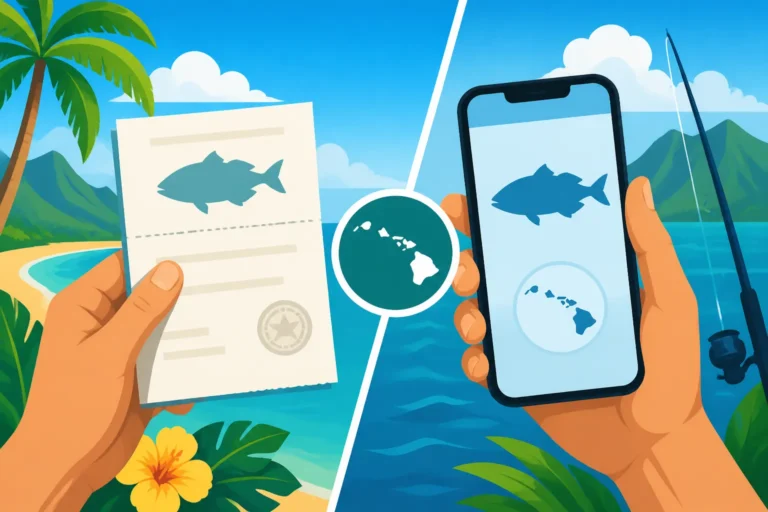
Licenses can typically be purchased online through the DLNR's website, at authorized license agents (often tackle shops or sporting goods stores on the islands), or directly from DAR offices. Make sure you get the correct type of license – a freshwater one, not an ocean fishing license, which is a common mistake for visitors. The cost varies for residents and non-residents, and there are different options available, such as annual licenses or shorter-term tourist licenses. For example, you might look into the Hawaii freshwater license cost for residents or the Hawaii 7-day tourist freshwater license cost if you're just visiting. Don't forget to check the Hawaii Fishing License Age Requirements as well, as age exemptions can apply. Having your license in hand, or a digital copy readily accessible, is just as important as your fishing rod. This comprehensive guide, Hawaii Fishing License Guide for 2026, covers all you need to know about getting your license.
Here's a quick look at typical license costs and options:
| License Type | Resident Annual | Non-Resident Annual | Non-Resident 7-Day Tourist | Non-Resident 30-Day Tourist |
|---|---|---|---|---|
| Freshwater Fishing License | ~$5.00 | ~$20.00 | ~$10.00 | ~$15.00 |
| Note: Prices are estimates and subject to change by DAR. |
Navigating the Kokee Public Fishing Area
Once you have your license and gear, understanding the landscape of the Kokee Public Fishing Area (PFA) is your next step. This isn't just about finding the "best" spot; it's about knowing where you're allowed to fish, how to access those areas, and adhering to the specific rules that keep this unique fishery thriving.
Designated Trout Streams and Access Points
The Kokee PFA encompasses several streams within Kokee State Park on Kauai, primarily the upper reaches of the Waimea River and its tributaries. Key areas include the Mohihi Stream, Waiakoali Stream, and areas around the Puu Lua Reservoir. Access to these streams can sometimes be challenging, involving hiking through dense forest, often on unmaintained trails. This is part of the adventure, but it also means you need to be physically prepared and mindful of your surroundings.
Many access points are located off Kokee Road or within the network of hiking trails in the park. Always check a park map and any local signage for designated fishing areas and trail conditions. Some streams might require a bit of a trek, which can deter casual anglers but often rewards those willing to put in the effort with more secluded and productive fishing spots. Remember, safety first! Let someone know your plans, especially if you're venturing into more remote sections. You can learn more about specific spots in the Kokee Public Fishing Area Guide.
Specific Regulations for Kokee Trout Anglers
Beyond the standard freshwater license, Kokee has its own set of rules and regulations specifically for trout fishing. These are typically outlined in the Hawaii DLNR Fishing Regulations PDF and often highlighted in the annual trout season announcement. These rules often include daily bag limits, minimum and maximum size limits, and sometimes even gear restrictions (e.g., specific bait types allowed or prohibited, or single-hook artificial lures only).
For example, there may be a daily bag limit of a certain number of trout per licensed angler, and trout must fall within a specific size range to be kept. It's not uncommon for certain sections of streams to be designated as Hawaii Catch and Release Only Freshwater Waters, especially in areas where trout populations are more sensitive. These regulations are in place to manage the fishery carefully, ensuring there are plenty of trout for everyone to enjoy for years to come. It’s also important to be aware of any restrictions on invasive species or protected areas, ensuring your trip aligns with local conservation efforts. Always be a good steward of the land and water, packing out everything you pack in.
Disclaimer
Please remember that fishing regulations, including season dates, bag limits, and licensing requirements, can change. While every effort has been made to provide accurate and up-to-date information, it is your responsibility to verify all current rules and regulations with the Hawaii Department of Land and Natural Resources (DLNR) Division of Aquatic Resources (DAR) before engaging in any fishing activities.