Hawaii fishing license for state park waters
Trying to figure out if you need a specific fishing license just to cast a line in Hawaii's beautiful state parks can feel like navigating a maze of regulations. It's frustrating when you just want to enjoy the outdoors, but you're constantly worried about accidentally breaking a rule. This guide is here to untangle the complexities, explaining exactly when and where a fishing license is required within Hawaii's diverse state park waters, so you can fish with confidence and peace of mind.
Understanding Fishing Licenses in Hawaii's State Park System
When it comes to fishing in Hawaii, the rules aren't always straightforward, and state park waters are no exception. Many anglers assume that because they're in a public park, the general statewide regulations simply apply, but often there are additional layers of rules, especially concerning licenses. The core distinction in Hawaii fishing licenses generally revolves around the type of water you're fishing: marine (ocean) or freshwater. This distinction remains critically important when you're within state park boundaries, as parks can encompass everything from pristine coastal areas to verdant inland reservoirs.
For most marine (ocean) waters around Hawaii, including those adjacent to state parks like Kaʻena Point State Park on Oʻahu or Māʻalaea Harbor State Park on Maui, residents traditionally haven't needed a general recreational ocean fishing license. This is often a pleasant surprise for newcomers and a cherished tradition for locals. However, this general exemption doesn't mean it's a free-for-all. While a license might not be mandatory for ocean fishing, the specific regulations regarding species, size, bag limits, and gear types are absolutely in force, and they can vary significantly within state park areas, particularly if the park includes a Marine Life Conservation District (MLCD) or a Fish Replenishment Area (FRA). It's easy to get caught off guard by these nuances, especially when you're simply trying to enjoy a relaxing day by the water.
Conversely, for freshwater fishing in Hawaii, a license is almost always required, regardless of whether you're in a state park or not. Hawaii's freshwater fishing opportunities are limited, primarily found in a few reservoirs and stream systems, some of which fall within or are closely associated with state park lands. For instance, the popular Wahiawa Reservoir on Oʻahu, while not strictly a "state park" itself, has specific regulations managed by the Division of Aquatic Resources (DAR) that are similar in spirit to state park rules, and it definitely requires a freshwater fishing license. The same goes for the unique trout fishery at Kokee Public Fishing Area on Kauaʻi, which is nestled within Kokee State Park. Understanding this fundamental difference between marine and freshwater requirements is the first step in ensuring you're compliant when visiting any of Hawaii's beautiful state parks.
Navigating Regulations in Coastal State Parks and Marine Protected Areas
Many of Hawaii's most stunning state parks are located right on the coastline, offering incredible access to the ocean. However, these areas often come with special fishing regulations that go beyond the general statewide rules. It's not enough to know the standard size and bag limits; you need to be aware of designations like Marine Life Conservation Districts (MLCDs) or specific management areas that might impose further restrictions or even outright bans on fishing. This is where it can get truly confusing, as two seemingly similar stretches of coastline might have vastly different rules.
For example, when you think about fishing in a state park, places like Kaʻena Point State Park on Oʻahu or Lapakahi State Historical Park on Hawaiʻi Island immediately come to mind. These areas are generally open for shore fishing, and because they are ocean-facing, Hawaii residents typically do not need a recreational marine fishing license to cast a line. Non-residents, however, would need a Hawaii nonresident marine fishing license, Explained if they intend to fish outside of a licensed charter. But the key is to look beyond the general license question and dive into the specific rules for that exact location. For instance, Kaʻena Point is known for its strong currents and pelagic species, but certain areas might have limitations on net fishing or species collection. It's vital to check the Hawaii Fishing Regulations Explained for the specific area you plan to visit, as they are often detailed on the Hawaii Division of Aquatic Resources (DAR) website.
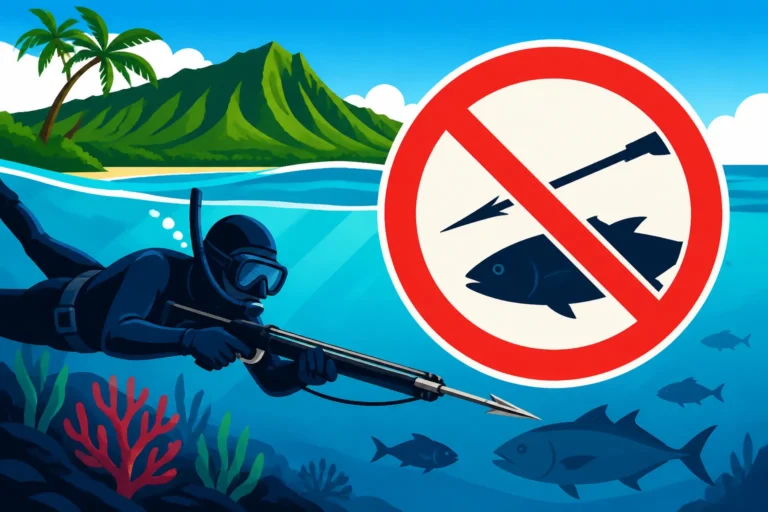
The real complexity often arises when state parks overlap with Marine Life Conservation Districts (MLCDs). These are areas established to conserve and replenish marine resources, and fishing within them is heavily regulated, or even prohibited entirely. Hanauma Bay, for instance, is a very famous MLCD and state park on Oʻahu where all fishing and even collecting marine life is strictly forbidden. Another example is Kealakekua Bay, which is a state park and an MLCD on the Big Island. While some traditional fishing methods by Native Hawaiians might be allowed under specific conditions, for the vast majority of recreational anglers, fishing is either severely restricted or outright banned. It's incredibly important to understand Hawaii Marine Life Conservation Districts, Explained before you even think about dropping a line in these sensitive areas. You could face hefty fines if you're not aware of these specific closures or restrictions, making a relaxing day quickly turn into a costly mistake. Always consult the official DAR resources or signage at the park entrance; ignorance of the law is no excuse, especially when protecting Hawaii's precious marine ecosystems.
Freshwater Fishing Rules in Hawaii State Parks and Reservoirs
Unlike the ocean, where residents generally don't need a license for recreational fishing, freshwater fishing in Hawaii is a different ballgame altogether. If you're planning to target species like rainbow trout, peacock bass, largemouth bass, or tilapia in any of Hawaii's freshwater systems, including those associated with state parks or managed public access areas, a valid freshwater fishing license is absolutely mandatory for everyone 18 years and older. This is a common point of confusion for visitors and even some long-time residents who primarily fish in the ocean.
One of the most notable freshwater fishing spots in Hawaii is the Kokee Public Fishing Area (PFA) on Kauaʻi, which is located within the expansive Kokee State Park. Here, anglers flock to catch rainbow trout, but it's crucial to understand that not only do you need a freshwater license, but the fishing season itself is highly regulated and often quite short. You'll want to check the Hawaii Kokee Trout Fishing Season Dates well in advance, as timing is everything for this unique fishery. Without a license and without adhering to the season dates, you're not only breaking the law but also undermining conservation efforts for this rare island trout population.
Similarly, other popular freshwater fishing destinations, like the Wahiawa Reservoir on Oʻahu, require a Hawaii freshwater license cost for residents or a Hawaii freshwater license cost for nonresidents. While Wahiawa isn't a "state park" in the same vein as Kokee, it's a publicly managed area with clear rules that mirror the stringent requirements you'd find in a designated state park fishing area. You can find detailed information on the Hawaii Wahiawa Reservoir Fishing Rules to ensure you're compliant. Even for simple pond fishing within less formal park settings, if the water is designated as freshwater and managed for game species, a license is generally required. It's a small price to pay for the privilege of enjoying these unique freshwater opportunities, and it goes directly towards funding their management and stocking programs. To make things easy, many anglers purchase their licenses online through the DLNR website or even get necessary gear, like a good tackle box or a new rod, from reliable retailers like Amazon, ensuring they're prepared for any freshwater adventure.
Ensuring Compliance: Obtaining Licenses and Avoiding Penalties
So, you've figured out if you need a license based on whether you're saltwater or freshwater fishing in a state park. Now, how do you actually get one and what happens if you don't? Navigating the acquisition process can sometimes feel like a chore, but it's thankfully quite streamlined in Hawaii these days. More importantly, understanding the consequences of non-compliance is crucial – it's not just a slap on the wrist.
How and Where to Acquire Your License
For freshwater fishing, which as we discussed, always requires a license in Hawaii's public waters (including state park-associated areas), you have a few convenient options. The most straightforward way is to purchase it online through the Hawaii Department of Land and Natural Resources (DLNR) Division of Aquatic Resources (DAR) licensing portal. It's quick, easy, and you can print it right at home. This makes planning your trip to Kokee or Wahiawa a breeze. If you prefer an in-person transaction or need clarification, you can visit one of the authorized license agents across the islands. These are often tackle shops, sporting goods stores, or even some convenience stores. Keep in mind that for a Hawaii freshwater fishing license and rules, the age requirements usually mean anyone 18 years or older needs one, though exemptions exist for seniors and disabled residents.
It's important to remember that once you have your license, you need to carry it with you while fishing. Whether it's a physical paper copy or a digital version on your phone, you must be able to present it to an enforcement officer upon request. Many anglers find it helpful to keep their digital license on their phone in a waterproof case, easily purchased from Amazon, or print a laminated copy to protect it from the elements. Don't forget, if you ever lose your license, there's a process for replacing a lost Hawaii fishing license, so you're not left without proof.
| License Type | Water Type | Residents (18+) | Non-Residents (18+) | Primary Locations |
|---|---|---|---|---|
| Ocean/Marine | Saltwater | Generally No (Exemptions apply) | Yes | Most coastal state parks, ocean access areas |
| Freshwater | Freshwater | Yes | Yes | Kokee State Park (PFA), Wahiawa Reservoir, managed ponds |
| Commercial | Saltwater/Fresh. | Yes | Yes | Professional fishing for sale |
Note: Always consult the official Hawaii DLNR DAR website for the most current regulations and specific park rules, as these can change.
Penalties for Fishing Without a License or Violating Regulations
The consequences for fishing without a required license or violating specific park regulations can be quite severe, far exceeding the modest cost of a license itself. Conservation officers from the DLNR Division of Conservation and Resources Enforcement (DOCARE) regularly patrol state parks and public fishing areas. If you're caught without the appropriate freshwater license, or if you're found fishing in a restricted area within a coastal state park or MLCD, you could be facing significant fines, confiscation of your gear, and potentially even criminal charges for repeat offenses.
For example, engaging in fishing activities within a strictly protected Marine Life Conservation District like Hanauma Bay, where all fishing is prohibited, will almost certainly result in a hefty fine. Similarly, if you're freshwater fishing in the Kokee PFA out of season or without a license, you're looking at penalties that will make that trophy trout seem very expensive. The specific fines can vary, but they are often in the hundreds of dollars, and repeated violations can escalate quickly. This is why understanding Fishing Without a Required License in Hawaii: Penalties is so important. These rules are in place not just to raise revenue, but to protect Hawaii's fragile and unique ecosystems for everyone, locals and visitors alike. Being prepared with your license and a thorough understanding of the local rules, perhaps even a local fishing guide purchased from Amazon, is the best way to ensure a memorable and legal fishing experience in Hawaii's beautiful state parks.
Crucial Takeaways for State Park Anglers
When you're planning a fishing trip to one of Hawaii's magnificent state parks, the biggest takeaway is this: always, always check the specific regulations for that particular park and water type. It’s not a one-size-fits-all situation, and assuming general statewide rules apply without double-checking can lead to unintended legal trouble. The Department of Land and Natural Resources (DLNR) provides detailed information, and it's your best friend in navigating these waters.
For marine areas adjacent to state parks, like the stunning coastlines around Kaʻena Point on Oʻahu or Polihale State Park on Kauaʻi, Hawaii residents typically enjoy the privilege of fishing without needing a general recreational ocean fishing license. However, this exemption doesn't extend to non-residents, who would need to ensure they acquire a valid Hawaii nonresident marine fishing license, explained before casting a line. More critically, both residents and non-residents must adhere to all specific rules for that location, including bag limits, size restrictions, and gear prohibitions, especially if the area falls within a Marine Life Conservation District (MLCD) or a Fish Replenishment Area (FRA). Failing to do so, even unintentionally, can result in significant penalties.
On the flip side, if your heart is set on freshwater angling within or near a state park, such as targeting rainbow trout at the Kokee Public Fishing Area within Kokee State Park on Kauaʻi, or trying your luck for peacock bass in the Wahiawa Reservoir on Oʻahu (which operates under similar public land rules), a freshwater fishing license is absolutely mandatory for most adults. There are specific Hawaii freshwater license age requirements and costs, and these licenses must be obtained and carried with you while fishing. You can usually purchase these online through the DLNR website or from authorized vendors, making it a fairly straightforward process.
To truly ensure a smooth and enjoyable experience, make it a habit to check the Hawaii Division of Aquatic Resources (DAR) website for the latest updates on regulations, fishing seasons, and any temporary closures before each trip. Physical signage at park entrances often provides a quick overview, but the online resources offer the most comprehensive details. Being a responsible angler not only keeps you out of trouble but also contributes to the conservation of Hawaii's unique aquatic resources, preserving these incredible fishing opportunities for future generations.
Disclaimer
The information provided in this guide is for general informational purposes only and is not intended as legal advice. Fishing regulations in Hawaii, particularly within state parks and protected areas, are subject to change. It is the angler's sole responsibility to consult the official Hawaii Department of Land and Natural Resources (DLNR) Division of Aquatic Resources (DAR) website or contact them directly for the most current and specific regulations before engaging in any fishing activity.