Hawaii disabled resident fishing license discount
It's no secret that fishing in Hawaii is a dream for many, but for residents living with disabilities, navigating the licensing requirements can sometimes feel like an extra hurdle. You want to enjoy the serene beauty of our freshwater reservoirs or the quiet challenge of a stream, but the thought of complicated paperwork or unexpected costs can be disheartening. This comprehensive guide is here to cut through the confusion, detailing the Hawaii disabled resident fishing license discount and exemptions available, ensuring that every kama'aina with a disability can fully embrace the joys of fishing in our beautiful islands.
Understanding Hawaii's Fishing License Rules for Residents
First things first, let's clear up some common misconceptions about fishing licenses here in Hawaii. It's a bit different than many mainland states, and understanding these distinctions is key before diving into the specifics of disability discounts.
Do All Residents Need a License?
This is where it gets interesting! For most recreational ocean fishing, Hawaii residents actually do not need a state-issued license. That's right, you can often cast your line from the shore, a pier, or a boat in our vast Pacific waters without needing a permit in hand. This exemption is a wonderful benefit for local anglers and truly encourages participation in our beloved ocean traditions. You might want to learn more about the specifics of this at Do Hawaii Residents Need an Ocean Fishing License?.
However, the situation changes dramatically when you turn your sights to freshwater fishing. If you plan to fish in Hawaii's streams, reservoirs, or other inland bodies of water, a freshwater fishing license is absolutely required for residents. This is where species like rainbow trout in the Kokee Public Fishing Area on Kauai, or the popular largemouth and peacock bass in Oahu's Wahiawa Reservoir, come into play. These freshwater fisheries are managed differently, requiring licenses to fund their maintenance, stocking programs, and enforcement. So, when we talk about a disabled resident fishing license discount, we are specifically referring to the freshwater license. If you're planning a trip to the stream, be sure to check out Hawaii Freshwater Fishing License and Rules for all the details.
The Importance of Special Provisions for Disabled Anglers
The state of Hawaii, through its Department of Land and Natural Resources (DLNR) Division of Aquatic Resources (DAR), recognizes the importance of making outdoor recreation accessible to everyone. Fishing offers incredible therapeutic benefits, from the calming rhythm of casting to the invigorating thrill of a catch, and these experiences shouldn't be out of reach due to disability.
Special provisions for disabled anglers aren't just about reducing a fee; they're about fostering inclusivity and providing equitable opportunities. These discounts and exemptions acknowledge that individuals with disabilities may face additional financial burdens or physical challenges, and removing barriers to participation is a crucial step toward supporting their well-being and connection to nature. It's a testament to the idea that everyone, regardless of physical ability, should have the chance to experience the magic of Hawaii's aquatic environments.
Unlocking the Hawaii Disabled Resident Freshwater Fishing License Discount
Now, let's get down to the nitty-gritty of how you can actually benefit from these provisions. It's not overly complicated, but knowing the exact requirements and steps will make the process much smoother.
Who Qualifies for the Discount or Exemption?
To qualify for a disabled resident freshwater fishing license discount or exemption in Hawaii, you generally need to meet specific criteria defined by the state. The Hawaii Administrative Rules (HAR) Section 13-75-12 outlines these provisions.
Generally, you are considered eligible if you are a bona fide resident of Hawaii (meaning you've lived here for at least one year) and meet one of the following disability definitions:
- Legally Blind: This refers to individuals with a visual impairment that meets the legal definition of blindness.
- Disabled (Permanent Total Disability): This category typically applies to individuals who have a permanent physical or mental impairment that substantially limits one or more major life activities, and who have been determined to have a "permanent total disability" by an agency such as the Social Security Administration or the Department of Veterans Affairs. It's not just any disability, but one that is recognized as total and permanent.
It's crucial to understand that simply having a disability might not automatically qualify you. The key is often the "permanent total disability" designation from a recognized state or federal agency. The DLNR wants to ensure these benefits go to those who truly need and qualify for them, so they require verifiable proof. For instance, a veteran with a service-connected 100% disability rating would likely qualify.
Step-by-Step: Applying for Your Reduced-Cost License
Applying for your discounted or exempt freshwater fishing license is a straightforward process, but you’ll need to have your ducks in a row.
- Gather Your Documentation: This is the most critical step. You'll need proof of Hawaii residency (e.g., Hawaii State ID, driver's license, utility bills) and official documentation of your permanent total disability or legal blindness. This could be:
- A letter from the Social Security Administration (SSA) verifying your status as permanently and totally disabled.
- Documentation from the Department of Veterans Affairs (VA) confirming a 100% service-connected disability.
- A certificate from a licensed optometrist or ophthalmologist verifying legal blindness.
- Fill Out the Application: The DLNR Division of Aquatic Resources provides application forms. While specific forms for disabled exemptions might be available, often you'll fill out the standard freshwater fishing license application and then provide your disability documentation as supplementary proof.
- Choose Your Application Method:
- In-Person: This is often the easiest way, as you can present your documentation directly and get immediate clarification if needed. Visit any DLNR Division of Aquatic Resources office across the islands, or a designated license agent. You can find a list of these agents by looking for Hawaii DLNR license agent list.
- By Mail: If an in-person visit isn't feasible, you can mail your completed application and copies of your supporting documents to the DLNR DAR office. Make sure to keep original documents for yourself and send copies.
- Online: While many standard licenses can be purchased online, if you're applying for a discounted or exempt license based on disability, you might need to initiate the process in person or by mail first to verify your eligibility. Always check the official DLNR DAR website for the most current information regarding online disability applications. For general online purchases, this article on How to Buy a Hawaii Fishing License Online is a good resource.
- Verification and Issuance: Once your application and documentation are reviewed and approved, your license will be issued.
Remember, always be prepared with all your supporting documents. It saves a lot of back-and-forth! If you have questions during the process, don't hesitate to reach out to the DLNR's customer service at Hawaii Division of Aquatic Resources customer service phone number.
What to Expect: Costs, Validity, and Renewal
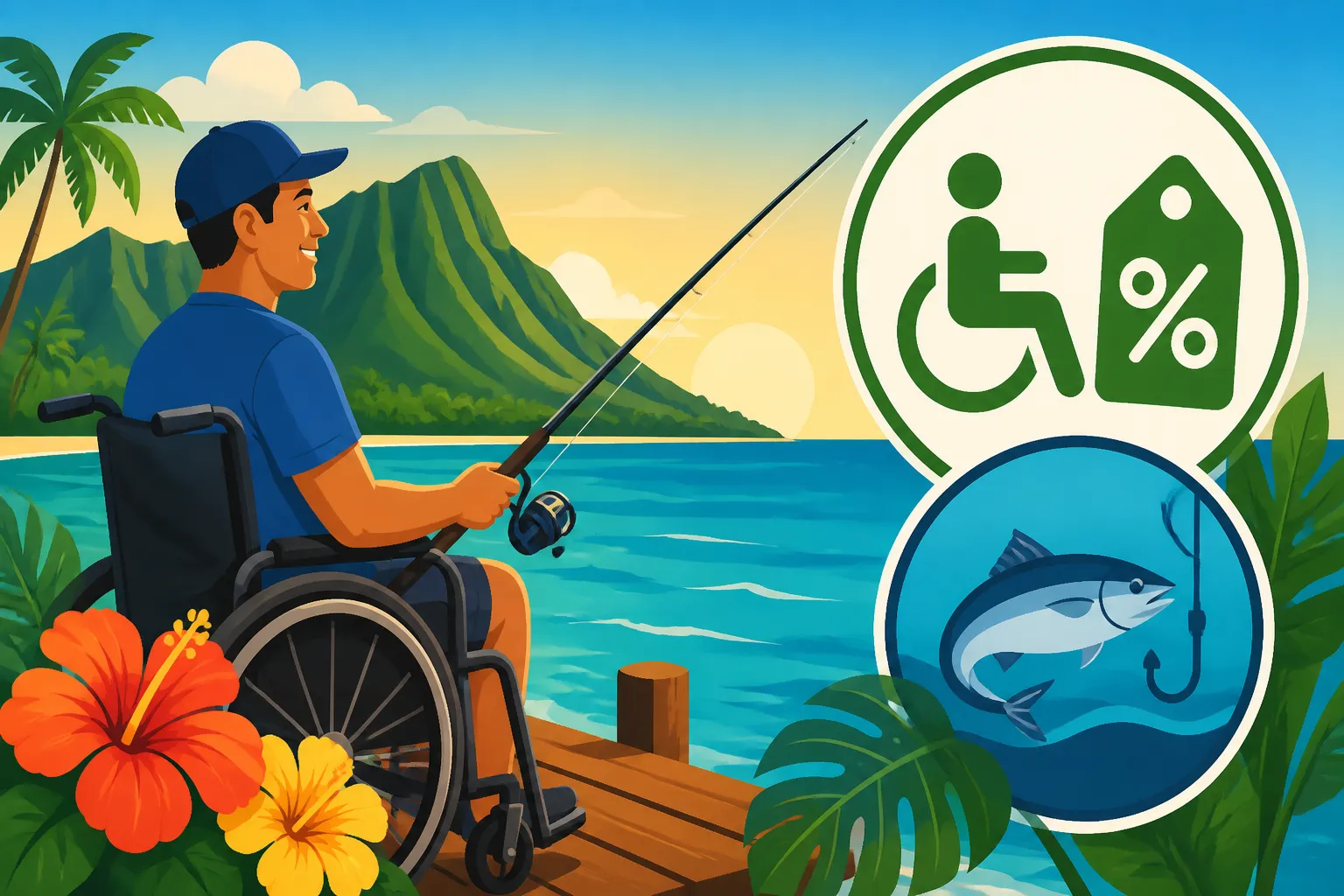
For eligible disabled residents, the freshwater fishing license is often issued at a significantly reduced fee, or in some cases, completely free. As of recent information, the fee for a disabled resident freshwater fishing license is typically set at a nominal amount, or it may be entirely waived depending on the specific legislation. It's best to confirm the exact current fee directly with the DLNR, as these can occasionally change. For context, the standard Hawaii freshwater license cost for residents is usually a few dollars, so the disabled discount is a substantial benefit.
The validity period for these licenses is generally one year, typically expiring on December 31st of the year they are issued. This means you'll need to renew it annually. For renewal, if your disability status is permanent, the subsequent renewals are usually much simpler, often just requiring a new application form and perhaps a re-verification of residency, as your disability status would likely remain on file. However, it's always wise to reconfirm what documentation is needed each year, just in case. Don't forget, once you have your license, you'll need to know about Printing or Carrying a Digital Fishing License in Hawaii to ensure you're always compliant.
Enhancing Your Hawaii Fishing Experience as a Disabled Angler
Getting your license is a fantastic first step, but truly enjoying your fishing experience in Hawaii often involves thinking about accessibility and the right gear. Our islands are working towards greater inclusivity, and with a little planning, you can find incredible opportunities.
Finding Accessible Fishing Locations
Hawaii offers a variety of beautiful spots, and increasingly, efforts are being made to ensure some are accessible for all. While not every remote shoreline will be easy to navigate, there are many locations that provide easier access.
- Piers and Harbors: Many public piers and harbor areas, especially those in more developed towns like Honolulu (Kewalo Basin), Lahaina, or Hilo, often have paved surfaces and designated parking that can accommodate wheelchairs or provide easier walking access. These spots are fantastic for bait fishing, whipping for papio, or just enjoying the ocean breeze. For a general overview, check out Best Pier Fishing Spots in Hawaii. A more specific guide is available at Hawaii handicap-accessible fishing piers in Hawaii.
- Designated Parks and Shorelines: Some state and county parks along the coastline or near freshwater reservoirs are designed with accessibility in mind, featuring paved paths, accessible restrooms, and designated fishing areas. For example, some sections around Lake Wilson (Wahiawa Reservoir) on Oahu, where freshwater fishing is popular, have more even terrain.
- Charter Boats: Many fishing charters operate out of major harbors like Honokohau Harbor on the Big Island or Maalaea Harbor on Maui, and some are equipped to accommodate anglers with disabilities. It’s always best to call ahead and discuss your specific needs with the charter operator to ensure they can provide a safe and comfortable experience.
When planning your trip, always do a quick online search or call the local park or harbor authority to confirm the current accessibility features.
Adaptive Gear and Support Tools
Modern fishing gear has come a long way in making the sport more accessible. There's a whole world of adaptive equipment designed to enhance comfort and capability for anglers with disabilities.
- Rod Holders: These are invaluable, allowing you to rest your rod securely while waiting for a bite, or even while actively fishing if you have limited hand strength. Many clamp-on rod holders can attach to wheelchairs, boat railings, or pier benches.
- Electric Reels: For those with limited arm strength or dexterity, electric reels can take the strenuous work out of retrieving line, especially from deeper waters. While they might seem like overkill for casual fishing, they can be a game-changer for independent angling.
- Adaptive Grips and Handles: Many companies produce accessories that can be added to standard rods and reels to provide a more ergonomic grip or better leverage. You can often find a wide selection of these specialized items and general fishing accessories on platforms like Amazon, where you can browse different brands and read reviews to find what best suits your needs.
- Specialized Seating: Comfortable, portable seating is key for any angler, but especially for those who might have difficulty standing for extended periods. Lightweight, foldable chairs or even specialized fishing chairs with built-in rod holders can make a huge difference. Again, Amazon is a great place to start your search for something that balances portability with comfort.
Investing in a few key pieces of adaptive gear can truly transform your fishing trips, allowing you to focus on the experience rather than physical limitations.
Navigating Regulations with Accessibility in Mind
While accessibility is improving, the fundamental Hawaii Fishing Regulations Explained still apply to all anglers, regardless of disability. This means adhering to:
- Bag and Size Limits: These are crucial for conservation and vary by species. For example, understanding Hawaii Moi Closed Season, Explained or Hawaii Uhu (Parrotfish) Size and Bag Limits is vital.
- Closed Seasons and Areas: Certain fish species have specific closed seasons to protect spawning populations, and some areas, like Marine Life Conservation Districts (MLCDs), have strict fishing restrictions. Knowing Hawaii Marine Life Conservation Districts, Explained is important.
- Gear Restrictions: There might be rules about the types of hooks, nets, or other gear allowed in specific waters.
The disability discount for your freshwater license is about making access to fishing equitable, not about granting exemptions from conservation rules. These regulations are in place to ensure sustainable fishing for everyone, for generations to come. Always carry your valid fishing license (digital or physical) as detailed in Printing or Carrying a Digital Fishing License in Hawaii to avoid any issues.
Addressing Common Concerns and Practical Tips
Even with the information laid out, you might still have a few questions swirling, or wonder about practicalities. Let's tackle some of those.
Documentation and Proof of Disability
This is often the part that gives people the most pause. It's vital to remember that the DLNR isn't trying to be difficult; they simply need clear, official proof of your disability status to apply the exemption fairly.
- Keep Originals Safe: Never send original documents. Always provide clear, legible copies.
- Stay Organized: Create a folder (digital and physical) for all your disability documentation, including your SSA or VA letters, doctor's certificates, and previous license applications. This will make renewals or any future inquiries much simpler.
- What if I have a temporary disability? Generally, the disabled resident fishing license discount applies to permanent total disabilities. If your disability is temporary, you would typically need to purchase a standard freshwater fishing license once you reach the age requirement. However, it's always worth contacting the DLNR directly to confirm if there are any special considerations for unique circumstances.
Assistance with the Application Process
Don't feel like you have to navigate this process alone.
- Ask for Help: Family members, friends, or caregivers can often assist you with gathering documents, filling out forms, or even visiting a DLNR office on your behalf (though you may need to provide written consent for them to act on your behalf in official matters).
- Advocacy Groups: Organizations that support individuals with disabilities in Hawaii may also be able to offer guidance or resources to help you with the application process. They often have experience with similar bureaucratic steps.
- DLNR Staff: The staff at the Division of Aquatic Resources are there to help. If you're unsure about a form or a requirement, call them at Hawaii Division of Aquatic Resources customer service phone number or visit an office. They can clarify eligibility and application steps.
Avoiding Penalties: Staying Compliant
Even with a disability, fishing without the correct license or violating regulations can lead to penalties. The Fishing Without a Required License in Hawaii: Penalties can include fines and potential confiscation of gear. The best way to avoid these unpleasant situations is to:
- Always Have Your License: Whether it's a physical card or a digital version on your phone, ensure you have your valid freshwater fishing license with you when fishing in inland waters.
- Know the Rules: Before heading out, quickly review the specific regulations for the body of water you plan to fish. The DLNR website is a great resource.
- Be Respectful: Always follow conservation laws and respect marine life. Hawaii's waters are a precious resource, and responsible angling benefits everyone.
By taking these proactive steps, you can ensure your fishing adventures in Hawaii are always enjoyable, compliant, and deeply rewarding. Aloha and tight lines!
Disclaimer
The information provided in this guide is for general informational purposes only and does not constitute legal advice. Fishing regulations and licensing requirements in Hawaii are subject to change. Always consult the official Hawaii Department of Land and Natural Resources (DLNR) Division of Aquatic Resources (DAR) website or contact their offices directly for the most current and accurate information before engaging in any fishing activities.