Hawaii lifetime fishing license cost
Many anglers dream of securing a lifetime fishing license, picturing endless days on the water without the annual hassle of renewals. It's a truly appealing thought, especially when you imagine Hawaii's stunning blue waters. But for those looking to cast a line in the Aloha State, the reality of a "lifetime fishing license" isn't quite what many visitors, or even some long-time residents, expect. This guide will meticulously break down the nuances of Hawaii's licensing system, clarifying where a lifetime option exists, where it doesn't, and what you'll truly need to fish legally in these incredible islands.
The Reality of Hawaii's Fishing License System
It's easy to get confused when you start looking into Hawaii's fishing regulations, especially if you're coming from a mainland state with a well-established lifetime license program. Many states offer lifetime licenses for both freshwater and saltwater fishing, providing a one-time purchase solution for dedicated anglers. Hawaii, however, operates on a very different principle, largely due to its unique ecosystem and historical approach to marine resource management.
Why a Lifetime License Isn't Available for Ocean Fishing
For decades, the vast majority of recreational ocean fishing in Hawaii didn't require a license at all. This was a point of pride for many locals, reflecting a traditional "right to fish" in the waters surrounding the islands. This is a significant departure from places like Florida or California, where marine fishing licenses have been a requirement for recreational anglers for a very long time. Because there wasn't a general ocean fishing license requirement, the idea of a "lifetime" version simply never took hold or was considered necessary.
However, things have changed recently. The State of Hawaii has moved to implement new marine recreational fishing license requirements, particularly for non-residents and, more recently, for residents, to better manage and monitor fishing effort and populations. This shift means that while the dream of a lifetime ocean license might linger, it's not a current reality. The focus of the Hawaii Department of Land and Natural Resources (DLNR) Division of Aquatic Resources (DAR) has been on annual and short-term licenses for marine activities, rather than establishing a lifetime program. This approach allows for more flexible management and data collection as the state continues to refine its conservation strategies. The absence of a lifetime marine license can be a bit of a shock for visitors used to a different system, and it's one of the first frustrations anglers encounter when planning their Hawaiian fishing adventure. If you're wondering, "Do You Need a Fishing License in Hawaii?", the answer is now more complex than ever before.
The Specifics of Hawaii's Freshwater Lifetime License
Here's where it gets interesting: while a general lifetime ocean fishing license doesn't exist, there is a very specific scenario where a lifetime license is available in Hawaii. This applies exclusively to freshwater fishing, and only for qualified senior residents and disabled residents. This is a crucial distinction and often the source of misunderstanding.
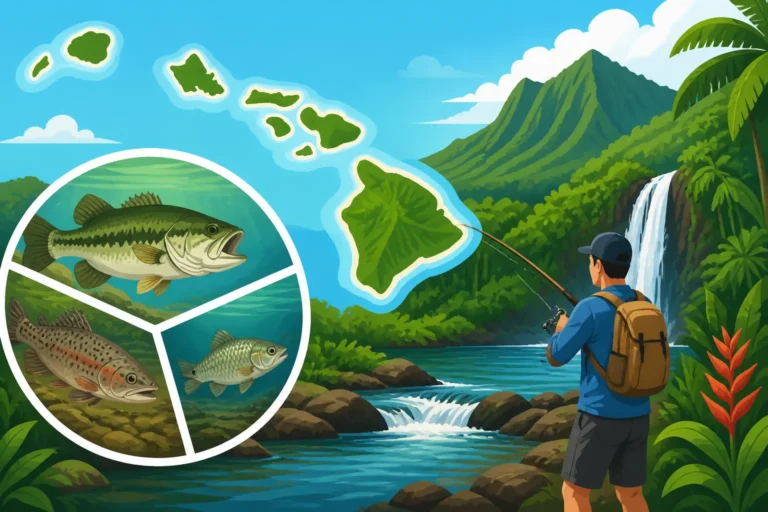
Hawaii's freshwater fisheries are limited, primarily focusing on a few key reservoirs and stream areas where introduced species like Rainbow Trout, Largemouth Bass, Peacock Bass, Tilapia, and Channel Catfish thrive. To encourage participation and recognize the contributions of elders and those with disabilities, the state offers this special exemption. It's not a lifetime license in the traditional sense of a one-time purchase for a significant fee; rather, it's an exemption from the annual freshwater license fee for eligible individuals. This means that for these specific groups, once qualified, they can fish freshwater for the rest of their lives without needing to purchase an annual license. It's a wonderful benefit for those who qualify, but it doesn't extend to the vast marine environment surrounding the islands. For a deeper dive into the specific rules, you can refer to the guide on Hawaii Senior and Disabled Freshwater License Exemption.
Understanding Hawaii's Ocean Fishing License Requirements
Since a lifetime ocean fishing license isn't on the table, it's vital to understand what licenses you do need to fish legally in Hawaii's bountiful marine waters. The landscape of marine fishing regulations has seen significant changes, so it’s essential to have the most up-to-date information.
Who Needs an Ocean Fishing License Now
For a long time, Hawaii was unique among coastal states in that it didn't require a license for recreational marine fishing for residents. Non-residents were also generally exempt unless they were participating in certain commercial activities. This historical approach changed dramatically, and understanding the current rules is paramount to avoiding fines and ensuring you're fishing responsibly.
Currently, all non-residents 18 years of age and older need a marine recreational fishing license to fish in Hawaii's ocean waters. This includes shore fishing, pier fishing, boat fishing (unless you're on a licensed charter boat where the charter covers the licensing for passengers), and even spearfishing. If you're visiting from out of state and planning to enjoy some of Hawaii's incredible fishing, this license is a non-negotiable part of your packing list.
For Hawaii residents, the situation is a bit more nuanced and has also evolved. Initially, residents were exempt from marine recreational fishing license requirements. However, in recent years, the state has moved towards implementing a resident marine recreational fishing license as well. While there was a previous Hawaii Resident Ocean Fishing License Exemption, anglers should always check the most current regulations from the DLNR to ensure compliance. The exact implementation details and specific exemptions can sometimes change, so a quick check of the official Hawaii DLNR Fishing Regulations Explained is always a good idea before heading out. The intent behind these new requirements, for both residents and non-residents, is to gather better data on recreational fishing effort and catch, which is crucial for sustainable fisheries management.
Costs and Types of Annual and Short-Term Marine Licenses
Without a lifetime option, your marine fishing license needs will fall into annual or short-term categories, depending on your residency and how long you plan to fish. These licenses provide flexibility for tourists and residents alike.
Here's a breakdown of the typical options you'll encounter:
- Non-Resident Annual Marine Fishing License: This is the most common option for visitors who plan to fish multiple times throughout the year or during an extended stay. The cost for a Hawaii nonresident annual marine fishing license cost can be around $70. This license is valid for 12 months from the date of purchase.
- Non-Resident Short-Term Marine Fishing Licenses: If you're only visiting for a short period and just want to fish for a day or a week, these options are perfect.
- 1-Day Non-Resident Marine Fishing License: The Hawaii nonresident 1-day marine fishing license cost is generally around $20. This is ideal for a quick fishing excursion.
- 7-Day Non-Resident Marine Fishing License: The Hawaii nonresident 7-day marine fishing license cost typically costs about $40. This provides a full week of fishing access for those on a longer vacation.
- Resident Annual Marine Fishing License: For qualified Hawaii residents, an annual license is required. The cost is significantly lower than for non-residents, usually around $20. This underscores the state's recognition of its local population.
Important Note on Charter Boats: If you book a fishing charter, the cost of your marine fishing license is typically covered by the charter boat's commercial license. This means you, as a passenger, usually do not need to purchase an additional recreational marine fishing license for the duration of your trip on a licensed charter. However, always confirm this with your specific charter operator when booking, as policies can vary.
Here's a quick comparison table for clarity:
| License Type | Target Angler Type | Duration | Approximate Cost (USD) | Notes |
|---|---|---|---|---|
| Non-Resident Annual Marine Recreational | Non-Resident (18+) | 12 Months | $70 | Best for extended stays or multiple trips. |
| Non-Resident 7-Day Marine Recreational | Non-Resident (18+) | 7 Consecutive Days | $40 | Ideal for week-long vacations. |
| Non-Resident 1-Day Marine Recreational | Non-Resident (18+) | 1 Day | $20 | Perfect for a single fishing outing. |
| Resident Annual Marine Recreational | Hawaii Resident (18+) | 12 Months | $20 | Required for residents, check current DLNR updates for any exemptions. |
| Freshwater Annual (Resident) | Hawaii Resident | 12 Months | $5 | For fishing specific freshwater reservoirs and streams. |
| Freshwater Annual (Non-Resident) | Non-Resident | 12 Months | $20 | For fishing specific freshwater reservoirs and streams. |
| Freshwater Annual (30-Day Tourist) | Non-Resident | 30 Consecutive Days | $10 | A popular option for visitors targeting freshwater species. |
| Freshwater Annual (7-Day Tourist) | Non-Resident | 7 Consecutive Days | $5 | Shorter option for visitors targeting freshwater species. |
| Freshwater Lifetime Exemption (Senior/Disabled) | Hawaii Resident | Lifetime | $0 (Exemption) | No fee, but requires proof of residency, age, or disability. |
Costs are approximate and subject to change by the State of Hawaii. Always verify current prices with the DLNR.
The Nuances of Freshwater Fishing Licenses in Hawaii
While marine fishing often gets the spotlight, Hawaii also offers some unique freshwater fishing opportunities, particularly on Oahu and Kauai. As mentioned, this is the only realm where a "lifetime" option, in the form of an exemption, exists.
Eligibility for Hawaii's Freshwater Lifetime License
The "lifetime" aspect of a Hawaii fishing license is truly confined to freshwater fishing for specific resident demographics. It's not a lifetime license you purchase; rather, it's an exemption from needing to buy an annual freshwater fishing license if you meet certain criteria. This is a crucial distinction to remember.
To be eligible for this exemption, you must be a resident of Hawaii and fall into one of two categories:
- Senior Resident: Generally, this applies to residents aged 65 or older. The state recognizes the contributions of its kupuna (elders) and makes it easier for them to enjoy the limited freshwater fishing opportunities.
- Disabled Resident: Residents with certain qualifying disabilities can also receive this exemption. The exact definition of "disabled" for this purpose is determined by the DLNR and usually requires proof of disability status.
It's important to understand that these exemptions are specific to freshwater fishing. They do not grant you the right to fish in the ocean without the appropriate marine recreational fishing license if one is required for your category (resident or non-resident). For precise details on age and disability requirements, it's always best to consult the official Hawaii DLNR Division of Aquatic Resources website or contact them directly. The Hawaii Freshwater License Age Requirements and Hawaii disabled resident freshwater license exemption articles can provide more in-depth information.
Applying for a Freshwater Lifetime License and Associated Costs
Since this isn't a purchased lifetime license, there isn't a hefty one-time fee like you might find in other states. Instead, the "cost" is effectively zero, as it's an exemption. However, there is a process to prove your eligibility and register for this lifetime exemption.
To apply for the freshwater lifetime exemption, eligible senior or disabled residents will need to:
- Gather Proof of Residency: This typically includes a valid Hawaii driver's license or state ID that shows you've been a resident for a specified period (usually at least six months).
- Provide Proof of Age (for seniors): A birth certificate, driver's license, or state ID will suffice.
- Provide Proof of Disability (for disabled individuals): This will involve official documentation from a medical professional or government agency verifying your disability status as per DLNR requirements.
- Complete the Application Form: The DLNR Division of Aquatic Resources will have specific forms for this exemption. You'll need to fill these out accurately.
- Submit the Application: Applications are usually processed through the DLNR/DAR offices. You might need to submit it in person or mail it, depending on current procedures. It's always a good idea to call ahead to the nearest DAR office for the most current instructions.
Once your eligibility is verified and your application processed, you will be issued documentation, or your status will be recorded, indicating your exemption from annual freshwater license fees. While there's no "cost" for the license itself, there might be a nominal administrative fee for processing the application or issuing a special card, but generally, the intent is for these to be free for qualifying individuals. The annual freshwater license cost for residents who don't qualify for the exemption is quite minimal, often around $5, making freshwater fishing highly accessible.
Planning Your Fishing Adventure Without a Lifetime Option
Understanding that a blanket lifetime fishing license isn't a reality in Hawaii helps set realistic expectations and ensures you plan your trip correctly. While it might be a slight deviation from what some are used to, navigating the current system is straightforward once you know the rules.
Navigating the DLNR Website and Authorized Vendors
The most reliable source for current fishing regulations and license purchases in Hawaii is the official Hawaii Department of Land and Natural Resources (DLNR) Division of Aquatic Resources (DAR) website. This portal is continuously updated with any changes to laws, bag limits, size restrictions, and licensing requirements. Trying to piece together information from various unofficial sources can lead to confusion or, worse, unintended violations.
Here’s how you can best navigate the process:
- Official Website: Head directly to the DLNR/DAR website. Look for sections specifically titled "Fishing Licenses" or "Aquatic Regulations." They usually have clear guides for both marine and freshwater licenses. This is where you'll find the most current Hawaii Fishing License Guide for 2026 and Hawaii Fishing Regulations Explained.
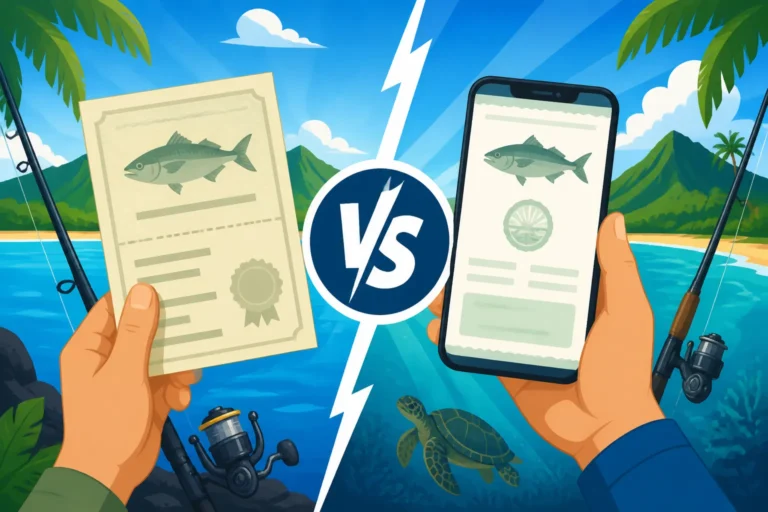
- Online Purchase: For convenience, marine and freshwater licenses can often be purchased directly online through the DLNR's approved system. This is by far the easiest way to secure your license, whether it's a Hawaii nonresident annual marine fishing license cost or a short-term tourist freshwater license. The guide on How to Buy a Hawaii Fishing License Online will walk you through the steps. Remember, you'll want to either print your license or have access to a digital version on your phone when fishing. Check out Printing or Carrying a Digital Fishing License in Hawaii for more details.
- Authorized Vendors: If you prefer to purchase in person, the DLNR also works with various authorized license agents across the islands. These often include tackle shops, sporting goods stores, and some convenience stores. The DLNR website usually provides a list of these vendors. It’s a good option if you have specific questions and want to speak with someone knowledgeable locally. While you can easily find fishing gear on platforms like Amazon, you absolutely cannot purchase official Hawaii fishing licenses there, as these are government-issued permits.
- Direct Contact: Don't hesitate to call the DLNR Division of Aquatic Resources offices on the island you plan to visit. Their staff are typically very helpful in clarifying any specific questions you might have about your unique fishing plans.
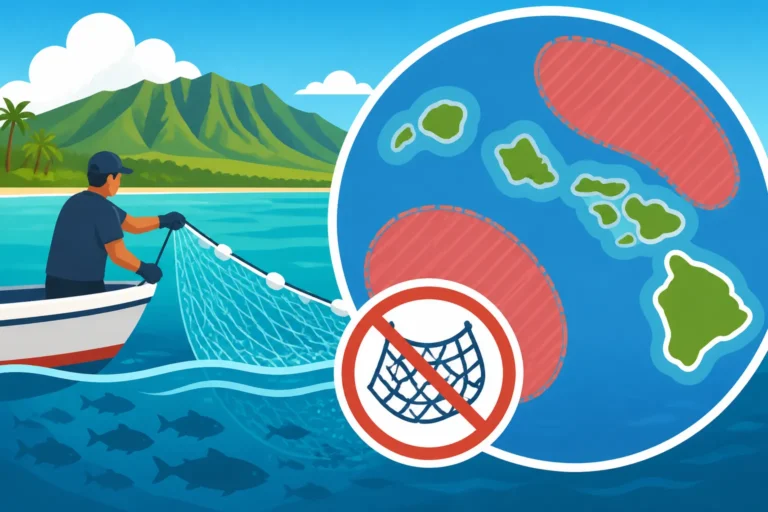
Always double-check the regulations for specific areas you plan to fish, as Hawaii has many Marine Life Conservation Districts (MLCDs), Fish Replenishment Areas (FRAs), and other special regulation waters where fishing may be restricted or prohibited.
Considering Commercial vs. Recreational Licenses
For the vast majority of anglers, a recreational fishing license (marine or freshwater, as applicable) will be sufficient. However, if your plans involve anything beyond simple recreational fishing, it's crucial to understand the distinction between recreational and commercial licenses.
- Recreational Licenses: These are for personal enjoyment, and any fish caught are intended for personal consumption or sport. There are strict bag and size limits, and selling your catch is prohibited.
- Commercial Licenses: If you intend to sell any portion of your catch, or if you are operating a for-hire fishing business (like a charter boat), you will need a commercial marine license. These licenses are significantly more involved, have different requirements, and come with higher fees. They also impose more stringent reporting requirements. For charter boat operators, there are specific Hawaii charter boat operator license requirements that go beyond what a recreational angler needs.
It's very important not to confuse the two. Attempting to sell fish caught under a recreational license or operating a charter without the proper commercial licensing can lead to severe penalties, including hefty fines and confiscation of gear. If you're pondering a career on the water or just thinking about selling a prized catch to a local restaurant, be sure to delve into the Hawaii Commercial vs Recreational Fishing License Rules to understand all the legal ramifications. When you're out there, enjoying the incredible fishing Hawaii has to offer, being properly licensed means peace of mind and ensures you're contributing to the sustainable management of these precious resources.
Disclaimer
The information provided in this guide is intended for general informational purposes only and may not reflect the absolute most current regulations. Fishing rules and regulations in Hawaii are subject to change by the Department of Land and Natural Resources (DLNR). It is always the angler's responsibility to consult the official Hawaii DLNR Division of Aquatic Resources website or contact them directly for the most accurate and up-to-date information before engaging in any fishing activities. Compliance with all state and local fishing laws is mandatory.