Best fishing access near Barbers Point
Trying to figure out the best fishing access near Barbers Point can feel like a maze, especially with all the industrial and military presence in the area. It's not always obvious where you can legally cast a line without trespassing or ending up in a restricted zone. This guide is here to untangle that confusion, giving you the inside scoop on public access points, what you can expect to catch, and the local nuances of fishing this unique stretch of Oahu's leeward coast.
Unpacking Barbers Point Fishing Access
Barbers Point, also known as Kalaeloa, is a dynamic area on Oahu's southwest coast, characterized by its harbor, a former naval air station, and various industrial parks. While it might not scream "fishing paradise" at first glance, there are some surprisingly productive spots that locals frequent. However, the key to a successful outing here is understanding the lay of the land, respecting private property, and knowing the specific regulations that apply. You don't want to get a citation when you're just trying to enjoy the ocean.
Navigating Regulations and Permits in the Area
One of the biggest headaches for any angler in Hawaii is ensuring you're compliant with all the rules. Barbers Point is no different, and in some ways, it can be even more complex due to the mix of state, private, and sometimes federal lands. Generally, for recreational fishing in Hawaii's ocean waters, you do not need a state fishing license. This is a common point of confusion for visitors and even some residents. However, this exemption doesn't mean you're off the hook entirely.
You still need to adhere to all bag limits, size restrictions, and gear prohibitions set forth by the Hawaii Department of Land and Natural Resources (DLNR), Division of Aquatic Resources (DAR). For instance, there are specific rules for popular species like moi, uhu, and ulua. You'll want to review the current Hawaii Fishing Regulations Explained before heading out. Moreover, while you might not need a general marine license, if you plan on fishing in any freshwater areas or if certain special permits become required in the future, it's always wise to stay informed. For example, if you were planning a trip to a freshwater spot on another island, you would definitely need to understand the Hawaii Freshwater Fishing License and Rules. Always double-check the latest DAR advisories, especially for any localized closures or emergency rules that might pop up around sensitive areas or during spawning seasons.
General Shoreline Access Points
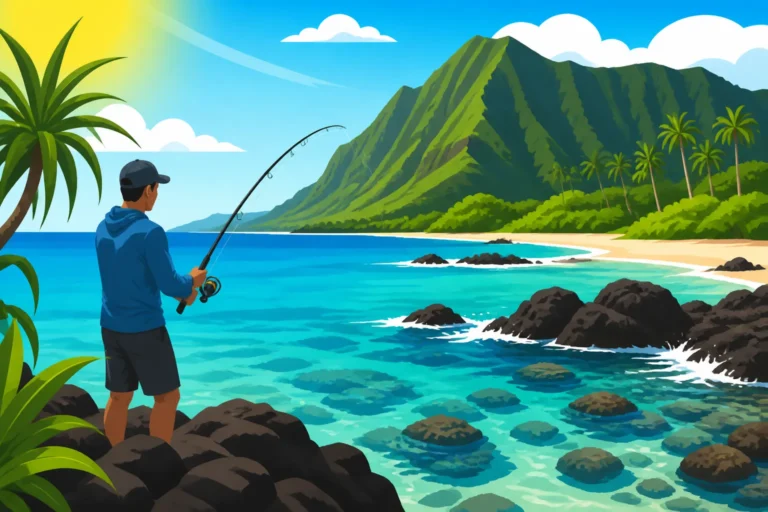
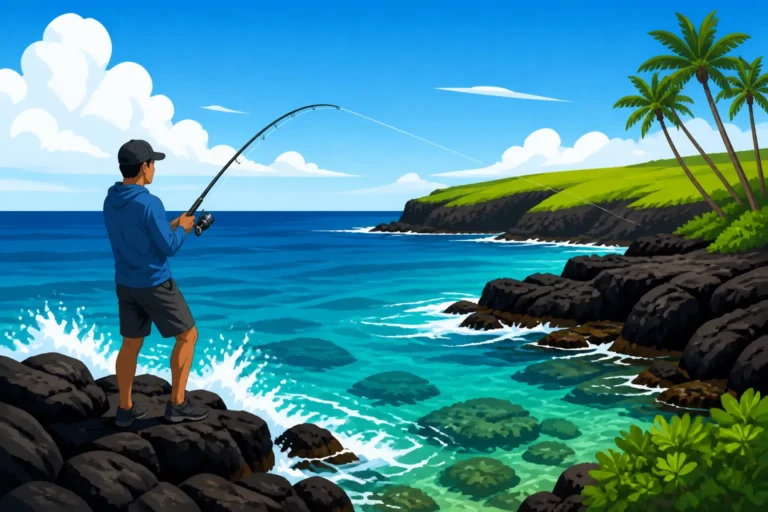
Despite the industrial surroundings, Barbers Point does offer several public shoreline access points that are popular with local anglers. These aren't always pristine sandy beaches; often, they're rocky ledges, jetties, or small stretches of sand nestled between larger facilities. The main challenge here is often parking and finding a clear, safe path to the water. Some areas might require a bit of a walk, or traversing uneven terrain, so come prepared with appropriate footwear and gear that's easy to carry.
One of the most well-known spots is near the publicly accessible beaches that merge into the Barbers Point Beach Park area. While many people go there for surfing or family time, savvy anglers know where to find the fish. Other spots might be less obvious, requiring local knowledge or a bit of exploration to find the best entry points. These are generally areas outside of the commercial port itself and away from the restricted military zones. Always keep an eye out for "No Trespassing" signs or fenced-off areas, as these are strictly enforced. Finding a good spot here often means looking for where the local trucks are parked, a tell-tale sign that there's fishable water nearby.
An Overview of Targeted Species Around Barbers Point
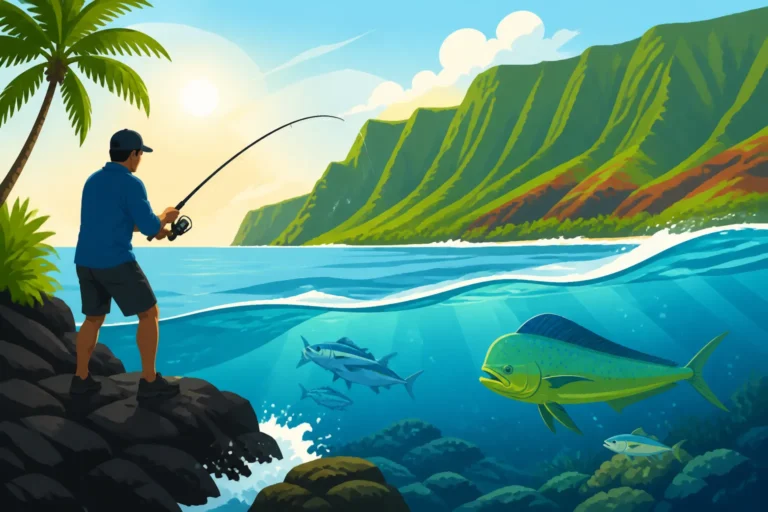
The waters surrounding Barbers Point are surprisingly diverse, offering opportunities for both inshore and nearshore catches. Shoreline anglers often target species like papio (juvenile trevally), ulua (giant trevally), goatfish (kumu, weke), and various reef fish. These areas often hold baitfish, which in turn attract larger predators. Depending on the season and conditions, you might also encounter occasional barracuda, small sharks, or even an opportunistic mahimahi or ono if they venture closer to shore.
For those with small boats or kayaks venturing a bit further out, the opportunities expand to include pelagic species like ahi (yellowfin tuna), skipjack tuna (aku), and even some of the smaller billfish, although these are more commonly found further offshore. The unique underwater topography, including drop-offs and artificial structures related to the harbor, can create localized fishing hot spots. Understanding Hawaii Bag and Size Limits by Species is crucial, as certain fish, like the moi, have strict regulations to protect their populations. Knowing what you're trying to catch helps you select the right gear and increases your chances of a successful and legal harvest.
Key Shoreline Spots and Their Unique Fishing Opportunities
Barbers Point offers a few distinct shoreline fishing zones, each with its own characteristics, target species, and challenges. These aren't just random stretches of sand; they’re places where local knowledge, patience, and the right approach can really pay off.
Barbers Point Beach Park (White Plains)
Ah, White Plains Beach! This is probably the most recognized public access point in the Barbers Point area. While famous for its consistent waves for surfers, the northern and southern ends of the beach, as well as the rocky outcroppings, offer good fishing opportunities. It’s a great spot for the family, with amenities like restrooms and showers, but don't let the casual atmosphere fool you – serious anglers fish here too.
From the sandy stretches, you can often cast for papio, the smaller, more common trevally. Whipping with light tackle and artificial lures is a popular and effective method here. Sometimes, during early morning or late evening, you might hook into a larger ulua if they cruise the surf zone looking for an easy meal. The rocky areas on either side of the main beach can be excellent for bait fishing, targeting goatfish or even catching baitfish like opelu or akule with a throw net. Remember to always be mindful of swimmers and surfers, giving them plenty of space. It’s a shared resource, after all!
Kalaeloa Harbor Breakwater
The breakwater protecting Kalaeloa Harbor is another significant fishing access point, offering deeper water close to shore. This is a very different experience than White Plains, often requiring heavier tackle due to the potential for larger fish and snaggy bottom. Anglers here often target ulua, jacks, and various bottomfish that congregate around the structure.
Access to the breakwater can be a bit tricky and is subject to security regulations, given its proximity to the commercial harbor. Always check for signs and respect any posted restrictions. When you do find a suitable spot, live baiting or sliding baits out on heavy-duty surf rods are common techniques for pursuing a trophy ulua. The currents here can be strong, so heavy sinkers are often necessary to hold your bait in place. Be prepared for a walk with your gear, and always prioritize safety on the often slippery, uneven rocks. This is definitely not a spot for the faint of heart or those unprepared for a challenging fishing environment.
Kahe Point and the Electric Beach Area
Just north of the immediate Barbers Point area lies Kahe Point, famously known as "Electric Beach" due to the warm water discharge from the nearby power plant. This warm water attracts an abundance of marine life, making it a fantastic spot for snorkeling, diving, and yes, fishing. The area typically holds a high concentration of baitfish, which in turn draws in predators.
Shoreline fishing here, particularly around the rocky outcroppings and near the discharge channel, can be very productive. You'll find a wide variety of reef fish, papio, and even some pelagic species that venture close to the warm current. Both bait fishing and lure casting can be effective. However, the popularity of the spot means it can get crowded, especially on weekends. Always be respectful of other ocean users, particularly divers and snorkelers. The rocks can be sharp and slippery, so good water shoes are a must. Also, keep in mind that due to the power plant, there might be specific access restrictions or safety warnings to observe. It's a prime example of how unique environmental factors can create unexpected fishing hotspots.
Boating and Kayak Access Points Near Barbers Point
While shore fishing offers fantastic opportunities, having a boat or kayak can open up a whole new world of fishing possibilities around Barbers Point, allowing you to reach nearshore reefs, FADs (Fish Aggregating Devices), and deeper waters that are inaccessible from land.
Public Boat Ramps and Launch Sites
For those with powerboats, the main public boat ramp in the general vicinity would be the Kalaeloa Barbers Point Harbor boat ramp. This facility offers good access to the ocean, though it can get busy, especially on prime fishing days. It’s essential to be familiar with general Hawaii Boating Laws for Anglers and ensure your vessel is properly registered. Parking for trailers can be limited, so arrive early, particularly on weekends.
From this ramp, you can head directly out to the deeper waters off Barbers Point, known for their productive pelagic fishing. Many sportfishing charters, which you can often find listed on platforms like FishingBooker, also operate out of harbors such as Honokohau Harbor or Maalaea Harbor, but this specific ramp is your local entry point for your own vessel. It's also worth noting that if you're bringing a boat from off-island, you'll need to understand Hawaii Boat Registration Requirements thoroughly. Always check marine forecasts before heading out, as the leeward coast can experience strong winds and swell.
Kayak and Stand-Up Paddleboard Launching
For human-powered vessels like kayaks and stand-up paddleboards (SUPs), launching directly from Barbers Point Beach Park (White Plains) or other smaller sandy coves can be feasible, provided the surf conditions are calm enough. This offers a fantastic way to explore the immediate nearshore reefs and drop-offs. Kayak fishing has gained immense popularity in Hawaii, allowing anglers to quietly access areas without the noise and expense of a powerboat.
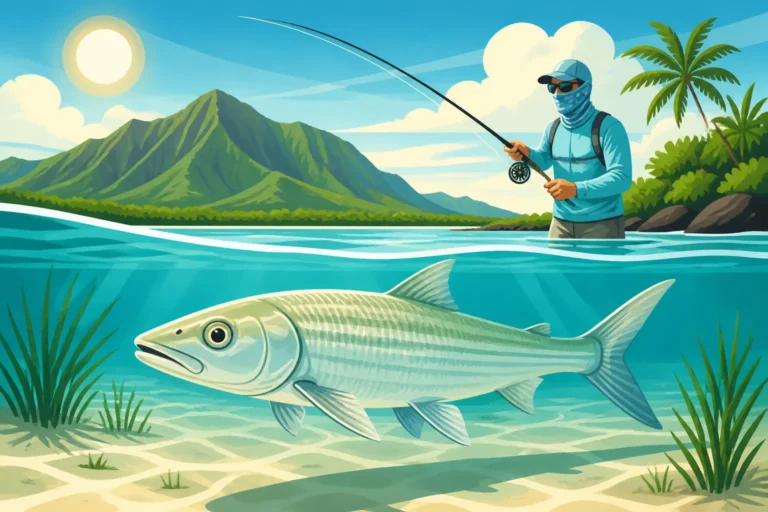
From a kayak or SUP, you can target papio, small jacks, and various reef fish closer to shore using light tackle or even fly fishing gear. Venturing a bit further out allows you to troll small lures for mahimahi, ono, or small ahi, especially if you get closer to the FADs (Fish Aggregating Devices) that are typically deployed a few miles offshore. Safety is paramount: always wear a life jacket, carry a whistle, a dive flag, and tell someone your float plan. The ocean here can be unpredictable, and strong currents can quickly carry you away if you’re not careful. Consider taking a guided trip or going with an experienced friend if you're new to kayak fishing in these waters.
Exploring Nearshore Reefs and FADs
Once offshore from Barbers Point, whether by powerboat or kayak, the real deep-sea adventures begin. The nearshore reefs offer excellent bottomfishing opportunities for species like opakapaka, onaga, and various trevallies. These require precise navigation and understanding of underwater topography. Many anglers use fish finders to locate submerged structures, ledges, and channels where these bottom-dwelling fish congregate.
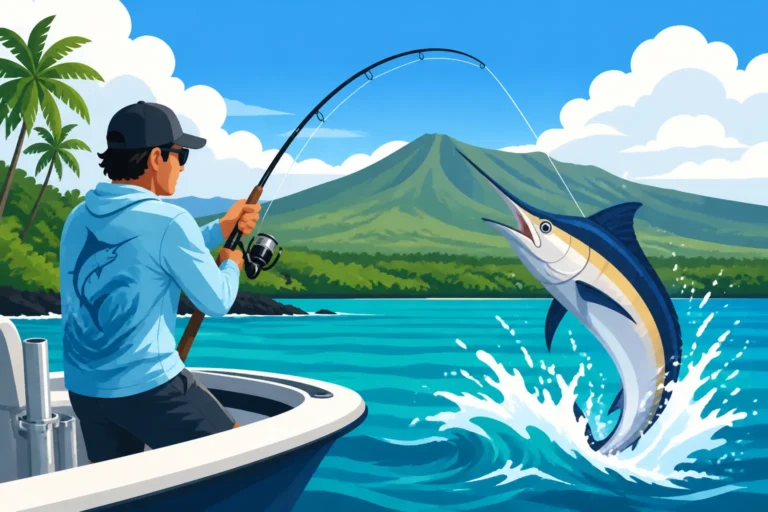
Further offshore, the FADs are literally floating magnets for pelagic fish. These buoys are strategically placed by the state to attract baitfish, which in turn attract larger predators like ahi, mahimahi, ono, and marlin. Trolling around these FADs with lures or live bait is a highly effective technique. It’s important to know your Hawaii Pelagic Species Bag Limits as these species are heavily regulated to ensure sustainability. If you're considering chartering a boat to experience this, a platform like FishingBooker can help you find experienced captains specializing in FAD fishing out of nearby harbors. Remember, these FADs are often several miles offshore, so reliable navigation and communication equipment are essential.
Essential Gear, Techniques, and What You'll Likely Catch
To make the most of your fishing adventure around Barbers Point, having the right gear and understanding effective techniques for the local conditions is crucial. This isn't just about throwing a line in the water; it's about being prepared for what Hawaii's unique marine environment offers.
Recommended Gear and Bait for Barbers Point
For shoreline fishing around Barbers Point, versatility is key. You'll want a medium-heavy spinning rod (7-9 feet) paired with a reel spooled with 20-40 lb braided line for general casting. A fluorocarbon leader of 30-50 lb test is recommended to resist abrasion from rocks and fish teeth. For heavier ulua fishing from breakwaters, a heavy-duty surf rod (10-14 feet) with a large conventional or spinning reel spooled with 50-80 lb braid and a heavy mono or fluorocarbon leader (80-150 lb) is necessary.
When it comes to bait, fresh is always best. Live bait like opelu, akule, or halalu (juvenile scad) are highly effective for larger predators. You can catch these yourself with a sabiki rig or cast net in calmer bays. For cut bait, squid, octopus, or fresh fish chunks work well for bottom fish and smaller trevally. Artificial lures are also very effective, especially for papio and smaller jacks. Popular choices include Kastmasters, Rattle Traps, poppers, and various soft plastics. When choosing your gear, think about the specific spot. If you're on the rocky breakwater, you'll need heavier leaders and stronger hooks to prevent break-offs and straighten out a bent hook.
Effective Shore Fishing Techniques
The primary shore fishing techniques around Barbers Point are whipping, slide baiting, and bottom fishing.
- Whipping: This involves casting and retrieving artificial lures or small baits with light to medium tackle. It's excellent for covering a lot of water and targeting active fish like papio that are cruising the shallows or ambushing baitfish. Vary your retrieve speed and technique until you find what the fish are reacting to. Often, a fast, erratic retrieve can trigger a strike. It's an active and exciting way to fish the surf and rocky edges. For more specific tactics, check out Shore Fishing Techniques for Hawaii.
- Slide Baiting: This technique is often used for targeting larger ulua from elevated positions like jetties or rocky ledges. A heavy lead is cast out, then a live or large cut bait is clipped onto the main line and allowed to "slide" down to the water, where it's kept alive and presented naturally. This method requires specialized slide baiting rigs and robust tackle. Learning How to Catch Ulua from Shore involves mastering this patient, heavy-duty approach.
- Bottom Fishing: This involves sending a weighted bait rig to the ocean floor. It's effective for catching goatfish, snappers, and other reef dwellers. You can use multiple hooks with various baits to see what's biting. From the shore, finding productive bottom fishing spots often means casting near rocky structures, ledges, or areas with sudden depth changes. This is a more patient technique, often best in calmer conditions.
Common Catches and Seasonal Considerations
The beauty of fishing Barbers Point is the variety of species you might encounter throughout the year.
- Papio and Ulua: These trevally species are year-round residents. Papio are caught regularly with light tackle, while trophy ulua are more challenging and sought after, especially during new and full moon phases, and often at night. For the smaller papio, learning How to Catch Papio on Hawaii's Shoreline will definitely boost your success rate.
- Goatfish (Kumu, Weke): These delicious bottom-dwellers are also caught throughout the year, especially with bait on the reef flats and sandy bottoms near structure.
- Reef Fish: A variety of smaller reef fish like triggerfish, wrasses, and small snappers can be caught with small hooks and baits. Always be mindful of minimum size limits and protected species.
- Pelagic Species (seasonal for nearshore): While primarily offshore targets, strong currents and bait schools can occasionally bring mahimahi, ono, and small ahi within reach of skilled kayak anglers or even long casters from shore, particularly during warmer months (spring and summer).
- Akule and Opelu: These baitfish school up seasonally and are highly sought after by local anglers for food and live bait. Understanding Hawaii Akule Net Fishing Rules can be useful if you plan to target them for bait.
Seasonally, the warmer months generally see more activity from pelagic species, while cooler, calmer periods can be excellent for bottom fishing. Always check local fishing reports and talk to other anglers to get the most up-to-date information on what's biting.
Essential Safety Measures and Local Etiquette for Barbers Point Anglers
Fishing around Barbers Point, like any coastal area in Hawaii, requires more than just knowing where to cast your line; it demands respect for the ocean, the land, and fellow fishermen. Safety and etiquette are paramount to ensuring a positive experience for everyone.
Navigating Hazardous Conditions and Marine Life
The ocean can be unforgiving, and Barbers Point has its share of potential hazards. First and foremost, always be aware of the surf and swell conditions. Large waves can unexpectedly wash over rocky ledges, pulling you into the water. Never turn your back on the ocean. If you're fishing from rocks, wear appropriate footwear with good grip to prevent slips. The lava rock itself can be incredibly sharp, so watch your footing and protect your hands.
Currents around Barbers Point, especially near the harbor entrance or Kahe Point, can be very strong. If you're on a kayak or SUP, always wear a life jacket and have a paddle leash. Rip currents can form, so know how to identify them and how to escape if caught. Marine life can also pose risks. While shark attacks are rare, they do occur. Avoid fishing near known monk seal or turtle resting areas, and definitely do not feed them. Always be mindful of your surroundings, especially if you have a fish on the line that might attract larger predators.
Respecting Private Property and Local Access
Barbers Point is a mix of public, private, industrial, and sometimes military land. Respecting "No Trespassing" signs is not just polite, it's the law. Violating these signs can lead to fines, equipment confiscation, or even arrest. Do your homework before you go to confirm public access points. Local knowledge is invaluable here; if you see locals avoiding a certain area, there's usually a good reason.
Parking can be another challenge. Always park in designated areas and avoid blocking access roads or residential driveways. Some access points might require a bit of a walk, so be prepared to carry your gear. If you’re unsure about an access point, err on the side of caution and find another spot. Remember that the military installation has strict no-entry rules, so do not venture onto federal property under any circumstances.
Leave No Trace: Aloha Aina Principles
The concept of "Aloha Aina," or love of the land, is deeply ingrained in Hawaiian culture, and it extends to fishing. This means leaving your fishing spot cleaner than you found it. Pack out all your trash, including fishing line, bait containers, and any other waste. Monofilament line, especially, can be incredibly damaging to marine life. Dispose of it properly.
If you clean your catch on site, make sure to dispose of fish guts responsibly, away from high-traffic areas or where they might wash up on shore. Consider the impact of your actions on the environment and other users. Keeping our fishing spots pristine ensures that future generations can enjoy them just as much as we do today. This principle also applies to the fish you catch: only take what you need, adhere to all size and bag limits, and consider practicing catch and release for species you don't intend to eat or those that are not good table fare.
Barbers Point Fishing Access Summary Table
To help you quickly reference some key information for fishing around Barbers Point, here's a handy table summarizing popular spots, typical target species, and recommended approaches:
| Fishing Spot | Primary Access Type | Target Species (Common) | Recommended Techniques | Key Considerations |
|---|---|---|---|---|
| Barbers Point Beach Park (White Plains) | Shoreline, Kayak | Papio, Goatfish, Small Jacks, Surf Fish | Whipping, Bait Fishing | Family-friendly, shared with surfers, easy access |
| Kalaeloa Harbor Breakwater | Shoreline | Ulua, Jacks, Bottomfish | Slide Baiting, Heavy Bait Fishing | Security zones, strong currents, challenging terrain |
| Kahe Point (Electric Beach) | Shoreline, Kayak | Papio, Reef Fish, Occasional Pelagics | Whipping, Bait Fishing | Warm water attracts fish, often crowded, sharp rocks |
| Kalaeloa Barbers Point Harbor (Ramp) | Powerboat, Kayak | Pelagics (offshore), Bottomfish (reefs) | Trolling, Jigging, Live Baiting | Main public boat launch, busy, consider a Hawaii Boat Registration Requirements |
Remember, this table provides a general overview. Conditions and fish behavior are always changing, so stay flexible and adapt your approach! For specific details on where to launch a boat or book a guided trip, resources like FishingBooker can offer detailed listings and reviews to help you plan your next adventure. Many experienced captains offer trips for a variety of species, and sometimes it's best to learn from a pro.
Disclaimer
The information provided in this guide is for general informational purposes only and is subject to change. Fishing regulations, access rules, and marine conditions can vary. Always check with the Hawaii Department of Land and Natural Resources (DLNR) Division of Aquatic Resources (DAR) for the most current regulations and advisories before fishing. Exercise caution and good judgment when engaging in any outdoor activity.