Best fishing spots on Lanai
Lanai, often called the "Pineapple Isle" or "Private Isle," holds a special allure for anglers. However, many visitors or even newcomers to the island often face the challenge of finding truly productive and accessible fishing spots, given that much of Lanai is privately owned. This guide aims to cut through that confusion, providing you with detailed insights into the best fishing spots on Lanai, both from the shoreline and out in the deep blue, so you can make the most of your angling adventure.
Understanding Lanai's Unique Fishing Landscape
Lanai might be Hawaii's smallest publicly accessible inhabited island, but don't let its size fool you when it comes to fishing. Its waters are teeming with diverse marine life, thanks to its relatively untouched coastline and healthy reef systems. What makes Lanai unique, however, is the balance between its pristine nature and the challenges of access. While much of the island is privately held by Pulama Lanai, they've done an admirable job in maintaining the natural beauty, which indirectly benefits the fishing. But it does mean you can't just drive anywhere.
The "Forbidden Isle" Allure and Access Challenges
For years, Lanai carried the mystique of being the "Forbidden Isle," largely due to its past as a massive pineapple plantation and limited tourism. Today, while you can visit, accessing many of its hidden gems still requires a 4×4 vehicle and a good sense of adventure. This limited accessibility is a double-edged sword for anglers. On one hand, it means less fishing pressure on many spots, preserving their bounty. On the other, it means you can't just pull up a car to every promising shoreline.
Many of the most productive shore fishing spots are along rugged coastlines, requiring significant effort to reach. You might find yourself driving for an hour down a bumpy dirt road to get to a pristine beach. Always be mindful of private property signs and local customs. Showing respect for the 'aina (land) and the local community goes a long way. This pristine environment, with its vibrant coral reefs and dramatic lava rock formations, creates ideal habitats for a wide variety of fish, from small, colorful reef dwellers to powerful pelagics cruising just offshore.
Common Fish Species Targeted Around Lanai
Lanai's waters offer a fantastic array of species, catering to both shore-based anglers and those heading offshore. Nearshore, you're likely to encounter many of Hawaii's prized reef and inshore fighters.
- Papio: These are juvenile trevally (ulua) and are abundant along Lanai's reefs and sandy flats. They're aggressive fighters, making them a favorite target for whipping with light tackle. You'll find them hitting small spoons, plastics, and bait. To learn more about targeting these feisty fish, check out our guide on How to Catch Papio on Hawaii's Shoreline.
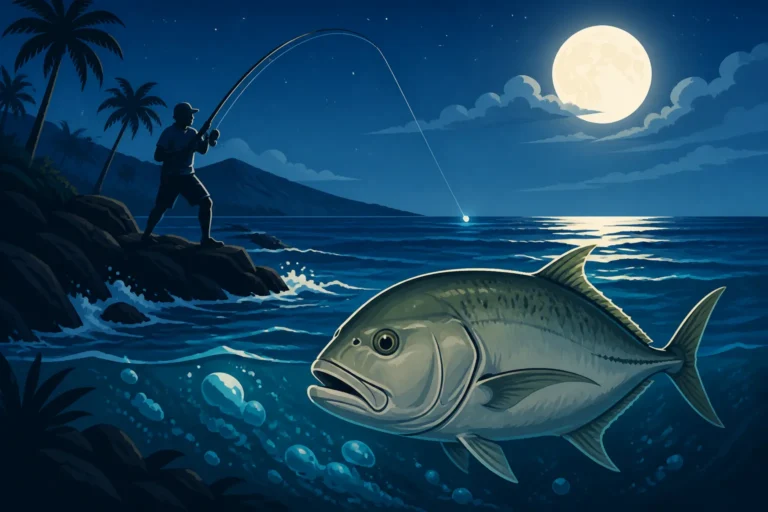
- Ulua (Giant Trevally): The "king of the reef," ulua are larger, powerful versions of papio. Catching one from shore is a true Hawaii fishing accomplishment. They stalk deeper channels, rocky points, and surf zones, especially at night. For the ultimate challenge, explore our tips on How to Catch Ulua from Shore.
- Moi (Pacific Threadfin): Revered for its delicate flavor, moi are found in sandy-bottomed areas near reef fringes. They can be finicky eaters but are a prized catch. Remember to be aware of the Hawaii Moi Closed Season, Explained to ensure sustainable fishing.
- Uhu (Parrotfish): While not typically targeted by rod and reel due to their herbivorous diet, uhu are abundant on the reefs and are an important part of the ecosystem. They are often caught by spearfishers, but careful observance of regulations is crucial.
- Nearshore Reef Fish: Other common catches include wrasse (hinalea), goatfish (kumu, weke), triggerfish (humuhumu), and various snapper species (toau, ehu). Many of these make excellent table fare.
When you venture further offshore, the game changes dramatically, as Lanai sits on the edge of very deep waters, attracting large pelagic species.
- Mahimahi (Dorado): Known for their acrobatic fights and vibrant colors, mahimahi are common around floating debris and FADs. They are seasonal, but when they're around, the action can be furious. Find out more in our Mahimahi Fishing in Hawaii guide.
- Ono (Wahoo): These speedsters are highly sought after for their blistering runs and delicious meat. Trolling around current lines and structure offshore is the best bet. Our Ono (Wahoo) Fishing in Hawaii article has more details.
- Ahi (Yellowfin Tuna): A top-tier game fish, ahi can be found in deeper waters, often congregating around FADs and schools of baitfish. They offer incredible fights and are prized for sashimi. Learn how to target them in Ahi (Yellowfin Tuna) Fishing in Hawaii.
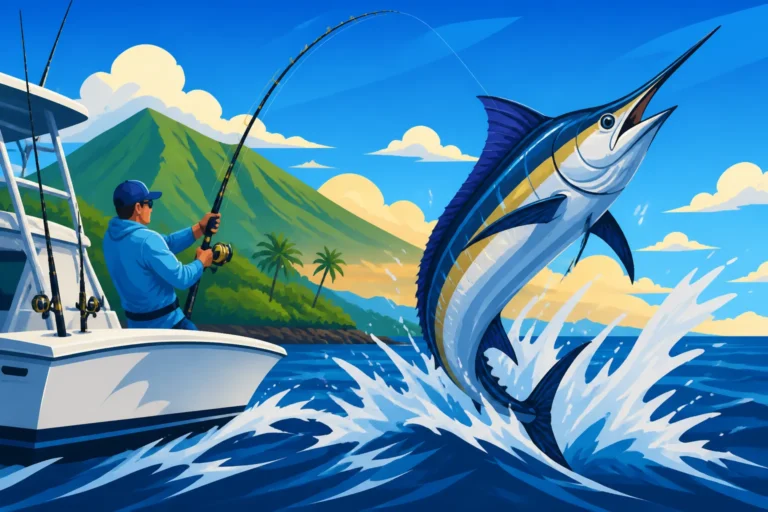
- Marlin: Blue marlin, striped marlin, and shortbill spearfish cruise the waters off Lanai. While Kona is famous for marlin, Lanai's deep drop-offs also hold grander potential.
Prime Shore Fishing Spots on Lanai
Shore fishing on Lanai is an experience unlike any other. It requires commitment, patience, and a willingness to explore, often venturing off the beaten path. The rewards, however, can be immense – pristine surroundings, challenging fights, and often, solitude.
Hulopoe Bay and Manele Bay
Located on the island's south side, these two bays are perhaps the most accessible and well-known spots on Lanai. They are generally calm and offer stunning views, but come with strict regulations you absolutely need to respect.
- Hulopoe Bay: This crescent-shaped white sand beach is incredibly beautiful and popular for swimming and snorkeling. However, it's designated as a Marine Life Conservation District (MLCD). This means all fishing, spearfishing, and even gathering of marine life is strictly prohibited. While you can't fish in the bay itself, the rocky points adjacent to the MLCD boundaries can sometimes offer opportunities for papio or small reef fish, but you must be incredibly diligent about knowing and staying outside the MLCD lines. Always consult the latest Hawaii Division of Aquatic Resources (DAR) maps and regulations. It's often easier to simply enjoy the bay for its natural beauty and move on to other spots if fishing is your primary goal.
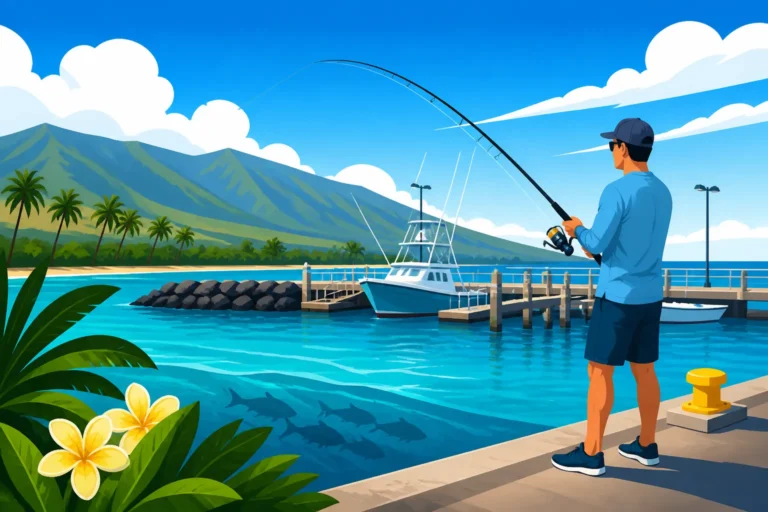
- Manele Bay Harbor: Right next to Hulopoe, Manele Bay is where the ferry from Maui docks and is home to the island's main harbor. Fishing within the harbor can be surprisingly productive, especially from the breakwall or designated public access areas. Here, you might find papio, small jacks, goatfish, and sometimes even larger ulua cruising through. Whipping with small spoons or plastics, or baitcasting with limu (seaweed) or small pieces of cut bait, can yield results. Early mornings and late evenings are typically the best times. Be courteous to boaters and other harbor users, and always clean up your fishing area. Parking is available, making it a convenient spot.
Polihua Beach and Shipwreck Beach (Kaiolohia)
Venture to the remote north and northwest coasts of Lanai, and you'll find long, windswept beaches that offer a wilder, more challenging fishing experience. These areas typically require a 4×4 vehicle to access, as the roads are unpaved and can be rough.
- Polihua Beach: Located on the northwest coast, Polihua is a stunning, long stretch of white sand known for its powerful currents and strong winds. It's often too rough for swimming, but these conditions can be excellent for ulua fishing. Anglers here often employ heavy tackle and slide-baiting techniques, casting out large baits (like whole fish or squid) to target the giant trevally that patrol the turbulent surf zone. Papio also cruise closer to shore, hitting larger spoons or poppers. The sheer remoteness and rugged beauty make this a truly adventurous fishing spot. Be prepared for sun, wind, and potentially no other people for miles.
- Shipwreck Beach (Kaiolohia): On the north shore, this beach is famously littered with old shipwrecks, giving it a unique, eerie charm. The reef here is extensive, creating numerous channels and drop-offs that are prime habitat for papio and ulua. Like Polihua, it requires a 4×4 to reach the best spots. Shore casting with medium to heavy tackle, using both artificial lures (like poppers or metal jigs) and natural baits, can be effective. The calmer waters closer to the reef can also hold moi, though they can be elusive. The historical backdrop adds another layer of intrigue to your fishing expedition.
Kaunolu Village Site
For those seeking a combination of history and great fishing, the Kaunolu Village Site on the south-central coast is a must-visit. This ancient Hawaiian fishing village, once a favorite retreat of King Kamehameha I, offers dramatic cliffside fishing.
- Cliff Fishing at Kaunolu: The area around Kaunolu is characterized by towering sea cliffs and rocky ledges that plunge into deep, clear waters. This makes it an ideal spot for targeting ulua and other larger jacks that patrol the deeper inshore areas. Heavy baitcasting rigs are commonly used, dropping baits down the cliff faces or casting out into the deeper channels. The access road can be very rough and is definitely 4×4 territory. The views are spectacular, but safety is paramount when fishing from the cliffs. Always maintain a safe distance from the edge, especially during high surf or windy conditions. Besides ulua, you might also hook into snapper or barracuda here. Take time to explore the archaeological remains, but always respect the sacred nature of the site.
Offshore Opportunities and Charter Fishing
While Lanai offers fantastic shore fishing, its true potential often lies offshore. The island's deep surrounding waters, combined with its relatively untamed coastline, create a prime environment for pelagic species.
Exploring Lanai's FADs and Deep Drop-offs
Just a short boat ride from Manele Harbor, the ocean floor drops dramatically, leading to nutrient-rich currents that attract a vibrant food chain. This deep water, along with strategically placed FADs (Fish Aggregating Devices), makes Lanai a hot spot for offshore angling.
- The FADs: Scattered around Lanai are a series of FADs, which are essentially large buoys anchored in deep water. These FADs act as magnets for baitfish, which in turn attract larger predatory species like mahimahi, ono, and various tuna species, including shibi (small yellowfin) and larger ahi. Trolling lures around these FADs is a highly effective method. Often, you'll find schools of fish holding several hundred feet down beneath them, making jigging a productive technique as well. It's not uncommon to encounter multiple species around a single FAD.
- Deep Drop-offs and Ledges: The bathymetry around Lanai is incredibly diverse, featuring ledges, seamounts, and sheer drop-offs that extend thousands of feet deep. These structures provide habitat for deep-water bottomfish like opakapaka (pink snapper), onaga (ruby snapper), ehu (red snapper), and hapu'upu'u (grouper). Targeting these species requires specialized gear, including electric reels and heavy lead weights to get your bait down to depths of 300 to 1,000 feet or more. Local knowledge of these specific structures is crucial for success, as they can be difficult to locate without proper sonar and GPS.
The Value of a Local Fishing Charter
For many, the best way to experience Lanai's incredible offshore fishing is by booking a local charter. While there aren't many charters based directly on Lanai, many reputable boats from Maui or even Oahu offer trips to Lanai's waters. These charters provide several invaluable advantages:
- Local Expertise: Charter captains know the waters intimately. They track fish movements, understand current patterns, and know exactly where to find the FADs, ledges, and bait schools that hold fish. They also understand the nuances of the Best Time of Year to Fish in Hawaii around Lanai.
- Specialized Gear: Offshore fishing, especially for large pelagics or deep-water bottomfish, requires heavy-duty rods, reels, and tackle that most recreational anglers don't own. Charters provide all the necessary gear, often top-of-the-line equipment.
- Safety and Convenience: Fishing far offshore comes with inherent risks. A professional charter provides a safe, comfortable boat, experienced crew, and all necessary safety equipment. You simply show up and fish, without worrying about navigation, boat maintenance, or bait.
- Access to Prime Spots: Charters can take you to the most productive spots efficiently, whether it's a specific FAD, a known marlin ground, or a hidden bottomfish ledge.
If you're considering a charter, platforms like FishingBooker can be an excellent resource for finding and comparing reputable charters that fish the waters around Lanai. They list various options, from shared trips to private excursions, allowing you to choose one that fits your budget and fishing goals. When selecting a charter, don't hesitate to ask about their experience fishing Lanai's specific areas, what species they typically target, and their catch policy (catch-and-release vs. keeping fish). For more insights, check out our comprehensive guide on How to Choose a Hawaii Fishing Charter.
Here's a quick comparison of fishing approaches on Lanai:
| Fishing Style | Target Species (Examples) | Typical Techniques | Accessibility | Recommended Gear |
|---|---|---|---|---|
| Shore | Papio, Ulua, Moi, various reef fish | Whipping, Baitcasting, Slide-baiting | Limited; 4×4 often required for best spots | Medium-heavy spinning/conventional |
| Offshore | Ahi, Marlin, Mahimahi, Ono, Opakapaka | Trolling, Jigging, Deep Dropping | Boat access only; often via charter | Heavy conventional, electric reels |
Essential Tips for Fishing Lanai
No matter where you cast your line on Lanai, a little preparation and respect for the island will go a long way in ensuring a successful and enjoyable trip.
Navigating Regulations and Permits
Fishing in Hawaii comes with a set of rules and regulations designed to protect marine resources and ensure sustainable fishing for future generations. Lanai is no exception, and in some areas, the rules can be even more specific.
- Marine Fishing Licenses: For ocean fishing in Hawaii, residents generally do not need a license. However, if you are a nonresident, you do need a license for marine fishing. It's crucial to understand these distinctions. You can find detailed information in our guides on Do You Need a Fishing License in Hawaii and Hawaii Nonresident Marine Fishing License, Explained. Always purchase your license before heading out if required.
- Freshwater Fishing: While Lanai doesn't have significant public freshwater fishing opportunities, if you ever plan to fish freshwater on other islands, you'll definitely need a license. Our Hawaii Fishing License Guide for 2026 provides a comprehensive overview.
- Bag and Size Limits: Pay close attention to bag and size limits for specific species. These are implemented to prevent overfishing and protect juvenile fish or breeding stocks. For instance, species like moi have strict size limits.
- Protected Areas: As mentioned with Hulopoe Bay, Marine Life Conservation Districts (MLCDs) have very strict rules, often prohibiting all fishing. There may also be other restricted areas around the island. Always consult the latest rules from the Hawaii Division of Aquatic Resources (DAR). Ignorance of the law is not an excuse, and penalties for violations can be steep. It’s always best to download or print a copy of the current regulations before your trip.
Gear, Bait, and Safety Considerations
Having the right gear and prioritizing safety are critical for a successful Lanai fishing trip, especially given the remote nature of many spots.
- Shore Fishing Gear: For papio and smaller reef fish, a medium-action spinning rod (7-9 feet) paired with a 3000-4000 series reel spooled with 15-20 lb braid and a fluorocarbon leader (20-30 lb) is versatile. For ulua, you'll need heavy-duty conventional gear – a sturdy rod (10-14 feet) with a large conventional reel (like a Penn Senator or Shimano Tyrnos 20-30) spooled with 50-80 lb mono or braid, and a heavy leader (100+ lb). Bring a variety of lures (spoons, poppers, soft plastics) and bait (squid, 'opelu, cut fish).
- Offshore Gear: If you're chartering, all necessary gear will be provided. If you're on a private boat, ensure you have appropriate trolling setups for pelagics and deep-dropping gear for bottomfish.
- Bait: Live bait, such as opelu or akule, is often the most effective for larger predatory fish, both inshore and offshore. Frozen squid and various cut fish baits are also popular. There are limited bait-buying options on Lanai, so it's wise to bring what you need or source it on Maui before ferrying over.
- Safety First:
- Shore Fishing: Always fish with a buddy, especially in remote areas or from cliffs. Wear appropriate footwear with good grip. Be aware of rogue waves and slippery rocks. Let someone know where you're going and when you expect to return. Bring plenty of water, sunscreen, and a first-aid kit. Cell service can be spotty in isolated locations.
- Offshore Fishing: If on a private boat, ensure all safety equipment (life jackets, flares, VHF radio) is onboard and functional. Monitor weather conditions closely – conditions can change rapidly offshore. If seasickness is a concern, take preventative measures before heading out. FishingBooker charter operators are required to meet stringent safety standards.
Respecting the Aina and Local Customs
Lanai is a special place, and its natural beauty and local culture should be treated with the utmost respect.
- Leave No Trace: Pack out everything you pack in, and then some. This includes all your trash, fishing line, and any discarded bait. Let's keep Lanai's pristine beaches and waters clean for everyone.
- Fish Responsibly: Practice catch and release for species you don't intend to eat or that are undersized. If you keep fish, only take what you need and will consume. Avoid leaving dead fish on the rocks or beaches.
- Cultural Sensitivity: Many areas on Lanai hold deep cultural significance, like the Kaunolu Village Site. Be respectful of these historical and sacred places. Avoid disturbing ancient structures or artifacts.
- Private Property: A significant portion of Lanai is private land. Always obey "No Trespassing" signs and stick to public access routes. Gaining permission from landowners is essential if you wish to cross private property to reach a fishing spot.
By adhering to these guidelines, you'll not only enhance your own fishing experience but also contribute to the preservation of Lanai's unique environment and culture, ensuring its bounty can be enjoyed by generations to come.
Disclaimer
Please note that fishing regulations and conditions in Hawaii can change. Always consult the most current Hawaii Division of Aquatic Resources (DAR) rules and local advisories before heading out to fish. Information provided in this guide is for general informational purposes only and should not be considered legal advice.