Best harbor fishing spots on Oahu
Trying to find a fantastic fishing spot on Oahu that's easily accessible but still teeming with fish can feel like a real treasure hunt. You don't want to spend your precious time driving around, only to find overcrowded beaches or "secret spots" that aren't so secret anymore. This comprehensive guide is here to help you navigate the bustling coastline and pinpoint the very best harbor fishing spots across Oahu, ensuring you spend more time reeling in catches and less time searching.
Fishing the Bustling Waters of Kewalo Basin
Kewalo Basin, nestled between Ala Moana Beach Park and Kakaʻako Waterfront Park in Honolulu, is much more than just a departure point for commercial and charter boats. It's a vibrant hub where local anglers find consistent action right from the shoreline. The deep channels and jetties here offer a unique fishing environment, blending urban convenience with surprisingly productive waters. While the focus is often on the boats heading out for big game, the edges of the basin and its surrounding structures hold a diverse array of fish for shore-based enthusiasts.
Pier and Jetty Action
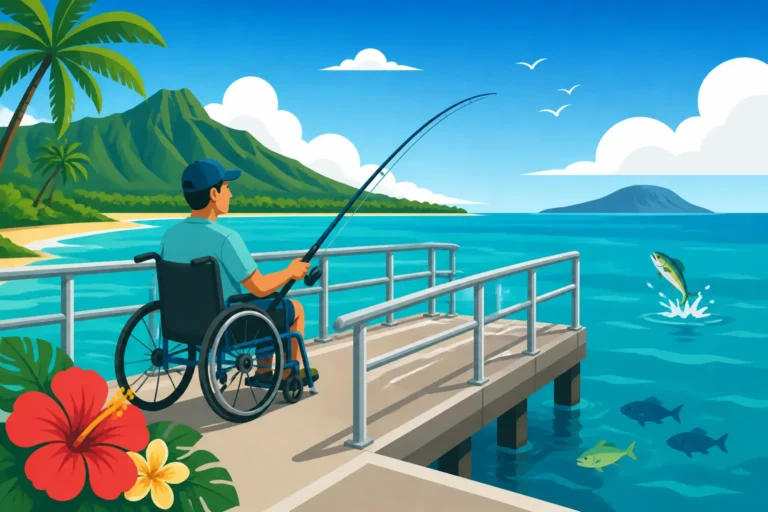
The primary fishing draw at Kewalo Basin for shore anglers is the series of concrete piers and the iconic Ala Moana Park seawall and rock jetties that flank the basin's entrance. These structures provide excellent vantage points and immediate access to deeper water without needing a boat. Anglers commonly cast from the seawall or the edges of the public access areas, targeting species that cruise the channels or hide among the rocks. It’s a prime spot for whipping with light tackle, casting small jigs, or even using live bait for more substantial catches. You'll often see locals using Sabiki rigs to catch baitfish like akule or opelu right off the pier, which can then be used to target bigger predators. Just be mindful of boat traffic, as this is a very active harbor.
Beyond the immediate basin, the jetties extending into the ocean offer a different kind of challenge. These rocky outcroppings provide deeper water access and current breaks, attracting larger predators. However, they can be incredibly slippery, especially at high tide or after rain, so proper footwear and caution are paramount. Fishing these jetties often involves heavier tackle to battle strong currents and the potential for a powerful ulua (Giant Trevally) or papio (juvenile Giant Trevally). Always check the local regulations for specific areas, as some parts might have restricted access or special rules. If you're wondering about the specifics of what you can keep, a quick look at the Hawaii Bag and Size Limits by Species is always a good idea.
Targeting Pelagics and Reef Dwellers
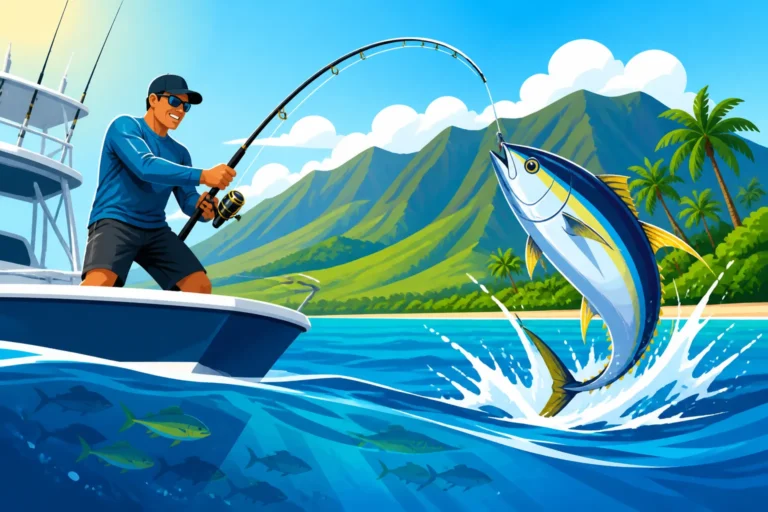
While Kewalo Basin is primarily known for its boat launches and charters, its proximity to deep ocean water means that surprisingly large pelagic species can sometimes venture close to the harbor entrance, especially when baitfish are schooling. During certain times of the year, you might even see anglers hooking into small aku (Skipjack Tuna) or mahimahi that follow bait schools into the calmer waters near the mouth of the basin. However, the more consistent targets for shore anglers are reef dwellers and schooling fish. You'll find a healthy population of papio, various types of perch, goatfish (kumu and weke), and even some small snapper or grouper hiding in the rocky bottom near the jetties.
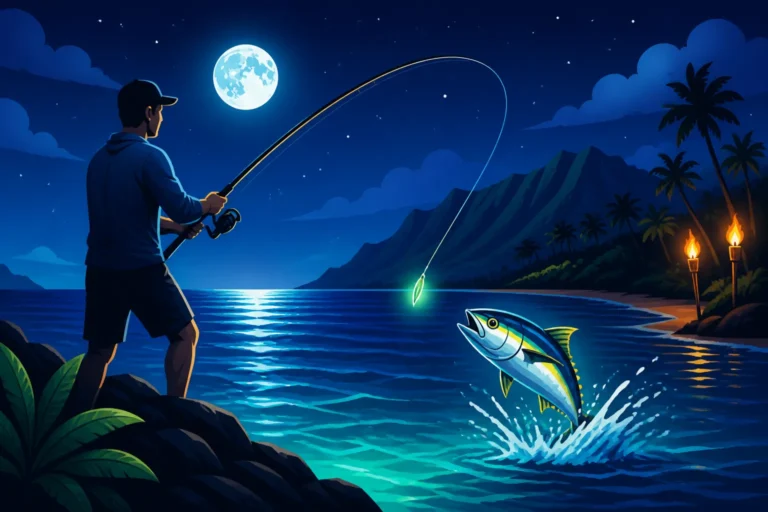
For those targeting papio, whipping with Kastmasters, spoons, or small poppers can be incredibly effective, especially during dawn or dusk. These aggressive feeders often ambush baitfish around structure. Anglers looking for a bigger challenge might try sliding bait rigs from the jetties, using live bait like the aforementioned akule or opelu to attract ulua. Remember, fishing at night can often yield larger catches, as many predatory fish become more active under the cover of darkness. If you're planning a nighttime excursion, check out the Best Night Fishing Spots in Hawaii for more general tips. No matter your target, ensure you understand the necessary permits and rules; for example, if you're a Hawaii resident, you might be surprised to learn about the Hawaii Resident Ocean Fishing License Exemption for certain types of fishing.
Honolulu Harbor's Diverse Fishing Opportunities
Honolulu Harbor is the commercial heart of Oahu, a bustling nexus of cargo ships, cruise liners, and interisland ferries. While the immediate port areas are heavily restricted for safety and security, the broader Honolulu Harbor region, particularly the adjacent Sand Island State Recreation Area, offers some fantastic and accessible fishing opportunities. This area provides a fascinating contrast, where urban infrastructure meets productive natural habitats, making it a favorite for many local anglers seeking both solitude and consistent bites.
Sand Island State Recreation Area Shoreline
Sand Island State Recreation Area is undoubtedly the gem of Honolulu Harbor for shore-based anglers. This unique park, once a dredge spoil island, now offers miles of accessible shoreline, a calm lagoon, and rocky points that jut into the main channel. It's a fantastic place for family fishing, offering plenty of space and relatively calm waters within the bay. Anglers here can choose from a variety of setups, from simple bait-and-wait methods with dead shrimp or squid on the bottom to more active casting for predatory fish. The long, sandy stretches are perfect for throwing out a line, and the occasional rocky outcropping provides structure for different species.
The lagoon area within Sand Island is particularly good for smaller reef fish and various perch species, making it an excellent spot for kids or beginners. Further out, towards the harbor entrance and the channel, the fishing gets more serious. Here, the deeper waters and stronger currents attract larger fish. You'll frequently find papio and even ulua cruising these channels, especially during strong tidal movements. It’s also a common spot to see anglers casting nets for baitfish like akule and opelu to use in their main fishing endeavors. If you're keen on trying to catch these schooling fish, understanding Hawaii akule net fishing rules is crucial to ensure you're fishing legally and sustainably.
Channel and Harbor Mouth Tactics
Fishing the main channel and the harbor mouth at Sand Island requires a bit more strategic thinking, but it can be incredibly rewarding. The constant flow of water in and out of the harbor brings nutrients and baitfish, attracting a variety of predators. This is where you might employ heavier tackle, particularly if you're targeting larger ulua or even small sharks (though shark fishing is often catch and release). Sliding bait rigs with live bait are popular here, allowing your bait to drift naturally with the current, mimicking an injured fish. The breakwaters and rock walls that line the channel also provide excellent ambush points for fish.
Beyond the main channel, anglers often explore the outer edges of Sand Island where it meets the open ocean. These areas can be more exposed to swell, but they also offer a chance at bigger fish that patrol the coastal waters. Patience is key here, as you might wait a while for a bite, but the reward could be a trophy ulua or a sizable moi. Before heading out, it’s always wise to refresh your knowledge on Hawaii Fishing Regulations Explained to be sure you're in compliance with current laws, including specific areas that might be protected. For a comprehensive overview of local spots and conditions, many anglers find resources like FishingBooker helpful for scouting potential guides or charters that know these precise waters.
Kaneohe Bay's Unique Estuarine Fishing
Kaneohe Bay, located on Oahu's Windward Coast, is distinct from the bustling commercial harbors of Honolulu and Kewalo. It's the largest sheltered bay in the Hawaiian Islands, characterized by extensive coral reefs, sand flats, and numerous small islands. While not a "harbor" in the traditional sense of a commercial port, it features several boat launches, community piers, and accessible shorelines that offer incredible fishing opportunities, particularly for those who enjoy calmer, more intricate estuarine environments. This bay is a world unto itself, providing a different flavor of fishing compared to the deep ocean access of other Oahu spots.
Bridge and Causeway Access Points
Kaneohe Bay offers several key access points that double as fantastic fishing spots, notably the bridges and causeways that span parts of the bay. The Kāneʻohe Bay Drive Bridge and the Mokapu Boulevard Causeway are popular choices. These structures allow anglers to cast into deeper channels and over reef edges without needing a boat. The currents flowing under these bridges often concentrate baitfish, which in turn attracts predators. You'll find a mix of species here, including papio, goatfish, various types of jacks, and occasionally even smaller uhu (parrotfish) or snapper. The structures themselves provide cover and ambush points for fish, making them productive areas.
Fishing from these bridge and causeway locations typically involves light to medium tackle. Whipping with small jigs, grubs, or spoons is very effective, as is bait fishing with pieces of shrimp, squid, or cut bait on the bottom. Early mornings and late evenings are often the most productive times, especially during tidal changes when the water movement is strongest. Always be aware of traffic on these busy roads and ensure you're fishing from designated safe areas. For those interested in the specific regulations governing access and catch limits, the Reading the Hawaii DLNR Fishing Regulations can provide all the detailed information you need to stay compliant.
Flats and Mangrove Edges
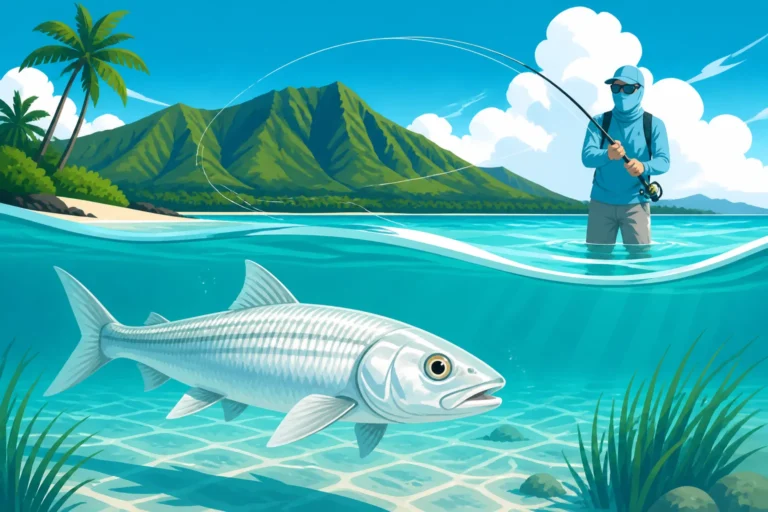
Beyond the bridges, Kaneohe Bay's vast network of shallow flats and the edges of its mangrove-lined shorelines provide incredible opportunities for sight fishing and light-tackle action. These calmer, shallower areas are a haven for baitfish and smaller reef species, but they also attract larger predators like bonefish (oio) and papio. Walking the flats during low tide, or wading into the shallows, can be a truly rewarding experience, allowing you to spot cruising fish and present your lure or bait with precision. This is a very different style of fishing than the deep-water harbor edges, requiring stealth and keen observation.
For bonefish, which are often found tailing in the shallowest water, fly fishing or using small, weighted jigs can be highly effective. The key is a delicate presentation to avoid spooking these notoriously wary fish. The mangrove edges, while sometimes tricky to access due to thick vegetation, also hold a lot of life. Fish use the root systems for shelter and to ambush prey. Flipping small baits or lures into these pockets can yield surprises. If you're considering a guided experience to learn the nuances of fishing these unique bay environments, checking a platform like FishingBooker could connect you with local experts who specialize in Kaneohe Bay's flats and inshore techniques. They can also advise on specific gear, like the right life jacket requirements for Hawaii boaters, if you plan to venture out in a kayak or small craft.
Understanding Hawaii Fishing Regulations
No matter which harbor on Oahu you choose to fish, it's absolutely crucial to understand and adhere to Hawaii's fishing regulations. These rules are designed to protect the marine ecosystem and ensure sustainable fishing for future generations. While the ocean around Hawaii generally doesn't require a recreational marine fishing license for residents, there are specific rules about what you can catch, how much, and what size. Non-residents, however, often have different requirements. For example, a non-resident might need a Hawaii Nonresident Marine Fishing License, Explained if they plan to fish from shore or a private vessel.
It's not just about licenses, though. Hawaii has very specific bag and size limits for many popular species, like papio and ulua, which grow to be the same species, with ulua being the larger, mature version. Knowing the Hawaii Papio and Ulua Size Rules is essential to avoid penalties. Certain areas, such as Marine Life Conservation Districts (MLCDs), have strict prohibitions on fishing or harvesting, while other areas might have seasonal closures for specific species. Always check with the Hawaii Department of Land and Natural Resources (DLNR) Division of Aquatic Resources (DAR) for the most up-to-date information before you cast a line. Penalties for fishing without a required license in Hawaii can be stiff, so it pays to be informed.
| Harbor/Location | Primary Fishing Style | Target Species (Common) | Accessibility | Recommended Bait/Lures |
|---|---|---|---|---|
| Kewalo Basin | Shore casting, jetty fishing, bait & wait | Papio, Ulua, Goatfish, Akule, Perch | Easy (parking avail) | Live bait (Sabiki), jigs, spoons, cut bait |
| Sand Island SRA | Shore casting, lagoon fishing, channel fishing | Papio, Ulua, Perch, Goatfish, Tilapia | Easy (parking avail) | Shrimp, squid, cut bait, small jigs, grubs |
| Kaneohe Bay (Bridges/Flats) | Light tackle, sight fishing, wading | Papio, Bonefish, Goatfish, Snapper | Moderate (some wading/walking) | Small jigs, flies, shrimp, cut bait |
| Honolulu Harbor (Outer) | Heavier tackle, sliding bait | Ulua, Papio, Jack Crevalle | Moderate (walk-in) | Live bait (Akule, Opelu), cut bait |
This table provides a quick overview, but remember that conditions and fish activity can change daily. The best way to learn these spots is to get out there, observe, and talk to local anglers. They are a wealth of knowledge, often happy to share tips once they see you're respectful of the fishery.
Conclusion: Making the Most of Oahu's Harbor Fishing
Oahu's harbors and their surrounding waters offer a surprising wealth of fishing opportunities for anglers of all skill levels, whether you're a seasoned local or a visitor looking to wet a line. From the urban edges of Kewalo Basin and Sand Island to the serene, reef-rich waters of Kaneohe Bay, each spot provides a unique experience and targets a different array of fish. The key to success lies in understanding the local environment, choosing the right techniques, and always respecting the regulations that protect these precious resources.
Don't be intimidated by the idea of fishing in a busy harbor; with a little preparation and local knowledge, these accessible spots can become your favorite go-to fishing grounds. Embrace the challenge, enjoy the stunning Hawaiian scenery, and who knows, you might just land that trophy fish you've been dreaming of. Just remember to pack your patience, plenty of water, and that essential sense of aloha for the ocean and your fellow anglers.
Disclaimer
Please note that fishing regulations in Hawaii can change. While every effort has been made to provide accurate and up-to-date information, it is the angler's responsibility to verify all current rules, licenses, bag limits, and protected areas with the Hawaii Department of Land and Natural Resources (DLNR) Division of Aquatic Resources (DAR) before engaging in any fishing activities. This guide is for informational purposes only and should not be considered legal advice.