Best reef fishing spots on Kauai
Navigating the stunning, diverse coastline of Kauai to find the perfect reef fishing spot can feel like a treasure hunt, especially with all the protected areas and varying access points. It's easy to get discouraged when you're faced with endless pristine beaches, wondering where it's even legal or productive to cast a line. This comprehensive guide is here to cut through that confusion, helping you uncover the best reef fishing locations on the Garden Isle and understand how to make the most of your angling adventure.
Understanding Kauai's Reef Ecosystems for Fishing
Kauai, known as the Garden Isle, boasts an incredible array of marine environments, from shallow fringing reefs to dramatic lava rock formations that plummet into deeper waters. These complex ecosystems are what make reef fishing here so dynamic and rewarding, but also why understanding them is crucial for success. You’re not just fishing in "the ocean"; you're interacting with a delicate balance of coral, rock, sand, and the myriad of creatures that call it home.
The shallow reef flats, often accessible from shore, are teeming with smaller reef fish like papio (juvenile trevally), various types of goatfish (kumu and weke), and the vibrant uhu (parrotfish). These areas require a different approach than the deeper, more exposed outer reefs, where you might encounter larger trevally (ulua), moi (Pacific threadfin), or even some of the invasive species like taape and roi that lurk among the corals. Knowing the general layout – where the waves break, where the water is calm, and where the reef transitions to sand – will give you a significant advantage. It's not just about finding fish, but finding the right habitat for the fish you're targeting.
Many of Kauai’s reefs are also protected under various classifications, like Marine Life Conservation Districts (MLCDs), where fishing is strictly prohibited. It’s incredibly frustrating to scout a perfect-looking spot only to find out it’s off-limits. Always double-check the local regulations, and remember that respecting these areas is vital for the long-term health of Kauai's unique marine life. You can often find detailed information on these zones, as well as general rules, by looking into the Hawaii Fishing Regulations Explained before you head out.
Top Shore-Accessible Reef Fishing Spots on Kauai
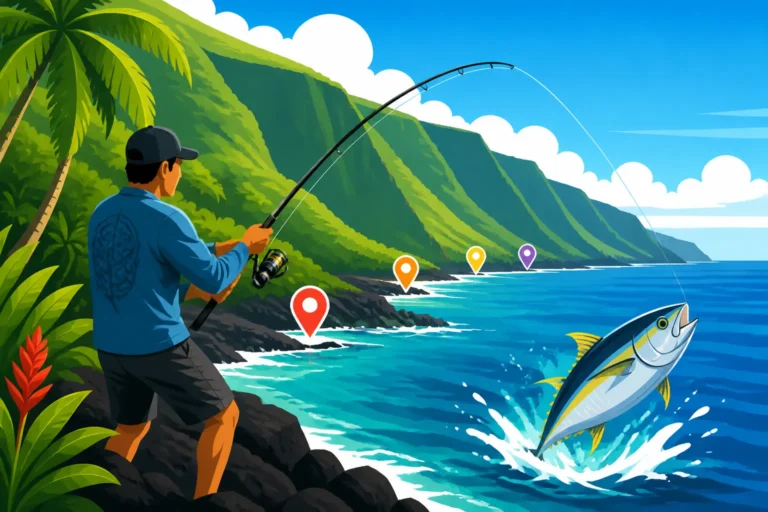
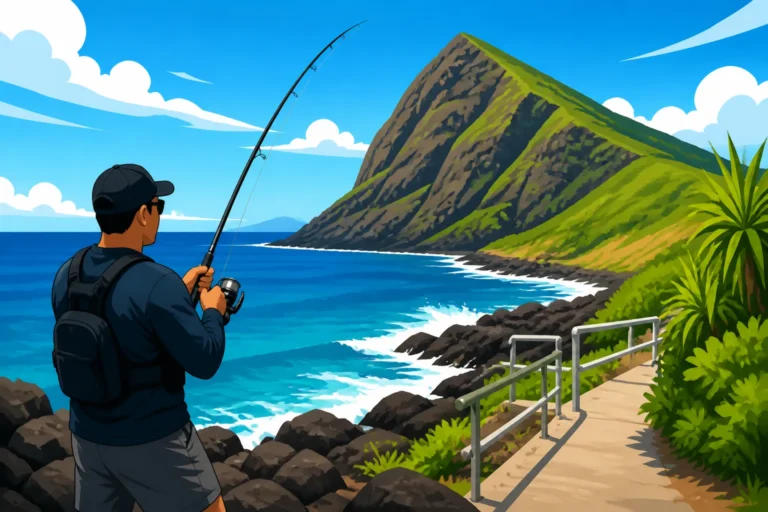
For many anglers, the thrill of Hawaii fishing starts right from the shoreline, casting into the clear, active waters over the reefs. Kauai offers numerous spots where you can literally walk out with your gear and be fishing within minutes. These locations often provide incredible views and a real sense of connection with the island's natural beauty, though they require patience and a keen eye for reading the water.
Poipu Beach Park Area
On the sunny south shore, the Poipu area is incredibly popular, and for good reason. While parts of Poipu Beach itself might be too busy with swimmers and snorkelers, the rocky points and sections of reef extending further east and west offer excellent opportunities. Head towards areas like Gillin's Beach or Mahaulepu Beach (which can require a short drive down a dirt road, check access rules first) to find less crowded, productive reef systems. Here, you’ll typically be targeting smaller papio, various wrasse, and goatfish. The key is to find pockets of deeper water among the reef, or areas where the reef meets sand. Light tackle and small jigs or bait work well. Just be mindful of snorkelers and swimmers, and always look for posted signs regarding Hawaii Marine Life Conservation Districts Explained which might be nearby.
Anini Beach Park
Located on the north shore, Anini Beach is famous for its extensive fringing reef that creates a calm, protected lagoon. This makes it an ideal spot for family fishing or for those who prefer calmer waters without heavy surf. While the very shallowest parts of the lagoon are excellent for snorkeling, the outer edges of the reef and the channels leading out offer fantastic fishing. You can wade out to the reef's edge (be careful of sharp coral and sea urchins, wear reef shoes!) and cast into the slightly deeper water beyond. This is a prime location for uhu, kumu, and often smaller papio. It’s a great spot to practice lighter techniques, and you might even spot an occasional moi cruising the sandy patches adjacent to the reef. For specifics on these beautiful fish, you can learn more about Uhu Parrotfish in Hawaii and Kumu Goatfish in Hawaii.
Hanalei Bay (East End)
While Hanalei Bay is iconic for surfing, especially in winter, its eastern end, closer to the pier, offers some interesting reef fishing opportunities when conditions are calm. The pier itself is a popular fishing spot, but if you venture to the rocky outcrops and reef patches further along the shoreline, you can find productive areas. Early mornings are often best before the crowds arrive. This spot can yield papio, various surgeonfish, and sometimes even small ulua if you're lucky. The challenge here is finding clear casting lanes without getting snagged on the abundant coral. Always keep an eye on wave conditions, especially on the North Shore. For other North Shore specifics, check out our guide on Hanalei Bay Fishing Access.
Kapaa Bike Path and Lydgate Beach Park
Along the eastern coast, the Kapaa Bike Path runs alongside miles of coastline with accessible reef systems. While some areas are quite shallow, rocky points and small coves can be excellent for whipping for papio or bait fishing for reef dwellers. Lydgate Beach Park, in particular, has protected swimming lagoons, but the areas just outside these rock walls can be very productive. The mouth of the Wailua River, nearby, also provides a unique brackish water environment where reef fish sometimes venture. These spots are highly accessible, often with ample parking, making them convenient choices for a spontaneous fishing session.
| Reef Fishing Spot | Accessibility | Primary Target Species | Best Technique | Notes |
|---|---|---|---|---|
| Poipu Beach Area | Shore | Papio, Wrasse, Goatfish | Light Spinning, Bait | Busy, check regulations |
| Anini Beach Park | Shore/Wade | Uhu, Kumu, Papio | Light Spinning, Jigging | Calm, good for families |
| Hanalei Bay (East) | Shore | Papio, Surgeonfish | Light Spinning, Bait | Seasonal, watch surf |
| Kapaa Coastline | Shore | Papio, Reef Fish | Whipping, Bait | Highly accessible |
Boat-Accessible Reef Fishing Adventures Around Kauai
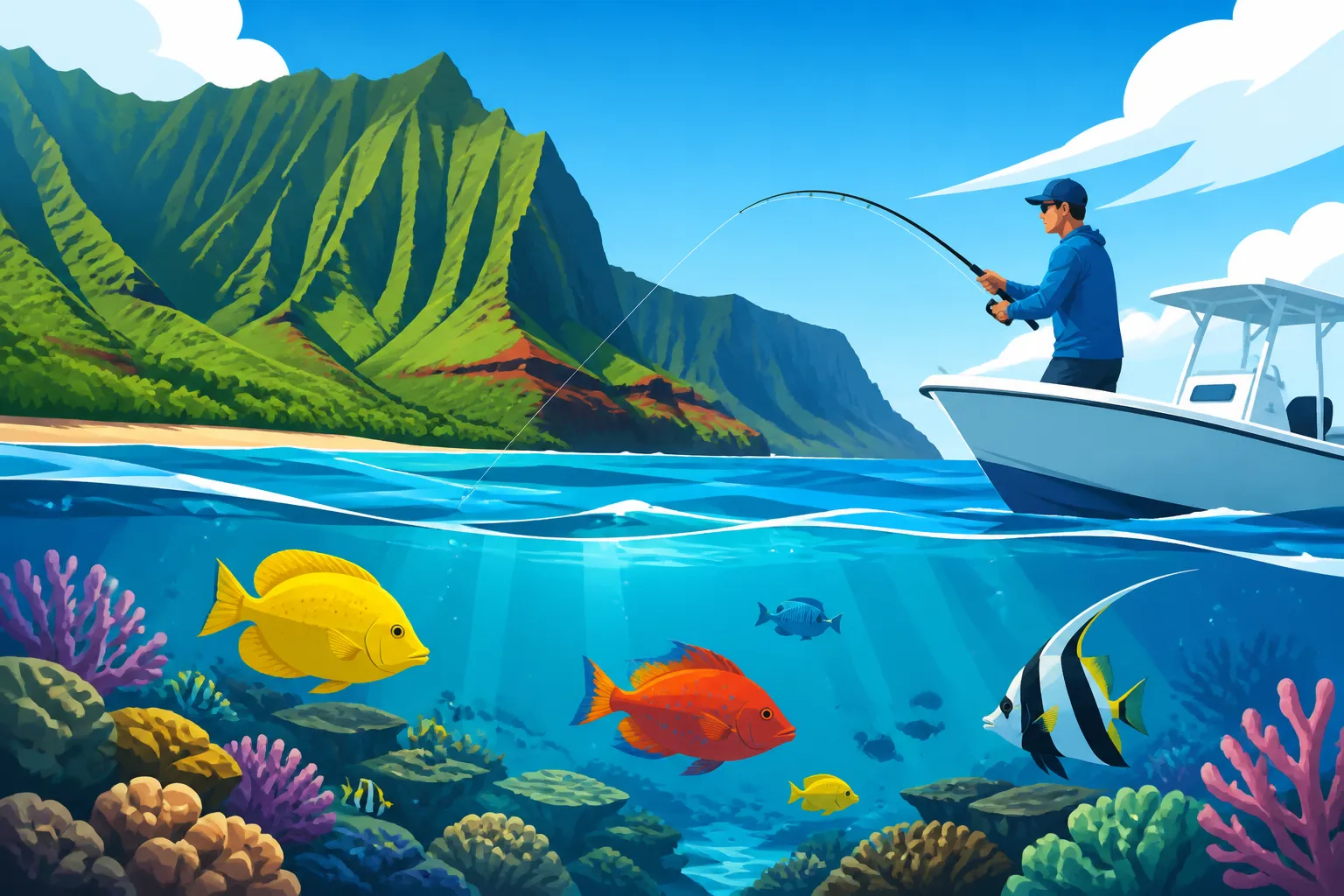
While shore fishing on Kauai is fantastic, some of the most vibrant and untouched reef systems are only accessible by boat. These offshore reefs, often beyond the reach of shore casters, hold larger fish and offer a different kind of angling experience. Hiring a local charter or guide can be an excellent way to explore these hidden gems, and many anglers find it helpful to browse local charters, perhaps through platforms like FishingBooker, to access those harder-to-reach reef systems.
Koloa Landing (South Shore)
Koloa Landing, near Poipu, is a popular launch point for smaller boats and kayaks. From here, you can easily access the vibrant reefs just offshore. These areas offer excellent opportunities for bottomfishing for a variety of reef species, including opakapaka (pink snapper), onaga (ruby snapper), and even larger ulua. The depth changes rapidly just a short distance from shore, providing rich habitat. Using light tackle with cut bait or small jigs can be incredibly effective here. Exploring these reefs by kayak or stand-up paddleboard can be a peaceful and productive way to fish, offering a closer look at the reef structure below.
Port Allen (West Side)
On Kauai's west side, Port Allen serves as a major harbor and gateway to some of the island's most dramatic coastlines and offshore fishing grounds. From here, you can venture west towards the famous Na Pali Coast, where the underwater topography is rugged and the reefs are less pressured. While the Na Pali is largely a protected area and some zones prohibit fishing, the reefs and ledges leading up to it, and beyond, offer incredible opportunities for deeper reef species. Anglers here might target various bottomfish using more robust gear, or even find schooling opelu and akule that attract larger predators. If you're looking for an experienced captain to take you to these more remote spots, searching on sites like FishingBooker for local charters can connect you with guides who know these waters intimately.
North Shore Offshore Reefs
The North Shore of Kauai, particularly around areas like Tunnels Beach (Makua Beach) and beyond, features extensive and intricate reef systems that are spectacular but can be challenging to access due to surf conditions. When the ocean is calm, these areas become prime spots for boat-based fishing. The outer edges of these reefs drop off into deeper channels, creating ideal ambush points for larger predatory reef fish and pelagics that cruise close to the reef edge. You might find yourself jigging for large ulua, fishing for moi in specific sandy pockets, or even encountering small tuna species near bait balls. Due to the sometimes unpredictable conditions, having an experienced captain is highly recommended for exploring these stunning, yet rugged, fishing grounds. For those considering taking their own boat, be sure to be aware of Hawaii Boating Laws for Anglers.
Essential Tips for Successful Reef Fishing on Kauai
Reef fishing on Kauai, whether from shore or boat, comes with its own unique set of challenges and rewards. Being prepared and understanding the nuances can significantly increase your chances of success and ensure a safe, enjoyable trip.
Reading the Water and Reef Structure
One of the most crucial skills for reef fishing is the ability to "read" the water. Look for signs of life: schooling baitfish, birds diving, or even turtles and monk seals (remember to keep a respectful distance from protected marine life, which is covered in Hawaii turtle and monk seal proximity rules for anglers). Observe where waves break, how currents flow around rocky points, and where the water color changes, indicating shifts in depth or bottom composition. Darker patches often signify coral or rock, while lighter areas are usually sand. Fish will often hold in transition zones where reef meets sand, or in the channels and drop-offs where bait is funneled. Understanding How to Fish a Reef Flat for Uhu is a great starting point, as these principles apply to many other reef species.
Tackle and Bait Considerations
For most shore-based reef fishing, a medium-light to medium spinning setup with 10-20 lb braided line and a fluorocarbon leader is a versatile choice. You'll want something strong enough to pull fish away from coral but sensitive enough to detect subtle bites. When fishing from a boat over deeper reefs, you might opt for heavier setups, especially if targeting larger bottomfish.
- Lures: Small lead head jigs with soft plastics, spoons, and small twitch baits are excellent for papio and other active reef predators. Topwater poppers can be exhilarating for aggressive papio at dawn or dusk.
- Bait: Live bait (like small opelu or akule if you can catch them) is often irresistible to larger reef fish. Cut bait, such as squid, octopus, or chunks of sardines, is also highly effective for bottom-dwelling species. Shrimp, limu (seaweed), and even bread can work for smaller, more docile reef fish.
Respecting Regulations and the Environment
Kauai's marine environment is precious, and adhering to fishing regulations is paramount. Always be aware of minimum sizes, bag limits, and closed seasons for specific species. For instance, there are strict rules around Hawaii Moi Closed Season Explained and Hawaii Uhu Parrotfish Size and Bag Limits. It’s also crucial to understand and avoid fishing in Marine Life Conservation Districts (MLCDs) or other restricted areas. If you're unsure about any specific rule, the Hawaii Department of Land and Natural Resources (DLNR) website is an invaluable resource, and local tackle shops are often excellent sources of up-to-date information.
Beyond regulations, practice good stewardship: take out everything you bring in, avoid stepping on coral, and release fish carefully if you're not keeping them. The future of Hawaii fishing depends on responsible angling today.
The Seasons and Best Times to Fish Kauai's Reefs
While Hawaii offers fantastic fishing year-round, certain times and conditions can enhance your reef fishing success on Kauai. Understanding these patterns can help you plan your trips more effectively.
Seasonal Variations
Generally, the calmer summer months (roughly May through September) offer better access to more exposed reef systems, especially on the North Shore, where winter swells can make shore fishing dangerous and boat access difficult. During these calmer periods, the water clarity is often exceptional, making it easier to spot reef structure and sometimes even cruising fish. The south shore tends to be more consistent year-round, although trade winds can still create choppier conditions.
- Winter (October – April): The north shore experiences larger swells, making southern and western shores often more accessible and calmer for reef fishing.
- Summer (May – September): Generally calmer ocean conditions statewide, opening up more options for boat access to outer reefs and shore fishing on the North Shore.
For more detailed information on species-specific timing, you might consult our comprehensive guide on Best Time of Year to Fish in Hawaii.
Tides and Moon Phases
Tides play a significant role in reef fishing. Moving water, especially around changes in tide (incoming or outgoing), often stimulates feeding activity as currents stir up bait and create advantageous ambush points for predators. Pay attention to the tide charts for Kauai; fishing around high or low slack tide can sometimes be slower, while the periods of strong tidal flow can be incredibly productive.
Moon phases can also influence fish behavior, particularly for night fishing enthusiasts targeting larger ulua. Many local anglers swear by fishing during the new or full moon phases, believing that the stronger tides associated with them bring in bigger fish. Experiment with these factors to see what works best for your chosen spot and target species.
Conclusion
Reef fishing on Kauai is an experience unlike any other, blending the thrill of the catch with the breathtaking beauty of the Garden Isle's coastline. From casting light tackle into the calm, protected waters of Anini to venturing by boat to the deeper, less-fished reefs off Port Allen, there's an adventure waiting for every angler. Remember to prioritize safety, respect the local regulations and marine environment, and approach each spot with an eagerness to learn from the ocean itself. With a little preparation and a lot of aloha, you're sure to create unforgettable fishing memories on Kauai's vibrant reefs.
Disclaimer
Please remember that fishing regulations, conditions, and access points can change. Always consult the most current Hawaii Department of Land and Natural Resources (DLNR) Division of Aquatic Resources (DAR) rules and local advisories before heading out. Safety should always be your top priority when fishing in Hawaii's diverse and sometimes challenging marine environments.